

Introduction:
Men’s mental health is a topic that demands urgent attention and understanding. For far too long, the societal expectations surrounding masculinity have imposed a detrimental impact on men’s mental well-being. The prevalent “Man Up” mentality has not only discouraged men from seeking help but has also perpetuated harmful stereotypes and stigmas. It is crucial to challenge these norms and foster a culture of compassion and support. This article seeks to shed light on the unique mental health challenges faced by men, explore the consequences of toxic masculinity, and advocate for a shift towards open conversations, empathy, and understanding. By replacing the outdated notion of “Man Up” with compassion, we can create an environment that encourages men to prioritize their mental health and seek the support they deserve.
1. The Importance of Addressing Men’s Mental Health.
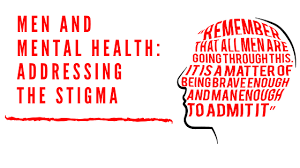
a) Understanding the Prevalence of Mental Health Issues among Men.
Mental health is a topic that affects everyone, regardless of gender. However, it’s crucial to shed light on the specific challenges faced by men. Contrary to popular belief, mental health issues are not exclusive to women. In fact, statistics show that men also experience a high prevalence of mental health disorders, including depression, anxiety, and substance abuse. It’s time we recognize that men’s mental health matters and urgently needs attention.
b) The Significance of Tackling Men’s Mental Health Stigma.
Imagine a world where men felt comfortable seeking help and talking openly about their struggles without fear of judgment or ridicule. Unfortunately, we’re not quite there yet. The stigma surrounding men’s mental health prevents many from seeking the support they need. It’s essential to address this stigma head-on, dismantling the idea that vulnerability equals weakness. By promoting understanding and acceptance, we can create a safe space for men to prioritize their mental well-being.
2. Challenging the “Man Up” Mentality: The Negative Impact on Men’s Mental Well-being.

a) The Detrimental Effects of Societal Expectations on Men’s Mental Health.
From a young age, boys are taught to suppress their emotions and not show vulnerability. The “man up” mentality ingrains the notion that seeking help is a sign of weakness. This harmful expectation can have severe consequences on men’s mental well-being. Bottling up emotions and denying oneself the support they need can lead to increased stress, anxiety, and even contribute to the development of more serious mental health conditions.
b) Unpacking the Consequences of Toxic Masculinity.
Toxic masculinity perpetuates harmful stereotypes that can hinder men from seeking help. The pressure to appear strong and in control at all times can be incredibly damaging. It not only affects how men perceive themselves but also impacts their relationships and social interactions. By challenging toxic masculinity and promoting healthier masculinity norms, we can create a society where men feel empowered to care for their mental health.
3. Understanding the Unique Mental Health Challenges Faced by Men.

a) Exploring the Societal Pressures and Stereotypes that Affect Men’s Mental Well-being.
Societal expectations place immense pressure on men to be providers, strong, and self-reliant. These pressures can lead to feelings of stress, inadequacy, and isolation. Additionally, stereotypes surrounding masculinity can stifle self-expression and limit the range of emotions men feel comfortable expressing. Understanding these unique challenges is vital in tailoring approaches to address men’s mental health effectively.
b) Addressing the under diagnosis and Underreporting of Mental Health Issues in Men.
Men are less likely to seek professional help for mental health concerns. Factors like stigma, fear of judgment, and a lack of awareness contribute to the under diagnosis and underreporting of mental health issues. By normalizing conversations around men’s mental health, providing accessible resources, and expanding mental health literacy, we can bridge this gap and ensure that men receive the help they deserve.
4. Breaking the Stigma Surrounding Men’s Mental Health: Promoting Open Conversations.

a) The Role of Education and Awareness in Dismantling the Stigma.
Education plays a pivotal role in challenging misconceptions and breaking down the barriers surrounding men’s mental health. By fostering mental health literacy through school programs, workplace initiatives, and community outreach, we can create a more empathetic and understanding society. Knowledge empowers individuals to recognize the signs of struggling mental health and offer support without judgment.
b) Encouraging Men to Share their Experiences and Seek Support.
The first step towards combating men’s mental health stigma is encouraging open conversations. Sharing personal experiences can be transformative, inspiring others to seek help and fostering a sense of solidarity. By creating safe spaces for men to express their emotions and providing resources such as support groups and helplines, we can ensure that men no longer suffer in silence.
Remember, it’s time to replace “man up” with compassion and support. Let’s create a world where men’s mental health is prioritized, understood, and embraced.
5. The role of compassion and support in improving men’s mental health.

a) Highlighting the importance of empathy, understanding, and non-judgment.
When it comes to men’s mental health, compassion and support are truly transformative. It’s time to replace the outdated “man up” mentality with a kinder and more understanding approach. Empathy, understanding, and non-judgment are crucial in fostering a safe environment for men to open up about their struggles. By acknowledging their experiences and validating their emotions, we can help break down the barriers that prevent men from seeking the help they need.
b) Building a supportive environment for men to express their emotions.
Society often expects men to be emotionally stoic, which can be detrimental to their mental well-being. It’s essential to create a supportive environment where men feel comfortable expressing their emotions openly. Encouraging conversations about mental health, actively listening without judgment, and providing resources for support can make a significant difference. Let’s create space for vulnerability and show men that it’s okay to ask for help.
6. Strategies for promoting mental well-being among men.

a) Encouraging self-care practices and stress management techniques.
Self-care isn’t just a buzzword; it’s a crucial aspect of maintaining good mental health. Encouraging men to prioritize self-care practices such as exercise, healthy eating, and getting enough sleep can have a positive impact on their well-being. Additionally, promoting stress management techniques like meditation, journaling, or engaging in hobbies they enjoy can help them cope with life’s challenges more effectively.
b) Promoting healthy relationships and social connections.
Healthy relationships are essential for everyone’s mental well-being, including men. Encouraging men to build strong social connections and maintain healthy relationships can provide a valuable support system. Whether it’s spending time with friends, joining community groups, or nurturing existing relationships, fostering a sense of belonging and connection can greatly contribute to their mental health.
7. Seeking professional help: Encouraging men to prioritize their mental health.

a) Addressing the barriers to seeking professional help.
Men often face unique barriers when it comes to seeking professional help for their mental health. Societal expectations, stigma, and the fear of being perceived as weak can discourage men from reaching out. It’s crucial to address these barriers head-on by providing education, raising awareness, and challenging the harmful stereotypes that surround men and mental health. Let’s emphasize that seeking help is a sign of strength, not weakness.
b) Normalizing therapy and counseling as a beneficial resource.
Therapy and counseling can be incredibly beneficial for men’s mental well-being. Normalizing these resources and debunking the myth that therapy is only for the “crazy” or “weak” can encourage more men to consider seeking professional help. Sharing stories of successful therapy experiences, highlighting famous men who have openly discussed their mental health journeys and dispelling misconceptions can go a long way in normalizing therapy as a valuable tool for personal growth and healing.
8. The importance of community and peer support in men’s mental health journeys.

a) Recognizing the power of support groups and peer networks.
Support groups and peer networks can play a crucial role in men’s mental health journeys. Coming together with others who have similar experiences creates a sense of camaraderie and understanding. Whether it’s through online forums, community organizations, or local meetups, these support systems offer a platform for men to share their challenges, gain insights, and find comfort in knowing they are not alone.
b) Creating safe spaces for men to share their challenges and find solidarity.
Creating safe spaces for men to share their challenges openly can be a game-changer. Men often face societal pressures to appear strong, leading to feelings of isolation. By establishing safe environments, such as men’s mental health support groups or open forums, we can provide an avenue for men to share their struggles and find solidarity. When men join forces to support one another, incredible healing and growth can occur. In conclusion, addressing men’s mental health requires a collective effort to challenge societal expectations and replace them with compassion and support. By fostering open conversations, breaking down stigmas, and promoting empathy, we can create a safer and more inclusive space for men to prioritize their mental well-being. It is essential to recognize that seeking help is a sign of strength, not weakness, and to encourage men to reach out for professional support when needed. Let us work together to dismantle the “Man Up” mentality and replace it with a culture that values men’s mental health and supports their journey towards overall well-being.
FAQ:

1. Why is it important to address men’s mental health specifically?
Men’s mental health is a pressing issue that often goes overlooked. Societal expectations surrounding masculinity can create barriers for men in seeking help and expressing their emotions. By addressing men’s mental health specifically, we aim to debunk stereotypes, break stigmas, and create a supportive environment for men to prioritize their mental well-being.
2. How can we challenge the “Man Up” mentality?
Challenging the “Man Up” mentality requires a collective effort. It starts with promoting open conversations about mental health and encouraging men to share their experiences without judgment. Education and awareness campaigns can help debunk stereotypes and emphasize the importance of emotional expression and seeking support. By redefining masculinity to include vulnerability and compassion, we can challenge the harmful aspects of the “Man Up” mentality.
3. What role does compassion and support play in improving men’s mental health?
Compassion and support are essential for men’s mental health. Creating a safe and non-judgmental environment allows men to share their emotions and seek help without fear of ridicule. Empathy and understanding promote a sense of connection and validation, which can greatly contribute to a man’s mental well-being. By fostering a culture of compassion and support, we can empower men to prioritize their mental health and seek the assistance they need.
4. Are there any specific strategies or resources available to help improve men’s mental well-being?
Yes, there are several strategies and resources available to improve men’s mental well-being. Encouraging self-care practices, such as regular exercise, healthy sleep patterns, and mindfulness techniques, can have a positive impact. Building and maintaining strong social connections, participating in support groups, and seeking professional help when necessary are also beneficial. Additionally, various mental health organizations and online platforms offer resources specifically designed to support men’s mental well-being.
Discover more from Parth Sharma
Subscribe to get the latest posts sent to your email.


Thank you for sharing this post on such a important topic…
LikeLiked by 1 person
Thank you Stella for your valuable response
LikeLiked by 1 person
Great post, I think as much as there is stigma around getting help for mental health issues for everyone it’s much worse for men and seen as a weakness. It’s really a mindset that needs to change so more men can get help when they need it.
LikeLiked by 1 person