

In an era marked by rapid technological advancements and evolving societal norms, educators face a unique set of challenges when it comes to supporting adolescents. The teenage years are critical for emotional, cognitive, and social development, yet they are often fraught with difficulties that can hinder a young person’s academic and personal growth. Understanding the complexities of the adolescent mind is essential for educators who strive to create nurturing learning environments. This article explores the multifaceted challenges faced by students today and highlights effective strategies educators can employ to foster resilience, promote well-being, and engage both parents and communities in the educational process. By tackling these issues head-on, educators can better equip themselves to guide the next generation of learners through the complexities of adolescence.
1. Understanding the Adolescent Mind: Key Developmental Stages.

a) Cognitive Development and Learning Styles.
Adolescents are like sponges, but instead of soaking up water, they’re absorbing information, ideas, and a fair amount of TikTok dances. During this crucial phase, they’re shifting from concrete thinking to more abstract reasoning. This transition means that traditional teaching methods might need a makeover. Educators should be attuned to various learning styles—whether it’s auditory, visual, or kinesthetic. Bonus points if you can make math feel like a rite of passage rather than a punishment!
b) Emotional Growth and Identity Formation.
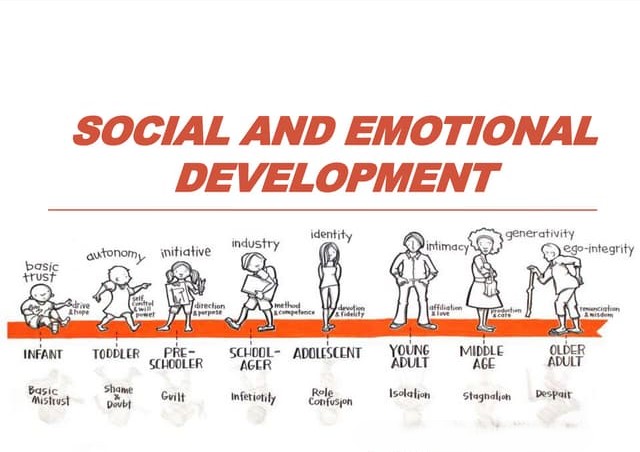
The teen years are like a rollercoaster designed by a mad scientist—full of ups, downs, and unexpected twists. Adolescents are on a quest for identity, navigating the choppy waters of self-discovery amidst peer pressure and ever-changing societal norms. Understanding that an adolescent’s mood swings are as normal as a teenager’s obsession with avocado toast can help educators approach emotional growth with empathy and patience.
c) Social Influences and Peer Relationships.
Friends can be both the wind beneath an adolescent’s wings and the weights dragging them down. Peer relationships play a huge role in shaping behavior and self-esteem during these years. Educators need to recognize the power of social dynamics and help students navigate friendships—because who hasn’t had a drama-filled group chat? Addressing the need for healthy peer interactions is key to creating a supportive atmosphere.
2. Common Challenges Faced by Adolescents in Education.

a) Academic Pressure and Stress Management.
Ah, the classic “stress” cocktail: homework, exams, and the constant pressure to be perfect. Adolescents often find themselves juggling academic expectations while trying to maintain a semblance of a social life. It’s no surprise that many feel overwhelmed. Educators can help by fostering a culture of balance—emphasizing the importance of mental health and teaching effective stress management techniques, even if that means a group meditation session after a math test.
b) Bullying and Social Isolation.
Bullying is like that pesky mosquito you just can’t swat away. It often leads to social isolation and negatively impacts mental health. Educators must be vigilant, creating programs that encourage empathy, understanding, and friendship. Remember, a classroom environment devoid of fear is a breeding ground for confidence and growth, so let’s put our foot down against bullying—because kindness should always be in style.
c) Access to Resources and Support Systems.
Not every adolescent has access to a treasure trove of educational resources, which can create an uneven playing field. Schools must be inclusive by providing support systems, whether it’s through tutoring programs, after-school clubs, or counseling services. A little extra help can turn confusion into clarity and open doors for opportunities for all students, even if it means wrestling with budget constraints.
3. The Role of Educators in Supporting Youth Development.

a) Creating a Safe and Inclusive Classroom Environment.
Imagine walking into a classroom where you feel like a rock star rather than a deer in headlights. That’s the vibe educators should aim for! A safe and inclusive environment fosters trust, allowing students to express themselves freely. This is vital for their growth, as an open space encourages risk-taking, collaboration, and a lot less fear of getting called out for having the wrong answer—because let’s be real, everyone has had their “oops” moments.
b) Mentorship and Guidance for Personal Growth.
Educators often wear many hats, and mentorship is one of the most impactful. By serving as trusted guides, they can help students navigate not just academics, but life’s winding roads. Whether it’s advice on college applications or the complexities of relationships, a mentor can provide invaluable support. Remember, sometimes it takes just one encouraging word to spark a lifetime of ambition.
c) Collaboration with Mental Health Professionals.
We’re living in an era where mental health is finally getting the spotlight it deserves. Educators can’t do it all alone, so partnering with mental health professionals is essential. By working together, they can create comprehensive strategies to address students’ emotional and psychological needs. Think of it as assembling a superhero team with a shared mission: to support adolescents in finding their footing and thriving, one day at a time.
4. Strategies for Effective Communication with Adolescents.

a) Active Listening Techniques.
If you want to communicate with adolescents, channel your inner detective—active listening is key! When they’re talking, give them your undivided attention, nod along, and resist the urge to check your phone (it’s hard, I know!). This encourages them to open up. Validate their feelings, no matter how trivial they may seem; it’s all part of their world, and you’re just the trusted sidekick here to listen.
b) Building Trust and Rapport.
Building trust with adolescents is like trying to build a house of cards—one wrong move, and it all comes crashing down. Be genuine and relatable; share your own experiences (maybe not the cringe-worthy ones, but you get the idea!). Consistency and follow-through are crucial—if you say you’ll be there, then show up! Trust is the foundation upon which great educator-student relationships are built.
c) Using Technology for Enhanced Engagement.
Let’s face it: today’s youth are practically glued to their devices. So why not embrace that? Educators can use technology to enhance engagement and make learning more relatable. From interactive apps to virtual reality field trips, the possibilities are endless. Just ensure that the tech isn’t replacing the teacher; after all, it’s the human touch that ultimately connects with students—and maybe even gets them to put their phones down for a second!
5. Building Resilience: Fostering Emotional Well-being in Students.

a) Teaching Coping Skills and Mindfulness.
In the chaotic whirlwind of adolescence, teaching students effective coping skills is like handing them a life jacket in stormy seas. Mindfulness practices—think meditation, deep breathing, or even just a moment of quiet reflection—can help students find their anchor amidst the emotional tides. By integrating these techniques into the curriculum, educators can empower students to manage stress, handle setbacks, and redirect their energies into positive outlets. After all, a calm mind is a classroom superhero’s best friend!
b) Encouraging Positive Relationships and Support Networks.
Let’s face it: navigating friendships and social dynamics can be as tricky as walking a tightrope. Encouraging positive relationships among peers and providing students with access to support networks can make all the difference. Schools can organize mentorship programs, peer-support groups, and even team-building activities that help foster camaraderie and understanding. When students feel safe and connected, they’re more likely to open up, share their challenges, and thrive both academically and emotionally.
c) Promoting a Growth Mindset.
“Oops, I did it again!” should be the battle cry for every student learning to embrace challenges. Promoting a growth mindset means celebrating mistakes as stepping stones to success. Educators can create an environment where effort is praised, and students are encouraged to see failures as valuable lessons rather than dead ends. Armed with this perspective, students can develop the resilience to tackle new challenges, knowing that persistence and determination are their best allies.
6. Engaging Parents and Communities in Adolescent Education.

a) Improving Parent-Teacher Communication.
Clear communication between parents and educators is the secret sauce for student success. By utilizing modern tools like apps, newsletters, and social media, schools can keep parents in the loop about their child’s progress and school activities. Regular check-ins, whether through phone calls or virtual meetings, can build trust and ensure that all parties are working toward the same goal—making education the ultimate team sport!
b) Community Resources and Partnerships.
It takes a village, right? Schools can forge partnerships with local organizations and businesses to create a rich network of resources for students and families. Whether its internships, workshops, or access to mental health services, community collaboration can provide valuable opportunities that extend beyond the classroom walls. When students see their community invested in their education, it can ignite passion, purpose, and a sense of belonging that goes a long way.
c) Workshops and Events for Parental Involvement.
Let’s make parent engagement less of a chore and more of a celebration! Schools can host workshops, family nights, and events that encourage parents to participate actively in their child’s education. From fun science fairs to interactive literacy nights, events that invite parents to roll up their sleeves and get involved can create lasting bonds while equipping them with tools to support their children at home. Because who wouldn’t want to engage in a friendly competition over a science project?
7. Innovative Approaches to Addressing Learning Differences.

a) Individualized Learning Plans.
One size fits all? Not in education! Individualized learning plans (ILPs) are like custom-tailored outfits for students, addressing their unique strengths and weaknesses. By developing ILPs in collaboration with students, parents, and educators, schools can ensure that each learner has a tailored roadmap, leading them to success at their own pace. This personalized approach not only boosts academic performance but also helps foster a love for learning.
b) Technology in the Classroom.
Gone are the days of dusty chalkboards! With the rise of technology in the classroom, educators can access a treasure trove of resources tailored for every learning style. From interactive software to online courses and virtual reality experiences, technology can make learning more engaging and accessible. Plus, let’s be honest—who wouldn’t want to explore ancient civilizations through a virtual field trip instead of flipping through a textbook?
c) Alternative Assessment Methods.
Standardized tests can feel about as relevant as a floppy disk in today’s digital world. It’s essential to explore alternative assessment methods that showcase students’ strengths rather than their test-taking abilities. Projects, presentations, portfolios, and peer assessments can provide a more comprehensive view of a student’s skills and knowledge. By adopting a variety of assessment strategies, educators can celebrate diverse talents and foster a more inclusive learning environment.
8. Future Trends: Preparing Educators for the Next Generation of Learners.

a) Professional Development and Training Opportunities.
As the educational landscape evolves, so must our educators! Continuous professional development is vital to keeping teachers equipped with fresh strategies and tools to address the ever-changing needs of their students. Workshops, conferences, and online courses can provide ongoing learning opportunities, helping educators stay sharp and inspired. After all, today’s teachers are tomorrow’s trendsetters!
b) Embracing Diversity in Educational Settings.
Diversity isn’t just a buzzword; it’s the heartbeat of a vibrant classroom. Schools must embrace and celebrate the rich tapestry of backgrounds, cultures, and experiences that students bring to the table. By implementing inclusive practices and culturally relevant teaching, educators can create an environment where every student feels valued and heard. When diversity is embraced, the entire classroom flourishes—think of it as a fantastic potluck where everyone brings their best dish!
c) Adapting to Technological Advancements in Education.
With technology advancing at lightning speed, educators must be ready to adapt faster than a cat on a hot tin roof! From artificial intelligence to gamified learning experiences, staying ahead of tech trends is crucial. Teachers can integrate new technologies into lessons to enhance engagement and prepare students for a digital future. By fostering a tech-savvy mindset, educators set students on a path to success in an increasingly advanced world. As we navigate the complexities of adolescent development, it becomes increasingly clear that the role of educators extends far beyond traditional teaching. By understanding the unique challenges faced by youth and implementing effective strategies to support their growth, educators can make a lasting impact on their students’ lives. Collaboration with parents and communities, along with a commitment to fostering resilience and well-being, will ensure that adolescents not only succeed academically but also develop the skills needed to thrive in an ever-changing world. Together, we can create a supportive environment that empowers young people to reach their full potential.
Frequently Asked Questions:

1. What are some common signs that an adolescent is struggling in school?
Signs may include sudden drops in grades, withdrawal from social interactions, changes in behavior, increased anxiety or stress, and difficulty concentrating. It’s important for educators and parents to communicate openly and observe any changes in the student’s demeanor.
2. How can educators effectively communicate with adolescents?
Effective communication involves active listening, showing empathy, and creating a safe space for dialogue. Using relatable language and incorporating technology can also help engage students and facilitate better communication.
3. What role do parents play in supporting their adolescent’s education?
Parents can support their adolescent’s education by maintaining open lines of communication with educators, participating in school events, monitoring academic progress, and providing a supportive home environment that encourages learning and emotional well-being.
4. How can schools promote resilience among students?
Schools can promote resilience by teaching coping skills, providing social-emotional learning programs, fostering positive relationships, and creating an inclusive environment that encourages risk-taking and learning from failure.













 Parth Sharma