The Teachers Spectrum: From Inspirational Guides to Warning Signs.

The landscape of education is shaped significantly by the diverse roles that teachers play within it, ranging from inspirational mentors to potential warning signs of ineffective practices. Understanding this spectrum is essential for educators, administrators, and stakeholders alike, as it directly influences student engagement, learning outcomes, and the overall classroom environment. This article delves into the characteristics of inspirational teachers who ignite passion and curiosity in their students, while also highlighting the critical warning signs that indicate when teaching may be falling short. By exploring both ends of the spectrum, we aim to provide insights and strategies that can enhance teaching effectiveness and foster a more supportive educational experience for all.

1. Understanding the Role of Teachers in Education.

a) The Evolution of Teaching Roles.

Teacher roles have morphed from strict disciplinarians to whimsical wizards dabbling in student success. In the past, teaching was about rote memorization and maintaining order. Fast forward to today, and we have multifaceted educators who wear many hats—mentors, counsellors, and sometimes even baristas (shoutout to all those coffee runs!). This evolution reflects changing societal needs and a greater understanding of how students learn best.

b) Impact on Student Learning and Development.

Teachers are the unsung heroes of student development, wielding the power to ignite curiosity and build confidence (or, in some cases, extinguish it). A good teacher can transform a disinterested student into a lifelong learner, while a poor one might send them running for the hills—or, at least, to the nearest TikTok feed. Their methods and attitudes significantly impact how students perceive education, shaping not just academics but also their self-esteem and enthusiasm for learning.

2. The Spectrum of Teaching Styles: An Overview.

a) Categorizing Teaching Styles.

Teaching styles are like ice cream flavors—there’s a scoop for everyone! From the charismatic storyteller to the strict drill sergeant, styles can be broadly categorized into several groups, such as authoritative, constructivist, and facilitative. Each flavor has its unique taste, appealing to different student preferences and learning needs. Finding the right style is crucial, as it can enhance engagement and help students feel more connected to the material.

b) Influences on Teaching Approaches.

Many factors influence a teacher’s style, including personal experiences, educational philosophy, and, let’s be honest, the occasional Netflix binge. Cultural backgrounds and classroom dynamics also play a role; think of them as the spices that create a teacher’s unique recipe. Understanding these influences is key to appreciating the complexity of teaching and recognizing why some styles resonate better with certain students than others.

3. Inspirational Guides: Characteristics and Impact.

a) Key Traits of Inspirational Teachers.

Inspirational teachers possess an extraordinary blend of charisma, empathy, and a knack for storytelling that makes learning an adventure. They are approachable, passionate, and often have a few clever tricks up their sleeves to keep students engaged—such as a dramatic reading of Shakespeare or a surprise science experiment. Beyond just delivering content, they foster an environment where students feel safe to explore, fail, and succeed.

b) Case Studies: Success Stories from the Classroom.

Let’s take a page from the success stories! There’s Ms Martinez, who transformed a classroom of skeptical high schoolers into a family of budding writers through her “open mic” poetry sessions—where even the toughest kids laid bare their souls. Or Mr. Lee, who turned history lessons into epic role-playing adventures, allowing students to experience ancient civilizations first-hand. These teachers remind us that a little creativity and connection can go a long way in inspiring students to reach their full potential.

4. Recognizing Warning Signs: Ineffective Teaching Practices.

a) Common Indicators of Poor Teaching.

If you’ve ever been in a class where the teacher drones on, and you can almost hear the crickets chirping, you know the signs of ineffective teaching. Common indicators include a lack of student engagement—think staring blankly at their desks or sneaking peeks at their phones—monotonous delivery, and an inability to differentiate instruction based on student needs. If the biggest lesson of the day is how to master the art of daydreaming, something’s amiss.

b) Consequences for Students and Learning Environment.

The repercussions of poor teaching practices can be as heavy as a backpack full of textbooks. Students may struggle academically, feel disengaged, or even develop a negative attitude toward school altogether. A toxic learning environment can lead to increased anxiety and lower self-esteem, diminishing students’ willingness to participate. In short, ineffective teaching can create a domino effect that ends with students giving up on their education before they even really begin.

5. Strategies for Supporting Inspirational Teaching.

a) Creating a Supportive School Culture.

To foster inspirational teaching, schools need to cultivate an environment that shouts “We’ve got your back!” Instead of merely slapping motivational posters on the wall, it’s about creating a community where teachers feel valued and supported. This can be achieved through open communication channels, recognition of achievements (yes, even the small wins!), and promoting a sense of belonging. Organizing regular team-building activities or even casual coffee catch-ups can break the ice and turn colleagues into allies. Remember, happy teachers mean happy students!

b) Encouraging Collaboration among Educators.

When educators team up, magic happens! Encouraging collaboration promotes sharing of best practices, resources, and even the occasional survival tips (like how to minimize paper cuts). Creating opportunities for co-teaching, peer observations, and professional learning communities helps teachers learn from one another’s strengths. Plus, who doesn’t love a good brainstorming session over snacks? Collaboration not only sparks creativity but also fosters a sense of camaraderie that energizes the teaching experience.

6. Addressing Warning Signs: Interventions and Solutions.

a) Identifying When to Intervene.

Spotting warning signs in educators can feel like trying to find Waldo in a sea of striped shirts. Look for clues such as disengagement, lack of enthusiasm, or a tendency to grade papers with a frown. Early intervention is crucial—before a small spark of discontent turns into an outright wildfire. Open dialogues and regular check-ins can help pinpoint those struggling, allowing for timely support before they start planning their escape to a tropical beach (or worse, out of the teaching profession altogether!).

b) Effective Strategies for Improvement.

Once warning signs are identified, it’s time to roll up those sleeves and dive into solutions! Personalized coaching can work wonders, offering targeted feedback and support. Initiatives like mentorship programs can provide teachers with a safety net. Plus, encouraging a healthy work-life balance (yes, having a life outside of school is allowed!) can rejuvenate weary educators. Lastly, fostering a culture where asking for help is seen as a sign of strength, not weakness, can make all the difference.

7. The Importance of Professional Development for Teachers.

a) Types of Professional Development Opportunities.

Professional development isn’t just about sitting in a stuffy room listening to someone drone on about pedagogy for hours—let’s be real, no one signed up for that! Opportunities can range from workshops and conferences to online courses and collaborative learning. Think hands-on activities where teachers can play with the latest educational tech or classroom management techniques. Flexible, engaging formats that cater to different learning styles are key to keeping educators inspired and excited about growing their skills.

b) Measuring the Impact of Professional Growth.

Once teachers have embarked on their development journeys, it’s essential to measure the outcomes. This can be as simple as surveys to gauge confidence and satisfaction or more complex analyses of student performance metrics before and after new strategies are implemented. Peer feedback can also provide valuable insights. The ultimate goal? Proving that investing in teacher growth not only elevates educators but also leads to a ripple effect that positively impacts students—and let’s face it, that’s the ultimate win-win!

8. Future Trends in Teaching: Balancing Inspiration and Effectiveness.

a) Embracing Technology in the Classroom.

With technology zipping forward faster than a caffeinated squirrel, it’s essential for educators to hop on the digital train or risk getting left at the station. Classrooms equipped with smart boards, educational software, and interactive tools not only engage students but also inspire innovative teaching methods. Blending traditional techniques with tech-savvy approaches enables educators to create dynamic learning experiences that cater to a variety of learning styles—and let’s face it, that’s where the fun begins!

b) Preparing for Evolving Educational Needs.

The educational landscape is constantly shifting, whether it’s new curriculum standards, diverse student needs, or societal changes. To stay ahead of the curve, teachers must be adaptable and open-minded. Preparing for these changes means continuous learning and being willing to step out of comfort zones. Encouraging forward-thinking discussions about future skill demands and fostering a growth mindset ensures that educators remain effective, inspired, and ready to tackle whatever challenges come their way. After all, if you’re not growing, you’re kind of just…well, sitting there! In conclusion, recognizing the spectrum of teaching—from inspirational guides to warning signs—enables us to better understand the pivotal role educators play in shaping future generations. By fostering an environment that encourages effective teaching practices and addressing areas of concern, we can create a more enriching learning experience for students. Ultimately, supporting teachers in their professional growth not only benefits them but also enhances the educational journey for every learner in the classroom.

Frequently Asked Questions:

1. What are the key characteristics of an inspirational teacher?

Inspirational teachers often exhibit traits such as empathy, passion for their subject, creativity in lesson delivery, strong communication skills, and the ability to foster a positive classroom environment that encourages student engagement and participation.

2. How can schools support teachers who show warning signs of ineffective practices?

Schools can support these teachers through targeted professional development, mentorship programs, collaborative teaching initiatives, and constructive feedback that focuses on improvement rather than criticism.

3. What impact does an inspirational teacher have on students?

An inspirational teacher can significantly enhance a student’s motivation, self-esteem, and academic performance. They inspire a love for learning and encourage students to explore their potential, leading to greater engagement and success in their educational journey.

4. How can educators identify their own teaching style?

Educators can identify their teaching style by reflecting on their classroom practices, seeking feedback from peers and students, and considering their strengths and preferences in lesson planning and delivery. Professional development workshops and self-assessment tools can also aid in this process.

Rating: 1 out of 5.

Every Teacher Should Be Aware Of Stress Management Techniques.

Teachers who do not understand how to effectively manage stress limit their ability to educate their students. Emotions are also important in decision-making. Overwhelm, anxiety, and frustration can all impair our ability to make sound decisions.

When the demands placed on you, such as work, school, or relationships, exceed your ability to cope, you experience stress. It can be a short-term reaction, such as being stuck in traffic or being late for school, or it can last for a long time if you’re dealing with relationship or money problems, the death of a loved one, or other serious situations. While some stress can be beneficial, such as stress that motivates you to study for an exam or perform well in a sporting event, untreated long-term stress has been linked to serious health issues such as depression, heart disease, obesity, and a weakened immune system.

According to a survey, women consistently report higher levels of stress than men. We don’t know if this is because women face more demands than men, such as taking on more family responsibilities, or because men and women experience stress differently. However, it is clear that chronic stress can have physical and emotional consequences if we do not find better ways to manage it.

Irritability, difficulty sleeping, changes in appetite, headaches, stomach aches, intestinal problems, nervousness, excessive worry, sadness or depression are all symptoms of stress. Stress can have an adverse effect on a woman’s ability to conceive, the health of her pregnancy, and how she adjusts after giving birth. It can also have an effect on menstruation and sexual desire, and it can aggravate premenstrual symptoms.

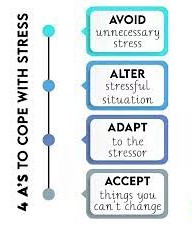
It may appear difficult for women juggling multiple responsibilities to find time to adequately manage stress. People who are under a lot of stress may try to cope by overeating or undereating, drinking alcohol, smoking, gossiping, or lying around the house. The good news is that there are effective stress management techniques. Here are some clever ways to cope:

Breathe Correctly.

Sensory overload can occur in the classroom. Before you know it, your heart rate is increasing, you’re breaking out in a sweat, and your mind is racing. The most effective first step you can take in these situations is to breathe deeply. So, it’s not the most recent technique, and it appears to be overly simple, right? When you’re stressed, breathe in deeply for four seconds (place your hands on your stomach and feel it expand out), then exhale evenly for four seconds. Maintain this for 2-3 minutes for maximum effect.

Accept the Stress.

Whether you believe stress is positive or negative, you are correct: viewing stress constructively will cause your body to respond differently and prevent long-term physical damage. Those who have negative attitudes towards stress, on the other hand, face a variety of negative health outcomes similar to those caused by smoking. So, how do you alter your attitude towards stress? Reframing changes in heart rate and other stress-related physical symptoms with phrases such as “This is my body helping me rise to this challenge.”

Imperfect Yourself.

Those who are overly stressed and unhappy often have one thing in common: they believe they should be someone better than they are. As a result, today’s working-age population is the most obese, addicted, and indebted in history. Teachers are frequently prone to perfectionism and its negative consequences: they frequently believe that they are not doing enough, or that their mistakes are magnified due to the importance of their job. Fight back if you find yourself feeling this way. The truth is that you are already “enough,” and you deserve to be loved and praised. Don’t forget about it.

First Aid for Emotions.

Do you criticise yourself when you fail or make a mistake? It would be like getting a cut and then finding ways to aggravate the wound. We don’t do that when we’re in physical pain, so why do we dwell on mistakes and aggravate the wound when we’re in emotional pain? Finding ways to break negative thought patterns is recommended if you find yourself taking your classroom work home with you. Sometimes a two-minute distraction is all that is required to avoid getting stuck in an emotional rut.

Be Thankful.

This isn’t about delusion or forcing yourself to be grateful for things that are clearly negative, but rather about a determination to see the opportunity to move in a new direction present in each moment. The formula is simple: “Stop, look, go.” We must pause, quiet our minds, and create “stop signs”—miniature reminders of things for which we should be grateful every day. By “look,” I mean to open all of your senses and simply enjoy life. “Go” means to move forward and take advantage of what life has to offer at any given time.

“Grass is Greener” Thinking.

“The greenest grass grows where it is watered.” It’s not always what you want to hear on a bad day, but the reality is that you will face difficulties wherever you go.

Work Smarter rather than Harder.

It’s easy to conflate exhaustion and burnout with hard work. Working hard and doing good work does not have to leave you exhausted and tense. Consider delegating some of your work or investing in tools or technologies that will make your life easier.

Connect with Someone.

When you connect with another person, your body produces oxytocin, a chemical that aids in heart repair. And you don’t even have to be on the receiving end: helping someone else has the same effect. Teachers already devote a significant amount of time to this, but it is also critical to cultivate relationships with colleagues, neighbours, and friends. Except for those who reported caring for others, who experienced NO such effects, major stressful life events are generally strongly linked with negative health outcomes. You are much less likely to experience the negative effects of stress if you help your neighbours, family, and so on. Friends and family members who have faced similar challenges may have useful ideas and perspectives to share. There is no reason to face difficult life circumstances alone. Indeed, support from family or friends may help you begin and maintain better self-care.

Keep track of your stressors. Keep a journal to track which situations cause you the most stress and how you deal with them. Keep a journal of your thoughts, feelings, and observations about the environment, including the people and circumstances involved, the physical setting, and your reactions. Taking notes can help you identify patterns in your stressors and reactions to them, allowing you to develop a stress management strategy.

Set boundaries. Make a list of the projects and commitments that are causing you stress. Determine which commitments are priorities and eliminate anything unnecessary. Accept no more commitments until you feel your stress is under control. Limiting non-essential obligations is essential for reducing chronic stress.

Make one health-related pledge. Do everything you can to improve your health so that you have the energy and strength to face the challenges you face. One small step, such as reducing excessive snacking, can have a big impact. Similarly, a brisk walk or other aerobic activity can boost your energy and concentration while decreasing anxiety. Physical activity boosts the production of feel-good endorphins while decreasing the production of stress hormones.

Control your devices. People who report constantly checking their email or social media tend to be more stressed. Take a break over the weekend and in the evenings. Before you go to bed, put your phone away.

Improve the quality of your sleep. Women who are chronically stressed frequently experience insufficient sleep and, in some cases, stress-induced insomnia. Begin winding down an hour or two before bedtime by engaging in calming activities such as listening to relaxing music, reading a good book, or practising relaxation techniques such as meditation.

Seek Additional Assistance. Yes, this is permissible. There will be times when you need help, no matter how long you’ve been teaching or how brilliant you are. Asking for help does not make you weaker; rather, it makes you more effective at your job. If you are still feeling overwhelmed or having difficulty getting through your daily routine, seek the assistance of a mental health professional, such as a psychological counsellor. Psychological counsellors are trained to assist you in developing effective stress management strategies and making changes to help improve your overall health.

Making lesson plans, ensuring classroom discipline, pressure from parents and management, a lack of administration support, annual education system upgrades, and now the challenge of streamlining with online classes; being a teacher is not an easy job.

Another challenge for teachers is stress management. Teaching nowadays requires more intelligence, energy, and planning, but that doesn’t mean you can’t do it. Teaching is becoming more popular in the modern world as a noble profession and one of the best jobs.

Plan Ahead of Time.

The stress of lesson planning, meeting the syllabus’s deadline, and preparing the class for exams may feel like a burden on your mind. Still, it can be made easier by planning ahead of time, even at the start of the session. So, first go through the entire course, make a list of the lessons, count the number of working days and holidays in your calendar, and assign dates to each lesson. Then, stay on schedule and teach according to your lesson plan.

Remember to schedule days for revision, homework, class tests, and copy correction for each lesson. For example, if you have 24 lessons on the curriculum this year and 250 classroom days, you can assign each lesson 5-6 days. Maintain flexibility in this plan by allowing more time to complete a lesson if it is longer, more difficult, or if students want more time.

Every holiday, set aside an hour to plan classroom instruction and lesson plans. Searching for answers to questions in class, students being undisciplined as a result of being unattended, and making students read the lesson again and again because you are not prepared with additional notes; all of these things add to your mental stress. So, plan ahead of time.

Make Learning Enjoyable.

When teaching and learning follow the same routine and schedule every day, it becomes monotonous. So, while the class time cannot be altered, your classroom management strategies can. Surprising your students by announcing in class that there will be no teaching but only activity that day can work wonders. Depending on the circumstances, you can choose an outdoor activity, a classroom activity, or an online activity.

If you are a science teacher, take them outside to demonstrate plants and their roots, flowers, insects, and the processes of evaporation, gravitational force, water cycle, photosynthesis, and so on. If you are a maths teacher, use pebbles and leaves to teach them counting, multiplication, and division. All of this should be done at your end and shown to your students online if you are teaching online. If you teach a language, have them write their dream story, and so on. You can relax your mind by developing interesting teaching techniques, such as classroom games.

Feed Yourself.

More stress necessitates more energy, and more energy necessitates more nutrition. Hydrate yourself and provide your body with the minerals and vitamins it requires. Maintain a supply of roasted dry fruits, sprouts, fruit salads, smoothies, refreshing candies, energy seeds, and nutritional munchies on hand. If you have a long session or are feeling down, eat them. For active mode, avoid oily and spicy foods and switch to a healthy diet. Don’t forget that stress management is about learning how to deal with stress and how an energetic body can deal with it effectively.

Recharge your Mind and Body.

Another important consideration is to refresh your mind and body. Take a 5-minute break in between classes. For example, a 60-minute class can be divided into three 15-minute segments, with a 5-minute break after each 15-minute segment. Allow students to drink water, take deep breaths, and even lie down on the table to relax or perform a small activity such as telling them a joke or a short story related to the lesson. This will make the environment more pleasant for both teachers and students.

Relax your mind and body with a head massage, hair spa, bubble bath, dance session, and yoga classes. You can also learn about stress management exercises and practise them twice or three times per week.

Make an Atmosphere.

Last but not least, as a teacher, you must create an environment. If you are a teacher teaching student online, choose a teaching corner and adjust the table and chair to your height. Before beginning the class, check the internet connection, the condition of the device, and the lesson plans, among other things. If you don’t find your students responsive in class, connect with them, remember their names, and ask them about the problem. Create a student-teacher bond with each student. Make them respond positively by attracting them with engaging classroom activities and lucrative keynote speeches. Before beginning each lesson, explain why it is important for them to learn that particular lesson.

So, these are some stress-relieving techniques for teachers that will assist them in dealing with stress and growing as educators.

“The One Profession That Creates All Other Professions Is TEACHING.”