
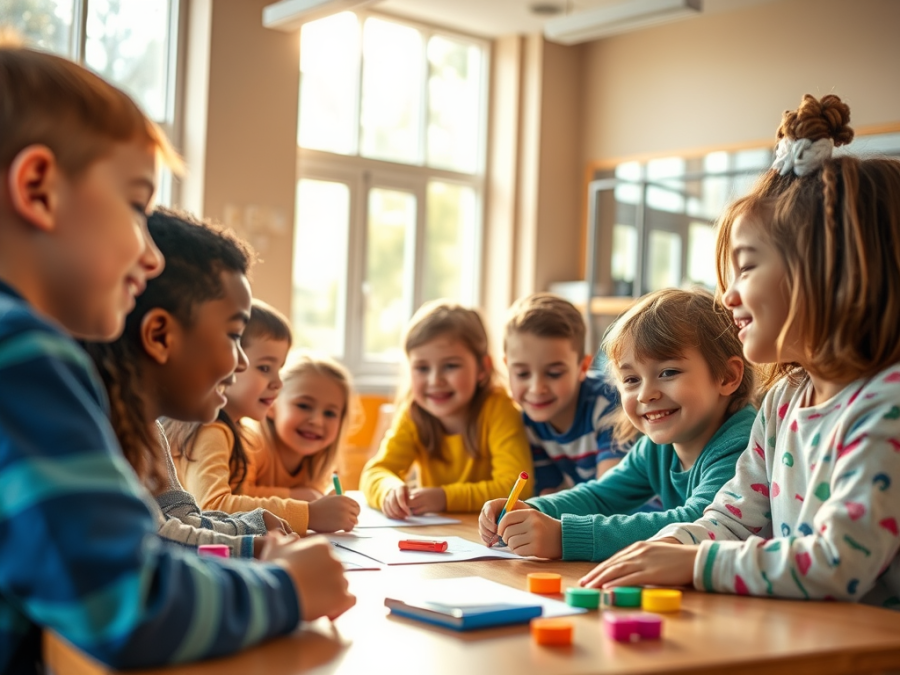
Inclusive education has become a pivotal topic in the quest to create equitable learning environments for all students, including those with special needs. As educational institutions strive to accommodate diverse learners, private schools are increasingly recognized for their unique role in fostering inclusivity. With the flexibility to implement tailored programs and individualized support, private schools have the potential to break down barriers and provide meaningful educational experiences for special needs students. This article explores the multifaceted contributions of private schools to inclusive education, examining strategies, challenges, and success stories that highlight their commitment to supporting every learner.
1. Understanding Inclusive Education: An Overview.

a) Definition of Inclusive Education.
Inclusive education means that all students, regardless of their abilities or needs, learn together in the same environment. Think of it as a classroom party where everyone is invited, and different flavors of ice cream are celebrated—each addition makes the party sweeter! This approach aims to create a supportive learning atmosphere that embraces diversity and promotes equity.
b) Historical Context and Evolution.
Once upon a time, students with special needs were often tucked away in separate classrooms or institutions, like that kid in gym class who always got picked last. Over the decades, societal attitudes shifted, influenced by advocacy and research highlighting the benefits of inclusion. The movement grew, leading to laws that encourage integration and support systems for special needs students across educational landscapes. Now, it’s all about teamwork, high-fives, and ensuring everyone has a seat at the table!
2. The Importance of Supporting Special Needs Students.

a) Legal Framework and Rights of Special Needs Students.
In many countries, laws ensure that special needs students have the right to receive appropriate education in the least restrictive environment. The Individuals with Disabilities Education Act (IDEA) in the U.S. is one such law, emphasizing the importance of personalized educational plans. It’s like having a tailored suit that fits perfectly—because everyone deserves to look good and feel comfortable in their learning environment!
b) Societal and Educational Benefits.
Supporting special needs students isn’t just the right thing to do; it’s also a smart move for society! Inclusive classrooms foster empathy, understanding, and collaboration, skills that serve everyone well in the real world. Students learn to celebrate differences and work together—making them better friends, workers, and citizens. Plus, it opens doors for creativity and innovation because when diverse minds come together, magic happens!
3. The Role of Private Schools in Inclusive Education.
a) Private vs. Public School Approaches.
Private schools often have the flexibility to create tailored programs that fit the needs of diverse learners. They may include small class sizes, specialized resources, and the ability to innovate without getting bogged down by regulations. Meanwhile, public schools provide critical services to a broader range of students but may face bureaucratic red tape. So, while both types of schools aim for inclusion, private schools sometimes get to experiment with what works best—kind of like a chef trying a new recipe!
b) Commitment to Diversity and Inclusion.
Many private schools pride themselves on their commitment to diversity and inclusion as a core value. They often go above and beyond to create welcoming environments for special needs students. By fostering a culture that values every individual’s contribution, these schools help build a community where differences are not just accepted but celebrated. It’s like having a potluck dinner where everyone brings their best dish—variety is the spice of life!
4. Strategies for Private Schools to Support Special Needs Students.

a) Curriculum Adaptations and Differentiation.
Curriculum adaptation is all about tweaking the learning experience to meet diverse needs. This could mean offering different ways to demonstrate knowledge, like projects instead of tests, or using assistive technologies. Think of it as a buffet where everyone gets to choose what they want to eat—it ensures that learning is delicious for everyone!
b) Professional Development and Training for Staff.
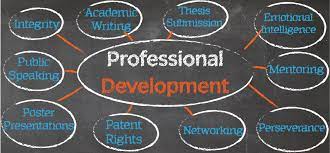
Just like superheroes need training to sharpen their powers, educators benefit from ongoing professional development to support special needs students effectively. Workshops, seminars, and collaborative learning opportunities can equip teachers with the tools and strategies they need to be champions of inclusion. After all, a well-prepared teacher is a powerful ally in any student’s educational journey!
c) Collaboration with Parents and Specialists.
Open communication between parents, teachers, and specialists is vital in creating a successful support system for special needs students. Regular check-ins, collaborative problem-solving sessions, and sharing insights can bridge the gap between home and school. It’s like forming a dream team—everyone plays their part to ensure that student success is a shared victory!
5. Benefits of Inclusive Practices in Private Education.

a) Enhanced Learning Environment for All Students.
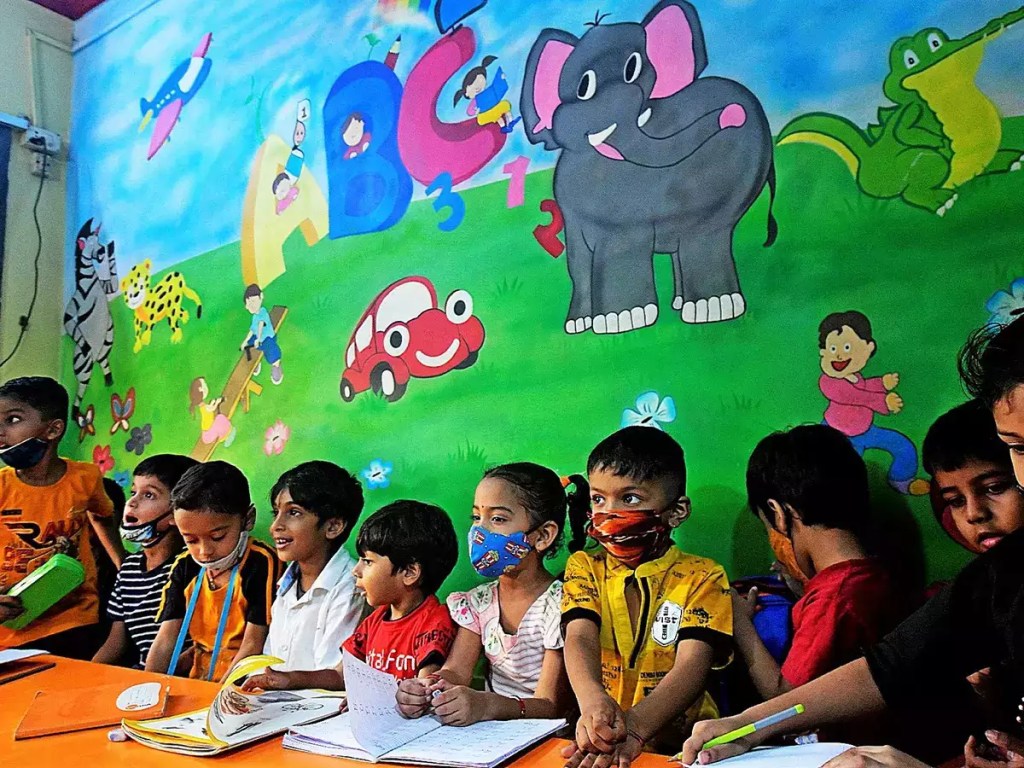
Inclusive practices in private schools create a vibrant learning atmosphere where diversity thrives. When students with special needs are integrated into general education settings, it cultivates a richer educational experience for everyone. Teachers adapt their teaching strategies and materials to meet varied learning styles, benefiting all students. Plus, who doesn’t want to learn in a classroom where creativity and collaboration are the norm? It’s like upgrading from a basic sandwich to a gourmet club with all the fixings – everyone leaves feeling satisfied!
b) Building Empathy and Social Skills in Peers.
When students interact with their peers with special needs, they’re not just learning about math or history; they’re gaining valuable life skills too. Inclusive education encourages empathy, compassion, and understanding – qualities that are as essential as knowing how to tie your shoes (or not trip over your own feet). Classmates learn to appreciate differences and develop strong social skills, paving the way for future friendships and teamwork. Essentially, the classroom becomes a microcosm of a kinder, more inclusive society.
6. Challenges Faced by Private Schools in Implementing Inclusive Education.

a) Resource Limitations.
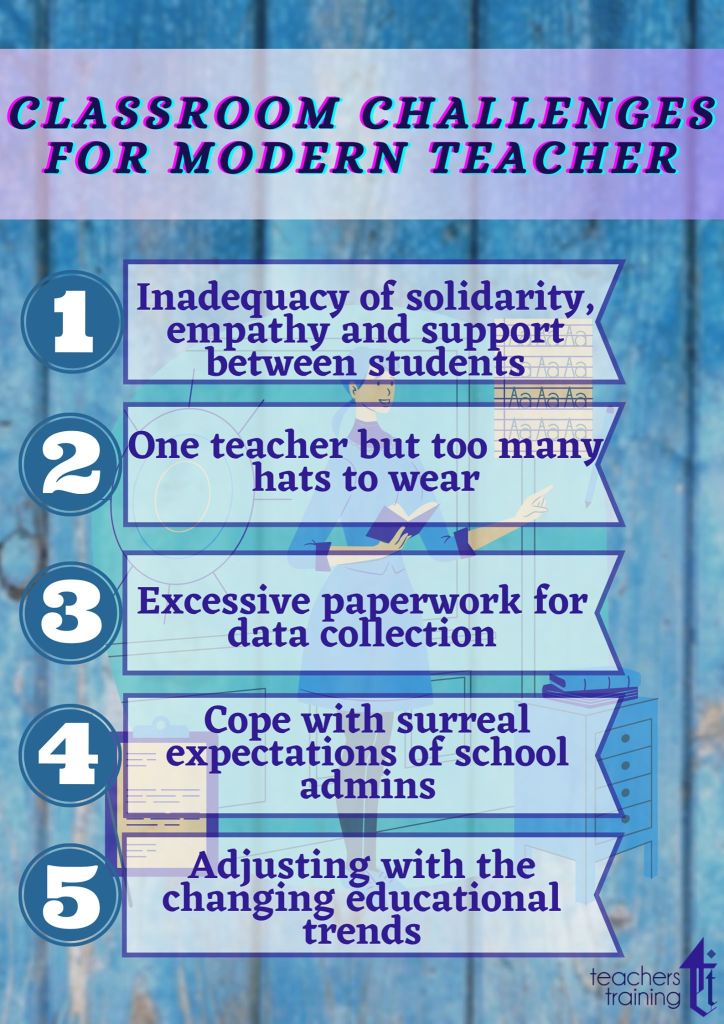
While private schools often pride themselves on their small class sizes and personalized approaches, they can still face hurdles when it comes to resources. Implementing inclusive education often requires specialized training, additional staff, and tailored learning materials – all of which can stretch budgets thinner than a pancake on Shrove Tuesday. Without the necessary funding or resources, even the best intentions can fall flat, leaving students and teachers scrambling to make things work.
b) Resistance to Change and Misconceptions.
Change can be as welcome as a surprise pop quiz on a Friday afternoon. Some private schools may resist inclusive practices due to misconceptions about their effectiveness or the logistics involved in implementation. There’s often a fear that including students with special needs will disrupt the flow of lessons or reduce overall academic performance. Educators and administrators must confront these myths head-on and advocate for the benefits of inclusivity. After all, knowledge is power, and a little education can go a long way in breaking down those stubborn walls.
7. Case Studies: Successful Inclusive Programs in Private Schools.

a) Highlighting Innovative Practices.
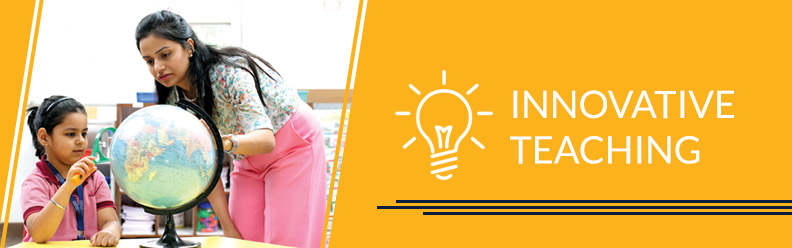
Private schools around the globe have stepped up to the challenge of inclusion with innovative programs that are as unique as they are inspiring. From co-teaching models that pair general and special education teachers to utilizing technology that adapts to individual learning needs, these schools are proving that inclusive education is not just a pie-in-the-sky idea. Take, for instance, a school that incorporates a buddy system, pairing students with special needs with their classmates to foster mutual growth and friendship. These innovative practices can turn scepticism into success, one classroom at a time.
b) Measuring Outcomes and Success Stories.
What’s better than a success story? A whole collection of them! Private schools that have embraced inclusive education are not just documenting impressive academic outcomes; they’re also witnessing social and emotional growth in their students. Success can be measured in various ways, whether it’s improved grades, increased participation in activities, or the heart-warming friendships that develop in the hallways. Sharing these narratives not only shines a light on what’s working but also inspires other institutions to jump on the inclusive bandwagon.
8. The Future of Inclusive Education in Private Institutions.
a) Trends and Predictions.
As we peer into the crystal ball of education, the future looks bright for inclusive practices in private schools. Trends indicate an increasing emphasis on social-emotional learning and the development of inclusive curricula that embrace all learners. With growing awareness and advocacy for disability rights, private institutions will likely continue to expand their offerings. So, buckle up, because the inclusion train is picking up speed and isn’t slowing down anytime soon!
b) Recommendations for Improvement.
For private schools aiming to enhance their inclusive education efforts, the key lies in collaboration and adaptability. Investing in professional development for teachers to equip them with the skills necessary for effective inclusion is paramount. Engaging families in the process and fostering open communication can also create a supportive community atmosphere. And let’s not forget the importance of gathering feedback from students and parents alike – after all, they’re the true experts in their own educational journeys. With these recommendations, private schools can continue to pave the way for a future where inclusion is not just a policy but a vibrant reality.In conclusion, private schools play a vital role in promoting inclusive education for special needs students, demonstrating that with the right strategies and commitment, every child can thrive in a supportive learning environment. By embracing diversity and implementing effective practices, these institutions not only enhance the educational experiences of students with special needs but also enrich the entire school community. As we look to the future, continued collaboration and innovation will be essential in ensuring that all students receive the education they deserve.
Frequently Asked Questions:

1. What is inclusive education?
Inclusive education is an approach that aims to ensure all students, regardless of their abilities or disabilities, have access to quality education in a supportive environment that meets their individual needs.
2. How do private schools support special needs students?
Private schools support special needs students by implementing individualized education plans, adapting curricula, providing specialized training for staff, and fostering collaboration with families and specialists.
3. What are the benefits of inclusive education in private schools?
The benefits of inclusive education in private schools include a more enriched learning environment, enhanced social skills among peers, improved academic outcomes for all students, and increased empathy and understanding within the school community.
4. What challenges do private schools face in implementing inclusive education?
Private schools may face challenges such as limited resources, lack of trained staff, resistance to change, and misconceptions about inclusivity, which can hinder their ability to successfully implement inclusive practices.



























 Parth Sharma