

Introduction.
In the fast-paced and demanding field of education, the role of teacher optimism cannot be understated. Optimistic teachers have the power to transform classrooms and elevate their own performance, ultimately leading to improved student outcomes. Today we will explores the profound impact of positivity in education and highlights the various ways in which optimistic teachers can harness their mindset to create a thriving learning environment. From cultivating optimism in the teaching profession to overcoming challenges with a positive mindset, we will delve into the strategies and benefits of embracing optimism in the pursuit of excellence in education.
The Power of Positive Thinking in Education.

In the world of education, the power of positive thinking should not be underestimated. Optimism plays a crucial role in shaping teacher performance and student outcomes. When teachers approach their work with a positive mindset, it sets the stage for a more engaging and successful learning environment. Harnessing positivity can lead to improved teacher well-being, increased student engagement, and better academic outcomes.
Understanding the Role of Optimism in Teacher Performance.
Optimism is not just about seeing the glass half full; it’s about approaching challenges with a solution-oriented mindset. In the teaching profession, optimism plays a vital role in how educators handle setbacks, navigate difficult situations, and adapt to changing circumstances. Optimistic teachers are more likely to persevere through obstacles and find creative solutions to problems. Their positive outlook fuels their passion for teaching and enhances their overall performance in the classroom.
The Link between Positive Teacher Mindset and Student Success.
The impact of teachers’ mindset on student success cannot be overstated. Research shows that optimistic teachers have a significant influence on student motivation, engagement, and achievement. When teachers believe in their students’ potential and maintain high expectations, it creates a positive cycle of student growth. Optimistic teachers cultivate a supportive and encouraging classroom environment that nurtures students’ self-belief and resilience, leading to improved academic performance and overall well-being.
Cultivating Optimism in the Teaching Profession.
Cultivating optimism within the teaching profession is essential for enhancing teacher well-being and elevating student outcomes. Here are two key strategies to foster positivity among educators:
a) Recognizing and Challenging Negative Thoughts.
Teachers often face challenging situations that can trigger negative thoughts and emotions. It’s essential to recognize these negative patterns and challenge them. Taking a moment to acknowledge and reframe negative thoughts can help teachers shift their mindset towards a more optimistic perspective. By consciously choosing to focus on solutions rather than dwelling on problems, teachers can cultivate a positive outlook that directly impacts their teaching and interactions with students.
b) Building a Supportive Network for Teachers.
Creating a supportive network of colleagues and mentors is crucial for fostering optimism within the teaching profession. Connecting with like-minded educators provides an opportunity to share experiences, seek guidance, and find encouragement. Collaborative spaces, such as professional learning communities or online forums, can serve as a source of support, inspiration, and affirmation for teachers. By surrounding themselves with positive influences, teachers can maintain their optimism and continue to grow both personally and professionally.
The Impact of Optimistic Teachers on Student Engagement.
Optimistic teachers play a vital role in creating an environment that promotes student engagement and fosters a love for learning. Here are two ways in which optimistic teachers make a difference:
a) Creating a Safe and Inclusive Classroom Environment.
Optimistic teachers prioritize cultivating a safe and inclusive classroom environment where students feel valued and supported. By promoting positive relationships, practicing empathy, and celebrating diversity, teachers create a sense of belonging that encourages students to actively participate in class and express their ideas. When students feel safe and respected, they are more likely to engage in learning and take risks, leading to increased academic achievement.
b) Using Positive Reinforcement to Motivate and Inspire Students.
Optimistic teachers understand the power of positive reinforcement in motivating students. Rather than focusing solely on mistakes or shortcomings, they emphasize and celebrate students’ achievements and efforts. By providing specific and constructive feedback, recognizing progress, and highlighting strengths, optimistic teachers create a culture of growth and perseverance. This approach nurtures students’ self-confidence, encourages them to take on challenges, and inspires a love for learning.
Fostering a Positive Classroom Environment for Learning.
Creating a positive classroom environment is essential for promoting student engagement and maximizing learning opportunities. Here are two strategies for fostering positivity in the classroom.
a) Building Positive Relationships with Students.
Optimistic teachers prioritize building positive relationships with their students. They take the time to get to know their students’ interests, strengths, and challenges. By showing genuine care and respect, teachers create a supportive and trusting rapport with their students. This positive connection enhances student motivation, fosters a sense of belonging, and creates a conducive learning environment where students feel comfortable taking risks and actively participating in class.
b) Promoting a Growth Mindset in the Classroom.
Optimistic teachers foster a growth mindset within their students, emphasizing the belief that intelligence and abilities can be developed through effort and perseverance. They encourage students to embrace challenges, view mistakes as learning opportunities, and set realistic goals. By promoting a growth mindset, teachers empower students to adopt a positive attitude towards their own learning and development. This mindset shift enhances student engagement, resilience, and academic progress.
In conclusion, harnessing positivity in education has a profound impact on teacher performance and student success. By cultivating optimism within themselves and creating a positive classroom environment, teachers elevate both their own well-being and the educational experiences of their students. So, let’s embrace the power of positive thinking and reap the benefits it brings to our schools!
Strategies for Developing and Sustaining Optimism in Teachers.
a) Practicing Self-Care and Mindfulness.
Teaching can be a demanding profession, and it’s important for educators to prioritize their well-being. Engaging in self-care activities such as exercise, meditation, or pursuing hobbies can help teachers recharge and maintain a positive outlook. Mindfulness practices, such as deep breathing or mindfulness meditation, can also be effective in reducing stress and cultivating a positive mindset.
b) Investing in Professional Development Opportunities.
Continual learning is key to fostering optimism in teachers. By investing in professional development opportunities, educators can enhance their skills and knowledge, which in turn boosts confidence and optimism. Attending conferences, workshops, or pursuing advanced degrees or certifications can provide teachers with fresh insights and strategies to overcome challenges and stay motivated.
Overcoming Challenges with a Positive Mindset.
a) Adapting to Change and Embracing Flexibility.
Change is inevitable in the education field, and teachers who approach it with a positive mindset are better equipped to navigate through transitions. Embracing flexibility and adapting to new teaching methods, curriculum changes, or technological advancements can help teachers overcome challenges and maintain a sense of optimism.
b) Turning Setbacks into Learning Opportunities.
Setbacks and failures are part of every teacher’s journey, but it’s how they respond to them that makes a difference. Optimistic teachers view setbacks as valuable learning opportunities rather than insurmountable obstacles. They reflect on their experiences, identify areas for improvement, and adjust their approaches accordingly. This growth mindset allows teachers to bounce back from setbacks with renewed determination.
The Relationship between Teacher Optimism and Job Satisfaction.
a) Exploring the Connection between Positive Outlook and Job Fulfillment.
An optimistic outlook significantly influences a teacher’s job satisfaction. When teachers approach their work with a positive attitude, they are more likely to find joy and fulfillment in their roles. Optimistic teachers tend to focus on the meaningful impact they have on students’ lives, which boosts their overall job satisfaction.
b) Creating a Positive Work Environment for Teachers.
School leaders play a crucial role in fostering a positive work environment. By promoting open communication, providing recognition and support, and encouraging collaboration, administrators can cultivate an atmosphere where teachers feel valued and motivated. A positive work environment enhances teachers’ optimism and contributes to their overall job satisfaction.
Promoting Teacher Resilience through Optimism.
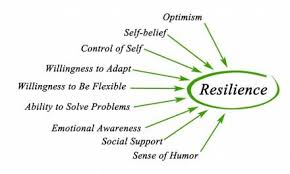
a) Developing Coping Strategies to Manage Stress.
Teaching can be stressful, and developing coping strategies is essential to maintain resilience. Optimistic teachers understand the importance of managing stress and prioritize self-care. They utilize strategies such as time management techniques, seeking support from colleagues, or engaging in stress-reducing activities to bounce back from challenging situations.
b) Encouraging a Growth Mindset Approach to Challenges.
A growth mindset is instrumental in building resilience among teachers. When facing challenges, optimistic educators view them as opportunities for growth and improvement. They encourage students and themselves to embrace challenges, persevere, and believe in their abilities. By promoting a growth mindset, teachers foster resilience and navigate obstacles with confidence.
Remember, harnessing positivity is not about ignoring the realities of teaching, but rather embracing them with a positive and proactive mindset. Adopting these strategies can elevate teacher performance, enhance job satisfaction, and create a more positive and productive learning environment for everyone involved. So, why not embrace a little optimism in the classroom? After all, a little humor and wit can go a long way in making the teaching journey enjoyable and rewarding.
As we conclude our exploration of the power of positive thinking in education, it becomes evident that optimism is a fundamental ingredient for teacher success and student achievement. By fostering a positive classroom environment, embracing a growth mindset, and practicing self-care, teachers can cultivate their optimism and make a lasting impact on the lives of their students. Let us remember that optimism is not just a personal trait, but a skill that can be developed and nurtured. By harnessing positivity, teachers have the potential to create transformative educational experiences, inspiring a love for learning and empowering the next generation.
 Parth Sharma