Unrequited love, a poignant and often painful experience, is a universal aspect of human relationships that transcends time and culture. In this article, we delve into the intricate dynamics of unrequited love and explore the profound impact it can have on individuals’ psychological and emotional well-being. By examining the science behind one-sided affection, we aim to unravel the complexities of unreciprocated feelings, shedding light on the neurological, social, and emotional factors that contribute to the intensity of this experience. Join us on a journey to understand why unrequited love hurts and discover strategies for coping, healing, and moving forward from this deeply resonant yet challenging aspect of human connection.
1. Introduction to Unrequited Love.
a. Defining Unrequited Love.
Picture this: you’ve got a heart full of feelings for someone, but those feelings aren’t reciprocated. Welcome to the world of unrequited love, where your emotions are playing a solo game of tug-of-war.
b. Common Situations of Unrequited Love.
From crushing on your best friend who sees you as just that – a friend, to pining after a celebrity who doesn’t even know you exist, unrequited love comes in all shapes and sizes, causing heartache in its wake.
2. The Psychological Impact of Unrequited Love.
a. Emotional Distress and Mental Health.
Unrequited love isn’t just a bummer; it can take a toll on your mental well-being. From constant rumination to feeling like you’re not good enough, the psychological impact of one-sided affection can be heavy.
b. Self-Esteem and Self-Worth.
When your love is unreturned, it’s easy for doubts to creep in. Your self-esteem may take a hit, leaving you questioning your worth and desirability. It’s like a blow to the ego, courtesy of Cupid.
3. The Neurological Basis of Unrequited Love.
a. Brain Regions Involved in Love and Rejection.
When it comes to matters of the heart, our brains are the ultimate referees. Specific regions light up when we’re in love or facing rejection, playing a crucial role in the rollercoaster of emotions that unrequited love brings.
b. The Role of Neurotransmitters in Unrequited Love.
Dopamine, serotonin, and oxytocin – these neurotransmitters are the heart’s silent cheerleaders in love. But when love remains unreciprocated, their levels can go haywire, leaving you feeling like you’re on an emotional seesaw.
4. Coping Strategies for Dealing with Unrequited Love.
a. Self-Care and Emotional Regulation Techniques.
When unrequited love knocks on your door, self-care becomes your trusted companion. From indulging in hobbies to practicing mindfulness, finding ways to regulate your emotions is key to weathering the storm.
b. Seeking Support from Friends and Mental Health Professionals.
Remember, you don’t have to navigate the murky waters of unrequited love alone. Reach out to friends who can offer a listening ear, or consider seeking guidance from mental health professionals who can provide valuable insights and support as you heal your heart.
So, if you find yourself in the labyrinth of unrequited love, remember – you’re not alone, and there are ways to navigate through the heartache with resilience and self-compassion.
5. Social and Cultural Factors Influencing Unrequited Love.
a. Media Portrayals of Love and Relationships.
When Hollywood keeps bombarding us with romantic comedies where grand gestures of love always win, it’s no wonder we start to believe unrequited love is just a pit stop on the way to Happily Ever After. Real life doesn’t always come with a script or a director yelling “Cut!” when things get tough.
b. Family and Peer Influences on Romantic Expectations.
From Aunt Mildred asking “When are you settling down?” to Instagram influencers flaunting their seemingly perfect relationships, we’re constantly bombarded with messages about what love should look like. Our family and friends’ expectations can shape our own, leading to unmet desires and unreciprocated affection.
6. The Role of Attachment Styles in Unrequited Love.
a. Anxious, Avoidant, and Secure Attachment Styles.
Attachment styles, like that clingy barnacle on a rock, can heavily influence how we approach relationships. Anxious folks may yearn for closeness, avoidants might feel suffocated by it, and secure individuals strike a healthy balance between the two.
b. Impact of Attachment Styles on Relationship Dynamics.
Picture a dance floor with anxious dancers stepping on toes, avoidants hiding in the corner, and secures twirling gracefully. The mix of attachment styles can either harmonize beautifully or turn into a chaotic tango of unmet needs and misunderstandings.
7. Healing and Moving On from Unrequited Love.
a. Acceptance and Letting Go.
Just like a bad haircut from high school, sometimes you’ve got to accept unrequited love as a part of your past and let it go. It’s not easy, but holding on to something that simply isn’t meant to be can hinder your journey towards happiness and growth.
b. Rediscovering Personal Identity and Growth.
Who needs a rom-com ending when you can have a real-life sequel where you rediscover who you are and what you want? Embracing the single life, picking up a new hobby, or simply enjoying your own company can lead to personal growth and a stronger sense of self-love. Remember, you’re the director of your own story, and unrequited love is just one plot twist in the grand adventure of life. In conclusion, the science behind unrequited love offers valuable insights into the complexities of human emotions and relationships. By acknowledging and understanding the psychological, neurological, and social factors at play, individuals can navigate the challenges of one-sided affection with greater resilience and self-awareness. While the pain of unrequited love may be inevitable, so too is the opportunity for growth, healing, and rediscovery of one’s own worth and identity. Remember, even in the face of unreciprocated feelings, there is always the possibility of finding peace, acceptance, and a path forward towards new and fulfilling connections.
Navigating the tumultuous waters of adolescence in today’s fast-paced and ever-changing world can present a myriad of challenges for young individuals. From academic pressures to the pervasive influence of social media, the modern adolescent experience is shaped by unique hurdles that can impact mental health, self-identity, and relationships. In this article, we delve into the common obstacles faced by adolescents today and explore strategies to overcome these hurdles and thrive in the journey of self-discovery and growth.
1. Introduction: The Changing Landscape of Adolescence.
Understanding the Modern Adolescence Experience.
Ah, adolescence – that awkward time between childhood and adulthood when hormones rage, emotions run amok, and life feels like a never-ending rollercoaster ride. But in today’s fast-paced world, being a teenager comes with a whole new set of challenges and hurdles that previous generations might not have faced. Let’s dive into the modern adolescence experience and explore some common obstacles that today’s teens are up against.
2. Academic Pressures and Performance Expectations.
The Impact of High-Stakes Testing and Balancing Extracurricular Activities and Academics.
The dreaded academic pressures that haunt the dreams of many teenagers. From the anxiety-inducing high-stakes testing to the juggling act of trying to excel in both academics and extracurricular activities, adolescents today often find themselves walking a tightrope between success and burnout. It’s a tough balancing act, but hey, at least it makes for some interesting stories to tell later in life!
3. Social Media and Its Impact on Adolescent Mental Health.
The Influence of Social Media on Self-Esteem.
Cyberbullying and Online Harassment.
Social media – the double-edged sword of our digital age. While it offers a platform for connection and self-expression, it also brings with it a host of issues that can take a toll on adolescent mental health. From the never-ending comparison game that affects self-esteem to the lurking presence of cyberbullying and online harassment, navigating the virtual world can be a minefield for today’s teens. Remember, folks, likes and followers aren’t everything – real connections and self-love matter more.
4. Navigating Identity and Self-Discovery.
Exploring Gender and Identity and Cultural and Ethnic Identity Challenges.
The quest for identity – a journey as old as time and yet as fresh as a teenager’s new-found independence. In a world that is increasingly diverse and interconnected, adolescents today are faced with the task of exploring their gender, cultural, and ethnic identities amidst a sea of influences. It’s a journey of self-discovery that can be both exciting and daunting, but hey, who said figuring out who you are was supposed to be easy? Embrace the journey, my friends, and remember that the best stories often come from the most unexpected twists and turns.
5. Mental Health Challenges and Stigma.
Recognizing Signs of Depression and Anxiety.
Feeling blue or anxious is like wearing socks with sandals – uncomfortable and totally not cool. Keep an eye out for mood swings, changes in sleep or eating habits, and persistent worry – they might be sneaky signs of something bigger.
Breaking Down Mental Health Stigma in Adolescents.
Stigma is so last season. Let’s ditch the judgment and embrace mental health chats like avocado toast at brunch. Speaking up, supporting each other, and slaying stigma like it’s a fashion faux pas are the way to go.
6. Substance Abuse and Addiction among Adolescents.
The Role of Peer Pressure in Substance Use.
Peer pressure is like a bad Instagram filter – it distorts reality. Stand tall like a viral TikTok dance and say no to substances if they’re not your vibe. Real friends respect your choices like a good playlist on shuffle.
Seeking Help and Treatment for Adolescent Addiction.
Addiction is like a clingy ex – tough to shake off alone. Don’t ghost your struggles; reach out for help like asking for extra guac. Therapy, support groups, and love from your squad can help you kick addiction to the curb.
7. Family Dynamics and Interpersonal Relationships.
Communication Breakdowns between Parents and Adolescents.
Parent-teen talks can be as awkward as a first date – but with more eye-rolling. Clear the air, listen like your favourite podcast, and remember, both sides need to drop the drama and pick up the open convo mic.
Sibling Relationships and Conflict Resolution.
Sibling rivalry is like a Netflix series – drama, laughs, and a touch of chaos. Embrace the sibling bond like a secret handshake; resolve conflicts with empathy and compromise. Remember, they’re stuck with you like a bad tattoo, so make it work.
8. Coping Strategies and Support Systems.
Healthy Coping Mechanisms for Dealing with Stress.
Stress is like a pop quiz – it shows up uninvited. Swap out unhealthy coping tactics for self-care routines like a skincare influencer. Breathe deep, dance like nobody’s watching, and remember, taking care of yourself is always on-trend.
The Importance of Seeking Professional Help and Support.
Feeling overwhelmed is like trying to fit a week’s worth of laundry into one load – impossible. Don’t hesitate to reach out to pros like you would for the latest iPhone. Therapy, counseling, and supportive peeps can help you navigate the rollercoaster of adolescence like a pro. As adolescents continue to navigate the uncertainties and complexities of the modern world, it is crucial to acknowledge and address the common hurdles they face with empathy and support. By fostering open communication, promoting mental health awareness, and cultivating healthy coping mechanisms, we can empower adolescents to overcome challenges and embrace their journey of self-discovery with resilience and confidence. Through understanding, guidance, and a strong support system, we can help today’s youth navigate the unknown terrain of adolescence and emerge stronger, wiser, and more equipped to face whatever lies ahead.
Parents play a vital role in shaping their child’s educational journey, serving as the first and most influential educators in their lives. Research consistently demonstrates that parental involvement significantly impacts a child’s academic achievement. From creating a supportive home environment for learning to collaborating with teachers, parents have the power to enhance their child’s educational experience and set them on a path to success. This article explores the various ways in which parents can positively influence their child’s educational success, emphasizing the importance of parental involvement, expectations, nurturing a growth mindset, fostering effective study habits, and promoting a love for learning. By understanding the influence parents have on their child’s education, we can harness their potential to create fruitful partnerships between home and classroom, ultimately empowering children to thrive academically.
1. The crucial role of parents in a child’s educational success.
When it comes to a child’s educational success, parents play a vital role as the ultimate influencers. While teachers and schools provide the formal education, it is the support and involvement of parents that truly make a difference in a child’s learning journey. From motivating and encouraging their children to creating a nurturing environment at home, parents have a tremendous impact on their child’s academic achievements. In this article, we will explore the various ways in which parents can contribute to their child’s educational success and help them thrive in the classroom.
2. Parental involvement and academic achievement: An overview.
a) Understanding the impact of parental involvement on academic outcomes.
Research consistently shows that parental involvement has a significant influence on a child’s academic achievements. When parents actively engage in their child’s education, it leads to higher grades, improved test scores, increased motivation, and stronger overall academic performance. The support and encouragement provided by parents act as powerful catalysts for their child’s success in the classroom. By understanding the importance of their involvement, parents can help set their children up for educational triumphs.
b) Types of parental involvement: Active participation in education.
Parental involvement in education can take various forms, all of which contribute to a child’s success. From simply showing interest in a child’s school life to actively participating in their learning journey, parents have the opportunity to make a difference. This involvement can include helping with homework, engaging in discussions about school topics, attending parent-teacher conferences, volunteering in school activities, and advocating for their child’s educational needs. By actively participating in their child’s education, parents not only provide valuable support but also demonstrate the importance of learning in a fun and engaging manner.
3. Creating a supportive home environment for learning.
a) Establishing a designated study area.
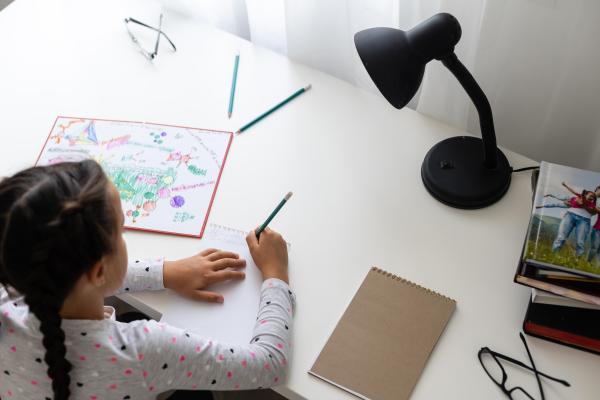
Creating a supportive home environment for learning is essential to foster academic success. One way to do this is by establishing a designated study area for your child. This space should be quiet, well-lit, and free from distractions, allowing your child to focus and concentrate on their studies. Having a dedicated study area also helps in establishing a routine and reinforces the importance of learning in a specific space.
b) Providing necessary learning resources and materials.
Equipping your child with the necessary learning resources and materials is another crucial aspect of creating a supportive home environment for their educational journey. Ensure that your child has access to textbooks, notebooks, and any other materials required for their studies. Additionally, consider providing additional resources such as reference books, educational websites, or online tools to enhance their learning experience. By providing these resources, you give your child the tools they need to thrive academically, even beyond the classroom.
4. Collaborating with teachers: Building strong parent-teacher partnerships.
a) Regular communication with teachers.
Building a strong partnership between parents and teachers is essential for a child’s educational success. Regular communication with your child’s teachers allows you to stay informed about their progress, strengths, and areas that may need extra attention. This open line of communication also enables you to address any concerns or challenges your child may be facing promptly. By working together with teachers, you can create a holistic support system that ensures your child receives the best possible education.
b) Attending parent-teacher conferences and school events.
Attending parent-teacher conferences and school events is an excellent opportunity to meet your child’s teachers and gain valuable insights into their academic progress. These events provide a platform to discuss your child’s strengths, areas for improvement, and to collaborate on strategies to support their learning. By actively participating in these conferences and events, you not only show your child that their education matters but also establish a strong foundation for a constructive parent-teacher relationship.
In conclusion, parents have a significant influence on their child’s educational success. By actively engaging in their child’s education, creating a supportive home environment, and collaborating with teachers, parents can help their children thrive academically. So, embrace your role as a cheerleader, supporter, and guide, and watch your child reach great heights in their educational journey.
5. The influence of parental expectations and aspirations on a child’s motivation.
When it comes to a child’s educational success, parents play a crucial role in shaping their motivation. Parental expectations and aspirations can have a significant impact on a child’s drive to excel academically.
a) Setting realistic yet challenging academic goals.
Parents need to set realistic, yet challenging, academic goals for their children. These goals should be attainable but also push the child to reach their full potential. By setting these goals together, parents and children can work towards them as a team, fostering a sense of purpose and motivation.
b) Instilling a sense of self-belief and fostering a growth mindset.
Believing in your child’s abilities and fostering a growth mindset is essential in motivating them to succeed academically. Encourage your child to embrace challenges, view mistakes as learning opportunities, and believe in their own capability to overcome obstacles. By instilling a sense of self-belief, parents can help their children develop resilience and the motivation to persevere.
6. Nurturing a growth mindset: Encouraging resilience and persistence in learning.
In addition to promoting a growth mindset, parents should also focus on nurturing resilience and persistence in their child’s learning journey.
a) Teaching children the value of effort and embracing challenges.
Help your child understand the value of effort by emphasizing that hard work and dedication are essential for success. Encourage them to embrace challenges rather than shying away from them. Teach them to see challenges as opportunities to grow and learn, rather than as roadblocks.
b) Promoting a positive attitude towards setbacks and failures.
It’s important for parents to cultivate a positive attitude towards setbacks and failures. Teach your child that setbacks are normal and part of the learning process. Help them see failures as opportunities to learn and improve, rather than as indicators of their worth or intelligence. By promoting a positive attitude, parents can foster resilience and persistence in their child’s academic journey.
7. Fostering effective study habits and time management skills at home.
Effective study habits and time management skills are essential for academic success. Parents can play a vital role in teaching and reinforcing these skills at home.
a) Establishing a consistent study routine.
Help your child establish a consistent study routine that works best for them. Set aside dedicated time for homework and study, creating an environment that is conducive to learning. Consistency will help your child develop discipline and a sense of responsibility towards their education.
b) Teaching effective organization and time management techniques.
Teach your child effective organization and time management techniques to optimize their study time. Help them prioritize tasks, break them into manageable chunks, and create a schedule that allows for both study and leisure activities. By learning these skills early on, children can become more independent and efficient in managing their time.
8. Promoting a love for learning: Encouraging curiosity and exploration.
Finally, it’s essential for parents to promote a genuine love for learning in their children, beyond just the requirements of the classroom.
a) Encouraging reading for pleasure and exploration of different subjects.
Encourage your child to read for pleasure and explore a variety of subjects outside of their regular academic curriculum. Provide them with access to books and resources that pique their interests. By fostering a love for reading and exploration, parents can ignite their child’s curiosity and create lifelong learners.
b) Engaging in educational activities outside of school.
Engage in educational activities with your child outside of the school setting. Visit museums, attend educational events, or explore nature together. These experiences not only enrich their knowledge but also create lasting memories and a positive association with learning.
By understanding the influence of parents on a child’s educational success and actively participating in their academic journey, parents can provide the necessary support, motivation, and love for learning that will contribute to their child’s achievements in the classroom and beyond. In conclusion, the influence of parents on a child’s educational success cannot be overstated. By actively engaging in their child’s education, creating a supportive learning environment at home, collaborating with teachers, setting high expectations, fostering a growth mindset, and promoting effective study habits and a love for learning, parents can significantly impact their child’s academic journey. When parents and educators work together, the possibilities for a child’s educational success become limitless. Let us recognize and embrace the profound role parents play in shaping their child’s future, and together, let us pave the way for a brighter future filled with educational achievement and lifelong learning.
FAQ:
1. How does parental involvement impact a child’s academic success?
Parental involvement has been consistently linked to positive academic outcomes for children. Research shows that when parents are actively engaged in their child’s education, providing support, encouragement, and guidance, children are more likely to perform better in school, have higher attendance rates, and develop stronger study skills.
2. How can parents collaborate effectively with teachers?
Collaborating with teachers is essential for a child’s educational success. Parents can establish regular communication with teachers, attend parent-teacher conferences and school events, and actively participate in their child’s education by asking about their progress, discussing any concerns, and seeking guidance on how to support their child’s learning at home.
3. How can parents foster a growth mindset in their child?
A growth mindset is the belief that abilities and intelligence can be developed through effort and perseverance. Parents can foster a growth mindset by encouraging their child to embrace challenges, teaching them the value of effort, praising their hard work and resilience, and reframing failures as learning opportunities. By instilling a growth mindset, parents can inspire their child to believe in their abilities and strive for continuous improvement.
4. What are some practical ways parents can promote effective study habits?
Parents can promote effective study habits by establishing a consistent study routine, creating a designated study area free from distractions, providing necessary learning resources, teaching organization and time management techniques, and offering guidance and support when needed. By helping their child develop effective study habits, parents can empower them to become independent and successful learners.
In the journey of a child’s education, the pre-primary stage serves as a crucial foundation for their future development. Pre-primary education, often the first formal educational experience for young children, goes beyond the simple notion of a playground. It becomes a mind playground, where psychological struggles and challenges emerge alongside academic growth. This article explores the psychological impact of pre-primary education, shedding light on the various struggles faced by children during this transitional phase. By understanding these challenges, educators, parents, and caregivers can better support children’s emotional well-being, socialization skills, cognitive growth, and overall psychological development.
1. Introduction to Pre-Primary Education and its Psychological Impact.
a) The Importance of Early Education.
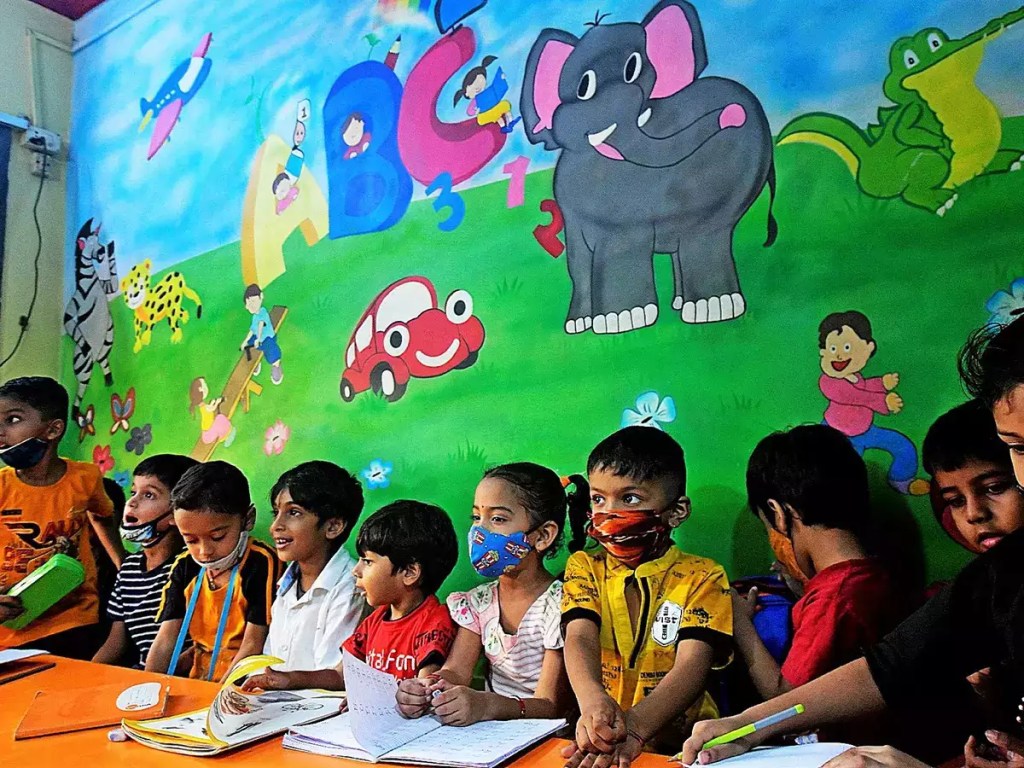
Starting school can be both an exciting and nerve-wracking experience for young children. Pre-primary education, also known as preschool or kindergarten plays a crucial role in a child’s development. It sets the foundation for their academic journey and shapes their social and emotional growth. It’s like the warm-up before the real workout, preparing young minds for the challenges ahead.
b) Understanding the Psychological Impact.
While pre-primary education is undeniably important, it’s essential to recognize the psychological impact it can have on children. Transitioning from the carefree days of the playground to the structured environment of a classroom can be overwhelming. Separation from parents or caregivers also adds another layer of emotional challenges. Understanding and addressing these psychological struggles is key to ensuring a smooth and positive educational experience for young learners.
2. The Challenges of Transitioning from Playground to Mind Playground.
a) Adapting to a Structured Learning Environment.
For children used to the free-spirited nature of the playground, adjusting to a structured learning environment can be like trying to fit a square peg into a round hole. Suddenly, they are expected to follow rules, sit still, and focus on tasks. It can feel restrictive and confining, leading to frustration and resistance. Patience and gentle guidance from educators are essential in helping children adapt and find their place in this new world of academic structure.
b) Coping with Separation from Parents or Caregivers.
Leaving the comfort of familiar faces, such as parents or caregivers, can trigger emotional turmoil for young children. Separation anxiety can make the transition into pre-primary education challenging. Tears, clinginess, and pleas for just “one more hug” are common sights during drop-off. It’s essential for educators to create a nurturing and welcoming environment that helps children feel safe and secure. Over time, with consistency and reassurance, children learn to cope with the separation and build their own sense of independence.
3. Emotional Development and Socialization in Pre-Primary Education.
a) Fostering Emotional Intelligence.
Pre-primary education provides a fertile ground for children to develop emotional intelligence. Learning to identify and manage their own emotions, as well as understanding and empathizing with others, is vital for their future well-being. By creating an atmosphere that encourages emotional expression and providing guidance on emotional regulation, educators play a crucial role in fostering emotional intelligence in young learners.
b) Developing Social Skills and Peer Relationships.
The playground may be a child’s first taste of social interaction, but pre-primary education takes it to a whole new level. It is in this setting that children learn important social skills, such as sharing, taking turns, and cooperating with others. Building positive relationships with peers is also a significant aspect of pre-primary education. Through play and structured activities, children develop crucial social skills that form the foundation for future friendships and collaborations.
4. Cognitive Development and Learning Experiences in Pre- Primary Education.
a) Stimulating Cognitive Growth through Playful Learning.
Preprimary education offers a plethora of learning experiences that stimulate cognitive growth. Through play-based activities and hands-on exploration, children develop their problem-solving skills, creativity, and critical thinking abilities. Educators embrace the power of play to ignite curiosity and create a positive learning environment where children can discover, experiment, and make connections.
b) Encouraging Critical Thinking and Problem-Solving.
Pre-primary education challenges young minds to think critically and solve problems independently. Engaging children in age-appropriate tasks that require them to analyze, evaluate, and find solutions allows them to develop these essential cognitive skills. By nurturing a growth mindset and providing support when needed, educators empower children to become confident and resourceful learners.
In conclusion, preprimary education is not just a stepping stone to formal schooling. It is a pivotal phase in a child’s life where they face and overcome psychological struggles, develop emotional intelligence, build social skills, and enhance cognitive abilities. By understanding and addressing these challenges, educators can create a nurturing environment that sets children up for success both academically and personally. So, let’s dive into the magical world of preprimary education and help our little ones thrive in their mind playground!
5. Addressing Anxiety and Separation Issues in Pre Primary Education.
a) Recognizing and Managing Separation Anxiety.
It’s the first day of pre-primary school, and your little one clings onto your leg like a koala on a eucalyptus tree. Separation anxiety is a common struggle for both children and parents during the early years of education. Recognizing the signs and knowing how to manage it can make this transition smoother for everyone involved.
Separation anxiety often manifests as tears, tantrums, and pleas for you not to leave. But fear not! There are strategies you can employ to help your child cope better with this situation. Gradual separation, building trust with the teacher, and maintaining a consistent routine are some effective ways to ease separation anxiety. And don’t worry, it usually gets easier with time as your child adjusts to the new routine and realizes that you will always come back.
b) Strategies for Reducing Anxiety in the Classroom.
Anxiety doesn’t just vanish when your child steps into the classroom. Many young learners experience anxiety during pre-primary education, but as educators, we have tools to help them feel more at ease in their new environment.
Creating a calm and welcoming classroom atmosphere can work wonders. Incorporating fun activities, providing clear expectations, and offering opportunities for creative expression can all contribute to reducing anxiety levels. It’s also essential to encourage open communication, so children feel comfortable expressing their fears and concerns. Remember, empathy and understanding go a long way in creating a safe space for your little learners.
6. Promoting Positive Mental Health and Well-being in Pre- Primary Education.
a) Creating a Supportive and Inclusive Learning Environment.
A positive mental health foundation starts with a supportive and inclusive learning environment. Pre-primary education is not just about ABCs and 123s; it’s also about nurturing the emotional well-being of our young learners.
Teachers play a crucial role in creating an environment where children feel valued and respected. Encouraging kindness, empathy, and celebrating diversity can help foster a sense of belonging. By promoting positive relationships and teaching children how to be good friends, we lay the foundation for a harmonious and supportive classroom.
b) Teaching Self-care and Emotional Regulation.
Pre-primary education is an excellent time to introduce the concept of self-care and emotional regulation. We all have emotions, and learning how to manage and express them appropriately is a valuable life skill.
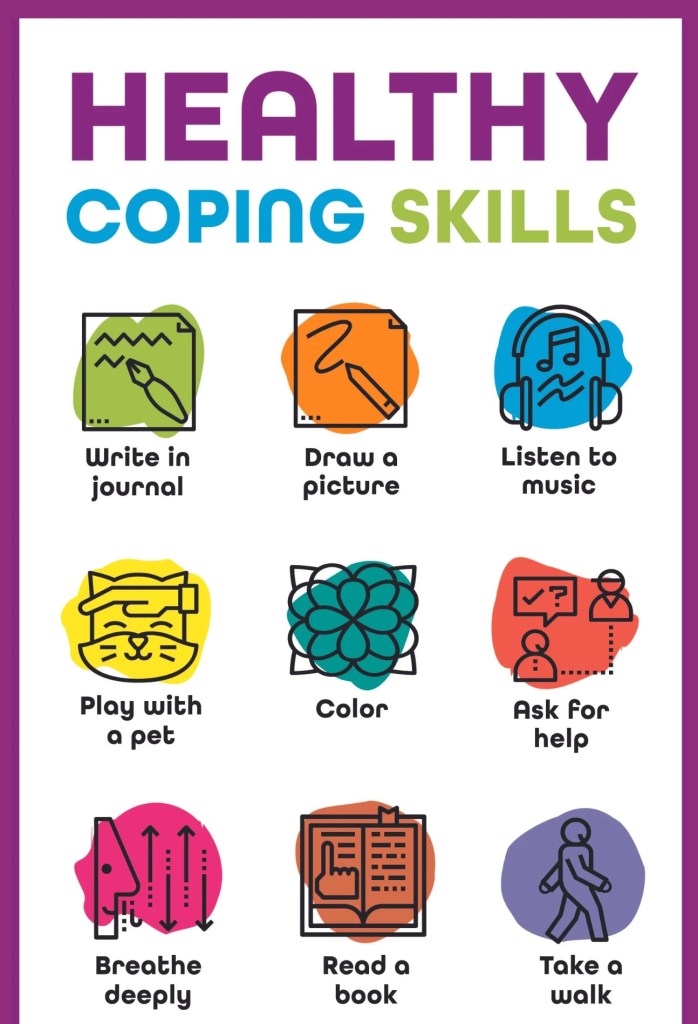
Incorporating mindfulness exercises, teaching deep breathing techniques, and providing opportunities for self-reflection can help children understand and regulate their emotions. Encouraging self-care activities such as drawing, reading, or playing outside can give children the tools to take care of themselves mentally and emotionally.
7. Enhancing Resilience and Coping Skills in Pre Primary Education.
a) Building Resilience through Challenges and Failures.
Life is full of ups and downs, and pre-primary education is no exception. Building resilience in children helps them bounce back when faced with challenges and failures.
Encouraging a growth mindset, where mistakes are seen as opportunities for growth, can foster resilience. Creating a classroom culture that celebrates effort, persistence, and problem-solving can empower children to view setbacks as stepping stones to success. Remember, it’s not about avoiding failure; it’s about learning from it.
b) Teaching Effective Coping Mechanisms.
Teaching children effective coping mechanisms equips them with the tools to navigate the inevitable challenges they’ll face throughout their lives. Pre-primary education is the perfect time to introduce and practice these skills.
Helping children identify and express their emotions is a crucial first step. Additionally, teaching problem-solving strategies, such as brainstorming solutions or seeking help from others, can empower children to tackle obstacles with confidence. And of course, a little humor goes a long way in lightening the load and promoting a positive outlook.
8. Parental Involvement and Support: Nurturing Psychological Growth in Pre Primary Education.
a) The Role of Parents in Supporting Psychological Development.
Parents, you’re not off the hook! Your involvement plays a vital role in supporting your child’s psychological development during their pre-primary education journey. You are their biggest cheerleader, after all.
Make time for open communication with your child, actively listen to their worries and triumphs, and provide reassurance when needed. Celebrate their achievements and encourage them to persevere through challenges. Remember, your support and belief in their abilities can go a long way in fostering their psychological growth.
b) Collaborating with Parents to Address Psychological Struggles.
Teachers and parents, unite! By working together, we can create a network of support for our little learners. Collaboration is key when it comes to addressing psychological struggles.
Establishing open lines of communication between teachers and parents allows for a holistic understanding of each child’s unique needs. Sharing observations, concerns, and strategies can ensure consistency and tailored support for the child. Remember, we’re all on the same team, working towards the growth and well-being of our young learners. In conclusion, recognizing and addressing the psychological struggles that arise during pre-primary education is essential for the holistic development of young children. By fostering emotional intelligence, facilitating socialization, promoting cognitive growth, and providing support systems, we can create a positive and nurturing environment for children to thrive. With the collaborative efforts of educators, parents, and caregivers, we can empower young minds to overcome challenges, build resilience, and embark on a successful educational journey. By prioritizing the psychological well-being of children in pre-primary education, we pave the way for a brighter future filled with confident, capable, and emotionally resilient individuals.
Frequently Asked Questions-
1. How can pre-primary education impact a child’s psychological development?
Pre-primary education plays a vital role in shaping a child’s psychological development. It introduces them to a structured learning environment, helps them adapt to separation from parents or caregivers, and fosters emotional, social, and cognitive growth. The experiences during this phase can significantly impact a child’s self-esteem, resilience, and overall well-being.
2. What are some common psychological struggles that children may face during pre-primary education?
Children may experience various psychological struggles during pre-primary education, such as separation anxiety, difficulty adapting to a more structured environment, socialization challenges, and increased academic expectations. These struggles can manifest through emotional distress, behavioral changes, or academic performance issues, necessitating support and intervention.
3. How can educators, parents, and caregivers support a child’s psychological well-being during pre-primary education?
Supporting a child’s psychological well-being during pre-primary education involves creating a nurturing and inclusive learning environment, teaching emotional intelligence and self-regulation skills, promoting socialization opportunities, and addressing anxiety or separation issues. Collaboration between educators, parents, and caregivers is key in providing the necessary support and guidance to help children navigate through these challenges successfully.
4. Why is it important to prioritize psychological development alongside academic growth?
Prioritizing psychological development alongside academic growth ensures that children receive a well-rounded education. By addressing their emotional, social, and cognitive needs, we foster resilience, promote healthy self-esteem, and equip them with the necessary skills to navigate future educational and life challenges effectively. Moreover, a focus on psychological well-being contributes to building a positive learning environment, where children can thrive and reach their full potential.
“Every Child You Encounter Is A Divine Appointment.”








 Parth Sharma