

Let’s look at sleep paralysis.
Nightmares, Demons, Ghost Attacks, Dabaav, Black Magic, and so on are all misidentified as sleep paralysis.
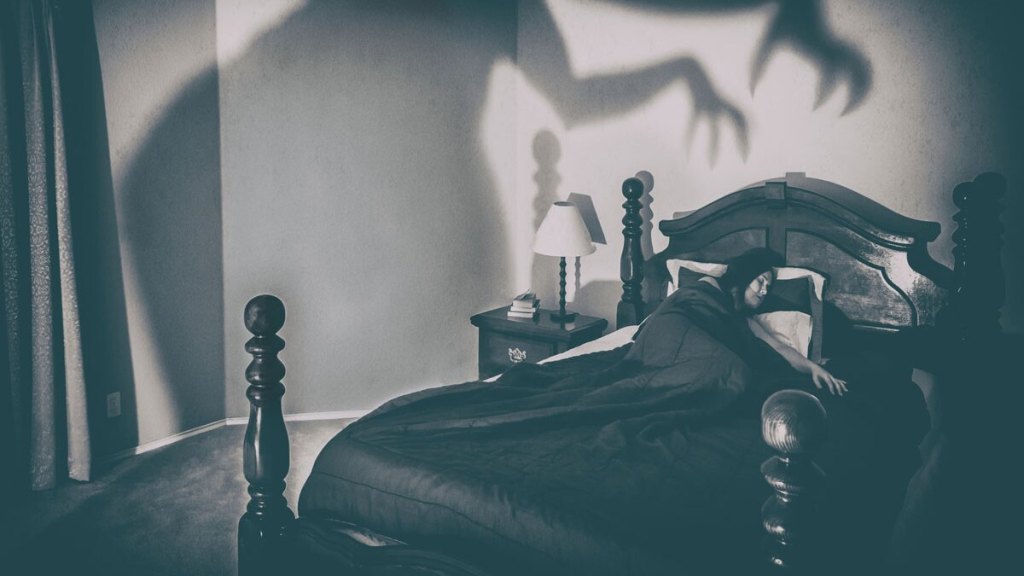
In contrast, sleep paralysis is the sensation of being awake but unable to move. It occurs when a person alternates between stages of wakefulness and sleep. During these transitions, one may be unable to move or speak for a few seconds to a few minutes. Some people may also feel choking or pressure. Sleep paralysis may help with other sleep disorders, such as narcolepsy.
Narcolepsy is a neurological condition in which the brain’s ability to regulate sleep and wakefulness is impaired. Among the symptoms are excessive daytime sleepiness, cataplexy, and sleep paralysis.
Up to 10% of people with narcolepsy have a family member who also suffers from the condition. Narcolepsy affects people of all ages, but the first signs of daytime sleepiness appear in people in their twenties or adolescents. Narcolepsy can go undiagnosed and untreated for years because its symptoms are similar to those of depression, other sleep disorders, or other illnesses.
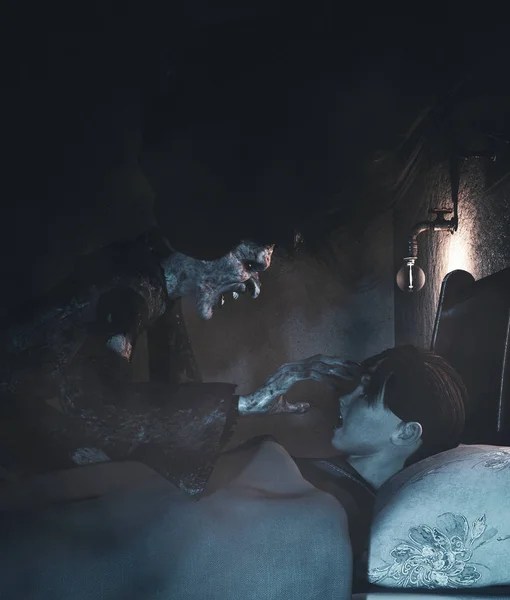
During a sleep paralysis episode, you are aware of your surroundings but unable to move or speak. You can, but you should still move your eyes and breathe. Tactile hallucination is one of the most obvious symptoms of sleep paralysis. the sensation of being touched despite not being touched Many people say they felt forced or approached. They appear to be restrained by a malevolent, often supernatural, intruder. Many people hear or see things that aren’t there (hallucinations), making episodes even more terrifying. Individuals who have experienced sleep paralysis have reported seeing a human figure wandering around the house, horrifying figures approaching or sitting on them, dark figures hanging from the ceilings, and hearing screams, whispers, roars, humming, hissing, static, zapping, and buzzing noises. Following an incident, many people are terrified. You might have felt so strange that you’re not sure anyone will believe what happened to you.
The duration of sleep paralysis can range from a few seconds to several minutes. You might only have one episode in your entire life. However, it may come and go. When you are stressed out and sleep deprived, you are more likely to have an episode.
Rare or isolated sleep paralysis can affect people of all ages. It’s also more common in the context of sleep deprivation caused by a fluctuating sleep schedule, which can happen if you’re a college student or work shifts. Narcolepsy, a condition characterized by shifting sleep-wake boundaries, causes recurrent sleep paralysis.
Dreams are more likely when you have sleep paralysis during the rapid eye movement (REM) sleep stage. The brain inhibits muscle movement in your limbs to keep you from acting out your dreams and injuring yourself. Sleep paralysis occurs when you regain awareness while entering or exiting REM. Because narcolepsy is characterized by unstable wakefulness and unstable sleep, people with the disorder experience frequent night awakenings that can be associated with sleep paralysis.
Sleep paralysis symptoms include:
- Your limbs are immobilised.
- Inability to converse.
- Suffocation feeling
- Hallucinations.
- Fear.
- Panic.
- Helplessness.
- Your throat is constricted.
Sleep paralysis can be diagnosed based on symptoms such as how regularly you experience it, how it feels, and when it began. How much sleep you get at night and how tired you are during the day, Medical history, including medications and whether you smoke, consume alcohol, or use illegal drugs Mental health disorders include anxiety, post-traumatic stress disorder, and depression. There is a history of sleep paralysis in the family.

There isn’t much you can do to mitigate sleep paralysis. Nonetheless, there are preventative measures you can take to reduce your risk. Working to improve your sleep quality is the best way to avoid sleep paralysis. Maintaining a steady sleep schedule, with set times for going to bed and waking up. Creating a comfortable dark and quiet sleeping environment. Before going to bed, put away phones, tablets, e-readers, and computers. To unwind before bed, take a bath, read, or listen to soothing music. Meditations with instructions can also help you relax your mind and body.
A good night’s sleep is the most effective way to bridge the gap between despair and hope.
 Parth Sharma