

In today’s fast-paced, hyper-connected world, young minds are increasingly susceptible to the allure of obsession, whether it manifests through intense interests, social media, or academic pursuits. While passion can be a driving force for creativity and achievement, unchecked obsessions can lead to a myriad of negative consequences that affect mental health, social relationships, and overall well-being. Understanding the complexities of these obsessive behaviors and their impacts is crucial for parents, educators, and the young individuals themselves. This article delves into the various dimensions of unchecked obsessions in youth, exploring their psychological, social, and academic consequences while offering strategies for support and intervention.
1. Understanding Obsession in Youth: Definition and Context.
Obsessions in youth can be likened to that relentless earworm of a catchy song: it just keeps replaying in your mind, often taking over your thoughts. In this context, obsession can be defined as an intense preoccupation with a particular subject, activity, or person that tends to overshadow other interests or responsibilities. In children and adolescents, this can manifest in various forms—from a fascination with a certain game to an unhealthy fixation on social media or even a crush on a classmate that spirals out of control.
a) Types of Obsessions.
While the surface of obsession may look like a colourful buffet of interests, the underlying types can be categorized into a few distinct groups:
Hobbies and Activities: This includes an extreme focus on sports, music, or gaming, often at the expense of other passions or responsibilities.
Social Obsessions: These revolve around relationships or social media—think of constantly checking for likes or comments.
Perfectionism: A relentless drive to achieve unrealistic standards, often causing stress and anxiety.
Fears and Phobias: Obsessions that manifest as irrational fears, leading to avoidance behaviors that can disrupt daily life.
b) Developmental Factors Contributing to Obsession.
Several developmental factors can pave the way for these fixations. During adolescence, brains are wired with a sensitivity to rewards and social validation, making young minds particularly susceptible to obsessions. Environmental influences, such as family dynamics, peer pressure, and societal expectations, can amplify these tendencies. Additionally, exposure to media and technology can create unrealistic benchmarks for success and belonging, feeding the obsession beast. Ultimately, it’s a complex interplay of biology and environment that turns normal interests into all-consuming passions.
2. Psychological Impacts of Unchecked Obsessions.

Unchecked obsessions can pack quite the psychological punch—like a surprise plot twist in a movie, they can change the entire narrative of a young person’s life. When hobbies or interests spiral into obsession, the effects ripple through mental health and overall well-being.
a) Effects on Mental Health.
The psychological impact of obsession can range from mild annoyance to full-blown chaos. Young people may experience an increase in stress levels, sleep disturbances, or even irritability as they grapple with their fixation. The constant mental chatter can lead to decision fatigue, making it hard to focus on anything other than the object of obsession. In extreme cases, this can culminate in conditions like obsessive-compulsive disorder (OCD), where the cycle of thoughts and compulsions becomes a prison of its own.
b) Link to Anxiety and Depression.
There’s a strong link between unchecked obsessions and mental health issues such as anxiety and depression. Imagine being trapped in a hamster wheel where the only view is your fixation—exhausting, right? The pressure to maintain or engage with this obsession can lead to heightened anxiety levels and a pervasive sense of dread when the obsession is out of reach. Over time, this can morph into depressive symptoms, where the joy derived from pursuits fades, leaving only a lingering shadow of discontent.
3. Social Consequences: Relationships and Isolation.

As obsessions grow, so too can their ripple effect on social relationships. Like a giant boulder rolling down a hill, the consequences can be far-reaching, often leading to a sense of isolation.
a) Impact on Friendships.
Obsessions can put a strain on friendships as interests diverge. Friends may feel neglected or frustrated when one person is solely focused on their fixation, leaving little room for shared experiences or growth. Think of it this way: when one friend is busy obsessively watching every episode of a show on repeat, it might get a tad hard to connect over your latest adventures at the local café. This can lead to misunderstandings, jealousy, or, worse, deepening rifts that can fracture friendships beyond repair.
b) Family Dynamics and Communication.
Family dynamics can also take a hit when one member becomes consumed by an obsession. Communication can falter as families struggle to understand the fixation or appeal of the subject at hand. Imagine a family dinner where one person can’t stop talking about their latest video game obsession while others want to discuss their day—it’s like a recipe for miscommunication soup! This can lead to frustration on both sides, causing families to become more divided than united, with the obsessed individual feeling isolated and misunderstood.
4. Academic Performance: The Strain of Fixation.

When obsession takes the wheel, academic performance can easily end up in the backseat, feeling a bit neglected. The pressure of maintaining an obsession can lead young minds to prioritize their fixation over studying or completing assignments.
a) Distraction and Focus Issues.
Obsessive thoughts can be distracting, making it difficult for students to concentrate in class or complete homework. Imagine trying to solve a math problem while part of your brain is busy dissecting the latest plot twists of your favorite series—it’s chaotic! As a result, this can lead to declining grades and a skewed perception of priorities, where passions overshadow the importance of education.
b) Long-term Academic Trajectories.
The long-term consequences of obsession on academic trajectories can be significant. When a young person is so focused on one area, they may neglect essential skills or subjects that are crucial for future success. This can lead to gaps in knowledge that might resonate throughout their academic journeys, creating challenges in higher education or career paths. In worst-case scenarios, it can even result in dropping out or career choices that feel unfulfilling, simply because of a fixation that once seemed harmless but ultimately constricted their world.
5. Health Risks: Physical and Mental Well-being.

a) Stress and Its Physical Manifestations.
Unchecked obsessions can send stress levels skyrocketing, leading to a host of physical ailments. Think of a pressure cooker that’s been left on too long—eventually, something’s got to give! Symptoms may include headaches, digestive issues, and even unexplained aches and pains. When young minds are fixated on certain things to the exclusion of all else, their bodies respond with stress signals that can impact everything from their immunity to their ability to enjoy life.
b) Sleep Disruptions and Lifestyle Choices.
Imagine trying to catch some z’s while your brain is busy running marathons. Obsessive thoughts can be like that annoying friend who just won’t leave the party. This can lead to restless nights and an escalation of unhealthy lifestyle choices, such as skipping meals or excessive screen time. Poor sleep can also contribute to mood swings and irritability, making it a vicious cycle that’s hard to break. So, remember: sleep is as important as that Netflix binge you’re tempted to indulge in!
6. Identifying Early Signs of Obsessive Behavior.

a) Behavioral Red Flags.
When a young person starts displaying obsessive behaviors, it can feel like the warning lights on a dashboard are flashing. Look out for signs like excessive worry, repetitive actions, or the inability to focus on anything outside their obsession. If they’re obsessively checking their social media likes or constantly rearranging their room in the name of “perfection,” it’s time to hit the brakes and reassess.
b) Monitoring Changes in Routine.
Has your once-active child suddenly transformed into a hermit? Are they trading playdates for solo marathons of that one show they can’t get enough of? Changes in routine can be a big indicator of obsessive behavior. If their interests start to replace basic daily activities—like eating, sleeping, and talking to humans—it’s a sign that things may have gone too far. Keeping a keen eye on these shifts can make all the difference.
7. Strategies for Parents and Educators.

a) Open Communication Practices.
Creating an open line of communication is like giving your child a safe space to air out their thoughts. Encourage honest discussions about their feelings and interests without judgment. Let them know that it’s perfectly okay to share when things feel too intense. Probing gently and validating their feelings can help them feel supported and less isolated in their obsessions.
b) Encouraging Healthy Interests and Hobbies.
Introduce a buffet of healthy interests and hobbies that can serve as alternatives to obsessive behaviors. Whether it’s sports, art, or anything that involves using the hands (and not just the thumbs), engaging in diverse activities can help balance their focus. The goal is to steer them towards interests that broaden their horizons, rather than narrow them down to a single fixation. Think of it as helping them cultivate a garden of passions instead of becoming a single, stubborn weed.
8. Long-term Effects: Adult Life and Coping Mechanisms.
a) Transitioning into Adulthood.
As kids grow into adults, those unchecked obsessions can morph into even bigger challenges. The transition to adulthood is already tricky, and adding obsessive tendencies can make it feel like trying to juggle flaming torches while riding a unicycle. That’s why it’s crucial to address obsessive behaviors early on—otherwise, they may carry over into adult relationships, work, and self-image issues.
b) Building Resilience and Healthy Coping Strategies.
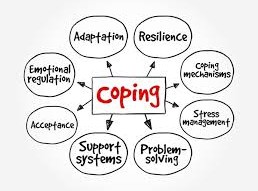
Nobody wants to be the adult who can’t cope with life’s curveballs because their childhood obsession turned into a lifelong anchor. Teaching resilience and healthy coping mechanisms early on can help young people navigate stress without clinging to unhealthy obsessions. Strategies like mindfulness, positive self-talk, and stress management techniques can empower them to handle life’s ups and downs with grace, and maybe even a smile. After all, life is too short to be bogged down by anything that doesn’t bring joy! In conclusion, recognizing and addressing unchecked obsessions in young minds is essential for fostering a healthy development. By understanding the psychological, social, and academic ramifications of these behaviors, parents, educators, and young individuals can work together to create a supportive environment that encourages balance and well-being. With the right strategies and open communication, it is possible to transform potentially harmful obsessions into constructive passions, paving the way for a brighter future.
Frequently Asked Questions:

1. What are the common signs of obsession in young people?
Many young individuals exhibit signs of obsession through intense focus on a particular interest, withdrawal from social activities, a decline in academic performance, or changes in behavior and routine. Monitoring for these red flags can help in early identification.
2. How can parents effectively support a child with obsessive tendencies?
Parents can support their child by maintaining open lines of communication, encouraging a variety of interests, setting healthy boundaries, and seeking professional help if necessary. Constructive engagement and understanding are key to helping the child find balance.
3. When should a professional be consulted regarding obsessive behaviors?
Consulting a mental health professional is advisable if obsessive behaviors lead to significant distress, interfere with daily functioning, or cause harm to the individual or others. Early intervention can greatly improve outcomes.
4. Can obsession ever be positive?
Yes, when channelled appropriately, obsession can lead to high levels of achievement and creativity. However, it is essential to maintain a balance to ensure that such passions do not escalate into harmful behaviors.




 Parth Sharma