

About Confidence and Focus:
When it comes to achieving academic success, two crucial elements often play a significant role: confidence and focus. Confidence empowers students to believe in their abilities, take on challenges, and persevere through setbacks. Meanwhile, focus ensures that students can absorb information, engage in learning activities, and retain knowledge effectively. In this article, we will delve into the importance of confidence and focus in academic achievements and explore strategies to develop and enhance these essential skills. By understanding how confidence and focus contribute to academic success, students can unlock their full potential and thrive in their educational journey.
1. Understanding the Importance of Confidence in Academic Success.
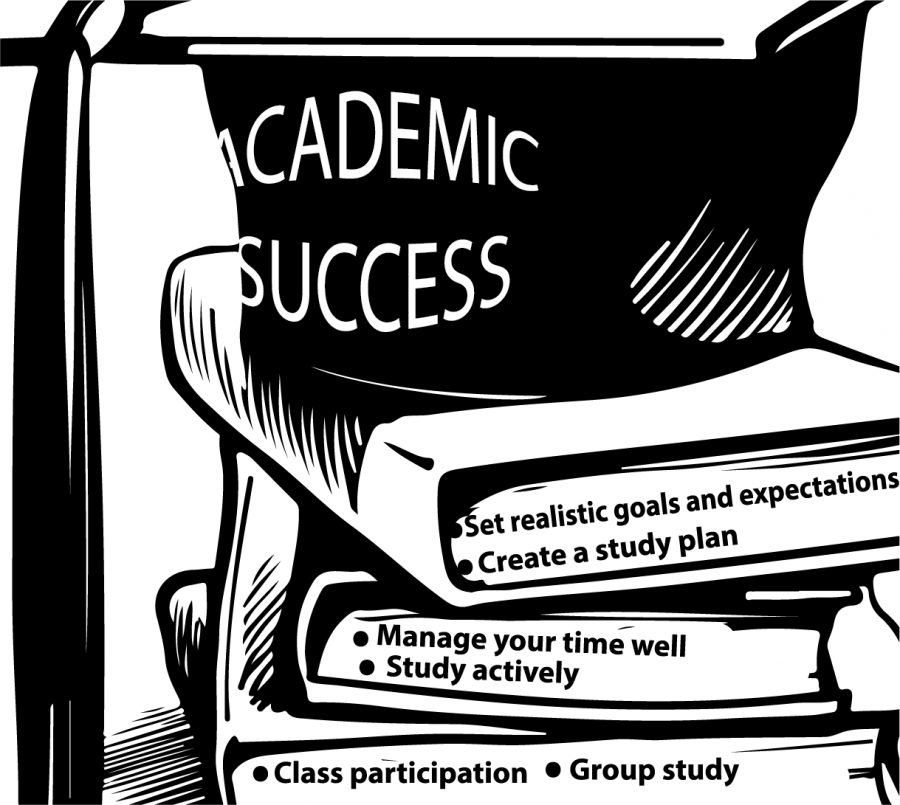
a) The Relationship between Confidence and Academic Performance.
Confidence plays a crucial role in academic success, like that awkward friend who always takes you out of your comfort zone. When students believe in themselves and their abilities, they are more likely to tackle challenges head-on and persevere through difficult tasks. Confidence fuels motivation and helps students maintain a positive attitude, even when they encounter setbacks. Just like how a solid self-esteem is the foundation of a killer dance routine, confidence sets the stage for academic excellence.
b) The Psychological Impact of Low Confidence on Learning.
Low confidence is like a pesky goblin that hides in the shadows, whispering self-doubt into students’ ears. When students lack confidence, they are prone to negative self-talk and a fear of failure. This can lead to feelings of anxiety, which make it difficult to concentrate and retain information. It’s like trying to juggle flaming bowling balls while wearing a blindfold. Low confidence not only affects academic performance but also takes a toll on students’ overall well-being.
c) Recognizing the Signs of Low Confidence in Students.
Spotting low confidence in students is like finding Waldo in a crowd. Some common signs include excessive self-criticism, a reluctance to participate in class discussions, avoidance of challenging tasks, and a tendency to compare themselves unfavorably to others. Students with low confidence may also exhibit signs of stress, such as poor sleep or a lack of motivation. By keeping an eye out for these signs, teachers and parents can offer support and help boost students’ self-belief.
2. Developing a Growth Mindset: Nurturing Confidence and Self-Belief.

a) Embracing a Growth Mindset for Academic Success.
A growth mindset is like a superhero cape for confidence. It’s the belief that intelligence and abilities can be developed through effort and practice. When students adopt a growth mindset, they see challenges as opportunities for growth rather than barriers to success. They understand that even if they don’t know something now, they can learn it with time and effort. Embracing a growth mindset nurtures confidence and encourages students to persist and take risks in their academic pursuits.
b) Overcoming Self-Doubt and Negative Self-Talk.
Negative self-talk is like that annoying radio jingle you can’t get out of your head. To overcome self-doubt, students need to become aware of their inner critics and challenge those negative thoughts. They can replace statements like “I’m not good enough” with more positive and realistic ones like “I am capable of learning and improving.” Taking a mental broom to sweep away self-doubt helps students build a stronger foundation of confidence.
c) Setting Realistic Goals to Build Confidence.
Setting goals is like drawing a map to success. But it’s essential to set realistic goals that are specific, measurable, attainable, relevant, and time-bound (SMART). When students set achievable goals, they experience small wins along the way, which boosts their confidence and motivates them to keep going. It’s like collecting gold stars on a chart, except the gold stars are achievements that make you feel like a rockstar.
3. Strategies for Building Confidence and Overcoming Academic Challenges.
a) Building Confidence through Preparation and Knowledge.
Confidence is the result of preparedness meeting opportunity. To build confidence, students should prioritize preparation and acquire a solid foundation of knowledge in their subjects. This involves attending classes regularly, completing assignments on time, and actively engaging with the material. When students feel knowledgeable and well-prepared, their confidence soars, and they approach exams and assignments with a stronger sense of self-assurance.
b) Adopting Effective Study Techniques for Better Performance.

Studying effectively is like finding the right dance moves to nail a routine. Students can adopt techniques like active learning, breaking down information into manageable chunks, and practicing regular review sessions. Finding study methods that work best for them enhances their understanding of the material and boosts their confidence in their ability to retain and apply what they’ve learned. It’s like finding the perfect dance partner – the right study techniques can make the learning experience a delightful duet.
c) Seeking Support: Utilizing Resources and Asking for Help.
Asking for help is like having a secret weapon tucked up your sleeve. Students should never hesitate to seek support when they need it. Teachers, tutors, classmates, and online resources are all valuable sources of assistance. By reaching out and asking for help, students can clarify doubts, gain different perspectives, and develop a deeper understanding of the subject matter. This support boosts confidence and reminds students that they don’t have to face academic challenges alone.
4. The Role of Focus in Enhancing Learning and Retention.
a) Understanding the Importance of Concentration in Academic Success.
Concentration is like a spotlight that illuminates the path to learning. When students are focused, they absorb information more effectively and retain it for longer periods. By honing their ability to concentrate, students can engage deeply with the material, follow instructions more accurately, and produce higher quality work. It’s like having an attentive audience – focus sets the stage for a standout performance.
b) Exploring the Impact of Distractions on Focus.
Distractions are like mischievous gremlins that hijack our attention. They can be found in the form of social media notifications, noisy environments, or even our wandering thoughts. These distractions disrupt our concentration and hinder optimal learning. Students need to identify their personal distractors and create a conducive study environment free from temptations. Turning off phone notifications, finding a quiet space, and practicing mindfulness techniques can all help tame those gremlins and improve focus.
c) Techniques for Improving Concentration and Attention Span.
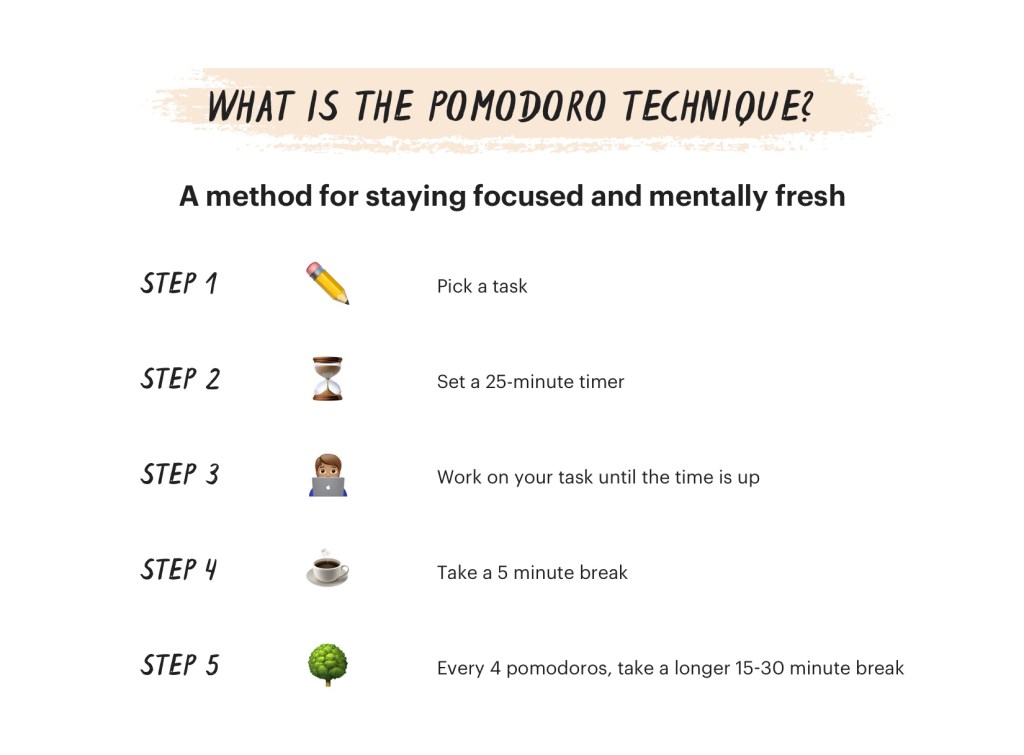
Improving concentration is like sharpening a pencil – it requires effort and the right tools. Students can employ techniques like the Pomodoro Technique (studying in focused bursts with short breaks), creating a to-do list to stay organized, and practicing mindfulness exercises to improve their attention span. These techniques train the brain to stay present and focused, leading to more efficient learning and better academic performance. It’s like upgrading your brain’s software – improved concentration is the ultimate productivity hack.
5. Cultivating a Productive Study Environment to Improve Focus.
a) Designing an Ideal Study Space for Optimal Concentration.
We all know that studying in bed might as well be code for napping. Create a dedicated study space that’s free from distractions – yes, that means no Netflix within reach!
b) Minimizing Distractions in the Study Environment.
Say goodbye to your smartphone addiction during study sessions. Hiding it in a drawer or asking a parent to keep it hidden will do wonders for your focus. Restrain yourself from checking Instagram every five minutes; your followers will survive without the update.
c) Creating a Study Schedule to Enhance Focus and Productivity.
While it may seem tedious, a study schedule is like a superhero cape for your productivity. Map out your study sessions and stick to the plan. Sure, it may require some willpower, but remember, every hour spent studying is a step closer to that glorious A+.
6. Boosting Concentration Skills: Techniques for Staying Focused in Class and while Studying.
a) Active Listening Strategies to Stay Engaged in Class.
In a world filled with daydreams and doodles, active listening is the secret weapon to ace your classes. Resist the urge to zone out and actually absorb the knowledge your teachers are dropping. Plus, it’s a great way to keep that reputation as the “engaged student” alive and well.
b) Mindfulness Techniques for Improving Concentration during Study Sessions.
We get it, meditation might sound a bit “woo-woo” for some. But believe it or not, taking a few minutes to calm your mind and focus on your breath can do wonders for your concentration. Embrace your inner Zen master and let those distractions fade away.
c) Handling Multitasking and Prioritizing Tasks for Improved Focus.
Sure, we all think we’re expert multitaskers. But let’s be real – trying to write an essay while binge-watching your favorite show is nothing short of a disaster. Learn to prioritize your tasks and focus on one thing at a time. Trust me, your grades will thank you.
7. Balancing Confidence and Humility: Fostering Academic Success through Collaboration.
a) Recognizing the Power of Collaboration in Academic Success.
While going it alone may sound like a brave pursuit, success often comes from teamwork. Embrace the power of collaboration and reap the benefits of shared knowledge. Plus, it’s a great excuse to bond with your classmates over late-night study sessions and a never-ending supply of coffee.
b) Overcoming the Fear of Asking for Help.
I get it, asking for help can feel like admitting defeat. But let’s be real – even superheroes have sidekicks. Don’t let your ego get in the way of academic success. Seek help when needed and remember, learning is a continuous journey, not a solo mission.
c) Embracing Feedback and Constructive Criticism.
Nobody enjoys having their work critiqued, but constructive feedback is the secret sauce to improvement. Embrace it, learn from it, and grow. Remember, even the greatest minds in history needed a little tweaking along the way.
8. Taking Breaks and Self-Care: Maintaining Confidence and Focus.

a) The Importance of Taking Regular Breaks for Mental Refreshment.
Here’s a secret: breaks are not just for slacking off, they’re actually essential for maintaining focus. So, take a breather, stretch your legs, and recharge your brain. Just remember to set a timer, or those “short” breaks may turn into a Netflix marathon.
b) Incorporating Self-Care Activities to Reduce Stress and Enhance Focus.
Stress and burnout are the arch-enemies of academic success. So, make time for self-care activities that soothe your soul – whether it’s yoga, painting, or belting out your favorite tunes in the shower. Find what works for you, and let the stress melt away.
c) Prioritizing Sleep for Optimal Cognitive Functioning.
Late-night cram sessions may seem heroic, but let’s face it – your brain is not a fan. Give it the beauty sleep it deserves, and watch as your cognitive abilities skyrocket. Besides, who needs puffy eyes and a foggy mind when you can wake up refreshed and ready to conquer the academic world? In conclusion, confidence and focus are the key ingredients for academic success. By nurturing confidence, developing a growth mindset, and implementing effective strategies, students can overcome challenges and reach their full potential. Likewise, by cultivating a productive study environment, honing concentration skills, and fostering collaboration, students can enhance their focus and maximize their learning capabilities. Ultimately, with confidence and focus as guiding principles, students can excel academically, achieve their goals, and pave the way for a successful future.
“Believe in your infinite potential. Your only limitations are those you set upon yourself.”
 Parth Sharma