The Dynamics of Adolescence: Understanding Shifts and Milestones.

Adolescence is a transformative period marked by profound physical, emotional, and cognitive changes, as young individual’s transition from childhood to adulthood. During this crucial stage of development, adolescents encounter a unique set of challenges and milestones that shape their identities and influence their future trajectories. Understanding the dynamics of adolescence is essential for parents, educators, and caregivers, as it equips them with the knowledge to support youth through this complex journey. From navigating peer relationships to coping with emotional upheavals, the experiences of adolescents are diverse and influenced by a myriad of cultural and societal factors. This article delves into the essential aspects of adolescent development, exploring the shifts and milestones that define this pivotal life stage.

1. The Definition of Adolescence: An Overview.
1.1 The Age Range of Adolescence.

Adolescence is often defined as the magical time between the ages of 10 and 19, though some experts stretch it to the early twenties. It’s that peculiar phase when kids transition from riding bikes to looking for rides home after a night out. This decade is packed with growth, exploration, and sometimes, a fair amount of eye-rolling.

1.2 Key Characteristics of Adolescent Development.

During adolescence, you’ll witness the enchanting mix of rebellion and profound self-discovery. Teens experience emotional fluctuations akin to a roller coaster ride—exhilarating but also a bit nauseating. They begin to form their own identities, challenge authority, and develop a unique perspective on the world (usually while plugged into headphones). It’s a time when peer influence peaks, but let’s not forget their secret weapon: the ability to binge-watch entire series in a single weekend.

2. Physical Changes and Developmental Milestones.

2.1 Growth Spurts and Changes in Body Composition.

Adolescence is a time of dramatic physical change. Cue the awkward growth spurts where children suddenly become giraffes overnight! Boys might bulk up and experience muscle growth while girls may see curves blossoming. These changes can lead to fumbling feelings about body image—think of it as the unfortunate yet relatable phase of tripping in new shoes while trying to look cool.

2.2 Maturation and Reproductive Health.

As the years roll on, adolescents undergo significant maturation, including the onset of puberty. Hormones are now the main characters in this drama, leading to new interests, feelings, and a lot of “eww” when discussing reproductive health. It’s crucial for them to learn the facts—after all, knowledge is power, even if it feels uncomfortable at times to discuss.

2.3 Impact of Nutrition and Lifestyle.

Nutrition and lifestyle choices become paramount during adolescence. Those growing bodies need something more than just pizza and soda—though let’s be real, it’s a tempting diet! Balanced meals can help fuel their growth, while a lack of physical activity can lead to challenges. Encouraging healthy habits now can set the stage for a lifetime of wellness—plus, it might spare parents from future doctor’s visits!

3. Cognitive Development: Shifts in Thinking and Learning.

3.1 Development of Abstract Thinking.

As brains mature, adolescents transition from concrete thinking to more abstract reasoning. Suddenly, they’re pondering life’s big questions—like why pizza sauce is red or the meaning of that cryptic song lyric they can’t get out of their heads. This shift allows for greater imagination and creativity, giving rise to those deep late-night conversations (or debates) that can last till dawn.

3.2 Improvements in Problem-Solving Skills.

With the development of abstract thought comes improved problem-solving skills. Teens start to tackle complex issues, from algebra equations to navigating the social hierarchy at school. They learn to weigh pros and cons, find solutions—sometimes via trial and error—and hopefully avoid turning every situation into a high-stakes drama.

3.3 The Role of Education in Cognitive Growth.

Education plays a pivotal role in shaping cognitive development. Engaging curriculums and stimulating learning environments can ignite curiosity and critical thinking. Teachers often become more than just instructors; they are mentors guiding students through a world that’s increasingly complex—and let’s face it, sometimes utterly bizarre.

4. Emotional Growth: Navigating Identity and Self-Esteem.
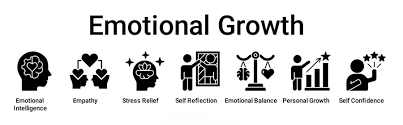
4.1 Formation of Personal Identity.

Adolescence is essentially a quest for identity, complete with wacky fashion choices and ever-changing friend groups. Teens experiment with interests, hobbies, and social circles, trying to figure out who they are—often while embracing that fabulous “I’m so different” aesthetic that includes an assortment of plaid shirts and band tees.

4.2 Self-Esteem and Its Influences.

Self-esteem during these years can resemble a see-saw—up one day and down the next. Influences come from everywhere: peers, social media, and those “helpful” family members. Encouragement and support can do wonders, while negativity can lead to emotional struggles. It’s all about finding that balance and learning to love oneself, flaws and all—because who doesn’t have quirks?

4.3 Coping Mechanisms for Emotional Challenges.

Navigating the emotional waters of adolescence can be tricky. Teens need healthy coping mechanisms to manage stress and anxiety, whether through sports, arts, or just venting to a trusted friend (or their pet). Teaching them how to express feelings and seek help when needed can pave the way for resilience and emotional intelligence, making them better equipped to handle life’s curveballs.

5. Social Dynamics: Peer Relationships and Influence.

5.1 The Importance of Peer Acceptance.

In the teenage years, the quest for peer acceptance can feel like a full-blown expedition to find the Holy Grail. Friendships become paramount, and the need to fit in can often overshadow individual identity. Adolescents are especially attuned to social cues, and approval from their peers can significantly boost self-esteem. It’s akin to being a contestant on a reality show; you want to keep your team (friends) happy while navigating the dramatic twists of teenage life. Understanding the importance of peer acceptance can help adults guide teens in balancing social pressures and personal values.

5.2 Social Media and Its Impact on Relationships.

Ah, social media: the double-edged sword of the modern age! While it offers a platform for connection and self-expression, it can also morph into a distorted mirror reflecting unrealistic comparisons and cyberbullying. For adolescents, online interactions often supplement in-person relationships but can lead to misunderstandings and conflicts that escalate faster than you can say “tweet.” Navigating friendships in a digital age requires savvy discernment, as teens learn to filter their feeds and curate their lives—often with more emphasis on likes than on genuine connections.

5.3 Family Dynamics and Their Role in Social Development.

Family dynamics play a crucial role in shaping an adolescent’s social development—even if it sometimes feels like being stuck in a sitcom. Positive family relationships provide a safe space for teens to explore their identities and develop social skills. Conversely, conflicts can lead to withdrawal or aggressive behaviors. Parents and siblings can be excellent sounding boards—or, on the flip side, the perfect storm of drama! Balancing family engagement while fostering independence is key to helping teens navigate their social worlds.

6. Cultural and Societal Factors Affecting Adolescence.

6.1 The Influence of Cultural Norms and Values.

Cultural norms and values serve as the backdrop against which adolescence unfolds, much like the soundtrack of a coming-of-age movie. Each culture brings its unique set of expectations regarding behavior, gender roles, and the transition to adulthood. For adolescents, understanding these norms can be as confusing as deciphering hieroglyphics but essential for their socialization. Cultural influences help shape their beliefs, attitudes, and how they perceive their place in the world, sometimes leading to a delightful blend of tradition and modernity—or outright rebellion.

6.2 Economic Factors and Their Impact on Youth.

When it comes to adolescence, money—or, rather, the lack thereof—can be a heavy burden. Economic stability often correlates with access to resources, opportunities, and overall well-being. Teens from low-income families may face additional challenges, such as limited access to extracurricular activities or educational resources, which can affect their social circles and aspirations. Meanwhile, those in affluent environments might grapple with expectations to succeed that could lead to pressure and anxiety. In any case, understanding these economic factors helps paint a clearer picture of the adolescent experience.

6.3 Global Perspectives on Adolescence.

Adolescence isn’t a monolithic experience; it’s a kaleidoscope of narratives across the globe. From the rites of passage in certain cultures to the universal challenges of identity and independence, teens everywhere are navigating their unique journeys. Global perspectives on adolescence can enrich our understanding of diverse experiences, providing insights into how factors like tradition, technology, and societal expectations shape young lives. Celebrating these differences fosters empathy and awareness, proving that while the adolescent struggle may be universal, the ways in which it manifests are anything but.

7. Challenges and Risks: Mental Health and Behavioral Issues.

7.1 Common Mental Health Disorders in Adolescents.

Mental health disorders in adolescents have become as common as bad pop songs stuck on repeat. Conditions such as anxiety, depression, and ADHD often rear their heads during these transformative years, fueled by academic pressures, social dynamics, and hormonal changes. Recognizing the signs early can make a world of difference, as timely intervention often leads to better outcomes. It’s crucial for parents and educators to approach these issues with sensitivity and understanding, like a lifeguard at a pool party—always vigilant but not too overbearing.

7.2 Substance Abuse and Risky Behaviors.

Adolescence is notorious for rebellious streaks—and sometimes that includes experimenting with substances. Peer pressure, curiosity, and the desire to fit in can drive teens to partake in risky behaviors that may have lasting consequences. Substance abuse can spiral out of control, creating a slippery slope that’s hard to climb back up. Educating teens about the risks, providing healthy coping strategies, and ensuring open communication can help steer them away from these tempting detours.

7.3 Strategies for Prevention and Intervention.

Preventing mental health issues and risky behaviors requires a multifaceted approach—think of it as assembling the ultimate superhero team! Effective strategies include open communication, education, and creating supportive environments. Programs that promote resilience, emotional intelligence, and healthy coping mechanisms can equip teens with the tools they need to navigate challenges. Collaboration between parents, educators, and mental health professionals is essential, ensuring that young people feel empowered to seek help when they need it most.

8. Supporting Healthy Development: Strategies for Parents and Educators.

8.1 Effective Communication Techniques.

Effective communication during adolescence is like building the perfect bridge over turbulent waters; it can connect parents and teens while navigating those inevitable rocky relations. Active listening, open-ended questions, and a dash of humor can help foster a safe space for conversations. It’s essential to strike that fine balance between guidance and independence—think of it as being the trusty GPS, giving directions without taking over the wheel. Encouraging dialogue and validating feelings can strengthen relationships and promote healthy development. In conclusion, recognizing the dynamics of adolescence is vital for fostering healthy development in young people. By understanding the physical, emotional, and social changes that occur during this period, we can provide better support and guidance to adolescents as they navigate the complexities of growing up. Empowering them with the right tools and knowledge will not only enhance their well-being but also help them thrive as they transition into adulthood. As we continue to learn more about this critical phase of life, it is our responsibility to create nurturing environments that encourage positive growth and resilience in the youth of today.

Frequently Asked Questions:

1. What are the key physical changes that occur during adolescence?

During adolescence, individuals experience growth spurts, changes in body composition, and the onset of sexual maturation. These physical changes are influenced by genetic, nutritional, and environmental factors. 

2. How can parents support their adolescents through this developmental stage?

Parents can support their adolescents by maintaining open lines of communication, being empathetic to their feelings, and providing guidance while allowing for independence. Encouraging healthy relationships and a positive self-image is also crucial. 

3. What role does peer influence play during adolescence?

Peer influence is significant during adolescence as young people seek acceptance and validation from their peers. This can impact their behavior, choices, and self-esteem, making it essential for parents and educators to understand these dynamics. 

4. What are common mental health issues faced by adolescents?

Common mental health issues faced by adolescents include anxiety disorders, depression, and behavioral problems. Recognizing the signs early and providing appropriate intervention can help support their mental well-being.


Rating: 1 out of 5.

Navigating Teen Substance Abuse: Effective Strategies for Parents.

Navigating the complex landscape of teen substance abuse can be one of the most challenging experiences for parents. As adolescents face various pressures—from peer influence to academic stress—substance use can become a troubling escape for some. Understanding the dynamics of substance abuse, recognizing the signs, and knowing how to communicate effectively with your teen are crucial steps in addressing this issue. This article aims to equip parents with effective strategies to prevent and respond to substance use, fostering a supportive environment that encourages healthy choices and open dialogue. By taking proactive measures, parents can play a pivotal role in guiding their teens toward a brighter and healthier future.

1. Understanding Teen Substance Abuse: Facts and Myths.

a) Statistics on Teen Substance Use.

The statistics can be as alarming as your teen’s favorite rock band turning out to be a one-hit wonder. According to the National Institute on Drug Abuse (NIDA), about 70% of high school seniors have tried alcohol, and nearly 50% have experimented with illicit drugs. What’s even more surprising? Nearly 35% of teens report using marijuana. The numbers indicate that substance use is not just a ‘bad apple’ issue; it’s a widespread concern many families face.

b) Common Misconceptions about Substance Abuse.

Let’s bust some myths faster than a teenage heartthrob’s rise to fame! One common misconception is the idea that “my teen would never use drugs; they’re too smart.” Spoiler alert: Intelligence doesn’t immunize against experimentation. Another myth is that casual alcohol use is harmless; in reality, it can be a slippery slope to more significant issues. Understanding these misconceptions is crucial for parents who want to stay ahead of the curve.

2. Recognizing the Signs of Substance Abuse in Teens.

a) Behavioral Changes to Watch For.

If your usually shiny star is suddenly dimming—hello, mood swings!—pay attention. Behavioral red flags include sudden secrecy, loss of interest in previously loved activities, or a drastic change in peer groups. If your teen who used to be a diligent student is now more likely to be found binge-watching shows instead of studying, it might be time for a heart-to-heart.

b) Physical Indicators of Substance Use.

Seeing your teen show up in pajamas at noon isn’t exactly a sign of substance use—believe me, I’ve been there. However, look out for bloodshot eyes, unusual smell (and we’re not talking about new cologne), and sudden weight changes. If they’re exhibiting signs of fatigue or poor hygiene, it could be time to address the elephant in the room.

c) Emotional and Social Signs.

If your teen’s emotional roller coaster is more thrilling than a theme park ride, it’s essential to take note. Increased anxiety, paranoia, or depression can signal underlying substance issues. Also, if they’re pulling away from family and old friends faster than a teenager speeds out of a parent-teacher conference, it’s worth investigating what’s really going on beneath the surface.

3. Creating Open Lines of Communication with Your Teen.

a) Effective Listening Techniques.

Communication is key, but let’s face it, listening is the secret sauce. Practice active listening by not just hearing the words but absorbing the feelings behind them. Nod, express empathy, and avoid interrupting. Sometimes, all your teen needs is a sounding board—not another lecture. Think of it as tuning into their favorite playlist instead of trying to change the station!

b) How to Approach Sensitive Topics.

Tackling touchy subjects can feel like walking on eggshells while juggling flaming torches—less than ideal! Start by choosing a non-confrontational time and setting. Use “I” statements to express your concerns gently. For example, “I’m worried about how you’ve been acting lately,” instead of “You need to stop hanging out with those kids!” Trust me, your teen will appreciate the softer approach.

c) Encouraging Honesty and Trust.

Creating a foundation of trust is like building a solid tree house: it takes time and care to get it just right. Encourage honesty by responding calmly to their confessions, even if it feels like your heart is doing the cha-cha. Reinforce that you’re a safe space for them to share their thoughts—no judgment, just love and support. This could be the difference between your teen opening up or shutting down.

4. Effective Prevention Strategies for Parents.

a) Setting Clear Expectations and Boundaries.

Think of rules as the GPS for your teen’s journey—necessary for navigating the road ahead. Set clear expectations about substance use and the associated consequences. Be consistent, so they know you’re serious. Remember, it’s not about being a tyrant; it’s about being a guide. A well-defined boundary can keep them on the right path while allowing them room to grow.

b) Promoting Healthy Activities and Interests.

Encourage extracurricular activities that give them a creative outlet—whether it’s sports, the arts, or even bizarre TikTok dances. These pursuits can boost self-esteem and steer them away from the lure of substances. Plus, you can bond over their interests, which could make family game night a little less painful for everyone involved!

c) Educating Yourself and Your Teen About Substance Risks.

Knowledge is power, and it’s time to flex those intellectual muscles! Familiarize yourself with the risks associated with substance use and share this wisdom with your teen. This isn’t just about horror stories; it’s about empowering them with the understanding they need to make informed choices. Your goal is to transform that information into a conversation starter rather than a lecture. Because let’s face it, no one enjoys being lectured…especially teenagers!

5. How to Respond if You Suspect Substance Use.

a) Initial Conversations: Finding the Right Approach.

When you think your teen might be dabbling in substances, the first step isn’t to don your detective hat and interrogate them like a police officer. Instead, aim for a calm and non-confrontational atmosphere. Start the conversation with curiosity, not accusations. You might say something like, “I’ve noticed you seem a bit different lately. Everything okay?” Keep it light, but serious enough to show you care. Approach it like you’re discussing their latest TikTok obsession rather than a life-altering decision.

b) Seeking Professional Help: When and How.

If your initial chats leave you feeling more confused than a cat at a dog show, it might be time to bring in the pros. Consider enlisting a counsellor or therapist who specializes in adolescent substance use. Look for local resources like community health centres or private practices that offer family therapy. A good rule of thumb is if it feels like more than you can handle on your own, don’t hesitate to reach out for help. Think of professionals as your backup dancers in this challenging routine!

c) Understanding Your Teen’s Perspective.

Your teen’s world is a whirlwind of social pressures, expectations, and the desire to fit in—like trying to find a comfy position in a tiny car with a backseat full of clowns. Empathy goes a long way here. Try to see things from their viewpoint. Ask them open-ended questions about their feelings rather than making assumptions. This not only builds trust but also opens a two-way street of communication, where they may feel more comfortable sharing their struggles.

6. Supporting Your Teen through Recovery.

a) Creating a Supportive Home Environment.

Home should be a safe haven, not a battlefield. Set the stage for recovery by creating an atmosphere of understanding and support. This means being patient, listening more than talking, and showing unconditional love. Think of your home as a cozy café where your teen can hang out, share their concerns, and sip on some good ol’ hot cocoa without judgment. A little warmth goes a long way!

b) Encouraging Professional Treatment Options.

It’s important to recognize when your teen might benefit from professional treatment. This could range from outpatient counseling to inpatient rehabilitation programs, depending on the severity of the situation. Approach this topic gently, emphasizing that seeking help is a sign of strength, not weakness. You might say something like, “I think talking to someone could really help you through this. What do you think?” It’s all about providing options, not ultimatums—don’t forget, you’re a team!

c) Maintaining Open Communication during Recovery.

Communication shouldn’t take a backseat during recovery; in fact, it should have a front-row seat! Encourage your teen to share their progress, feelings, and concerns. Regular, honest check-ins can keep the lines open and help you both navigate the ups and downs of recovery together. Make sure they know they can talk to you about anything—like that time they tried kale chips and what a disaster that was, or their fear of giving a presentation. Just keep the conversation flowing!

7. Resources and Support Networks for Parents.

a) Local and National Support Groups.

Joining a support group can be like finding a secret club where everyone understands what you’re going through—except the membership fee is just your time! Look for local groups such as Al-Anon or Nar-Anon that offer resources and camaraderie for families facing substance abuse issues. Online options, like support forums or national hotlines, can also provide a lifeline when you feel isolated. Remember, you’re not alone in this!

b) Online Resources for Parental Guidance.

The internet is chock-full of resources to help you navigate this tricky terrain. Websites like the National Institute on Drug Abuse (NIDA) or the Substance Abuse and Mental Health Services Administration (SAMHSA) provide valuable information and guidelines for parents. Don’t overlook parenting blogs or forums either—sometimes reading about someone else’s experience can be a huge comfort and a source of practical advice.

c) Educational Workshops and Seminars.

Keep your knowledge game strong by participating in workshops and seminars focused on substance abuse prevention and parental support. Many community health organizations offer these sessions, often for free or at a low cost. You might even discover some helpful strategies to implement at home, or simply feel more equipped to handle challenges as they arise. Plus, you get to meet other parents who are in the same boat (full of mystery and maybe a few snacks).

8. Building a Healthy Environment: Encouraging Positive Choices.

a) Promoting Healthy Relationships and Friendships.

Encouraging your teen to cultivate healthy friendships is like gardening—remove the weeds and nurture the flowers! Help them find peer groups that uplift them and share positive values. Talk about the importance of surrounding themselves with supportive friends and what healthy relationships should look like. You could even host some fun group activities at home, so you can get to know their friends and add a few more blooms to the garden!

b) Fostering Self-Esteem and Resilience in Teens.

Building their self-esteem is crucial; think of it as laying down a solid foundation for a house. Encourage your teen to pursue hobbies and interests that make them feel good, whether that’s sports, art, or even meme creation. Celebrate their achievements, big or small, and remind them that setbacks are part of the journey. A little positive reinforcement can go a long way in helping them bounce back from challenges.

c) Involving Family in Healthy Activities.

Family time can be the glue that holds everyone together. Make it a point to engage in activities that promote health and wellness—whether it’s cooking healthy meals together, going for hikes, or starting a family game night. These shared experiences not only create lasting memories but also strengthen family bonds, making it easier for your teen to stay connected to their support system. Plus, you might just find out that your teen is better at Monopoly than you are! In conclusion, addressing teen substance abuse is a vital aspect of parenting that requires awareness, communication, and support. By understanding the signs, fostering open dialogue, and implementing effective prevention strategies, parents can create a nurturing environment that empowers their teens to make healthier choices. Remember, seeking help and utilizing available resources is a sign of strength, and by working together, families can overcome the challenges of substance use and pave the way for a brighter future.

Frequently Asked Questions:

1. What are the most common substances abused by teens?

Many teens experiment with alcohol, marijuana, and prescription medications, but other substances such as nicotine (via vaping) and illicit drugs may also be involved. 

2. How can I tell if my teen is using substances?

Signs may include changes in behavior, mood swings, withdrawal from family and friends, declining academic performance, and physical changes such as weight loss or neglect of personal hygiene. 

3. What should I do if I find out my teen is using substances?

Approach the situation calmly and without judgment. Open a dialogue with your teen, express your concerns, and consider seeking professional help or counseling to navigate the next steps. 

4. Are there effective programs for teen substance abuse recovery?

Yes, there are various evidence-based treatment programs for teens, including counseling, support groups, and rehabilitation centres designed specifically for adolescents. It’s important to find a program that fits your teen’s individual needs.

Rating: 1 out of 5.

Empowering Parents: Tackling Adolescent Defiance with Grace.

Navigating the tumultuous waters of adolescence can be one of the most challenging aspects of parenthood. As teenagers strive for independence and identity, they often display defiance, testing boundaries and challenging authority. However, this phase is not just about rebellion; it is also an opportunity for growth and deeper connection between parents and their children. “Empowering Parents: Tackling Adolescent Defiance with Grace” explores effective strategies to foster empathy, communication, and understanding. By approaching defiance with compassion and clarity, parents can create a nurturing environment that encourages responsibility and strengthens their relationship with their adolescents.

1. Understanding Adolescent Defiance: A Developmental Perspective.

a) The Nature of Defiance in Adolescence.

Adolescence is the ultimate rollercoaster ride of emotions, where one moment your teen is your best buddy, and the next they transform into a mini dictator, complete with eye rolls and a dramatic flair. This defiance is a natural part of their development—think of it as their way of testing boundaries and asserting independence. It’s not just about rebellion; it’s a critical stage where they begin to form their own identity and beliefs. So, while it may feel like your teen has declared war on your household rules, remember, they’re just trying to carve out their own space in the world while honing their negotiation skills for later life (watch out, future employers!).

b) Common Myths about Teen Behavior.

Let’s bust some myths that might be sitting in your head like a stubborn cobweb. First up: “All teens are just rebellious for no reason.” Wrong! Behind every eye roll and slam door is a complex individual dealing with stress, peer pressure, and sometimes bewildering hormone shifts. Another whopper? “If I just set strict rules, everything will be fine.” Spoiler alert: That approach often leads to more turbulence. Finally, the classic: “Teens don’t want to talk to their parents.” Well, sometimes they don’t, but that’s usually a sign they need us to step up our game rather than retreat. So let’s tune into their quirky world instead of sticking to the myths!

2. The Importance of Empathy in Parenting.

a) Defining Empathy and Its Role in Parenting.

Empathy is more than just a buzzword; it’s the superpower every parent needs in their arsenal. It’s about putting yourself in your teen’s shoes (or, you know, the latest trendy sneakers) and trying to understand their feelings and perspectives. This emotional bridge not only fosters connection but also creates a safe space for open communication. When your teen feels that you genuinely get where they’re coming from, they’re more likely to drop the walls and let you in, which is a win-win situation for everyone involved.

b) Tips for Practicing Empathy with Teens.

Ready to flex those empathy muscles? Start by actively listening when your teen spills their guts about the latest high school drama or their existential crisis over a math assignment. Acknowledge their feelings without jumping straight to problem-solving mode—sometimes they just want an ear, not a lecture. Use reflective statements like, “It sounds like you’re really frustrated,” and watch as they open up like a flower in the spring. Also, don’t forget to share your own experiences; it shows them they’re not alone in their teenage rants. Remember, empathy isn’t about agreeing with everything they do but showing you care about their feelings.

3. Strategies for Effective Communication.

a) Active Listening Techniques.

Active listening is like the secret sauce of communication—it makes everything taste better! When your teen is venting, put down the phone, make eye contact, and nod along like you’re the world’s most enthusiastic audience member. Paraphrase what they say to show you’re engaged: “So, you’re saying that you felt left out when…” This not only affirms their feelings but also helps clarify any misunderstandings. And whatever you do, resist the urge to interrupt with “back in my day…”—this isn’t a history lesson; it’s a moment to connect!

b) Choosing the Right Moments to Talk.

Timing is everything when it comes to communication, especially with teens. Catch them at the right moment—like when they’re in the mood to chat (you know, when they’re not glued to their screens or in the middle of a TikTok binge). Consider mealtimes or car rides as golden opportunities where conversations flow more naturally, sans the pressure. Voicing concerns during a casual setting rather than a confrontation can work wonders. And remember, if the mood strikes and it feels like the right time to chat, embrace it! Just don’t force a discussion when they’re clearly not feeling it; you’ll only end up with a door slam.

4. Setting Boundaries with Compassion.

a) The Balance between Freedom and Guidance.

Finding the sweet spot between giving your teen enough freedom and providing guidance is like trying to walk a tightrope while juggling—tricky, but totally achievable! Teens crave independence but still need a safety net. Start by involving them in discussions about rules and consequences so they feel heard, not just bossed around. This collaborative approach helps them understand that boundaries are there for their benefit, not as mere roadblocks to their freedom. And remember, a strong relationship built on trust will make it a whole lot easier to navigate those occasional bumps down the road.

b) Developing Clear and Consistent Rules.

Welcome to the rules section—the part of parenting no one warns you about! To maintain the peace and keep your sanity intact, clear and consistent rules are essential. Sit down with your teen and outline expectations together, ensuring they understand the rationale behind them (it’s not just about you wanting to be the bad guy!). When setting rules, be specific; saying “no late nights out” is less effective than “home by 10 PM on school nights.” Consistency is key as well; bending the rules every time they sweet talk you can lead to confusion. Remember, it’s not about being a tyrant; it’s about guiding them with love and, of course, a sprinkle of grace!

5. Encouraging Responsibility and Independence.

a) Fostering Decision-Making Skills.

Encouraging your adolescent to make decisions helps them build confidence and a sense of ownership over their choices. Start with small, everyday decisions—like what to wear or which snack to choose. Gradually move on to bigger decisions, such as choosing their extracurricular activities or managing their schedules. This way, when the big life decisions roll around, they’ll be more prepared than a chef at a five-star restaurant!

b) Rewarding Efforts and Accountability.

When your teen takes initiative or follows through on promises, celebrate it! Acknowledge their efforts with praise or a small reward—like a special outing or extra screen time. This reinforces that accountability leads to positive outcomes. Remember, you’re not just rewarding completion but also the hustle and grind behind it. It’s like giving a high-five for every small victory in the battle against defiance!

6. Navigating Conflict with Grace.

a) Different Approaches to Conflict Resolution.

There are various ways to resolve conflicts, from negotiation to compromise, and it’s vital to find a style that works for both you and your teen. Acknowledging the other person’s perspective can turn a heated debate into a productive discussion. Try practicing a “solution-focused” approach together, where both parties brainstorm ideas instead of assigning blame. Think of it as a family brainstorming session—minus the awkward icebreakers!

b) Maintaining Calm during Disagreements.

Let’s face it: parenting isn’t always a walk in the park, especially during disagreements. A key to navigating these stormy waters is maintaining your cool. Take deep breaths, count to ten, or imagine your happy place (preferably one without teenagers). By modeling calm behavior, you’re not only showing your teen how to handle conflicts gracefully but also preventing things from escalating into a full-on parent-teen showdown.

7. Seeking Professional Support When Needed.

a) Identifying Signs That Professional Help Is Required.

Sometimes, your teen may need more support than you can provide. Look for signs like persistent mood swings, withdrawal from family activities, or major changes in behavior. If their defiance escalates to the point where it seems like a new hobby, it might be time for a professional opinion. Trust your instincts—if something feels off, it’s better to check in with a specialist before it turns into a reality TV show.

b) Resources for Parents and Teens.

There’s no shortage of resources when it comes to seeking help! Books, online forums, and therapy apps can be great starting points for both parents and teens. Organizations like the American Psychological Association (APA) can provide guidance on finding qualified professionals. Remember, seeking help isn’t a sign of failure; it’s like calling a lifeguard when you’re in over your head at the pool. Swim safely!

8. Celebrating Successes: Building a Positive Parent-Child Relationship.

a) Recognizing Growth and Progress.

Take a moment to pause and celebrate your teen’s victories, big and small. Did they manage their homework without reminders? Nailed a presentation? Recognize their growth! Highlighting progress fosters a sense of achievement and reinforces that you’re in this together. It’s like throwing confetti for every milestone achieved—just try not to get it stuck in your hair!

b) Cultivating a Supportive Home Environment.

Creating a loving and supportive atmosphere can work wonders in strengthening your relationship with your teen. Encourage open communication, allow plenty of family bonding time, and sprinkle in doses of humor (because laughter truly is the best medicine). A supportive home is like a cozy blanket fort: it keeps everyone warm and nurtured, even through the chill of teenage defiance. Let’s build that fort! In conclusion, navigating adolescent defiance requires patience, empathy, and a willingness to adapt as children grow. By implementing effective communication strategies, setting compassionate boundaries, and recognizing the importance of both responsibility and independence, parents can turn challenges into opportunities for connection. Embracing this journey with grace not only helps in managing defiance but also fosters a more resilient and trusting relationship between parents and their teenagers. Remember, each step taken toward understanding and support paves the way for a brighter future together.

Frequently Asked Questions:

1. What are common signs of adolescent defiance?

Defiant behavior in adolescents may include frequent arguing, refusal to comply with rules, irritability, and challenges to authority. Understanding these signs can help parents address issues more effectively.

2. How can I improve communication with my teenager?

Improving communication involves active listening, choosing the right moments to talk, and validating their feelings. Create an environment where your teen feels safe expressing themselves without fear of judgment.

3. When should I seek professional help for my child?

If defiant behavior escalates into severe emotional distress, impacts daily functioning, or leads to risky behavior, it may be time to seek professional help. Consulting a therapist or counsellor can provide valuable support and guidance.

4. What role does empathy play in managing defiance?

Empathy fosters understanding and connection, allowing parents to better grasp their teenager’s perspective. By validating their feelings and experiences, parents can create a more supportive environment that reduces conflict.

Rating: 1 out of 5.

Parenting in Transition: How Much Freedom is Right for Teens?

As teenagers navigate the tumultuous journey from childhood to adulthood, the question of how much freedom to grant them becomes a critical concern for parents. This transitional phase is marked by significant psychological, emotional, and social changes, making it essential for parents to strike a delicate balance between allowing independence and ensuring safety. In an age where external influences are more pervasive than ever, understanding the nuances of teen freedom can help parent’s foster healthy development while guiding their children through the challenges of adolescence. This article explores the complexities of parenting during this pivotal stage, offering insights and strategies to navigate the often tricky terrain of teen independence.

1. Understanding the Transition to Teen Independence.

a) Developmental Milestones in Adolescence.

Adolescence is like a rollercoaster ride—but the kind where you’re not sure if you want to scream or throw your hands up in the air. During these years, teens hit various developmental milestones. They start gaining cognitive skills that enable them to think critically and make decisions (yes, which means they’ll question why you think chasing fireflies is fun). Socially, they begin to form deeper relationships outside the family, often valuing friendships over parental approval. They also crave independence, experimenting with autonomy, which can lead to some interesting choices (like staying up late to binge-watch a show that’s definitely not age-appropriate). 

b) Psychological Changes during Teen Years.

Feeling overwhelmed, confused, and a little rebellious? Congratulations, you’re experiencing the typical teenage brain! During adolescence, the brain undergoes major transformations—like a butterfly emerging from its cocoon, only to flit around and occasionally crash into walls. Teens become more self-aware, grappling with their identities while also navigating peer pressure. Emotional highs and lows can feel like surfing the tides of a stormy ocean. This period is crucial for developing resilience, as they learn to manage their emotions and reactions. 

2. The Importance of Freedom in Adolescent Development.

a) Fostering Self-Identity and Autonomy.

When it comes to finding their identity, teens are like artists with an oversized blank canvas. They need the freedom to explore who they are, try new things, and make mistakes (because who doesn’t enjoy a little chaos?). Allowing them autonomy promotes confidence and helps them develop a strong sense of self. Give them a bit of freedom—whether it’s letting them choose their hobbies or how to spend their weekends—and watch them create a masterpiece of their own identity, complete with a few splashes of paint and some awkward brush strokes. 

b) Impact on Mental Health and Well-Being.

Imagine being locked in a room with no snacks and only kale for company. Sounds dreadful, right? Restricting freedom can lead to stress and anxiety in teens, just like that scenario. On the flip side, providing them with appropriate freedom fosters mental well-being. Engaging in activities they enjoy, having a say in decisions, and exploring boundaries contributes to a positive mood and healthier self-esteem. When teens feel trusted and free, they are more likely to thrive—and we all benefit from happier, well-adjusted future adults who won’t blame us for their avocado toast obsession! 

3. Balancing Freedom and Responsibility: Key Considerations.

a) Assessing Individual Maturity Levels.

Just like every snowflake is unique, every teen develops at their own pace. Some may be ready to take on the world, while others are still figuring out how to manage their laundry. As a parent, it’s essential to assess your teen’s maturity level, taking into account their decision-making skills, emotional regulation, and social interactions. Understand that different teens will require varying degrees of freedom—and not just because one’s idea of fun might be watching paint dry. 

b) The Role of Trust in Parent-Teen Relationships.

Trust is the magical glue that holds parent-teen relationships together. If your teen feels trusted, they’re more likely to open up and be honest about their lives—not to mention they’ll be less likely to sneak out for forbidden adventures. Establishing trust means allowing them to have freedom while genuinely discussing limits and expectations. It’s a delicate dance, like trying to weave between the upbeat tunes of “Here Comes the Sun” and the slow ballad of “Teen Angst.” But when done right, it’s music to everyone’s ears! 

4. The Role of Communication in Parenting Teens.

a) Encouraging Open Dialogue.

Let’s face it: No one wants to be the parent who’s more like a wall than a conversationalist. Encouraging open dialogue is key to connecting with teens. Create an environment where discussing their thoughts and feelings is as comfy as an oversized hoodie. Ask open-ended questions and be genuinely interested in their responses. You’ll find that little discussions can turn into meaningful connections—plus, you might just learn what TikTok trend is currently ruling their life. 

b) Active Listening Techniques.

Active listening is like tuning in to your favorite podcast—except it’s less about true crime and more about your teen’s latest obsession with a band you’ve never heard of. Show that you’re engaged by making eye contact, nodding, and responding thoughtfully. Avoid interrupting or rushing to solve their problems, because sometimes they just want a sounding board, not a life coach. By employing active listening techniques, you’ll not only make your teen feel valued, but you may also uncover some surprises about their world—like their secret admiration for your old cassette tapes!

5. Establishing Boundaries: How much is Too Much?

a) Types of Boundaries: Physical, Emotional, and Social.

When it comes to parenting teens, boundaries are like guardrails on a mountain road: necessary, but too many can make the journey bumpy. Physical boundaries might include curfews and restrictions on where they can go, while emotional boundaries deal with discussions about feelings or personal matters. Social boundaries revolve around relationships, those teenage parties, and, let’s face it, the dreaded influence of certain friends. The key is to balance these boundaries so they ensure safety without making your teen feel like they’re living in a bubble.

b) Flexibility in Rules and Expectations.

Imagine your rules are a stretchable rubber band—too tight, and they snap; too loose, and they have no effect. Flexibility is essential! As teens grow, their needs and circumstances change, so why shouldn’t your rules? Consider allowing your teen to have a say in curfews or homework expectations. This not only helps them feel empowered but also gives you the chance to take a mental break from being the ‘rule enforcer’ all the time. Just remember: the goal is collaboration, not negotiation over every tiny detail!

6. Cultural and Societal Influences on Teen Freedom.

a) Variations in Parenting Styles across Cultures.

Cultural influences on parenting can be as diverse as the toppings on a pizza. In some cultures, strict parenting is the norm, where teenagers are expected to toe the line, while in others, a laid-back, hands-off approach reigns supreme. Understanding your cultural background and how it shapes your parenting style can help you find the right balance between guidance and independence. As the saying goes, there’s more than one way to cook an egg—or in this case, raise a teen!

b) The Influence of Social Media and Technology.

Social media is the double-edged sword of modern parenting. On one hand, it connects teens with friends, trends, and, let’s be honest, endless video content. On the other, it can create unrealistic expectations and peer pressure like never before. It’s vital to stay in the loop about what platforms your teens are interacting with and what they’re up to online. This way, you can guide them through the digital jungle while still letting them swing from the branches of independence.

7. Navigating Challenges: Peer Pressure and Risk-Taking Behaviors.

a) Recognizing Signs of Negative Peer Influence.

Peer pressure can be as stealthy as a ninja in a dark alley—it sneaks up on you! Look out for changes in your teen’s behavior, such as secretive phone calls, sudden interest in risky activities, or mood swings related to friends. Other signs can include withdrawing from family, becoming overly defensive, or frequently hanging out with new, less-than-inspiring friend groups. If you spot these warning flags, it’s time to engage and have that heart-to-heart (yes, even if it interrupts their TikTok time).

b) Strategies for Empowering Teens to Make Sound Choices.

Empowering teens to make their own decisions is like giving them the keys to their own car—terrifying, but necessary! Encourage open communication and problem-solving by discussing potential consequences of their choices. Role-playing scenarios can be a fun and valuable way for them to practice decision-making skills. And remember, it’s okay to let them stumble sometimes; that’s how they learn to get back up and keep driving!

8. Strategies for Supporting Teen Independence while Ensuring Safety.

a) Gradual Release of Control Techniques.

Think of parenting teens like training a puppy: you don’t just unleash them in the yard and hope for the best. Gradual release of control is the way to go! Start by allowing small freedoms (like going to a friend’s house) and gradually increase autonomy as they prove they can handle it. This can include taking on more responsibilities at home or making decisions about their own schedules. It’s all about trust—growing theirs in themselves and yours in them!

b) Creating a Supportive Environment for Decision Making.

Creating a safe environment for your teen to express themselves is like providing a cozy nest where they can spread their wings without fear of crashing. Encourage them to share their thoughts on issues that matter to them, whether it’s something trivial or a big life decision. Celebrate their successes, and help them analyse any mistakes without the fear of judgment. This supportive backdrop fosters confidence and makes it more likely they’ll turn to you in challenging times, instead of just Google. In conclusion, parenting during the teenage years is undoubtedly a challenging yet rewarding journey. By understanding the importance of freedom and the need for boundaries, parents can cultivate a nurturing environment that encourages independence while safeguarding their teens. Open communication, trust, and empathy are essential tools in navigating this transition. As parents, embracing the complexities of adolescence can lead to stronger relationships and empower teens to thrive as they move towards adulthood.

Frequently Asked Questions:

1. How can I determine the right amount of freedom for my teen?

Assessing your teen’s maturity level, understanding their individual needs, and maintaining open communication can help you determine a suitable level of freedom. It’s essential to consider their ability to handle responsibility and make sound decisions.

2. What are some effective ways to communicate with my teen about their freedom?

Encourage open dialogue by actively listening to their thoughts and feelings, asking open-ended questions, and showing empathy. Creating a non-judgmental space can foster trust and facilitate meaningful conversations.

3. How can I set appropriate boundaries without being overly restrictive?

Establish clear, fair boundaries based on mutual respect and understanding. Involve your teen in discussions about these boundaries, allowing for flexibility and adjustments as they demonstrate responsibility.

4. What should I do if I notice my teen is engaging in risky behaviors?

Address your concerns calmly and openly. Have a candid conversation about the risks involved and help them explore healthier alternatives. Offer support and guidance while emphasizing the importance of making informed decisions.

Rating: 1 out of 5.

Fostering Success: A Practical Handbook for Raising Foster Children.

Raising foster children presents a unique set of challenges and rewards, requiring a deep understanding of their emotional needs, backgrounds, and individual circumstances. “Fostering Success: A Practical Handbook for Raising Foster Children” is designed to serve as a comprehensive guide for foster parents, offering practical strategies, insights, and resources to navigate the complexities of foster care. Whether you are a seasoned foster parent or just beginning your journey, this handbook aims to equip you with the tools necessary to create a supportive, nurturing environment that fosters stability, growth, and success for every child in your care. With a focus on building trust, effective communication, education, and independence, this guide will help you make a meaningful difference in the lives of foster children.

1. Understanding Foster Care: An Overview.

a) History and Purpose of Foster Care.

Foster care has a history as rich as your grandma’s cookie recipe—complex and often a bit messy. It began as a way to protect children who could not safely remain in their homes due to neglect, abuse, or other dire circumstances. The goal? To provide a temporary haven where kids can feel safe, loved, and supported while their families work through their challenges. Think of it as a pit stop on the track of life—sometimes you need a breather before you can get back to racing!

b) Types of Foster Care Arrangements.

Foster care isn’t a one-size-fits-all situation; it’s more like a buffet where you can pick and choose what suits your appetite. The most common types include traditional foster care, where children are placed in family homes; therapeutic foster care, which provides specialized support to kids with emotional or behavioral needs; and kinship care, where children live with relatives or family friends. Each arrangement has its own flavor and might be just what a particular child needs to thrive!

c) Legal Rights and Responsibilities of Foster Parents.

When you step into the role of a foster parent, it’s essential to know that you’re not just there for the cuddles and cookie baking—there’s a legal aspect too! Foster parents have the right to access educational and medical information about the child in their care. However, with these rights come responsibilities, like keeping the child safe, attending court hearings, and working collaboratively with social workers and biological families. It’s a team sport, folks—everyone’s got to play nice!

2. The Emotional Needs of Foster Children.

a) Understanding Trauma and Its Effects.

Let’s face it: trauma is the uninvited guest at the party of childhood. Foster children often come with a backstory filled with heartache and challenges that can affect their mood, behavior, and overall functioning. It’s crucial to understand that their reactions, such as withdrawal or aggression, often stem from past trauma. By recognizing this, we can respond with compassion and help them heal from the emotional wounds that have shaped their lives.

b) Recognizing Signs of Emotional Distress.

Spotting emotional distress in foster kids can feel like trying to find a needle in a haystack, but there are some tell-tale signs. Watch for sudden changes in behavior, withdrawal from activities, or difficulty concentrating. Sometimes, it’s the little things, like an uptick in tantrums or an aversion to being touched. Tune into these signals—it’s like decoding their secret messages. The sooner you notice, the quicker you can provide the support they need!

c) Strategies for Emotional Support.

So, how do we help foster kids navigate their emotional rollercoasters? Start by creating a safe space where they feel heard and valued. Engaging in activities they enjoy can foster connection, while regular check-ins about their feelings normalize emotional discussions. Also, consider involving professionals, like therapists, who specialize in trauma, because sometimes it truly takes a village (or a well-assembled dream team) to help kids feel whole again.

3. Building Trust and Stability in the Home.

a) The Importance of Consistency.

In the world of foster care, consistency is king—no, wait, its emperor! Foster children often crave stability, having experienced enough unpredictability in their lives already. By establishing consistent routines for meals, homework, and bedtime, you can create a reliable environment where they can truly feel at home. Think of it as building a solid foundation for a mansion; without it, the structure wobbles!

b) Creating a Safe and Nurturing Environment.

Imagine walking into a house that feels like a warm hug. That’s the goal! To build a safe and nurturing home, focus on physical and emotional safety. Child-proof your space and set clear boundaries, but also cultivate an atmosphere of love and encouragement. For kids who’ve faced adversity, knowing they are in a supportive environment can work wonders—kind of like a superhero cape that makes them feel invincible.

c) Establishing Routines and Boundaries.

Establishing routines and boundaries might sound mundane, but it’s the secret sauce to successful fostering! Consistent meal times, regular homework hours, and defined rules help foster kids know what to expect, reducing anxiety. It’s like giving them a map so they don’t get lost in the woods of uncertainty. Remember, boundaries aren’t about closing doors—they’re about opening possibilities for growth and safety.

4. Effective Communication Strategies.

a) Listening and Validation Techniques.

Effective communication isn’t just about talking; it’s also a lot about listening—like, really listening, not just hearing the words but truly absorbing the meaning behind them. Foster kids need to feel heard and understood, so practice active listening. Nod, paraphrase, and encourage them to share more. Validation goes a long way too—let them know that their feelings are valid, even if they seem exaggerated. It’s all about building that emotional bridge!

b) Encouraging Open Dialogue.

Encouraging an open dialogue is like planting seeds for future conversations. Create an atmosphere where foster kids feel safe to express their thoughts and feelings without judgment. Ask open-ended questions to get them talking—think of it as your own personal detective work to uncover what’s going on in their world. The more they practice sharing, the more comfortable they’ll become, and you’ll find yourself having more meaningful discussions!

c) Communicating with Schools and Other Stakeholders.

Communicating effectively with schools and other stakeholders is crucial in supporting a foster child’s development. Be proactive in establishing relationships with teachers and counsellors—think of them as allies in your mission to help the child thrive. Share relevant information about the child’s background and needs but also stay open to feedback from them. After all, it’s a partnership that involves teamwork, keeping all parties on the same page (and hopefully preventing any “game of telephone” errors!).

5. Educational Support and Advocacy.

a) Understanding Individual Education Plans (IEPs).

When it comes to fostering success for foster children, an Individual Education Plan (IEP) can be your superhero cape. These personalized plans are designed to cater to a child’s unique educational needs, detailing specific accommodations and services they require to thrive in school. Think of an IEP as a roadmap guiding educators to help your child reach their fullest potential. By becoming familiar with the IEP process—know the jargon, attend meetings, and advocate for your child—you can ensure that they receive tailored support and resources. Bonus: you’ll also get practice in becoming an expert at navigating acronyms, which will come in handy in your future coffee chats with fellow parents.

b) Engaging with Teachers and School Staff.

Building strong relationships with teachers and school staff is akin to creating an educational dream team. Introduce yourself early on, attend school events, and don’t be afraid to schedule one-on-one time to discuss your child’s unique needs. The more they know about your child’s background, interests, and challenges, the better equipped they’ll be to foster a nurturing environment. Plus, a friendly rapport means they’re more likely to keep you in the loop about your child’s progress and any concerns that arise—because no one wants to be the last to know about the misadventures in art class.

c) Accessing Tutoring and Extra-Curricular Activities.

Education doesn’t only happen within the four walls of a classroom. Extra-curricular activities and tutoring can provide the spark your foster child needs to shine. Explore local programs that offer everything from academic tutoring to sports and arts—because who wouldn’t want to try their hand at painting, soccer, or robotics? These experiences not only boost confidence and skill but also create social connections. Just remember, it’s about finding what lights a fire in your child’s heart, not what looks good on a college application. After all, the number one goal is fostering enthusiasm for learning!

6. Navigating Behavioral Challenges.

a) Common Behavioral Issues in Foster Children.

Foster children may come with a unique set of behavioral challenges that can be traced back to past trauma or instability. Some common issues include difficulty with trust, anxiety, and outbursts of anger or frustration. Remember, these behaviors are often forms of communication, expressing feelings and experiences they may not yet have the words to articulate. Understanding the root causes—rather than simply reacting—can build bridges to a more harmonious household (and avoid those awkward “why is my child doing this?” moments).

b) Positive Behavior Support Techniques.

Cue the positive vibes! Implementing Positive Behavior Support (PBS) techniques redirects negative behaviors toward more constructive ones. This can include setting clear expectations, using positive reinforcement, and keeping communication open and honest. Celebrate the little wins, however small they may seem, and focus on building a strong rapport. And don’t forget to channel your inner detective—understanding triggers can help you create a more supportive environment. Plus, it’s a great excuse to wear a magnifying glass and pretend you’re solving a mystery!

c) When to Seek Professional Help.

While you may feel like a superstar nurturer, sometimes additional support is essential. If behavioral issues seem unmanageable or escalate, it’s time to consider seeking help from professionals like therapists or counsellors who specialize in trauma-informed care. Remember, asking for help is not a sign of failure; it signals your commitment to providing the best for your child. Think of it as adding another tool to your foster parenting toolbox, ensuring you have what you need to support your child’s emotional and psychological growth.

7. Encouraging Independence and Life Skills.

a) Teaching Daily Living Skills.

Life skills are the unsung heroes of independence, and teaching them can be both fun and fulfilling. From cooking a simple meal to budgeting (yes, your child’s future self will thank you for this), these skills are essential for daily living. Incorporate lessons into everyday life—try cooking together or making grocery lists on a Saturday morning. You’ll instil confidence while armed with the knowledge that your child is one step closer to navigating the world independently. Bonus points if they choose a recipe with chocolate!

b) Fostering Decision-Making Abilities.

Empower your foster child by giving them opportunities to make decisions—big and small. This could be as simple as picking out their clothing for the day or more significant choices about activities and responsibilities. Teach them to weigh pros and cons, and encourage reflection on their choices. Remember, it’s a learning process, so be prepared for some missteps along the way—after all, who hasn’t regretted a decision to wear flip flops in the snow?

c) Planning for Transitioning to Adulthood.

Transitioning to adulthood can feel as daunting as a tightrope walk at a circus, but with proper planning, it can be smoother than a tightrope artist’s glide. Start planning early by discussing future goals and pathways like education, employment, and housing. Help them develop life skills such as time management, job interviewing, and financial literacy. Encourage internships or volunteer work—real-life experience can be invaluable. After all, launching into adulthood is less scary when they have a safety net made of life skills to catch them!

8. Resources and Support Networks for Foster Parents.

a) Local and National Support Organizations.

Foster parenting can occasionally feel like sailing uncharted waters, but thankfully there are plenty of resources to help you along the way. Seek out local and national support organizations dedicated to fostering—like the Foster Care Alumni of America or the National Foster Parent Association. They provide everything from mentorship to advocacy to a “you’re not alone” pep talk. Consider these organizations as your anchor in the sometimes stormy sea of foster parenting.

b) Online Communities and Forums.

Join the digital age of support! Online communities and forums can be a lifesaver for foster parents looking for advice, shared experiences, or a little humor to lighten the load. Websites like Reddit have dedicated communities or groups on Facebook where fellow foster parents gather to chat, swap stories, and share resources. Just remember, while the internet is full of wisdom, it can also be a rabbit hole—so know when to pause and take a breather!

c) Training and Workshops for Foster Parents.

Don’t hesitate to seek out training and workshops designed specifically for foster parents, as they are treasure troves of information. Many local agencies offer training sessions that cover everything from trauma-informed care to financial assistance. Attending workshops is like adding another tool to your parenting toolkit—plus, you might even make some new friends in the process. And hey, if you learn a thing or two about juggling frying pans, you’ll definitely earn some serious foster parenting cred! In conclusion, fostering a child is both a profound responsibility and a rewarding opportunity to make a lasting impact on their lives. By implementing the strategies and insights outlined in this handbook, you can create a supportive and nurturing environment that promotes healing, growth, and independence. Remember, every child is unique, and by embracing patience, understanding, and collaboration, you can help foster children thrive and reach their full potential. Your commitment to their well-being is a vital step in their journey toward a brighter future.

Frequently Asked Questions:

1. What are the most common challenges faced by foster parents?

Foster parents often encounter challenges such as managing behavioral issues, addressing trauma-related emotional needs, and navigating the complexities of the child’s educational and legal systems. Each child’s background is unique, requiring tailored approaches to foster their growth and stability.

2. How can I best support a foster child’s educational needs?

Supporting a foster child’s educational needs involves actively engaging with their teachers, understanding their Individual Education Plans (IEPs), and advocating for necessary resources. Additionally, providing a structured homework routine and encouraging participation in extracurricular activities can enhance their educational experience.

3. What resources are available for foster parents looking for support?

Numerous resources are available for foster parents, including local and national support organizations, online communities, and workshops. Many states offer training programs and support groups where foster parents can share experiences, seek advice, and access helpful information.

4. How can I help a foster child develop independence and life skills?

Encouraging independence in foster children involves teaching them daily living skills, involving them in decision-making processes, and providing opportunities for age-appropriate responsibilities. Gradually introducing responsibilities can help build their confidence and prepare them for adulthood.

Rating: 1 out of 5.

Unpacking Single Parenthood: Four Unique Types Revealed.

Single parenthood is an increasingly common family structure that encompasses a diverse range of experiences and challenges. As societal norms evolve, it is essential to recognize not only the unique journeys of single parents but also the different types of single-parent families that exist. This article aims to unpack single parenthood by exploring four distinct types—traditional single parents, co-parents, foster or adoptive parents, and those in blended family situations. By understanding these categories, we can appreciate the complexities, challenges, and strengths that come with single parenthood, ultimately fostering a greater sense of empathy and support for those navigating this journey.

1. Understanding Single Parenthood: An Overview.

a) Definition and Importance.

Single parenthood refers to a family structure in which one adult raises one or more children independently. This phenomenon is increasingly relevant in today’s society, representing a growing segment of the population. Whether due to divorce, choice, or unexpected circumstances, single parents often juggle the double duty of nurturing and providing. Understanding the nuances of single parenthood is crucial because it sheds light on the diverse experiences families face and the support they might need.

b) Statistics and Trends.

According to recent data, nearly 1 in 4 children in the U.S. live with a single parent, and the numbers continue to rise. With an increasing acceptance of various family structures, single parenthood has become mainstream. Trends show that single parenting can affect socio-economic status, educational outcomes, and mental health. While it can be challenging, it’s also a testament to resilience, adaptability, and the love that binds families together, regardless of their setup.

2. The Traditional Single Parent.

a) Characteristics and Roles.

The traditional single parent often emerges from separation, divorce, or the death of a partner. These parents are the ultimate multitaskers: they’re the breadwinners, caregivers, and sometimes, the unofficial life coaches. They wear many hats, and let’s be honest—they can wear them like a pro! Balancing work, parenting, and personal life can be a gargantuan task, but they often grow stronger and more resourceful through the journey.

b) Impact on Children.

Children raised by traditional single parents can thrive, but it’s essential to acknowledge the unique challenges they may face. Research suggests that kids in single-parent families might encounter emotional struggles and academic challenges. However, these children also often develop resilience, independence, and a strong sense of responsibility. With the right support and love, they can grow up to be well-adjusted adults—perhaps even better equipped to handle life’s curveballs!

3. The Co-Parenting Arrangement.

a) Defining Co-Parenting.

Co-parenting typically occurs after a separation or divorce, where two parents work collaboratively to raise their children while living apart. Think of it as a team sport, but with fewer snacks and more logistics. The key is mutual respect and communication, aiming to provide a stable environment where children can thrive, regardless of the parents’ relationship status.

b) Benefits and Challenges.

The benefits of co-parenting include shared responsibilities and diverse parenting styles, giving kids a balanced perspective on life. However, challenges such as conflicting parenting approaches and communication hiccups can arise. Navigating schedules, holidays, and boundary-setting can feel like trying to solve a Rubik’s cube blindfolded. Yet, when done right, co-parenting can lead to a supportive environment that benefits everyone involved—talk about a win-win!

4. The Foster or Adoptive Single Parent.

a) Understanding Foster Care and Adoption.

Foster and adoptive single parents step into a world where love knows no bounds. They provide homes for children in need of stability, often offering a sense of belonging that those kids may have never experienced before. These parents undergo extensive training and evaluations to ensure they can provide a nurturing environment, and they often do it with grace and tenacity.

b) Unique Challenges Faced.

While the rewards of fostering or adopting are immense, the challenges can be uniquely daunting. Single foster or adoptive parents may face more bureaucratic hurdles, emotional stress, and financial strain. The journey can be an emotional rollercoaster, with the potential for attachment, loss, and the complexities of dealing with behavioral issues stemming from past traumas. However, the resilience and love they provide can create miracles in the lives of the children they care for—proof that family comes in many forms.

5. The Blended Family Single Parent.

a) Defining Blended Families.

Blended families bring together children from previous relationships, creating a unique tapestry of dynamics—and let’s be honest, it can feel like trying to merge two distinct playlists into one. You might have your kids, their kids, and a few pets thrown into the mix. The goal? A harmonious family unit where everyone can belt out their favourite tunes (or at least tolerate the genre!).

b) Navigating Relationships and Dynamics.

Communication is key, and juggling relationships can feel like a high-stakes game of Twister. You’ve got step-siblings who may or may not want to share their toys, ex-partners who occasionally lurk in the background, and the perennial question of who gets the last slice of pizza. Establishing boundaries, fostering open dialogues, and ensuring everyone feels heard can turn this potential chaos into a nurturing environment—like a perfectly baked cake, if you will!

6. Challenges Faced by Single Parents.

a) Emotional and Psychological Impact.

Single parents often wear their emotions on their sleeves—because, honestly, who has the time for sleeves when you’re tackling bedtime routines? Stress, loneliness, and the occasional identity crisis can all come knocking at the door. Recognizing these feelings is vital; it’s not a sign of weakness, but rather a testament to the incredible juggling act you perform daily.

b) Financial Considerations.

When it comes to finances, single parents often pull double duty, which can feel like trying to squeeze toothpaste back into the tube—impossible! Budgeting becomes an essential skill, and prioritizing can feel like trying to plan a vacation during a hurricane. From childcare costs to groceries, every cent counts, but finding creative ways to save (like those meal-prep Sundays) can help keep the financial ship afloat.

7. Resources and Support for Single Parents.

a) Community Resources.

Local resources can be a lifesaver! Many communities offer support groups, childcare programs, and even family events that promote social interaction—because let’s face it, parenting can feel isolating at times. Check out your local community center for support networks that can help you connect with others navigating the single-parent waters.

b) Online Support Networks.

The Internet is brimming with online forums and social media groups tailored for single parents. Think of these as your digital village. Here, you can share experiences, seek advice, and even swap parenting hacks like sharing your secret cookie recipe. Just remember: not all advice is created equal, so take what resonates and leave the rest!

8. Celebrating the Strength of Single Parenthood.

a) Success Stories.

Every single parent has a story worth telling. From overcoming obstacles to achieving personal goals, these narratives are often laced with resilience, humor, and a dash of chaos. Celebrating these achievements—whether it’s a child’s graduation or simply getting through a tough day without losing your sanity (okay, maybe a little sanity)—is crucial.

b) Empowerment and Resilience.

Single parenthood demands a superhero-like resilience; it’s about turning challenges into triumphs. Each day is a new opportunity to embrace empowerment, teaching your kids valuable life lessons along the way. So, wear that “superparent” cape with pride—it suits you! Remember, you’re not just surviving; you’re thriving, one day at a time. In conclusion, single parenthood is a multifaceted experience that varies greatly among individuals and families. By recognizing the different types of single parents and the unique challenges they face, we can foster a more inclusive and supportive environment. Whether through community resources, support networks, or simply understanding, it is crucial to acknowledge and celebrate the resilience of single parents. Their strength and dedication play a vital role in shaping the future of their children and, by extension, society as a whole.

Frequently Asked Questions:

1. What are the main types of single parenthood?

Single parenthood can generally be categorized into four types: traditional single parents, co-parents, foster or adoptive single parents, and those in blended family situations. Each type has its own unique challenges and dynamics.

2. What challenges do single parents commonly face?

Single parents often experience emotional and psychological stress, financial burdens, and difficulties in balancing work and family responsibilities. The lack of support can also exacerbate these challenges.

3. How can single parents find support?

Single parents can seek support through community resources, online support groups, local organizations, and social services that provide assistance, counseling, and networking opportunities.

4. Are there any benefits to being a single parent?

Yes, single parenting can foster independence, resilience, and strong parent-child relationships. It can also provide opportunities for personal growth and development, as parents navigate challenges and create a nurturing environment for their children.

Rating: 1 out of 5.

Effective Communication Strategies for Parents and Teens

Parenting through the teenage years presents a unique set of challenges and rewards as adolescents navigate the tumultuous waters of self-discovery and independence. Understanding the complexities of the parent-adolescent relationship is crucial in fostering a healthy and supportive environment for teens to thrive. In this article, we delve into insightful strategies and perspectives to help parents navigate the rollercoaster ride of adolescence, from understanding the teenage mind to promoting resilience and coping skills. By exploring communication techniques, setting boundaries, and fostering emotional well-being, parents can strengthen their connection with their teens and guide them towards a successful transition into adulthood.

1. Understanding the Teenage Mind: Developmental Insights.

a) The Adolescent Brain: A Neurobiological Perspective.

You know when you’re struggling to get your teen out of bed before noon? Blame it on their developing brain! Understanding the teenage brain from a neurobiological perspective can shed light on their impulsive decisions and erratic emotions. It’s like a work-in-progress construction site up there.

b) Emotional and Cognitive Changes in Adolescence.

Ever felt like you’re living with a mood-swinging, eye-rolling alien? Welcome to the emotional and cognitive rollercoaster ride called adolescence! From grappling with identity issues to testing boundaries, teens are basically emotional acrobats trying to find their balance.

2. Navigating Parent-Teen Communication Challenges.

a) Effective Communication Strategies for Improved Understanding.

Trying to communicate with a stubborn, monosyllabic teen can feel like talking to a brick wall. But fear not! Effective communication strategies, like deciphering eye-rolls and decoding emoji’s, can bridge the gap between generations. It’s all about speaking their language (even if it’s in memes).

b) Utilizing Active Listening and Empathy in Conversations.

Picture this: your teen venting about school drama while you mentally draft a grocery list. Sound familiar? Engaging in active listening and showing genuine empathy can transform mundane conversations into meaningful connections. Plus, it’s a great way to earn those “cool parent” points.

3. Setting Boundaries and Establishing Trust.

a) The Importance of Consistent and Clear Boundaries.

Boundaries are like invisible fences that help teens navigate the wild jungle of adolescence. Setting clear and consistent boundaries not only establishes rules but also fosters a sense of security and responsibility. Just remember, no sneaking out after curfew!

b) Building Trust through Openness and Respect.

Trust is the golden thread that weaves the parent-teen relationship together. By being open, respectful, and sometimes agreeing to disagree, you can cultivate a foundation of trust that withstands even the stormiest of teenage tantrums. It’s all about creating a safe space for honesty and mutual understanding.

4. Supporting Emotional Well-being during Adolescence.

a) Recognizing Signs of Mental Health Issues in Teens.

Teenagers aren’t just moody creatures fueled by hormones; they can also struggle with mental health issues like anxiety and depression. Recognizing the signs, from sudden mood changes to social withdrawal, is crucial for providing the support and resources they need. Remember, mental health is just as important as physical health!

b) Promoting Self-care and Stress Management Techniques.

Life as a teenager isn’t all fun and games (despite what they might think). Promoting self-care practices, from mindfulness exercises to unplugging from social media, can help teens navigate the whirlwind of stress and expectations. After all, a well-rested and emotionally balanced teen is a happy teen (and maybe a slightly less grumpy one too).

5. Navigating the Rollercoaster Ride of Parenting through the Teenage Years.

a) Encouraging Independence while Maintaining Connection.

Finding the sweet spot between letting your teen spread their wings and providing a safety net can feel like threading a needle, blindfolded, on a rollercoaster.

b) Cultivating a Sense of Responsibility and Accountability.

Like trying to teach a cat to fetch, instilling responsibility in teens can be an exercise in patience and creativity. But hey, at least cats are cute.

6. Addressing Conflict and Resolving Disagreements.

a) Conflict Resolution Strategies for Healthy Parent-Teen Relationships.

Navigating conflicts with teenagers requires the finesse of a diplomat and the thick skin of a rhinoceros. It’s all about picking battles wisely and being willing to meet halfway (or maybe three-quarters, if you’re lucky).

b) Learning from Miscommunications and Moving Forward.

Trying to decipher a teen’s grunts and eye rolls can make decoding ancient hieroglyphics seem like a walk in the park. But hey, every miscommunication is a chance to hone your mind-reading skills.

7. Promoting Healthy Relationships and Peer Interactions.

a) Guiding Adolescents in Building Positive Social Connections.

Helping teens navigate the murky waters of friendships and first crushes is like being a GPS in a dense fog – you might not know where you’re going, but at least you can try to steer clear of the cliffs.

b) Teaching Skills for Navigating Peer Pressure and Conflict.

Equipping teens with the tools to resist peer pressure is like arming them for a battle against an army of persuasive unicorns. Stay strong, young Palawan.

8. Fostering Resilience and Coping Skills in Teens.

a) Encouraging Problem-solving and Adaptability in Adolescents.

Teaching teens to tackle problems head-on and roll with the punches is like training them for a marathon with hurdles made of Jell-O. Flexibility is key, along with a healthy dose of humor.

b) Supporting Teens in Developing Healthy Coping Mechanisms.

Helping teens find constructive ways to cope with stress is like being a magician who pulls coping mechanisms out of a hat – except the hat is filled with teenage angst and Snapchat streaks. Just keep pulling until something sticks. As parents continue to navigate the dynamic landscape of adolescence, it is essential to approach the parent-teen relationship with empathy, patience, and an open mind. By incorporating the strategies and insights discussed in this article, parents can build a strong foundation of trust, communication, and support that will benefit both themselves and their teenagers. By fostering a nurturing environment that values mutual respect and understanding, parents can help their teens thrive during these formative years and beyond.

FAQ:-

Q: How can parents effectively communicate with their teenagers?

A: Effective communication with teens involves active listening, expressing empathy, and creating a safe space for open dialogue. It’s essential to approach conversations with respect and understanding, even in moments of disagreement.

Q: How can parents support their teenager’s emotional well-being?

A: Parents can support their teenager’s emotional well-being by staying attuned to their moods and behaviors, encouraging healthy coping mechanisms, and seeking professional help if needed. Creating a supportive and non-judgmental environment is key.

Q: What role do boundaries play in the parent-teen relationship?

A: Boundaries are crucial for establishing trust and respect in the parent-teen relationship. Clear and consistent boundaries help teenagers understand expectations and guidelines, while also providing a sense of security and structure.

Teaching and Personal Life: Unveiling the Secrets of Balancing Act.

The Challenge of Balancing Teaching and Personal Life.

Teaching is a noble and rewarding profession, but it often comes with its share of challenges. One of the most common struggles faced by educators is finding the delicate balance between their teaching responsibilities and personal life. Juggling lesson planning, grading, meetings, and extracurricular activities can easily consume a teacher’s time and energy, leaving little room for personal pursuits and well-being. In this article, we will dig into the secrets of the balancing act between teaching and personal life. We will explore the impact of teaching on personal life, effective strategies for time management, setting boundaries, seeking support, prioritizing self-care, nurturing relationships, and overcoming challenges. By uncovering these secrets, educators can gain insights and valuable tools to navigate the complexities of their professional and personal lives, leading to a healthier and more fulfilling work-life balance.

1. The Importance of Work-Life Balance.

Teaching can be an incredibly rewarding profession, but let’s be real for a moment: it’s also a juggling act that would make a circus performer jealous. Between managing lesson plans, grading papers, attending meetings, and dealing with endless classroom shenanigans, it’s no wonder teachers sometimes struggle to find balance in their personal lives.

But here’s the thing – work-life balance is crucial. Neglecting your personal life can lead to burnout, strained relationships, and a general sense of “Is it summer break yet?” So, let’s dive into the impact teaching can have on your personal life and uncover some strategies for achieving that elusive balance.

2. Understanding the Impact: How Teaching Affects Personal Life.

a) Time Commitments and Workload.

Teaching isn’t a 9-to-5 job. It’s more like a 24/7, all-you-can-handle buffet of responsibilities. Lesson planning, grading, and parent-teacher conferences – these all take up chunks of your time, leaving you with crumbs for your personal life. Finding a way to manage your workload is key to maintaining a semblance of balance.

b) Emotional and Mental Exhaustion.

Teaching isn’t just about imparting knowledge; it also involves managing a classroom full of tiny humans with unique personalities and needs. This emotional rollercoaster can leave you feeling drained and mentally exhausted. It’s important to acknowledge the toll it takes on your personal life and find ways to recharge.

c) Impact on Relationships.

Teaching can sometimes pull you away from your loved ones, causing strain in relationships. Late nights grading papers might mean missing out on family time or canceling plans with friends. Balancing your commitments and nurturing your relationships can be a challenge, but it’s essential for your well-being.

3. Strategies for Time Management: Key to Balancing Teaching and Personal Life.

a) Effective Planning and Prioritization.

To make the most of your time, plan your tasks and prioritize them based on urgency and importance. Breaking things down into manageable chunks and tackling them one at a time can help you feel less overwhelmed.

b) Creating Daily and Weekly Routines.

Establishing routines can provide structure and reduce decision fatigue. Designate specific times for tasks like grading, lesson planning, and self-care. Consistency will help you regain control over your time and allow for better work-life balance.

c) Utilizing Technology and Productivity Tools.

Harness the power of technology to streamline your teaching tasks. Explore productivity tools like digital planners, grading apps, and collaboration platforms. These can save you time, automate repetitive tasks, and create more space for personal activities.

4. Setting Boundaries: Establishing Work-Life Balance in Teaching.

a) Defining Clear Work Hours.

Set boundaries by determining your work hours and sticking to them as much as possible. Avoid the temptation to bring work home every day. Your personal life deserves dedicated time, and establishing clear boundaries can help you achieve that balance.

b) Separating Personal and Professional Spaces.

Create physical and mental separation between your personal and professional spaces. Designate a specific area in your home for work-related activities and make it a point not to bring work into your relaxation areas. Keeping these spaces separate can help you switch off and unwind.

c) Learning to Say No.

As teachers, we often have a hard time saying no. But remember, you can’t do it all. Learn to set limits and prioritize your well-being. Saying no to additional commitments, such as extra after-school activities or committees (sometimes), can free up more time for your personal life.

Remember, finding balance doesn’t mean achieving perfection. It’s about making intentional choices to ensure that teaching doesn’t monopolize your entire life. By implementing some of these strategies and embracing the art of juggling, you can unlock the secrets to a more balanced and fulfilling teaching career.

5. Seeking Support: Building a Strong Network for Personal and Professional Well-being.

a) Forming Connections with Colleagues.

Teaching can sometimes feel like a solitary profession, but forming connections with colleagues can make a world of difference. Seek out opportunities to collaborate and share ideas with your fellow educators. Whether it’s joining a teacher’s union, attending conferences, or participating in professional development workshops, fostering relationships with other teachers can provide a support system and help you navigate the challenges of balancing work and personal life.

b) Engaging in Professional Development Communities.

In addition to forming connections with colleagues at your school, join professional development communities to expand your network even further. These communities can provide valuable resources, advice, and a sense of camaraderie. Online forums, social media groups, and education conferences are all great avenues for connecting with like-minded professionals who understand the unique demands of teaching.

c) Utilizing Counseling and Support Services.

Teaching can be emotionally draining, so don’t hesitate to seek counseling or support services if you need them. Many schools offer counseling services for their staff, and these can be invaluable for maintaining your mental and emotional well-being. Additionally, don’t be afraid to reach out to friends, family, or support groups when you need a listening ear or a helping hand. Remember, asking for help is a sign of strength, not weakness.

6. Self-Care and Wellness: Prioritizing Personal Health and Happiness in Teaching.

a) Physical Health and Exercise.

Teaching requires energy, both mental and physical. Taking care of your physical health is crucial for staying energized and focused. Make time for regular exercise, even if it’s just a short walk during your lunch break or some simple stretching exercises. Incorporate healthy eating habits into your routine, and don’t forget to stay hydrated throughout the day. Your body will thank you for the extra care and attention.

b) Mental and Emotional Well-being.

Teaching can be emotionally draining, so it’s important to prioritize your mental and emotional well-being. Find activities that help you unwind and relax, such as reading a good book, practicing meditation or mindfulness, or engaging in hobbies that bring you joy. Set boundaries between work and personal life, allowing yourself time to recharge and disconnect from the demands of teaching.

c) Practicing Mindfulness and Stress Management.

Teaching can be a stressful profession, but building mindfulness and stress management techniques into your daily routine can help you stay centered and balanced. Take regular breaks throughout the day to focus on your breath or engage in quick relaxation exercises. Find stress-relieving activities that work for you, whether it’s journaling, listening to music, or going for a run. Remember, self-care isn’t selfish; it’s necessary for your well-being.

7. Nurturing Relationships: Maintaining a Healthy Work-Life Integration.

a) Quality Time with Family and Friends.

Balancing your teaching responsibilities with your personal life can be challenging, but it’s crucial to make time for the people who matter most to you. Schedule quality time with your family and friends, free from work-related distractions. Whether it’s a movie night, a dinner date, or a weekend getaway, nurturing your relationships outside of work will bring you joy and help you recharge.

b) Balancing Personal Responsibilities.

Teaching is just one facet of your life, and it’s important to balance your personal responsibilities alongside your professional ones. Prioritize your tasks, delegate when necessary, and set realistic expectations for what you can accomplish. Remember, not everything has to be perfect, and it’s okay to ask for help or let go of non-essential tasks.

c) Supporting and Communicating with Loved Ones.

Communication is key when it comes to maintaining healthy work-life integration. Talk openly with your loved ones about the demands of your teaching job and the support you need. By keeping the lines of communication open, you can ensure that everyone understands your commitments and can offer assistance when needed. Remember, you’re not in this alone, and your loved ones want to see you succeed both personally and professionally.

8. Overcoming Challenges: Strategies for Successfully Balancing Teaching and Personal Life.

a) Flexibility and Adaptability.

Teaching is a profession that requires flexibility and adaptability, especially when it comes to finding balance. Embrace the fact that your schedule may not always go according to plan and be prepared to adjust accordingly. By maintaining a flexible mindset, you can navigate unexpected challenges with ease and remain resilient.

b) Resilience and Coping Mechanisms.

Teaching can be demanding, but building resilience and coping mechanisms can help you overcome the challenges that come your way. Find healthy ways to manage stress, such as practicing gratitude or engaging in activities that bring you joy. Surround yourself with a support network that uplifts and encourages you, and don’t be too hard on yourself when things don’t go as planned. Remember, resilience is the key to bouncing back and thriving in both your personal and professional life.

c) Seeking Professional Guidance and Advice.

If you’re feeling overwhelmed or struggling to find balance, don’t hesitate to seek professional guidance and advice. Reach out to mentors, counselors, or other professionals who can offer support and guidance. They can provide fresh perspectives and help you navigate the complexities of balancing your teaching career with your personal life. Remember, even the most experienced educators seek advice from time to time, so don’t shy away from seeking help when you need it. In conclusion, achieving a harmonious balance between teaching and personal life is an ongoing journey that requires conscious effort and self-reflection. By implementing the strategies and insights shared in this article, educators can regain control over their time, prioritize their well-being, and cultivate meaningful relationships outside of the classroom. Remember, it is not only essential for personal happiness but also for sustainable and effective teaching. By embracing the secrets of the balancing act, teachers can create a fulfilling and rewarding career while still enjoying a rich and fulfilling personal life.