Enhancing School Environments: The Role of Mental Health Professionals.

As mental health awareness continues to gain traction in society, the importance of addressing these issues within school environments has never been more critical. Schools serve as a foundational space for children’s growth, not only academically but also socially and emotionally. Mental health professionals play a pivotal role in fostering a supportive atmosphere that can enhance student well-being, academic performance, and overall school culture. This article explores the multifaceted contributions of mental health professionals in educational settings, highlighting the necessity for collaboration between educators, parents, and mental health practitioners to create nurturing environments where every student can thrive.

1. Understanding the Importance of Mental Health in Schools.

a) The Link between Mental Health and Academic Success.

Mental health is not just a buzzword; it’s a major player in a student’s educational journey. Research shows that students who experience mental health issues often struggle with concentration, attendance, and overall engagement in their studies. When students are mentally healthy, they’re more likely to excel academically. Think of mental health as the secret ingredient in a recipe for success—without it, the whole dish just flops.

b) The Emotional and Social Development of Students.

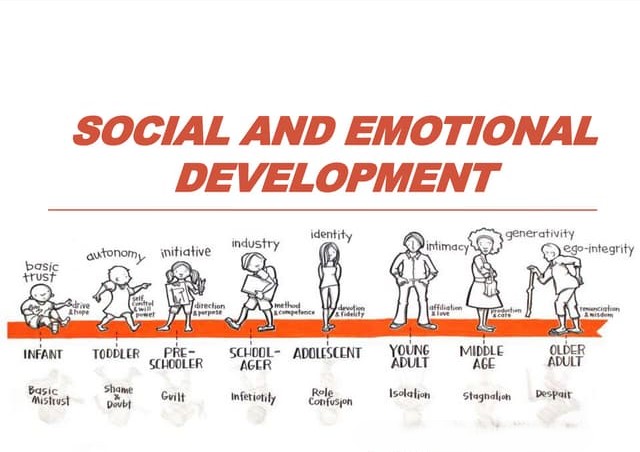
School isn’t just about math equations and science experiments; it’s also a social laboratory where students learn to navigate friendships and emotions. Mental health professionals are vital in this arena, helping students develop emotional intelligence and social skills. A supportive environment encourages students to express their feelings and develop resilience, preparing them for the ups and downs of life beyond the school gates.

2. The Role of Mental Health Professionals in Educational Settings.

a) Types of Mental Health Professionals in Schools.

In the ever-evolving landscape of school environments, various mental health professionals come into play. School psychologists, counselors, and social workers each bring their unique skills to the table. While school psychologists assess and address learning and behavioral problems, counselors provide guidance and support through the emotional maze of adolescence. Social workers, on the other hand, often act as the bridge between the school, families, and community resources. Together, they create a well-rounded support system for students.

b) Key Responsibilities and Functions.

So, what exactly do these superheroes in disguise do? Mental health professionals in schools perform a variety of essential tasks. They conduct individual and group counseling, run social-emotional learning programs, and offer crisis intervention. They’re also the ones who interpret data to identify student needs and work with educators to develop strategies that foster a positive learning environment. Think of them as the ultimate cheerleaders for mental wellness, helping to keep the school spirit—and student minds—high!

3. Identifying the Needs of Students: Signs and Symptoms.

a) Common Mental Health Issues among Students.

Navigating the teenage years can feel like trying to solve a Rubik’s Cube blindfolded—frustrating, confusing, and sometimes overwhelming. Many students face mental health challenges such as anxiety, depression, ADHD, and learning disabilities. Recognizing these issues can be tricky, but signs like withdrawal from friends, declining grades, or changes in behavior can serve as red flags. Awareness is key, and early identification can make a world of difference.

b) Early Detection and Intervention Strategies.

The earlier we catch the signs, the better the outcomes. Schools can implement simple screening tools and promote mental health awareness campaigns to educate students and staff about the importance of mental wellness. Teachers and staff should be trained to spot potential issues, while open lines of communication can encourage students to seek help without the fear of judgment. Early intervention strategies, like counseling or support groups, can help students regain their footing before things spiral out of control.

4. Collaborative Approaches: Working with Educators and Parents.

a) Building Strong Partnerships with Teachers.

Collaboration is the name of the game when it comes to supporting student mental health. Mental health professionals should work hand-in-hand with teachers to create a nurturing classroom environment. This involves providing teachers with the tools to recognize when a student might be struggling and equipping them with strategies to support students’ mental and emotional health. After all, teamwork makes the dream work—or, in this case, the classroom dynamic!

b) Involving Parents in Mental Health Conversations.

Let’s not forget about the parents! Engaging families in mental health discussions is crucial. Schools can host workshops or send home resources to educate parents about common mental health challenges and the importance of seeking help. When parents and educators team up, it creates a strong support network for students. It’s like assembling the ultimate super squad, but instead of capes, everyone wears a badge of mental health awareness!

5. Implementing Mental Health Programs and Initiatives.

a) Evidence-Based Programs and Practices.

Implementing mental health programs that are grounded in research can be a game changer for schools. Evidence-based practices—think structured social-emotional learning (SEL) curriculums and cognitive-behavioral interventions—are like a well-oiled machine for mental wellness. They’re not just theories from a dusty textbook; they’ve been tried, tested, and tweaked until they work. By choosing programs with proven success rates, schools can ensure resources are spent wisely, boosting both student mental health and academic performance.

b) Training Staff and Educators on Mental Health Awareness.

What’s worse than a school without mental health support? A school where teachers don’t know how to recognize when a kid is struggling. That’s where training comes in! By equipping educators with the knowledge and tools they need, schools can create a solid foundation for mental health awareness. Workshops, seminars, and even casual lunch-and-learn sessions can help staff spot warning signs, facilitate conversations, and provide basic support—or at least know who to call when they need backup.

6. Creating a Supportive School Culture.

a) Fostering Open Dialogue about Mental Health.

Imagine walking into a school where discussing mental health is as casual as chatting about weekend plans. That’s the goal! By fostering an environment where students can openly discuss their feelings without fear of judgment, schools not only reduce stigma but also encourage students to seek help when they need it. Activities like mental health days, student forums, and class discussions can help normalize these conversations, making it easier for everyone to breathe a little easier.

b) Promoting Inclusivity and Acceptance.

Inclusivity isn’t just a buzzword; it’s a necessity for a thriving school culture. Promoting acceptance means creating a space where all students, regardless of their backgrounds or mental health challenges, feel valued and safe. This can involve initiatives like peer support programs, diverse representation in school events, and cultural competency training for staff. When students see their identities and experiences reflected and respected, they’re more likely to engage, feel connected, and seek out the support they need.

7. Measuring the Impact of Mental Health Interventions.

a) Data Collection and Analysis Methods.

If you can’t measure it, did it even happen? Assessing the impact of mental health initiatives requires solid metrics and a dash of creativity. Schools can utilize surveys, focus groups, and academic performance data to gauge the effectiveness of the programs they’ve implemented. Gathering feedback from students, parents, and staff helps paint a clearer picture of what’s working, what’s not, and what might need a little extra TLC. Remember, data isn’t just numbers—it’s the story of how mental health interventions are making waves in students’ lives.

b) Success Stories and Case Studies.

Nothing tells a story quite like a success story! Highlighting case studies of schools that have successfully implemented mental health programs can inspire others to follow suit. From improved student attendance to noticeable changes in classroom behavior, these anecdotes provide tangible proof that mental health initiatives can create real change. Plus, who doesn’t love a good underdog story? Showcasing these triumphs can energize the community, spark further investment, and encourage everyone to champion mental health in schools.

8. Future Directions: Expanding Mental Health Services in Schools.

a) Trends in School Mental Health Initiatives.

The future is bright for school mental health services—seriously! Emerging trends like teletherapy, mindfulness practices, and integrated mental health services are beginning to reshape how support is delivered. Furthermore, as mental health awareness continues to gain traction, schools are increasingly adopting preventive approaches, focusing not just on crises but on building resilience in students. With advocacy efforts gaining steam, we can expect these initiatives to be the norm rather than the exception in the coming years.

b) Advocacy for Policy Changes and Increased Funding.

When it comes to expanding mental health services in schools, advocacy is the secret sauce. Lobbying for policy changes and increased funding can turn dreams of comprehensive mental health programs into reality. Whether it’s aligning with local mental health organizations or rallying community support, schools need to champion the cause to ensure they have the resources to provide essential services. With more voices joining the conversation, there’s great potential for schools to secure the funding needed to prioritize mental health—because every student deserves to thrive. In conclusion, the integration of mental health professionals into school environments is essential for supporting students’ emotional and psychological needs. By fostering collaboration among educators, parents, and mental health experts, schools can create a culture that prioritizes mental well-being, ultimately leading to improved academic success and healthier interpersonal relationships. As we move forward, it is crucial to continue advocating for mental health resources and initiatives that empower students to thrive both in and out of the classroom.

Frequently Asked Questions:

1. What are the key responsibilities of mental health professionals in schools?

Mental health professionals in schools are responsible for assessing students’ mental health needs, providing counseling and support, developing and implementing mental health programs, and collaborating with educators and parents to promote a positive school environment.

2. How can parents get involved in supporting their child’s mental health at school?

Parents can engage by communicating openly with teachers and mental health professionals, participating in school meetings or workshops, and advocating for mental health resources and programs within the school community.

3. What are some common signs that a student may need mental health support?

Common signs include changes in behavior, withdrawal from social interactions, and decline in academic performance, increased irritability, and expressions of sadness or anxiety. It’s important for educators and parents to be attentive to these changes.

4. How can schools measure the effectiveness of their mental health initiatives?

Schools can measure effectiveness through surveys, academic performance tracking, attendance records, and feedback from students, parents, and staff. Additionally, analyzing data on disciplinary actions and overall school climate can provide insights into the impact of mental health programs.

Rating: 1 out of 5.

Extra School Classes: Enhancing Learning beyond Private Tutoring.

In today’s competitive educational landscape, parents and educators are increasingly seeking innovative ways to enhance student learning beyond the traditional classroom setting. Extra school classes have emerged as a valuable solution, offering students opportunities to deepen their understanding of subjects, explore new interests, and develop essential life skills. Unlike private tutoring, which often focuses on individualized instruction, extra classes provide a collaborative environment where students can learn alongside their peers. This article delves into the myriad benefits of extra school classes, compares them to private tutoring, and explores how these programs can enrich the educational experience, foster social development, and prepare students for future academic challenges.

1. The Importance of Extra School Classes in Modern Education.

a) Addressing Diverse Learning Needs.

In today’s melting pot of educational approaches, extra school classes are like the Swiss Army knife of learning—versatile and essential. Not every student fits neatly into a one-size-fits-all curriculum. Extra classes cater to varying learning styles, paces, and interests, giving children the chance to thrive in areas where they might struggle. Whether through hands-on science experiments, reading clubs, or specialized language classes, schools are stepping up to meet the unique needs of every learner.

b) Supplementing Standard Curriculum.

Think of the standard curriculum as a delicious base pizza: great on its own, but you wouldn’t say no to some extra toppings! Extra classes enrich the educational experience by providing deeper dives into subjects, ensuring that students not only grasp the basics but also explore the subjects they love (or love to hate!). These classes cultivate curiosity and allow students to connect the dots between different subjects, making learning a more flavourful and engaging experience.

2. Comparing Extra Classes and Private Tutoring.

a) Cost-Effectiveness of Group Learning.

Private tutoring can feel like paying for a VIP concert ticket when you’re just trying to hear your favorite band. Extra classes, on the other hand, let students learn in a group setting for a fraction of the cost. Group learning not only cuts down on expenses but also spreads out the knowledge like butter on toast, making it easier for students to experience a variety of perspectives and ideas without breaking the bank.

b) Individual Attention vs. Collaborative Learning.

While private tutors offer tailored attention akin to a personal trainer for your brain, extra classes provide the chance for students to collaborate and learn alongside their peers. Individual attention can be fantastic for honing specific skills, but collaborative learning creates camaraderie and helps students develop social skills. Plus, let’s be honest—there’s nothing quite like learning from your friend’s confusion over fractions to boost your own understanding!

3. Benefits of Extra School Classes for Student Engagement.

a) Encouraging Lifelong Learning Habits.

Extra classes instil a love of learning that goes beyond textbooks and tests. By exposing students to various subjects and activities, they learn that education can be fun and not just a path to the next exam. This fosters a growth mindset, encouraging them to become curious about the world around them and to pursue knowledge even outside the classroom. With this early foundation, lifelong learning becomes second nature—like riding a bike (or a unicycle, if that’s your style).

b) Boosting Motivation and Confidence.

Imagine walking into school one day feeling like the rock star of math, thanks to a fun extra class that turned integers into interesting characters. Extra school classes can skyrocket motivation and confidence levels by allowing students to experience success in a low-pressure environment. With every new skill acquired and every creative project completed, students build a strong sense of self-worth that can set them up for future successes—because who doesn’t enjoy a little victory dance?

4. Types of Extra Classes: From Academic Support to Creative Arts.

a) STEM-focused Programs.

In a world increasingly driven by technology, STEM-focused extra classes (that’s science, technology, engineering, and math for those not in the know) are like a golden ticket to future success. They ignite curiosity about how things work and encourage problem-solving skills. Whether it’s coding camps or robotics clubs, these programs equip students with essential skills for the careers of tomorrow—like being a superhero… but for science!

b) Artistic and Creative Workshops.

Not all heroes wear capes; some wield paintbrushes and musical instruments! Artistic workshops help students explore their creative potential, whether through painting, drama, or music. These classes empower kids to express themselves and think outside the box, leading to innovations that can stun even the most jaded art critics. Creative pursuits can also provide a wonderful outlet for emotions—because sometimes, a masterpiece can say what words cannot.

c) Physical Education and Sports.

Extra physical education classes aren’t just about scoring goals; they’re about fostering teamwork, discipline, and a healthy lifestyle. Participation in sports and fitness activities can help students blow off steam, build camaraderie with their peers, and develop habits that will benefit their physical and mental well-being for years to come. Whether its soccer, dance, or yoga, these classes remind kids that staying active can be just as fun as sitting back and binge-watching their favorite show.

5. How Extra Classes Foster Social Skills and Teamwork.

a) Building Relationships with Peers.

Extra classes aren’t just about hitting the books; they provide a golden opportunity for kids to forge friendships. Imagine your child entering a room filled with other eager learners who share similar interests! Whether it’s art, science, or a wild passion for robotics, those shared experiences lead to connections that can last a lifetime. Plus, team-based activities help kids practice those essential social skills, like communication and empathy—because let’s be honest, learning how to share art supplies can be as important as mastering the colour wheel.

b) Collaboration in Group Projects.

Working on group projects in extra classes can feel like a miniature version of reality, where collaboration is key. Here, kids learn to navigate the delightful chaos of differing opinions and creative differences. They must negotiate roles, split tasks, and, dare we say it, deal with someone who “forgot” their homework? These experiences teach responsibility and compromise—skills that will serve them well not just in school, but in real-world situations like, oh, I don’t know, working with colleagues who insist on putting pineapple on pizza.

6. Strategies for Choosing the Right Extra Classes for Your Child.

a) Assessing Interests and Strengths.

Before you plunge into the world of extra classes, take a moment to assess your child’s interests and strengths. Is your little one a budding astrophysicist, a creative artist, or a future coding whiz? Tailoring extra classes to their unique skills not only keeps them engaged but also boosts their confidence. If your child loves science but can’t tell a beaker from a black hole, maybe a hands-on science club is in order. Find what resonates with them; that spark can ignite a lifelong passion!

b) Considering Teaching Quality and Class Size.

When it comes to extra classes, bigger isn’t always better. A small class size can make a world of difference in ensuring your child gets the individual attention they need to thrive. And don’t forget about the teaching quality! Look for instructors who are not just knowledgeable but also passionate about their subject. A great teacher can turn even the most mundane topics into a riveting adventure. Think of them as the cool guide on your child’s educational journey—like Yoda but with less green and more enthusiasm!

7. Measuring the Impact of Extra Classes on Academic Performance.

a) Tracking Progress and Improvement.

To figure out if those extra classes are doing their job, keep an eye on your child’s progress. Maybe they’ve gone from teetering on the edge of a C to confidently acing their math tests. Celebrate those wins! Regularly assess their grades and skills before and after the class. This not only highlights improvements but can also help identify areas where they might need a little more support (or, let’s face it, less time on Instagram).

b) Feedback from Teachers and Parents.

Don’t underestimate the power of communication! Regular feedback from teachers can provide invaluable insights into how your child is performing in extra classes. Are they participating actively, or do they prefer to sit in the back, plotting their next snack? Equally important is gathering parental feedback—after all, who knows your child better? Collaborating with both teachers and other parents can help paint a fuller picture of your child’s experience and progress.

8. Future Trends in Extra School Classes and Learning Enhancement.

a) Technology Integration in Extra Classes.

As we venture deeper into the digital age, technology is becoming a staple in extra classes. From online simulations to interactive learning apps, kids are gaining access to tools that were once the stuff of sci-fi dreams. Imagine your child exploring the universe through virtual reality or conducting chemistry experiments using augmented reality—those days are closer than you think! This integration not only makes learning more engaging but also helps to develop digital literacy, which is as essential as knowing how to tie shoelaces (so start practicing, kiddos!).

b) The Rise of Online Learning Platforms.

Say goodbye to the days of limited options confined to your local community center. The future of extra classes is increasingly leaning towards online learning platforms that cater to diverse interests and schedules. Need a guitar lesson at 3 AM? Done! Want to learn how to bake bread while wearing pajamas? You got it! This flexibility allows kids to explore various subjects, meeting them where they are—sometimes literally, in their living rooms, snacking on chips while the learning magic happens. In conclusion, extra school classes play a vital role in enhancing education by providing diverse learning opportunities that go beyond the standard curriculum. By fostering collaboration, creativity, and social skills, these classes not only support academic achievement but also help students develop a well-rounded character. As parents and educators continue to embrace the benefits of extra classes, the future of learning looks brighter, equipping students with the tools they need to succeed both in school and in life.

Frequently Asked Questions:

1. What are the main differences between extra school classes and private tutoring?

Extra school classes typically involve group learning environments, allowing students to interact and collaborate with peers, while private tutoring focuses on individualized instruction tailored to a student’s specific needs.

2. How can I determine if my child would benefit from extra school classes?

Assessing your child’s interests, academic performance, and social needs can help you decide. If they struggle in certain subjects or show a desire to explore new activities, extra classes may be a beneficial option.

3. Are extra school classes worth the investment?

Many parents find that extra school classes provide valuable benefits, including improved academic performance, enhanced social skills, and increased motivation. The long-term advantages often outweigh the costs.

4. What types of extra classes are commonly available?

Extra classes can range from academic subjects like math and science to creative pursuits such as art, music, and drama, as well as physical education and sports, catering to a wide array of student interests.

Rating: 1 out of 5.

The Hidden Impact of Personal Struggles on Educators.

In the demanding world of education, teachers often navigate a complex landscape of personal and professional challenges that can profoundly impact their effectiveness and well-being. While educators are dedicated to nurturing the minds of their students, many grapple with hidden struggles that can detract from their ability to teach effectively. From mental health issues to the challenges of balancing work and personal life, these struggles can create a ripple effect that influences not only the educators themselves but also their students and the broader school community. This article delves into the hidden impact of personal struggles on educators, exploring the emotional toll, coping strategies, and the importance of fostering supportive environments that prioritize educator well-being.

1. Understanding the Personal Struggles of Educators.

a) Common Personal Challenges Faced by Teachers.

Teaching is not just about lesson plans and grading papers; it’s a rollercoaster ride through personal challenges that educators face. Common struggles include financial stress, family obligations, and health issues. Many teachers juggle the demands of their jobs with caring for children or aging parents, leading to a constant tug-of-war between their professional and personal lives. It’s no wonder that sometimes the weight of the classroom feels heavier than a sack of textbooks!

b) The Impact of Life Events on Professional Performance.

Life has a sneaky way of throwing curveballs at us, and educators are no different. Major events like divorce, illness, or the loss of a loved one can significantly impact a teacher’s focus and emotional availability in the classroom. When personal life becomes a storm, it can be challenging to create a calm and engaging environment for students. The struggle to maintain professionalism while dealing with this emotional turbulence can lead to decreased performance, as teachers wrestle with the distraction of their own lives.

2. The Emotional Toll: Mental Health Challenges.

a) Identifying Signs of Stress and Burnout.

Teachers are often the unsung heroes, but even heroes can crumble under pressure. Recognizing the signs of stress and burnout is crucial. These may include chronic fatigue, irritability, lack of enthusiasm for teaching, and a feeling of being overwhelmed by even the simplest tasks. When educators find themselves dreaming about grading papers instead of actually grading papers, it’s a red flag that something needs to be addressed—preferably before the coffee supply runs out!

b) The Stigma Surrounding Mental Health in Education.

Unfortunately, discussing mental health can feel like inviting the school bully to lunch; it just doesn’t happen. There’s a prevalent stigma in the education community that makes many teachers hesitant to seek help. The perception that asking for support equates to weakness can be paralyzing. This culture needs to change, as teachers deserve the same understanding and care they offer to their students. Addressing mental health should be as normal as discussing lesson plans—after all, educators can’t pour from an empty cup!

3. Balancing Professional Responsibilities and Personal Life.

a) Time Management Strategies for Educators.

Time may be a construct, but for teachers, it often feels like a cruel joke. Effective time management strategies can help. Techniques like prioritizing tasks, creating realistic to-do lists, and utilizing digital tools can provide much-needed organization in the chaos. Scheduling self-care and personal time is equally important—because teachers need to recharge, too! Remember, a well-rested teacher is far more effective than one who hasn’t seen a moment of peace since the last school break.

b) The Importance of Setting Boundaries.

Setting boundaries may sound like a buzzword, but for educators, it’s a lifeline. Establishing clear limits between work and home life can help prevent burnout and stress. This could mean refusing to check emails after a certain hour or designating “no school talk” family dinners. Healthy boundaries ensure that teachers have the mental and emotional space to rejuvenate and remain passionate about their profession. After all, a happy educator leads to happy students!

4. The Ripple Effect: How Personal Issues Affect Teaching.

a) The Connection between Teacher Well-being and Student Outcomes.

The truth is, a teacher’s well-being directly impacts students. When educators are dealing with personal struggles, their ability to inspire and engage students can wane. Research shows that teachers who are mentally and emotionally healthy create more effective learning environments, leading to better academic outcomes. It’s a cycle: happy teacher’s foster happy students, and happy students lead to happier teachers. It’s the educational version of a win-win!

b) Classroom Environment: A Reflection of Educator Struggles.

The classroom often mirrors the mental state of the teacher. A classroom filled with chaos and tension can indicate that the educator is facing personal struggles. Conversely, a positive and engaging classroom atmosphere tends to reflect a teacher’s well-being. Creating an environment that encourages open communication and support can help break this cycle. Teachers must feel safe to express their challenges, ultimately fostering a more supportive and understanding community for everyone involved. And who doesn’t want a class filled with laughter and learning instead of stress and sighs?

5. Coping Mechanisms: Strategies for Educators.

a) Self-Care Practices for Teachers.

Teaching can sometimes feel like juggling flaming swords while riding a unicycle. It’s crucial for educators to embrace self-care—because, let’s be honest, no one can pour from an empty cup (or a flaming sword). Simple practices like taking five-minute breaks, practicing mindfulness, or indulging in hobbies can work wonders. Even the act of stepping outside for fresh air can rejuvenate the mind. Remember, you can’t be the best version of yourself for your students if you’re running on fumes, so treat yourself like the star you are!

b) Seeking Professional Help: When and How?

When the weight of personal struggles becomes too heavy, it’s perfectly okay to seek help—think of it as getting a tune-up for your mental engine. Whether it’s a therapist, counsellor, or support group, reaching out can be a game changer. Feelings of anxiety and stress may have you questioning your sanity, but they’re more common than you think! Pro tip: Don’t wait until you’re at the end of your rope—if you’re feeling more tangled than a box of holiday lights, it’s time to call in the pros.

6. Building Supportive Environments in Schools.

a) Promoting Open Communication among Staff.

Creating an environment where educators feel safe sharing their challenges can be a game changer, like finding that missing sock in the laundry (you know the struggle). Open communication fosters trust, and when educators can express their concerns without fearing judgment, it builds a resilient community. Schedule regular check-ins or informal coffee chats where staff can share stories, laugh, and maybe shed a tear or two. Remember, vulnerability isn’t weakness; it’s the secret ingredient to strong teamwork.

b) Peer Support Systems and Mentorship Programs.

There’s nothing like a good support system to help educators navigate the stormy seas of teaching. Establishing peer support networks or mentorship programs can help you swap teaching hacks, unload stress, and find new perspectives on the challenges you face. Think of it as joining a secret superhero club—one where you can vent about lesson plans, trade strategies, and provide mutual encouragement. After all, we’re stronger together, and sometimes all we need is someone who truly gets it.

7. The Role of Administration in Addressing Educator Well-being.

a) Policies That Support Educator Mental Health.

School administrators should be the champions of educator well-being, like the guardians of the galaxy, but for teachers. Implementing policies that prioritize mental health—such as flexible work hours, mental health days, or wellness programs—can make a significant impact. By showing that they genuinely care about the well-being of their staff, administration can cultivate a thriving atmosphere where educators feel valued and supported.

b) Creating a Culture of Care in Schools.

Beyond just policies, creating a culture of care means embedding compassion into every aspect of the school environment. A culture where staff checks in on each other and celebrates small wins fosters positivity. Encourage acts of kindness, whether it’s leaving encouraging notes in someone’s mailbox or organizing wellness events. Spread the love like confetti because when educators feel cared for, it ripples outward to the students, creating a healthier school community all around.

8. Moving Forward: Fostering Resilience in the Education Community.

a) Training for Educators on Managing Personal Struggles.

Investing in training to help educators manage personal struggles is like giving them a superhero cape. Workshops on stress management, emotional resilience, and self-advocacy can empower teachers to handle whatever life throws at them. It’s not just about surviving; it’s about thriving in the classroom and beyond. So let’s ensure that every educator has the tools they need to conquer their battles and lead with strength and grace.

b) Long-term Solutions for Sustained Well-being.

To truly foster resilience, schools need to embrace long-term solutions rather than quick fixes, like slapping a Band-Aid on a leaky sink—eventually, it just won’t hold. Consider establishing ongoing support networks, regular mental health check-ins, and continuous professional development focused on well-being. By taking a holistic approach, the education community can create an environment where everyone feels supported, valued, and equipped to march boldly into the future (cape optional).As we recognize the hidden struggles faced by educators, it becomes imperative to create a culture of support and understanding within schools. By prioritizing the mental health and well-being of teachers, we not only empower them to thrive in their roles but also enhance the learning experience for students. It is essential for both administrators and peers to come together in fostering resilience and implementing strategies that address these challenges. In doing so, we can build a stronger education community where both educators and students can succeed.

Frequently Asked Questions:

1. What are some common personal struggles that educators face?

Educators may experience a range of personal struggles, including mental health issues such as anxiety and depression, work-life balance challenges, financial stress, and family-related pressures. These personal challenges can significantly impact their professional performance and overall well-being.

2. How can schools support educators dealing with personal struggles?

Schools can support educators by creating a culture of open communication, providing access to mental health resources, implementing peer support systems, and offering professional development focused on managing personal challenges. Administrative support is crucial in fostering an environment where educators feel valued and understood.

3. What are some effective coping strategies for educators?

Effective coping strategies for educators include prioritizing self-care through regular exercise and mindfulness practices, setting boundaries between work and personal life, seeking professional help when needed, and engaging in supportive peer networks. These strategies can help educators manage stress and maintain their well-being.

4. How does educator well-being impact student outcomes?

Research shows that educator well-being is directly linked to student outcomes. When teachers are mentally and emotionally healthy, they are more effective in the classroom, leading to improved student engagement, academic performance, and overall school climate. Prioritizing educator well-being ultimately benefits the entire educational community.

Rating: 1 out of 5.

The Adolescent Equation: Educators Tackling the Challenges of Youth.

In an era marked by rapid technological advancements and evolving societal norms, educators face a unique set of challenges when it comes to supporting adolescents. The teenage years are critical for emotional, cognitive, and social development, yet they are often fraught with difficulties that can hinder a young person’s academic and personal growth. Understanding the complexities of the adolescent mind is essential for educators who strive to create nurturing learning environments. This article explores the multifaceted challenges faced by students today and highlights effective strategies educators can employ to foster resilience, promote well-being, and engage both parents and communities in the educational process. By tackling these issues head-on, educators can better equip themselves to guide the next generation of learners through the complexities of adolescence.

1. Understanding the Adolescent Mind: Key Developmental Stages.

a) Cognitive Development and Learning Styles.

Adolescents are like sponges, but instead of soaking up water, they’re absorbing information, ideas, and a fair amount of TikTok dances. During this crucial phase, they’re shifting from concrete thinking to more abstract reasoning. This transition means that traditional teaching methods might need a makeover. Educators should be attuned to various learning styles—whether it’s auditory, visual, or kinesthetic. Bonus points if you can make math feel like a rite of passage rather than a punishment!

b) Emotional Growth and Identity Formation.

The teen years are like a rollercoaster designed by a mad scientist—full of ups, downs, and unexpected twists. Adolescents are on a quest for identity, navigating the choppy waters of self-discovery amidst peer pressure and ever-changing societal norms. Understanding that an adolescent’s mood swings are as normal as a teenager’s obsession with avocado toast can help educators approach emotional growth with empathy and patience.

c) Social Influences and Peer Relationships.

Friends can be both the wind beneath an adolescent’s wings and the weights dragging them down. Peer relationships play a huge role in shaping behavior and self-esteem during these years. Educators need to recognize the power of social dynamics and help students navigate friendships—because who hasn’t had a drama-filled group chat? Addressing the need for healthy peer interactions is key to creating a supportive atmosphere.

2. Common Challenges Faced by Adolescents in Education.

a) Academic Pressure and Stress Management.

Ah, the classic “stress” cocktail: homework, exams, and the constant pressure to be perfect. Adolescents often find themselves juggling academic expectations while trying to maintain a semblance of a social life. It’s no surprise that many feel overwhelmed. Educators can help by fostering a culture of balance—emphasizing the importance of mental health and teaching effective stress management techniques, even if that means a group meditation session after a math test.

b) Bullying and Social Isolation.

Bullying is like that pesky mosquito you just can’t swat away. It often leads to social isolation and negatively impacts mental health. Educators must be vigilant, creating programs that encourage empathy, understanding, and friendship. Remember, a classroom environment devoid of fear is a breeding ground for confidence and growth, so let’s put our foot down against bullying—because kindness should always be in style.

c) Access to Resources and Support Systems.

Not every adolescent has access to a treasure trove of educational resources, which can create an uneven playing field. Schools must be inclusive by providing support systems, whether it’s through tutoring programs, after-school clubs, or counseling services. A little extra help can turn confusion into clarity and open doors for opportunities for all students, even if it means wrestling with budget constraints.

3. The Role of Educators in Supporting Youth Development.

a) Creating a Safe and Inclusive Classroom Environment.

Imagine walking into a classroom where you feel like a rock star rather than a deer in headlights. That’s the vibe educators should aim for! A safe and inclusive environment fosters trust, allowing students to express themselves freely. This is vital for their growth, as an open space encourages risk-taking, collaboration, and a lot less fear of getting called out for having the wrong answer—because let’s be real, everyone has had their “oops” moments.

b) Mentorship and Guidance for Personal Growth.

Educators often wear many hats, and mentorship is one of the most impactful. By serving as trusted guides, they can help students navigate not just academics, but life’s winding roads. Whether it’s advice on college applications or the complexities of relationships, a mentor can provide invaluable support. Remember, sometimes it takes just one encouraging word to spark a lifetime of ambition.

c) Collaboration with Mental Health Professionals.

We’re living in an era where mental health is finally getting the spotlight it deserves. Educators can’t do it all alone, so partnering with mental health professionals is essential. By working together, they can create comprehensive strategies to address students’ emotional and psychological needs. Think of it as assembling a superhero team with a shared mission: to support adolescents in finding their footing and thriving, one day at a time.

4. Strategies for Effective Communication with Adolescents.

a) Active Listening Techniques.

If you want to communicate with adolescents, channel your inner detective—active listening is key! When they’re talking, give them your undivided attention, nod along, and resist the urge to check your phone (it’s hard, I know!). This encourages them to open up. Validate their feelings, no matter how trivial they may seem; it’s all part of their world, and you’re just the trusted sidekick here to listen.

b) Building Trust and Rapport.

Building trust with adolescents is like trying to build a house of cards—one wrong move, and it all comes crashing down. Be genuine and relatable; share your own experiences (maybe not the cringe-worthy ones, but you get the idea!). Consistency and follow-through are crucial—if you say you’ll be there, then show up! Trust is the foundation upon which great educator-student relationships are built.

c) Using Technology for Enhanced Engagement.

Let’s face it: today’s youth are practically glued to their devices. So why not embrace that? Educators can use technology to enhance engagement and make learning more relatable. From interactive apps to virtual reality field trips, the possibilities are endless. Just ensure that the tech isn’t replacing the teacher; after all, it’s the human touch that ultimately connects with students—and maybe even gets them to put their phones down for a second!

5. Building Resilience: Fostering Emotional Well-being in Students.

a) Teaching Coping Skills and Mindfulness.

In the chaotic whirlwind of adolescence, teaching students effective coping skills is like handing them a life jacket in stormy seas. Mindfulness practices—think meditation, deep breathing, or even just a moment of quiet reflection—can help students find their anchor amidst the emotional tides. By integrating these techniques into the curriculum, educators can empower students to manage stress, handle setbacks, and redirect their energies into positive outlets. After all, a calm mind is a classroom superhero’s best friend!

b) Encouraging Positive Relationships and Support Networks.

Let’s face it: navigating friendships and social dynamics can be as tricky as walking a tightrope. Encouraging positive relationships among peers and providing students with access to support networks can make all the difference. Schools can organize mentorship programs, peer-support groups, and even team-building activities that help foster camaraderie and understanding. When students feel safe and connected, they’re more likely to open up, share their challenges, and thrive both academically and emotionally.

c) Promoting a Growth Mindset.

“Oops, I did it again!” should be the battle cry for every student learning to embrace challenges. Promoting a growth mindset means celebrating mistakes as stepping stones to success. Educators can create an environment where effort is praised, and students are encouraged to see failures as valuable lessons rather than dead ends. Armed with this perspective, students can develop the resilience to tackle new challenges, knowing that persistence and determination are their best allies.

6. Engaging Parents and Communities in Adolescent Education.

a) Improving Parent-Teacher Communication.

Clear communication between parents and educators is the secret sauce for student success. By utilizing modern tools like apps, newsletters, and social media, schools can keep parents in the loop about their child’s progress and school activities. Regular check-ins, whether through phone calls or virtual meetings, can build trust and ensure that all parties are working toward the same goal—making education the ultimate team sport!

b) Community Resources and Partnerships.

It takes a village, right? Schools can forge partnerships with local organizations and businesses to create a rich network of resources for students and families. Whether its internships, workshops, or access to mental health services, community collaboration can provide valuable opportunities that extend beyond the classroom walls. When students see their community invested in their education, it can ignite passion, purpose, and a sense of belonging that goes a long way.

c) Workshops and Events for Parental Involvement.

Let’s make parent engagement less of a chore and more of a celebration! Schools can host workshops, family nights, and events that encourage parents to participate actively in their child’s education. From fun science fairs to interactive literacy nights, events that invite parents to roll up their sleeves and get involved can create lasting bonds while equipping them with tools to support their children at home. Because who wouldn’t want to engage in a friendly competition over a science project?

7. Innovative Approaches to Addressing Learning Differences.

a) Individualized Learning Plans.

One size fits all? Not in education! Individualized learning plans (ILPs) are like custom-tailored outfits for students, addressing their unique strengths and weaknesses. By developing ILPs in collaboration with students, parents, and educators, schools can ensure that each learner has a tailored roadmap, leading them to success at their own pace. This personalized approach not only boosts academic performance but also helps foster a love for learning.

b) Technology in the Classroom.

Gone are the days of dusty chalkboards! With the rise of technology in the classroom, educators can access a treasure trove of resources tailored for every learning style. From interactive software to online courses and virtual reality experiences, technology can make learning more engaging and accessible. Plus, let’s be honest—who wouldn’t want to explore ancient civilizations through a virtual field trip instead of flipping through a textbook?

c) Alternative Assessment Methods.

Standardized tests can feel about as relevant as a floppy disk in today’s digital world. It’s essential to explore alternative assessment methods that showcase students’ strengths rather than their test-taking abilities. Projects, presentations, portfolios, and peer assessments can provide a more comprehensive view of a student’s skills and knowledge. By adopting a variety of assessment strategies, educators can celebrate diverse talents and foster a more inclusive learning environment.

8. Future Trends: Preparing Educators for the Next Generation of Learners.

a) Professional Development and Training Opportunities.

As the educational landscape evolves, so must our educators! Continuous professional development is vital to keeping teachers equipped with fresh strategies and tools to address the ever-changing needs of their students. Workshops, conferences, and online courses can provide ongoing learning opportunities, helping educators stay sharp and inspired. After all, today’s teachers are tomorrow’s trendsetters!

b) Embracing Diversity in Educational Settings.

Diversity isn’t just a buzzword; it’s the heartbeat of a vibrant classroom. Schools must embrace and celebrate the rich tapestry of backgrounds, cultures, and experiences that students bring to the table. By implementing inclusive practices and culturally relevant teaching, educators can create an environment where every student feels valued and heard. When diversity is embraced, the entire classroom flourishes—think of it as a fantastic potluck where everyone brings their best dish!

c) Adapting to Technological Advancements in Education.

With technology advancing at lightning speed, educators must be ready to adapt faster than a cat on a hot tin roof! From artificial intelligence to gamified learning experiences, staying ahead of tech trends is crucial. Teachers can integrate new technologies into lessons to enhance engagement and prepare students for a digital future. By fostering a tech-savvy mindset, educators set students on a path to success in an increasingly advanced world. As we navigate the complexities of adolescent development, it becomes increasingly clear that the role of educators extends far beyond traditional teaching. By understanding the unique challenges faced by youth and implementing effective strategies to support their growth, educators can make a lasting impact on their students’ lives. Collaboration with parents and communities, along with a commitment to fostering resilience and well-being, will ensure that adolescents not only succeed academically but also develop the skills needed to thrive in an ever-changing world. Together, we can create a supportive environment that empowers young people to reach their full potential.

Frequently Asked Questions:

1. What are some common signs that an adolescent is struggling in school?

Signs may include sudden drops in grades, withdrawal from social interactions, changes in behavior, increased anxiety or stress, and difficulty concentrating. It’s important for educators and parents to communicate openly and observe any changes in the student’s demeanor.

2. How can educators effectively communicate with adolescents?

Effective communication involves active listening, showing empathy, and creating a safe space for dialogue. Using relatable language and incorporating technology can also help engage students and facilitate better communication.

3. What role do parents play in supporting their adolescent’s education?

Parents can support their adolescent’s education by maintaining open lines of communication with educators, participating in school events, monitoring academic progress, and providing a supportive home environment that encourages learning and emotional well-being.

4. How can schools promote resilience among students?

Schools can promote resilience by teaching coping skills, providing social-emotional learning programs, fostering positive relationships, and creating an inclusive environment that encourages risk-taking and learning from failure.

Rating: 1 out of 5.

The Teachers Spectrum: From Inspirational Guides to Warning Signs.

The landscape of education is shaped significantly by the diverse roles that teachers play within it, ranging from inspirational mentors to potential warning signs of ineffective practices. Understanding this spectrum is essential for educators, administrators, and stakeholders alike, as it directly influences student engagement, learning outcomes, and the overall classroom environment. This article delves into the characteristics of inspirational teachers who ignite passion and curiosity in their students, while also highlighting the critical warning signs that indicate when teaching may be falling short. By exploring both ends of the spectrum, we aim to provide insights and strategies that can enhance teaching effectiveness and foster a more supportive educational experience for all.

1. Understanding the Role of Teachers in Education.

a) The Evolution of Teaching Roles.

Teacher roles have morphed from strict disciplinarians to whimsical wizards dabbling in student success. In the past, teaching was about rote memorization and maintaining order. Fast forward to today, and we have multifaceted educators who wear many hats—mentors, counsellors, and sometimes even baristas (shoutout to all those coffee runs!). This evolution reflects changing societal needs and a greater understanding of how students learn best.

b) Impact on Student Learning and Development.

Teachers are the unsung heroes of student development, wielding the power to ignite curiosity and build confidence (or, in some cases, extinguish it). A good teacher can transform a disinterested student into a lifelong learner, while a poor one might send them running for the hills—or, at least, to the nearest TikTok feed. Their methods and attitudes significantly impact how students perceive education, shaping not just academics but also their self-esteem and enthusiasm for learning.

2. The Spectrum of Teaching Styles: An Overview.

a) Categorizing Teaching Styles.

Teaching styles are like ice cream flavors—there’s a scoop for everyone! From the charismatic storyteller to the strict drill sergeant, styles can be broadly categorized into several groups, such as authoritative, constructivist, and facilitative. Each flavor has its unique taste, appealing to different student preferences and learning needs. Finding the right style is crucial, as it can enhance engagement and help students feel more connected to the material.

b) Influences on Teaching Approaches.

Many factors influence a teacher’s style, including personal experiences, educational philosophy, and, let’s be honest, the occasional Netflix binge. Cultural backgrounds and classroom dynamics also play a role; think of them as the spices that create a teacher’s unique recipe. Understanding these influences is key to appreciating the complexity of teaching and recognizing why some styles resonate better with certain students than others.

3. Inspirational Guides: Characteristics and Impact.

a) Key Traits of Inspirational Teachers.

Inspirational teachers possess an extraordinary blend of charisma, empathy, and a knack for storytelling that makes learning an adventure. They are approachable, passionate, and often have a few clever tricks up their sleeves to keep students engaged—such as a dramatic reading of Shakespeare or a surprise science experiment. Beyond just delivering content, they foster an environment where students feel safe to explore, fail, and succeed.

b) Case Studies: Success Stories from the Classroom.

Let’s take a page from the success stories! There’s Ms Martinez, who transformed a classroom of skeptical high schoolers into a family of budding writers through her “open mic” poetry sessions—where even the toughest kids laid bare their souls. Or Mr. Lee, who turned history lessons into epic role-playing adventures, allowing students to experience ancient civilizations first-hand. These teachers remind us that a little creativity and connection can go a long way in inspiring students to reach their full potential.

4. Recognizing Warning Signs: Ineffective Teaching Practices.

a) Common Indicators of Poor Teaching.

If you’ve ever been in a class where the teacher drones on, and you can almost hear the crickets chirping, you know the signs of ineffective teaching. Common indicators include a lack of student engagement—think staring blankly at their desks or sneaking peeks at their phones—monotonous delivery, and an inability to differentiate instruction based on student needs. If the biggest lesson of the day is how to master the art of daydreaming, something’s amiss.

b) Consequences for Students and Learning Environment.

The repercussions of poor teaching practices can be as heavy as a backpack full of textbooks. Students may struggle academically, feel disengaged, or even develop a negative attitude toward school altogether. A toxic learning environment can lead to increased anxiety and lower self-esteem, diminishing students’ willingness to participate. In short, ineffective teaching can create a domino effect that ends with students giving up on their education before they even really begin.

5. Strategies for Supporting Inspirational Teaching.

a) Creating a Supportive School Culture.

To foster inspirational teaching, schools need to cultivate an environment that shouts “We’ve got your back!” Instead of merely slapping motivational posters on the wall, it’s about creating a community where teachers feel valued and supported. This can be achieved through open communication channels, recognition of achievements (yes, even the small wins!), and promoting a sense of belonging. Organizing regular team-building activities or even casual coffee catch-ups can break the ice and turn colleagues into allies. Remember, happy teachers mean happy students!

b) Encouraging Collaboration among Educators.

When educators team up, magic happens! Encouraging collaboration promotes sharing of best practices, resources, and even the occasional survival tips (like how to minimize paper cuts). Creating opportunities for co-teaching, peer observations, and professional learning communities helps teachers learn from one another’s strengths. Plus, who doesn’t love a good brainstorming session over snacks? Collaboration not only sparks creativity but also fosters a sense of camaraderie that energizes the teaching experience.

6. Addressing Warning Signs: Interventions and Solutions.

a) Identifying When to Intervene.

Spotting warning signs in educators can feel like trying to find Waldo in a sea of striped shirts. Look for clues such as disengagement, lack of enthusiasm, or a tendency to grade papers with a frown. Early intervention is crucial—before a small spark of discontent turns into an outright wildfire. Open dialogues and regular check-ins can help pinpoint those struggling, allowing for timely support before they start planning their escape to a tropical beach (or worse, out of the teaching profession altogether!).

b) Effective Strategies for Improvement.

Once warning signs are identified, it’s time to roll up those sleeves and dive into solutions! Personalized coaching can work wonders, offering targeted feedback and support. Initiatives like mentorship programs can provide teachers with a safety net. Plus, encouraging a healthy work-life balance (yes, having a life outside of school is allowed!) can rejuvenate weary educators. Lastly, fostering a culture where asking for help is seen as a sign of strength, not weakness, can make all the difference.

7. The Importance of Professional Development for Teachers.

a) Types of Professional Development Opportunities.

Professional development isn’t just about sitting in a stuffy room listening to someone drone on about pedagogy for hours—let’s be real, no one signed up for that! Opportunities can range from workshops and conferences to online courses and collaborative learning. Think hands-on activities where teachers can play with the latest educational tech or classroom management techniques. Flexible, engaging formats that cater to different learning styles are key to keeping educators inspired and excited about growing their skills.

b) Measuring the Impact of Professional Growth.

Once teachers have embarked on their development journeys, it’s essential to measure the outcomes. This can be as simple as surveys to gauge confidence and satisfaction or more complex analyses of student performance metrics before and after new strategies are implemented. Peer feedback can also provide valuable insights. The ultimate goal? Proving that investing in teacher growth not only elevates educators but also leads to a ripple effect that positively impacts students—and let’s face it, that’s the ultimate win-win!

8. Future Trends in Teaching: Balancing Inspiration and Effectiveness.

a) Embracing Technology in the Classroom.

With technology zipping forward faster than a caffeinated squirrel, it’s essential for educators to hop on the digital train or risk getting left at the station. Classrooms equipped with smart boards, educational software, and interactive tools not only engage students but also inspire innovative teaching methods. Blending traditional techniques with tech-savvy approaches enables educators to create dynamic learning experiences that cater to a variety of learning styles—and let’s face it, that’s where the fun begins!

b) Preparing for Evolving Educational Needs.

The educational landscape is constantly shifting, whether it’s new curriculum standards, diverse student needs, or societal changes. To stay ahead of the curve, teachers must be adaptable and open-minded. Preparing for these changes means continuous learning and being willing to step out of comfort zones. Encouraging forward-thinking discussions about future skill demands and fostering a growth mindset ensures that educators remain effective, inspired, and ready to tackle whatever challenges come their way. After all, if you’re not growing, you’re kind of just…well, sitting there! In conclusion, recognizing the spectrum of teaching—from inspirational guides to warning signs—enables us to better understand the pivotal role educators play in shaping future generations. By fostering an environment that encourages effective teaching practices and addressing areas of concern, we can create a more enriching learning experience for students. Ultimately, supporting teachers in their professional growth not only benefits them but also enhances the educational journey for every learner in the classroom.

Frequently Asked Questions:

1. What are the key characteristics of an inspirational teacher?

Inspirational teachers often exhibit traits such as empathy, passion for their subject, creativity in lesson delivery, strong communication skills, and the ability to foster a positive classroom environment that encourages student engagement and participation.

2. How can schools support teachers who show warning signs of ineffective practices?

Schools can support these teachers through targeted professional development, mentorship programs, collaborative teaching initiatives, and constructive feedback that focuses on improvement rather than criticism.

3. What impact does an inspirational teacher have on students?

An inspirational teacher can significantly enhance a student’s motivation, self-esteem, and academic performance. They inspire a love for learning and encourage students to explore their potential, leading to greater engagement and success in their educational journey.

4. How can educators identify their own teaching style?

Educators can identify their teaching style by reflecting on their classroom practices, seeking feedback from peers and students, and considering their strengths and preferences in lesson planning and delivery. Professional development workshops and self-assessment tools can also aid in this process.

Rating: 1 out of 5.

Inclusive Education: The Role of Private Schools in Supporting Special Needs Students.

Inclusive education has become a pivotal topic in the quest to create equitable learning environments for all students, including those with special needs. As educational institutions strive to accommodate diverse learners, private schools are increasingly recognized for their unique role in fostering inclusivity. With the flexibility to implement tailored programs and individualized support, private schools have the potential to break down barriers and provide meaningful educational experiences for special needs students. This article explores the multifaceted contributions of private schools to inclusive education, examining strategies, challenges, and success stories that highlight their commitment to supporting every learner.

1. Understanding Inclusive Education: An Overview.

a) Definition of Inclusive Education.

Inclusive education means that all students, regardless of their abilities or needs, learn together in the same environment. Think of it as a classroom party where everyone is invited, and different flavors of ice cream are celebrated—each addition makes the party sweeter! This approach aims to create a supportive learning atmosphere that embraces diversity and promotes equity. 

b) Historical Context and Evolution.

Once upon a time, students with special needs were often tucked away in separate classrooms or institutions, like that kid in gym class who always got picked last. Over the decades, societal attitudes shifted, influenced by advocacy and research highlighting the benefits of inclusion. The movement grew, leading to laws that encourage integration and support systems for special needs students across educational landscapes. Now, it’s all about teamwork, high-fives, and ensuring everyone has a seat at the table! 

2. The Importance of Supporting Special Needs Students.

a) Legal Framework and Rights of Special Needs Students.

In many countries, laws ensure that special needs students have the right to receive appropriate education in the least restrictive environment. The Individuals with Disabilities Education Act (IDEA) in the U.S. is one such law, emphasizing the importance of personalized educational plans. It’s like having a tailored suit that fits perfectly—because everyone deserves to look good and feel comfortable in their learning environment! 

b) Societal and Educational Benefits.

Supporting special needs students isn’t just the right thing to do; it’s also a smart move for society! Inclusive classrooms foster empathy, understanding, and collaboration, skills that serve everyone well in the real world. Students learn to celebrate differences and work together—making them better friends, workers, and citizens. Plus, it opens doors for creativity and innovation because when diverse minds come together, magic happens! 

3. The Role of Private Schools in Inclusive Education.

a) Private vs. Public School Approaches.

Private schools often have the flexibility to create tailored programs that fit the needs of diverse learners. They may include small class sizes, specialized resources, and the ability to innovate without getting bogged down by regulations. Meanwhile, public schools provide critical services to a broader range of students but may face bureaucratic red tape. So, while both types of schools aim for inclusion, private schools sometimes get to experiment with what works best—kind of like a chef trying a new recipe! 

b) Commitment to Diversity and Inclusion.

Many private schools pride themselves on their commitment to diversity and inclusion as a core value. They often go above and beyond to create welcoming environments for special needs students. By fostering a culture that values every individual’s contribution, these schools help build a community where differences are not just accepted but celebrated. It’s like having a potluck dinner where everyone brings their best dish—variety is the spice of life! 

4. Strategies for Private Schools to Support Special Needs Students.

a) Curriculum Adaptations and Differentiation.

Curriculum adaptation is all about tweaking the learning experience to meet diverse needs. This could mean offering different ways to demonstrate knowledge, like projects instead of tests, or using assistive technologies. Think of it as a buffet where everyone gets to choose what they want to eat—it ensures that learning is delicious for everyone! 

b) Professional Development and Training for Staff.

Just like superheroes need training to sharpen their powers, educators benefit from ongoing professional development to support special needs students effectively. Workshops, seminars, and collaborative learning opportunities can equip teachers with the tools and strategies they need to be champions of inclusion. After all, a well-prepared teacher is a powerful ally in any student’s educational journey! 

c) Collaboration with Parents and Specialists.

Open communication between parents, teachers, and specialists is vital in creating a successful support system for special needs students. Regular check-ins, collaborative problem-solving sessions, and sharing insights can bridge the gap between home and school. It’s like forming a dream team—everyone plays their part to ensure that student success is a shared victory!

5. Benefits of Inclusive Practices in Private Education.

a) Enhanced Learning Environment for All Students.

Inclusive practices in private schools create a vibrant learning atmosphere where diversity thrives. When students with special needs are integrated into general education settings, it cultivates a richer educational experience for everyone. Teachers adapt their teaching strategies and materials to meet varied learning styles, benefiting all students. Plus, who doesn’t want to learn in a classroom where creativity and collaboration are the norm? It’s like upgrading from a basic sandwich to a gourmet club with all the fixings – everyone leaves feeling satisfied!

b) Building Empathy and Social Skills in Peers.

When students interact with their peers with special needs, they’re not just learning about math or history; they’re gaining valuable life skills too. Inclusive education encourages empathy, compassion, and understanding – qualities that are as essential as knowing how to tie your shoes (or not trip over your own feet). Classmates learn to appreciate differences and develop strong social skills, paving the way for future friendships and teamwork. Essentially, the classroom becomes a microcosm of a kinder, more inclusive society.

6. Challenges Faced by Private Schools in Implementing Inclusive Education.

a) Resource Limitations.

While private schools often pride themselves on their small class sizes and personalized approaches, they can still face hurdles when it comes to resources. Implementing inclusive education often requires specialized training, additional staff, and tailored learning materials – all of which can stretch budgets thinner than a pancake on Shrove Tuesday. Without the necessary funding or resources, even the best intentions can fall flat, leaving students and teachers scrambling to make things work.

b) Resistance to Change and Misconceptions.

Change can be as welcome as a surprise pop quiz on a Friday afternoon. Some private schools may resist inclusive practices due to misconceptions about their effectiveness or the logistics involved in implementation. There’s often a fear that including students with special needs will disrupt the flow of lessons or reduce overall academic performance. Educators and administrators must confront these myths head-on and advocate for the benefits of inclusivity. After all, knowledge is power, and a little education can go a long way in breaking down those stubborn walls.

7. Case Studies: Successful Inclusive Programs in Private Schools.

a) Highlighting Innovative Practices.

Private schools around the globe have stepped up to the challenge of inclusion with innovative programs that are as unique as they are inspiring. From co-teaching models that pair general and special education teachers to utilizing technology that adapts to individual learning needs, these schools are proving that inclusive education is not just a pie-in-the-sky idea. Take, for instance, a school that incorporates a buddy system, pairing students with special needs with their classmates to foster mutual growth and friendship. These innovative practices can turn scepticism into success, one classroom at a time.

b) Measuring Outcomes and Success Stories.

What’s better than a success story? A whole collection of them! Private schools that have embraced inclusive education are not just documenting impressive academic outcomes; they’re also witnessing social and emotional growth in their students. Success can be measured in various ways, whether it’s improved grades, increased participation in activities, or the heart-warming friendships that develop in the hallways. Sharing these narratives not only shines a light on what’s working but also inspires other institutions to jump on the inclusive bandwagon.

8. The Future of Inclusive Education in Private Institutions.

a) Trends and Predictions.

As we peer into the crystal ball of education, the future looks bright for inclusive practices in private schools. Trends indicate an increasing emphasis on social-emotional learning and the development of inclusive curricula that embrace all learners. With growing awareness and advocacy for disability rights, private institutions will likely continue to expand their offerings. So, buckle up, because the inclusion train is picking up speed and isn’t slowing down anytime soon!

b) Recommendations for Improvement.

For private schools aiming to enhance their inclusive education efforts, the key lies in collaboration and adaptability. Investing in professional development for teachers to equip them with the skills necessary for effective inclusion is paramount. Engaging families in the process and fostering open communication can also create a supportive community atmosphere. And let’s not forget the importance of gathering feedback from students and parents alike – after all, they’re the true experts in their own educational journeys. With these recommendations, private schools can continue to pave the way for a future where inclusion is not just a policy but a vibrant reality.In conclusion, private schools play a vital role in promoting inclusive education for special needs students, demonstrating that with the right strategies and commitment, every child can thrive in a supportive learning environment. By embracing diversity and implementing effective practices, these institutions not only enhance the educational experiences of students with special needs but also enrich the entire school community. As we look to the future, continued collaboration and innovation will be essential in ensuring that all students receive the education they deserve.

Frequently Asked Questions:

1. What is inclusive education?

Inclusive education is an approach that aims to ensure all students, regardless of their abilities or disabilities, have access to quality education in a supportive environment that meets their individual needs.

2. How do private schools support special needs students?

Private schools support special needs students by implementing individualized education plans, adapting curricula, providing specialized training for staff, and fostering collaboration with families and specialists.

3. What are the benefits of inclusive education in private schools?

The benefits of inclusive education in private schools include a more enriched learning environment, enhanced social skills among peers, improved academic outcomes for all students, and increased empathy and understanding within the school community.

4. What challenges do private schools face in implementing inclusive education?

Private schools may face challenges such as limited resources, lack of trained staff, resistance to change, and misconceptions about inclusivity, which can hinder their ability to successfully implement inclusive practices.

Rating: 1 out of 5.

Beyond Books: The Integral Roles of Teachers in Student Development.

In the ever-evolving landscape of education, teachers play a pivotal role that extends far beyond the mere dissemination of knowledge through textbooks. They are multifaceted leaders, mentors, and facilitators who significantly influence students’ social, emotional, and intellectual development. As they navigate diverse learning environments, teachers foster critical thinking and problem-solving skills, cultivate supportive classroom atmospheres, and build essential relationships with students, parents, and the community. This article explores the integral roles that teachers fulfill in shaping well-rounded individuals, highlighting their contributions to student growth and the broader educational experience.

1. The Multifaceted Role of Teachers in Modern Education.

a) Traditional vs. Contemporary Teaching Approaches.

Gone are the days of chalkboards and one-size-fits-all lectures. Today’s educators juggle a plethora of strategies, blending traditional methods with tech-savvy tools like interactive whiteboards and learning apps. While direct instruction still has its place — you can’t just throw kids in the pool without teaching them to swim! — Contemporary approaches emphasize student engagement, collaboration, and critical thinking. It’s about creating a learning tapestry that’s as vibrant as a classroom full of art projects, where every stitch represents a different way of understanding.

b) The Teacher as a Mentor and Guide.

Teachers today aren’t just purveyors of knowledge; they’re seasoned life navigators on the tumultuous seas of adolescence. Acting as mentors, they provide insights that extend beyond textbooks, guiding students through the choppy waters of personal and academic challenges. Much like a wise Gandalf leading unsuspecting hobbits on an epic journey, teachers equip students with the skills to tackle both academic quests and life hurdles. If they can teach kids how to balance school work and social drama, they truly deserve a gold star (or a well-earned vacation)!

2. Fostering Social and Emotional Growth.

a) Understanding Emotional Intelligence in Students.

Emotional intelligence, or EQ, is like the secret sauce for success in life, and guess who’s holding the bottle? That’s right, teachers! By recognizing and nurturing students’ emotions, educators help them navigate friendships, cope with pressure, and make better decisions. Workshops, role-playing, and open discussions can foster a stronger sense of self-awareness and empathy. After all, being able to recognize when your friend is feeling down is just as crucial as acing that math test.

b) Creating a Safe and Inclusive Classroom.

When it comes to learning, safety isn’t just about fire drills! A safe and inclusive classroom is one where students feel free to express themselves without fear of judgment. By cultivating a space that honors diversity and promotes kindness, teachers lay the groundwork for a supportive community. Think of it as building a cozy campfire where everyone can gather and share their stories, marshmallows optional. It’s this environment where friendships bloom and self-esteem flourishes, like flowers in a well-tended garden.

3. Encouraging Critical Thinking and Problem-Solving Skills.

a) Techniques for Promoting Analytical Skills.

In a world awash with information at the touch of a finger, the ability to think critically is your “get out of jail free” card. Teachers can sharpen these precious analytical skills by posing open-ended questions, encouraging debates, and facilitating discussions that challenge students to think deeper. It’s like adding layers to a cake — each argument or perspective builds toward a more complex understanding of the topic at hand. Plus, there’s nothing more satisfying than watching a student connect the dots and arrive at a conclusion all on their own!

b) Project-Based Learning as a Tool.

What better way to turn students into mini Einstein’s than through project-based learning? This hands-on approach immerses students in real-world problems, encouraging them to dig deep, collaborate, and create solutions. Whether it’s building a model of an eco-friendly city or designing an app to solve daily challenges, the excitement of seeing their ideas come to life is unmatched. Students learn to think critically, adapt to feedback, and experience the satisfaction of seeing their hard work pay off. Bonus: It might just give them a healthy dose of confidence to boot!

4. Building a Supportive Learning Environment.

a) Establishing Trust and Respect in the Classroom.

Trust is the glue that holds the classroom community together. Teachers can foster this essential trait by being approachable, listening actively, and showing genuine interest in their students’ lives. When students feel respected and valued, they’re more likely to engage in discussions and seek help when needed. It’s all about building relationships that resemble friendships—a place where learning feels less like a chore and more like a shared adventure.

b) Utilizing Positive Reinforcement.

Positive reinforcement is like the confetti of the classroom: it brightens the atmosphere and makes everyone feel good! By acknowledging hard work and celebrating achievements—big or small—teachers create a motivating environment that encourages students to strive for excellence. This could be as simple as verbal praise, stickers, or a shout-out on the class board. When students feel appreciated, they’re more likely to return to the learning space with enthusiasm, ready to tackle whatever challenges lie ahead!

5. Collaborating with Parents and the Community.

a) The Importance of Parent-Teacher Communication.

Effective communication between parents and teachers is like peanut butter and jelly—each on its own is great, but together, they create something truly spectacular! When parents and teachers keep the lines of communication open, it fosters trust and encourages a supportive learning environment. Regular check-ins, whether through emails, parent-teacher conferences, or casual chats at the school gates, help everyone stay on the same page about a child’s progress and any potential challenges. This collaborative approach not only boosts students’ confidence but also reassures parents that they have a partner in their child’s education. 

b) Engaging Community Resources for Student Benefit.

Teachers don’t work in a vacuum, and neither should their students’ education. By tapping into community resources—like local libraries, businesses, and volunteer organizations—teachers can enhance their students’ learning experiences significantly. Whether it’s organizing field trips to a science museum or inviting community leaders for career talks, these connections provide students with real-world context and broaden their horizons. Plus, it’s a great way to show students that learning happens beyond the classroom—who doesn’t love a little field trip fun? 

6. Adapting to Diverse Learning Needs.

a) Identifying Different Learning Styles.

In a classroom full of eager minds, there’s no one-size-fits-all approach to learning. Teachers are like skilled detectives, observing and identifying various learning styles—visual, auditory, kinaesthetic, and everything in between. By recognizing how each student best absorbs information, teachers can tailor their instruction to meet these diverse needs. Whether it’s through hands-on activities, group discussions, or even incorporating fun visuals, understanding these styles helps create a more inclusive and effective learning environment. It’s all about making sure every student feels like a superstar in their own way! 

b) Implementing Inclusive Teaching Strategies.

Diversity in the classroom is like a colourful tapestry—it adds richness and vibrancy! Implementing inclusive teaching strategies means embracing each student’s unique background and learning needs. This could involve differentiated instruction, where tasks are modified based on individual abilities, or utilizing collaborative group work to foster peer support. Additionally, creating a safe space for all students helps them feel valued and understood. After all, when students know their teachers have their backs, they’re more likely to engage, participate, and thrive academically. 

7. Lifelong Learning: The Teacher’s Journey.

a) Professional Development Opportunities.

Teaching isn’t just a job; it’s a never-ending adventure! Professional development opportunities allow teachers to expand their knowledge, refine their skills, and rejuvenate their passion for education. Workshops, conferences, and courses offer valuable insights into the latest teaching strategies, technology integration, and classroom management techniques. Plus, they provide a chance for teachers to connect, share experiences, and maybe even swap a few funny classroom stories. After all, who wouldn’t want to learn how to handle a surprise tie-dye activity gone wrong? 

b) Staying Updated with Educational Trends.

In the ever-evolving landscape of education, it’s essential for teachers to stay ahead of the curve. Keeping up with educational trends—like incorporating technology in the classroom, understanding social-emotional learning, or adopting new pedagogical approaches—ensures that teachers can provide the best possible education for their students. Following educational blogs, participating in online forums, or simply being part of a professional learning community gives teachers the tools to be dynamic and relevant. Plus, it helps them engage their students with fresh ideas that can make learning feel like an exciting journey rather than a monotonous trek! 

8. The Impact of Teacher-Student Relationships on Academic Success.

a) Building Rapport and Trust.

Building rapport with students is like laying the foundation for a sturdy house—it’s essential for long-term success! When teachers establish trusting relationships with their students, it creates a supportive atmosphere where students feel comfortable expressing themselves and taking risks. Simple gestures, like remembering a student’s favorite hobby or offering encouragement during challenging times, go a long way in building this connection. When students know their teachers genuinely care about them, they’re more likely to engage, participate, and ultimately succeed academically. 

b) Long-Term Effects of Positive Teacher Interactions.

Positive teacher-student interactions can have lasting effects that stretch well beyond the classroom. When teachers foster a nurturing environment, they help students develop self-esteem, resilience, and a love for learning—traits that serve them well throughout their lives. Many adults can recall a teacher who believed in them or inspired them to chase their dreams. Those interactions shape not only academic success but also influence life choices and personal growth. It just goes to show that a little kindness and understanding can leave a lasting legacy on a student’s journey! In conclusion, teachers are vital to the holistic development of students, serving as guides, mentors, and advocates in their educational journeys. Their ability to foster critical thinking, emotional growth, and strong community ties not only enhances the classroom experience but also prepares students for success beyond school. As we recognize and support the diverse roles that educators play, we ensure a brighter future for both students and society as a whole.

Frequently Asked Questions:

1. What are the primary roles of teachers in student development?

Teachers serve as mentors, facilitators, and advocates, helping students grow academically, socially, and emotionally. They create supportive environments, encourage critical thinking, and adapt to diverse learning needs.

2. How can teachers foster emotional intelligence in students?

Teachers can foster emotional intelligence by creating a safe and inclusive classroom environment, modeling positive behaviors, and providing opportunities for students to express their emotions and develop empathy.

3. What strategies can teachers use to engage parents and the community in education?

Effective strategies include regular communication with parents, organizing community events, and collaborating with local organizations to enhance the learning experience and provide additional resources for students.

4. Why are teacher-student relationships important for academic success?

Strong teacher-student relationships build trust and rapport, which can enhance student motivation, engagement, and overall academic performance, leading to better outcomes both in and out of the classroom.

Rating: 1 out of 5.

The Hidden Challenges behind the Principals Desk.

Behind the polished facade of every school principal lies a complex web of challenges that often goes unnoticed by the broader community. While principals are celebrated for their leadership and dedication, they face an array of pressures that can impact their effectiveness and well-being. From navigating administrative duties and balancing stakeholder expectations to addressing the diverse needs of students and staff, the role demands both resilience and emotional intelligence. This article delves into the hidden challenges faced by principals, shedding light on their daily struggles and the strategies they employ to foster a thriving educational environment.

1. Understanding the Role of a Principal.

a) Defining Leadership in Education.

Being a principal isn’t just about wielding authority like a scepter; it’s about inspiring a whole kingdom of students, teachers, and parents. Leadership in education is a unique blend of vision, strategy, and a splash of patience. A principal must be a guide, mentor, and sometimes, a peacekeeper, navigating the often tumultuous waters of the school environment while ensuring that everyone is paddling in the same direction—towards educational excellence.

b) Daily Responsibilities and Challenges.

Picture this: your alarm goes off at the crack of dawn, and you’re off to a day filled with student assemblies, staff meetings, and the occasional fire drill—all while juggling paperwork that seems to reproduce like rabbits. From hiring teachers to handling discipline issues, a principal’s day is packed tighter than a can of sardines. And just when you think you have a moment to breathe, there’s a surprise visit from the school board or a parent with a question that could spark a debate worthy of a presidential election.

c) The Principal’s Influence on School Culture.

Ever heard the saying, “Culture eats strategy for breakfast”? Well, a principal is essentially the chef in the kitchen, cooking up the school culture that nourishes students and staff alike. A principal sets the tone—whether it’s fostering inclusivity, encouraging creativity, or embracing new technology. Their approach influences everything from teacher morale to student engagement, making them pivotal in creating an environment where learning thrives (and where the cafeteria serves edible food).

2. The Emotional Toll of Leadership.

a) Stress and Burnout: A Common Reality.

If you thought marathon runners had it tough, wait until you hear about the emotional marathon that principals run. The pressure to meet academic goals, address social issues, and keep everyone happy can lead to stress that’s more intense than a double shot of espresso. Many principals find themselves on the burnout express, making self-care a not-so-guilty pleasure they can’t ignore if they want to keep their sanity intact.

b) The Importance of Emotional Intelligence.

Emotional intelligence isn’t just a buzzword to impress your friends at parties; it’s a vital tool for successful leadership. Principals engage with a myriad of personalities—from eager students to overwhelmed teachers and concerned parents. Navigating these emotional waters requires empathy, active listening, and the ability to manage one’s feelings—essentially walking a tightrope while juggling flaming torches. Mastering emotional intelligence can turn challenging encounters into opportunities for collaboration and growth.

c) Finding Work-Life Balance.

Ah, the elusive work-life balance—like trying to find a needle in a haystack during a tornado. For many principals, the demands of the job often spill over into personal time, leading to late-night emails and weekends filled with planning. However, maintaining that balance is crucial to avoid professional exhaustion. It’s about setting boundaries, knowing when to say “no,” and scheduling time for personal hobbies (yes, “Netflix and chill” counts as a hobby).

3. Navigating Administrative Responsibilities.

a) Budget Management and Resource Allocation.

Budgeting isn’t just a math problem; it’s like playing a strategic game of chess where every move counts. Principals must allocate resources wisely, ensuring that funds support both academic programs and necessary facilities upgrades without ending up in a financial checkmate. They often find themselves in the thrilling—and sometimes terrifying—position of prioritizing needs while trying to stretch every dollar further than a pair of old gym socks.

b) Compliance with Regulations and Standards.

In the world of education, rules and regulations are as abundant as school supplies in August. Principals navigate a labyrinth of compliance issues, from federal mandates to state standards, often feeling like they need a degree in law just to keep up. Keeping the school compliant is essential, but it can feel overwhelming amidst the daily chaos of running a school. It’s a fine dance of tedious paperwork and attention to detail that would make even the most seasoned administrator dizzy.

c) Data-Driven Decision Making.

In an age where data reigns supreme, principals are expected to wear the hat of data analysts as much as they do of leaders. Understanding test scores, attendance rates, and other metrics isn’t just about crunching numbers; it’s about using those insights to inform decisions that drive student success. Whether it’s assessing academic performance or evaluating programs, data-driven decision-making can lead to impactful changes. But let’s be real—if only it came with a user manual.

4. Balancing Stakeholder Expectations.

a) Engaging Parents and Community.

When it comes to building a thriving school community, principals are on the front lines. Engaging parents and local stakeholders involves effective communication, organizing events, and creating partnerships that promote a shared vision for student success. But let’s face it, it can feel like trying to herd cats on a rollercoaster at times. Still, when everyone feels invested, the result is a supportive environment that enhances learning and fosters growth.

b) Meeting the Needs of Students.

Every student is a unique puzzle piece, and principals are the ones tasked with making sure all those pieces fit together in a harmonious and productive way. This means addressing diverse learning needs, advocating for mental health resources, and promoting an inclusive environment where every student feels valued. It’s no small feat, but when it all clicks, the impact can be transformative—like a well-timed punchline that brings down the house.

c) Collaborating with School Boards and Districts.

Ah, school boards—the mighty councils of educational governance. Principals must work closely with these governing bodies to align on goals and policies, often acting as the bridge between the board’s vision and the school’s day-to-day operations. It’s a balancing act that requires diplomacy, negotiation skills, and sometimes, a thick skin. After all, having a bit of humor during board meetings can go a long way in easing tensions and fostering collaboration—just make sure to save the jokes for after the serious stuff!<h2>The Impact of Policy Changes on School Management</h2> 

d) Understanding State and Federal Regulations.

Navigating the labyrinth of state and federal regulations can feel like trying to solve a Rubik’s Cube blindfolded. Each shift in policy requires principals to recalibrate their strategies, ensuring compliance while also keeping the school’s mission intact. From funding changes to safety protocols, these regulations can create a ripple effect in daily operations. It’s like a game of Jenga—remove one piece, and the whole structure could come tumbling down.

e) Adapting to Curriculum Changes.

Curriculum changes can land on a principal’s desk like a surprise pizza delivery—with the wrong toppings. One moment, you’re on a clear path, and the next, you’re scrambling to implement new standards, resources, and training. It’s imperative to engage teachers and staff in the process, turning changes into collaborative ventures instead of solo missions. Think of it as a dance—if everyone is in sync, the new curriculum can lead to a beautiful performance instead of chaotic footwork.

f) Responding to Educational Trends and Innovations.

Keeping up with educational trends can feel like a never-ending episode of a reality show—there’s always something new vying for attention. From personalized learning to technology integration, principals must not only stay informed but also critically assess what fits their school’s unique culture. Embracing innovation is key, but it’s equally important to avoid jumping on fads that may not serve the long-term goals. It’s all about finding that perfect balance between being trendy and being practical.

5. Managing Teacher and Staff Relationships.

a) Building a Supportive Work Environment.

Creating a supportive work environment is akin to nurturing a garden—throw some kindness and recognition in, and watch it bloom! Fostering open communication, collaboration, and a sprinkle of fun helps build trust within the staff. When teachers feel valued, they’re more likely to go the extra mile for students. After all, happy teachers pave the way for a thriving school atmosphere.

b) Conflict Resolution Strategies.

Conflict in a school setting can be as inevitable as Monday morning blues. The key is to tackle issues head-on with a toolkit of effective strategies. Encourage open dialogues, listen actively, and foster an environment where constructive feedback flows freely. When conflicts arise, think mediation over litigation—turn the drama into a dialogue, and you’ll build stronger relationships in the process. Remember, resolving conflicts is just another way to show that teamwork makes the dream work!

c) Professional Development and Retention.

Keeping your staff engaged and striving for excellence involves more than just periodic workshops. Truly effective professional development should be an ongoing journey, not a one-off event. Invest in tailored learning opportunities that resonate with your teachers’ interests and career goals. If they feel empowered to grow, they’re more likely to stick around for the long haul. Remember, in the game of retention, everyone likes a winning coach!

6. Addressing Student Needs and Behavioral Issues.

a) Understanding Diverse Student Populations.

Understanding diverse student populations is like piecing together a massive puzzle—each student brings unique experiences and needs to the table. By embracing cultural backgrounds, learning styles, and individual challenges, principals can tailor approaches that foster inclusiveness. The goal is to create an environment where all students feel seen and heard, paving the way for engagement and success.

b) Implementing Support Systems and Interventions.

When it comes to student needs and behavioral issues, a proactive approach is essential. Implementing support systems and interventions can mean the difference between a student thriving or merely surviving. Think of it as assembling an Avengers team—pairing students with resources like counsellors, mentors, and specialized programs helps address their needs effectively. Early intervention can turn potential crises into success stories.

c) Promoting Mental Health Awareness.

Mental health is not just a buzzword; it’s a crucial component of student wellbeing. Principals can play a pivotal role in promoting mental health awareness by creating safe spaces for open conversations and providing resources. Incorporating mental health education into the curriculum and encouraging outside support can help break the stigma. After all, when students feel mentally healthy, they’re ready to conquer the world—or at least their next math test!

7. Strategies for Resilience and Support Systems.

a) Creating a Network for Peer Support.

Building a network for peer support among principals is like forming a superhero alliance—because who else understands the challenges you face better than someone in the same cape? Regularly connect with fellow principals to share insights, strategies, and a good laugh. Together, you can tackle challenges head-on and celebrate victories, big and small, reminding each other that you’re not alone in this sometimes-wild rollercoaster ride.

b) Professional Development Opportunities.

Just because you’ve landed the principal gig doesn’t mean the learning stops! Seeking out professional development opportunities tailored for administrators helps keep skills sharp and ideas fresh. From leadership workshops to innovative summit sessions, these experiences can reignite your passion and provide valuable tools for navigating the complexities of school management. After all, great leaders never stop learning—who wants to be stale bread?

c) Self-Care Practices for Principals.

Self-care isn’t just a trendy Instagram hashtag; it’s a necessity for long-term success. Prioritize your well-being by carving out time for activities that recharge your batteries—be it yoga, a good book, or binge-watching your favourite show (no judgment here!). By practicing self-care, you’ll be better equipped to face the daily challenges of the principal’s desk. Remember, you can’t pour from an empty cup, so keep that cup overflowing! In conclusion, the role of a school principal is multifaceted and often fraught with unseen challenges. By acknowledging and addressing these issues, we can better support principals in their crucial work. As they navigate the complexities of leadership, it is essential for educators, parents, and communities to collaborate and foster an environment that not only enhances student success but also prioritizes the well-being of those at the helm. Together, we can create a more sustainable and effective educational landscape.

FAQ:

1. What are some common challenges faced by school principals?

Principals often encounter challenges such as managing administrative responsibilities, balancing stakeholder expectations, addressing student behavioral issues, and coping with stress and burnout. 

2. How can principals maintain their well-being amidst these challenges?

Principals can prioritize self-care practices, seek peer support networks, and engage in professional development opportunities to help manage stress and maintain their well-being. 

3. Why is emotional intelligence important for principals?

Emotional intelligence is critical for principals as it enables them to navigate interpersonal relationships, foster a positive school culture, and effectively address the diverse needs of students and staff. 

4. What role does community support play in a principal’s success?

Community support is vital for a principal’s success, as it fosters collaboration, enhances resources for the school, and helps create a united front in addressing student and educational needs.

Rating: 1 out of 5.

Beyond the Books: How to Choose the Best Career Path after 12th for Success.

Choosing a career path after completing high school can be one of the most pivotal decisions in a young adult’s life. As students transition from the structured environment of education to the vast landscape of professional opportunities, they often find themselves at a crossroads. With numerous options available, ranging from traditional professions to innovative emerging fields, the choices can feel overwhelming. This article aims to guide you “Beyond the Books,” providing insights on how to assess your interests and strengths, explore various career options, and make informed decisions that will lead to a successful and fulfilling career. By understanding the landscape of today’s job market and the skills required to thrive, you can set yourself on a path toward a rewarding future.

1. Understanding Your Interests and Strengths.

a) Self-Assessment Tools and Techniques.

Before you leap into the vast ocean of career options, it’s crucial to take a moment and check your own compass. Self-assessment tools like personality tests (you’ve probably heard of the Myers-Briggs or the Enneagram) can be your trusty guide in uncovering what makes you tick. Websites like 16Personalities can offer insight into your strengths, weaknesses, and even your relationship with your favourite coffee (seriously, it’s a whole vibe). Additionally, skills assessments can highlight what you’re good at—whether that’s solving math problems faster than a calculator or having an uncanny ability to persuade your friends to binge-watch a series.

b) Identifying Personal Values and Passions.

Now that you have a better grasp on your interests and strengths, let’s talk values. What principles steer your ship? Is it creativity, service, adventure, or perhaps the thrill of a good pay check? Jotting down your top five values can provide clarity as you explore different career options. And let’s not forget about passions! What makes your heart race? Is it coding, designing, mentoring, or maybe even running a llama farm? Understanding these elements can help you align your career path with what you genuinely love, steering you toward a fulfilling future.

2. Exploring Career Options: Traditional vs. Emerging Fields.

a) Common Traditional Career Paths.

Ah, the tried-and-true career paths: medicine, engineering, law, and teaching—those trusty old hats that have been around for ages. While choosing a traditional career might feel like putting on your favourite sweater (comfy and reliable), remember it’s not the only option. If you’re drawn to one of these fields, great! However, it’s essential to consider the level of commitment, education, and the occasional sleepless night filled with textbooks that come with these paths. Researching what it takes to enter these professions can prevent any last-minute surprises (like realizing you’re terrified of blood, but you signed up for med school).

b) Emerging Industries and Their Opportunities.

On the flip side, we have the glitzy world of emerging industries. Think tech start-ups, renewable energy, e-sports, and even social media marketing (yes, being a professional influencer is a thing, and it’s not just for TikTok). These fields are buzzing with opportunities and often look for candidates with fresh skills rather than old-school degrees. Keep an eye on trends—people are getting paid to game, shop online, and even make memes! So, if your passion lies in the unconventional, a little research into these emerging industries could lead you to your dream gig.

3. The Role of Education: Degree vs. Skills-Based Learning.

a) Benefits of Higher Education.

Higher education can feel like a rite of passage—one filled with late-night study sessions, ramen noodles, and, let’s be honest, a lot of caffeine. But it can also provide a structured path to specialized knowledge and a degree that opens doors. Fields like medicine, law, and academia typically require that prestigious piece of paper. Higher education also provides networking opportunities, exposure to diverse ideas, and sometimes even a place to meet your future best friends. Plus, there’s nothing like walking across the stage in a cap and gown to feel like you’ve conquered the world (or at least your college).

b) Alternative Learning Paths: Certifications and Online Courses.

On the other hand, who says you need a traditional degree to be successful? In today’s fast-paced world, skills-based learning is gaining popularity. Online platforms like Coursera, Udacity, Udemy and LinkedIn Learning offer a buffet of courses taught by industry professionals. With certifications in everything from coding to digital marketing, you can level up your skillset without the years of commitment (or debt) that a degree often entails. This path is especially appealing if you’re eager to jump into the workforce quickly or pivot to a new field without the typical hurdles.

4. Researching Job Markets and Future Trends.

a) Analysing Current Job Market Statistics.

Before committing to a career path, it’s crucial to peek at the job market’s crystal ball. Websites like the Bureau of Labor Statistics (BLS) can provide invaluable insights into which fields are flourishing and which are, well, not so much. Understanding employment trends, job growth projections, and salary ranges can help you make an informed decision. Spoiler alert: some jobs out there are going the way of the dodo, so knowing the landscape can help you avoid being stuck in a career that’s stuck in the past.

b) Identifying Growing Industries and Roles.

Once you’ve gathered your stats, it’s time to dig deeper into growing industries. Tech continues to expand like a balloon at a party, and renewable energy is brightening our future faster than you can say “solar panel.” Identifying these trends can help you strategize a career path that not only excites you but also offers longevity. Keep an eye on emerging roles, such as data analysts or ethical hackers—careers that were mere whispers a decade ago but are now booming. With a little forward-thinking, you can set sail on a career that’s not just a flash in the pan but a sustainable voyage into the future.

5. Gaining Experience: Internships and Volunteering.

a) Finding Relevant Opportunities.

When it comes to landing that dream job post-12th grade, experience is your golden ticket. Internships and volunteering are not just fancy words thrown around at college fairs—they’re your chance to dip your toes in the waters of the professional world. And the best part? These experiences are often easier to find than a good Wi-Fi signal at a coffee shop! Look for opportunities in local businesses, non-profits, or even online platforms. Websites like LinkedIn, Indeed, or even social media groups can be treasure troves of short-term gigs that give you both experience and insight into your field of interest. Don’t underestimate the power of local community events—volunteering can sometimes lead to connections that are worth their weight in golden opportunities.

b) The Impact of Experience on Career Choices.

So, you’ve landed an internship or volunteered at a local charity. What’s next? Well, buckle up, because the time you spend in these roles can be eye-opening. You’ll discover whether you truly love (or loathe) a certain field. Nothing defines a career path like hands-on experience. It’s like trying on shoes before you buy them—sure, they look great on the shelf, but how do they really feel? This is your chance to test the waters, meet professionals in the industry, and understand the day-to-day realities of a job before you commit to a course or major. Plus, employers love a candidate who has some real-world experience under their belt.

6. The Importance of Networking and Mentorship.

a) Building a Professional Network.

Think of networking as socializing for your career—it’s all about who you know and who knows you. Start small. Attend workshops, join local clubs, or tap into your school’s alumni network. Trust us, the next time you’re at a family gathering, mentioning that you have a professional connection with someone in your desired field will make you the favourite child (or at least keep the awkward questions at bay). Building relationships in your industry can open doors you never knew existed, so don’t underestimate the power of a good handshake—or a well-timed LinkedIn request!

b) Finding and Maintaining Mentorship Relationships.

Mentorships can be the fairy godmother you didn’t know you needed. A mentor can provide invaluable insights, career advice, and sometimes even a few connections. Finding one may involve some shopping around—like finding the right pizza topping combination—so don’t hesitate to reach out to professionals who inspire you. Once you find a mentor, keep that relationship warm by checking in regularly. Share your successes, ask for advice, and don’t shy away from seeking feedback. Remember, mentorship is a two-way street; while you’re learning, make sure to also offer value to your mentor. After all, a little appreciation goes a long way!

7. Making Informed Decisions: Pros and Cons of Each Path.

a) Evaluating Career Options.

Choosing a career path can feel like a game show, where every option has a shiny prize, but you can’t see behind the curtain. Start by creating a list of potential careers that catch your fancy. Do a little research about job prospects, salary expectations, and daily responsibilities. Create a pros and cons list for each option. This isn’t just for fun—it’s your chance to play detective and find out what each path really entails. The key is to be honest with yourself. Are you seeking a high pay check, work-life balance, or something that feels meaningful? Knowing what you want helps narrow down your choices faster than a high school crush can turn into a huge misunderstanding.

b) Long-Term vs. Short-Term Considerations.

When making career decisions, it’s essential to consider both the short-term and long-term effects. Sure, a career may sound glamorous on paper, but what about job stability and growth opportunities down the road? Sometimes, you might have to take a less exciting route now in favor of smashing success later. Look ahead and ask yourself: where do I want to be in five or ten years? If your dream job requires further education or experience, it’s better to plan for the long haul than go for a quick win that fizzles out. Maturity in decision-making can set the foundation for a fulfilling career life while saving you from future headaches.

8. Setting Goals and Planning for Professional Development.

a) Creating a Career Roadmap.

If life is a journey, your career roadmap is your GPS. You wouldn’t start a road trip without a plan, right? Start by mapping out your short-term and long-term goals. This may include specific milestones like internships, skills you want to acquire, or even educational achievements. The clearer your goals, the easier it will be to navigate the twists and turns ahead. Make sure to keep your roadmap flexible, though—unexpected speed bumps and detours are all part of the adventure!

b) Ongoing Education and Skill Enhancement.

What’s great about the current job market is that learning doesn’t end when you toss your graduation cap in the air. In fact, it’s just the beginning! Continuous learning and skill enhancement are crucial in today’s fast-paced world. Online courses, workshops, and conferences are great ways to keep your skills sharp and relevant. Plus, who doesn’t love adding a shiny new certification to their resume? So, embrace lifelong learning! It’s not just about landing that first job—it’s about building a career that evolves with you and the ever-changing marketplace. When it comes to your professional journey, staying stagnant is not an option. Keep moving, keep learning, and don’t forget to enjoy the ride! In conclusion, choosing the right career path after 12th grade is a crucial step that requires careful consideration and self-reflection. By understanding your interests, exploring various options, and leveraging experiences and networks, you can make informed decisions that align with your goals and aspirations. Remember, the journey to success is not a straight line; it involves exploration, learning, and growth. Embrace the opportunities that come your way, and remain open to adjusting your path as you gain new insights. With the right mindset and preparation, you can carve out a fulfilling career that brings you both success and satisfaction.

Frequently Asked Questions.

1. How do I identify my strengths and interests when choosing a career?

Identifying your strengths and interests can be achieved through self-assessment tools like personality tests, career quizzes, and reflecting on activities that bring you joy. Additionally, seeking feedback from teachers, mentors, and peers can provide valuable insights into your skills and potential career paths.

2. What are some popular career options for students after 12th grade?

Popular career options vary widely and include traditional paths such as engineering, medicine, and business management, as well as emerging fields like digital marketing, data science, and environmental sustainability. It’s important to research various industries to find the best fit for your interests and skills.

3. Is a college degree necessary for a successful career?

While a college degree can open doors to many career opportunities, it’s not the only path to success. Skills-based learning, certifications, and hands-on experience through internships or apprenticeships can also lead to fulfilling careers. Assess the requirements of your desired field to determine the best course of action.

4. How can networking help in my career development?

Networking is crucial for career development as it allows you to connect with industry professionals, gain insights into potential job opportunities, and receive mentorship. Building relationships through networking can provide valuable support and guidance as you navigate your career journey.

How Job Hopping Affects Your Professional Reputation in IT Sector.

In today’s fast-paced IT industry, the concept of job hopping has become increasingly prevalent, with professionals frequently transitioning between roles in pursuit of career growth and opportunities. However, the practice of changing jobs frequently can raise questions about one’s professional reputation and stability. In this article, we delve into the impact of job hopping in the IT sector, exploring its effects on career progression, marketability, and overall professional image. By examining strategies to navigate job hopping effectively and showcasing successful case studies, we aim to provide insights on how IT professionals can mitigate potential concerns and showcase their value in a competitive job market.

1. Introduction to Job Hopping in the IT Sector.

Job hopping in the IT sector has become a hot topic in recent years. With the rapid pace of technological advancements and the high demand for skilled professionals, it’s no surprise that many IT professionals find themselves moving from one job to another. But what exactly is job hopping in the IT industry, and how does it impact your professional reputation?

a) Defining Job Hopping in the IT Industry.

In the IT industry, job hopping refers to the practice of changing jobs frequently, typically every 1-2 years. This trend has become more common as professionals seek new challenges, higher salaries, or better career advancement opportunities. While some see job hopping as a sign of ambition and adaptability, others view it as a red flag that may signal a lack of commitment or stability.

b) Trends and Statistics on Job Hopping.

According to recent studies, IT professionals tend to switch jobs more frequently compared to other industries. In fact, the average tenure in a tech job is around 1.5 to 2 years. This pattern is driven by factors such as the competitive job market, the lure of higher salaries, and the desire for career growth. Understanding these trends can help professionals navigate the impact of job hopping on their careers.

2. The Impact of Job Hopping on Career Progression.

Job hopping can have both positive and negative effects on an IT professional’s career progression. While it may open up new opportunities and experiences, it can also raise questions about loyalty and reliability. Let’s explore the advantages and disadvantages of job hopping and how it influences skill development and specialization.

a) Advantages and Disadvantages of Job Hopping.

On the bright side, job hopping can expose you to diverse technologies, industries, and work cultures, enhancing your skill set and market value. However, frequent job changes may lead to gaps in employment history and hinder long-term career stability. It’s essential to weigh these pros and cons when considering a job switch in the IT sector.

b) Effects on Skill Development and Specialization.

Job hopping can accelerate your learning curve by exposing you to different projects, tools, and methodologies. At the same time, staying in one role for an extended period can deepen your expertise and domain knowledge. Balancing these factors is crucial for IT professionals looking to build a well-rounded skillset and establish themselves as specialists in their field.

3. Building a Positive Professional Reputation despite Job Hopping.

Navigating job hopping in the IT sector requires strategic career management and a focus on showcasing your strengths and experiences. By highlighting transferable skills, emphasizing career growth, and continual learning, you can build a positive professional reputation that transcends job changes.

a) Showcasing Transferable Skills and Experience.

When transitioning between IT roles, emphasize the transferable skills and experiences gained from each position. Highlight how your diverse background equips you with adaptability, problem-solving abilities, and a broad perspective that can benefit future employers. Demonstrating these skills can mitigate concerns about job hopping and showcase your value to potential employers.

b) Emphasizing Career Growth and Learning.

Position job hopping as a strategic move driven by your quest for continuous learning and career advancement. Illustrate how each job change has contributed to your professional growth, skill acquisition, and goal alignment. By framing job transitions as stepping stones rather than setbacks, you can present yourself as a proactive and ambitious IT professional worth investing in.

4. Addressing Concerns and Misconceptions about Job Hopping.

Despite its growing prevalence, job hopping in the IT sector is often accompanied by concerns and misconceptions. Dispelling common myths and understanding employer perspectives on job hopping can help IT professionals navigate the realities of changing jobs in a competitive industry.

a) Common Myths Surrounding Job Hopping.

One common myth is that job hopping reflects a lack of loyalty or commitment. In reality, professionals may change jobs for valid reasons such as career growth, work-life balance, or industry shifts. It’s crucial to challenge these misconceptions and define your career narrative based on your goals and values rather than external judgments.

b) Exploring Employer Perspectives on Job Hopping.

Employers’ attitudes towards job hopping can vary based on industry norms, company culture, and individual preferences. Some employers view job hopping as a positive indicator of ambition and adaptability, while others may prioritize stability and long-term commitment. Understanding these perspectives can help you tailor your job search strategies and address potential concerns during interviews.

In conclusion, job hopping in the IT sector is a complex phenomenon with multifaceted implications for professionals seeking to advance their careers. By acknowledging the trends, weighing the pros and cons, and strategically managing your professional reputation, you can navigate job changes effectively and position yourself for success in a dynamic industry.

5. Strategies for Job Hoppers to Enhance Their Marketability.

Networking and Building Strong Professional Relationships.

Networking isn’t just about collecting business cards like Pokémon cards. It’s about building genuine connections with people in your industry. Attend events, join online communities, and don’t be afraid to reach out and grab that virtual coffee. Your network can open doors and vouch for your skills, even if you’ve done the job hopscotch.

Continuous Learning and Skill Development.

In the fast-paced world of IT, staying stagnant is a bigger no-no than eating month-old yogurt. Make sure you’re constantly updating your skills, learning new technologies, and staying ahead of industry trends. This not only makes you more marketable but also shows future employers that you’re committed to growth, even if your job history resembles a game of musical chairs.

6. Navigating Job Hopping in the IT Sector: Best Practices.

Choosing the Right Opportunities for Job Changes.

Not all job hops are created equal. When considering a switch, think about how it aligns with your career goals, the company culture, and the opportunities for growth. Jumping ship just for a bigger pay check might leave you stranded on an island of regret. Choose wisely, young job hopper.

Communicating Job Transitions Effectively.

When updating your LinkedIn profile resembles a game of “Spot the Difference,” it’s time to be transparent about your job transitions. Explain your reasons for hopping around, highlight the value you brought to each role, and showcase how each experience has shaped you into the IT dynamo you are today. Communication is key, especially when your resume looks like a patchwork quilt.

7. Case Studies: Successful Professionals who Overcame Job Hopping Stigma.

Profiles of IT Professionals with Varied Job Histories.

Meet Geeta, the IT ninja who hopped from start up to corporate giant and back again. Or Raj, the coding cowboy who wrangled with different tech stacks like a pro. These professionals didn’t let their job hopping past define them. Instead, they embraced their diverse experiences and used them as stepping stones to success.

Lessons Learned and Key Takeaways from Their Experiences.

From these IT trailblazers, we learn that job hopping can be a strength, not a weakness. Embrace your journey, learn from each stop along the way, and show future employers that your diverse background brings a unique perspective to the table. So go forth, fearless job hopper, and conquer

The IT world one leap at a time. In conclusion, while job hopping may carry certain stigmas in the IT sector, it is imperative for professionals to focus on demonstrating their skills, adaptability, and commitment to continuous growth. By proactively addressing concerns, emphasizing valuable experiences gained from diverse roles, and strategically positioning themselves in the industry, job hoppers can reshape their professional narrative and thrive in a dynamic and evolving IT landscape. Embracing a positive outlook and leveraging the lessons learned from job transitions can ultimately pave the way for long-term success and career fulfilment in the competitive IT sector.

Frequently Asked Questions:-

1. How does job hopping impact my professional reputation in the IT sector?

Job hopping can sometimes raise concerns about your commitment and stability to potential employers. However, by highlighting the skills and experiences gained from each role, you can showcase your adaptability and continuous learning mindset.

2. Are there specific strategies to mitigate the negative effects of job hopping?

Absolutely! Building a strong professional network, emphasizing your career growth trajectory, and actively seeking opportunities for skill development can help offset any concerns related to job hopping. Additionally, effective communication about your job transitions can also play a crucial role in shaping perceptions.

3. Can job hopping be beneficial for my career in the IT industry?

While job hopping can offer opportunities for rapid skill acquisition and exposure to different technologies and work environments, it is essential to balance these benefits with the potential drawbacks. By strategically choosing job transitions that align with your long-term career goals and showcasing the value you bring to each role, job hopping can indeed be leveraged as a positive aspect of your professional journey.