From Student to Professional: Making the Right Career Choice after 12th.

Transitioning from high school to the professional world is a pivotal moment in a young person’s life, marked by significant choices that can shape their future. With numerous career paths available, students often find themselves at a crossroads, contemplating their interests, strengths, and aspirations. The decision-making process can be daunting, as it involves not only selecting a field of study or profession but also understanding the skills required and the current job market landscape. This article aims to guide students through the critical steps in making informed career choices after completing their 12th grade, empowering them to forge a path that aligns with their passions and goals while navigating the complexities of education and employment opportunities.

1. Understanding Your Interests and Strengths.

a) Identifying Personal Interests.

Finding your interests can be like trying to solve a mystery where the clues are scattered all over your life. Think about what you enjoy doing in your free time or what subjects always captivate your attention. Whether it’s painting, coding, or debating Shakespeare versus Batman, jot those down! Ask yourself: What makes you lose track of time? Start there, and you might just uncover a career you’d love.

b) Assessing Skills and Talents.

Now that you’ve identified your interests, it’s time to play detective with your skills and talents. What are you naturally good at? Are you the friend everyone turns to for math homework, or are you the one with the best cooking skills amongst your pals? Create a list of your skills, and don’t be shy—ask friends or family for their input too. You might find out you’re a whiz at something you never even noticed!

c) Utilizing Career Assessment Tools.

If you’re still feeling lost in the career woods, it’s time to call in some high-tech backup: career assessment tools. These handy quizzes and tests can help you connect the dots between your interests, skills, and potential job paths. Sites like 16Personalities or the Strong Interest Inventory can provide insights that you might not have thought of. Just remember, they’re tools, not crystal balls—use them as guides, not gospel!

2. Exploring Career Options after 12th Grade.

a) Traditional Academic Paths.

If you feel drawn to the classic route, traditional academic paths like college or university might be your jam. Here, you can dive deep into fields like science, literature, or business. Keep in mind, this is the route that often involves a lot of reading and a tad less partying (sorry!). The upside? A degree can open doors and promote a sense of achievement that feels pretty great when you finally toss that cap in the air.

b) Technical and Vocational Careers.

Not everyone is meant to be a scholar, and that’s perfectly okay! Technical and vocational careers are fantastic options for hands-on learners who want to jump straight into the workforce. Think chefs, electricians, or graphic designers. These paths often take less time to complete than a traditional degree, and they equip you with skills that are in high demand. Plus, you can sometimes start earning right away—who doesn’t want to pay for their own coffee?

c) Entrepreneurial Opportunities.

If the idea of a 9-to-5 makes you break into a sweat, entrepreneurship might be the answer. With a sprinkle of creativity and a dash of risk-taking, starting your own business could turn your passion into profit. Whether you’re creating an app to save the world or launching a sustainable fashion line, the entrepreneurial journey is thrilling and full of learning (and the occasional hiccup, but that’s part of the fun!). Just remember, in the land of entrepreneurship, resilience is your best friend.

3. The Importance of Education and Skill Development.

a) The Role of Higher Education.

Higher education can be a ladder to your dream career, providing both knowledge and networking opportunities. It’s not just about lectures and textbooks; it’s about connecting with peers, professors, and potential employers. Plus, a degree can be a powerful resume booster in many fields. Just make sure you’re investing in a field that you’re passionate about—otherwise, you might find yourself questioning your life choices over a late-night study session!

b) Continuous Learning and Professional Development.

In today’s fast-paced world, learning doesn’t stop after you earn your degree. Continuous learning and professional development are crucial to staying relevant and skilled. This could mean attending workshops, online courses, or even just keeping up with industry news. Consider it your lifelong training regimen—because let’s be honest, no one wants to be the one stuck in the past while everyone else moves ahead.

c) Soft Skills vs. Hard Skills.

When it comes to job readiness, it’s not just your technical skills that matter—soft skills are equally important. Hard skills are your technical abilities (like coding or data analysis), while soft skills include communication, teamwork, and problem-solving. Employers love a well-rounded candidate, so don’t neglect those people skills! Remember, even the best coder can’t get very far if they can’t work in a team or explain their genius ideas to a group without sounding like a robot.

4. Navigating Higher Education Paths: College vs. Vocational Training.

a) Understanding College Degrees.

College degrees come in various shapes and sizes: associate, bachelors, masters… the list goes on! Each degree level opens different doors and opportunities. Typically, a bachelor’s degree takes four years, while an associate’s takes about two. Research fields that interest you and the degree needed to thrive in them. Just think of it as collecting badges on your educational sash—each degree is a step toward your ultimate goal!

b) Benefits of Vocational Training.

Vocational training focuses on practical, job-specific skills, often with a shorter time commitment than traditional college. Think of it as the express lane to employment! You’ll receive hands-on experience in your field, sometimes even through apprenticeships. Great news for those ready to dive into the working world sooner rather than later. Plus, it often comes with lower tuition costs—hello, savings!

c) Making a Choice: Factors to Consider.

Choosing between college and vocational training can feel like deciding between chocolate and vanilla (or more accurately, between cake and ice cream). Consider your career goals, learning style, and financial situation. Are you looking for a specialized skill set or a broad academic experience? Don’t forget to weigh job market demands in your field of interest. Whatever you choose, remember that it’s your journey—you get to decide how to navigate it!

5. Making Informed Decisions: Research and Guidance.

a) Consulting Career Counsellors.

Navigating the vast sea of career options can feel like trying to find a needle in a haystack—if the haystack were on fire and had a penchant for metaphors. Career counsellors are your trusty lifeguards, guiding you through the murky waters of your interests and strengths. They can provide insights about various fields, help you craft your résumé, and even offer a sympathetic ear when you feel overwhelmed. Don’t underestimate the value of someone who’s “been there, done that” in the world of career decision-making.

b) Networking and Informational Interviews.

Networking sounds fancy, but it’s really just a way to chat with people who’ve already taken the plunge into the career pool. Informational interviews are your backstage passes to understanding the realities of different professions. Ask questions about their day-to-day grind, what they love, and—most importantly—what they don’t. This friendly banter can provide you with invaluable insights and perhaps even lead to your future mentor, or at least a good coffee recommendation.

c) Utilizing Online Resources and Tools.

The internet is like your wise, all-knowing friend who also happens to have a penchant for cat videos. Websites like LinkedIn, Glassdoor, and career-focused forums can provide a wealth of information on job descriptions, average salaries, and industry trends. Plus, you can find online quizzes that promise to tell you which career suits you best. Just remember, those quizzes are more for entertainment than enlightenment—unless you want to become a professional taco taster, in which case, you’re onto something.

6. Setting Career Goals and Creating a Plan.

a) Short-term vs. Long-term Goals.

Think of your career journey like a road trip. Short-term goals are your pit stops—quick wins that keep you fueled and motivated (like landing that internship or completing a relevant course). Long-term goals are your destination—where you see yourself in 5 or even 10 years. While you may not have a crystal ball, setting these goals helps you navigate the twists and turns of your career with purpose and passion.

b) Creating a Step-by-Step Plan.

Once you’ve established your goals, it’s time to map out your route. A step-by-step plan is like your GPS for career success—complete with rerouting options if you hit a dead end. Break your goals into actionable steps, whether that’s signing up for courses, attending networking events, or applying for internships. The clearer your plan, the easier it’ll be to stay on track—even if you occasionally find yourself in the wrong lane.

c) Adjusting Goals as Needed.

Life has a funny way of throwing curveballs; your career goals may need a plot twist or two. Perhaps your interests change, or an exciting opportunity pops up that you didn’t anticipate. Being adaptable is key. Regularly revisit and adjust your goals as necessary. Embrace the idea that it’s okay to pivot—you’re the captain of your career ship, and sometimes a little navigational flair is just what you need.

7. Gaining Practical Experience: Internships and Part-Time Work.
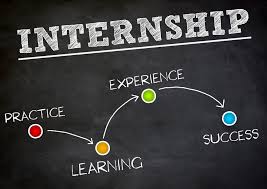
a) The Value of Internships.

Internships are like the taste test of the career world. They give you a snapshot of what working in a specific field is really like without the long-term commitment of a full-time job. Plus, they can beef up your résumé and give you a chance to network all while you’re figuring out if you actually like working in a cubicle or prefer the great outdoors. So, roll up your sleeves and dive into some hands-on experience—your future self will thank you!

b) Finding Part-Time Opportunities.

Don’t underestimate the power of part-time work. Whether it’s a weekend gig at your local coffee shop or freelance projects in your field of interest, these opportunities offer you a chance to earn some cash while gaining relevant experience. Plus, every work experience teaches you something valuable—like how to deal with difficult customers or the importance of showing up on time. Who knew your job at the café would prepare you for a boardroom meeting?

c) Leveraging Experience for Future Employment.

The experience you gain through internships and part-time jobs is your golden ticket to future employment. Make sure to highlight these experiences on your résumé and during interviews. Employers love candidates who can demonstrate real-world application of their skills. Plus, your unique stories about overcoming challenges or boasting about your role in a successful project can set you apart. Just remember, being relatable can skyrocket your interview game!

8. Adapting to Changes in the Job Market and Industry Trends.

a) Understanding Industry Demand.

Keeping an eye on industry demand is like checking the weather before going out: it keeps you from getting caught in a downpour when you were expecting sunshine. Research emerging industries and growing sectors to understand where the job opportunities lie. Some fields may be booming, while others might be facing decline. Being proactive will equip you to navigate the job market with confidence.

b) Staying Updated with Technological Advancements.

In today’s fast-paced world, technology is that hyperactive friend you can’t ignore. Staying updated with industry-related technological advancements is essential to remain relevant and competitive. Follow industry blogs, attend webinars, or join online courses that focus on new tech. Embracing change is your best bet for future-proofing your career—and who knows, you might just become the go-to tech guru among your peers!

c) Embracing Flexibility in Career Choices.

Flexibility is your secret weapon in the ever-changing job market. Be open to new roles that may not have been on your radar initially. The skills you develop can often be transferable, helping you move sideways or even leapfrog into different sectors. So, whether you’re considering a shift from a corporate gig to freelancing or just exploring a new industry, keep your options open. After all, your dream job may end up being something you never thought you’d aspire to! In conclusion, making the right career choice after 12th grade is a journey that requires self-reflection, research, and planning. By understanding one’s interests and strengths, exploring various options, and gaining practical experience, students can position themselves for success in their chosen fields. As the job market continues to evolve, remaining adaptable and open to new opportunities will be key. With the right guidance and determination, young individuals can confidently transition from students to professionals, ready to embark on fulfilling careers that align with their dreams and ambitions.

Frequently Asked Questions:

1. What factors should I consider when choosing a career path after 12th grade?

Consider your personal interests, strengths, market demand for specific careers, required education or training, and potential job satisfaction. Engaging in self-assessment and career counseling can also provide valuable insights.

2. How important is gaining practical experience before starting a career?

Gaining practical experience through internships or part-time work is crucial as it helps you develop relevant skills, build a professional network, and enhance your resume. It also provides a clearer understanding of the industry and workplace expectations.

3. Is vocational training a good option compared to traditional college education?

Vocational training can be a great option for those looking to enter the workforce quickly with practical skills in high-demand fields. It often requires less time than a traditional degree and can lead to immediate job opportunities.

4. How can I stay updated on industry trends and job market changes?

Regularly follow industry news, attend workshops and networking events, join professional organizations, and utilize online platforms and resources to stay informed about trends, emerging technologies, and career opportunities in your field of interest.

Rating: 1 out of 5.

Beyond the Books: How to Choose the Best Career Path after 12th for Success.

Choosing a career path after completing high school can be one of the most pivotal decisions in a young adult’s life. As students transition from the structured environment of education to the vast landscape of professional opportunities, they often find themselves at a crossroads. With numerous options available, ranging from traditional professions to innovative emerging fields, the choices can feel overwhelming. This article aims to guide you “Beyond the Books,” providing insights on how to assess your interests and strengths, explore various career options, and make informed decisions that will lead to a successful and fulfilling career. By understanding the landscape of today’s job market and the skills required to thrive, you can set yourself on a path toward a rewarding future.

1. Understanding Your Interests and Strengths.

a) Self-Assessment Tools and Techniques.

Before you leap into the vast ocean of career options, it’s crucial to take a moment and check your own compass. Self-assessment tools like personality tests (you’ve probably heard of the Myers-Briggs or the Enneagram) can be your trusty guide in uncovering what makes you tick. Websites like 16Personalities can offer insight into your strengths, weaknesses, and even your relationship with your favourite coffee (seriously, it’s a whole vibe). Additionally, skills assessments can highlight what you’re good at—whether that’s solving math problems faster than a calculator or having an uncanny ability to persuade your friends to binge-watch a series.

b) Identifying Personal Values and Passions.

Now that you have a better grasp on your interests and strengths, let’s talk values. What principles steer your ship? Is it creativity, service, adventure, or perhaps the thrill of a good pay check? Jotting down your top five values can provide clarity as you explore different career options. And let’s not forget about passions! What makes your heart race? Is it coding, designing, mentoring, or maybe even running a llama farm? Understanding these elements can help you align your career path with what you genuinely love, steering you toward a fulfilling future.

2. Exploring Career Options: Traditional vs. Emerging Fields.

a) Common Traditional Career Paths.

Ah, the tried-and-true career paths: medicine, engineering, law, and teaching—those trusty old hats that have been around for ages. While choosing a traditional career might feel like putting on your favourite sweater (comfy and reliable), remember it’s not the only option. If you’re drawn to one of these fields, great! However, it’s essential to consider the level of commitment, education, and the occasional sleepless night filled with textbooks that come with these paths. Researching what it takes to enter these professions can prevent any last-minute surprises (like realizing you’re terrified of blood, but you signed up for med school).

b) Emerging Industries and Their Opportunities.

On the flip side, we have the glitzy world of emerging industries. Think tech start-ups, renewable energy, e-sports, and even social media marketing (yes, being a professional influencer is a thing, and it’s not just for TikTok). These fields are buzzing with opportunities and often look for candidates with fresh skills rather than old-school degrees. Keep an eye on trends—people are getting paid to game, shop online, and even make memes! So, if your passion lies in the unconventional, a little research into these emerging industries could lead you to your dream gig.

3. The Role of Education: Degree vs. Skills-Based Learning.

a) Benefits of Higher Education.

Higher education can feel like a rite of passage—one filled with late-night study sessions, ramen noodles, and, let’s be honest, a lot of caffeine. But it can also provide a structured path to specialized knowledge and a degree that opens doors. Fields like medicine, law, and academia typically require that prestigious piece of paper. Higher education also provides networking opportunities, exposure to diverse ideas, and sometimes even a place to meet your future best friends. Plus, there’s nothing like walking across the stage in a cap and gown to feel like you’ve conquered the world (or at least your college).

b) Alternative Learning Paths: Certifications and Online Courses.

On the other hand, who says you need a traditional degree to be successful? In today’s fast-paced world, skills-based learning is gaining popularity. Online platforms like Coursera, Udacity, Udemy and LinkedIn Learning offer a buffet of courses taught by industry professionals. With certifications in everything from coding to digital marketing, you can level up your skillset without the years of commitment (or debt) that a degree often entails. This path is especially appealing if you’re eager to jump into the workforce quickly or pivot to a new field without the typical hurdles.

4. Researching Job Markets and Future Trends.

a) Analysing Current Job Market Statistics.

Before committing to a career path, it’s crucial to peek at the job market’s crystal ball. Websites like the Bureau of Labor Statistics (BLS) can provide invaluable insights into which fields are flourishing and which are, well, not so much. Understanding employment trends, job growth projections, and salary ranges can help you make an informed decision. Spoiler alert: some jobs out there are going the way of the dodo, so knowing the landscape can help you avoid being stuck in a career that’s stuck in the past.

b) Identifying Growing Industries and Roles.

Once you’ve gathered your stats, it’s time to dig deeper into growing industries. Tech continues to expand like a balloon at a party, and renewable energy is brightening our future faster than you can say “solar panel.” Identifying these trends can help you strategize a career path that not only excites you but also offers longevity. Keep an eye on emerging roles, such as data analysts or ethical hackers—careers that were mere whispers a decade ago but are now booming. With a little forward-thinking, you can set sail on a career that’s not just a flash in the pan but a sustainable voyage into the future.

5. Gaining Experience: Internships and Volunteering.

a) Finding Relevant Opportunities.

When it comes to landing that dream job post-12th grade, experience is your golden ticket. Internships and volunteering are not just fancy words thrown around at college fairs—they’re your chance to dip your toes in the waters of the professional world. And the best part? These experiences are often easier to find than a good Wi-Fi signal at a coffee shop! Look for opportunities in local businesses, non-profits, or even online platforms. Websites like LinkedIn, Indeed, or even social media groups can be treasure troves of short-term gigs that give you both experience and insight into your field of interest. Don’t underestimate the power of local community events—volunteering can sometimes lead to connections that are worth their weight in golden opportunities.

b) The Impact of Experience on Career Choices.

So, you’ve landed an internship or volunteered at a local charity. What’s next? Well, buckle up, because the time you spend in these roles can be eye-opening. You’ll discover whether you truly love (or loathe) a certain field. Nothing defines a career path like hands-on experience. It’s like trying on shoes before you buy them—sure, they look great on the shelf, but how do they really feel? This is your chance to test the waters, meet professionals in the industry, and understand the day-to-day realities of a job before you commit to a course or major. Plus, employers love a candidate who has some real-world experience under their belt.

6. The Importance of Networking and Mentorship.

a) Building a Professional Network.

Think of networking as socializing for your career—it’s all about who you know and who knows you. Start small. Attend workshops, join local clubs, or tap into your school’s alumni network. Trust us, the next time you’re at a family gathering, mentioning that you have a professional connection with someone in your desired field will make you the favourite child (or at least keep the awkward questions at bay). Building relationships in your industry can open doors you never knew existed, so don’t underestimate the power of a good handshake—or a well-timed LinkedIn request!

b) Finding and Maintaining Mentorship Relationships.

Mentorships can be the fairy godmother you didn’t know you needed. A mentor can provide invaluable insights, career advice, and sometimes even a few connections. Finding one may involve some shopping around—like finding the right pizza topping combination—so don’t hesitate to reach out to professionals who inspire you. Once you find a mentor, keep that relationship warm by checking in regularly. Share your successes, ask for advice, and don’t shy away from seeking feedback. Remember, mentorship is a two-way street; while you’re learning, make sure to also offer value to your mentor. After all, a little appreciation goes a long way!

7. Making Informed Decisions: Pros and Cons of Each Path.

a) Evaluating Career Options.

Choosing a career path can feel like a game show, where every option has a shiny prize, but you can’t see behind the curtain. Start by creating a list of potential careers that catch your fancy. Do a little research about job prospects, salary expectations, and daily responsibilities. Create a pros and cons list for each option. This isn’t just for fun—it’s your chance to play detective and find out what each path really entails. The key is to be honest with yourself. Are you seeking a high pay check, work-life balance, or something that feels meaningful? Knowing what you want helps narrow down your choices faster than a high school crush can turn into a huge misunderstanding.

b) Long-Term vs. Short-Term Considerations.

When making career decisions, it’s essential to consider both the short-term and long-term effects. Sure, a career may sound glamorous on paper, but what about job stability and growth opportunities down the road? Sometimes, you might have to take a less exciting route now in favor of smashing success later. Look ahead and ask yourself: where do I want to be in five or ten years? If your dream job requires further education or experience, it’s better to plan for the long haul than go for a quick win that fizzles out. Maturity in decision-making can set the foundation for a fulfilling career life while saving you from future headaches.

8. Setting Goals and Planning for Professional Development.

a) Creating a Career Roadmap.

If life is a journey, your career roadmap is your GPS. You wouldn’t start a road trip without a plan, right? Start by mapping out your short-term and long-term goals. This may include specific milestones like internships, skills you want to acquire, or even educational achievements. The clearer your goals, the easier it will be to navigate the twists and turns ahead. Make sure to keep your roadmap flexible, though—unexpected speed bumps and detours are all part of the adventure!

b) Ongoing Education and Skill Enhancement.

What’s great about the current job market is that learning doesn’t end when you toss your graduation cap in the air. In fact, it’s just the beginning! Continuous learning and skill enhancement are crucial in today’s fast-paced world. Online courses, workshops, and conferences are great ways to keep your skills sharp and relevant. Plus, who doesn’t love adding a shiny new certification to their resume? So, embrace lifelong learning! It’s not just about landing that first job—it’s about building a career that evolves with you and the ever-changing marketplace. When it comes to your professional journey, staying stagnant is not an option. Keep moving, keep learning, and don’t forget to enjoy the ride! In conclusion, choosing the right career path after 12th grade is a crucial step that requires careful consideration and self-reflection. By understanding your interests, exploring various options, and leveraging experiences and networks, you can make informed decisions that align with your goals and aspirations. Remember, the journey to success is not a straight line; it involves exploration, learning, and growth. Embrace the opportunities that come your way, and remain open to adjusting your path as you gain new insights. With the right mindset and preparation, you can carve out a fulfilling career that brings you both success and satisfaction.

Frequently Asked Questions.

1. How do I identify my strengths and interests when choosing a career?

Identifying your strengths and interests can be achieved through self-assessment tools like personality tests, career quizzes, and reflecting on activities that bring you joy. Additionally, seeking feedback from teachers, mentors, and peers can provide valuable insights into your skills and potential career paths.

2. What are some popular career options for students after 12th grade?

Popular career options vary widely and include traditional paths such as engineering, medicine, and business management, as well as emerging fields like digital marketing, data science, and environmental sustainability. It’s important to research various industries to find the best fit for your interests and skills.

3. Is a college degree necessary for a successful career?

While a college degree can open doors to many career opportunities, it’s not the only path to success. Skills-based learning, certifications, and hands-on experience through internships or apprenticeships can also lead to fulfilling careers. Assess the requirements of your desired field to determine the best course of action.

4. How can networking help in my career development?

Networking is crucial for career development as it allows you to connect with industry professionals, gain insights into potential job opportunities, and receive mentorship. Building relationships through networking can provide valuable support and guidance as you navigate your career journey.

How Job Hopping Affects Your Professional Reputation in IT Sector.

In today’s fast-paced IT industry, the concept of job hopping has become increasingly prevalent, with professionals frequently transitioning between roles in pursuit of career growth and opportunities. However, the practice of changing jobs frequently can raise questions about one’s professional reputation and stability. In this article, we delve into the impact of job hopping in the IT sector, exploring its effects on career progression, marketability, and overall professional image. By examining strategies to navigate job hopping effectively and showcasing successful case studies, we aim to provide insights on how IT professionals can mitigate potential concerns and showcase their value in a competitive job market.

1. Introduction to Job Hopping in the IT Sector.

Job hopping in the IT sector has become a hot topic in recent years. With the rapid pace of technological advancements and the high demand for skilled professionals, it’s no surprise that many IT professionals find themselves moving from one job to another. But what exactly is job hopping in the IT industry, and how does it impact your professional reputation?

a) Defining Job Hopping in the IT Industry.

In the IT industry, job hopping refers to the practice of changing jobs frequently, typically every 1-2 years. This trend has become more common as professionals seek new challenges, higher salaries, or better career advancement opportunities. While some see job hopping as a sign of ambition and adaptability, others view it as a red flag that may signal a lack of commitment or stability.

b) Trends and Statistics on Job Hopping.

According to recent studies, IT professionals tend to switch jobs more frequently compared to other industries. In fact, the average tenure in a tech job is around 1.5 to 2 years. This pattern is driven by factors such as the competitive job market, the lure of higher salaries, and the desire for career growth. Understanding these trends can help professionals navigate the impact of job hopping on their careers.

2. The Impact of Job Hopping on Career Progression.

Job hopping can have both positive and negative effects on an IT professional’s career progression. While it may open up new opportunities and experiences, it can also raise questions about loyalty and reliability. Let’s explore the advantages and disadvantages of job hopping and how it influences skill development and specialization.

a) Advantages and Disadvantages of Job Hopping.

On the bright side, job hopping can expose you to diverse technologies, industries, and work cultures, enhancing your skill set and market value. However, frequent job changes may lead to gaps in employment history and hinder long-term career stability. It’s essential to weigh these pros and cons when considering a job switch in the IT sector.

b) Effects on Skill Development and Specialization.

Job hopping can accelerate your learning curve by exposing you to different projects, tools, and methodologies. At the same time, staying in one role for an extended period can deepen your expertise and domain knowledge. Balancing these factors is crucial for IT professionals looking to build a well-rounded skillset and establish themselves as specialists in their field.

3. Building a Positive Professional Reputation despite Job Hopping.

Navigating job hopping in the IT sector requires strategic career management and a focus on showcasing your strengths and experiences. By highlighting transferable skills, emphasizing career growth, and continual learning, you can build a positive professional reputation that transcends job changes.

a) Showcasing Transferable Skills and Experience.

When transitioning between IT roles, emphasize the transferable skills and experiences gained from each position. Highlight how your diverse background equips you with adaptability, problem-solving abilities, and a broad perspective that can benefit future employers. Demonstrating these skills can mitigate concerns about job hopping and showcase your value to potential employers.

b) Emphasizing Career Growth and Learning.

Position job hopping as a strategic move driven by your quest for continuous learning and career advancement. Illustrate how each job change has contributed to your professional growth, skill acquisition, and goal alignment. By framing job transitions as stepping stones rather than setbacks, you can present yourself as a proactive and ambitious IT professional worth investing in.

4. Addressing Concerns and Misconceptions about Job Hopping.

Despite its growing prevalence, job hopping in the IT sector is often accompanied by concerns and misconceptions. Dispelling common myths and understanding employer perspectives on job hopping can help IT professionals navigate the realities of changing jobs in a competitive industry.

a) Common Myths Surrounding Job Hopping.

One common myth is that job hopping reflects a lack of loyalty or commitment. In reality, professionals may change jobs for valid reasons such as career growth, work-life balance, or industry shifts. It’s crucial to challenge these misconceptions and define your career narrative based on your goals and values rather than external judgments.

b) Exploring Employer Perspectives on Job Hopping.

Employers’ attitudes towards job hopping can vary based on industry norms, company culture, and individual preferences. Some employers view job hopping as a positive indicator of ambition and adaptability, while others may prioritize stability and long-term commitment. Understanding these perspectives can help you tailor your job search strategies and address potential concerns during interviews.

In conclusion, job hopping in the IT sector is a complex phenomenon with multifaceted implications for professionals seeking to advance their careers. By acknowledging the trends, weighing the pros and cons, and strategically managing your professional reputation, you can navigate job changes effectively and position yourself for success in a dynamic industry.

5. Strategies for Job Hoppers to Enhance Their Marketability.

Networking and Building Strong Professional Relationships.

Networking isn’t just about collecting business cards like Pokémon cards. It’s about building genuine connections with people in your industry. Attend events, join online communities, and don’t be afraid to reach out and grab that virtual coffee. Your network can open doors and vouch for your skills, even if you’ve done the job hopscotch.

Continuous Learning and Skill Development.

In the fast-paced world of IT, staying stagnant is a bigger no-no than eating month-old yogurt. Make sure you’re constantly updating your skills, learning new technologies, and staying ahead of industry trends. This not only makes you more marketable but also shows future employers that you’re committed to growth, even if your job history resembles a game of musical chairs.

6. Navigating Job Hopping in the IT Sector: Best Practices.

Choosing the Right Opportunities for Job Changes.

Not all job hops are created equal. When considering a switch, think about how it aligns with your career goals, the company culture, and the opportunities for growth. Jumping ship just for a bigger pay check might leave you stranded on an island of regret. Choose wisely, young job hopper.

Communicating Job Transitions Effectively.

When updating your LinkedIn profile resembles a game of “Spot the Difference,” it’s time to be transparent about your job transitions. Explain your reasons for hopping around, highlight the value you brought to each role, and showcase how each experience has shaped you into the IT dynamo you are today. Communication is key, especially when your resume looks like a patchwork quilt.

7. Case Studies: Successful Professionals who Overcame Job Hopping Stigma.

Profiles of IT Professionals with Varied Job Histories.

Meet Geeta, the IT ninja who hopped from start up to corporate giant and back again. Or Raj, the coding cowboy who wrangled with different tech stacks like a pro. These professionals didn’t let their job hopping past define them. Instead, they embraced their diverse experiences and used them as stepping stones to success.

Lessons Learned and Key Takeaways from Their Experiences.

From these IT trailblazers, we learn that job hopping can be a strength, not a weakness. Embrace your journey, learn from each stop along the way, and show future employers that your diverse background brings a unique perspective to the table. So go forth, fearless job hopper, and conquer

The IT world one leap at a time. In conclusion, while job hopping may carry certain stigmas in the IT sector, it is imperative for professionals to focus on demonstrating their skills, adaptability, and commitment to continuous growth. By proactively addressing concerns, emphasizing valuable experiences gained from diverse roles, and strategically positioning themselves in the industry, job hoppers can reshape their professional narrative and thrive in a dynamic and evolving IT landscape. Embracing a positive outlook and leveraging the lessons learned from job transitions can ultimately pave the way for long-term success and career fulfilment in the competitive IT sector.

Frequently Asked Questions:-

1. How does job hopping impact my professional reputation in the IT sector?

Job hopping can sometimes raise concerns about your commitment and stability to potential employers. However, by highlighting the skills and experiences gained from each role, you can showcase your adaptability and continuous learning mindset.

2. Are there specific strategies to mitigate the negative effects of job hopping?

Absolutely! Building a strong professional network, emphasizing your career growth trajectory, and actively seeking opportunities for skill development can help offset any concerns related to job hopping. Additionally, effective communication about your job transitions can also play a crucial role in shaping perceptions.

3. Can job hopping be beneficial for my career in the IT industry?

While job hopping can offer opportunities for rapid skill acquisition and exposure to different technologies and work environments, it is essential to balance these benefits with the potential drawbacks. By strategically choosing job transitions that align with your long-term career goals and showcasing the value you bring to each role, job hopping can indeed be leveraged as a positive aspect of your professional journey.

Sailing for a Job

A career is the accumulation of your professional experiences. Many people start a career because they believe it will help them achieve their goals, such as gaining more knowledge and experience, taking on more responsibility, or earning higher salaries.

A person’s progress within an occupation or series of occupations can also be defined as a career. A career, on the other hand, is more than just a job, or working, or your occupation. It also includes your advancement in life, as well as your growth and development in vocational and avocational areas.

It paves the way for financial security. The earning potential of an occupation is a major consideration for most people when choosing a suitable career. Choosing the right profession means you will be able to have economic security, which is an important factor in our overall well-being.

Learning new skills is one of the most effective ways to advance in your career. Always try to stay up to date on trends or developments in your field, and make sure that your current resume reflects those necessary skills.

Knowledge-based, skill-based, entrepreneur-based, and freelance are the four types of career paths. Every career path requires a specific set of qualifications to help you do your job.

Your career will have a significant impact on your future.

It will have an impact on your identity, personal fulfilment, lifestyle, income, family, and retirement. Don’t let other people’s opinions or expectations influence your decision-making. Finally, your career choice is entirely up to you.

Six major careers are primarily made up of six personality types:

Realistic.

Artistic.

Enterprising.

Social.

Conventional.

Investigative.

The main distinction between a career and a job is that a job is something you do for money, whereas a career is a long-term endeavour that you work on every day.

A career goal is a clear statement that defines the ultimate job you want to have throughout your career. A clear career goal, if realistic, allows you to set yourself an action plan, or personal development plan, to work towards in order to achieve your professional ambitions.

However, finding a career that is right for you takes time, and your career will most likely change throughout your working life. As your interests, motivations, and needs change, you may find yourself changing roles or industries. When combined with the rise of automation, gig work, and even underemployment, it appears that careers evolve over time.

To begin thinking about the best career options in order to structure your thought process and determine which careers may suit you best and help you achieve your goals.

Because the average person spends roughly one-third of their life at work, it’s no surprise that many people want to find a job that is a good fit for them. Choosing a career first requires you to learn as much as possible about yourself, your goals, and the larger context of work.

Look in the mirror.

What you like to do and what you value can be good indicators of how you want to spend your working time. We’re not talking about discovering and following your passion, which can be misleading and confusing. However, it is natural to want to feel energised and even excited about what you do. Consider your following interests, values, and characteristics:

Interest-based:

-What are you interested in learning about?

-How do you prefer to spend your free time?

-Do you prefer manual or mental labour?

-Do you prefer to work outside or inside?

Value-based:

-What is the most important thing in your life?

-What are your life priorities?

-Where do you look for meaning?

-What kind of change do you want to see?

Trait-based:

-How do you define success?

-What would you like to see more of?

-Which of your strengths do you find the most enjoyable?

-What are you most proud of in your abilities?

Consider Your Motivations.

After you’ve compiled a list about yourself, consider your reasons for working. Perhaps you want a job that offers a higher starting salary than comparable occupations, or one that allows you to work from anywhere. Because most jobs do not include everything you desire, it is critical to understand your priorities.

Consider what you’d include on your list and how you’d prioritise your tasks.

-Salary.

-Benefits.

-Autonomy.

-Achieving work-life balance.

-Flexibility.

-Promotion of one’s career.

Consider Your Long-Term Objectives.

What does your ideal life look like? Make a list of your long-term personal and professional goals to help you understand what it will take to achieve them. As an example: Do you want to advance past the managerial ranks and into a company’s C-suite? Do you want to be a homeowner? Do you want to be able to travel, and if so, how frequently?

Your list can also help you approach a job search more specifically. For example, if you want to work in the same industry in ten years, research which industries are expected to grow over the next decade and which to avoid due to increased automation or other factors.

Take a variety of self-assessment tests.

You can take a variety of tests to assess everything from your personality to your strengths and even what career might be a good fit for you. However, tests can be overly prescriptive, imposing categories on you. Rather than relying on them to provide a definitive answer, use them to learn more about yourself and your underlying motivations. If they provide useful answers, incorporate that information into the larger picture you’re assembling.

Investigate Sectors.

Learning more about each sector and its goals may assist you in determining where you’d be a good fit. Consider which goals appeal to you the most.

Private: You will be employed by a privately owned company or corporation, which typically seeks to increase revenue and growth.

-Benefit: Increased growth potential.

Public: You’ll be hired by a local, state, or federal government to keep public programmes and institutions running.

-Advantage: Greater potential stability.

Non-profit: You will work for an organization that is not affiliated with the private or public sectors and is dedicated to addressing or fulfilling a public need. While it does not seek revenue in the same way that private businesses do, it must earn enough to carry out its mission and cover overhead.

-Benefit: Increased meaning potential.

Investigate Industries.

Along with sectors, researching various industries may assist you in identifying a few that may be a good fit. Look for established industries to see if any seem worth further investigation. Make a list of any that sound interesting and do more research to learn about major roles, career paths, and projected growth.

Look for Professional Help.

In addition to thinking through the areas mentioned above on your own, you can seek more guided assistance from a variety of career resources.

If you are still in college, take advantage of the career resources that your college or university may provide. You may be able to meet with a counsellor or advisor who has been trained to assist you in transitioning from college to a career.

A career coach is someone who is trained to help clients learn more about what types of work would be best for them. Career coaches are an additional cost, so do your homework on their credentials, experience, and background to ensure they will be a good fit for your needs.

Investigating Career Options.

You’ve probably gathered a lot of information by this point. Once you have a better understanding of yourself, you can begin researching various career options. You can use your list of interests, values, and traits, along with your top motivations, to start looking for careers or industries that might be a good fit.

Do you, for example, enjoy drawing? Consider careers or industries that require that skill to some extent. Do you care about the issue of income inequality? Investigate organisations that work to address that issue and peruse their job postings. Is creative problem solving one of your strongest suits? Look for jobs and industries that require your skill set.

Write down each option that sounds appealing, and pay close attention to the outcomes that will help you achieve your top priorities. If you value flexibility, look for remote positions rather than those that require you to be in an office.

Investigate the Career Options on Your List.

The steps below are to help you explore each option once you’ve come up with some career ideas that sound interesting.

Make use of job-search websites. LinkedIn, Indeed, Naukri, and Monster are just a few job-posting websites. Read more about the responsibilities of each role as you look for them in your area. Highlight the job titles that appear to be a good match.

-Does the job meet many of my needs and preferences?

-Does this job fit with my values?

-Will it help me achieve one of my short-term or long-term objectives?

-How does it feel to consider these career options?

Compare and contrast company reviews. Use websites to learn more about a specific company you’re interested in, or to conduct more general research on the industry in which they operate. Take note of any current issues being debated in that industry.

Arrange for informational interviews. If you find a job at a company that interests you, see if you have any connections you can ask for an informational interview with. If you want to learn more about a specific role, look for connections you have or connections of connections who are currently doing that work. Inquiring about a career before pursuing one can provide you with useful information.

Have you already made a list of your “dream jobs”? Use your top choices to broaden your career options. Go ahead and decide which of the business areas, or ‘sectors,’ you believe your dream career would fall into, such as creative careers or science careers. You can learn more about that industry and the jobs available in it. Each industry has a variety of jobs that you could excel at. You’ll find out how much they pay, what qualifications you might need, how to get started after finishing college or education, and who can assist you.

You should have a long list of career options that sound interesting to you. Aim for at least ten jobs on your list. There will most likely be some career ideas you’ve already considered, as well as some possible careers you don’t know much about or haven’t given much thought to.

Make a list of 2-5 top career options.

Now is the time to narrow down your career options, but not too much! You should keep an open mind because there is more than one dream job out there for you. Choose careers that interest you. Choose careers that match your current qualifications (or choose them if you genuinely want to build up any required qualifications over time). Remember that you can always take additional courses or learn part-time if necessary).

Examine your top career options for similar qualifications and skills that may be useful in your future career path. Perhaps all of your top career options recommend that you have strong passing grades in the sciences, English, or geography. Make a note of that because it can help you decide on your future study options, whether it’s thinking about courses and studying after you’ve graduated from high school.

Consider your long-term and short-term objectives.

Now that you’ve done all of your research to find the right career for you, the next step is to set some achievable goals.

What are you going to work on in the coming months to make your top career choice a reality? And in the coming years?

Make a spreadsheet or a document. List all of the steps you can take to achieve your goals, along with a deadline for completion. Do you have a specific grade in mind for a college project or exam? A course you’d like to look into? Would you like to spend an hour looking for online interviews with people doing your dream job? Your objectives can be small or large. They can be accomplished this evening or next year, but they must be accomplished.

Create a list of attainable goals, assign due dates, and you’ve taken an important step toward not only choosing a career but also putting your dream into action.

There is More Than One Way to All of Your Dream Career Options. Never forget that if you have an interest, you can develop the necessary skills and qualifications.

Whatever career you choose, there is no one-size-fits-all path to success. We always include a variety of career options. You have the option of attending university. You can begin in a lower-level position and work your way up. You can also get an internship for almost any career you can think of. It all comes down to finding the right internship for you.

Find out what you enjoy doing the most and find someone to pay you to do it.