

Introduction:
Children’s boredom in school is a pervasive issue that hampers their engagement, motivation, and overall learning experience. Many students find themselves disinterested, detached, and unenthusiastic in the classroom, leading to a decline in academic performance and a lack of fulfillment. It is essential to address this problem and discover innovative approaches to revitalize learning, reignite curiosity, and create a stimulating environment that fosters a love for education. This article explores the root causes of boredom in the classroom, delves into innovative teaching methods and strategies, and highlights the importance of empowering teachers to create engaging and enriching experiences for their students.
1. The problem of children’s boredom in school.

The prevalence and impact of boredom in the classroom.
We’ve all been there – sitting in a classroom, watching the clock tick agonizingly slow, and desperately trying to stay awake. Boredom in school is a widespread issue that affects both students and teachers alike. It not only makes learning a snooze-fest but also hampers academic progress and student engagement.
When students are bored, their minds wander off to distant lands, daydreaming about anything but the lesson at hand. This lack of focus makes it difficult for them to understand and retain information. Boredom also leads to disengagement, which can have serious consequences on a child’s motivation and overall attitude towards learning.
2. Understanding the root causes of boredom in the classroom.
Lack of student engagement and motivation.
Inadequate curriculum and teaching methods.
The role of classroom environment and structure.
Now, let’s dig into the reasons why boredom creeps into classrooms like an unwelcome guest. One major cause is the lack of student engagement and motivation. When students feel disconnected from the material or don’t see its relevance to their lives, they naturally lose interest.
Another culprit is the curriculum and teaching methods. A one-size-fits-all approach may leave some students feeling unchallenged or overwhelmed, leading to disinterest. Similarly, monotonous lectures and repetitive tasks can drain the excitement out of learning.
The classroom environment and structure also play a role in boredom. When spaces lack creativity and fail to provide opportunities for active participation, students are more likely to tune out. Rigid schedules and limited interaction can stifle curiosity and make learning feel like a chore.
3. Exploring innovative teaching methods and strategies.

Active learning techniques to enhance student participation.
Personalized learning approaches to cater to individual needs.
Implementing game-based learning for increased student engagement.
To counteract the effects of boredom, educators are embracing innovative teaching methods and strategies. Active learning techniques, such as group discussions, hands-on experiments, and interactive projects, breathe life into the classroom by promoting student participation and collaboration.
Personalized learning approaches recognize that each student has unique strengths, interests, and learning styles. By tailoring instruction to individual needs, educators can make lessons more engaging and meaningful. It’s like a customized learning experience, but without the hefty price tag.
And let’s not forget about the power of games. Game-based learning has gained popularity for its ability to captivate students and turn learning into a fun adventure. Whether it’s solving puzzles, role-playing, or gamified quizzes, incorporating games into the curriculum can ignite a spark of enthusiasm in even the most apathetic learners.
4. Incorporating technology to engage and motivate students.

Utilizing educational apps and platforms.
Integrating multimedia content for interactive learning experiences.
Using virtual reality and augmented reality to bring subjects to life.
In this digital age, technology offers a lifeline for combating classroom boredom. Educational apps and platforms provide interactive and engaging resources that make learning more exciting. From interactive quizzes to virtual lessons, these tools can inject some much-needed pizzazz into the learning process.
Multimedia content, such as videos, images, and animations, can also spice up the classroom experience. By incorporating visually appealing and interactive elements, teachers can cater to different learning styles and grab students’ attention. Who said education can’t be both informative and entertaining?
And finally, virtual reality (VR) and augmented reality (AR) offer immersive experiences that transport students into the heart of the subject matter. Whether it’s exploring ancient civilizations or unraveling the mysteries of the universe, these technologies have the power to make learning come alive in ways we never thought possible.
By embracing innovative approaches and leveraging technology, we can revitalize learning and bid farewell to the days of yawning students and disengaged minds. So, let’s banish boredom from the classroom and welcome a new era of excitement and curiosity in education.
Fostering creativity and active learning through project-based approaches.
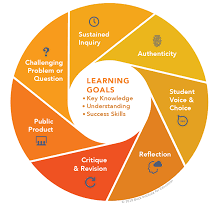
Encouraging hands-on projects and experiments.
Learning doesn’t have to be confined to textbooks and lectures. By incorporating hands-on projects and experiments into the curriculum, educators can engage students in a more active and creative way. Whether it’s building a model, conducting science experiments, or creating artwork, these projects provide a tangible and interactive experience that can bring learning to life.
Implementing collaborative group work and problem-solving activities.
Collaboration is a key skill in today’s world, and schools can foster this by incorporating group work and problem-solving activities into the learning process. By working together on projects, students not only develop their teamwork and communication skills but also learn how to think critically and come up with innovative solutions. This approach encourages active participation and engagement, making learning more enjoyable and impactful.
Showcasing student work and providing opportunities for self-expression.
Every student has unique talents and abilities, and it’s important to provide them with opportunities to showcase their work and express themselves creatively. By giving students a platform to share their projects, whether it’s through presentations, exhibitions, or performances, they feel a sense of pride and accomplishment. This not only boosts their confidence but also fosters a positive learning environment where individuality is celebrated.
5. Cultivating a positive and inclusive classroom environment.

Promoting a supportive and respectful classroom culture.
Creating a positive and inclusive classroom environment is essential for student engagement and motivation. Teachers can promote a supportive culture by actively listening to students, valuing their opinions, and fostering a sense of belonging. By encouraging respect and empathy among students, classrooms become safe spaces where everyone feels comfortable to express themselves and participate actively in the learning process.
Addressing individual learning styles and preferences.
Not all students learn in the same way, and it’s crucial for educators to recognize and address different learning styles and preferences. By incorporating a variety of teaching methods, such as visual aids, hands-on activities, and audiovisual resources, teachers can cater to diverse learning needs. This ensures that every student is engaged and has the opportunity to learn in a way that suits them best.
Implementing effective classroom management techniques.
Maintaining an orderly and well-managed classroom is vital for creating an environment conducive to learning. By implementing effective classroom management techniques, such as clear expectations, consistent discipline strategies, and positive reinforcement, teachers can minimize distractions and disruptions. This allows students to focus on their learning and stay actively engaged throughout the school day.
6. Empowering teachers with professional development and support.
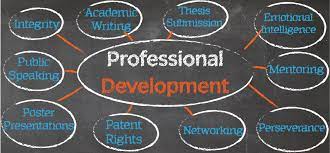
Providing ongoing training in innovative teaching methods.
Teachers play a pivotal role in revitalizing learning, and they need to be equipped with the necessary skills and knowledge to do so effectively. By providing ongoing professional development opportunities, schools can keep educators updated on the latest innovative teaching methods. This ensures that teachers are confident and capable of implementing new approaches that engage and inspire their students.
Encouraging collaboration and sharing of best practices.
Learning doesn’t stop at the classroom door. By fostering a culture of collaboration among teachers, schools can create an environment where educators share their best practices and learn from one another. This exchange of ideas and experiences not only enhances teaching methods but also encourages continuous improvement and innovation in the educational landscape.
Supporting teachers with resources and mentorship programs.
Supporting teachers goes beyond just professional development. By providing access to resources, such as technology tools, teaching materials, and research-based practices, schools can empower educators to implement innovative teaching approaches. Additionally, mentorship programs can pair experienced teachers with newcomers, creating a supportive network where educators can learn from each other and grow professionally.
7. Conclusion: Revitalizing learning for an engaged and enthusiastic student body.

The importance of continuous improvement in educational practices.
Revitalizing learning requires a commitment to continuous improvement in educational practices. By embracing new and innovative approaches, schools can adapt to the changing needs of students and create a learning environment that sparks curiosity and enthusiasm. This emphasis on improvement ensures that students are provided with the best possible education and are equipped with the skills they need to thrive in the modern world.
Creating a lifelong love for learning among students.
Ultimately, revitalizing learning aims to instill a lifelong love for learning among students. By making education engaging, relevant, and enjoyable, students are more likely to become active, curious learners who seek knowledge beyond the boundaries of the classroom. This love for learning not only benefits them academically but also empowers them to pursue their passions and lead fulfilling lives.
Conclusion: Revitalizing learning for an engaged and enthusiastic student body.
By recognizing and addressing the problem of children’s boredom in school, we can transform education into a vibrant and inspiring journey. Implementing innovative teaching methods, incorporating technology, fostering creativity, and cultivating a positive classroom environment are key steps towards revitalizing learning. Furthermore, it is crucial to provide teachers with professional development and support to empower them in creating dynamic and engaging educational experiences. By taking these measures, we can inspire an engaged and enthusiastic student body, instilling a lifelong love for learning and preparing them for success in the ever-evolving world.
FAQ:

1. Why is children’s boredom in school a significant concern?
Children’s boredom in school can lead to a range of negative consequences, such as decreased academic performance, disengagement, and a lack of motivation. It can hinder their ability to learn, explore their interests, and reach their full potential. Addressing this issue is crucial for creating a positive and productive learning environment.
2. How can innovative teaching methods and strategies help tackle children’s boredom?
Innovative teaching methods and strategies, such as active learning techniques, personalized learning, and game-based learning, can actively engage students and make learning more interactive and enjoyable. These approaches foster student participation, enhance critical thinking skills, and create a dynamic classroom environment that combats boredom.
3. What role does technology play in revitalizing learning?
Technology can be a powerful tool to engage and motivate students. Educational apps, multimedia content, and virtual reality can bring subjects to life and make learning more immersive. By incorporating technology into the classroom, teachers can create interactive and personalized learning experiences that capture students’ interest and passion for learning.
4. How can teachers create a positive and inclusive classroom environment?
Creating a positive and inclusive classroom environment involves fostering a supportive and respectful culture, addressing individual learning styles and preferences, and implementing effective classroom management techniques. By promoting collaboration, celebrating diversity, and valuing each student’s contributions, teachers can create an environment where every student feels valued, engaged, and motivated to learn.
 Parth Sharma