

A career is the accumulation of your professional experiences. Many people start a career because they believe it will help them achieve their goals, such as gaining more knowledge and experience, taking on more responsibility, or earning higher salaries.
A person’s progress within an occupation or series of occupations can also be defined as a career. A career, on the other hand, is more than just a job, or working, or your occupation. It also includes your advancement in life, as well as your growth and development in vocational and avocational areas.
It paves the way for financial security. The earning potential of an occupation is a major consideration for most people when choosing a suitable career. Choosing the right profession means you will be able to have economic security, which is an important factor in our overall well-being.
Learning new skills is one of the most effective ways to advance in your career. Always try to stay up to date on trends or developments in your field, and make sure that your current resume reflects those necessary skills.
Knowledge-based, skill-based, entrepreneur-based, and freelance are the four types of career paths. Every career path requires a specific set of qualifications to help you do your job.
Your career will have a significant impact on your future.
It will have an impact on your identity, personal fulfilment, lifestyle, income, family, and retirement. Don’t let other people’s opinions or expectations influence your decision-making. Finally, your career choice is entirely up to you.
Six major careers are primarily made up of six personality types:
Realistic.
Artistic.
Enterprising.
Social.
Conventional.
Investigative.
The main distinction between a career and a job is that a job is something you do for money, whereas a career is a long-term endeavour that you work on every day.
A career goal is a clear statement that defines the ultimate job you want to have throughout your career. A clear career goal, if realistic, allows you to set yourself an action plan, or personal development plan, to work towards in order to achieve your professional ambitions.
However, finding a career that is right for you takes time, and your career will most likely change throughout your working life. As your interests, motivations, and needs change, you may find yourself changing roles or industries. When combined with the rise of automation, gig work, and even underemployment, it appears that careers evolve over time.
To begin thinking about the best career options in order to structure your thought process and determine which careers may suit you best and help you achieve your goals.
Because the average person spends roughly one-third of their life at work, it’s no surprise that many people want to find a job that is a good fit for them. Choosing a career first requires you to learn as much as possible about yourself, your goals, and the larger context of work.
Look in the mirror.
What you like to do and what you value can be good indicators of how you want to spend your working time. We’re not talking about discovering and following your passion, which can be misleading and confusing. However, it is natural to want to feel energised and even excited about what you do. Consider your following interests, values, and characteristics:
Interest-based:
-What are you interested in learning about?
-How do you prefer to spend your free time?
-Do you prefer manual or mental labour?
-Do you prefer to work outside or inside?
Value-based:
-What is the most important thing in your life?
-What are your life priorities?
-Where do you look for meaning?
-What kind of change do you want to see?
Trait-based:
-How do you define success?
-What would you like to see more of?
-Which of your strengths do you find the most enjoyable?
-What are you most proud of in your abilities?
Consider Your Motivations.
After you’ve compiled a list about yourself, consider your reasons for working. Perhaps you want a job that offers a higher starting salary than comparable occupations, or one that allows you to work from anywhere. Because most jobs do not include everything you desire, it is critical to understand your priorities.
Consider what you’d include on your list and how you’d prioritise your tasks.
-Salary.
-Benefits.
-Autonomy.
-Achieving work-life balance.
-Flexibility.
-Promotion of one’s career.
Consider Your Long-Term Objectives.

What does your ideal life look like? Make a list of your long-term personal and professional goals to help you understand what it will take to achieve them. As an example: Do you want to advance past the managerial ranks and into a company’s C-suite? Do you want to be a homeowner? Do you want to be able to travel, and if so, how frequently?
Your list can also help you approach a job search more specifically. For example, if you want to work in the same industry in ten years, research which industries are expected to grow over the next decade and which to avoid due to increased automation or other factors.
Take a variety of self-assessment tests.

You can take a variety of tests to assess everything from your personality to your strengths and even what career might be a good fit for you. However, tests can be overly prescriptive, imposing categories on you. Rather than relying on them to provide a definitive answer, use them to learn more about yourself and your underlying motivations. If they provide useful answers, incorporate that information into the larger picture you’re assembling.
Investigate Sectors.

Learning more about each sector and its goals may assist you in determining where you’d be a good fit. Consider which goals appeal to you the most.
Private: You will be employed by a privately owned company or corporation, which typically seeks to increase revenue and growth.
-Benefit: Increased growth potential.
Public: You’ll be hired by a local, state, or federal government to keep public programmes and institutions running.
-Advantage: Greater potential stability.
Non-profit: You will work for an organization that is not affiliated with the private or public sectors and is dedicated to addressing or fulfilling a public need. While it does not seek revenue in the same way that private businesses do, it must earn enough to carry out its mission and cover overhead.
-Benefit: Increased meaning potential.
Investigate Industries.

Along with sectors, researching various industries may assist you in identifying a few that may be a good fit. Look for established industries to see if any seem worth further investigation. Make a list of any that sound interesting and do more research to learn about major roles, career paths, and projected growth.
Look for Professional Help.

In addition to thinking through the areas mentioned above on your own, you can seek more guided assistance from a variety of career resources.
If you are still in college, take advantage of the career resources that your college or university may provide. You may be able to meet with a counsellor or advisor who has been trained to assist you in transitioning from college to a career.
A career coach is someone who is trained to help clients learn more about what types of work would be best for them. Career coaches are an additional cost, so do your homework on their credentials, experience, and background to ensure they will be a good fit for your needs.
Investigating Career Options.
You’ve probably gathered a lot of information by this point. Once you have a better understanding of yourself, you can begin researching various career options. You can use your list of interests, values, and traits, along with your top motivations, to start looking for careers or industries that might be a good fit.
Do you, for example, enjoy drawing? Consider careers or industries that require that skill to some extent. Do you care about the issue of income inequality? Investigate organisations that work to address that issue and peruse their job postings. Is creative problem solving one of your strongest suits? Look for jobs and industries that require your skill set.
Write down each option that sounds appealing, and pay close attention to the outcomes that will help you achieve your top priorities. If you value flexibility, look for remote positions rather than those that require you to be in an office.
Investigate the Career Options on Your List.
The steps below are to help you explore each option once you’ve come up with some career ideas that sound interesting.
Make use of job-search websites. LinkedIn, Indeed, Naukri, and Monster are just a few job-posting websites. Read more about the responsibilities of each role as you look for them in your area. Highlight the job titles that appear to be a good match.
-Does the job meet many of my needs and preferences?
-Does this job fit with my values?
-Will it help me achieve one of my short-term or long-term objectives?
-How does it feel to consider these career options?
Compare and contrast company reviews. Use websites to learn more about a specific company you’re interested in, or to conduct more general research on the industry in which they operate. Take note of any current issues being debated in that industry.
Arrange for informational interviews. If you find a job at a company that interests you, see if you have any connections you can ask for an informational interview with. If you want to learn more about a specific role, look for connections you have or connections of connections who are currently doing that work. Inquiring about a career before pursuing one can provide you with useful information.
Have you already made a list of your “dream jobs”? Use your top choices to broaden your career options. Go ahead and decide which of the business areas, or ‘sectors,’ you believe your dream career would fall into, such as creative careers or science careers. You can learn more about that industry and the jobs available in it. Each industry has a variety of jobs that you could excel at. You’ll find out how much they pay, what qualifications you might need, how to get started after finishing college or education, and who can assist you.
You should have a long list of career options that sound interesting to you. Aim for at least ten jobs on your list. There will most likely be some career ideas you’ve already considered, as well as some possible careers you don’t know much about or haven’t given much thought to.
Make a list of 2-5 top career options.
Now is the time to narrow down your career options, but not too much! You should keep an open mind because there is more than one dream job out there for you. Choose careers that interest you. Choose careers that match your current qualifications (or choose them if you genuinely want to build up any required qualifications over time). Remember that you can always take additional courses or learn part-time if necessary).
Examine your top career options for similar qualifications and skills that may be useful in your future career path. Perhaps all of your top career options recommend that you have strong passing grades in the sciences, English, or geography. Make a note of that because it can help you decide on your future study options, whether it’s thinking about courses and studying after you’ve graduated from high school.
Consider your long-term and short-term objectives.

Now that you’ve done all of your research to find the right career for you, the next step is to set some achievable goals.
What are you going to work on in the coming months to make your top career choice a reality? And in the coming years?
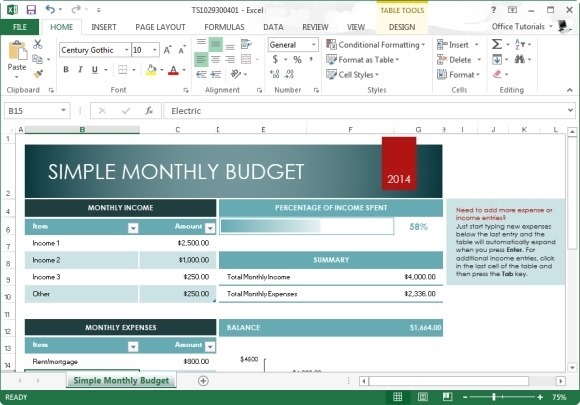
Make a spreadsheet or a document. List all of the steps you can take to achieve your goals, along with a deadline for completion. Do you have a specific grade in mind for a college project or exam? A course you’d like to look into? Would you like to spend an hour looking for online interviews with people doing your dream job? Your objectives can be small or large. They can be accomplished this evening or next year, but they must be accomplished.
Create a list of attainable goals, assign due dates, and you’ve taken an important step toward not only choosing a career but also putting your dream into action.
There is More Than One Way to All of Your Dream Career Options. Never forget that if you have an interest, you can develop the necessary skills and qualifications.
Whatever career you choose, there is no one-size-fits-all path to success. We always include a variety of career options. You have the option of attending university. You can begin in a lower-level position and work your way up. You can also get an internship for almost any career you can think of. It all comes down to finding the right internship for you.
Find out what you enjoy doing the most and find someone to pay you to do it.
























 Parth Sharma