Nipping It in the Bud: Practical Tips to Prevent Small Kids from Stealing Money.

Introduction:-

As parents, we strive to raise our children to be honest, trustworthy, and respectful individuals. However, it is not uncommon for small kids to engage in stealing behavior, especially when it comes to money. Understanding the underlying motivations behind this behavior and implementing effective preventive measures is crucial. Today we will explore practical tips and strategies to prevent small kids from stealing money. From setting a strong foundation of values and ethics to teaching the importance of money management, fostering open communication, and seeking professional help when needed, we will equip you with the tools to tackle this issue head-on and guide your child towards making responsible choices.

1. Understanding the Motivation behind Small Kids Stealing Money.

a) Curiosity and Exploration.

Kids are naturally curious beings, and sometimes their curiosity leads them to explore things that don’t belong to them, including money. They may be intrigued by the shiny coins or the crumpled bills and simply want to examine them, not fully understanding the consequences of taking someone else’s money.

b) Lack of Understanding of Ownership.

For young children, the concept of ownership can be a bit blurry. They may not comprehend that money belongs to someone and taking it is considered stealing. It’s important to teach them the importance of respecting others’ belongings and explaining that taking money without permission is not acceptable.

c) Desire for Attention or Validation.

Sometimes, children resort to taking money as a means to seek attention or validation. They may believe that stealing money will impress their friends or family members, not realizing the negative impact it has on trust and relationships. Addressing their need for attention and finding healthier ways to fulfill it can help prevent such behavior.

2. Setting a Strong Foundation of Values and Ethics.

a) Teaching Honesty and Integrity.

One of the most effective ways to prevent kids from stealing is by instilling a strong sense of honesty and integrity. Talk to your children about the importance of telling the truth, even when it’s difficult. Encourage open communication and foster an environment where they feel comfortable admitting their mistakes.

b) Fostering Empathy and Compassion.

Help your children develop empathy and compassion by teaching them to understand how their actions can affect others. Encourage them to consider how it would feel if someone took their money without permission. By fostering these qualities, they are more likely to respect others’ belongings and avoid stealing.

c) Instilling a Sense of Responsibility.

Teaching kids to take responsibility for their actions is crucial in preventing stealing behaviors. By holding them accountable for their mistakes and helping them understand the consequences, they will learn the importance of making ethical choices. Encourage them to make amends if they take money and guide them through the process of apologizing and returning what they took.

3. Creating a Safe and Supportive Environment at Home.

a) Setting Clear Boundaries and Rules.

Establishing clear boundaries and rules regarding personal property and money helps children understand what is acceptable behavior. Make it clear that taking money without permission is not allowed and explain the consequences if these boundaries are crossed.

b) Offering Positive Reinforcement and Rewards.

Positive reinforcement is a powerful tool in shaping behavior. Praise your children when they exhibit honesty and respect for others’ belongings. This positive reinforcement will strengthen their understanding of what is right and encourage them to continue making responsible choices.

c) Providing a Secure Space for Personal Belongings.

Create a designated place for your child’s personal belongings, including their own money. This not only helps them feel a sense of ownership and responsibility over their things but also reduces the temptation to take money from others. Reinforce the importance of respecting others’ personal spaces as well.

4. Teaching the Importance of Money Management from an Early Age.

a) Introducing the Concept of Money and Its Value.

Start teaching kids about money early on by explaining what it is and how it is used. Teach them the value of money and how it is earned through work. This understanding will help them see the significance of money and discourage them from taking it from others.

b) Teaching Basic Financial Literacy Skills.

As children grow older, introduce them to basic financial literacy concepts, such as saving, budgeting, and making informed spending decisions. By educating them on responsible money management, you equip them with the tools to handle their own finances in the future.

c) Encouraging Responsible Spending and Saving Habits.

Encourage your children to develop responsible spending and saving habits from a young age. Teach them the importance of saving for goals and prioritizing needs over wants. By instilling these habits, they are less likely to feel the need to take money from others.

Remember, prevention is key, but if your child does display stealing behaviors, address the issue with understanding and patience. With consistent guidance and support, you can help them learn from their mistakes and develop a strong moral compass.

5. Implementing effective strategies to prevent stealing behavior.

a) Supervision and monitoring.

When it comes to preventing small kids from swiping your hard-earned cash, keeping a watchful eye is key. Make sure to supervise your little sneaky ninjas closely, especially when money is in sight. Lock up your wallet, stash away loose change, and create a safe and secure environment for your little money magnet to roam freely.

b) Teaching problem-solving and decision-making skills.

Stealing money may be a sign that your child lacks problem-solving skills or is struggling with decision-making. Help them develop these vital life skills by providing age-appropriate challenges and letting them make choices within boundaries. Encourage them to think through their actions and consider the consequences, so they’ll understand that picking pockets is never the wisest path to take.

c) Engaging in open discussions about stealing.

Rather than pretending that stealing is a forbidden topic, it’s better to address it head-on and have open conversations with your little bandit-in-training. Talk about the moral implications of stealing and explain how it can hurt others. Use real-life examples or even fun stories to illustrate the importance of empathy and respecting others’ belongings. Remember, stealing is no laughing matter, but a sense of humor can be your secret weapon to keep the conversation light-hearted yet meaningful.

6. Open communication and building trust with your child.

a) Encouraging open dialogue about emotions and struggles.

Kids may resort to stealing when they feel overwhelmed, anxious, or powerless. Encourage your mini safe-cracker to express their emotions and struggles openly. Create a safe space where they feel comfortable sharing their feelings, whether it’s through talking, drawing, or writing. By helping them navigate their emotions, you can steer them away from risky behavior like pilfering your purse.

b) Listening actively and showing empathy.

When your child opens up about their emotions or their sticky fingers, remember to practice active listening. Hear them out without interrupting, and let them know you understand how they’re feeling. Show empathy and validate their emotions, even if you don’t condone their actions. This will help build a strong foundation of trust and encourage honesty in your future interactions.

c) Building a trusting and non-judgmental relationship.

Building trust with your little money pilferer is crucial. Avoid jumping to conclusions or harsh judgments, as this can damage the trust you’re trying to establish. Instead, focus on instilling a sense of personal responsibility and accountability. Let them know that you believe in their ability to make better choices and that you’re there to support them along the way.

7. Seeking professional help when necessary.

a) Recognizing signs of deeper emotional or behavioral issues.

If your child’s stealing behavior persists or escalates, it may indicate underlying emotional or behavioral issues. Look out for other red flags like social withdrawal, extreme mood swings, or a sudden change in their overall demeanor. These signs could indicate a need for professional intervention.

b) Consulting with a child psychologist or therapist.

When in doubt, don’t hesitate to seek help from a child psychologist or therapist. They’re trained to understand and address the complex emotions and behaviors that children experience. A professional can work hand-in-hand with you and your child to uncover the root causes of their stealing behavior and develop effective strategies for change.

c) Working collaboratively to address underlying causes of stealing.

To tackle the underlying causes of your child’s sticky-finger syndrome, you’ll need to work collaboratively with the professionals involved. They can offer guidance, suggest appropriate interventions, and help you better understand your child’s unique needs. With their expertise and your commitment, you can nip stealing behavior in the bud and guide your child towards more honest and ethical choices. By implementing these practical tips and strategies, you can help prevent small kids from stealing money and foster a sense of honesty and integrity in your child. Remember, it is essential to understand their motivations, create a safe and supportive environment, teach financial literacy, and maintain open communication. In cases where the stealing behavior persists or escalates, do not hesitate to seek professional help. With your guidance and support, your child can develop the necessary skills and values to make responsible choices and grow into trustworthy individuals. Together, let’s nip this behavior in the bud and pave the way for a brighter future.

FAQ.

1. Why do small kids steal money?

Small kids may steal money due to curiosity, lack of understanding of ownership, or a desire for attention or validation. It is important to identify the underlying motivations to effectively address the behavior.

2. How can I create a safe environment to prevent stealing behavior?

Creating a safe environment involves setting clear boundaries and rules, offering positive reinforcement, and providing a secure space for personal belongings. By establishing a supportive atmosphere at home, you can reduce the likelihood of stealing behavior.

3. At what age should I start teaching money management skills?

It is never too early to start teaching money management skills. Introduce the concept of money and its value from a young age and gradually teach basic financial literacy skills as your child develops. Tailor the lessons to match their understanding and capabilities.

4. When should I seek professional help for my child’s stealing behavior?

If the stealing behavior persists or escalates despite your efforts, it may be beneficial to seek professional help. If you notice signs of deeper emotional or behavioral issues, consult with a child psychologist or therapist who can provide guidance and support in addressing the underlying causes.

“Children are not things to be molded, but are people to be unfolded.”
Confidence and Focus: The Key Ingredients for Academic Success.

About Confidence and Focus:

When it comes to achieving academic success, two crucial elements often play a significant role: confidence and focus. Confidence empowers students to believe in their abilities, take on challenges, and persevere through setbacks. Meanwhile, focus ensures that students can absorb information, engage in learning activities, and retain knowledge effectively. In this article, we will delve into the importance of confidence and focus in academic achievements and explore strategies to develop and enhance these essential skills. By understanding how confidence and focus contribute to academic success, students can unlock their full potential and thrive in their educational journey.

1. Understanding the Importance of Confidence in Academic Success.

a) The Relationship between Confidence and Academic Performance.

Confidence plays a crucial role in academic success, like that awkward friend who always takes you out of your comfort zone. When students believe in themselves and their abilities, they are more likely to tackle challenges head-on and persevere through difficult tasks. Confidence fuels motivation and helps students maintain a positive attitude, even when they encounter setbacks. Just like how a solid self-esteem is the foundation of a killer dance routine, confidence sets the stage for academic excellence.

b) The Psychological Impact of Low Confidence on Learning.

Low confidence is like a pesky goblin that hides in the shadows, whispering self-doubt into students’ ears. When students lack confidence, they are prone to negative self-talk and a fear of failure. This can lead to feelings of anxiety, which make it difficult to concentrate and retain information. It’s like trying to juggle flaming bowling balls while wearing a blindfold. Low confidence not only affects academic performance but also takes a toll on students’ overall well-being.

c) Recognizing the Signs of Low Confidence in Students.

Spotting low confidence in students is like finding Waldo in a crowd. Some common signs include excessive self-criticism, a reluctance to participate in class discussions, avoidance of challenging tasks, and a tendency to compare themselves unfavorably to others. Students with low confidence may also exhibit signs of stress, such as poor sleep or a lack of motivation. By keeping an eye out for these signs, teachers and parents can offer support and help boost students’ self-belief.

2. Developing a Growth Mindset: Nurturing Confidence and Self-Belief.

a) Embracing a Growth Mindset for Academic Success.

A growth mindset is like a superhero cape for confidence. It’s the belief that intelligence and abilities can be developed through effort and practice. When students adopt a growth mindset, they see challenges as opportunities for growth rather than barriers to success. They understand that even if they don’t know something now, they can learn it with time and effort. Embracing a growth mindset nurtures confidence and encourages students to persist and take risks in their academic pursuits.

b) Overcoming Self-Doubt and Negative Self-Talk.

Negative self-talk is like that annoying radio jingle you can’t get out of your head. To overcome self-doubt, students need to become aware of their inner critics and challenge those negative thoughts. They can replace statements like “I’m not good enough” with more positive and realistic ones like “I am capable of learning and improving.” Taking a mental broom to sweep away self-doubt helps students build a stronger foundation of confidence.

c) Setting Realistic Goals to Build Confidence.

Setting goals is like drawing a map to success. But it’s essential to set realistic goals that are specific, measurable, attainable, relevant, and time-bound (SMART). When students set achievable goals, they experience small wins along the way, which boosts their confidence and motivates them to keep going. It’s like collecting gold stars on a chart, except the gold stars are achievements that make you feel like a rockstar.

3. Strategies for Building Confidence and Overcoming Academic Challenges.

a) Building Confidence through Preparation and Knowledge.

Confidence is the result of preparedness meeting opportunity. To build confidence, students should prioritize preparation and acquire a solid foundation of knowledge in their subjects. This involves attending classes regularly, completing assignments on time, and actively engaging with the material. When students feel knowledgeable and well-prepared, their confidence soars, and they approach exams and assignments with a stronger sense of self-assurance.

b) Adopting Effective Study Techniques for Better Performance.

Studying effectively is like finding the right dance moves to nail a routine. Students can adopt techniques like active learning, breaking down information into manageable chunks, and practicing regular review sessions. Finding study methods that work best for them enhances their understanding of the material and boosts their confidence in their ability to retain and apply what they’ve learned. It’s like finding the perfect dance partner – the right study techniques can make the learning experience a delightful duet.

c) Seeking Support: Utilizing Resources and Asking for Help.

Asking for help is like having a secret weapon tucked up your sleeve. Students should never hesitate to seek support when they need it. Teachers, tutors, classmates, and online resources are all valuable sources of assistance. By reaching out and asking for help, students can clarify doubts, gain different perspectives, and develop a deeper understanding of the subject matter. This support boosts confidence and reminds students that they don’t have to face academic challenges alone.

4. The Role of Focus in Enhancing Learning and Retention.

a) Understanding the Importance of Concentration in Academic Success.

Concentration is like a spotlight that illuminates the path to learning. When students are focused, they absorb information more effectively and retain it for longer periods. By honing their ability to concentrate, students can engage deeply with the material, follow instructions more accurately, and produce higher quality work. It’s like having an attentive audience – focus sets the stage for a standout performance.

b) Exploring the Impact of Distractions on Focus.

Distractions are like mischievous gremlins that hijack our attention. They can be found in the form of social media notifications, noisy environments, or even our wandering thoughts. These distractions disrupt our concentration and hinder optimal learning. Students need to identify their personal distractors and create a conducive study environment free from temptations. Turning off phone notifications, finding a quiet space, and practicing mindfulness techniques can all help tame those gremlins and improve focus.

c) Techniques for Improving Concentration and Attention Span.

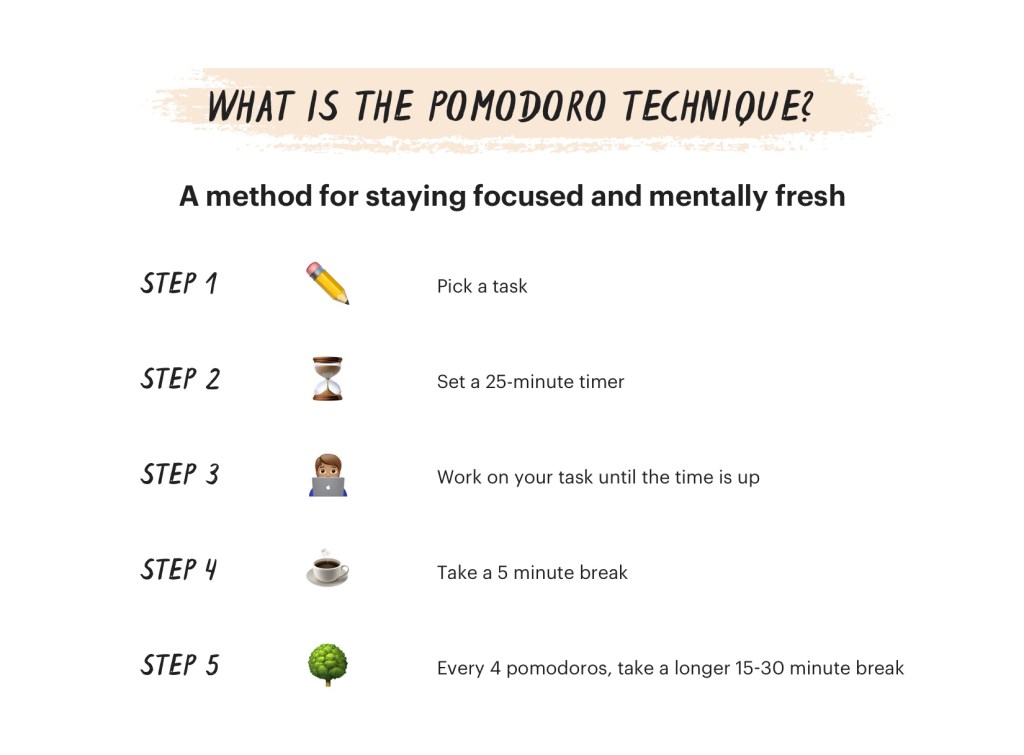
Improving concentration is like sharpening a pencil – it requires effort and the right tools. Students can employ techniques like the Pomodoro Technique (studying in focused bursts with short breaks), creating a to-do list to stay organized, and practicing mindfulness exercises to improve their attention span. These techniques train the brain to stay present and focused, leading to more efficient learning and better academic performance. It’s like upgrading your brain’s software – improved concentration is the ultimate productivity hack.

5. Cultivating a Productive Study Environment to Improve Focus.

a) Designing an Ideal Study Space for Optimal Concentration.

We all know that studying in bed might as well be code for napping. Create a dedicated study space that’s free from distractions – yes, that means no Netflix within reach!

b) Minimizing Distractions in the Study Environment.

Say goodbye to your smartphone addiction during study sessions. Hiding it in a drawer or asking a parent to keep it hidden will do wonders for your focus. Restrain yourself from checking Instagram every five minutes; your followers will survive without the update.

c) Creating a Study Schedule to Enhance Focus and Productivity.

While it may seem tedious, a study schedule is like a superhero cape for your productivity. Map out your study sessions and stick to the plan. Sure, it may require some willpower, but remember, every hour spent studying is a step closer to that glorious A+.

6. Boosting Concentration Skills: Techniques for Staying Focused in Class and while Studying.

a) Active Listening Strategies to Stay Engaged in Class.

In a world filled with daydreams and doodles, active listening is the secret weapon to ace your classes. Resist the urge to zone out and actually absorb the knowledge your teachers are dropping. Plus, it’s a great way to keep that reputation as the “engaged student” alive and well.

b) Mindfulness Techniques for Improving Concentration during Study Sessions.

We get it, meditation might sound a bit “woo-woo” for some. But believe it or not, taking a few minutes to calm your mind and focus on your breath can do wonders for your concentration. Embrace your inner Zen master and let those distractions fade away.

c) Handling Multitasking and Prioritizing Tasks for Improved Focus.

Sure, we all think we’re expert multitaskers. But let’s be real – trying to write an essay while binge-watching your favorite show is nothing short of a disaster. Learn to prioritize your tasks and focus on one thing at a time. Trust me, your grades will thank you.

7. Balancing Confidence and Humility: Fostering Academic Success through Collaboration.

a) Recognizing the Power of Collaboration in Academic Success.

While going it alone may sound like a brave pursuit, success often comes from teamwork. Embrace the power of collaboration and reap the benefits of shared knowledge. Plus, it’s a great excuse to bond with your classmates over late-night study sessions and a never-ending supply of coffee.

b) Overcoming the Fear of Asking for Help.

I get it, asking for help can feel like admitting defeat. But let’s be real – even superheroes have sidekicks. Don’t let your ego get in the way of academic success. Seek help when needed and remember, learning is a continuous journey, not a solo mission.

c) Embracing Feedback and Constructive Criticism.

Nobody enjoys having their work critiqued, but constructive feedback is the secret sauce to improvement. Embrace it, learn from it, and grow. Remember, even the greatest minds in history needed a little tweaking along the way.

8. Taking Breaks and Self-Care: Maintaining Confidence and Focus.

a) The Importance of Taking Regular Breaks for Mental Refreshment.

Here’s a secret: breaks are not just for slacking off, they’re actually essential for maintaining focus. So, take a breather, stretch your legs, and recharge your brain. Just remember to set a timer, or those “short” breaks may turn into a Netflix marathon.

b) Incorporating Self-Care Activities to Reduce Stress and Enhance Focus.

Stress and burnout are the arch-enemies of academic success. So, make time for self-care activities that soothe your soul – whether it’s yoga, painting, or belting out your favorite tunes in the shower. Find what works for you, and let the stress melt away.

c) Prioritizing Sleep for Optimal Cognitive Functioning.

Late-night cram sessions may seem heroic, but let’s face it – your brain is not a fan. Give it the beauty sleep it deserves, and watch as your cognitive abilities skyrocket. Besides, who needs puffy eyes and a foggy mind when you can wake up refreshed and ready to conquer the academic world? In conclusion, confidence and focus are the key ingredients for academic success. By nurturing confidence, developing a growth mindset, and implementing effective strategies, students can overcome challenges and reach their full potential. Likewise, by cultivating a productive study environment, honing concentration skills, and fostering collaboration, students can enhance their focus and maximize their learning capabilities. Ultimately, with confidence and focus as guiding principles, students can excel academically, achieve their goals, and pave the way for a successful future.

 “Believe in your infinite potential. Your only limitations are those you set upon yourself.”

The Ultimate Handbook for Pre-Primary Teachers: Nurturing Tomorrows Brightest Minds.

The Importance of Pre-Primary Education.

In today’s rapidly evolving world, the significance of early childhood education cannot be overstated. Pre-primary education lays the foundation for a child’s future academic and personal success, shaping their attitudes, skills, and abilities. The Ultimate Handbook for Pre-Primary Teachers: Nurturing Tomorrow’s Brightest Minds is a comprehensive guide that equips educators with the essential knowledge and tools needed to create a nurturing learning environment for young learners. From understanding child development to implementing effective teaching strategies, this handbook delves into the critical aspects of pre-primary education, emphasizing the significance of fostering holistic growth and unleashing the potential of every child.

1. Introduction: The Importance of Pre-Primary Education.

a) The role of pre-primary education in early childhood development.

The pre-primary years – a magical time filled with tiny hands, curious minds, and an endless supply of energy. But as much as it may feel like organized chaos, these early years are crucial for a child’s development. Pre-primary education sets the foundation for future learning by focusing on key skills and concepts that will shape little mind.

b) Benefits of quality pre-primary education.

You might be wondering, “Why is pre-primary education so important?” Well, my friend, the benefits are aplenty. Quality pre-primary education not only prepares children for the academic challenges ahead but also nurtures their social and emotional development. It’s the perfect blend of learning and play, helping children build a strong foundation for future success.

2. Understanding Child Development: Key Principles for Pre-Primary Teachers.

a) Overview of cognitive, social, emotional, and physical development.

As a pre-primary teacher, it’s crucial to have a solid understanding of child development. From the cognitive wonders happening inside those little heads to the emotional rollercoaster that comes with growing up, knowing what makes children tick is a must. It’s like having your own secret decoder ring to unlock the mysteries of childhood.

b) The importance of individual differences and developmental milestones.

Every child is unique, like a tiny snowflake with their own set of quirks and qualities. Understanding and embracing these individual differences is essential for effective teaching. Oh, and let’s not forget about developmental milestones – those little markers that let us know how kids are progressing. Celebrate those milestones like a mini victory parade, because each one is a step forward in their growth.

3. Creating a Nurturing and Inclusive Classroom Environment.

b) Establishing a positive and welcoming classroom culture.

A positive classroom culture is like a warm, fuzzy blanket on a cold winter day. It creates an environment where children feel safe, supported, and ready to take on the world. So, sprinkle some kindness, add a dash of encouragement, and create a space where everyone feels like they belong. It’s like building a mini utopia for tiny humans.

c) Strategies for fostering inclusivity and diversity.

Inclusivity and diversity are not just buzzwords – they’re the building blocks of a better world. As a pre-primary teacher, you have the power to sow the seeds of acceptance and understanding. Embrace different cultures, celebrate various backgrounds, and teach children to appreciate the beauty in our differences. It’s like launching a tiny rocket of tolerance into the stratosphere.

4. Curriculum Design and Lesson Planning for Pre-Primary Education.

a) Aligning curriculum with developmental goals and standards.

Curriculum design – the art of weaving together educational goals and standards into a magical tapestry of learning. It’s like creating a roadmap for both you and your students. By aligning your curriculum with the developmental goals and standards, you ensure that the valuable time spent in the classroom is meaningful and targeted towards their growth.

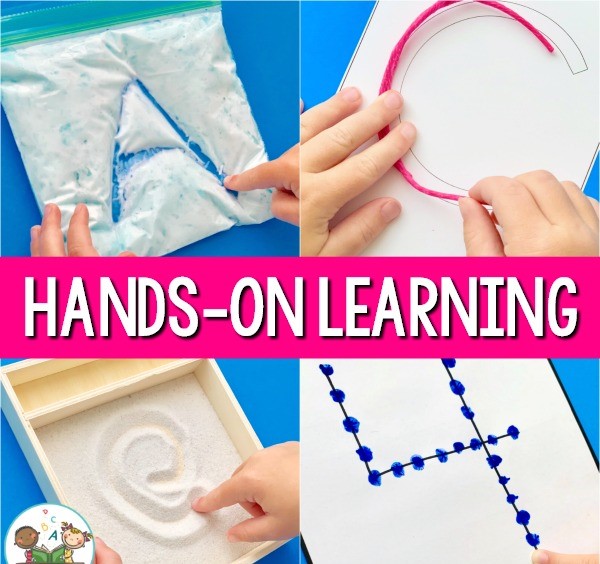
b) Incorporating play-based learning and hands-on activities.

Who says learning can’t be fun? As a pre-primary teacher, you have the superpower to transform even the most mundane activities into exciting adventures. By incorporating play-based learning and hands-on activities, you engage children’s natural curiosity and foster a love for learning. It’s like adding a sprinkle of fairy dust to make each day in the classroom magical.

5. Implementing Effective Teaching Strategies for Young Learners.

a) Differentiated instruction techniques for diverse learning needs.

Teaching a room full of young learners is like orchestrating a symphony of individual needs. The key is to embrace the concept of differentiated instruction, where you tailor your teaching methods to meet the diverse learning needs of your students. Some may excel in visual learning, while others thrive through hands-on activities. By providing a variety of instructional strategies, you can ensure that all your little learners are engaged and reaching their full potential.

b) Engaging and interactive teaching methods for pre-primary children.

Ask any pre-primary teacher, and they will tell you: the attention span of a young child is as fleeting as a butterfly. To keep these adorable minds engaged, you need to bring out your inner entertainer. Incorporate interactive teaching methods like singing, dancing, and storytelling. Use props, puppets, and even the occasional magic trick to capture their attention. Remember, in the world of pre-primary education, enthusiasm is contagious!

6. Promoting Social and Emotional Development in Pre-Primary Children.

a) Creating a supportive and emotionally safe learning environment.

In the early years, social and emotional development is just as important as academic growth. As a pre-primary teacher, you have the power to create a safe and supportive learning environment where children feel comfortable expressing their emotions and building relationships with their peers. Foster a culture of kindness, respect, and empathy by modeling these behaviors yourself and providing opportunities for cooperative play and group discussions.

b) Teaching empathy, self-regulation, and conflict resolution skills.

Pre-primary children are like sponges, soaking up everything around them. Use this to your advantage by teaching them essential life skills like empathy, self-regulation, and conflict resolution. Teach them to recognize and understand their own emotions and those of others. Help them develop strategies to manage their feelings and resolve conflicts peacefully. Remember, the lessons you impart now will shape their social interactions for years to come.

7. Supporting Cognitive Development through Play and Exploration.

a) The role of play in cognitive development.

Who says learning can’t be fun? Play is the magic ingredient that fuels cognitive development in young children. When they engage in imaginative play, build with blocks, or experiment with puzzles, they are actually developing problem-solving skills, critical thinking abilities, and creativity. As a pre-primary teacher, you can create stimulating play-based activities that challenge their minds and foster a love for learning.

b) Designing stimulating learning centers and activities.

The classroom environment plays a crucial role in igniting young minds. Create different learning centers that cater to various aspects of cognitive development. From a reading nook for budding bookworms to a science corner for little explorers, design spaces that inspire curiosity and discovery. Rotate materials and activities regularly to keep the spark alive and ensure that every child finds something that piques their interest.

8. Building Strong Partnerships with Parents and Guardians.

a) Effective communication strategies with parents and guardians.

As a pre-primary teacher, you don’t just teach children; you also become a trusted guide for their parents or guardians. Establishing effective communication channels is essential for building strong partnerships. Regularly provide updates on your teaching methods, classroom activities, and their child’s progress. Be approachable and open to feedback, and always remember that parents are your allies in nurturing their little ones’ bright minds.

b) Collaborating with families to support children’s learning and development.

Parents and guardians play a significant role in a child’s education journey. Collaborate with families to create a seamless bridge between home and school. Involve them in decision-making processes, seek their input on educational goals, and provide resources and activities for them to engage with their child’s learning at home. When teachers and families work together, the impact on a child’s growth and development is truly remarkable. In conclusion, as pre-primary teachers, we hold the incredible responsibility of nurturing tomorrow’s brightest minds. By understanding the importance of early childhood education, embracing child development principles, creating inclusive classrooms, and implementing effective teaching strategies, we can empower young learners to thrive. The Ultimate Handbook for Pre-Primary Teachers serves as a valuable resource, providing guidance and insights to support the holistic growth of children. Let us continue to collaborate with parents, engage in continuous professional development, and be advocates for quality pre-primary education. Together, we can shape a brighter future for our children and enable them to reach their fullest potential.

 “If the child is not learning the way you are teaching, then you must teach in the way the child learns”

Easy Ways to Study for 10th Standard Students.

Preparing for the 10th standard exams can be a challenging and overwhelming task. However, with the right study techniques and strategies, it can also be a rewarding and productive experience. This article aims to provide 10th standard students in India with easy and effective ways to enhance their study habits and achieve academic success. From creating an organized study schedule to exploring different learning styles and utilizing digital resources, we will delve into practical tips and techniques that will help students make the most of their studying efforts. By implementing these strategies, students can study more efficiently, retain information better, and approach their exams with confidence.

1. Understanding the Importance of Effective Study Techniques.

a) The Benefits of Developing Effective Study Habits.

Let’s face it, studying is not always the most exciting thing in the world. But here’s the thing: developing effective study habits can make a world of difference in your academic performance. When you adopt good study techniques, you’ll not only improve your understanding of the subjects, but you’ll also retain information better and recall it during exams. Plus, with effective study habits, you’ll be able to manage your time more efficiently, leaving room for other activities that you actually enjoy. So, buckle up and get ready to discover the benefits of studying smart!

b) Identifying Common Study Challenges Faced by 10th Standard Students.

It’s a time when studying becomes a bit more intense. You’re faced with a range of subjects, complex concepts, and intimidating exams. But fear not, because you’re not alone. Many 10th standard students face similar challenges when it comes to studying. From procrastination to lack of motivation, it’s easy to fall into these traps. But by identifying these common challenges, you can tackle them head-on and find ways to overcome them. So, let’s explore the hurdles together and find ways to make studying a breeze!

2. Creating an Organized Study Schedule.

a) Designing a Personalized Study Plan.

Now that you understand the importance of effective study techniques, it’s time to create a study schedule that works for you. One size does not fit all when it comes to studying, so it’s crucial to design a personalized study plan. Consider your strengths, weaknesses, and commitments outside of academics. By tailoring your study plan to your specific needs, you’ll be able to maximize your productivity and make the most out of your study sessions. So, let’s dive into the world of study planning and make studying a well-organized adventure!

b) Allocating Time for Each Subject and Topic.

We’ve all been guilty of spending hours on a single subject while neglecting others. But fear not, there’s a way to avoid this and ensure you give equal attention to every subject. By allocating specific time slots for each subject and topic, you can prevent yourself from getting lost in the abyss of endless reading. This way, you’ll have a balanced approach to studying; giving all subjects their fair share of attention. So, let’s be strategic with our study time and conquer each subject like the superheroes we are!

3. Exploring Different Learning Styles.

a) Understanding the Different Types of Learning Styles.

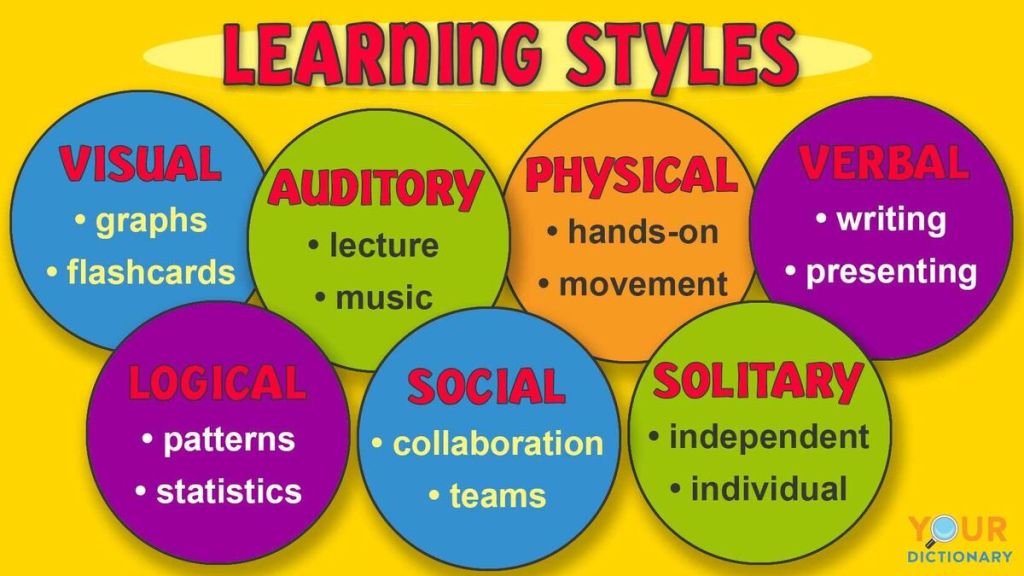
Did you know that not everyone learns in the same way? It’s true! Understanding your learning style can revolutionize your study game. Whether you’re a visual learner who prefers pictures and diagrams, an auditory learner who thrives on discussions, or a kinesthetic learner who needs hands-on activities, knowing your learning style can help you tailor your study methods to suit your preferences. So, let’s dive into the world of learning styles and unleash your full potential!

b) Assessing Your Own Learning Style.

Now that you know there are different learning styles out there, it’s time to uncover your own. Take a moment to reflect on how you absorb information best. Do you find it easier to understand concepts when you see them in action or when you listen to someone explain them? Understanding your own learning style will not only make studying more enjoyable but also more effective. So, let’s take a self-discovery journey and unlock the key to successful studying!

4. Utilizing Effective Note-taking Methods.

a) Importance of Good Note-taking Skills.

It’s an art form that can often be overlooked but plays a vital role in retaining information. Good note-taking skills can help you capture the essence of what you’re studying, organize your thoughts, and create a valuable resource for revisiting concepts later on. So, don’t underestimate the power of a well-crafted set of notes. Let’s embrace the importance of good note-taking skills and elevate our study game to the next level!

b) Techniques for Efficient Note-taking.

Now that we’ve established the significance of note-taking, it’s time to learn some techniques for making it more efficient. From highlighting key points to using abbreviations, there are various methods you can employ to make your notes clear, concise, and easy to revise. So, grab your favorite pen and let’s dive into the world of note-taking techniques, where boring lectures become captivating adventures!

5. Making the Most of Digital Resources and Technology.

a) Discovering Online Learning Platforms and Tools.

In this digital age, studying no longer has to be limited to textbooks and traditional methods. Take advantage of the vast array of online learning platforms and tools available. Website like Khan Academy offer free courses and video lessons on a wide range of subjects. These platforms can provide additional explanations and examples to help you grasp difficult concepts.

b) Utilizing Educational Apps for Enhanced Studying.

Gone are the days of cramming information into your brain the night before exams. There are now numerous educational apps designed to make studying more engaging and effective. Apps like Quizlet and Duolingo offer interactive quizzes, flashcards, and language learning exercises. Make use of these apps to reinforce your knowledge and test yourself regularly.

6. Implementing Active Learning Strategies.

a) Engaging in Group Study Sessions and Discussions.

Studying doesn’t have to be a solitary activity. Organize study sessions with your classmates or friends to discuss and clarify concepts together. Explaining concepts to others helps reinforce your understanding and can uncover different perspectives on the subject matter. Plus, studying with others can bring some much-needed socialization to your study routine.

b) Incorporating Hands-on Activities and Practical Examples.

Sometimes, understanding complex topics requires a hands-on approach. Look for practical examples and real-life applications of the concepts you’re studying. If you’re studying science, conduct simple experiments at home. If you’re studying history, visit historical sites or museums. These hands-on activities will not only make studying more enjoyable but will also help you remember information better.

7. Engaging in Regular Revision and Practice.

a) The Importance of Regular Revision and Practice.

Regular revision is key to retaining information and keeping it fresh in your mind. Allocate specific time each week for revising what you’ve learned. Break down your subjects into smaller topics and review them systematically. Additionally, practice solving sample questions and past papers to familiarize yourself with the exam format and identify areas where you need improvement.

b) Effective Techniques for Reviewing and Testing Knowledge.

When revising, try different techniques to reinforce your understanding. Summarize the main points in your own words, create mind maps or diagrams to visualize connections between ideas, or teach the concepts to someone else. Testing your knowledge through quizzes or mock exams can also help gauge your progress and identify areas that need more attention.

8. Seeking Additional Support and Resources.

a) Utilizing Study Groups.

If you find certain subjects particularly challenging, don’t hesitate to seek extra support. Consider joining study groups or asking help from teachers who can provide you guidance after class. Sometimes, a fresh perspective or one-on-one attention can make a world of difference in your understanding and confidence in a subject.

b) Exploring Online Resources and Reference Materials.

The internet is a treasure trove of information, so make sure to explore online resources and reference materials. Websites like NCERT and CBSE provide textbooks and supplementary materials that can complement your studies. Online forums and communities can also be valuable sources of information and discussion.

Remember, studying doesn’t have to be a daunting task. By making use of digital resources, implementing active learning strategies, engaging in regular revision and practice, and seeking additional support, you can simplify the process and make it more enjoyable. So, grab your books, fire up those educational apps, and embark on your journey to academic success! Good luck! In conclusion, developing effective study habits is crucial for 10th standard students to excel academically. By understanding the importance of efficient study techniques, creating a well-organized study schedule, and exploring different learning styles, students can enhance their overall learning experience. Additionally, utilizing digital resources, implementing active learning strategies, engaging in regular revision and practice, and seeking additional support can further contribute to their success. With dedication and consistent effort, 10th standard students can overcome challenges, boost their confidence, and achieve remarkable results in their exams. So, let’s embrace these easy ways to study and unlock the doors to a bright academic future!

FAQ:

1. How can I create an effective study schedule?

Creating an effective study schedule involves prioritizing your subjects and topics, allocating specific time slots for studying, and ensuring a balanced distribution of study hours throughout the week. It’s essential to consider your personal preferences, energy levels, and any extracurricular commitments when crafting your schedule. Regularly reviewing and adjusting your study plan can also help you stay on track and make the most of your study time.

2. Are digital resources and technology really helpful in studying?

Absolutely! Digital resources and technology can be incredibly helpful in studying. Online learning platforms, educational apps, and interactive tools offer a wide range of resources, practice exercises, and study materials that can complement your traditional studying methods. These resources can facilitate better understanding of concepts, provide additional practice opportunities, and make studying more engaging and enjoyable.

3. How often should I engage in revision and practice?

Regular revision and practice are essential for effective learning and retention of information. It’s recommended to set aside dedicated time for revision on a regular basis, preferably daily or at least a few times a week. By reviewing previously learned material, testing your knowledge through quizzes or practice questions, and identifying areas of weaknesses, you can reinforce your understanding and improve your performance in exams.

4. What should I do if I need additional support or resources?

If you require additional support or resources, there are several options available. Consider seeking help from your teachers, classmates, or forming study groups to collaborate and discuss difficult topics. Additionally, explore online resources such as educational websites, video tutorials, and reference materials to supplement your learning and gain further insights into challenging subjects.

“There are no secrets to success. It is the result of preparation, hard work, and learning from failure.”

How to Stress Free Do the Exam Paper Checking For School Teachers.

Introduction.

Exam paper checking is an essential task for school teachers, but it can often become a source of stress and overwhelm. The pressure to accurately review and grade numerous papers within a limited time frame can take a toll on teachers’ well-being and overall effectiveness. However, with proper strategies and a stress-free approach, teachers can streamline the process and ensure fair evaluation without sacrificing their mental and emotional well-being. In this article, we will explore various techniques and tips to help teachers approach exam paper checking in a stress-free manner. From preparation and organization to time management and utilizing technology, these guidelines will empower teachers to efficiently and effectively assess students’ work while maintaining a positive mindset throughout the process.

1. Importance of Stress-Free Exam Paper Checking.

Exam paper checking is a crucial task for school teachers, but it doesn’t have to be a stress-inducing nightmare. Understanding the impact of stress on teachers and recognizing the benefits of stress-free exam paper checking can make a world of difference in our sanity and the quality of our work.

a) Understanding the Impact of Stress on Teachers.

Let’s face it; stress and teaching often go hand in hand. But when it comes to exam paper checking, stress can escalate to a whole new level. It can leave us feeling overwhelmed, exhausted, and even questioning our career choices. Not to mention the toll it takes on our mental and physical well-being. Stress can negatively affect our ability to focus, make sound judgments, and provide valuable feedback to our students. It’s time to break free from the clutches of stress and reclaim our sanity!

b) Benefits of Stress-Free Exam Paper Checking.

Now, picture a world where exam paper checking is a breeze. A stress-free approach to this task not only benefits our own well-being but also enhances the quality of our feedback to students. When we are calm and collected, we’re able to provide insightful comments, constructive criticism, and helpful suggestions. Our students deserve our undivided attention, and a stress-free mindset allows us to deliver just that. Plus, who wouldn’t want to enjoy a peaceful night’s sleep without being haunted by visions of test papers?

2. Preparation for Efficient Exam Paper Checking.

Preparing for exam paper checking is like building a strong foundation for a stress-free experience. With the right workspace and necessary materials in place, we’ll be able to tackle the task with ease.

a) Creating a Comfortable and Organized Workspace.

First things first, let’s create a workspace that feels like a cozy retreat. Get rid of unnecessary clutter and distractions. Surround yourself with things that make you happy, whether it’s a potted plant, a motivational quote, or a picture of your adorable pet. Make sure your seating arrangement is comfortable, because nobody wants an achy back on top of everything else. Remember, your workspace should inspire joy, not trigger nightmares.

b) Gathering Necessary Materials and Resources.

To avoid last-minute scavenger hunts, gather all the materials and resources you’ll need beforehand. Stock up on pens, highlighters, sticky notes, and any other tools of the trade. Don’t forget to have a reliable and efficient method for recording scores, such as a spreadsheet or grading software. Being well-equipped will save you time and frustration, allowing you to focus on the task at hand – without the unnecessary treasure hunt.

3. Organizing Exam Papers and Creating a Checklist.

Organizing exam papers doesn’t have to resemble a chaotic tornado of papers. With a systematic approach and a handy checklist, you’ll be able to sail through the process smoothly.

a) Sorting and Labeling Exam Papers.

Start by sorting and organizing exam papers according to classes, sections, or subjects. Label each pile clearly to avoid any mix-ups. Consider using color-coded labels or stickers for an added visual appeal. When it’s time for paper checking, you’ll thank your past self for this little act of organization. Remember, a little organizing now saves you from a mountain of confusion later.

b) Creating a Checklist for Easy Tracking and Completion.

Ah, the beauty of checklists! Create a simple and comprehensive checklist that outlines the steps you need to take for each exam paper. This can include tasks like checking for correct answers, tallying marks, and providing comments. As you complete each item on the checklist, mark it off triumphantly, giving yourself a mini celebration each time. Not only does a checklist keep you organized, but it also gives you the satisfaction of visual progress. Checklists, the unsung heroes of stress-free paper checking.

4. Effective Time Management Techniques.

Time, the elusive and ever-ticking companion. When it comes to exam paper checking, time management can be a teacher’s best friend. Let’s explore some techniques to make the most of our precious minutes.

a) Prioritizing Papers based on Importance or Deadline.

Not all exam papers are created equal. Some may require more attention, while others have impending deadlines. Prioritize your papers based on their importance or due dates. This way, you can focus on the high-stakes ones first and then proceed accordingly. Remember, Rome wasn’t built in a day, and neither should your paper checking marathon be. Divide and conquer!

b) Setting Realistic Time Blocks for Paper Checking.

Avoid falling into the black hole of eternal paper checking by setting realistic time blocks for each task. Break down your workload into manageable chunks and allocate specific time slots for each. This will prevent burnout and provide a sense of structure to your day. Remember, you’re not a superhero, but with smart time management, you can be the hero of your paper checking adventures.

Now armed with the knowledge of stress-free exam paper checking, go forth and conquer the daunting task with a smile on your face and a pen in your hand. You got this, teacher!

5. Maintaining a Positive Mindset during Exam Paper Checking.

a) Practicing Self-Care and Stress-Relief Techniques.

When it comes to exam paper checking, it’s easy to get overwhelmed and stressed. But hey, teacher, don’t forget to take care of yourself! Prioritize self-care and incorporate stress-relief techniques into your routine. Whether it’s going for a walk, practicing yoga, or binge-watching your favorite show, do whatever helps you unwind and recharge. Remember, you can’t pour from an empty cup!

b) Adopting a Growth Mindset and Embracing Mistakes as Learning Opportunities.

Nobody’s perfect, and that includes your students and their exam papers. Embrace a growth mindset and see mistakes as valuable learning opportunities, both for your students and yourself. Instead of dwelling on the errors, focus on how you can help your students improve. And don’t forget to give yourself some grace too! As a teacher, you’re constantly learning and growing alongside your students.

6. Strategies for Efficiently Reviewing and Grading Papers.

a) Skimming and Scanning Techniques for Quick Initial Assessment.

Let’s face it, sometimes you have a mountain of papers to grade and a limited amount of time. To tackle this challenge, try using skimming and scanning techniques for a quick initial assessment. Skim through the papers to get a general idea of the content, and then scan for specific details or keywords. This way, you can identify any glaring issues or standout performances without getting lost in the sea of papers.

b) Implementing a Consistent and Fair Grading Rubric.

Consistency is the name of the game when it comes to grading. Develop a clear and fair grading rubric that aligns with the learning objectives and criteria you’ve set for the exam. This will not only help you provide consistent feedback but also ensure fairness across all the students. Plus, having a rubric will make your life easier and save you from the headache of making subjective decisions on the fly.

7. Utilizing Technology and Tools for Streamlined Paper Checking.

a) Leveraging Online Grading Platforms or Software.

We live in a digital age, and there’s no shame in embracing technology to make your life easier. Explore online grading platforms or software that can streamline the process of paper checking. These tools often offer features like automated scoring, data analysis, and even the ability to provide feedback digitally. Say goodbye to piles of papers and hello to a more organized and efficient grading experience!

b) Using Digital Marking or Annotation Tools.

If you’re still stuck with physical papers, fear not! There are digital marking and annotation tools that can save you from drowning in a sea of red ink. From PDF editors to specialized grading apps, these tools allow you to mark and annotate papers digitally, making it easier to provide feedback and track progress. Not to mention, they spare you from the hassle of deciphering your own handwriting!

8. Implementing Feedback and Communication with Students.

a) Providing Constructive Feedback for Growth and Improvement.

Grading papers isn’t just about assigning scores; it’s about helping your students grow and improve. When providing feedback, focus on constructive criticism that highlights areas for improvement while also acknowledging their strengths. Remember, your words have the power to motivate and inspire, so use them wisely!

b) Establishing Effective Communication Channels with Students.

Communication is key, both inside and outside the classroom. Establish effective communication channels with your students to address any concerns or questions they may have about their graded papers. Whether it’s through email, online platforms, or even good old-fashioned face-to-face conversations, make yourself available and approachable. Your students will appreciate your willingness to help and support them through the learning process. In conclusion, implementing stress-free exam paper checking techniques not only benefits teachers but also ensures fair and accurate evaluation of students’ work. By prioritizing preparation, organization, and effective time management, teachers can approach this task with confidence and without unnecessary stress. Additionally, adopting a positive mindset, utilizing technology, and implementing constructive feedback and communication with students further enhance the overall experience. With these strategies in place, teachers can navigate the exam paper checking process smoothly, allowing them to focus on their students’ growth and success.

FAQ:

1. Is it really necessary to stress-free exam paper checking?

Exam paper checking is an important task for teachers, but the process can often be overwhelming and stressful. By adopting stress-free techniques, teachers can not only improve their own well-being but also ensure a fair and accurate evaluation of students’ work. Stress-free paper checking allows teachers to maintain focus, provide valuable feedback, and ultimately support students’ growth and success.

2. How can I manage my time effectively during exam paper checking?

Time management is crucial during exam paper checking. Start by prioritizing papers based on importance or deadline, and allocate realistic time blocks for each task. Creating a schedule or checklist can help you stay organized and track your progress. It is also important to take short breaks to rest and recharge, ensuring that your evaluation remains consistent and accurate.

3. Can technology help simplify the exam paper checking process?

Yes, technology can be a valuable tool for streamlining exam paper checking. Online grading platforms or software can automate certain tasks, such as calculating grades or providing feedback. Digital marking or annotation tools can make the process more efficient and organized. Leveraging these technological resources can save time and effort, allowing teachers to focus on the content and quality of students’ work.

4. How can I maintain a positive mindset during the exam paper checking process?

Maintaining a positive mindset is essential during the exam paper checking process. Practice self-care and stress-relief techniques to manage any anxieties or frustrations that may arise. Adopt a growth mindset and embrace mistakes as learning opportunities, both for yourself and your students. Remember that your role is to support and guide students’ learning journey, and a positive mindset will enhance your effectiveness as a teacher.

“Teachers Have 3 Loves: Love of Learning, Love of Learners, and the Love of Bringing the First Two Loves Together”

Every Teacher Should Be Aware Of Stress Management Techniques.

Teachers who do not understand how to effectively manage stress limit their ability to educate their students. Emotions are also important in decision-making. Overwhelm, anxiety, and frustration can all impair our ability to make sound decisions.

When the demands placed on you, such as work, school, or relationships, exceed your ability to cope, you experience stress. It can be a short-term reaction, such as being stuck in traffic or being late for school, or it can last for a long time if you’re dealing with relationship or money problems, the death of a loved one, or other serious situations. While some stress can be beneficial, such as stress that motivates you to study for an exam or perform well in a sporting event, untreated long-term stress has been linked to serious health issues such as depression, heart disease, obesity, and a weakened immune system.

According to a survey, women consistently report higher levels of stress than men. We don’t know if this is because women face more demands than men, such as taking on more family responsibilities, or because men and women experience stress differently. However, it is clear that chronic stress can have physical and emotional consequences if we do not find better ways to manage it.

Irritability, difficulty sleeping, changes in appetite, headaches, stomach aches, intestinal problems, nervousness, excessive worry, sadness or depression are all symptoms of stress. Stress can have an adverse effect on a woman’s ability to conceive, the health of her pregnancy, and how she adjusts after giving birth. It can also have an effect on menstruation and sexual desire, and it can aggravate premenstrual symptoms.

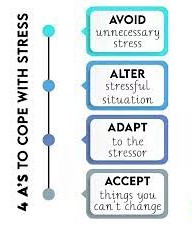
It may appear difficult for women juggling multiple responsibilities to find time to adequately manage stress. People who are under a lot of stress may try to cope by overeating or undereating, drinking alcohol, smoking, gossiping, or lying around the house. The good news is that there are effective stress management techniques. Here are some clever ways to cope:

Breathe Correctly.

Sensory overload can occur in the classroom. Before you know it, your heart rate is increasing, you’re breaking out in a sweat, and your mind is racing. The most effective first step you can take in these situations is to breathe deeply. So, it’s not the most recent technique, and it appears to be overly simple, right? When you’re stressed, breathe in deeply for four seconds (place your hands on your stomach and feel it expand out), then exhale evenly for four seconds. Maintain this for 2-3 minutes for maximum effect.

Accept the Stress.

Whether you believe stress is positive or negative, you are correct: viewing stress constructively will cause your body to respond differently and prevent long-term physical damage. Those who have negative attitudes towards stress, on the other hand, face a variety of negative health outcomes similar to those caused by smoking. So, how do you alter your attitude towards stress? Reframing changes in heart rate and other stress-related physical symptoms with phrases such as “This is my body helping me rise to this challenge.”

Imperfect Yourself.

Those who are overly stressed and unhappy often have one thing in common: they believe they should be someone better than they are. As a result, today’s working-age population is the most obese, addicted, and indebted in history. Teachers are frequently prone to perfectionism and its negative consequences: they frequently believe that they are not doing enough, or that their mistakes are magnified due to the importance of their job. Fight back if you find yourself feeling this way. The truth is that you are already “enough,” and you deserve to be loved and praised. Don’t forget about it.

First Aid for Emotions.

Do you criticise yourself when you fail or make a mistake? It would be like getting a cut and then finding ways to aggravate the wound. We don’t do that when we’re in physical pain, so why do we dwell on mistakes and aggravate the wound when we’re in emotional pain? Finding ways to break negative thought patterns is recommended if you find yourself taking your classroom work home with you. Sometimes a two-minute distraction is all that is required to avoid getting stuck in an emotional rut.

Be Thankful.

This isn’t about delusion or forcing yourself to be grateful for things that are clearly negative, but rather about a determination to see the opportunity to move in a new direction present in each moment. The formula is simple: “Stop, look, go.” We must pause, quiet our minds, and create “stop signs”—miniature reminders of things for which we should be grateful every day. By “look,” I mean to open all of your senses and simply enjoy life. “Go” means to move forward and take advantage of what life has to offer at any given time.

“Grass is Greener” Thinking.

“The greenest grass grows where it is watered.” It’s not always what you want to hear on a bad day, but the reality is that you will face difficulties wherever you go.

Work Smarter rather than Harder.

It’s easy to conflate exhaustion and burnout with hard work. Working hard and doing good work does not have to leave you exhausted and tense. Consider delegating some of your work or investing in tools or technologies that will make your life easier.

Connect with Someone.

When you connect with another person, your body produces oxytocin, a chemical that aids in heart repair. And you don’t even have to be on the receiving end: helping someone else has the same effect. Teachers already devote a significant amount of time to this, but it is also critical to cultivate relationships with colleagues, neighbours, and friends. Except for those who reported caring for others, who experienced NO such effects, major stressful life events are generally strongly linked with negative health outcomes. You are much less likely to experience the negative effects of stress if you help your neighbours, family, and so on. Friends and family members who have faced similar challenges may have useful ideas and perspectives to share. There is no reason to face difficult life circumstances alone. Indeed, support from family or friends may help you begin and maintain better self-care.

Keep track of your stressors. Keep a journal to track which situations cause you the most stress and how you deal with them. Keep a journal of your thoughts, feelings, and observations about the environment, including the people and circumstances involved, the physical setting, and your reactions. Taking notes can help you identify patterns in your stressors and reactions to them, allowing you to develop a stress management strategy.

Set boundaries. Make a list of the projects and commitments that are causing you stress. Determine which commitments are priorities and eliminate anything unnecessary. Accept no more commitments until you feel your stress is under control. Limiting non-essential obligations is essential for reducing chronic stress.

Make one health-related pledge. Do everything you can to improve your health so that you have the energy and strength to face the challenges you face. One small step, such as reducing excessive snacking, can have a big impact. Similarly, a brisk walk or other aerobic activity can boost your energy and concentration while decreasing anxiety. Physical activity boosts the production of feel-good endorphins while decreasing the production of stress hormones.

Control your devices. People who report constantly checking their email or social media tend to be more stressed. Take a break over the weekend and in the evenings. Before you go to bed, put your phone away.

Improve the quality of your sleep. Women who are chronically stressed frequently experience insufficient sleep and, in some cases, stress-induced insomnia. Begin winding down an hour or two before bedtime by engaging in calming activities such as listening to relaxing music, reading a good book, or practising relaxation techniques such as meditation.

Seek Additional Assistance. Yes, this is permissible. There will be times when you need help, no matter how long you’ve been teaching or how brilliant you are. Asking for help does not make you weaker; rather, it makes you more effective at your job. If you are still feeling overwhelmed or having difficulty getting through your daily routine, seek the assistance of a mental health professional, such as a psychological counsellor. Psychological counsellors are trained to assist you in developing effective stress management strategies and making changes to help improve your overall health.

Making lesson plans, ensuring classroom discipline, pressure from parents and management, a lack of administration support, annual education system upgrades, and now the challenge of streamlining with online classes; being a teacher is not an easy job.

Another challenge for teachers is stress management. Teaching nowadays requires more intelligence, energy, and planning, but that doesn’t mean you can’t do it. Teaching is becoming more popular in the modern world as a noble profession and one of the best jobs.

Plan Ahead of Time.

The stress of lesson planning, meeting the syllabus’s deadline, and preparing the class for exams may feel like a burden on your mind. Still, it can be made easier by planning ahead of time, even at the start of the session. So, first go through the entire course, make a list of the lessons, count the number of working days and holidays in your calendar, and assign dates to each lesson. Then, stay on schedule and teach according to your lesson plan.

Remember to schedule days for revision, homework, class tests, and copy correction for each lesson. For example, if you have 24 lessons on the curriculum this year and 250 classroom days, you can assign each lesson 5-6 days. Maintain flexibility in this plan by allowing more time to complete a lesson if it is longer, more difficult, or if students want more time.

Every holiday, set aside an hour to plan classroom instruction and lesson plans. Searching for answers to questions in class, students being undisciplined as a result of being unattended, and making students read the lesson again and again because you are not prepared with additional notes; all of these things add to your mental stress. So, plan ahead of time.

Make Learning Enjoyable.

When teaching and learning follow the same routine and schedule every day, it becomes monotonous. So, while the class time cannot be altered, your classroom management strategies can. Surprising your students by announcing in class that there will be no teaching but only activity that day can work wonders. Depending on the circumstances, you can choose an outdoor activity, a classroom activity, or an online activity.

If you are a science teacher, take them outside to demonstrate plants and their roots, flowers, insects, and the processes of evaporation, gravitational force, water cycle, photosynthesis, and so on. If you are a maths teacher, use pebbles and leaves to teach them counting, multiplication, and division. All of this should be done at your end and shown to your students online if you are teaching online. If you teach a language, have them write their dream story, and so on. You can relax your mind by developing interesting teaching techniques, such as classroom games.

Feed Yourself.

More stress necessitates more energy, and more energy necessitates more nutrition. Hydrate yourself and provide your body with the minerals and vitamins it requires. Maintain a supply of roasted dry fruits, sprouts, fruit salads, smoothies, refreshing candies, energy seeds, and nutritional munchies on hand. If you have a long session or are feeling down, eat them. For active mode, avoid oily and spicy foods and switch to a healthy diet. Don’t forget that stress management is about learning how to deal with stress and how an energetic body can deal with it effectively.

Recharge your Mind and Body.

Another important consideration is to refresh your mind and body. Take a 5-minute break in between classes. For example, a 60-minute class can be divided into three 15-minute segments, with a 5-minute break after each 15-minute segment. Allow students to drink water, take deep breaths, and even lie down on the table to relax or perform a small activity such as telling them a joke or a short story related to the lesson. This will make the environment more pleasant for both teachers and students.

Relax your mind and body with a head massage, hair spa, bubble bath, dance session, and yoga classes. You can also learn about stress management exercises and practise them twice or three times per week.

Make an Atmosphere.

Last but not least, as a teacher, you must create an environment. If you are a teacher teaching student online, choose a teaching corner and adjust the table and chair to your height. Before beginning the class, check the internet connection, the condition of the device, and the lesson plans, among other things. If you don’t find your students responsive in class, connect with them, remember their names, and ask them about the problem. Create a student-teacher bond with each student. Make them respond positively by attracting them with engaging classroom activities and lucrative keynote speeches. Before beginning each lesson, explain why it is important for them to learn that particular lesson.

So, these are some stress-relieving techniques for teachers that will assist them in dealing with stress and growing as educators.

“The One Profession That Creates All Other Professions Is TEACHING.”

Really, an Eating Disorder?

Eating disorders are serious, biologically influenced medical illnesses characterised by significant disruptions in one’s eating behaviours. Although many people are concerned about their health, weight, or appearance on a regular basis, some people become fixated or obsessed with weight loss, body weight or shape, and food control. These could be symptoms of an eating disorder.

Eating disorders are not something that can be avoided. These disorders can have an impact on both physical and mental health. They can be life-threatening in some cases. However, with treatment, people can recover completely from eating disorders.

Who is in danger?

People of all ages, racial/ethnic backgrounds, body weights, and genders can suffer from eating disorders. Although eating disorders are most common in adolescence or early adulthood, they can develop in childhood or later in life (40 years and older). People suffering from eating disorders may appear healthy but are in fact very sick.

Although the exact cause of eating disorders is unknown, research suggests that a combination of genetic, biological, behavioural, psychological, and social factors can increase a person’s risk.

High perfectionism, impulsivity, harm avoidance, reward dependence, sensation seeking, neuroticism, and obsessive-compulsiveness are common personality traits associated with eating disorders (ED), as are low self-directedness, assertiveness, and cooperativeness.

Stressful events in life can cause disordered eating as a coping mechanism. People who have experienced a job loss, the death of a loved one, financial difficulties, relationship problems, or other stressors may turn to food for comfort. Alternatively, they could devise a strict diet.

Certain factors may raise one’s chances of developing an eating disorder:

  • A family tree. People who have parents or siblings who have had eating disorders are much more likely to develop an eating disorder.
  • Other mental health problems.
  • Dieting and fasting.
  • Stress.

Eating disorders are classified into several categories.

Anorexia nervosa, bulimia nervosa, binge-eating disorder, and avoidant restrictive food intake disorder are examples of common eating disorders. Each of these disorders is characterised by distinct but sometimes overlapping symptoms. People who exhibit any of these symptoms may have an eating disorder and should be evaluated by a medical professional.

Anorexia Nervosa.

Anorexia is a serious mental health condition as well as an eating disorder. Anorexics try to maintain their weight as low as possible by not eating enough food or exercising excessively, or both. They may become very ill as a result of this because they begin to starve. They may also weigh themselves several times. Even if they are dangerously underweight, they may perceive themselves to be overweight.

Anorexia nervosa is classified into two subtypes: restrictive and binge-purge.

Restrictive: People with anorexia nervosa’s restrictive subtype severely limit the amount and type of food they consume.

Binge-Purge: People with anorexia nervosa’s binge-purge subtype also severely restrict the amount and type of food they consume. Furthermore, they may have binge-eating and purging episodes, in which they eat a large amount of food in a short period of time followed by vomiting or using laxatives or diuretics to get rid of what they ate.

Anorexia nervosa symptoms include:

  • Extreme calorie restriction and/or intense and excessive exercise.
  • Extreme slenderness (emaciation).
  • An obsession with thinness and an unwillingness to maintain a normal or healthy weight.
  • Intense fear of gaining weight.
  • Body or self-image distortion caused by perceptions of body weight and shape.
  • Denial of the gravity of underweight.

Anorexia nervosa can have a number of serious health consequences over time:

  • The bones are thinning (osteopenia or osteoporosis).
  • Anemia is mild.
  • Muscle atrophy and weakness.
  • Hair thinning or hair loss.
  • Skin that is dry and yellowish.
  • Itching.
  • Fine hair growth all over the body (lanugo).
  • Constipation is severe.
  • Blood pressure is low.
  • Breathing and pulse rate have slowed.
  • Damage to the heart’s structure and function.
  • Internal body temperature drops, causing a person to feel cold all of the time.
  • Lethargy, sluggishness, or persistent tiredness.
  • Infertility.
  • Damage to the brain.
  • Failure of multiple organs.

Anorexia nervosa is potentially fatal. When compared to other mental disorders, it has an extremely high death (mortality) rate. Anorexics are at risk of dying from medical complications related to starvation. Suicide is the second leading cause of death in anorexia nervosa patients.

Bulimia Nervosa.

Bulimia nervosa is a disorder in which people have recurring episodes of eating unusually large amounts of food and feeling out of control of their eating. This binge eating is followed by compensatory behaviours such as forced vomiting, excessive use of laxatives or diuretics, fasting, excessive exercise, or a combination of these behaviours. People with bulimia nervosa, unlike those with anorexia nervosa, can be normal or overweight.

Symptoms of bulimia nervosa include:

  • Chronically inflamed and painful throat.
  • Salivary glands in the neck and jaw are swollen.
  • Worn tooth enamel and increasingly sensitive and decaying teeth as a result of vomiting-induced stomach acid exposure.
  • Other gastrointestinal issues, such as acid reflux.
  • Laxative abuse causes intestinal distress and irritation.
  • Purging causes severe dehydration.
  • Electrolyte imbalance (too little or too much sodium, calcium, potassium, and other minerals) can result in stroke or heart attack.

Binge eating syndrome.

Binge-eating disorder is a condition in which people lose control of their eating and experience recurring episodes of eating abnormally large amounts of food. In contrast to bulimia nervosa, binge eating is not followed by purging, excessive exercise, or fasting. As a result, people suffering from binge eating disorder are frequently overweight or obese.

Binge eating syndrome:

  • Eating unusually large amounts of food in a short period of time, such as two hours.
  • During binge episodes, eating quickly.
  • Eating even when not hungry or full.
  • Eating until you’re stuffed.
  • To avoid embarrassment, eat alone or in private.
  • Eating causes, you to feel distressed, ashamed, or guilty.
  • Dieting frequently, possibly without weight loss.

Disorder of avoidant restrictive food intake.

ARFID (avoidant restrictive food intake disorder), formerly known as selective eating disorder, is a condition in which people restrict the amount or type of food they eat. People with ARFID, unlike those with anorexia nervosa, do not have a distorted body image or an extreme fear of gaining weight. ARFID is most common in middle childhood and typically manifests itself earlier than other eating disorders. Many children go through picky eating phases, but a child with ARFID does not consume enough calories to properly grow and develop, and an adult with ARFID does not consume enough calories to maintain basic body function.

ARFID symptoms include:

  • Restriction of the types or amount of food consumed.
  • a lack of appetite or food interest.
  • Significant weight loss.
  • No other known cause of upset stomach, abdominal pain, or other gastrointestinal issues.
  • A limited selection of preferred foods that becomes even more limited (“picky eating” that worsens over time).

Dysmorphia of the Muscles.

Muscle dysmorphia, unlike most eating disorders, affects more men than women. A disruptive obsession with musculature and physique characterises the disorder. The individual will become obsessed with achieving the ‘ideal’ form of musculature.

Eating disorders are treatable.

Eating disorders can be successfully treated. Early detection and treatment are critical for complete recovery. Suicide and medical complications are more likely in people with eating disorders.

A person’s family can play an important role in their treatment. Family members can encourage someone who is struggling with eating or body image issues to seek help. They can also offer support during treatment and be an invaluable ally to both the individual and the health care provider. According to research, involving the family in eating disorder treatment can improve treatment outcomes, particularly for adolescents.

Eating disorder treatment plans:

  • Restoring proper nutrition.
  • Getting back to a healthy weight.
  • Excessive exercise should be avoided.
  • Stopping binge-eating and binge-purge behaviours.

Psychotherapy: A mental health professional can advise you on the most appropriate psychotherapy for your situation. Cognitive behavioural therapy helps many people with eating disorders (CBT). This type of therapy assists you in understanding and changing distorted thought patterns that drive your behaviours and emotions.

The Maudsley approach: This type of family therapy assists parents of anorexic teenagers. Parents actively guide their children’s eating habits as they develop healthier habits.

Medications: Some people with eating disorders also have anxiety or depression. These conditions can be improved by taking antidepressants or other medications. As a result, your perceptions of yourself and food improve.

Nutritional counselling: A registered dietitian with eating disorder training can assist in improving eating habits and developing nutritious meal plans. This expert can also provide advice on grocery shopping, meal planning, and preparation.

The best treatment approach is frequently a collaboration of all of these professionals to achieve a comprehensive treatment that addresses the physical, mental, and behavioural aspects.

Avoid:

If eating disorders run in your family, being aware of the warning signs is a good place to start in order to catch the problem early. Prompt treatment can help to break unhealthy eating habits before they become more difficult to break. You can also reduce your chances of developing an eating disorder by seeking treatment for issues such as depression, anxiety, and OCD.

Eat healthily and avoid referring to food as “good or bad” to set a good example for your family. Do not diet, discuss dieting, or make disparaging remarks about your body.

A word about health:

Eating disorders are a serious issue that can have a negative impact on both your mental and physical health. Don’t be embarrassed to seek help if you believe you have an eating disorder. Every day, millions of people struggle with an eating disorder. You can get better with proper medical care and mental health counselling. Years of living with an untreated eating disorder can harm your physical health and even lead to death. Talking to your healthcare provider is the first step toward protecting your health.

Emotional Appeal (Emotional Blackmail)

Emotional blackmail, like traditional blackmail, involves someone attempting to obtain something from you. Instead of using your secrets against you, they use your emotions to manipulate you.

Emotional blackmail is the process by which an individual makes demands and threatens another person in order to manipulate them into giving them what they want. It is a form of psychological abuse that harms the victims. Their demands are frequently designed to control a victim’s behaviour in unhealthy ways.

This type of blackmail is as serious as physical abuse because it leaves the victim feeling less than themselves, with low self-esteem, in a fog of fear, obligation, guilt, and a slew of other emotional and psychological imbalances.

People with borderline personality disorder are more likely to resort to emotional blackmail (as too are destructive narcissists). Their actions, however, may be impulsive and motivated by fear and a desperate sense of hopelessness, rather than the result of any deliberate plan.

Severe emotional abuse can be just as harmful as physical abuse, contributing to depression and low self-esteem. Chronic conditions such as fibromyalgia and chronic fatigue syndrome may be exacerbated by emotional abuse. Emotional abuse occurs when one person uses fear, humiliation, and other isolating tactics to manipulate another. It’s critical to recognise this behaviour early on so you can help yourself or a loved one.

You should ignore your manipulator and refrain from reacting to everything they say. They have researched your triggers and anticipate that you will respond to their bait. If you keep ignoring them, they will eventually come around or leave your life.

Emotional blackmail goes through several stages:

Demand.

A demand is made in the first stage of emotional blackmail. “I don’t think you should hang out with so-and-so anymore,” the person may say explicitly. They could also make it more subtle. When you see that friend, they pout and sarcastically speak (or not at all). “I don’t like how they look at you,” they say when you ask what’s wrong. They don’t seem to be good for you.” Sure, they disguise their demand as concern for you. However, it is still an attempt to exert control over your choice of friend.

Resistance.

If you refuse to do what they want, they will most likely push back. “You’re not insured, so I’m not comfortable letting you drive my car,” you could say directly. If you’re concerned about how they’ll react to a flat refusal, you could resist more subtly by:

  • I forgot to put gas in the car.
  • Leaving your keys at home.
  • I’m not saying anything and hoping they’ll forget.

Pressure.

In healthy relationships, people still express their needs and desires. When you express resistance in a normal relationship, the other person usually responds by dropping the issue or making an effort

to find a solution together. A blackmailer will put you under pressure to meet their demand in a variety of ways, including:

  • Reiterating their demand in a way that makes them appear good (for example, “I’m only thinking of our future”).
  • List the ways in which your resistance harms them.
  • “If you really loved me, you’d do it,” she says.
  • You are being criticised or degraded.

Threats.

Threats can be direct or indirect in emotional blackmail:

Direct danger. “I won’t be here when you get back if you go out with your friends tonight.”

Indirect danger. “If you are unable to stay with me tonight when I require you, perhaps someone else will.”

They may also disguise a threat as a positive promise: “If you stay home tonight, we’ll have a much better time than you would if you went out.” This is critical to our relationship.”

While this may not appear to be a serious threat, they are still attempting to manipulate you. While they do not explicitly state the consequences of your refusal, they do imply that continuing to resist will harm your relationship.

Compliance.

Of course, you don’t want them to follow through on their threats, so you give up and surrender. You may be wondering if your opposition to their request was justified. Compliance can be a gradual process as they wear you down with pressure and threats over time. When you give up, chaos gives way to peace. They have what they want, so they may appear especially kind and loving, at least for the time being.

Repetition.

When you demonstrate to the other person that you will eventually concede, they will know exactly how to handle similar situations in the future. The process of emotional blackmail teaches you over time that it is easier to comply than to face constant pressure and threats. You may come to accept that their love is conditional, that they will withhold it until you agree with them. They may even discover that a specific type of threat expedites the job. As a result, this pattern is likely to continue.

Typical examples:

While emotional blackmailers frequently employ a variety of tactics, their actions generally fall into one of four categories:

Punishers. Someone employing punishment tactics will say what they want and then threaten you with what will happen if you do not comply. This frequently involves direct threats, but punishers can also manipulate through aggression, anger, or silence. As an example, as you walk in, your partner approaches you and kisses you. “Today I made a huge sale!” Let us rejoice. “Dinner, dancing, romance,” they tease with a wink. You exclaim, “Congratulations!” “However, I’m exhausted.” I intended to take a long bath and unwind. “How about next week?” Their mood shifts in an instant. They sulk down the corridor, slamming doors in their path. They refuse to respond when you follow them and try to talk to them.

Self-punishers. Threats are also used in this type of emotional blackmail. Self-punishers, on the other hand, explain how your resistance will harm them rather than threaten you:

  • “I’m going to lose my car tomorrow if you don’t lend me money.”
  • “We’ll be homeless if you don’t let us live with you.” Consider your nephews! Who knows what will become of them? “Do you want to put up with that?”

People who use self-punishment tactics may spin the situation to make it appear as if their problems are your fault in order to make you feel more inclined to accept responsibility and assist them.

Sufferers. A sufferer will frequently express their feelings without using words. If they believe you have slighted them or want you to do something for them, they may remain silent and express their dissatisfaction with expressions such as:

  • Sadness or depression, manifested by frowns, sighs, tears, or moping.
  • Discomfort or pain.

They may also give you a detailed account of everything that has contributed to their misery. As an example:

“You mentioned to a friend last week that you were looking for a roommate for your empty bedroom and attached bath.” “Why don’t you let me stay there for free?” suggested your friend. You laughed it off, thinking it was a joke.

They sobbed when they called you today.

“I’m so depressed. “I can hardly get out of bed,” they complain. “First it was that horrible breakup, and now it’s my miserable co-workers, but I can’t quit because I have no savings.” All I want is for something good to happen. I can’t keep going like this. If I could just find somewhere to stay for a while where I wouldn’t have to pay rent, I’m sure I’d feel a lot better.”

Tantalizers. Some forms of emotional blackmail appear to be kind gestures. A tantalizer offers praise and encouragement while holding rewards over your head in order to get something from you. But every time you clear one obstacle, another appears. You are unable to keep up. One day, your boss tells you, “Your work is excellent.” “You have exactly the qualities I seek in an office manager.” They inform you quietly that the position will be available soon. “Can I rely on you until that time?” You’re overjoyed. Your boss keeps asking more of you, so you stay late, skip lunch, and even come in on weekends to keep up. The office manager resigns, but your boss makes no further mention of the promotion. They snap at you when you finally ask about it. “Can’t you see how occupied I am?” Do you believe I have enough time to hire an office manager? “I was expecting more from you,” they say.

Characteristics and patterns-

Addictions. Addicts frequently believe that having control is the key to achieving success and happiness in life. People who follow this rule do so as a survival skill, having learned it as a child. No one can back them into a corner with their feelings as long as they make the rules.

Illness of the mind. People with certain mental illnesses, such as paranoid personality disorder, borderline personality disorder, and narcissistic personality disorder, are predisposed to controlling behaviour.

People with borderline personality disorder are more likely than destructive narcissists to use emotional blackmail.

Their actions, however, may be impulsive and motivated by fear and a desperate sense of hopelessness, rather than the result of any deliberate plan.

Codependency. Codependency frequently involves putting one’s own needs second while being overly concerned with the needs of others. Codependency can manifest itself in any type of relationship, including family, work, friendship, romantic, peer, or community relationships.

Children and Affluenza. Affluenza is a type of status insecurity caused by obsessively keeping up with the Joneses, a pattern of childhood training in which sufferers were taught to compare themselves to others “As toddlers, they were subjected to emotional blackmail. Their mothers’ love becomes conditional on them demonstrating behaviour that achieves parental objectives.”

Training in assertiveness. Assertiveness training encourages people not to engage in pointless back-and-forth or power struggles with the emotional blackmailer, but rather to repeat a neutral statement, such as “I can see how you feel that way,” or, if pressed to eat, to say “No thank you, I’m not hungry.” They are taught to keep their statements within certain parameters so that they do not succumb to coercive nagging, emotional blackmail, or bullying.

How to react to it.

If you believe you are the victim of emotional blackmail, there are a few things you can do to respond productively. Some people learn blackmail techniques (such as guilt trips) from their parents, siblings, or former partners. These behaviours become a reliable method of meeting needs. Others may use emotional blackmail on purpose. If you don’t feel comfortable confronting the person, you might want to skip these steps (more on what to do in this scenario later).

To begin, identify what isn’t emotional blackmail.

You may want to resist when a loved one’s needs or boundaries cause you frustration or discomfort. Everyone, however, has the right to express and restate boundaries as needed. When pressure, threats, and attempts to control you are used, it is only emotional blackmail. Projecting feelings and memories from the past can make a current situation appear to be blackmail.

When we respond to someone out of fear or insecurity, believing that saying no or setting boundaries will result in rejection, we are engaging in emotional blackmail. However, that could be an inaccurate prediction of what would occur.

Maintain your cool and stall.

Someone attempting to manipulate you may press you to respond immediately. When you’re upset and afraid, you may succumb before fully considering other options. This is one of the reasons why blackmail works. Instead, remain as calm as possible and inform them that you require additional time. Try something like, “I can’t decide right now.” I’ll think about it and get back to you later.” They may continue to press you to make a decision right away, but don’t give in (or rise to threats). Repeat calmly that you require time.

Begin a conversation. The time you buy yourself can aid in the development of a strategy. Your approach may be influenced by the circumstances, such as the behaviour and the demand.

First, consider your personal safety. You can engage in a conversation if you feel emotionally and physically safe doing so. Many blackmailers are well aware of what they are doing. They simply want their needs met, regardless of the cost to you. Others simply see their behaviour as a strategy for achieving their goals and are unaware of how it affects you. A conversation can help raise their awareness in this situation. Describe how their words or actions make you feel. Give them the chance to change their ways.

Determine your triggers. Someone attempting to manipulate you is likely to know exactly how to push your buttons. If you dislike arguing in public, for example, they may threaten to cause a commotion. Understanding the fears or beliefs that give the blackmailer power can provide an opportunity to reclaim that power. This makes it much more difficult for the other person to use them against you. In this same example, it could mean recognising that public debates irritate you and devising a standard response to this threat.

Involve them in the compromise. When you offer the other person the opportunity to assist you in finding an alternative solution, your refusal may appear less harsh. Begin with a statement that validates their feelings, and then invite them to collaborate on problem-solving. “I’m hearing you’re upset because I’m away with my friends this weekend.” “Could you explain why you’re so frustrated?” This demonstrates to the other person that you care about how they feel and that you are willing to work with them.

Finally, the bottom line.

Sarcasm, relationship tests, unjustified blame, implied threats, and the fear, obligation, and guilt they instil in you are all characteristics of emotional blackmail. Giving in may appear to be the best way to keep the peace, but doing so frequently leads to further manipulation.

You may be able to reason with the person in some cases, but in others, it may be best to end the relationship or seek help from a trained therapist.

Is It True That I’m a Good Employee?

Professional development is essential in any career path. You must identify and address your areas of improvement in order to continue developing your skills and improving your work performance. Knowing where you can improve is the first step toward becoming a better employee by overcoming your weaknesses.

Who is a good employee?

Employees must have both soft skills and technical skills, also known as hard skills. Soft skills include an employee’s social expertise, personality and character makeup, communication skills, emotional intelligence, influence, and work approach. These complement hard skills – abilities that have been learned and can be measured and quantified – and can make an employee more valuable to a company.

Here are some of the qualities and skills of a good employee:

Understanding both the why and the what. Above and beyond simply knowing how to do their job, good employees understand why their job exists. This enables them to generate new suggestions and ideas for improving their tasks.

Professionalism. Being professional at work entails being polite, well-spoken, calm, and presentable.

Innovative concepts. Employees who bring forward innovative ideas and suggestions that will have a positive impact are a valuable asset to a company. Growth is thwarted by stagnation and complacency.

Problem-solving skills. Employees who work on a task until it is solved or completed, and who use their best efforts to solve problems, are regarded as good employees.

Ambitious. Employees who have a clear, personal career plan or goal in mind are less likely to expect their employer to drive their career for them, so they strive for advancement.

Dependability, dependability, and accountability. Employees who accept responsibility for their actions, are dependable, arrive on time, do what they say, and do not let their teammates down are highly valued.

Dispute resolution. Good employees address and resolve conflict maturely, rather than avoiding it, by maintaining respect for those involved, not blaming, and not acquiescing simply to keep the peace.

Positive outlook. Employees who bring a positive attitude to work have a positive impact on those around them and increase team energy.

Emotional intelligence (EQ). Emotional intelligence (EQ) is about being aware of one’s own emotions as well as those of others on the team. Knowing how to manage these effectively is a critical component of being a good employee.

Teamwork. The ability to work with others in a team by cultivating professional relationships in order to achieve a common goal is a valuable asset to any company.

Eagerness to learn. Hard skills obtained through education are insufficient for good employees; they are open to new ideas and share their ideas and personal insights with the team.

Creativity. Creativity is not innate in everyone, but it is a skill that can be developed through experimentation, imagination, questions, collaboration, and information processing.

Generosity. Good employees’ coach and mentor their co-workers. They generously share their knowledge and experience. They recognise that knowledge is only useful when it is shared with others.

Every employer wants their employees to exhibit one trait, professionalism and a strong work ethic. Whatever job you get after graduation, your employer will expect you to have strong, professional social skills as well as a strong work ethic.

Employees who take the initiative and complete tasks with little supervision or encouragement are highly valued.

A Dissatisfied Employee should:

Be willing to learn. Maintain and fulfil your desire to learn more about your field. This can be accomplished by attending all group meetings. In addition, ask your senior employers questions and express your desire to collaborate with other departments.

Create connections. Stay up to date on everyone’s contributions and actively participate in discussions, whether it’s your team member, team leader, or department head. This establishes a respectable professional rapport and naturally improves your work performance.

Maintain a positive attitude. You may be asked to work extra hours on weekends or to shift your focus from your primary project to a high-priority project. Do not allow the change to disrupt your workflow. Adapt to it and absorb all of the fundamentals that will propel you to completion of the new project.

Effective areas for development:

Here are some basic areas where you can improve to become a better employee:

Be a good listener.

It is more important to be a good listener than a good speaker. When speaking with high-level employees, stay alert and take notes on key points. The importance of two-way communication is frequently underestimated by new employees. Make it a point to cross-question and clarify your doubts during the conversation.

Include feedback.

Accept feedback, but make a concerted effort to incorporate it. This method of managing feedback gives you a firm grip on the elements that your team leader wants you to include. This also demonstrates your willingness to embrace opportunities for growth.

Enhance your interpersonal skills.

Experiment with using your interpersonal skills in an enterprising and enticing manner. This sends a clear message to other employees about your ability to interact. Furthermore, you will naturally have an advantage when it comes to receiving more responsible work assigned by seniors. Most importantly, be mindful of your body language and show empathy in conversations.

Employ critical thinking.

Strive to deviate from the norm. Get ahead of your responsibilities and apply a detail-oriented approach to all of your tasks. This allows you to brainstorm on a larger scale, taking into account all of your clients, products, and partnerships. Critical thinking also allows you to gain access to different perspectives at work. In fact, the more perspectives you have, the more likely you are to come up with brilliant ideas.

Adjust to changing circumstances.

Never be surprised by the onset of company changes, team changes, or new, more difficult projects. Even if you have a strict deadline to meet, shift your mindset from stressing to adapting to reality. Remember that acceptance comes easily with adaptability, but acceptance comes with resistance without adaptability.

Work on endurance.

Be persistent in difficult situations if you want to improve your professional image at work. Your manager may occasionally overload you with multiple difficult problem statements. It is your responsibility to maintain your morale and either complete the work quickly or openly discuss your concerns.

Develop your leadership abilities.

If your co-workers are slacking and appear to be burned out, seize the opportunity and assume leadership. It’s the best time to express your thoughts, take the initiative, and devise a solution that compensates for their lack of attention. This could be an exceptional area for improvement for employees seeking an appraisal.

Delegate responsibilities.

Delegating while acting as a leader demonstrates your critical thinking and decision-making abilities. You gain a better understanding of how to distribute your resources at work. Even better, you can break down a project into sections and develop a more in-depth view of the entire project. Above all, delegation allows you to assess the effectiveness of your interns and senior team members.

Opt for optimism.

Develop a positive attitude toward your workplace difficulties. Focus on the present moment and make a statement with every task you complete at work. Choose to view challenges as opportunities to expand your skill set.

Resolve disagreements.

You and your clients, managers, or colleagues may have disagreements. Never let a conflict linger. Make an effort to resolve the problem. Otherwise, you risk disrupting smooth operations and creating a negative atmosphere that will harm the business or project. Whether you resolve a conflict in person, via email or phone, or in a group e-meeting, make sure the conversation ends on mutually satisfactory terms.

Emphasize customer service.

Customers are essential to the success of any business. Making a connection with them allows you to gain deeper insights into your target audience. Also, when customers are pleased, they are more open, making it easier to identify their sensitive points. All of this information is essential when discussing marketing strategies and sales tactics with your team.

Develop a sense of teamwork.

Individual work has been shown to be less productive than teamwork. Involve your team in brainstorming even the smallest setbacks, and you could see tremendous results. For example, suppose one employee believes that increasing the marketing budget for ads is preferable to upgrading the website. In that case, the team must conduct an analytical discussion and make the necessary compromises in order to achieve their ultimate goal.

Manage stress.

In today’s fast-paced office environments, stress is unavoidable. However, this does not make it completely unavoidable. Simply use personalised stress management techniques at work. If you feel relieved, feel free to request a project shift or a mental health discussion with the members of your organisation.

Establish personal KPIs.

Key performance indicators (KPIs) accurately assist you in determining where you stand in terms of your career progression. Choose a KPI based on your goals for the near future. It could be a financial boost, an influential network, more involvement at work, or even a promotion.

Maintain your self-assurance.

When you lack confidence, your performance metrics may suffer. Avoid making intimidating responsibilities or conversations an impediment. When you have a naturally acquired confident personality, you have a natural catalyst within you that drives you to constantly improve your professional etiquettes.

Control your time.

Productivity can only be obtained through responsibility and wise time management. Begin by making checklists, using a planner, making to-do lists, using a calendar, and selecting time management software that can be accessed while on the go. This area of development for an employee deconstructs the specifics of how you approach your goals and priorities.

Improve your writing skills.

The way you write emails, briefs, proposals, notes, and presentations reveals a lot about your professional standing. Improving your writing skills at work isn’t as difficult as you think. The important thing is to keep writing and practising. Choose to write important, descriptive emails, re-write existing presentations, and request that you be designated as the point of contact between clients and team members.

Be truthful.

Accept your mistakes and face the truth. This clears your conscience while also putting you in a position to work with a solution-oriented mindset. Develop a reputation for integrity and keep your promises. If you can’t keep up, notify your team instead of abandoning the task.

Encourage initiative.

Avoid waiting for a senior to remind you of an obvious responsibility. Display your preparedness and relieve upper management of your responsibilities. Ideally, point out errors before they occur and anticipate what they require ahead of time. Such initiative makes a good impression on your superiors and increases your chances of receiving an appraisal or promotion.

Study business etiquette.

There is a significant difference between generic professional etiquettes and company etiquettes. The etiquettes of your organisation must be tailored to their values, clientele, and industry. Begin resonating with their values with the intention of improving how you present yourself as an employee of the company you work for.

Employees who fail to meet their employer’s expectations in any given field risk being fired. If management has provided adequate training to improve your performance and you are still unable to meet the job requirements and perform to expectations, the employer has the right to fire you. Employees are initially enthusiastic about their new jobs, but their enthusiasm fades over time. As a result, the company will lack the drive and positive motivation that it requires. In any ongoing employee dismissal process, a lack of enthusiasm can add fuel to the fire.

If you are frequently late or take sick leave, you will almost certainly face employee replacement. Your absence could cause work to be disrupted, both your own and that of others on your team. In conclusion, you will not be referred to as a team member and will be fired immediately. If you use up all of your vacation days and develop a habit of taking unpaid holidays, it indicates that you are not a hard worker and are unable to add value to the company. Your unplanned absences will be reported to the HR department.

Distractions and interruptions can disrupt your flow and have a negative impact on your work performance. Learn how to avoid similar situations and how to improve your work performance.

Work performance is a broad term that describes your ability to perform well on the job. People who perform well are typically more likely to receive pay raises and job promotions.

Managers can assess employee performance using a variety of metrics. The most common are:

  • Speed.
  • Quality.
  • Efficiency.

Consider hiring a professional coach if you don’t know where to begin. You can work together to develop a skill development plan to help you reach your career goals.

Task completion isn’t everything. Workers in today’s complex work environment should expect to use a variety of soft skills on a daily basis. While they have nothing to do with output, they do reflect on you as an employee.

The strategies for improving your workflow may be simpler than you think. Here are some suggestions for improving work performance. Examine these strategies and determine which ones are most applicable to you and your job.

Reduce distractions. This is a tip that many people know but rarely use. Reduce the number of potential distractions. Of course, eliminating distractions is impossible all of the time. Try scheduling focus blocks in your calendar instead. Silence your phone, turn off email alerts, close your office door (if you have one), and concentrate on the task at hand during this time. You’ll be surprised at how much you can get done.

Set goals and objectives. Large tasks frequently lead to procrastination. However, breaking projects down into steps on a simple to-do list often makes them feel more manageable. Plus, once you start crossing things off your list, it’s simple to gain momentum.

Set specific, attainable goals. When it comes to your goals, be realistic. We all want to be super-producers, but we need to be aware of our energy levels and how much we can accomplish in a single workday. Splitting large goals into smaller, more specific goals will help you stay on track. Setting attainable goals allows you to be kind to yourself while doing your best. Nobody wants you to exhaust yourself.

Multitasking should be avoided. While multitasking may appear to be efficient, switching between tasks actually reduces your efficiency. That is, if you’re writing a report between emails, you’re probably not getting as much done as you think. Instead of juggling tasks, choose one and stick with it.

Improve your time management skills. It’s time to hone your time management abilities. Make a schedule for your time. If you know a task is due in a few weeks, work backward from that date and schedule your time accordingly. One hour of focused work per week is more efficient than three hours of last-minute work. Procrastination is linked to high stress, an increased risk of depression, anxiety, and fatigue. It even reduces life and work satisfaction.

Prioritize the most important tasks. Prioritizing urgent tasks is a good way to keep your to-do list organised. If you’re called away from your desk, the only items left are those that can wait. Schedule some time at the start of each day to work on what’s most important to ensure it gets your full attention. Use techniques such as the Pomodoro Technique to increase the quantity and quality of your work throughout the day.

When possible, delegate tasks. It’s normal to have a long to-do list as a manager. Look for chances to delegate some work tasks. Divide projects into manageable chunks and provide clear instructions to team members. They can assist you in completing all of your tasks. Knowing when you’re doing too much is part of having strong management skills.

Make your workspace presentable. A cluttered desk can be a source of distraction. Keep only what you need for the task at hand and get rid of the rest. Close all the tabs in your web browser while you’re at it. Cleaning up your computer can also improve your mental clarity.

Maintain your health. Exercise and a healthy diet are both known to keep your brain happy. Each morning, get your workday off to a good start. A healthy breakfast and a walk outside can improve your concentration, energy, and motivation.

Clear communication is essential. When working on a large project, everyone involved must understand what they are responsible for and when. Effective communication leads to excellent teamwork, which boosts your overall performance. Notifying people when you’re nearing capacity is also part of communication.

Take frequent short breaks. Your body isn’t designed to work for eight hours straight. If your focus wanders while working, it could be your body telling you to take a break. Take a break instead of working through it. Make time each day to go for a short walk, stretch, or grab a drink at a nearby cafe. You’ll feel refreshed and ready to focus again after a 15-minute break.

Make self-improvement a priority. We should evolve in tandem with the rest of the world. Learn new skills, read books, watch videos, and listen to podcasts to broaden your horizons. You might come across some useful information that you can bring to work with you.

Keep a work-life balance. Everyone has a personal life. It’s critical to unplug at the end of the day. You can be at your best while working if you take care of yourself.

To stay productive, avoid doing the following:

Limit these two common distractions to stay focused:

  1. It’s fun to hear the latest news in the office, but too much idle chat can take away from your work time. Keep track of how much time you spend conversing with your co-workers.
  2. Smartphones: These ground-breaking devices have done wonders for keeping us connected, but they’re also designed to keep your attention. During work hours, turn off notifications and keep it in another room. This will keep your phone from luring you away from your work and into social media apps.

Level up: When your work performance improves, those around you will notice. Increasing your productivity puts you in line for raises and promotions. Furthermore, working productively will make you feel better. However, getting started can be difficult. Find someone who can help you stay on track to hold yourself accountable. A work buddy or a career coach can assist you in increasing your productivity.

Parenting with Narcissism (Narcissistic Parent)

Good parenting necessitates empathy, compassion, and the willingness to delegate some of your needs — in other words, many of the characteristics that a narcissist lacks.

Triangulating or playing favorites is how narcissistic parents keep their power. They may have a golden child whom they lavishly compliment while disparaging another child in the family. This can make children feel uneasy, betrayed, and psychologically unsafe.

However, the effects of narcissism in family relationships have been observed to be on the rise, with many narcissistic traits, such as grandiosity, superiority, and entitlement, on the rise.

Narcissistic parenting does not entail boasting on social media or putting your children through rigorous extracurricular activities. It goes much deeper, and it is one of the most toxic ways to raise children. Narcissistic parents struggle to allow their children to develop as individuals or to meet their own needs.

Narcissistic parents frequently abuse their children emotionally, holding them to impossible and constantly changing expectations. Those suffering from narcissistic personality disorder are highly sensitive and defensive, with little self-awareness or empathy for others, including their children.

A pattern of self-centered, arrogant thinking and behaviour, a lack of empathy and consideration for others, and an excessive need for admiration characterizes narcissistic personality disorder. Others frequently describe NPD sufferers as arrogant, manipulative, selfish, patronizing, and demanding.

A narcissistic mother cannot unconditionally love her child. She cannot be selfless, devoted, warm, mature, or attentive to you. Instead, everything revolves around her. Her unrealistic, immature needs dominate her life.

You may be aware of a narcissistic parent but are unaware of it. Here are some common warning signs:

  1. They look to their child for validation.

When their children score the winning goal or get the lead role in the school play, narcissists frequently brag about them. You might notice them constantly bragging about their child’s beauty or talent online or in conversation.

The parent is checked out, detached, and disinterested in their child unless something involves their child’s achievements. They typically shame their child’s need for connection or validation, instead viewing them as a tool to meet those needs for themselves.

  • They are emotionally reactive, but they are ashamed of their child’s emotions.

When they are disappointed or frustrated, narcissists frequently become angry and aggressive. They may lash out if they believe their child is being critical or defiant. These reactions can take the form of screaming, outbursts of rage, or, in more severe cases, physical violence.

Meanwhile, other people’s emotions can make narcissistic people uncomfortable, and they may dislike them. They may shame their child into not sharing their emotions by saying things like, “Get over it, it wasn’t that big of a deal,” or “Stop crying and toughen up.”

  • They always prioritize their own needs.

Adults must sometimes prioritize real-world issues, such as working a late shift or doing chores for an entire afternoon. However, narcissistic parents expect their children to make sacrifices in order for them to do or have whatever they desire.

For example, if a parent enjoys shopping, their children must do so every weekend.

Or, if the parent has a regular get-together with friends, the parent will never miss it, even for something as important as a graduation ceremony.

  • They have ineffective boundaries.

Parents who are narcissistic can be quite intrusive. They will not interact with the child if they do not feel like it. When they want their child to validate them, they may believe they can interrupt and ask them to do whatever they want.

They may also ask probing questions or be critical of their child in an intrusive manner, such as commenting on weight, appearance, or other characteristics that make the child feel self-conscious.

  • They have favorites.

Triangulating or playing favorites is how narcissistic parents keep their power. They may have a golden child whom they lavishly compliment while disparaging another child in the family.

This can make children feel uneasy, betrayed, and psychologically unsafe. They may believe that in order to avoid the narcissistic parent’s wrath and maintain good standing in the family unit, they must agree with or impress them.

  • They shift responsibility to their children.

Because narcissists need to feel perfect, they avoid taking responsibility for their own mistakes and instead blame their children. When they are criticized, they can be cruel, and their comments often sting.

“It’s your fault I’m so tired,” or “I could have had a great career if I didn’t have to deal with you,” are common refrains from narcissistic parents.

Children of narcissistic parents internalize these comments over time and begin to blame themselves, believing that “when I have needs, I make everyone else feel or perform worse.”

  • They anticipate that the child will be the caregiver.

A narcissistic parent’s message to their child at a young age is that they must take care of them. This frequently continues into adulthood, where the narcissistic parent can be extremely manipulative. “I fed and clothed you, so now you owe me,” for example. Many narcissists expect their children to care for them later in life.

A narcissistic parent will frequently abuse the traditional parental role of guiding their children and being the primary decision maker in their child’s life, becoming overly possessive and controlling. The child is disempowered as a result of the parent’s possessiveness and excessive control; the child is simply an extension of the parent.

A narcissistic mother may feel entitled or self-important, seek admiration from others, believe she is superior to others, lack empathy, exploit her children, put others down, be hypersensitive to criticism, believe she deserves special treatment, and, most importantly, be oblivious to the harm she is causing.

Let’s look at the five types of narcissism:

 Overt Narcissism (Open Narcissism).

Overt narcissism is also known by the term’s grandiose narcissism and agentic narcissism. Most people associate a narcissistic personality with this type of narcissism.

Someone with overt narcissism may appear to be:

  • Outgoing.
  • Arrogant.
  • Entitled.
  • Overbearing.
  • Exaggerating one’s self-image.
  • Requiring praise and admiration.
  • Exploitative.
  • Competitive.
  • Empathy is lacking.

Overt narcissists are more likely to feel good about themselves and are less likely to experience unpleasant emotions such as sadness, worry, or loneliness. Overt narcissists may also overestimate their own abilities and intelligence.

Covert Narcissism (Narcissism in the shadows).

Covert narcissism, also known as vulnerable narcissism and closet narcissism, is the polar opposite of overt narcissism. While many people associate narcissism with being loud and domineering, people with covert narcissism do not fit this mould.

Instead, some common characteristics of someone with covert narcissism are:

  • Low self-esteem expressions.
  • Anxiety, depression, and shame are more likely to occur.
  • Introversion.
  • Insecurity or a lack of confidence.
  • Defensiveness.
  • Avoidance.
  • A proclivity to feel or play the victim.

While someone with covert narcissism is still very self-centered, this is likely to clash with a deep fear or sense of not being enough. Someone with covert narcissism is likely to find it difficult to accept criticism. However, unlike someone with overt narcissism, someone with covert narcissism may internalize or interpret criticism more harshly than intended.

Covert and overt narcissism are not always mutually exclusive categories. In other words, someone with overt narcissism may experience a period in which they exhibit more signs of covert narcissism.

Antagonistic Narcissism (Narcissism that is antagonistic).

Overt narcissism is a subtype of antagonistic narcissism. The emphasis in this aspect of narcissism is on rivalry and competition. The following are some characteristics of antagonistic narcissism:

  • Arrogance.
  • A proclivity to take advantage of others.
  • The proclivity to compete with others.
  • Disagreeability or a proclivity to argue.

Those who suffer from antagonistic narcissism are less likely to forgive others than those who suffer from other types of narcissism. People with antagonistic narcissism may have less trust in others.

Communal Narcissism (Narcissism in the community).

Communal narcissism is a type of overt narcissism that is often seen as the polar opposite of antagonistic narcissism. Someone suffering from communal narcissism values fairness and may consider themselves to be altruistic, but there is a disconnect between these beliefs and the person’s behaviour. People who suffer from communal narcissism may:

  • Become easily offended morally.
  • They describe themselves as compassionate and generous.
  • React strongly to things they perceive to be unfair.

The key difference is that people with communal narcissism place a high value on social power and self-importance. For example, while communal narcissism may cause you to claim (and believe) that you have a strong moral code or care for others, you may be unaware that the way you treat others contradicts your beliefs.

Malignant Narcissism (Narcissism that is cancerous).

There are different levels of severity for narcissism, with malignant narcissism being the most severe. It can also aggravate the person who is living with it. Malignant narcissism is more closely associated with overt narcissism than with covert narcissism. Many common narcissistic traits, such as a strong need for praise and to be elevated above others, may be present in someone with malignant narcissism. However, malignant narcissism can also manifest as:

  • Vindictiveness.
  • Sadism, or taking pleasure in the suffering of others.
  • When interacting with others, aggression is displayed.
  • Paranoia, or excessive concern about potential threats.

Malignant narcissism may share some characteristics with antisocial personality disorder. This means that someone with malignant narcissism is more likely to get into legal trouble or develop a substance use disorder. Those suffering from malignant narcissism have a more difficult time reducing anxiety and improving their ability to function in daily life. When it comes to treatment, narcissism can be difficult because many people who suffer from it do not feel the need to change.

Change your narcissistic parenting tendencies.

Don’t be concerned if you recognize yourself in any of the traits listed above. We are all involved in our own lives to some extent. There are, however, several strategies you can employ to alter your mindset and habits. First and foremost, do not deceive your child. Don’t say, “That’s not the case,” if they say, “You’re always angry at me.” This will only add to their confusion. Instead, express empathy to the child: “I am so sorry. Do you want to discuss it? “How are you doing?”

Another strategy is to avoid being forced to forgive. Forced forgiveness benefits the parent by covering up their bad behaviour, but it only fosters self-blame and confusion in the child. Allow the child to have their own experience.

Finally, think about going to therapy; it’s one of the best places to examine your parenting attitudes and tendencies.