Adolescence is a period of significant growth and transformation, marked by a myriad of challenges and opportunities. One of the key aspects that can greatly impact an adolescent’s success and well-being is their level of motivation. Understanding what drives adolescents, how various factors influence their motivation, and the strategies that can be employed to cultivate intrinsic drive are crucial in empowering them to unlock their full potential. In this article, we delve into the complexities of adolescent motivation, exploring the underlying factors, effective strategies, and the role of support systems in fostering sustained motivation among young individuals.
1. Understanding Adolescent Motivation.
a) The Basics of Motivation in Adolescents.
Ever tried motivating a sleepy teenager to get out of bed? Adolescents can be a puzzling mix of energy and apathy when it comes to motivation. Understanding what drives them is key.
b) The Impact of Developmental Changes on Motivation.
Between hormonal storms and brain rewiring, adolescents are on a rollercoaster of change. These shifts affect how they perceive and respond to motivation, making it crucial to consider when nudging them towards action.
2. Factors Influencing Motivation in Adolescents.
a) Social Influences and Peer Dynamics.
From FOMO to peer pressure, the social scene plays a massive role in an adolescent’s motivation. Understanding these influences can help unlock the potential for positive change.
b) The Role of Family and Environment.
Family dynamics and the environment at home can either fuel motivation or douse the flames. Creating a supportive and encouraging space can make all the difference.
3. Strategies for Cultivating Intrinsic Motivation.
a) Encouraging Autonomy and Self-Determination.
Let’s face it, teen’s love a bit of rebellion. Encouraging their autonomy and letting them take the lead can spark a fire within them to strive for their goals.
b) Fostering a Sense of Competence and Mastery.
Everyone loves feeling like they’re crushing it. Fostering a sense of competence and mastery can fuel a teen’s inner drive, motivating them to push boundaries and excel.
4. Setting Meaningful Goals and Creating a Vision.
a) The Importance of Goal-Setting for Adolescents.
Goals aren’t just for adults. Setting clear and achievable targets can give adolescents direction and purpose, guiding them towards success.
b) Visualizing Success and Building a Path Forward.
Got dreams? Helping teens visualize their future accomplishments and outlining the steps to get there can light a fire under them, making their goals feel within reach?
5. Overcoming Challenges and Building Resilience.
a) Embracing Failure as a Learning Opportunity.
We all trip and fall on the road to success. Think of failure not as a dead-end but as a detour that helps you learn and grow. Embrace failure as a chance to refine your approach and bounce back even stronger.
b) Developing Coping Strategies and Emotional Regulation.
Life throws curveballs, but having a toolkit of coping strategies can help you navigate stormy seas. Whether its journaling, deep breathing, or seeking support from loved ones, finding healthy ways to manage emotions is key to staying resilient.
6. The Role of Support Systems in Motivating Adolescents.
a) Mentorship and Guidance from Adults.
Adults aren’t just there to tell you to clean your room – they can be powerful guides on your journey. Seek out mentors who inspire you and provide valuable advice to help steer you in the right direction.
b) The Impact of Positive Peer Relationships.
Birds of a feather flock together, right? Surround yourself with friends who lift you up and share your aspirations. Positive peer relationships can serve as a strong support system and push you to strive for your best.
7. Fostering a Growth Mindset for Sustainable Motivation.
a) Embracing a Positive Attitude towards Learning and Growth.
Think of your mind as a garden – the more you tend to it, the more it blooms. Embrace challenges as opportunities to learn and grow, fostering a positive attitude towards personal development.
b) Challenging Fixed Mindset Beliefs and Cultivating Resilience.
Break free from the shackles of a fixed mindset that says you can’t change. Challenge negative beliefs about your abilities and cultivate resilience by understanding that setbacks are just pit stops on the road to success. In conclusion, by recognizing the unique factors that influence adolescent motivation, implementing effective strategies to nurture intrinsic drive, and fostering a supportive environment, we can empower young individuals to harness the power within themselves. Encouraging a growth mindset, setting meaningful goals, and building resilience are essential components in guiding adolescents towards a path of self-discovery and achievement. With the right tools and support, adolescents can indeed find the motivation they need to navigate the challenges of adolescence and thrive in all aspects of their lives.
FAQ:-
1. Why is understanding adolescent motivation important?
Understanding adolescent motivation is crucial as it influences their behavior, academic performance, and overall well-being. By gaining insights into what drives adolescents, parents, educators, and mentors can provide tailored support to help them thrive during this critical developmental stage.
2. How can parents and educators help cultivate intrinsic motivation in adolescents?
Parents and educators can foster intrinsic motivation in adolescents by encouraging autonomy, providing opportunities for mastery, setting meaningful goals, and offering support and guidance. By creating a nurturing environment that values effort and growth, adults can empower adolescents to find their own sources of motivation.
3. What role do peer relationships play in adolescent motivation?
Positive peer relationships can have a significant impact on adolescent motivation. By surrounding themselves with supportive and like-minded peers, adolescents can feel encouraged, motivated, and inspired to pursue their goals. Conversely, negative peer influences can hinder motivation and lead to self-doubt.
Teenage addictions have become a pressing concern in today’s society, with a growing number of adolescents falling prey to various forms of substance abuse and compulsive behaviors. Understanding the complexities and implications of these addictions is essential for addressing the root causes and providing effective support for teenagers in need. This article delves into the intricate landscape of teenage addictions, exploring the factors contributing to their prevalence, the common types of addictions observed among teens, and the profound impact these addictions can have on their overall well-being. By shedding light on the warning signs, prevention strategies, and available resources, we aim to empower individuals, families, and communities to tackle this epidemic head-on and help teenagers navigate the challenges of addiction with resilience and hope.
1. Introduction to Teenage Addictions.
Ah, teenagers. A time of rebellious hormones, questionable fashion choices, and, unfortunately, a growing trend of addictions. In this article, we delve into the world of teenage addictions and why it’s becoming a cause for concern.
a) Understanding the Scope of Teenage Addictions.
Teenage addictions aren’t just a phase or a rite of passage. They can have serious consequences on a young person’s physical and mental well-being. It’s crucial to recognize the prevalence and impact of these addictions to address them effectively.
b) Importance of Addressing Teenage Addictions.
Ignoring teenage addictions is like ignoring your mom’s friend request on Facebook – it’ll come back to haunt you. Addressing these issues early can prevent long-term struggles and help teens lead healthier, happier lives.
2. Factors Contributing to Teenage Addictions.
Teenagers don’t just wake up one day deciding to become addicted. Several factors play into the development of addictions, from social influences to biological predispositions.
a) Social Influences and Peer Pressure.
Peer pressure isn’t just about daring your friend to eat a bug anymore. It can also push teens into harmful addictive behaviors to fit in or cope with social situations.
b) Mental Health Issues and Trauma.
Just like how your crush ignoring your text can lead to a spiral of emotions, untreated mental health issues and trauma can drive teens towards addictive behaviors as a coping mechanism.
3. Genetic Predisposition and Biological Factors.
Blame it on your genes – seriously. Genetic predispositions and biological factors can make someone more susceptible to developing addictions, like blaming your mom for your sweet tooth.
a) Common Types of Addictions among Teens.
Teenagers have a knack for finding all sorts of things to get addicted to. From substances to screens, these are some of the common culprits.
b) Substance Abuse and Alcoholism.
Forget about the red solo cup – substance abuse and alcoholism among teens are serious issues that can lead to a host of health and behavioral problems.
c) Technology and Social Media Addiction.
Who needs drugs when you have Instagram? Technology and social media addiction are on the rise, affecting teens’ relationships, self-esteem, and sleep schedules.
d) Gaming and Gambling Addiction.
Levelling up in games or hitting the jackpot can be thrilling, but for some teens, it can spiral into a harmful addiction that affects their daily lives and mental well-being.
4. Impact of Addictions on Teenagers.
Addictions aren’t just about the immediate high – they can have lasting effects on teenagers that extend beyond the substance or behavior itself.
a) Physical Health Consequences.
From liver damage to obesity, addictions can wreak havoc on a teenager’s physical health, impacting their growth and overall well-being.
b) Mental Health Effects.
Addictions and mental health often go hand in hand, with substance abuse and behavioral addictions exacerbating underlying mental health issues or even leading to new ones.
c) Social and Academic Implications.
Forget about detention – teen addictions can disrupt social relationships, lead to academic struggles, and potentially derail a teen’s future prospects. It’s not just about getting grounded anymore.
5. Warning Signs and Symptoms of Teenage Addictions.
a) Behavioral Changes to Watch for.
If your once chipper teen is now spending more time locked in their room than a celebrity avoiding paparazzi, or their social butterfly tendencies have morphed into a solitary cocoon, it might be time to raise an eyebrow. Keep an eye out for sudden shifts in behavior like increased secrecy, unexplained mood swings, or a sudden lack of interest in hobbies and activities they once enjoyed.
b) Physical and Emotional Indicators.
Let’s get real – if your teen is suddenly channelling their inner vampire with a newfound aversion to sunlight or chugging water like they just crossed a desert, it could be more than just teenage eccentricity. Physical signs like bloodshot eyes, sudden weight loss or gain, and emotional rollercoasters could be red flags that something deeper is at play.
c) Red Flags in Academic Performance.
If your A-student is now bringing home report cards that look like hieroglyphics or suddenly has the attention span of a goldfish during homework time, it’s time to tune in. Slipping grades, frequent absences, or sudden disinterest in school could be indicators that something beyond the quadratic equation is occupying their mind.
6. Strategies for Prevention and Intervention.
a) Educational Programs and Awareness Campaigns.
Who said learning couldn’t be cool? Educational programs and awareness campaigns can arm teenagers with the knowledge and skills to resist peer pressure and make informed decisions about substance use. After all, knowledge is power – and we all know there’s nothing cooler than a powerful brain.
b) Family Support and Communication.
Forget the days of awkward family dinners and stilted conversations. Solid family support and open communication can create a safe space for teenagers to share their struggles and fears without feeling judged or alone. Remember, a family that talks together, rocks together.
c) Therapeutic Interventions and Treatment Options.
Therapeutic interventions and treatment options aren’t just for celebrities battling paparazzi – they can provide essential support for teenagers navigating the murky waters of addiction. From counseling sessions to specialized treatment programs, there’s a range of options available to help teens reclaim their lives and kick addiction to the curb.
7. Support and Resources for Teenagers Battling Addictions.
a) Counseling Services and Support Groups.
No, counseling isn’t just for adults trying to figure out why they still haven’t learned to Parallel Park. Counseling services and support groups offer teenagers a safe space to explore their emotions, develop coping strategies, and connect with others on a similar journey towards recovery.
b) Rehabilitation Facilities and Recovery Programs.
Rehabilitation facilities and recovery programs aren’t just for dramatic reality TV moments – they provide a structured environment for teenagers to detox, learn essential life skills, and build a foundation for long-term recovery. Sometimes a change of scenery is all it takes to hit the reset button.
c) Community-Based Initiatives and Helplines.
Who says superheroes only exist in comic books? Community-based initiatives and helplines are the unsung heroes in the battle against teenage addiction, offering round-the-clock support, resources, and a lifeline for teenagers in need. Remember, it takes a village to raise a teenager – especially one facing addiction. In conclusion, the issue of teenage addictions is a complex and multifaceted one that requires collective effort and understanding to address effectively. By recognizing the warning signs, implementing preventive measures, and offering support to those struggling with addiction, we can make a positive difference in the lives of teenagers and help them overcome these challenges. With continued education, empathy, and access to resources, we can work towards creating a healthier and more supportive environment for our youth, empowering them to lead fulfilling and addiction-free lives. Let us stand together in the fight against teenage addictions, ensuring a brighter future for the generations to come.
Adolescence is a pivotal stage marked by transitions and challenges, with one common hurdle being resistance to studying. Understanding why adolescents resist studying and exploring effective strategies to address this issue is crucial for their academic success and overall well-being. This article delves into the complex factors influencing adolescents’ attitudes towards studying, the impact of technology on their study habits, and the roles of parents and teachers in motivating and supporting students. By examining these aspects, we aim to shed light on the battle of the books that adolescents face and provide insights into how to navigate and overcome this resistance.
1. Introduction to Adolescent Resistance to Studying.
a) Understanding the Phenomenon of Studying Resistance.
Picture this: an adolescent buried under a mountain of textbooks, staring longingly out the window, dreaming of a world where math equations and historical dates don’t exist. Yes, we’re diving into the complex world of adolescent resistance to hitting the books.
b) Significance of Addressing Adolescents’ Attitude towards Studying.
Why should we care about this resistance to studying? Because it impacts not just grades, but also life skills like discipline and perseverance. Plus, we all know the pain of pulling an all-nighter to cram for a test we could’ve aced if we’d started earlier.
2. Factors Influencing Adolescents’ Resistance to Studying.
a) Social Influence and Peer Pressure.
Ah, the power of peer pressure – making studying seem about as cool as wearing socks with sandals. Adolescents often prioritize fitting in over hitting the books, leading to a resistance that even a superhero cape can’t fix.
b) Impact of Distractions and Procrastination.
In a world of TikTok dances and cat videos, focusing on biology homework feels about as easy as herding cats. Procrastination sneaks in, whispering sweet distractions that turn studying into a battle of wills.
c) Perceived Relevance of Study Material.
When algebra feels as useful as learning to juggle flaming torches, it’s no wonder adolescents resist studying. Understanding the relevance of what they’re learning can be a game-changer in motivating them to crack open those books.
3. Impact of Technology on Studying Habits.
a) Role of Technology in Shaping Study Practices.
The digital age has brought a whirlwind of gadgets and gizmos that can either aid or hinder studying. From apps that help with flashcards to the siren call of social media, technology plays a pivotal role in shaping how adolescents approach their studies.
b) Effects of Screen Time on Focus and Attention.
With screens lighting up every corner of their lives, adolescents often find it hard to focus amidst the digital noise. The struggle to tear away from the glowing allure of screens can turn studying into a showdown between willpower and Instagram notifications.
4. Strategies to Overcome Adolescent Resistance to Studying.
a) Implementing Effective Study Techniques.
From mind maps to pomodoro timers, finding the right study technique can transform a study session from a slog to a success story. Helping adolescents discover what works best for them can be the key to unlocking their academic potential.
b) Cultivating a Positive Study Environment.
Forget dank dungeons – a cozy study nook with good lighting and a cup of tea can work wonders in making studying feel less like a punishment and more like a productive adventure. Creating a positive study space can make all the difference in combating resistance.
c) Setting Realistic Goals and Rewards.
Who says studying can’t have a sprinkle of fun? Setting achievable goals and rewarding milestones with a treat (whether it’s a snack or a Netflix episode) can motivate adolescents to power through the toughest of textbooks. After all, a little carrot never hurt anyone.
So, there you have it – the battle of the books and how to conquer adolescent resistance to studying. Armed with the right strategies and understanding, we can turn that mountain of textbooks into conquerable hills and help adolescents embrace the joys of learning.
5. Parental Involvement in Encouraging Studying Habits.
a) Supportive Parenting Strategies for Academic Success.
Parental involvement in a teenager’s study routine can make a world of difference. From creating a conducive study environment to offering encouragement, parents play a crucial role in shaping their child’s studying habits.
b) Effective Communication and Monitoring of Study Habits.
Open communication and monitoring of study habits can help parents stay in the loop about their child’s academic progress. By showing interest and providing guidance, parents can support their teenager through the ups and downs of studying.
6. Role of Teachers in Motivating Students to Study.
a) Creating Engaging and Relevant Lesson Plans.
Teachers who craft engaging and relevant lesson plans can capture students’ attention and boost their motivation to study. By connecting classroom material to real-world applications, educators can make learning more exciting for adolescents.
b) Providing Constructive Feedback and Encouragement.
Constructive feedback and words of encouragement can go a long way in motivating students to study. By acknowledging their efforts and offering guidance for improvement, teachers can inspire adolescents to keep striving for academic success.
7. Addressing Mental Health Challenges in Student’s Studying Resistance.
a) Recognizing and Supporting Students with Mental Health Concerns.
It’s essential to recognize and support students facing mental health challenges that may impact their studying habits. By creating a supportive environment and offering resources, educators and parents can help adolescents navigate these obstacles.
b) Promoting Self-Care and Stress Management Techniques.
Encouraging students to prioritize self-care and practice stress management techniques can empower them to tackle studying challenges. From mindfulness exercises to setting boundaries, teaching adolescents healthy coping strategies is key to their overall well-being.
8. Conclusion and Future Implications.
a) Summary of Key Findings and Recommendations.
In conclusion, understanding and addressing adolescents’ resistance to studying requires a collaborative effort from parents, teachers, and mental health professionals. By implementing supportive strategies and fostering a positive learning environment, we can help teenagers develop effective studying habits for success.
b) Exploring Potential Research Areas for Further Understanding Adolescent Studying Resistance.
As we look to the future, delving deeper into research on adolescent studying resistance can uncover new insights and strategies for intervention. Exploring factors such as motivation, learning styles, and technology’s impact on studying habits can pave the way for more tailored approaches to support teenagers in their academic journey. In conclusion, recognizing and addressing adolescents’ resistance to studying is key to nurturing a positive learning environment and fostering academic growth. By implementing tailored strategies, involving parents and teachers, and considering the influence of technology and mental health, we can empower adolescents to embrace studying as a rewarding and enriching experience. As we continue to explore and adapt approaches to support students in their educational journey, we pave the way for their success and personal development.
FAQ:-
1. Why do adolescents resist studying?
Adolescents may resist studying due to factors such as peer influence, distractions from technology, lack of perceived relevance in study material, or underlying mental health issues.
2. How can parents help in overcoming adolescents’ resistance to studying?
Parents can support their children by creating a conducive study environment, encouraging communication about study habits, setting realistic goals and rewards, and offering emotional support and guidance.
3. What role do teachers play in motivating students to study?
Teachers can motivate students by creating engaging lessons, providing constructive feedback, offering encouragement, and showing genuine interest in students’ academic progress and well-being.
Adolescence is a time of tumultuous change, marked by a rollercoaster of emotions and experiences, including the exploration of romantic relationships. The journey of teenage love is a complex and intriguing phenomenon that is influenced by a multitude of factors. From biological and hormonal shifts to societal norms and digital technology, the dynamics of adolescent attraction are multifaceted. Understanding what drives teenagers’ attractions is crucial in navigating this formative stage of life. This article delves into the various influences that shape teenage romantic relationships, shedding light on the nature of adolescent love.
1. The Nature of Adolescent Love.
a) Defining Adolescent Love.
Ah, young love – a whirlwind of emotions, butterflies in the stomach, and awkward moments. But what exactly is adolescent love? Let’s dive into the world of teenage romance.
b) Characteristics of Teenage Romantic Relationships.
From intense highs to dramatic lows, teenage romantic relationships are like a rollercoaster ride. Let’s explore the defining features that make these relationships both exhilarating and exhausting.
2. Biological and Hormonal Influences on Teenage Attraction.
a) The Role of Hormones in Adolescents’ Romantic Behavior.
Ah, hormones – the mysterious chemical messengers that can turn a calm teenager into a love-struck poet. Let’s uncover how these biochemical signals influence teenage attraction.
b) Brain Development and its Impact on Teenage Attraction.
Ever wondered why teenagers can be impulsive when it comes to love? Blame it on the developing teenage brain. Let’s take a peek into how brain maturation shapes teenage attraction.
3. Societal and Cultural Factors Shaping Teen Romantic Relationships.
a) Cultural Norms and Expectations in Adolescent Love.
Culture plays a significant role in shaping how teenagers perceive love and relationships. Let’s unravel the cultural norms and expectations that influence teenage romance.
b) Family Dynamics and Their Influence on Teen Relationships.
Family dinners, sibling rivalries, and parental advice – all these factors can impact how teenagers navigate romantic relationships. Let’s explore the intricate dance between family dynamics and teen love.
4. Peer Influence and Group Dynamics in Adolescent Love.
a) The Impact of Peer Pressure on Teenage Attraction.
Friends whispering in your ear, social media likes, and the fear of missing out – peer pressure can heavily influence teenage attraction. Let’s uncover how peer dynamics shape the landscape of adolescent love.
b) Friendship Groups and Their Role in Teen Romantic Relationships.
Friendship circles can be both a support system and a source of drama when it comes to teenage relationships. Let’s delve into how these friend groups impact the course of teen romance.
5. The Rollercoaster of Adolescent Love: What Drives Teenagers’ Attractions.
Digital Technology’s Impact on Teenage Attraction.
Ah, young love in the digital age – a wild ride indeed.
a) Social Media and Online Platforms in Teen Dating.
In today’s world, swiping right has become as routine as brushing your teeth. Social media and online platforms play a huge role in how teenagers navigate the tumultuous seas of dating. Instagram likes and Snapchat streaks have become the new love letters and mix tapes of yesteryear. The digital world offers both a platform for connection and a stage for performativity displays of affection. It’s a digital jungle out there, with emoji’s and filters leading the way.
b) The Influence of Technology on Communication and Relationship Dynamics.
Texting, Face timing, and tagging each other in memes – technology has revolutionized how teenagers communicate and maintain relationships. It’s a double-edged sword, though. While it can facilitate constant connection, it can also breed miscommunication and misunderstandings. The dopamine rush from a notification can be both thrilling and anxiety-inducing. Oh, the rollercoaster of emoji’s and read receipts!
6. Emotional Development and Attachment in Teen Relationships**
The teenage heart – a fragile yet resilient thing.
a) Attachment Styles in Adolescent Love.
Attachment theory isn’t just something you study in psychology class; it plays a crucial role in how teenagers approach relationships. From anxious attachment styles that crave constant reassurance to avoidant styles that fear getting too close, understanding these attachment patterns can shed light on the rollercoaster of emotions that define teenage love. It’s like a psychological game of pinball, bouncing between closeness and independence.
b) The Importance of Emotional Intelligence in Teen Romantic Relationships.
Teenage emotions are like a rollercoaster – intense, unpredictable, and prone to sudden drops. Developing emotional intelligence is key to navigating the twists and turns of teen romantic relationships. Recognizing and managing emotions, empathizing with others, and communicating effectively are all part of the emotional rollercoaster ride. Because let’s face it, understanding your own feelings and those of your crush is like deciphering a cryptic text message – challenging but oh so important.
And there you have it – the thrilling twists and turns of teenage love, where digital technology and emotional rollercoasters collide. Hold on tight, folks. The ride is just beginning. In conclusion, the rollercoaster of adolescent love is a pivotal aspect of teenage development, influenced by a combination of biological, social, and emotional factors. By recognizing and understanding the drivers behind teenage attraction, we can better support and guide young individuals as they navigate the complexities of romantic relationships. Ultimately, embracing the nuances of adolescent love can lead to greater empathy, communication, and personal growth for teenagers as they embark on this transformative journey.
Recognizing the difference between good and bad touch is a critical aspect of safeguarding the well-being and development of adolescents. In a time of significant physical and emotional change, understanding what constitutes appropriate physical contact and being able to distinguish it from unwanted or harmful touch is paramount. This article delves into the importance of educating adolescents about good and bad touch, defining the characteristics of each, exploring their respective impacts, and offering strategies for empowering teenagers to assert their boundaries and seek support when needed. By equipping adolescents with the knowledge and skills to navigate these complex issues, we aim to foster a culture of respect, safety, and open communication in relationships during this crucial stage of development.
1. Understanding the Importance of Teaching Adolescents about Good and Bad Touch.
a) Why Teaching Adolescents about Good and Bad Touch is Crucial.
In a world where confusion can reign supreme, guiding adolescents about what constitutes acceptable physical contact is key. By educating them about good and bad touch, we empower them to set boundaries and protect themselves.
b) The Role of Parents, Educators, and Caregivers in Educating Adolescents.
Parents, educators, and caregivers play a vital role in shaping adolescents’ understanding of healthy boundaries. Open communication and providing a safe space for discussions can help adolescents feel supported and informed.
2. Recognizing the Definition and Characteristics of Good Touch.
a) Defining Good Touch and Its Positive Impact.
Good touch involves physical contact that is welcomed, respectful, and promotes a sense of comfort and security. Positive physical interactions in healthy relationships can strengthen bonds and foster emotional well-being.
b) Examples of Appropriate Physical Contact in Healthy Relationships.
From hugs between friends to high-fives in sports, appropriate physical contact in healthy relationships can convey support, camaraderie, and affection in a positive and respectful manner.
3. Identifying the Definition and Characteristics of Bad Touch.
a) Defining Bad Touch and Its Negative Impact.
Bad touch encompasses physical contact that is unwelcome, inappropriate, or causes discomfort or harm. Understanding the nature of bad touch is crucial in safeguarding adolescents from potential dangers and violations.
b) Signs and Red Flags of Inappropriate Touch.
Recognizing signs such as discomfort, fear, or secrecy surrounding certain physical interactions can serve as red flags for inappropriate touch. Being attuned to these signals is essential in protecting adolescents from harm.
4. Exploring the Impact of Good and Bad Touch on Adolescents.
a) Emotional and Psychological Effects of Positive Physical Contact.
Positive physical contact can nurture feelings of security, trust, and connection, contributing to adolescents’ emotional well-being and self-esteem. It can lay the foundation for healthy relationships in the future.
b) The Trauma and Consequences of Unwanted or Harmful Touch.
Conversely, unwanted or harmful touch can lead to trauma, feelings of violation, and lasting emotional scars. Addressing instances of bad touch promptly and providing support and resources are vital in helping adolescents heal and recover.
5. Strategies for Empowering Adolescents to Speak Up About Unwanted Touch.
a) Encouraging Open Communication and Establishing Trust.
Communication is key when it comes to empowering adolescents to speak up about unwanted touch. Encourage open dialogue in a safe and non-judgmental environment. Building trust with adolescents is crucial to ensure they feel comfortable coming forward with any concerns.
b) Teaching Assertiveness and Boundary-setting Skills.
Empower adolescents by teaching them how to assert their boundaries confidently. Role-playing scenarios can help them practice saying no and understanding that it’s okay to speak up if they feel uncomfortable. Equipping them with assertiveness skills is essential in navigating situations involving unwanted touch.
6. Building Healthy Relationships and Boundaries in Adolescence.
a) The Importance of Respecting Personal Boundaries.
Respecting personal boundaries is fundamental in building healthy relationships. Adolescents should understand that they have the right to set boundaries and that others should respect them. Encouraging mutual respect for each other’s boundaries fosters positive and healthy connections.
b) Promoting Consent and Mutual Respect in Relationships.
Promoting consent and mutual respect in relationships is vital in adolescence. Teaching adolescents about the importance of respecting each other’s autonomy and boundaries lays the foundation for healthy interactions. Emphasize the significance of gaining explicit consent before any physical contact to ensure respectful and consensual relationships.
7. Resources and Support for Adolescents Facing Issues of Good and Bad Touch.
a) Seeking Help and Guidance from Trusted Adults or Professionals.
Encourage adolescents to seek help and guidance from trusted adults or professionals if they experience issues related to good or bad touch. Assure them that it’s okay to ask for support and that there are people willing to listen and help them navigate such situations.
b) Accessing Counseling, Hotlines, and Support Groups for Victims of Abuse.
Highlight the availability of counseling services, hotlines, and support groups for adolescents who are victims of abuse. These resources provide a safe space for adolescents to share their experiences, receive guidance, and access the necessary support to cope with trauma and heal. Let them know that help is within reach and that they are not alone in their journey towards healing. In conclusion, by fostering a dialogue around good and bad touch, we can empower adolescents to recognize and respond to inappropriate behavior, build healthy boundaries, and cultivate positive relationships. It is through education, support, and open communication that we can create a safe and nurturing environment for teenagers to thrive and navigate the complexities of physical interactions. Let us continue to prioritize the well-being and empowerment of adolescents as they navigate the journey of adolescence.
Empowering teenagers to thrive and reach their full potential requires a comprehensive understanding of their unique developmental needs and individual differences. By tailoring support systems to address these specific requirements, we can foster autonomy, self-efficacy, and overall wellbeing in adolescents. This article explores key strategies for meeting teenagers’ individual needs, including addressing mental health, cultivating positive relationships, providing opportunities for growth, and promoting healthy habits. By recognizing and catering to the diverse needs of teenagers, we can create a supportive environment that empowers them to flourish during this pivotal stage of their lives.
Teenagers are a quirky bunch, aren’t they? They’re like a mix of adult-like independence and child-like recklessness. Understanding their physical and cognitive development is crucial. Hormones are running wild, bodies are changing, and brains are developing at lightning speed. It’s a lot for them to handle, poor things.
Socially and emotionally, teenagers are like rollercoasters. One minute, they want to be independent and push boundaries, and the next, they seek approval and connection. It’s a delicate dance between wanting to be cool and wanting to belong. It’s like they’re trying to figure out who they are while also fitting in with their peers. Talk about a balancing act!
2. Tailoring Support Systems for Individual Teenagers.
No two teenagers are the same – it’s like they’re snowflakes, but with more attitude. Assessing their individual needs is crucial to providing the right support. Some may need a gentle nudge in the right direction, while others may need a full-on intervention. It’s all about meeting them where they’re at and giving them the tools they need to thrive.
Personalized support plans are key. One size definitely does not fit all when it comes to teenagers. Whether it’s academic support, emotional guidance, or career counseling, tailoring the support to their unique needs can make all the difference. After all, a little TLC can go a long way in a teenager’s world.
3. Fostering Autonomy and Self-Efficacy in Teenagers.
Ah, autonomy – every teenager’s dream. Promoting decision-making skills is essential in helping them spread their wings. Letting them make choices (even if they make mistakes) can boost their confidence and sense of control. Plus, it’s good practice for adulting – something they’ll have to tackle sooner or later.
Encouraging independence and responsibility also plays a big role. From doing their own laundry to managing their time effectively, giving teenagers the opportunity to take charge of their lives can build self-esteem and resilience. Who knows, they might even thank you for it one day (unlikely, but a parent can dream).
4. Addressing Mental Health and Emotional Wellbeing.
Teenagers and emotions – it’s like a never-ending rollercoaster ride. Recognizing signs of distress is crucial in supporting their mental health. Whether it’s increased irritability, changes in sleeping patterns, or social withdrawal, keeping an eye out for red flags can help intervene early and prevent bigger issues down the road.
Providing access to mental health resources is essential. From counseling services to support groups, making sure teenagers have avenues to seek help is critical in promoting their emotional wellbeing. After all, it takes a village to raise a teenager – and sometimes, that village includes therapists and counsellors.
5. Cultivating Positive Relationships and Communication.
a) Building Trust and Rapport.
Building trust with teenagers is like earning their secret recipe for the perfect TikTok video – it takes time, patience, and a sprinkle of understanding. By listening actively, being reliable, and showing genuine care, adults can build a solid foundation of trust and rapport with teens.
b) Effective Communication Strategies.
Communication with teenagers can sometimes feel like trying to decode emoji’s – its complex, but it can be deciphered with the right approach. Using open-ended questions, active listening, and a touch of humor can bridge the communication gap and foster meaningful conversations with teens.
6. Providing Opportunities for Growth and Skill Development.
a) Encouraging Participation in Extracurricular Activities.
Encouraging teens to join extracurricular activities is like suggesting they try a new flavour of ice cream – it adds excitement and flavour to their lives. Whether it’s sports, arts, or clubs, these activities help teens discover new passions, make friends, and develop valuable skills.
b) Offering Mentorship and Guidance.
Offering mentorship to teenagers is like being their guide in a vast online game – providing tips, support, and the occasional cheat code. By offering guidance, sharing experiences, and being a positive role model, adults can empower teens to navigate challenges and make informed decisions.
7. Promoting Healthy Habits and Self-Care Practices.
a) Emphasizing Physical Wellbeing.
Emphasizing physical wellbeing with teenagers is like convincing them to charge their phones – it’s essential for optimal performance. Encouraging regular exercise, balanced nutrition, and sufficient sleep helps teens stay energized, focused, and ready to tackle whatever challenges come their way.
b) Teaching Stress Management Techniques.
Teaching stress management techniques to teenagers is like sharing the ultimate playlist for relaxation – it’s a game-changer for their mental well-being. From mindfulness exercises to breathing techniques, equipping teens with tools to manage stress empowers them to navigate life’s ups and downs with resilience and grace. In conclusion, by acknowledging and meeting the individual needs of teenagers, we can empower them to navigate challenges, build resilience, and thrive. Through personalized support, fostering autonomy, addressing mental health, cultivating positive relationships, and promoting healthy habits, we can create a foundation for teenagers to grow and succeed. By investing in the well-being and development of our youth, we can help shape a brighter future for the next generation.
Navigating the tumultuous waters of adolescence in today’s fast-paced and ever-changing world can present a myriad of challenges for young individuals. From academic pressures to the pervasive influence of social media, the modern adolescent experience is shaped by unique hurdles that can impact mental health, self-identity, and relationships. In this article, we delve into the common obstacles faced by adolescents today and explore strategies to overcome these hurdles and thrive in the journey of self-discovery and growth.
1. Introduction: The Changing Landscape of Adolescence.
Understanding the Modern Adolescence Experience.
Ah, adolescence – that awkward time between childhood and adulthood when hormones rage, emotions run amok, and life feels like a never-ending rollercoaster ride. But in today’s fast-paced world, being a teenager comes with a whole new set of challenges and hurdles that previous generations might not have faced. Let’s dive into the modern adolescence experience and explore some common obstacles that today’s teens are up against.
2. Academic Pressures and Performance Expectations.
The Impact of High-Stakes Testing and Balancing Extracurricular Activities and Academics.
The dreaded academic pressures that haunt the dreams of many teenagers. From the anxiety-inducing high-stakes testing to the juggling act of trying to excel in both academics and extracurricular activities, adolescents today often find themselves walking a tightrope between success and burnout. It’s a tough balancing act, but hey, at least it makes for some interesting stories to tell later in life!
3. Social Media and Its Impact on Adolescent Mental Health.
The Influence of Social Media on Self-Esteem.
Cyberbullying and Online Harassment.
Social media – the double-edged sword of our digital age. While it offers a platform for connection and self-expression, it also brings with it a host of issues that can take a toll on adolescent mental health. From the never-ending comparison game that affects self-esteem to the lurking presence of cyberbullying and online harassment, navigating the virtual world can be a minefield for today’s teens. Remember, folks, likes and followers aren’t everything – real connections and self-love matter more.
4. Navigating Identity and Self-Discovery.
Exploring Gender and Identity and Cultural and Ethnic Identity Challenges.
The quest for identity – a journey as old as time and yet as fresh as a teenager’s new-found independence. In a world that is increasingly diverse and interconnected, adolescents today are faced with the task of exploring their gender, cultural, and ethnic identities amidst a sea of influences. It’s a journey of self-discovery that can be both exciting and daunting, but hey, who said figuring out who you are was supposed to be easy? Embrace the journey, my friends, and remember that the best stories often come from the most unexpected twists and turns.
5. Mental Health Challenges and Stigma.
Recognizing Signs of Depression and Anxiety.
Feeling blue or anxious is like wearing socks with sandals – uncomfortable and totally not cool. Keep an eye out for mood swings, changes in sleep or eating habits, and persistent worry – they might be sneaky signs of something bigger.
Breaking Down Mental Health Stigma in Adolescents.
Stigma is so last season. Let’s ditch the judgment and embrace mental health chats like avocado toast at brunch. Speaking up, supporting each other, and slaying stigma like it’s a fashion faux pas are the way to go.
6. Substance Abuse and Addiction among Adolescents.
The Role of Peer Pressure in Substance Use.
Peer pressure is like a bad Instagram filter – it distorts reality. Stand tall like a viral TikTok dance and say no to substances if they’re not your vibe. Real friends respect your choices like a good playlist on shuffle.
Seeking Help and Treatment for Adolescent Addiction.
Addiction is like a clingy ex – tough to shake off alone. Don’t ghost your struggles; reach out for help like asking for extra guac. Therapy, support groups, and love from your squad can help you kick addiction to the curb.
7. Family Dynamics and Interpersonal Relationships.
Communication Breakdowns between Parents and Adolescents.
Parent-teen talks can be as awkward as a first date – but with more eye-rolling. Clear the air, listen like your favourite podcast, and remember, both sides need to drop the drama and pick up the open convo mic.
Sibling Relationships and Conflict Resolution.
Sibling rivalry is like a Netflix series – drama, laughs, and a touch of chaos. Embrace the sibling bond like a secret handshake; resolve conflicts with empathy and compromise. Remember, they’re stuck with you like a bad tattoo, so make it work.
8. Coping Strategies and Support Systems.
Healthy Coping Mechanisms for Dealing with Stress.
Stress is like a pop quiz – it shows up uninvited. Swap out unhealthy coping tactics for self-care routines like a skincare influencer. Breathe deep, dance like nobody’s watching, and remember, taking care of yourself is always on-trend.
The Importance of Seeking Professional Help and Support.
Feeling overwhelmed is like trying to fit a week’s worth of laundry into one load – impossible. Don’t hesitate to reach out to pros like you would for the latest iPhone. Therapy, counseling, and supportive peeps can help you navigate the rollercoaster of adolescence like a pro. As adolescents continue to navigate the uncertainties and complexities of the modern world, it is crucial to acknowledge and address the common hurdles they face with empathy and support. By fostering open communication, promoting mental health awareness, and cultivating healthy coping mechanisms, we can empower adolescents to overcome challenges and embrace their journey of self-discovery with resilience and confidence. Through understanding, guidance, and a strong support system, we can help today’s youth navigate the unknown terrain of adolescence and emerge stronger, wiser, and more equipped to face whatever lies ahead.
Academic success is a goal that all educators strive to help their students achieve. However, it is essential to recognize that not all students come to the classroom with the same level of preparedness and ability. For weaker students who may face various challenges, unlocking their academic potential requires a tailored approach. In this article, we will explore effective approaches for enhancing the performance of weaker students. We will delve into understanding the challenges they face, identifying key factors that affect their academic performance, and providing targeted strategies and support to meet their individual needs. By creating a supportive learning environment, utilizing effective study techniques, and fostering active engagement, educators can empower weaker students to overcome obstacles and thrive academically.
1. Understanding the Challenges Faced by Weaker Students.
a) Identifying the underlying causes of weaker academic performance.
Let’s face it, not all students find academic success a walk in the park. Some students may struggle due to a variety of underlying causes. It’s important for educators to identify these causes in order to provide the necessary support and interventions. These causes can range from learning disabilities and language barriers to lack of prior knowledge and limited access to resources. By understanding the root causes, educators can better tailor their approach to help weaker students overcome their challenges.
b) Recognizing the impact of low self-confidence and motivation.
Low self-confidence and a lack of motivation can be major obstacles for weaker students. When students doubt their abilities or lose interest in learning, it can negatively affect their academic performance. Educators must recognize the crucial role that self-confidence and motivation play in a student’s success. By fostering a supportive and encouraging environment, providing positive feedback and helping students set achievable goals, educators can help boost confidence and reignite motivation in weaker students.
a) Exploring the role of curriculum and instructional methods.
The curriculum and instructional methods employed in the classroom can greatly impact a student’s academic performance. Educators should take a critical look at the curriculum and consider whether it aligns with the needs and abilities of weaker students. Additionally, varying instructional methods can help cater to different learning styles and engage students who may struggle with traditional teaching approaches. By adapting the curriculum and instructional strategies, educators can create a more inclusive learning environment.
b) Examining the influence of learning styles and preferences.
Every student has their own unique learning style and preferences. Some students may thrive in a visual or kinesthetic learning environment, while others prefer auditory or hands-on approaches. Understanding and accommodating these differences is key to unlocking academic success for weaker students. Educators can incorporate a variety of teaching methods that cater to different learning styles, ensuring that all students have an equal opportunity to grasp and retain information.
3. Tailoring Instructional Strategies to Meet Individual Needs.
a) Implementing differentiated instruction techniques.
One size does not fit all when it comes to education. Differentiated instruction techniques can be highly effective in meeting the individual needs of weaker students. By providing customized learning experiences, educators can offer appropriate challenges and support to each student. This may involve modifying assignments, providing additional resources, or offering one-on-one instruction. With differentiated instruction, weaker students are empowered to learn at their own pace and in a way that suits their abilities and strengths.
b) Adapting content delivery methods for diverse learners.
Content delivery methods play a vital role in engaging weaker students and facilitating their understanding. Employing a variety of methods such as interactive multimedia, hands-on activities, or real-world examples can help make complex concepts more accessible. By tailoring content delivery to the diverse learners in the classroom, educators can foster a deeper understanding and make learning a more enjoyable experience for weaker students.
4. Creating a Supportive Learning Environment.
a) Fostering a positive classroom atmosphere.
A supportive and positive classroom atmosphere is essential for the academic success of weaker students. Creating an environment where all students feel safe to ask questions, make mistakes, and express their thoughts without fear of judgment is crucial. Encouraging collaboration, celebrating achievements, and promoting a growth mindset can contribute to a positive classroom atmosphere that motivates weaker students to strive for improvement.
b) Building meaningful relationships and trust with students.
Strong relationships and trust between educators and students can have a profound impact on their academic performance. Building a genuine connection with weaker students helps foster a sense of belonging and provides a support system for them. By showing empathy, actively listening, and demonstrating a genuine interest in their well-being, educators can create a trusting relationship that encourages weaker students to seek help, ask questions, and actively engage in their learning journey.
Remember, unlocking academic success for weaker students requires a combination of understanding their challenges, adapting instructional strategies, and creating a supportive environment. With the right approach, every student can unlock their potential and achieve academic success. So let’s empower our weaker students to reach new heights and make their academic journey an enjoyable and fulfilling one!
5. Utilizing Effective Study Techniques and Time Management Strategies.
a) Teaching effective note-taking and organization skills.
When it comes to academic success, taking good notes and staying organized can make all the difference. Students who struggle in certain subjects often find it challenging to keep track of important information. By teaching effective note-taking techniques, such as using abbreviations and summarizing key points, educators can help students capture and understand critical concepts. Additionally, promoting organization skills, like using color-coded folders or digital tools for file management, can assist in creating a structured study environment that enhances learning and retention.
b) Promoting efficient study habits and time allocation.
We’ve all been guilty of procrastination at some point, but effective time management is crucial for academic success. Encouraging students to develop efficient study habits, such as breaking down tasks into manageable chunks and creating a study schedule, can help them make the most of their time. Effective time allocation allows students to balance their workload, reducing stress and promoting better understanding of the material. So, let’s bid farewell to last-minute cramming sessions and embrace a more organized and productive approach to studying.
6. Encouraging Active Engagement and Participation.
a) Incorporating interactive and hands-on learning activities.
Sitting passively in a classroom can be a recipe for disengagement, especially for weaker students. To unlock academic success, educators should spice up their teaching methods by incorporating interactive and hands-on learning activities. Whether it’s a group discussion, a science experiment, or a role-playing exercise, active engagement enhances understanding and retention. By making learning fun and involving students in the process, educators can create a more inclusive and dynamic environment that appeals to all learners.
b) Encouraging collaboration and group work opportunities.
They say two heads are better than one, and this holds true in the realm of education. Encouraging collaboration and group work opportunities not only cultivates a sense of community but also fosters academic growth. Weaker students can benefit from working alongside their peers, as it allows them to exchange ideas, gain new perspectives, and clarify concepts. By embracing the power of teamwork, educators can transform the learning experience into a collaborative adventure, ensuring that no student is left behind.
7. Providing Targeted Remedial Support and Resources.
a) Implementing intervention programs for specific academic areas.
No student should feel isolated or left behind if they struggle with particular subjects. To address this, implementing intervention programs specifically tailored to target areas of weakness can make a significant difference. These programs provide extra support and specialized instruction, helping students develop the necessary skills and knowledge. By recognizing that everyone learns at their own pace and providing targeted remedial assistance, educators can create a more inclusive environment where every student has an opportunity to succeed.
b) Offering additional tutoring and support services.
Sometimes, a little one-on-one assistance can go a long way. Offering additional tutoring and support services allows students to receive personalized attention and instruction tailored to their unique needs. Whether it’s through after-school tutoring sessions, peer mentoring programs, or online resources, students can benefit from the extra guidance and support. By making these resources readily available, educators demonstrate their commitment to helping weaker students unlock their academic potential.
8. Monitoring Progress and Adjusting Approaches as Needed.
a) Utilizing formative assessments to track student progress.
When it comes to enhancing weaker students’ performance, monitoring progress is key. Utilizing formative assessments, such as quizzes, projects, and class discussions, allows educators to gauge understanding and identify areas of improvement. By regularly assessing student performance, educators can pinpoint specific challenges and adjust their instructional approaches accordingly. This ongoing evaluation ensures that weaker students receive the necessary support and resources to thrive academically.
b) Using data-driven decision-making to modify instructional approaches.
Data is not just for number crunching; it can be a powerful tool for instructional improvement. By analyzing student performance data, educators can make informed decisions about modifying their teaching approaches. This data-driven decision-making enables educators to identify patterns, adapt their methods based on individual and collective needs, and ensure that weaker students receive the targeted support required for success. So, let’s embrace the power of data and use it to unlock academic potential for all students. By implementing the effective approaches discussed in this article, educators can make a significant impact on the academic success of weaker students. It is crucial to recognize that every student has the potential to grow and excel, given the right support and strategies. With a focus on understanding their challenges, tailoring instruction, and providing a supportive environment, educators can unlock the academic potential of weaker students and help them thrive. By investing in their success, we not only empower these students to achieve their goals but also foster a more inclusive and equitable educational system. Together, let us continue to work towards unlocking academic success for all students.
FAQ:
1. Can weaker students achieve academic success?
Yes, weaker students can absolutely achieve academic success. It is important to recognize that academic success looks different for every student and may require additional support and strategies. By implementing targeted approaches, providing a supportive learning environment, and addressing individual needs, educators can empower weaker students to reach their full potential.
2. How can educators identify the challenges faced by weaker students?
Identifying the challenges faced by weaker students requires a comprehensive understanding of their individual circumstances. Educators can gather information through assessments, observations, and conversations with students. Additionally, collaborating with colleagues, parents, and educational specialists can provide valuable insights into the challenges experienced by weaker students.
3. What are some effective study techniques for weaker students?
Effective study techniques for weaker students include teaching them how to take organized notes, break down complex tasks into smaller manageable parts, and practice active recall techniques such as summarizing information or teaching it to someone else. It is also important to teach time management skills and help them create a structured study schedule.
4. How can educators monitor the progress of weaker students?
Educators can monitor the progress of weaker students through ongoing formative assessments, which provide valuable feedback about their understanding and progress. Additionally, maintaining open lines of communication with students, regularly reviewing their work, and using data-driven decision-making can help identify areas where additional support or adjustment to instructional approaches may be needed.
Parents play a vital role in shaping their child’s educational journey, serving as the first and most influential educators in their lives. Research consistently demonstrates that parental involvement significantly impacts a child’s academic achievement. From creating a supportive home environment for learning to collaborating with teachers, parents have the power to enhance their child’s educational experience and set them on a path to success. This article explores the various ways in which parents can positively influence their child’s educational success, emphasizing the importance of parental involvement, expectations, nurturing a growth mindset, fostering effective study habits, and promoting a love for learning. By understanding the influence parents have on their child’s education, we can harness their potential to create fruitful partnerships between home and classroom, ultimately empowering children to thrive academically.
1. The crucial role of parents in a child’s educational success.
When it comes to a child’s educational success, parents play a vital role as the ultimate influencers. While teachers and schools provide the formal education, it is the support and involvement of parents that truly make a difference in a child’s learning journey. From motivating and encouraging their children to creating a nurturing environment at home, parents have a tremendous impact on their child’s academic achievements. In this article, we will explore the various ways in which parents can contribute to their child’s educational success and help them thrive in the classroom.
2. Parental involvement and academic achievement: An overview.
a) Understanding the impact of parental involvement on academic outcomes.
Research consistently shows that parental involvement has a significant influence on a child’s academic achievements. When parents actively engage in their child’s education, it leads to higher grades, improved test scores, increased motivation, and stronger overall academic performance. The support and encouragement provided by parents act as powerful catalysts for their child’s success in the classroom. By understanding the importance of their involvement, parents can help set their children up for educational triumphs.
b) Types of parental involvement: Active participation in education.
Parental involvement in education can take various forms, all of which contribute to a child’s success. From simply showing interest in a child’s school life to actively participating in their learning journey, parents have the opportunity to make a difference. This involvement can include helping with homework, engaging in discussions about school topics, attending parent-teacher conferences, volunteering in school activities, and advocating for their child’s educational needs. By actively participating in their child’s education, parents not only provide valuable support but also demonstrate the importance of learning in a fun and engaging manner.
3. Creating a supportive home environment for learning.
a) Establishing a designated study area.
Creating a supportive home environment for learning is essential to foster academic success. One way to do this is by establishing a designated study area for your child. This space should be quiet, well-lit, and free from distractions, allowing your child to focus and concentrate on their studies. Having a dedicated study area also helps in establishing a routine and reinforces the importance of learning in a specific space.
b) Providing necessary learning resources and materials.
Equipping your child with the necessary learning resources and materials is another crucial aspect of creating a supportive home environment for their educational journey. Ensure that your child has access to textbooks, notebooks, and any other materials required for their studies. Additionally, consider providing additional resources such as reference books, educational websites, or online tools to enhance their learning experience. By providing these resources, you give your child the tools they need to thrive academically, even beyond the classroom.
4. Collaborating with teachers: Building strong parent-teacher partnerships.
a) Regular communication with teachers.
Building a strong partnership between parents and teachers is essential for a child’s educational success. Regular communication with your child’s teachers allows you to stay informed about their progress, strengths, and areas that may need extra attention. This open line of communication also enables you to address any concerns or challenges your child may be facing promptly. By working together with teachers, you can create a holistic support system that ensures your child receives the best possible education.
b) Attending parent-teacher conferences and school events.
Attending parent-teacher conferences and school events is an excellent opportunity to meet your child’s teachers and gain valuable insights into their academic progress. These events provide a platform to discuss your child’s strengths, areas for improvement, and to collaborate on strategies to support their learning. By actively participating in these conferences and events, you not only show your child that their education matters but also establish a strong foundation for a constructive parent-teacher relationship.
In conclusion, parents have a significant influence on their child’s educational success. By actively engaging in their child’s education, creating a supportive home environment, and collaborating with teachers, parents can help their children thrive academically. So, embrace your role as a cheerleader, supporter, and guide, and watch your child reach great heights in their educational journey.
5. The influence of parental expectations and aspirations on a child’s motivation.
When it comes to a child’s educational success, parents play a crucial role in shaping their motivation. Parental expectations and aspirations can have a significant impact on a child’s drive to excel academically.
a) Setting realistic yet challenging academic goals.
Parents need to set realistic, yet challenging, academic goals for their children. These goals should be attainable but also push the child to reach their full potential. By setting these goals together, parents and children can work towards them as a team, fostering a sense of purpose and motivation.
b) Instilling a sense of self-belief and fostering a growth mindset.
Believing in your child’s abilities and fostering a growth mindset is essential in motivating them to succeed academically. Encourage your child to embrace challenges, view mistakes as learning opportunities, and believe in their own capability to overcome obstacles. By instilling a sense of self-belief, parents can help their children develop resilience and the motivation to persevere.
6. Nurturing a growth mindset: Encouraging resilience and persistence in learning.
In addition to promoting a growth mindset, parents should also focus on nurturing resilience and persistence in their child’s learning journey.
a) Teaching children the value of effort and embracing challenges.
Help your child understand the value of effort by emphasizing that hard work and dedication are essential for success. Encourage them to embrace challenges rather than shying away from them. Teach them to see challenges as opportunities to grow and learn, rather than as roadblocks.
b) Promoting a positive attitude towards setbacks and failures.
It’s important for parents to cultivate a positive attitude towards setbacks and failures. Teach your child that setbacks are normal and part of the learning process. Help them see failures as opportunities to learn and improve, rather than as indicators of their worth or intelligence. By promoting a positive attitude, parents can foster resilience and persistence in their child’s academic journey.
7. Fostering effective study habits and time management skills at home.
Effective study habits and time management skills are essential for academic success. Parents can play a vital role in teaching and reinforcing these skills at home.
a) Establishing a consistent study routine.
Help your child establish a consistent study routine that works best for them. Set aside dedicated time for homework and study, creating an environment that is conducive to learning. Consistency will help your child develop discipline and a sense of responsibility towards their education.
b) Teaching effective organization and time management techniques.
Teach your child effective organization and time management techniques to optimize their study time. Help them prioritize tasks, break them into manageable chunks, and create a schedule that allows for both study and leisure activities. By learning these skills early on, children can become more independent and efficient in managing their time.
8. Promoting a love for learning: Encouraging curiosity and exploration.
Finally, it’s essential for parents to promote a genuine love for learning in their children, beyond just the requirements of the classroom.
a) Encouraging reading for pleasure and exploration of different subjects.
Encourage your child to read for pleasure and explore a variety of subjects outside of their regular academic curriculum. Provide them with access to books and resources that pique their interests. By fostering a love for reading and exploration, parents can ignite their child’s curiosity and create lifelong learners.
b) Engaging in educational activities outside of school.
Engage in educational activities with your child outside of the school setting. Visit museums, attend educational events, or explore nature together. These experiences not only enrich their knowledge but also create lasting memories and a positive association with learning.
By understanding the influence of parents on a child’s educational success and actively participating in their academic journey, parents can provide the necessary support, motivation, and love for learning that will contribute to their child’s achievements in the classroom and beyond. In conclusion, the influence of parents on a child’s educational success cannot be overstated. By actively engaging in their child’s education, creating a supportive learning environment at home, collaborating with teachers, setting high expectations, fostering a growth mindset, and promoting effective study habits and a love for learning, parents can significantly impact their child’s academic journey. When parents and educators work together, the possibilities for a child’s educational success become limitless. Let us recognize and embrace the profound role parents play in shaping their child’s future, and together, let us pave the way for a brighter future filled with educational achievement and lifelong learning.
FAQ:
1. How does parental involvement impact a child’s academic success?
Parental involvement has been consistently linked to positive academic outcomes for children. Research shows that when parents are actively engaged in their child’s education, providing support, encouragement, and guidance, children are more likely to perform better in school, have higher attendance rates, and develop stronger study skills.
2. How can parents collaborate effectively with teachers?
Collaborating with teachers is essential for a child’s educational success. Parents can establish regular communication with teachers, attend parent-teacher conferences and school events, and actively participate in their child’s education by asking about their progress, discussing any concerns, and seeking guidance on how to support their child’s learning at home.
3. How can parents foster a growth mindset in their child?
A growth mindset is the belief that abilities and intelligence can be developed through effort and perseverance. Parents can foster a growth mindset by encouraging their child to embrace challenges, teaching them the value of effort, praising their hard work and resilience, and reframing failures as learning opportunities. By instilling a growth mindset, parents can inspire their child to believe in their abilities and strive for continuous improvement.
4. What are some practical ways parents can promote effective study habits?
Parents can promote effective study habits by establishing a consistent study routine, creating a designated study area free from distractions, providing necessary learning resources, teaching organization and time management techniques, and offering guidance and support when needed. By helping their child develop effective study habits, parents can empower them to become independent and successful learners.
Children’s boredom in school is a pervasive issue that hampers their engagement, motivation, and overall learning experience. Many students find themselves disinterested, detached, and unenthusiastic in the classroom, leading to a decline in academic performance and a lack of fulfillment. It is essential to address this problem and discover innovative approaches to revitalize learning, reignite curiosity, and create a stimulating environment that fosters a love for education. This article explores the root causes of boredom in the classroom, delves into innovative teaching methods and strategies, and highlights the importance of empowering teachers to create engaging and enriching experiences for their students.
1. The problem of children’s boredom in school.
The prevalence and impact of boredom in the classroom.
We’ve all been there – sitting in a classroom, watching the clock tick agonizingly slow, and desperately trying to stay awake. Boredom in school is a widespread issue that affects both students and teachers alike. It not only makes learning a snooze-fest but also hampers academic progress and student engagement.
When students are bored, their minds wander off to distant lands, daydreaming about anything but the lesson at hand. This lack of focus makes it difficult for them to understand and retain information. Boredom also leads to disengagement, which can have serious consequences on a child’s motivation and overall attitude towards learning.
2. Understanding the root causes of boredom in the classroom.
Lack of student engagement and motivation.
Inadequate curriculum and teaching methods.
The role of classroom environment and structure.
Now, let’s dig into the reasons why boredom creeps into classrooms like an unwelcome guest. One major cause is the lack of student engagement and motivation. When students feel disconnected from the material or don’t see its relevance to their lives, they naturally lose interest.
Another culprit is the curriculum and teaching methods. A one-size-fits-all approach may leave some students feeling unchallenged or overwhelmed, leading to disinterest. Similarly, monotonous lectures and repetitive tasks can drain the excitement out of learning.
The classroom environment and structure also play a role in boredom. When spaces lack creativity and fail to provide opportunities for active participation, students are more likely to tune out. Rigid schedules and limited interaction can stifle curiosity and make learning feel like a chore.
3. Exploring innovative teaching methods and strategies.
Active learning techniques to enhance student participation.
Personalized learning approaches to cater to individual needs.
Implementing game-based learning for increased student engagement.
To counteract the effects of boredom, educators are embracing innovative teaching methods and strategies. Active learning techniques, such as group discussions, hands-on experiments, and interactive projects, breathe life into the classroom by promoting student participation and collaboration.
Personalized learning approaches recognize that each student has unique strengths, interests, and learning styles. By tailoring instruction to individual needs, educators can make lessons more engaging and meaningful. It’s like a customized learning experience, but without the hefty price tag.
And let’s not forget about the power of games. Game-based learning has gained popularity for its ability to captivate students and turn learning into a fun adventure. Whether it’s solving puzzles, role-playing, or gamified quizzes, incorporating games into the curriculum can ignite a spark of enthusiasm in even the most apathetic learners.
4. Incorporating technology to engage and motivate students.
Utilizing educational apps and platforms.
Integrating multimedia content for interactive learning experiences.
Using virtual reality and augmented reality to bring subjects to life.
In this digital age, technology offers a lifeline for combating classroom boredom. Educational apps and platforms provide interactive and engaging resources that make learning more exciting. From interactive quizzes to virtual lessons, these tools can inject some much-needed pizzazz into the learning process.
Multimedia content, such as videos, images, and animations, can also spice up the classroom experience. By incorporating visually appealing and interactive elements, teachers can cater to different learning styles and grab students’ attention. Who said education can’t be both informative and entertaining?
And finally, virtual reality (VR) and augmented reality (AR) offer immersive experiences that transport students into the heart of the subject matter. Whether it’s exploring ancient civilizations or unraveling the mysteries of the universe, these technologies have the power to make learning come alive in ways we never thought possible.
By embracing innovative approaches and leveraging technology, we can revitalize learning and bid farewell to the days of yawning students and disengaged minds. So, let’s banish boredom from the classroom and welcome a new era of excitement and curiosity in education.
Fostering creativity and active learning through project-based approaches.
Encouraging hands-on projects and experiments.
Learning doesn’t have to be confined to textbooks and lectures. By incorporating hands-on projects and experiments into the curriculum, educators can engage students in a more active and creative way. Whether it’s building a model, conducting science experiments, or creating artwork, these projects provide a tangible and interactive experience that can bring learning to life.
Implementing collaborative group work and problem-solving activities.
Collaboration is a key skill in today’s world, and schools can foster this by incorporating group work and problem-solving activities into the learning process. By working together on projects, students not only develop their teamwork and communication skills but also learn how to think critically and come up with innovative solutions. This approach encourages active participation and engagement, making learning more enjoyable and impactful.
Showcasing student work and providing opportunities for self-expression.
Every student has unique talents and abilities, and it’s important to provide them with opportunities to showcase their work and express themselves creatively. By giving students a platform to share their projects, whether it’s through presentations, exhibitions, or performances, they feel a sense of pride and accomplishment. This not only boosts their confidence but also fosters a positive learning environment where individuality is celebrated.
5. Cultivating a positive and inclusive classroom environment.
Promoting a supportive and respectful classroom culture.
Creating a positive and inclusive classroom environment is essential for student engagement and motivation. Teachers can promote a supportive culture by actively listening to students, valuing their opinions, and fostering a sense of belonging. By encouraging respect and empathy among students, classrooms become safe spaces where everyone feels comfortable to express themselves and participate actively in the learning process.
Addressing individual learning styles and preferences.
Not all students learn in the same way, and it’s crucial for educators to recognize and address different learning styles and preferences. By incorporating a variety of teaching methods, such as visual aids, hands-on activities, and audiovisual resources, teachers can cater to diverse learning needs. This ensures that every student is engaged and has the opportunity to learn in a way that suits them best.
Maintaining an orderly and well-managed classroom is vital for creating an environment conducive to learning. By implementing effective classroom management techniques, such as clear expectations, consistent discipline strategies, and positive reinforcement, teachers can minimize distractions and disruptions. This allows students to focus on their learning and stay actively engaged throughout the school day.
6. Empowering teachers with professional development and support.
Providing ongoing training in innovative teaching methods.
Teachers play a pivotal role in revitalizing learning, and they need to be equipped with the necessary skills and knowledge to do so effectively. By providing ongoing professional development opportunities, schools can keep educators updated on the latest innovative teaching methods. This ensures that teachers are confident and capable of implementing new approaches that engage and inspire their students.
Encouraging collaboration and sharing of best practices.
Learning doesn’t stop at the classroom door. By fostering a culture of collaboration among teachers, schools can create an environment where educators share their best practices and learn from one another. This exchange of ideas and experiences not only enhances teaching methods but also encourages continuous improvement and innovation in the educational landscape.
Supporting teachers with resources and mentorship programs.
Supporting teachers goes beyond just professional development. By providing access to resources, such as technology tools, teaching materials, and research-based practices, schools can empower educators to implement innovative teaching approaches. Additionally, mentorship programs can pair experienced teachers with newcomers, creating a supportive network where educators can learn from each other and grow professionally.
7. Conclusion: Revitalizing learning for an engaged and enthusiastic student body.
The importance of continuous improvement in educational practices.
Revitalizing learning requires a commitment to continuous improvement in educational practices. By embracing new and innovative approaches, schools can adapt to the changing needs of students and create a learning environment that sparks curiosity and enthusiasm. This emphasis on improvement ensures that students are provided with the best possible education and are equipped with the skills they need to thrive in the modern world.
Creating a lifelong love for learning among students.
Ultimately, revitalizing learning aims to instill a lifelong love for learning among students. By making education engaging, relevant, and enjoyable, students are more likely to become active, curious learners who seek knowledge beyond the boundaries of the classroom. This love for learning not only benefits them academically but also empowers them to pursue their passions and lead fulfilling lives.
Conclusion: Revitalizing learning for an engaged and enthusiastic student body.
By recognizing and addressing the problem of children’s boredom in school, we can transform education into a vibrant and inspiring journey. Implementing innovative teaching methods, incorporating technology, fostering creativity, and cultivating a positive classroom environment are key steps towards revitalizing learning. Furthermore, it is crucial to provide teachers with professional development and support to empower them in creating dynamic and engaging educational experiences. By taking these measures, we can inspire an engaged and enthusiastic student body, instilling a lifelong love for learning and preparing them for success in the ever-evolving world.
FAQ:
1. Why is children’s boredom in school a significant concern?
Children’s boredom in school can lead to a range of negative consequences, such as decreased academic performance, disengagement, and a lack of motivation. It can hinder their ability to learn, explore their interests, and reach their full potential. Addressing this issue is crucial for creating a positive and productive learning environment.
2. How can innovative teaching methods and strategies help tackle children’s boredom?
Innovative teaching methods and strategies, such as active learning techniques, personalized learning, and game-based learning, can actively engage students and make learning more interactive and enjoyable. These approaches foster student participation, enhance critical thinking skills, and create a dynamic classroom environment that combats boredom.
3. What role does technology play in revitalizing learning?
Technology can be a powerful tool to engage and motivate students. Educational apps, multimedia content, and virtual reality can bring subjects to life and make learning more immersive. By incorporating technology into the classroom, teachers can create interactive and personalized learning experiences that capture students’ interest and passion for learning.
4. How can teachers create a positive and inclusive classroom environment?
Creating a positive and inclusive classroom environment involves fostering a supportive and respectful culture, addressing individual learning styles and preferences, and implementing effective classroom management techniques. By promoting collaboration, celebrating diversity, and valuing each student’s contributions, teachers can create an environment where every student feels valued, engaged, and motivated to learn.




















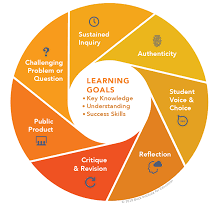



 Parth Sharma