Mental Health Solutions for Directors, Producers, Casting Directors, and Artists in Indian Cinema.

The Indian film industry thrives on creativity, deadlines, and constant public scrutiny. While it generates glamour and recognition, the industry also exerts tremendous pressure on its stakeholders. Directors, producers, casting directors, and artists often struggle with stress, anxiety, performance pressure, and burnout. Below are effective and practical solutions tailored to their unique challenges?

  1. Directors: Balancing Vision and Well-Being.

Challenges: Directors face the dual pressure of realizing their creative vision while managing time-sensitive projects and large teams. This can lead to stress, anxiety, and burnout.

  • Long working hours, creative blocks, and deadline pressures.
  • Balancing artistic vision with commercial viability.
  • Managing large teams and conflicts.

Solutions:

  • Structured Work Routines: Set defined shooting hours to avoid burnout. Enforce mandatory breaks for self and crew.
  • Creative Support Groups: Engage in regular script discussions with peers or mentors to prevent isolation and reduce pressure.
  • Mindfulness Practices: Daily meditation, yoga, or breathing exercises to improve focus and emotional balance.
  • Professional Therapy: Regular sessions with mental health professionals to handle stress and decision fatigue.
  • Delegation & Team Empowerment: Build a strong assistant team to reduce micromanagement and ease the workload.
  • Producers: Managing Financial and Team Pressures.

Challenges: Producers bear responsibility for budgets, investments, deadlines, and team welfare, making them susceptible to chronic stress.

  • Financial risks, constant budget negotiations, and box office expectations.
  • Responsibility for hundreds of crew members.
  • Pressure of investments and industry competition.

Solutions:

  • Financial Planning & Risk Management: Work with financial advisors to reduce stress about budgets and ROI.
  • Stress-Relief Outlets: Incorporate exercise, hobbies, or family time into daily routines.
  • Peer Networking: Join producer forums to share challenges and solutions.
  • Professional Counseling: Therapy or coaching sessions for managing financial anxiety and leadership stress.
  • Transparent Communication: Keep open communication with financiers and crew to reduce misunderstandings and internal pressure.
  • Casting Directors: Handling High-Stakes Decisions.

Challenges: The pressure of choosing the right talent under tight deadlines, facing criticism for decisions, and repeated exposure to rejection can impact mental resilience.

  • Pressure to select the right talent under deadlines.
  • Facing criticism if casting decisions affect film success.
  • Repetitive rejections affecting their emotional resilience.

Solutions:

  • Healthy Work-Life Balance: Avoid late-night marathons of auditions and structure sessions realistically.
  • Team Collaboration: Share responsibilities with assistants to reduce personal burden.
  • Rejection Management Training: Workshops to learn detachment from outcomes and develop resilience.
  • Mindful Audition Environments: Create positive, respectful spaces for actors—benefits both artists and casting teams.
  • Self-Care Rituals: Journaling, music, or meditation to manage stress after high-pressure days.

4. Artists (Actors, Singers, Dancers, Technicians) Artists: Navigating Fame, Rejection, and Pressure.

Challenges: Actors, singers, dancers, and technicians face performance anxiety, body image pressures, job insecurity, and the stress of social media scrutiny.

  • Performance anxiety, body image issues, and social media trolling.
  • Job insecurity and frequent rejection.
  • Struggle with fame, privacy loss, and unrealistic expectations.

Solutions:

  • Mental Health Coaching: Regular therapy for handling rejection, self-esteem issues, and fame-related stress.
  • Skill Diversification: Learning multiple crafts (theatre, OTT, voice-over) to reduce career insecurity.
  • Digital Detox: Scheduled breaks from social media to avoid negativity and trolling.
  • Wellness Habits: Regular sleep, balanced diet, exercise, and meditation.
  • Peer Support Networks: Join communities of fellow actors for shared experiences and encouragement.

5. Industry-Wide Initiatives.

To truly support mental health, the entire industry must adopt systemic measures:

  1. Mental Health Helplines: 24/7 support lines specifically for film professionals.
  2. Wellness Coaches on Sets: Certified counsellors or psychologists available during shoots.
  3. Workplace Guidelines: Enforce maximum working hours, mandatory breaks, and healthy working conditions.
  4. Awareness Campaigns: Normalize conversations around mental health through workshops and panel discussions.
  5. Insurance & Financial Security: Provide affordable health/mental health insurance plans for artists and crew.

Conclusion:
Mental health in Indian cinema needs the same priority as creative and financial success. By adopting structured routines, seeking professional support, practicing mindfulness, and creating industry-wide mental wellness initiatives, Directors, Producers, Casting Directors, and Artists can safeguard their well-being. This not only enhances their personal quality of life but also ensures Sustainable Creativity, Productivity, and Harmony within the film industry.

FAQ:

Q1: How can directors maintain their mental health while managing the creative and logistical pressures of filmmaking?

A: Directors can protect their mental health by creating structured work routines, enforcing breaks, and limiting excessively long hours. Engaging in creative support groups with peers or mentors reduces isolation, while mindfulness practices like meditation and yoga enhance focus and emotional balance. Additionally, delegating tasks to a strong team and consulting mental health professionals can prevent burnout and decision fatigue.

Q2: What strategies can producers adopt to manage financial pressures and team responsibilities without compromising their mental well-being?

A: Producers can reduce stress through financial planning and risk management, working closely with advisors to handle budgets and investments. Incorporating stress-relief outlets such as exercise, hobbies, or family time is crucial. Peer networking with other producers helps in sharing challenges, while transparent communication with crew and financiers prevents misunderstandings. Regular professional counseling supports coping with leadership stress and financial anxiety.

Q3: How can casting directors cope with the stress of high-stakes decisions and repeated exposure to rejection?

A: Casting directors can maintain resilience by creating a healthy work-life balance, scheduling auditions within realistic hours, and collaborating with assistants to share the workload. Rejection management training and mindful audition environments foster emotional stability, while personal self-care rituals like journaling, music, or meditation help decompress after stressful days.

Q4: What are effective mental health practices for artists navigating fame, rejection, and career pressures?

A: Artists benefit from mental health coaching to handle rejection, fame-related stress, and self-esteem challenges. Practicing skill diversification reduces career insecurity, while digital detoxes protect from social media negativity. Maintaining wellness habits—adequate sleep, exercise, balanced diet, and meditation—and participating in peer support networks ensures emotional support and shared learning among fellow artists.

Q5: What industry-wide measures can support mental well-being across Indian cinema?

A: Systemic solutions include 24/7 mental health helplines, wellness coaches on sets, and enforceable workplace guidelines such as maximum working hours and mandatory breaks. Awareness campaigns normalize mental health conversations, while insurance and financial security measures provide affordable health coverage for artists and crew. Together, these initiatives foster a sustainable, creative, and supportive environment for all stakeholders.

Tech Troubles: Tackling Mental Health Issues in the Digital Age.

In today’s digital age, the pervasive presence of technology has brought about unprecedented convenience and connectivity. However, amidst the myriad benefits that technology offers, there lies a growing concern surrounding its impact on mental health. The constant barrage of notifications, social media pressures, and digital distractions can take a toll on our psychological wellbeing. In this article, we delve into the intricate relationship between technology and mental health, explore the signs of tech-related mental health issues, and provide strategies for maintaining a healthy balance in the digital realm.

1. The Impact of Technology on Mental Health.

1.1 Understanding the Connection between Technology Use and Mental Wellbeing.

Ever felt like your phone is an extension of your hand? You’re not alone. Our digital devices play a significant role in our lives, affecting our mental health in ways we may not even realize.

1.2 Common Mental Health Challenges Associated with Technology.

From the scrolling rabbit hole of social media to the constant ping of notifications, tech can lead to anxiety, depression, and even sleep disturbances. It’s like a love-hate relationship with our screens.

2. Recognizing Signs of Tech-Related Mental Health Issues.

2.1 Behavioral Changes to Watch for.

Are you spending more time online than off? Do you feel agitated when you’re away from your gadgets? These could be red flags signalling that your tech use is messing with your mental well-being.

2.2 Emotional Symptoms to Be Aware Of.

Feeling irritable, disconnected, or overwhelmed? Tech overload might be to blame. If your screen time is leaving you feeling more frazzled than chill, it’s time to take a breather and assess the situation.

3. Strategies for Managing Digital Overload.

3.1 Establishing Healthy Tech Habits.

It’s all about balance, baby. Set screen time limits, take tech breaks, and prioritize real-life connections. Your mental health will thank you for finding that sweet spot between digital and analogue.

3.2 Setting Boundaries and Limits with Technology Use.

Remember, you’re in control of your devices, not the other way around. Learn to say no to the endless scroll and yes to activities that nurture your mind and soul. Your mental well-being is worth more than endless notifications.

4. Promoting Digital Wellness and Balance.

4.1 Incorporating Mindfulness Practices into Daily Routine.

Pause, breathe, unplug. Mindfulness can help you stay present, reduce tech-related stress, and reconnect with the world beyond the screen. It’s like a digital detox for your brain.

4.2 Engaging in Offline Activities for Mental Wellbeing.

Step away from the screen and into the sunshine. Whether it’s a walk in nature, a coffee date with a friend, or a good old-fashioned book, offline activities can recharge your mental batteries and remind you of life beyond pixels.

So, tech-savvy folks, let’s navigate the digital landscape mindfully and prioritize our mental well-being in this tech-driven world. Remember, it’s all about finding that balance between bytes and breaths.

In a world where our smartphones are practically extensions of our hands and social media influences our self-worth, it’s no surprise that mental health issues can be exacerbated by our constant connection to technology. But fear not, dear reader, for there are ways to navigate this digital minefield and prioritize your mental well-being.

5. Seeking Support and Resources for Mental Health in the Digital Age.

5.1 Professional Counseling and Therapy Options.

When the digital overwhelm becomes too much to handle, seeking professional help can be a game-changer. Therapists and counsellors trained in addressing tech-related mental health issues can provide valuable insights and coping strategies. Don’t hesitate to reach out for support – your mental health is worth it.

5.2 Online Communities and Support Groups for Tech-Related Mental Health Issues.

Sometimes, sharing your struggles with others who understand can make all the difference. Online communities and support groups dedicated to tech-related mental health issues offer a safe space to connect, share experiences, and learn from one another. Remember, you’re not alone in this digital journey, so lean on these virtual pillars of support when needed. As we navigate the complexities of the digital age, it is crucial to prioritize our mental health and well-being. By recognizing the signs of tech-related mental health issues, implementing strategies to manage digital overload, and seeking support when needed, we can cultivate a healthier relationship with technology. Remember, finding a balance between the digital world and our mental wellness is key to living a fulfilling and sustainable life in the digital age.

Factors Affecting Student Engagement in Education.

Student disinterest in academic studies is a pervasive issue that can have profound implications on educational outcomes and personal development. Understanding the root causes of this disengagement is crucial in crafting effective strategies to reignite student passion for learning. In this article, we delve into the multifaceted factors influencing student engagement, examining both external influences such as societal dynamics and internal barriers including self-efficacy and fear of failure. By exploring the role of educators and highlighting successful interventions, we aim to provide a comprehensive overview of how to crack the code of student disinterest and cultivate a culture of academic curiosity.

1. Introduction: Understanding the Issue of Student Disinterest.

a) The prevalence of student disinterest in academic studies.

Student disinterest in academic studies is a common issue that educators face. Many students often struggle to find motivation and enthusiasm for their schoolwork, leading to a lack of engagement in learning.

b) The impact of disengagement on academic performance.

When students are disinterested in their studies, it can have a significant impact on their academic performance. Disengagement can lead to lower grades, decreased participation in class, and a lack of overall progress in learning.

2. Factors Influencing Student Engagement in Academic Studies.

a) Social factors affecting student motivation.

Social factors, such as peer relationships, family support, and the school environment, can play a significant role in influencing student motivation. A positive social network can enhance student engagement, while negative social interactions can contribute to disinterest in academics.

b) Psychological factors contributing to student disinterest.

Psychological factors, including self-esteem, self-efficacy, and mental health, can also contribute to student disinterest in academic studies. Students may struggle with feelings of inadequacy or lack of confidence, which can impact their motivation to learn.

3. Impact of External Influences on Student Motivation.

a) Family dynamics and their influence on student engagement.

Family dynamics, including parenting styles, socioeconomic status, and family expectations, can have a profound impact on student engagement in academics. Supportive family environments can foster motivation, while negative family dynamics can hinder student interest in learning.

b) Cultural and societal factors affecting student interest in academics.

Cultural and societal influences, such as media representation, societal norms, and cultural attitudes towards education, can also impact student interest in academics. Students from diverse backgrounds may face unique challenges that influence their motivation to engage in learning.

4. Addressing Internal Barriers to Student Interest.

a) Self-efficacy and its role in shaping student motivation.

Self-efficacy, or one’s belief in their ability to succeed, plays a crucial role in shaping student motivation. Educators can help students build self-efficacy by providing opportunities for success and fostering a growth mindset.

b) Overcoming fear of failure and promoting a growth mindset.

Fear of failure can be a significant barrier to student interest in academics. By promoting a growth mindset, where students view challenges as opportunities for growth and learning, educators can help students overcome their fear of failure and become more engaged in their studies.

5. The Role of Educators in Cultivating Student Engagement.

a) Creating a supportive learning environment.

Educators play a crucial role in creating a supportive learning environment that fosters student engagement. By showing empathy, understanding, and being approachable, teachers can make students feel comfortable and motivated to participate actively in their academic journey.

b) Utilizing innovative teaching methodologies to spark interest.

Incorporating innovative teaching methodologies can be a game-changer in sparking students’ interest in academics. From gamification to project-based learning, educators have a plethora of tools at their disposal to make learning more engaging and meaningful for students.

6. Strategies for Fostering a Culture of Academic Curiosity.

a) Promoting interdisciplinary studies and real-world applications.

Encouraging interdisciplinary studies and showcasing real-world applications of academic concepts can pique students’ curiosity and show them the relevance of what they are learning. Making connections between different subjects and their practical implications can inspire a deeper interest in academics.

b) Encouraging student autonomy and self-directed learning.

Empowering students to take ownership of their learning journey through autonomy and self-directed learning can be a game-changer in fostering a culture of academic curiosity. When students have the freedom to explore topics that interest them and drive their learning process, they are more likely to stay engaged and motivated.

7. Case Studies and Success Stories in Rekindling Student Passion.

a) Examples of effective interventions to reignite student interest.

Exploring real-life examples of effective interventions that have successfully reignited student interest in academics can provide valuable insights for educators. From mentorship programs to personalized learning approaches, these case studies can offer inspiration and practical strategies to rekindle student passion.

b) Testimonials from students who have overcome disinterest in academics.

Listening to testimonials from students who have successfully overcome their disinterest in academics can be a source of motivation and encouragement for others facing similar challenges. These success stories can showcase that with the right support and strategies, it is possible to reignite passion for learning.

8. Conclusion: Building a Sustainable Framework for Student Motivation.

a) Summary of key strategies for sustaining student engagement.

In conclusion, building a sustainable framework for student motivation requires a combination of creating a supportive environment, utilizing innovative teaching methodologies, promoting curiosity through interdisciplinary studies, empowering student autonomy, and drawing inspiration from successful interventions and testimonials.

b) Recommendations for future research and initiatives in this area.

Moving forward, it is essential to continue researching and implementing initiatives that focus on sustaining student engagement in academic studies. By staying abreast of the latest research findings and exploring new strategies, educators can further enhance their ability to cultivate student interest and motivation in the long run. In conclusion, fostering student motivation and interest in academic studies requires a holistic approach that addresses both external influences and internal barriers. By prioritizing supportive learning environments, innovative teaching methodologies, and a focus on student autonomy, we can build a sustainable framework for sustaining student engagement. Through continued research and collaborative efforts, we can empower students to overcome disinterest and cultivate a lifelong love for learning.

Promoting Mental Health and Wellness in Schools through Counsellors.

Promoting mental health and wellness in schools is a critical component of fostering a supportive and nurturing learning environment for students. School counsellors play a pivotal role in addressing the mental health needs of students, offering individualized support, guidance, and intervention when necessary. In this article, we will explore the various ways in which school counsellors contribute to the promotion of mental health within educational settings. From implementing comprehensive mental health programs to collaborating with teachers and administrators, school counsellors are instrumental in creating a culture of emotional well-being and resilience among students.

The Role of School Counsellors in Promoting Mental Health.

Understanding the Role of School Counsellors.

School counsellors are like the Gandalf’s of the education world, except instead of magic wands, they wield listening skills, empathy, and a treasure trove of strategies to support students’ mental well-being. These unsung heroes help create a safe space for students to express their thoughts and feelings, navigate challenges, and develop crucial coping mechanisms.

Delivering Individual and Group Counseling Sessions.

Think of school counsellors as the therapists of the school setting, without the intimidating couch and the silence that feels heavier than a stack of textbooks. They conduct one-on-one sessions to provide personalized support and also lead group sessions where students can bond over shared experiences and learn from one another.

Implementing Comprehensive Mental Health Programs in Schools.

Designing Mental Health Curriculum and Resources.

School counsellors are the brains behind crafting mental health programs that seamlessly fit into the school curriculum. From interactive workshops on stress management to resources on mindfulness exercises, they ensure that mental health education becomes as essential as acing that math test.

Establishing Mental Health Awareness Campaigns and Events.

Picture this: school hallways adorned with colourful posters promoting mental health awareness events and campaigns organized by school counsellors. These events not only break the stigma surrounding mental health but also create a buzz that encourages students to open up about their struggles.

Providing Emotional Support and Guidance to Students.

Building Trust and Rapport with Students.

School counsellors are masters at turning the school’s corridors into trust-building zones. By establishing genuine connections with students, they create a safe harbour where students feel comfortable sharing their worries, personal doubts and issues, fears, and dreams without the fear of judgment.

Offering Confidential Support and Encouragement.

Confidentiality is the bread and butter of school counsellors. Students can spill their deepest secrets, worries, and hopes knowing that it stays between them and the counsellor. Add a sprinkle of encouragement and a dash of empowerment, and you’ve got a recipe for positive change.

Collaborating with Teachers and Administrators for Holistic Support.

Creating a Multi-Disciplinary Support Team.

School counsellors are the maestros orchestrating a symphony of support by collaborating with teachers and administrators. Together, they form a multi-disciplinary team that tackles student well-being from all angles, ensuring no student is left to navigate their struggles alone.

Participating in Student Intervention and Support Meetings.

When the academic seas get stormy for students, school counsellors don their life jackets and join intervention and support meetings to chart a course for success. By providing insights into students’ mental health needs, they help tailor interventions that set students on the path to smoother sailing.

Addressing Mental Health Stigma and Increasing Awareness.

In the quest to boost mental health and wellness in schools, countering stigma and raising awareness are key players. By educating students, parents, and staff on mental health matters, we pave the way for de-stigmatization and understanding. Let’s keep the conversation going and promote a culture of acceptance and empathy within school walls.

Offering Crisis Intervention and Support Services.

In times of mental health emergencies and critical incidents, having supportive services at the ready is crucial. School counsellors play a frontline role in responding swiftly and efficiently to such situations. They not only provide immediate intervention but also offer referrals to external mental health professionals for ongoing support.

Incorporating Mindfulness and Wellness Activities in School Settings.

Integrating mindfulness practices into the daily school routine can work wonders for mental well-being. From mindful breathing exercises to guided meditation, these activities help students and staff manage stress and build resilience. Additionally, promoting physical activities and healthy lifestyle choices adds a holistic touch to fostering wellness in school environments. In conclusion, the dedication and expertise of school counsellors are essential in promoting mental health and wellness in schools. By providing emotional support, guidance, and resources, counsellors help students navigate challenges, build resilience, and thrive academically and emotionally. Through collaboration with school staff and the implementation of holistic mental health programs, school counsellors play a vital role in creating a safe and supportive environment where every student can flourish.

Integrating Mindfulness into Education: A Game-Changer.

In recent years, the integration of mindfulness practices in education has gained traction as a transformative approach to enhancing student well-being and academic performance. Particularly in high school settings, such as 12th and 10th grade classrooms, the benefits of mindfulness techniques are increasingly recognized as a game-changer in supporting students’ mental health and learning outcomes. This article delves into the significance of mindfulness in education, exploring its origins, potential benefits for students, practical implementation strategies, and the role it plays in cultivating resilience and empathy. By shedding light on the power of mindfulness practices in transforming the educational experience, educators and stakeholders can glean insights into how this approach can positively impact the lives of high school students.

1. Introduction to Mindfulness in Education.

a) The Concept of Mindfulness.

Mindfulness is all about being present in the moment, paying attention to our thoughts and feelings without judgment. It involves being fully aware of what is happening within and around us, helping to cultivate a sense of calm and clarity in our daily lives.

b) Historical Context of Mindfulness in Education.

The practice of mindfulness has roots in ancient meditation traditions, but its application in modern education settings has gained popularity in recent years. Schools are increasingly recognizing the benefits of mindfulness for student well-being and academic performance.

2. Benefits of Mindfulness for 12th & 10th Grade Students.

a) Improved Focus and Attention.

Mindfulness practices can enhance students’ ability to concentrate on tasks, stay present in the classroom, and absorb information more effectively. This improved focus can lead to better academic performance and overall learning outcomes.

b) Reduced Stress and Anxiety Levels.

High school can be a stressful time for many students, with the pressure of exams, college applications, and social dynamics. Mindfulness techniques can help students manage their stress levels, reduce anxiety, and build resilience in the face of challenges.

3. Implementing Mindfulness Practices in School Settings.

a) Training Educators in Mindfulness Techniques.

To effectively introduce mindfulness in schools, educators can benefit from training in mindfulness techniques themselves. Teachers who practice mindfulness are better equipped to incorporate these practices into classroom routines and support students in developing their own mindfulness skills.

b) Incorporating Mindfulness into the Curriculum.

Integrating mindfulness into the curriculum can include dedicated mindfulness sessions, incorporating mindfulness activities into existing lessons, or creating a school-wide culture that promotes mindfulness practices. This can help students experience the benefits of mindfulness in a structured and consistent way.

4. Mindfulness Techniques for Stress and Anxiety Management.

a) Breathing Exercises for Relaxation.

Simple breathing exercises can be powerful tools for managing stress and anxiety. Encouraging students to focus on their breath, practice deep breathing techniques, and engage in mindful breathing exercises can help them calm their minds and bodies during stressful moments.

b) Body Scan Meditation Techniques.

Body scan meditation involves bringing awareness to different parts of the body, noticing sensations without judgment, and releasing tension. This practice can help students develop body awareness, alleviate physical discomfort, and relax both body and mind, making it a valuable tool for stress management.

5. Enhancing Academic Performance through Mindfulness.

a) Improving Memory and Retention.

Mindfulness isn’t just about being present; it also enhances memory and retention. By training the mind to focus on the task at hand, students can better absorb and recall information.

b) Promoting Cognitive Flexibility.

Mindfulness encourages students to approach challenges with an open mind. This flexibility in thinking can lead to more creative problem-solving and adaptability in academic settings.

6. Cultivating Emotional Resilience and Empathy.

a) Developing Self-Awareness and Emotional Regulation.

Through mindfulness practices, students can better understand their emotions and learn to regulate them effectively. This self-awareness can lead to improved emotional resilience.

b) Fostering Empathy and Compassion towards Others.

By being more in tune with their own emotions, students can also develop a deeper sense of empathy and compassion towards their peers. This can improve relationships and create a more supportive learning environment.

7. Overcoming Challenges in Integrating Mindfulness in Education.

a) Addressing Scepticism and Misconceptions.

One of the main challenges in integrating mindfulness in education is addressing scepticism and misconceptions about its effectiveness. Educating stakeholders about the proven benefits of mindfulness can help overcome this barrier.

b) Ensuring Sustainability of Mindfulness Programs.

Another challenge is ensuring the sustainability of mindfulness programs in schools. By providing ongoing training for educators and incorporating mindfulness into the broader school culture, these programs can thrive in the long term.

8. Future Directions and Recommendations.

a) Research Opportunities in Mindfulness and Education.

There is a wealth of research opportunities in exploring the impact of mindfulness on education. By conducting more studies and sharing findings, we can continue to refine and improve mindfulness practices in schools.

b) Policy Implications for Integrating Mindfulness in Schools.

To fully integrate mindfulness in education, policymakers need to recognize its value and provide support. Implementing guidelines, funding initiatives, and training programs can help schools effectively integrate mindfulness into their curriculum. In conclusion, mindfulness in education holds immense promise for nurturing holistic development and well-being among 12th and 10th grade students. By embracing mindfulness practices, schools can create supportive environments that empower students to manage stress, enhance focus, and foster emotional resilience. As we continue to explore the potential of mindfulness in education, it is evident that cultivating a mindful culture within schools can be a transformative force, shaping not only academic success but also the overall health and happiness of students as they navigate the challenges of high school and beyond.

How to Address Teenage Substance Abuse Effectively.

Breaking the Cycle: Addressing the Underlying Causes of Teenage Substance Use is a critical exploration into the complex issues surrounding adolescent substance abuse. This article delves into the various factors that contribute to teenage substance use, shedding light on the impact it has on teenagers’ physical, mental, and emotional well-being. By understanding the root causes of this pervasive issue, we can implement preventive measures, interventions, and support systems to empower teens to make healthy choices and break free from the cycle of substance use.

1. Introduction to Teenage Substance Use.

Teenage substance use is like that one uninvited guest at a party who ends up causing chaos. It’s a serious issue that can have lasting effects on a young person’s life. Understanding the why behind teenage substance use is key to breaking the cycle and helping teens make healthier choices.

a. Understanding the Scope of Teenage Substance Use.

From experimenting with alcohol at a party to getting hooked on prescription drugs, teenage substance use comes in many shapes and sizes. It’s more common than you might think, with a significant number of teens dipping their toes into the dangerous waters of substance abuse.

b. Commonly Abused Substances among Teens.

Teens these days have a veritable buffet of substances to choose from, much to the dismay of parents and health professionals alike. From the classics like alcohol and marijuana to the more trendy options like vaping and prescription pills, there’s no shortage of ways for teens to get themselves into trouble.

2. Factors Contributing to Teenage Substance Use.

Teenagers aren’t just randomly deciding to dive into the world of substance use like it’s a pool party. There are underlying factors that play a significant role in pushing them down that path.

a. Influence of Peer Pressure.

Ah, good old peer pressure, the timeless classic of teenage influence. Teens are like sponges, absorbing the behaviors and attitudes of their friends like it’s their job. When those friends are pushing them to try substances, it can be hard for teens to resist the temptation.

b. Impact of Family Dynamics.

Family dynamics can be a wild rollercoaster ride, and not always the fun kind. Issues like parental substance abuse, neglect, or a lack of communication within the family can create an environment where teens turn to substances as a coping mechanism.

3. Psychological and Emotional Triggers.

Life as a teenager is already a rollercoaster of emotions without adding substance use into the mix. Factors like stress, anxiety, depression, or past trauma can drive teens to seek solace in substances, hoping to numb the pain or escape reality.

a. Impact of Substance Use on Teenagers.

Substance use isn’t just a temporary thrill for teens; it can have long-lasting consequences that reach far beyond the teenage years.

b. Physical Health Consequences.

When it comes to substance use, the body is like a fragile vase – it can handle a little bump here and there, but too much pressure, and it shatters. Substance abuse can wreak havoc on a teenager’s developing body, leading to issues like liver damage, respiratory problems, and a whole host of other health issues.

c. Mental and Emotional Effects.

The teenage brain is already a work in progress, and substance use throws a giant wrench into the machinery. It can mess with a teenager’s cognitive abilities, emotional regulation, and overall mental well-being, leading to issues like anxiety, depression, and even addiction.

4. Addressing Root Causes of Teenage Substance Use.

To break the cycle of teenage substance use, we need to roll up our sleeves and get to the root of the problem. It’s time to dig deep and address the underlying issues that are driving teens to turn to substances.

a. Identifying Underlying Issues and Triggers.

Like a detective solving a mystery, we need to uncover the hidden factors that are pushing teens towards substance use. Whether its unresolved trauma, a lack of coping skills, or a need for belonging, identifying these triggers is the first step towards helping teens find healthier ways to navigate life’s challenges.

b. Providing Education and Awareness.

Knowledge is power, and when it comes to teenage substance use, education is key. By arming teens with information about the risks and consequences of substance abuse, we can empower them to make informed decisions and resist the allure of dangerous substances. Let’s educate, support, and guide our teens towards a brighter, substance-free future.

5. Preventive Measures and Interventions.

a. School-Based Prevention Programs.

School-based programs are like that wise friend who whispers, “Hey, maybe don’t chug that mystery liquid.” They educate teens on the risks of substance use, building their armour of knowledge.

b. Early Intervention Strategies.

Think of early intervention as that superhero swooping in just in time to stop a disaster. It’s about spotting warning signs and stepping in before things spiral out of control.

6. Support Systems for Teens Struggling with Substance Use.

a. Access to Counseling and Treatment Services.

When life hands you lemons, counseling and treatment services help make lemonade. They provide teens with the tools to navigate their challenges and come out stronger on the other side.

b. Peer Support Groups and Mentorship Programs.

Peer support groups and mentorship programs offer teens a safe space to share their struggles and victories, kind of like a secret clubhouse where everyone has each other’s back.

7. Role of Parents and Guardians in Breaking the Cycle.

a. Communication and Setting Boundaries.

Parents and guardians are the OG influencers. By open communication and setting boundaries, they can guide their teens towards the light and away from the dark alleys of substance use.

b. Seeking Professional Help and Guidance.

When in doubt, call in the professionals. Seeking help isn’t a sign of weakness but a superhero move in itself. Professionals can provide insights and strategies to support both teens and their guardians.

**Conclusion: Empowering Teens to Make Healthy Choices**

In the grand finale, it’s all about empowering teens to be the captains of their own ships. By equipping them with knowledge, support, and guidance, we can help them steer towards a future filled with healthy choices and endless possibilities. In conclusion, it is evident that addressing the underlying causes of teenage substance use is essential in supporting the well-being of our youth. By recognizing the factors that lead to substance abuse, implementing preventive measures, providing necessary support, and involving parents and guardians in the process, we can work towards breaking the cycle and empowering teenagers to make informed and healthy choices for a brighter future.

How to Stress Free Do the Exam Paper Checking For School Teachers.

Introduction.

Exam paper checking is an essential task for school teachers, but it can often become a source of stress and overwhelm. The pressure to accurately review and grade numerous papers within a limited time frame can take a toll on teachers’ well-being and overall effectiveness. However, with proper strategies and a stress-free approach, teachers can streamline the process and ensure fair evaluation without sacrificing their mental and emotional well-being. In this article, we will explore various techniques and tips to help teachers approach exam paper checking in a stress-free manner. From preparation and organization to time management and utilizing technology, these guidelines will empower teachers to efficiently and effectively assess students’ work while maintaining a positive mindset throughout the process.

1. Importance of Stress-Free Exam Paper Checking.

Exam paper checking is a crucial task for school teachers, but it doesn’t have to be a stress-inducing nightmare. Understanding the impact of stress on teachers and recognizing the benefits of stress-free exam paper checking can make a world of difference in our sanity and the quality of our work.

a) Understanding the Impact of Stress on Teachers.

Let’s face it; stress and teaching often go hand in hand. But when it comes to exam paper checking, stress can escalate to a whole new level. It can leave us feeling overwhelmed, exhausted, and even questioning our career choices. Not to mention the toll it takes on our mental and physical well-being. Stress can negatively affect our ability to focus, make sound judgments, and provide valuable feedback to our students. It’s time to break free from the clutches of stress and reclaim our sanity!

b) Benefits of Stress-Free Exam Paper Checking.

Now, picture a world where exam paper checking is a breeze. A stress-free approach to this task not only benefits our own well-being but also enhances the quality of our feedback to students. When we are calm and collected, we’re able to provide insightful comments, constructive criticism, and helpful suggestions. Our students deserve our undivided attention, and a stress-free mindset allows us to deliver just that. Plus, who wouldn’t want to enjoy a peaceful night’s sleep without being haunted by visions of test papers?

2. Preparation for Efficient Exam Paper Checking.

Preparing for exam paper checking is like building a strong foundation for a stress-free experience. With the right workspace and necessary materials in place, we’ll be able to tackle the task with ease.

a) Creating a Comfortable and Organized Workspace.

First things first, let’s create a workspace that feels like a cozy retreat. Get rid of unnecessary clutter and distractions. Surround yourself with things that make you happy, whether it’s a potted plant, a motivational quote, or a picture of your adorable pet. Make sure your seating arrangement is comfortable, because nobody wants an achy back on top of everything else. Remember, your workspace should inspire joy, not trigger nightmares.

b) Gathering Necessary Materials and Resources.

To avoid last-minute scavenger hunts, gather all the materials and resources you’ll need beforehand. Stock up on pens, highlighters, sticky notes, and any other tools of the trade. Don’t forget to have a reliable and efficient method for recording scores, such as a spreadsheet or grading software. Being well-equipped will save you time and frustration, allowing you to focus on the task at hand – without the unnecessary treasure hunt.

3. Organizing Exam Papers and Creating a Checklist.

Organizing exam papers doesn’t have to resemble a chaotic tornado of papers. With a systematic approach and a handy checklist, you’ll be able to sail through the process smoothly.

a) Sorting and Labeling Exam Papers.

Start by sorting and organizing exam papers according to classes, sections, or subjects. Label each pile clearly to avoid any mix-ups. Consider using color-coded labels or stickers for an added visual appeal. When it’s time for paper checking, you’ll thank your past self for this little act of organization. Remember, a little organizing now saves you from a mountain of confusion later.

b) Creating a Checklist for Easy Tracking and Completion.

Ah, the beauty of checklists! Create a simple and comprehensive checklist that outlines the steps you need to take for each exam paper. This can include tasks like checking for correct answers, tallying marks, and providing comments. As you complete each item on the checklist, mark it off triumphantly, giving yourself a mini celebration each time. Not only does a checklist keep you organized, but it also gives you the satisfaction of visual progress. Checklists, the unsung heroes of stress-free paper checking.

4. Effective Time Management Techniques.

Time, the elusive and ever-ticking companion. When it comes to exam paper checking, time management can be a teacher’s best friend. Let’s explore some techniques to make the most of our precious minutes.

a) Prioritizing Papers based on Importance or Deadline.

Not all exam papers are created equal. Some may require more attention, while others have impending deadlines. Prioritize your papers based on their importance or due dates. This way, you can focus on the high-stakes ones first and then proceed accordingly. Remember, Rome wasn’t built in a day, and neither should your paper checking marathon be. Divide and conquer!

b) Setting Realistic Time Blocks for Paper Checking.

Avoid falling into the black hole of eternal paper checking by setting realistic time blocks for each task. Break down your workload into manageable chunks and allocate specific time slots for each. This will prevent burnout and provide a sense of structure to your day. Remember, you’re not a superhero, but with smart time management, you can be the hero of your paper checking adventures.

Now armed with the knowledge of stress-free exam paper checking, go forth and conquer the daunting task with a smile on your face and a pen in your hand. You got this, teacher!

5. Maintaining a Positive Mindset during Exam Paper Checking.

a) Practicing Self-Care and Stress-Relief Techniques.

When it comes to exam paper checking, it’s easy to get overwhelmed and stressed. But hey, teacher, don’t forget to take care of yourself! Prioritize self-care and incorporate stress-relief techniques into your routine. Whether it’s going for a walk, practicing yoga, or binge-watching your favorite show, do whatever helps you unwind and recharge. Remember, you can’t pour from an empty cup!

b) Adopting a Growth Mindset and Embracing Mistakes as Learning Opportunities.

Nobody’s perfect, and that includes your students and their exam papers. Embrace a growth mindset and see mistakes as valuable learning opportunities, both for your students and yourself. Instead of dwelling on the errors, focus on how you can help your students improve. And don’t forget to give yourself some grace too! As a teacher, you’re constantly learning and growing alongside your students.

6. Strategies for Efficiently Reviewing and Grading Papers.

a) Skimming and Scanning Techniques for Quick Initial Assessment.

Let’s face it, sometimes you have a mountain of papers to grade and a limited amount of time. To tackle this challenge, try using skimming and scanning techniques for a quick initial assessment. Skim through the papers to get a general idea of the content, and then scan for specific details or keywords. This way, you can identify any glaring issues or standout performances without getting lost in the sea of papers.

b) Implementing a Consistent and Fair Grading Rubric.

Consistency is the name of the game when it comes to grading. Develop a clear and fair grading rubric that aligns with the learning objectives and criteria you’ve set for the exam. This will not only help you provide consistent feedback but also ensure fairness across all the students. Plus, having a rubric will make your life easier and save you from the headache of making subjective decisions on the fly.

7. Utilizing Technology and Tools for Streamlined Paper Checking.

a) Leveraging Online Grading Platforms or Software.

We live in a digital age, and there’s no shame in embracing technology to make your life easier. Explore online grading platforms or software that can streamline the process of paper checking. These tools often offer features like automated scoring, data analysis, and even the ability to provide feedback digitally. Say goodbye to piles of papers and hello to a more organized and efficient grading experience!

b) Using Digital Marking or Annotation Tools.

If you’re still stuck with physical papers, fear not! There are digital marking and annotation tools that can save you from drowning in a sea of red ink. From PDF editors to specialized grading apps, these tools allow you to mark and annotate papers digitally, making it easier to provide feedback and track progress. Not to mention, they spare you from the hassle of deciphering your own handwriting!

8. Implementing Feedback and Communication with Students.

a) Providing Constructive Feedback for Growth and Improvement.

Grading papers isn’t just about assigning scores; it’s about helping your students grow and improve. When providing feedback, focus on constructive criticism that highlights areas for improvement while also acknowledging their strengths. Remember, your words have the power to motivate and inspire, so use them wisely!

b) Establishing Effective Communication Channels with Students.

Communication is key, both inside and outside the classroom. Establish effective communication channels with your students to address any concerns or questions they may have about their graded papers. Whether it’s through email, online platforms, or even good old-fashioned face-to-face conversations, make yourself available and approachable. Your students will appreciate your willingness to help and support them through the learning process. In conclusion, implementing stress-free exam paper checking techniques not only benefits teachers but also ensures fair and accurate evaluation of students’ work. By prioritizing preparation, organization, and effective time management, teachers can approach this task with confidence and without unnecessary stress. Additionally, adopting a positive mindset, utilizing technology, and implementing constructive feedback and communication with students further enhance the overall experience. With these strategies in place, teachers can navigate the exam paper checking process smoothly, allowing them to focus on their students’ growth and success.

FAQ:

1. Is it really necessary to stress-free exam paper checking?

Exam paper checking is an important task for teachers, but the process can often be overwhelming and stressful. By adopting stress-free techniques, teachers can not only improve their own well-being but also ensure a fair and accurate evaluation of students’ work. Stress-free paper checking allows teachers to maintain focus, provide valuable feedback, and ultimately support students’ growth and success.

2. How can I manage my time effectively during exam paper checking?

Time management is crucial during exam paper checking. Start by prioritizing papers based on importance or deadline, and allocate realistic time blocks for each task. Creating a schedule or checklist can help you stay organized and track your progress. It is also important to take short breaks to rest and recharge, ensuring that your evaluation remains consistent and accurate.

3. Can technology help simplify the exam paper checking process?

Yes, technology can be a valuable tool for streamlining exam paper checking. Online grading platforms or software can automate certain tasks, such as calculating grades or providing feedback. Digital marking or annotation tools can make the process more efficient and organized. Leveraging these technological resources can save time and effort, allowing teachers to focus on the content and quality of students’ work.

4. How can I maintain a positive mindset during the exam paper checking process?

Maintaining a positive mindset is essential during the exam paper checking process. Practice self-care and stress-relief techniques to manage any anxieties or frustrations that may arise. Adopt a growth mindset and embrace mistakes as learning opportunities, both for yourself and your students. Remember that your role is to support and guide students’ learning journey, and a positive mindset will enhance your effectiveness as a teacher.

“Teachers Have 3 Loves: Love of Learning, Love of Learners, and the Love of Bringing the First Two Loves Together”

Every Teacher Should Be Aware Of Stress Management Techniques.

Teachers who do not understand how to effectively manage stress limit their ability to educate their students. Emotions are also important in decision-making. Overwhelm, anxiety, and frustration can all impair our ability to make sound decisions.

When the demands placed on you, such as work, school, or relationships, exceed your ability to cope, you experience stress. It can be a short-term reaction, such as being stuck in traffic or being late for school, or it can last for a long time if you’re dealing with relationship or money problems, the death of a loved one, or other serious situations. While some stress can be beneficial, such as stress that motivates you to study for an exam or perform well in a sporting event, untreated long-term stress has been linked to serious health issues such as depression, heart disease, obesity, and a weakened immune system.

According to a survey, women consistently report higher levels of stress than men. We don’t know if this is because women face more demands than men, such as taking on more family responsibilities, or because men and women experience stress differently. However, it is clear that chronic stress can have physical and emotional consequences if we do not find better ways to manage it.

Irritability, difficulty sleeping, changes in appetite, headaches, stomach aches, intestinal problems, nervousness, excessive worry, sadness or depression are all symptoms of stress. Stress can have an adverse effect on a woman’s ability to conceive, the health of her pregnancy, and how she adjusts after giving birth. It can also have an effect on menstruation and sexual desire, and it can aggravate premenstrual symptoms.

It may appear difficult for women juggling multiple responsibilities to find time to adequately manage stress. People who are under a lot of stress may try to cope by overeating or undereating, drinking alcohol, smoking, gossiping, or lying around the house. The good news is that there are effective stress management techniques. Here are some clever ways to cope:

Breathe Correctly.

Sensory overload can occur in the classroom. Before you know it, your heart rate is increasing, you’re breaking out in a sweat, and your mind is racing. The most effective first step you can take in these situations is to breathe deeply. So, it’s not the most recent technique, and it appears to be overly simple, right? When you’re stressed, breathe in deeply for four seconds (place your hands on your stomach and feel it expand out), then exhale evenly for four seconds. Maintain this for 2-3 minutes for maximum effect.

Accept the Stress.

Whether you believe stress is positive or negative, you are correct: viewing stress constructively will cause your body to respond differently and prevent long-term physical damage. Those who have negative attitudes towards stress, on the other hand, face a variety of negative health outcomes similar to those caused by smoking. So, how do you alter your attitude towards stress? Reframing changes in heart rate and other stress-related physical symptoms with phrases such as “This is my body helping me rise to this challenge.”

Imperfect Yourself.

Those who are overly stressed and unhappy often have one thing in common: they believe they should be someone better than they are. As a result, today’s working-age population is the most obese, addicted, and indebted in history. Teachers are frequently prone to perfectionism and its negative consequences: they frequently believe that they are not doing enough, or that their mistakes are magnified due to the importance of their job. Fight back if you find yourself feeling this way. The truth is that you are already “enough,” and you deserve to be loved and praised. Don’t forget about it.

First Aid for Emotions.

Do you criticise yourself when you fail or make a mistake? It would be like getting a cut and then finding ways to aggravate the wound. We don’t do that when we’re in physical pain, so why do we dwell on mistakes and aggravate the wound when we’re in emotional pain? Finding ways to break negative thought patterns is recommended if you find yourself taking your classroom work home with you. Sometimes a two-minute distraction is all that is required to avoid getting stuck in an emotional rut.

Be Thankful.

This isn’t about delusion or forcing yourself to be grateful for things that are clearly negative, but rather about a determination to see the opportunity to move in a new direction present in each moment. The formula is simple: “Stop, look, go.” We must pause, quiet our minds, and create “stop signs”—miniature reminders of things for which we should be grateful every day. By “look,” I mean to open all of your senses and simply enjoy life. “Go” means to move forward and take advantage of what life has to offer at any given time.

“Grass is Greener” Thinking.

“The greenest grass grows where it is watered.” It’s not always what you want to hear on a bad day, but the reality is that you will face difficulties wherever you go.

Work Smarter rather than Harder.

It’s easy to conflate exhaustion and burnout with hard work. Working hard and doing good work does not have to leave you exhausted and tense. Consider delegating some of your work or investing in tools or technologies that will make your life easier.

Connect with Someone.

When you connect with another person, your body produces oxytocin, a chemical that aids in heart repair. And you don’t even have to be on the receiving end: helping someone else has the same effect. Teachers already devote a significant amount of time to this, but it is also critical to cultivate relationships with colleagues, neighbours, and friends. Except for those who reported caring for others, who experienced NO such effects, major stressful life events are generally strongly linked with negative health outcomes. You are much less likely to experience the negative effects of stress if you help your neighbours, family, and so on. Friends and family members who have faced similar challenges may have useful ideas and perspectives to share. There is no reason to face difficult life circumstances alone. Indeed, support from family or friends may help you begin and maintain better self-care.

Keep track of your stressors. Keep a journal to track which situations cause you the most stress and how you deal with them. Keep a journal of your thoughts, feelings, and observations about the environment, including the people and circumstances involved, the physical setting, and your reactions. Taking notes can help you identify patterns in your stressors and reactions to them, allowing you to develop a stress management strategy.

Set boundaries. Make a list of the projects and commitments that are causing you stress. Determine which commitments are priorities and eliminate anything unnecessary. Accept no more commitments until you feel your stress is under control. Limiting non-essential obligations is essential for reducing chronic stress.

Make one health-related pledge. Do everything you can to improve your health so that you have the energy and strength to face the challenges you face. One small step, such as reducing excessive snacking, can have a big impact. Similarly, a brisk walk or other aerobic activity can boost your energy and concentration while decreasing anxiety. Physical activity boosts the production of feel-good endorphins while decreasing the production of stress hormones.

Control your devices. People who report constantly checking their email or social media tend to be more stressed. Take a break over the weekend and in the evenings. Before you go to bed, put your phone away.

Improve the quality of your sleep. Women who are chronically stressed frequently experience insufficient sleep and, in some cases, stress-induced insomnia. Begin winding down an hour or two before bedtime by engaging in calming activities such as listening to relaxing music, reading a good book, or practising relaxation techniques such as meditation.

Seek Additional Assistance. Yes, this is permissible. There will be times when you need help, no matter how long you’ve been teaching or how brilliant you are. Asking for help does not make you weaker; rather, it makes you more effective at your job. If you are still feeling overwhelmed or having difficulty getting through your daily routine, seek the assistance of a mental health professional, such as a psychological counsellor. Psychological counsellors are trained to assist you in developing effective stress management strategies and making changes to help improve your overall health.

Making lesson plans, ensuring classroom discipline, pressure from parents and management, a lack of administration support, annual education system upgrades, and now the challenge of streamlining with online classes; being a teacher is not an easy job.

Another challenge for teachers is stress management. Teaching nowadays requires more intelligence, energy, and planning, but that doesn’t mean you can’t do it. Teaching is becoming more popular in the modern world as a noble profession and one of the best jobs.

Plan Ahead of Time.

The stress of lesson planning, meeting the syllabus’s deadline, and preparing the class for exams may feel like a burden on your mind. Still, it can be made easier by planning ahead of time, even at the start of the session. So, first go through the entire course, make a list of the lessons, count the number of working days and holidays in your calendar, and assign dates to each lesson. Then, stay on schedule and teach according to your lesson plan.

Remember to schedule days for revision, homework, class tests, and copy correction for each lesson. For example, if you have 24 lessons on the curriculum this year and 250 classroom days, you can assign each lesson 5-6 days. Maintain flexibility in this plan by allowing more time to complete a lesson if it is longer, more difficult, or if students want more time.

Every holiday, set aside an hour to plan classroom instruction and lesson plans. Searching for answers to questions in class, students being undisciplined as a result of being unattended, and making students read the lesson again and again because you are not prepared with additional notes; all of these things add to your mental stress. So, plan ahead of time.

Make Learning Enjoyable.

When teaching and learning follow the same routine and schedule every day, it becomes monotonous. So, while the class time cannot be altered, your classroom management strategies can. Surprising your students by announcing in class that there will be no teaching but only activity that day can work wonders. Depending on the circumstances, you can choose an outdoor activity, a classroom activity, or an online activity.

If you are a science teacher, take them outside to demonstrate plants and their roots, flowers, insects, and the processes of evaporation, gravitational force, water cycle, photosynthesis, and so on. If you are a maths teacher, use pebbles and leaves to teach them counting, multiplication, and division. All of this should be done at your end and shown to your students online if you are teaching online. If you teach a language, have them write their dream story, and so on. You can relax your mind by developing interesting teaching techniques, such as classroom games.

Feed Yourself.

More stress necessitates more energy, and more energy necessitates more nutrition. Hydrate yourself and provide your body with the minerals and vitamins it requires. Maintain a supply of roasted dry fruits, sprouts, fruit salads, smoothies, refreshing candies, energy seeds, and nutritional munchies on hand. If you have a long session or are feeling down, eat them. For active mode, avoid oily and spicy foods and switch to a healthy diet. Don’t forget that stress management is about learning how to deal with stress and how an energetic body can deal with it effectively.

Recharge your Mind and Body.

Another important consideration is to refresh your mind and body. Take a 5-minute break in between classes. For example, a 60-minute class can be divided into three 15-minute segments, with a 5-minute break after each 15-minute segment. Allow students to drink water, take deep breaths, and even lie down on the table to relax or perform a small activity such as telling them a joke or a short story related to the lesson. This will make the environment more pleasant for both teachers and students.

Relax your mind and body with a head massage, hair spa, bubble bath, dance session, and yoga classes. You can also learn about stress management exercises and practise them twice or three times per week.

Make an Atmosphere.

Last but not least, as a teacher, you must create an environment. If you are a teacher teaching student online, choose a teaching corner and adjust the table and chair to your height. Before beginning the class, check the internet connection, the condition of the device, and the lesson plans, among other things. If you don’t find your students responsive in class, connect with them, remember their names, and ask them about the problem. Create a student-teacher bond with each student. Make them respond positively by attracting them with engaging classroom activities and lucrative keynote speeches. Before beginning each lesson, explain why it is important for them to learn that particular lesson.

So, these are some stress-relieving techniques for teachers that will assist them in dealing with stress and growing as educators.

“The One Profession That Creates All Other Professions Is TEACHING.”

Stress, both good and bad

If the concept of positive stress is unfamiliar to you, you are not alone. The majority of us associate all stress with negative experiences.

Good and bad stress are also referred to as Eustress and Distress.

Stress is an unavoidable part of modern life. Bills arrive every month, kids’ activities take place all year, and work never seems to slow down. A little stress is unavoidable, but it’s often a good thing.

Eustress assists us in staying motivated, working toward goals, and feeling good about ourselves.

Stress helps you meet your daily challenges and motivates you to achieve your goals, making you a smarter, happier, and healthier person in the long run. That’s correct. Good stress is essential for living a healthy life.

When you ride the giant wheel at a local fair, you may experience this type of stress.

Thrill
Games
Dating

Take part in a game or go on a first date. Short-term stress inspires and motivates you, focuses your energy, and improves performance.

Bad stress, on the other hand, exhausts you, makes you jittery, and is harmful to your health. Anxiety, confusion, poor concentration, and decreased performance can all result from excessive stress or distress.

Short-term (acute) or long-term (chronic) stress (chronic). Acute stress does not have a negative impact on your body if you can relax quickly. Chronic stress, on the other hand, occurs when you are repeatedly exposed to stressors and can have a negative impact on your health. Headaches, insomnia, weight gain, anxiety, pain, and high blood pressure can all be symptoms of chronic stress.

How Good Stress Can Turn into Bad Stress.

If you have too much good stress, it can be harmful to your health. This is because your stress response is triggered in either case, and when combined with chronic stress or a number of other stressors, there is a cumulative effect.

Be in tune with yourself and recognise when you’ve had enough. You may not be able to eliminate all stress, but there are often ways to reduce or avoid some of the stress in your life, making it easier to deal with the rest.

If you can avoid chronic stress, you will be more resilient to other types of unavoidable stress.

How Bad Stress Can Be Turned into Good Stress.

Not all forms of bad stress can be transformed into good stress, but you can change your perception of some of the stressors in your life. This shift can alter your perception of stress.

The body has a strong reaction to perceived threats. There is no threat-based stress response if something is not perceived as a threat. If you see something as a challenge instead of a threat, the fear you would normally feel may turn into excitement and anticipation, or at the very least resolve. You can frequently shift perception by:1

concentrating on the resources available to meet the challenge.

Recognizing a situation’s potential benefits.

Reminding yourself of your abilities.

Developing a positive mindset (learning to think like an optimist).

As you become more accustomed to viewing threats as challenges, it becomes more automatic, and you experience more good stress and less bad stress.

How to Deal with Stress.

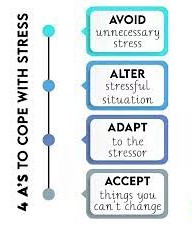
When stress begins to dominate your life, it becomes a problem. The key to stress management is identifying the negative stressors in your life and developing healthy coping mechanisms. Here are some healthy ways to deal with stress.

Reduce stress wherever possible.

Learning to say “no” more frequently, reducing your to-do list, and avoiding people who stress you out are all good places to start. Your stress level will decrease once you learn to manage your time more effectively.

Accept that there will be events over which you have no control.

There are some things in life over which you have no control, such as the actions of others. Instead of worrying about what you can’t control, concentrate on what you can and how you respond to the problem. This way, you are directing your energy to where it will be most effective.

Consider positive thoughts.

Negative thoughts can lead to negative behaviour, whereas a positive attitude can help to mitigate the effects of difficult situations. Make an effort to think positively by looking for the positive in every situation, whether you learn from your mistakes or use major challenges to grow as a person. Furthermore, reflecting on all of the positive aspects of your life, including your own, can alter your perspective.

Obtain Assistance.

Discuss With Family Members

Turn to family and friends for help, or seek professional help. It can be cathartic to express how you feel. It’s also important to express your emotions rather than bottle them up, as this can add to your stress.

Incorporate relaxation techniques into your daily routine.

Meditation

Relaxation improves overall health and allows you to step back and clear your mind. It doesn’t have to be a big-time commitment; deep breathing exercises, meditation, or even yoga can help.

Maintain your health and fitness.

Exercise

A well-balanced diet and regular physical activity ensure that your body is better prepared to deal with stress. Exercise helps to relax your body and mind while also improving your mood. In fact, physical exercise has been shown to play an important role in stress prevention and reduction.

Have a good night’s sleep.

Rest Well

Getting enough rest is essential because it allows your body to recover from stressful events and prepares you to face new challenges the next day.

The key is distinguishing between good and bad stress. Stress, as long as it is not chronic, can be beneficial to your life. Make every effort to reduce chronic stress as much as possible, and incorporate positive activities to promote good stress. It promotes a healthy balance and a higher standard of living.