Enhancing School Environments: The Role of Mental Health Professionals.

As mental health awareness continues to gain traction in society, the importance of addressing these issues within school environments has never been more critical. Schools serve as a foundational space for children’s growth, not only academically but also socially and emotionally. Mental health professionals play a pivotal role in fostering a supportive atmosphere that can enhance student well-being, academic performance, and overall school culture. This article explores the multifaceted contributions of mental health professionals in educational settings, highlighting the necessity for collaboration between educators, parents, and mental health practitioners to create nurturing environments where every student can thrive.

1. Understanding the Importance of Mental Health in Schools.

a) The Link between Mental Health and Academic Success.

Mental health is not just a buzzword; it’s a major player in a student’s educational journey. Research shows that students who experience mental health issues often struggle with concentration, attendance, and overall engagement in their studies. When students are mentally healthy, they’re more likely to excel academically. Think of mental health as the secret ingredient in a recipe for success—without it, the whole dish just flops.

b) The Emotional and Social Development of Students.

School isn’t just about math equations and science experiments; it’s also a social laboratory where students learn to navigate friendships and emotions. Mental health professionals are vital in this arena, helping students develop emotional intelligence and social skills. A supportive environment encourages students to express their feelings and develop resilience, preparing them for the ups and downs of life beyond the school gates.

2. The Role of Mental Health Professionals in Educational Settings.

a) Types of Mental Health Professionals in Schools.

In the ever-evolving landscape of school environments, various mental health professionals come into play. School psychologists, counselors, and social workers each bring their unique skills to the table. While school psychologists assess and address learning and behavioral problems, counselors provide guidance and support through the emotional maze of adolescence. Social workers, on the other hand, often act as the bridge between the school, families, and community resources. Together, they create a well-rounded support system for students.

b) Key Responsibilities and Functions.

So, what exactly do these superheroes in disguise do? Mental health professionals in schools perform a variety of essential tasks. They conduct individual and group counseling, run social-emotional learning programs, and offer crisis intervention. They’re also the ones who interpret data to identify student needs and work with educators to develop strategies that foster a positive learning environment. Think of them as the ultimate cheerleaders for mental wellness, helping to keep the school spirit—and student minds—high!

3. Identifying the Needs of Students: Signs and Symptoms.

a) Common Mental Health Issues among Students.

Navigating the teenage years can feel like trying to solve a Rubik’s Cube blindfolded—frustrating, confusing, and sometimes overwhelming. Many students face mental health challenges such as anxiety, depression, ADHD, and learning disabilities. Recognizing these issues can be tricky, but signs like withdrawal from friends, declining grades, or changes in behavior can serve as red flags. Awareness is key, and early identification can make a world of difference.

b) Early Detection and Intervention Strategies.

The earlier we catch the signs, the better the outcomes. Schools can implement simple screening tools and promote mental health awareness campaigns to educate students and staff about the importance of mental wellness. Teachers and staff should be trained to spot potential issues, while open lines of communication can encourage students to seek help without the fear of judgment. Early intervention strategies, like counseling or support groups, can help students regain their footing before things spiral out of control.

4. Collaborative Approaches: Working with Educators and Parents.

a) Building Strong Partnerships with Teachers.

Collaboration is the name of the game when it comes to supporting student mental health. Mental health professionals should work hand-in-hand with teachers to create a nurturing classroom environment. This involves providing teachers with the tools to recognize when a student might be struggling and equipping them with strategies to support students’ mental and emotional health. After all, teamwork makes the dream work—or, in this case, the classroom dynamic!

b) Involving Parents in Mental Health Conversations.

Let’s not forget about the parents! Engaging families in mental health discussions is crucial. Schools can host workshops or send home resources to educate parents about common mental health challenges and the importance of seeking help. When parents and educators team up, it creates a strong support network for students. It’s like assembling the ultimate super squad, but instead of capes, everyone wears a badge of mental health awareness!

5. Implementing Mental Health Programs and Initiatives.

a) Evidence-Based Programs and Practices.

Implementing mental health programs that are grounded in research can be a game changer for schools. Evidence-based practices—think structured social-emotional learning (SEL) curriculums and cognitive-behavioral interventions—are like a well-oiled machine for mental wellness. They’re not just theories from a dusty textbook; they’ve been tried, tested, and tweaked until they work. By choosing programs with proven success rates, schools can ensure resources are spent wisely, boosting both student mental health and academic performance.

b) Training Staff and Educators on Mental Health Awareness.

What’s worse than a school without mental health support? A school where teachers don’t know how to recognize when a kid is struggling. That’s where training comes in! By equipping educators with the knowledge and tools they need, schools can create a solid foundation for mental health awareness. Workshops, seminars, and even casual lunch-and-learn sessions can help staff spot warning signs, facilitate conversations, and provide basic support—or at least know who to call when they need backup.

6. Creating a Supportive School Culture.

a) Fostering Open Dialogue about Mental Health.

Imagine walking into a school where discussing mental health is as casual as chatting about weekend plans. That’s the goal! By fostering an environment where students can openly discuss their feelings without fear of judgment, schools not only reduce stigma but also encourage students to seek help when they need it. Activities like mental health days, student forums, and class discussions can help normalize these conversations, making it easier for everyone to breathe a little easier.

b) Promoting Inclusivity and Acceptance.

Inclusivity isn’t just a buzzword; it’s a necessity for a thriving school culture. Promoting acceptance means creating a space where all students, regardless of their backgrounds or mental health challenges, feel valued and safe. This can involve initiatives like peer support programs, diverse representation in school events, and cultural competency training for staff. When students see their identities and experiences reflected and respected, they’re more likely to engage, feel connected, and seek out the support they need.

7. Measuring the Impact of Mental Health Interventions.

a) Data Collection and Analysis Methods.

If you can’t measure it, did it even happen? Assessing the impact of mental health initiatives requires solid metrics and a dash of creativity. Schools can utilize surveys, focus groups, and academic performance data to gauge the effectiveness of the programs they’ve implemented. Gathering feedback from students, parents, and staff helps paint a clearer picture of what’s working, what’s not, and what might need a little extra TLC. Remember, data isn’t just numbers—it’s the story of how mental health interventions are making waves in students’ lives.

b) Success Stories and Case Studies.

Nothing tells a story quite like a success story! Highlighting case studies of schools that have successfully implemented mental health programs can inspire others to follow suit. From improved student attendance to noticeable changes in classroom behavior, these anecdotes provide tangible proof that mental health initiatives can create real change. Plus, who doesn’t love a good underdog story? Showcasing these triumphs can energize the community, spark further investment, and encourage everyone to champion mental health in schools.

8. Future Directions: Expanding Mental Health Services in Schools.

a) Trends in School Mental Health Initiatives.

The future is bright for school mental health services—seriously! Emerging trends like teletherapy, mindfulness practices, and integrated mental health services are beginning to reshape how support is delivered. Furthermore, as mental health awareness continues to gain traction, schools are increasingly adopting preventive approaches, focusing not just on crises but on building resilience in students. With advocacy efforts gaining steam, we can expect these initiatives to be the norm rather than the exception in the coming years.

b) Advocacy for Policy Changes and Increased Funding.

When it comes to expanding mental health services in schools, advocacy is the secret sauce. Lobbying for policy changes and increased funding can turn dreams of comprehensive mental health programs into reality. Whether it’s aligning with local mental health organizations or rallying community support, schools need to champion the cause to ensure they have the resources to provide essential services. With more voices joining the conversation, there’s great potential for schools to secure the funding needed to prioritize mental health—because every student deserves to thrive. In conclusion, the integration of mental health professionals into school environments is essential for supporting students’ emotional and psychological needs. By fostering collaboration among educators, parents, and mental health experts, schools can create a culture that prioritizes mental well-being, ultimately leading to improved academic success and healthier interpersonal relationships. As we move forward, it is crucial to continue advocating for mental health resources and initiatives that empower students to thrive both in and out of the classroom.

Frequently Asked Questions:

1. What are the key responsibilities of mental health professionals in schools?

Mental health professionals in schools are responsible for assessing students’ mental health needs, providing counseling and support, developing and implementing mental health programs, and collaborating with educators and parents to promote a positive school environment.

2. How can parents get involved in supporting their child’s mental health at school?

Parents can engage by communicating openly with teachers and mental health professionals, participating in school meetings or workshops, and advocating for mental health resources and programs within the school community.

3. What are some common signs that a student may need mental health support?

Common signs include changes in behavior, withdrawal from social interactions, and decline in academic performance, increased irritability, and expressions of sadness or anxiety. It’s important for educators and parents to be attentive to these changes.

4. How can schools measure the effectiveness of their mental health initiatives?

Schools can measure effectiveness through surveys, academic performance tracking, attendance records, and feedback from students, parents, and staff. Additionally, analyzing data on disciplinary actions and overall school climate can provide insights into the impact of mental health programs.

Rating: 1 out of 5.

Exploring the Gap between Reality and Desire in Marital Relationships.

In the complex landscape of marital relationships, the interplay between reality and desire often shapes the emotional and psychological well-being of partners. Couples enter marriage with a variety of expectations, influenced by personal experiences, cultural norms, and societal ideals. However, as daily life unfolds, the challenges of balancing responsibilities, managing stressors, and maintaining effective communication can create a significant gap between what partner’s desire and what they actually experience. This article aims to explore the factors contributing to this gap, offering insights into understanding marital expectations, addressing emotional disconnects, and providing strategies for aligning reality with relationship goals. By navigating these complexities, couples can foster a deeper connection and build a more fulfilling partnership.

1. Understanding Marital Expectations: The Foundation of Desire.

a) Defining Expectations in Marriage.

Expectations in marriage can be as tricky as balancing on a unicycle while juggling flaming torches. Each partner steps into the relationship with a unique set of beliefs and ideals shaped by their upbringing, friendships, and a healthy dose of romantic comedy tropes. From the grand expectations of emotional support to practical matters like sharing chores, these expectations set the stage for everything that unfolds. When partners fail to communicate what they truly desire, the stage can quickly become a battleground of misunderstanding and unmet needs.

b) How Personal Background Shapes Desires.

Our backgrounds are like the secret ingredients in a family recipe—sometimes they elevate the dish, and sometimes they leave a slightly bitter taste. Factors such as culture, family dynamics, and past relationships significantly influence what we seek in a partner and a marriage. For instance, someone raised in a household that emphasized open communication may crave a partner who matches that vibe, while another may come from a more reserved setting, leading to potential mismatches in how to express love or handle conflict. Understanding these influences can help couples appreciate each other’s desires through a lens of empathy, rather than judgment.

2. The Reality of Everyday Life: Challenges in Marriage.

a) Common Stressors in Marital Relationships.

Let’s face it: marriage can feel like an uphill battle… while carrying a small boulder. Common stressors such as financial worries, parenting challenges, and even pesky in-laws can sneak in like uninvited guests at a dinner party. These stresses often morph into tension between partners, as they find themselves navigating the cacophony of daily life rather than focusing on each other. Recognizing these stressors is essential for couples to work together rather than against each other.

b) Balancing Work, Family, and Personal Time.

Ah, the elusive work-life balance—a goal so sought after that it seems to have its own fan club. Juggling careers, family commitments, and the rare moments of personal time can turn even the most harmonious couples into frazzled messes. When work demands overshadow family time or self-care, resentment can brew like an overcooked pot of spaghetti. Couples must learn to prioritize and carve out space for each other and themselves—because let’s be honest, nobody wants the leftover spaghetti of their relationship.

3. Emotional Disconnect: Navigating the Gap between Partners.

a) Identifying Signs of Emotional Distance.

Emotional distance in a marriage is much like a slow leak in a tire; it starts small but can lead to a major blowout if ignored. Common signs include reduced affection, conflicts that feel more like cold wars, and conversations that drift into the land of “How was your day?” without any real connection. Recognizing these signs early can help couples steer back on track before the emotional distance turns into a grand canyon of silence.

b) Understanding the Impact of Incompatibility.

Incompatibility can be a tricky beast to tame. It may manifest in differing interests, lifestyles, or even basic communication styles. When partners discover that their dreams or values clash—like oil and water in a salad dressing—the resulting friction can lead to frustration and disappointment. Embracing differences is key, but it requires effort and a willingness to adapt. Couples who approach incompatibility as a puzzle to solve rather than a problem to fix often find new ways to connect and thrive.

4. Communication Breakdown: The Role of Dialogue in Bridging Differences.

a) Barriers to Effective Communication.

Ah, communication—the lifeblood of any healthy relationship, and yet sometimes it feels like trying to tune an old radio. Barriers such as misinterpretations, emotional baggage, and even the dreaded “I’m not in the mood” can swiftly derail conversations. Not to mention, sometimes our partners might as well be speaking in a foreign language! Identifying and working to remove these barriers can help foster an environment where both partners feel heard, understood, and valued.

b) Techniques for Improving Communication Skills.

Ready to turn your communication from a disaster movie into a heartfelt rom-com? Start with active listening—no, not just nodding along while planning dinner in your head. Really engage with what your partner is saying. Use “I” statements to share feelings without blaming: “I feel overwhelmed when…” instead of the ever-popular “You never…” Toss in some healthy humor, and don’t be afraid of vulnerability. The more authentic and open the dialogue, the closer you get to bridging that pesky gap between reality and desire.

5. The Influence of Societal Norms on Marital Desires.

a) Expectations Set by Culture and Media.

In a world dominated by rom-coms and fairy-tale endings, it’s no wonder many of us walk into marriage with a glittering set of expectations. From picture-perfect anniversaries to couples who finish each other’s sentences, media often paints a rosy picture of marital bliss that sets a pretty high bar. This “Happily Ever After” narrative can create disappointments when real life hits, because spoiler alert: marriage is not always a walk in the park. Instead, it can be more like a jog through the park while dodging puddles and avoiding overly friendly raccoons.

b) How Society Shapes Relationship Standards.

Societal norms subtly shape our understanding of what a “successful” marriage looks like, often dictating everything from how much time couples should spend together to the importance of shared hobbies (who doesn’t love synchronized Netflix binges?). These expectations are often unrealistic and can lead couples to believe they’re failing if they don’t fit the mold. By questioning these standards, we can find room for our unique realities, proving that there’s more than one way for love to flourish—because really, who needs to be a picture-perfect couple when you can be a quirky, slightly chaotic duo instead?

6. Strategies for Aligning Reality with Relationship Goals.

a) Setting Realistic Goals Together.

When it comes to marriage, communication is key—but not the kind where you simply recite your grocery list. Engaging in open discussions about your relationship goals can help align expectations and foster a stronger partnership. Start by identifying what you both want, whether it’s a travel adventure or just a few uninterrupted moments on the couch without kids barging in. Remember, it’s about teamwork. You’re not running a marathon; you’re navigating this wild and wonderful journey together, one day at a time.

b) Practicing Gratitude and Acceptance.

Nothing says “I love you” quite like accepting your partner’s quirks—as endearing as their sock collection might be. Practicing gratitude helps shift your focus from what’s lacking in your relationship to celebrating the unique traits that make your partner special (yes, even the ones that drive you slightly bonkers). Regularly acknowledging the positives can boost your relationship’s overall satisfaction and help you both feel valued, reminding you that marriage isn’t just about the grand gestures but the everyday moments of connection.

7. Case Studies: Real-Life Examples of Navigating Marital Gaps.

a) Success Stories of Couples Overcoming Challenges.

Meet Sarah and Tom, a couple who once believed their differing communication styles were a chasm too wide to cross. Through open dialogues and commitment to understanding each other’s perspectives, they not only navigated their challenges but also learned to use their differences to enrich their relationship. Now they celebrate their quirks, and Tom’s legendary dad jokes have become a source of laughter rather than frustration. Their story is a testament to the power of perseverance and love.

b) Lessons Learned from Failed Relationships.

Not every love story has a happy ending, and that’s okay. Let’s take a moment for Jack and Mia, who learned the hard way that neglecting emotional intimacy is like trying to bake a cake without flour—it just doesn’t work. After much heartache, they parted ways but took valuable lessons with them: communication is vital, and sometimes it’s better to prioritize individual growth over a partnership that isn’t fulfilling. Their experience serves as a reminder that not every relationship is meant to last, but everyone has something to teach us.

8. Conclusion: Building a Fulfilled and Realistic Partnership.

a) Revisiting Expectations as a Couple.

As you sail through the murky waters of marital bliss, don’t forget to periodically drop anchor and reassess your expectations. Couples don’t just grow together; they grow apart if they aren’t willing to adapt. Discuss the dreams you chased when you got together and how they may have changed. It’s like updating your relationship’s “operating system” to keep things running smoothly—think of it as a software upgrade without the bugs.

b) The Importance of Continuous Growth in Marriage.

Marriage isn’t a destination; it’s an ongoing journey that thrives on growth, learning, and a sprinkle of humor (preferably with a side of pizza). Continuous self-improvement and support for each other’s aspirations can help both partners feel fulfilled. Remember, a thriving partnership requires effort from both sides—so keep those communication channels open, embrace change, and continue to cheer each other on from the sidelines. Because at the end of the day, love is about evolving together, even if it sometimes feels like you’re just two kids with a giant box of Legos, building (and rebuilding) your very own masterpiece. In conclusion, recognizing and addressing the gap between reality and desire in marital relationships is essential for fostering a healthy and fulfilling partnership. By understanding individual and shared expectations, improving communication, and adapting to life’s challenges together, couples can strengthen their bond and create a more harmonious life. Ultimately, the journey toward alignment requires ongoing effort, empathy, and a willingness to grow together, ensuring that both partners feel valued and understood in their shared commitment.

Frequently Asked Questions:

1. What are common expectations couples have when entering marriage?

Many couples enter marriage with hopes of love, companionship, financial stability, and shared responsibilities. These expectations can vary widely based on personal experiences and cultural backgrounds.

2. How can couples effectively communicate their needs and desires?

Effective communication can be achieved through active listening, open dialogue, and expressing feelings without blame. Regular check-ins and setting aside dedicated time for discussions can also help.

3. What strategies can couples use to bridge the gap between reality and desire?

Couples can align their goals by setting realistic expectations, practicing gratitude, and focusing on problem-solving together. Seeking professional counseling can also provide tools for improvement.

4. How do societal norms impact marital relationships?

Societal norms can shape individual expectations and ideals about marriage, often leading to pressure to conform to certain standards. Understanding and challenging these norms can help couples define their unique relationship.

Rating: 1 out of 5.

The Hidden Impact of Personal Struggles on Educators.

In the demanding world of education, teachers often navigate a complex landscape of personal and professional challenges that can profoundly impact their effectiveness and well-being. While educators are dedicated to nurturing the minds of their students, many grapple with hidden struggles that can detract from their ability to teach effectively. From mental health issues to the challenges of balancing work and personal life, these struggles can create a ripple effect that influences not only the educators themselves but also their students and the broader school community. This article delves into the hidden impact of personal struggles on educators, exploring the emotional toll, coping strategies, and the importance of fostering supportive environments that prioritize educator well-being.

1. Understanding the Personal Struggles of Educators.

a) Common Personal Challenges Faced by Teachers.

Teaching is not just about lesson plans and grading papers; it’s a rollercoaster ride through personal challenges that educators face. Common struggles include financial stress, family obligations, and health issues. Many teachers juggle the demands of their jobs with caring for children or aging parents, leading to a constant tug-of-war between their professional and personal lives. It’s no wonder that sometimes the weight of the classroom feels heavier than a sack of textbooks!

b) The Impact of Life Events on Professional Performance.

Life has a sneaky way of throwing curveballs at us, and educators are no different. Major events like divorce, illness, or the loss of a loved one can significantly impact a teacher’s focus and emotional availability in the classroom. When personal life becomes a storm, it can be challenging to create a calm and engaging environment for students. The struggle to maintain professionalism while dealing with this emotional turbulence can lead to decreased performance, as teachers wrestle with the distraction of their own lives.

2. The Emotional Toll: Mental Health Challenges.

a) Identifying Signs of Stress and Burnout.

Teachers are often the unsung heroes, but even heroes can crumble under pressure. Recognizing the signs of stress and burnout is crucial. These may include chronic fatigue, irritability, lack of enthusiasm for teaching, and a feeling of being overwhelmed by even the simplest tasks. When educators find themselves dreaming about grading papers instead of actually grading papers, it’s a red flag that something needs to be addressed—preferably before the coffee supply runs out!

b) The Stigma Surrounding Mental Health in Education.

Unfortunately, discussing mental health can feel like inviting the school bully to lunch; it just doesn’t happen. There’s a prevalent stigma in the education community that makes many teachers hesitant to seek help. The perception that asking for support equates to weakness can be paralyzing. This culture needs to change, as teachers deserve the same understanding and care they offer to their students. Addressing mental health should be as normal as discussing lesson plans—after all, educators can’t pour from an empty cup!

3. Balancing Professional Responsibilities and Personal Life.

a) Time Management Strategies for Educators.

Time may be a construct, but for teachers, it often feels like a cruel joke. Effective time management strategies can help. Techniques like prioritizing tasks, creating realistic to-do lists, and utilizing digital tools can provide much-needed organization in the chaos. Scheduling self-care and personal time is equally important—because teachers need to recharge, too! Remember, a well-rested teacher is far more effective than one who hasn’t seen a moment of peace since the last school break.

b) The Importance of Setting Boundaries.

Setting boundaries may sound like a buzzword, but for educators, it’s a lifeline. Establishing clear limits between work and home life can help prevent burnout and stress. This could mean refusing to check emails after a certain hour or designating “no school talk” family dinners. Healthy boundaries ensure that teachers have the mental and emotional space to rejuvenate and remain passionate about their profession. After all, a happy educator leads to happy students!

4. The Ripple Effect: How Personal Issues Affect Teaching.

a) The Connection between Teacher Well-being and Student Outcomes.

The truth is, a teacher’s well-being directly impacts students. When educators are dealing with personal struggles, their ability to inspire and engage students can wane. Research shows that teachers who are mentally and emotionally healthy create more effective learning environments, leading to better academic outcomes. It’s a cycle: happy teacher’s foster happy students, and happy students lead to happier teachers. It’s the educational version of a win-win!

b) Classroom Environment: A Reflection of Educator Struggles.

The classroom often mirrors the mental state of the teacher. A classroom filled with chaos and tension can indicate that the educator is facing personal struggles. Conversely, a positive and engaging classroom atmosphere tends to reflect a teacher’s well-being. Creating an environment that encourages open communication and support can help break this cycle. Teachers must feel safe to express their challenges, ultimately fostering a more supportive and understanding community for everyone involved. And who doesn’t want a class filled with laughter and learning instead of stress and sighs?

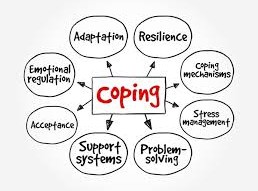
5. Coping Mechanisms: Strategies for Educators.

a) Self-Care Practices for Teachers.

Teaching can sometimes feel like juggling flaming swords while riding a unicycle. It’s crucial for educators to embrace self-care—because, let’s be honest, no one can pour from an empty cup (or a flaming sword). Simple practices like taking five-minute breaks, practicing mindfulness, or indulging in hobbies can work wonders. Even the act of stepping outside for fresh air can rejuvenate the mind. Remember, you can’t be the best version of yourself for your students if you’re running on fumes, so treat yourself like the star you are!

b) Seeking Professional Help: When and How?

When the weight of personal struggles becomes too heavy, it’s perfectly okay to seek help—think of it as getting a tune-up for your mental engine. Whether it’s a therapist, counsellor, or support group, reaching out can be a game changer. Feelings of anxiety and stress may have you questioning your sanity, but they’re more common than you think! Pro tip: Don’t wait until you’re at the end of your rope—if you’re feeling more tangled than a box of holiday lights, it’s time to call in the pros.

6. Building Supportive Environments in Schools.

a) Promoting Open Communication among Staff.

Creating an environment where educators feel safe sharing their challenges can be a game changer, like finding that missing sock in the laundry (you know the struggle). Open communication fosters trust, and when educators can express their concerns without fearing judgment, it builds a resilient community. Schedule regular check-ins or informal coffee chats where staff can share stories, laugh, and maybe shed a tear or two. Remember, vulnerability isn’t weakness; it’s the secret ingredient to strong teamwork.

b) Peer Support Systems and Mentorship Programs.
There’s nothing like a good support system to help educators navigate the stormy seas of teaching. Establishing peer support networks or mentorship programs can help you swap teaching hacks, unload stress, and find new perspectives on the challenges you face. Think of it as joining a secret superhero club—one where you can vent about lesson plans, trade strategies, and provide mutual encouragement. After all, we’re stronger together, and sometimes all we need is someone who truly gets it.

7. The Role of Administration in Addressing Educator Well-being.

a) Policies That Support Educator Mental Health.

School administrators should be the champions of educator well-being, like the guardians of the galaxy, but for teachers. Implementing policies that prioritize mental health—such as flexible work hours, mental health days, or wellness programs—can make a significant impact. By showing that they genuinely care about the well-being of their staff, administration can cultivate a thriving atmosphere where educators feel valued and supported.

b) Creating a Culture of Care in Schools.

Beyond just policies, creating a culture of care means embedding compassion into every aspect of the school environment. A culture where staff checks in on each other and celebrates small wins fosters positivity. Encourage acts of kindness, whether it’s leaving encouraging notes in someone’s mailbox or organizing wellness events. Spread the love like confetti because when educators feel cared for, it ripples outward to the students, creating a healthier school community all around.

8. Moving Forward: Fostering Resilience in the Education Community.

a) Training for Educators on Managing Personal Struggles.

Investing in training to help educators manage personal struggles is like giving them a superhero cape. Workshops on stress management, emotional resilience, and self-advocacy can empower teachers to handle whatever life throws at them. It’s not just about surviving; it’s about thriving in the classroom and beyond. So let’s ensure that every educator has the tools they need to conquer their battles and lead with strength and grace.

b) Long-term Solutions for Sustained Well-being.

To truly foster resilience, schools need to embrace long-term solutions rather than quick fixes, like slapping a Band-Aid on a leaky sink—eventually, it just won’t hold. Consider establishing ongoing support networks, regular mental health check-ins, and continuous professional development focused on well-being. By taking a holistic approach, the education community can create an environment where everyone feels supported, valued, and equipped to march boldly into the future (cape optional).As we recognize the hidden struggles faced by educators, it becomes imperative to create a culture of support and understanding within schools. By prioritizing the mental health and well-being of teachers, we not only empower them to thrive in their roles but also enhance the learning experience for students. It is essential for both administrators and peers to come together in fostering resilience and implementing strategies that address these challenges. In doing so, we can build a stronger education community where both educators and students can succeed.

Frequently Asked Questions:

1. What are some common personal struggles that educators face?

Educators may experience a range of personal struggles, including mental health issues such as anxiety and depression, work-life balance challenges, financial stress, and family-related pressures. These personal challenges can significantly impact their professional performance and overall well-being.

2. How can schools support educators dealing with personal struggles?

Schools can support educators by creating a culture of open communication, providing access to mental health resources, implementing peer support systems, and offering professional development focused on managing personal challenges. Administrative support is crucial in fostering an environment where educators feel valued and understood.

3. What are some effective coping strategies for educators?

Effective coping strategies for educators include prioritizing self-care through regular exercise and mindfulness practices, setting boundaries between work and personal life, seeking professional help when needed, and engaging in supportive peer networks. These strategies can help educators manage stress and maintain their well-being.

4. How does educator well-being impact student outcomes?

Research shows that educator well-being is directly linked to student outcomes. When teachers are mentally and emotionally healthy, they are more effective in the classroom, leading to improved student engagement, academic performance, and overall school climate. Prioritizing educator well-being ultimately benefits the entire educational community.

Rating: 1 out of 5.

The Consequences of Unchecked Obsessions in Young Minds.

In today’s fast-paced, hyper-connected world, young minds are increasingly susceptible to the allure of obsession, whether it manifests through intense interests, social media, or academic pursuits. While passion can be a driving force for creativity and achievement, unchecked obsessions can lead to a myriad of negative consequences that affect mental health, social relationships, and overall well-being. Understanding the complexities of these obsessive behaviors and their impacts is crucial for parents, educators, and the young individuals themselves. This article delves into the various dimensions of unchecked obsessions in youth, exploring their psychological, social, and academic consequences while offering strategies for support and intervention.

1. Understanding Obsession in Youth: Definition and Context.

Obsessions in youth can be likened to that relentless earworm of a catchy song: it just keeps replaying in your mind, often taking over your thoughts. In this context, obsession can be defined as an intense preoccupation with a particular subject, activity, or person that tends to overshadow other interests or responsibilities. In children and adolescents, this can manifest in various forms—from a fascination with a certain game to an unhealthy fixation on social media or even a crush on a classmate that spirals out of control.

a) Types of Obsessions.

While the surface of obsession may look like a colourful buffet of interests, the underlying types can be categorized into a few distinct groups: 

Hobbies and Activities: This includes an extreme focus on sports, music, or gaming, often at the expense of other passions or responsibilities. 

Social Obsessions: These revolve around relationships or social media—think of constantly checking for likes or comments. 

Perfectionism: A relentless drive to achieve unrealistic standards, often causing stress and anxiety. 

Fears and Phobias: Obsessions that manifest as irrational fears, leading to avoidance behaviors that can disrupt daily life.

b) Developmental Factors Contributing to Obsession.

Several developmental factors can pave the way for these fixations. During adolescence, brains are wired with a sensitivity to rewards and social validation, making young minds particularly susceptible to obsessions. Environmental influences, such as family dynamics, peer pressure, and societal expectations, can amplify these tendencies. Additionally, exposure to media and technology can create unrealistic benchmarks for success and belonging, feeding the obsession beast. Ultimately, it’s a complex interplay of biology and environment that turns normal interests into all-consuming passions.

2. Psychological Impacts of Unchecked Obsessions.

Unchecked obsessions can pack quite the psychological punch—like a surprise plot twist in a movie, they can change the entire narrative of a young person’s life. When hobbies or interests spiral into obsession, the effects ripple through mental health and overall well-being.

a) Effects on Mental Health.

The psychological impact of obsession can range from mild annoyance to full-blown chaos. Young people may experience an increase in stress levels, sleep disturbances, or even irritability as they grapple with their fixation. The constant mental chatter can lead to decision fatigue, making it hard to focus on anything other than the object of obsession. In extreme cases, this can culminate in conditions like obsessive-compulsive disorder (OCD), where the cycle of thoughts and compulsions becomes a prison of its own.

b) Link to Anxiety and Depression.

There’s a strong link between unchecked obsessions and mental health issues such as anxiety and depression. Imagine being trapped in a hamster wheel where the only view is your fixation—exhausting, right? The pressure to maintain or engage with this obsession can lead to heightened anxiety levels and a pervasive sense of dread when the obsession is out of reach. Over time, this can morph into depressive symptoms, where the joy derived from pursuits fades, leaving only a lingering shadow of discontent.

3. Social Consequences: Relationships and Isolation.

As obsessions grow, so too can their ripple effect on social relationships. Like a giant boulder rolling down a hill, the consequences can be far-reaching, often leading to a sense of isolation.

a) Impact on Friendships.

Obsessions can put a strain on friendships as interests diverge. Friends may feel neglected or frustrated when one person is solely focused on their fixation, leaving little room for shared experiences or growth. Think of it this way: when one friend is busy obsessively watching every episode of a show on repeat, it might get a tad hard to connect over your latest adventures at the local café. This can lead to misunderstandings, jealousy, or, worse, deepening rifts that can fracture friendships beyond repair.

b) Family Dynamics and Communication.

Family dynamics can also take a hit when one member becomes consumed by an obsession. Communication can falter as families struggle to understand the fixation or appeal of the subject at hand. Imagine a family dinner where one person can’t stop talking about their latest video game obsession while others want to discuss their day—it’s like a recipe for miscommunication soup! This can lead to frustration on both sides, causing families to become more divided than united, with the obsessed individual feeling isolated and misunderstood.

4. Academic Performance: The Strain of Fixation.

When obsession takes the wheel, academic performance can easily end up in the backseat, feeling a bit neglected. The pressure of maintaining an obsession can lead young minds to prioritize their fixation over studying or completing assignments.

a) Distraction and Focus Issues.

Obsessive thoughts can be distracting, making it difficult for students to concentrate in class or complete homework. Imagine trying to solve a math problem while part of your brain is busy dissecting the latest plot twists of your favorite series—it’s chaotic! As a result, this can lead to declining grades and a skewed perception of priorities, where passions overshadow the importance of education.

b) Long-term Academic Trajectories.

The long-term consequences of obsession on academic trajectories can be significant. When a young person is so focused on one area, they may neglect essential skills or subjects that are crucial for future success. This can lead to gaps in knowledge that might resonate throughout their academic journeys, creating challenges in higher education or career paths. In worst-case scenarios, it can even result in dropping out or career choices that feel unfulfilling, simply because of a fixation that once seemed harmless but ultimately constricted their world.

5. Health Risks: Physical and Mental Well-being.

a) Stress and Its Physical Manifestations.

Unchecked obsessions can send stress levels skyrocketing, leading to a host of physical ailments. Think of a pressure cooker that’s been left on too long—eventually, something’s got to give! Symptoms may include headaches, digestive issues, and even unexplained aches and pains. When young minds are fixated on certain things to the exclusion of all else, their bodies respond with stress signals that can impact everything from their immunity to their ability to enjoy life.

b) Sleep Disruptions and Lifestyle Choices.

Imagine trying to catch some z’s while your brain is busy running marathons. Obsessive thoughts can be like that annoying friend who just won’t leave the party. This can lead to restless nights and an escalation of unhealthy lifestyle choices, such as skipping meals or excessive screen time. Poor sleep can also contribute to mood swings and irritability, making it a vicious cycle that’s hard to break. So, remember: sleep is as important as that Netflix binge you’re tempted to indulge in!

6. Identifying Early Signs of Obsessive Behavior.

a) Behavioral Red Flags.

When a young person starts displaying obsessive behaviors, it can feel like the warning lights on a dashboard are flashing. Look out for signs like excessive worry, repetitive actions, or the inability to focus on anything outside their obsession. If they’re obsessively checking their social media likes or constantly rearranging their room in the name of “perfection,” it’s time to hit the brakes and reassess.

b) Monitoring Changes in Routine.

Has your once-active child suddenly transformed into a hermit? Are they trading playdates for solo marathons of that one show they can’t get enough of? Changes in routine can be a big indicator of obsessive behavior. If their interests start to replace basic daily activities—like eating, sleeping, and talking to humans—it’s a sign that things may have gone too far. Keeping a keen eye on these shifts can make all the difference.

7. Strategies for Parents and Educators.

a) Open Communication Practices.

Creating an open line of communication is like giving your child a safe space to air out their thoughts. Encourage honest discussions about their feelings and interests without judgment. Let them know that it’s perfectly okay to share when things feel too intense. Probing gently and validating their feelings can help them feel supported and less isolated in their obsessions.

b) Encouraging Healthy Interests and Hobbies.

Introduce a buffet of healthy interests and hobbies that can serve as alternatives to obsessive behaviors. Whether it’s sports, art, or anything that involves using the hands (and not just the thumbs), engaging in diverse activities can help balance their focus. The goal is to steer them towards interests that broaden their horizons, rather than narrow them down to a single fixation. Think of it as helping them cultivate a garden of passions instead of becoming a single, stubborn weed.

8. Long-term Effects: Adult Life and Coping Mechanisms.

a) Transitioning into Adulthood.

As kids grow into adults, those unchecked obsessions can morph into even bigger challenges. The transition to adulthood is already tricky, and adding obsessive tendencies can make it feel like trying to juggle flaming torches while riding a unicycle. That’s why it’s crucial to address obsessive behaviors early on—otherwise, they may carry over into adult relationships, work, and self-image issues.

b) Building Resilience and Healthy Coping Strategies.

Nobody wants to be the adult who can’t cope with life’s curveballs because their childhood obsession turned into a lifelong anchor. Teaching resilience and healthy coping mechanisms early on can help young people navigate stress without clinging to unhealthy obsessions. Strategies like mindfulness, positive self-talk, and stress management techniques can empower them to handle life’s ups and downs with grace, and maybe even a smile. After all, life is too short to be bogged down by anything that doesn’t bring joy! In conclusion, recognizing and addressing unchecked obsessions in young minds is essential for fostering a healthy development. By understanding the psychological, social, and academic ramifications of these behaviors, parents, educators, and young individuals can work together to create a supportive environment that encourages balance and well-being. With the right strategies and open communication, it is possible to transform potentially harmful obsessions into constructive passions, paving the way for a brighter future.

Frequently Asked Questions:

1. What are the common signs of obsession in young people?

Many young individuals exhibit signs of obsession through intense focus on a particular interest, withdrawal from social activities, a decline in academic performance, or changes in behavior and routine. Monitoring for these red flags can help in early identification. 

2. How can parents effectively support a child with obsessive tendencies?

Parents can support their child by maintaining open lines of communication, encouraging a variety of interests, setting healthy boundaries, and seeking professional help if necessary. Constructive engagement and understanding are key to helping the child find balance. 

3. When should a professional be consulted regarding obsessive behaviors?

Consulting a mental health professional is advisable if obsessive behaviors lead to significant distress, interfere with daily functioning, or cause harm to the individual or others. Early intervention can greatly improve outcomes. 

4. Can obsession ever be positive?

Yes, when channelled appropriately, obsession can lead to high levels of achievement and creativity. However, it is essential to maintain a balance to ensure that such passions do not escalate into harmful behaviors.

Rating: 1 out of 5.

The Dynamics of Adolescence: Understanding Shifts and Milestones.

Adolescence is a transformative period marked by profound physical, emotional, and cognitive changes, as young individual’s transition from childhood to adulthood. During this crucial stage of development, adolescents encounter a unique set of challenges and milestones that shape their identities and influence their future trajectories. Understanding the dynamics of adolescence is essential for parents, educators, and caregivers, as it equips them with the knowledge to support youth through this complex journey. From navigating peer relationships to coping with emotional upheavals, the experiences of adolescents are diverse and influenced by a myriad of cultural and societal factors. This article delves into the essential aspects of adolescent development, exploring the shifts and milestones that define this pivotal life stage.

1. The Definition of Adolescence: An Overview.

1.1 The Age Range of Adolescence.

Adolescence is often defined as the magical time between the ages of 10 and 19, though some experts stretch it to the early twenties. It’s that peculiar phase when kids transition from riding bikes to looking for rides home after a night out. This decade is packed with growth, exploration, and sometimes, a fair amount of eye-rolling.

1.2 Key Characteristics of Adolescent Development.

During adolescence, you’ll witness the enchanting mix of rebellion and profound self-discovery. Teens experience emotional fluctuations akin to a roller coaster ride—exhilarating but also a bit nauseating. They begin to form their own identities, challenge authority, and develop a unique perspective on the world (usually while plugged into headphones). It’s a time when peer influence peaks, but let’s not forget their secret weapon: the ability to binge-watch entire series in a single weekend.

2. Physical Changes and Developmental Milestones.

2.1 Growth Spurts and Changes in Body Composition.

Adolescence is a time of dramatic physical change. Cue the awkward growth spurts where children suddenly become giraffes overnight! Boys might bulk up and experience muscle growth while girls may see curves blossoming. These changes can lead to fumbling feelings about body image—think of it as the unfortunate yet relatable phase of tripping in new shoes while trying to look cool.

2.2 Maturation and Reproductive Health.

As the years roll on, adolescents undergo significant maturation, including the onset of puberty. Hormones are now the main characters in this drama, leading to new interests, feelings, and a lot of “eww” when discussing reproductive health. It’s crucial for them to learn the facts—after all, knowledge is power, even if it feels uncomfortable at times to discuss.

2.3 Impact of Nutrition and Lifestyle.

Nutrition and lifestyle choices become paramount during adolescence. Those growing bodies need something more than just pizza and soda—though let’s be real, it’s a tempting diet! Balanced meals can help fuel their growth, while a lack of physical activity can lead to challenges. Encouraging healthy habits now can set the stage for a lifetime of wellness—plus, it might spare parents from future doctor’s visits!

3. Cognitive Development: Shifts in Thinking and Learning.

3.1 Development of Abstract Thinking.

As brains mature, adolescents transition from concrete thinking to more abstract reasoning. Suddenly, they’re pondering life’s big questions—like why pizza sauce is red or the meaning of that cryptic song lyric they can’t get out of their heads. This shift allows for greater imagination and creativity, giving rise to those deep late-night conversations (or debates) that can last till dawn.

3.2 Improvements in Problem-Solving Skills.

With the development of abstract thought comes improved problem-solving skills. Teens start to tackle complex issues, from algebra equations to navigating the social hierarchy at school. They learn to weigh pros and cons, find solutions—sometimes via trial and error—and hopefully avoid turning every situation into a high-stakes drama.

3.3 The Role of Education in Cognitive Growth.

Education plays a pivotal role in shaping cognitive development. Engaging curriculums and stimulating learning environments can ignite curiosity and critical thinking. Teachers often become more than just instructors; they are mentors guiding students through a world that’s increasingly complex—and let’s face it, sometimes utterly bizarre.

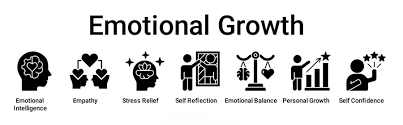
4. Emotional Growth: Navigating Identity and Self-Esteem.

4.1 Formation of Personal Identity.

Adolescence is essentially a quest for identity, complete with wacky fashion choices and ever-changing friend groups. Teens experiment with interests, hobbies, and social circles, trying to figure out who they are—often while embracing that fabulous “I’m so different” aesthetic that includes an assortment of plaid shirts and band tees.

4.2 Self-Esteem and Its Influences.

Self-esteem during these years can resemble a see-saw—up one day and down the next. Influences come from everywhere: peers, social media, and those “helpful” family members. Encouragement and support can do wonders, while negativity can lead to emotional struggles. It’s all about finding that balance and learning to love oneself, flaws and all—because who doesn’t have quirks?

4.3 Coping Mechanisms for Emotional Challenges.

Navigating the emotional waters of adolescence can be tricky. Teens need healthy coping mechanisms to manage stress and anxiety, whether through sports, arts, or just venting to a trusted friend (or their pet). Teaching them how to express feelings and seek help when needed can pave the way for resilience and emotional intelligence, making them better equipped to handle life’s curveballs.

5. Social Dynamics: Peer Relationships and Influence.

5.1 The Importance of Peer Acceptance.

In the teenage years, the quest for peer acceptance can feel like a full-blown expedition to find the Holy Grail. Friendships become paramount, and the need to fit in can often overshadow individual identity. Adolescents are especially attuned to social cues, and approval from their peers can significantly boost self-esteem. It’s akin to being a contestant on a reality show; you want to keep your team (friends) happy while navigating the dramatic twists of teenage life. Understanding the importance of peer acceptance can help adults guide teens in balancing social pressures and personal values.

5.2 Social Media and Its Impact on Relationships.

Ah, social media: the double-edged sword of the modern age! While it offers a platform for connection and self-expression, it can also morph into a distorted mirror reflecting unrealistic comparisons and cyberbullying. For adolescents, online interactions often supplement in-person relationships but can lead to misunderstandings and conflicts that escalate faster than you can say “tweet.” Navigating friendships in a digital age requires savvy discernment, as teens learn to filter their feeds and curate their lives—often with more emphasis on likes than on genuine connections.

5.3 Family Dynamics and Their Role in Social Development.

Family dynamics play a crucial role in shaping an adolescent’s social development—even if it sometimes feels like being stuck in a sitcom. Positive family relationships provide a safe space for teens to explore their identities and develop social skills. Conversely, conflicts can lead to withdrawal or aggressive behaviors. Parents and siblings can be excellent sounding boards—or, on the flip side, the perfect storm of drama! Balancing family engagement while fostering independence is key to helping teens navigate their social worlds.

6. Cultural and Societal Factors Affecting Adolescence.

6.1 The Influence of Cultural Norms and Values.

Cultural norms and values serve as the backdrop against which adolescence unfolds, much like the soundtrack of a coming-of-age movie. Each culture brings its unique set of expectations regarding behavior, gender roles, and the transition to adulthood. For adolescents, understanding these norms can be as confusing as deciphering hieroglyphics but essential for their socialization. Cultural influences help shape their beliefs, attitudes, and how they perceive their place in the world, sometimes leading to a delightful blend of tradition and modernity—or outright rebellion.

6.2 Economic Factors and Their Impact on Youth.

When it comes to adolescence, money—or, rather, the lack thereof—can be a heavy burden. Economic stability often correlates with access to resources, opportunities, and overall well-being. Teens from low-income families may face additional challenges, such as limited access to extracurricular activities or educational resources, which can affect their social circles and aspirations. Meanwhile, those in affluent environments might grapple with expectations to succeed that could lead to pressure and anxiety. In any case, understanding these economic factors helps paint a clearer picture of the adolescent experience.

6.3 Global Perspectives on Adolescence.

Adolescence isn’t a monolithic experience; it’s a kaleidoscope of narratives across the globe. From the rites of passage in certain cultures to the universal challenges of identity and independence, teens everywhere are navigating their unique journeys. Global perspectives on adolescence can enrich our understanding of diverse experiences, providing insights into how factors like tradition, technology, and societal expectations shape young lives. Celebrating these differences fosters empathy and awareness, proving that while the adolescent struggle may be universal, the ways in which it manifests are anything but.

7. Challenges and Risks: Mental Health and Behavioral Issues.

7.1 Common Mental Health Disorders in Adolescents.

Mental health disorders in adolescents have become as common as bad pop songs stuck on repeat. Conditions such as anxiety, depression, and ADHD often rear their heads during these transformative years, fueled by academic pressures, social dynamics, and hormonal changes. Recognizing the signs early can make a world of difference, as timely intervention often leads to better outcomes. It’s crucial for parents and educators to approach these issues with sensitivity and understanding, like a lifeguard at a pool party—always vigilant but not too overbearing.

7.2 Substance Abuse and Risky Behaviors.

Adolescence is notorious for rebellious streaks—and sometimes that includes experimenting with substances. Peer pressure, curiosity, and the desire to fit in can drive teens to partake in risky behaviors that may have lasting consequences. Substance abuse can spiral out of control, creating a slippery slope that’s hard to climb back up. Educating teens about the risks, providing healthy coping strategies, and ensuring open communication can help steer them away from these tempting detours.

7.3 Strategies for Prevention and Intervention.

Preventing mental health issues and risky behaviors requires a multifaceted approach—think of it as assembling the ultimate superhero team! Effective strategies include open communication, education, and creating supportive environments. Programs that promote resilience, emotional intelligence, and healthy coping mechanisms can equip teens with the tools they need to navigate challenges. Collaboration between parents, educators, and mental health professionals is essential, ensuring that young people feel empowered to seek help when they need it most.

8. Supporting Healthy Development: Strategies for Parents and Educators.

8.1 Effective Communication Techniques.

Effective communication during adolescence is like building the perfect bridge over turbulent waters; it can connect parents and teens while navigating those inevitable rocky relations. Active listening, open-ended questions, and a dash of humor can help foster a safe space for conversations. It’s essential to strike that fine balance between guidance and independence—think of it as being the trusty GPS, giving directions without taking over the wheel. Encouraging dialogue and validating feelings can strengthen relationships and promote healthy development. In conclusion, recognizing the dynamics of adolescence is vital for fostering healthy development in young people. By understanding the physical, emotional, and social changes that occur during this period, we can provide better support and guidance to adolescents as they navigate the complexities of growing up. Empowering them with the right tools and knowledge will not only enhance their well-being but also help them thrive as they transition into adulthood. As we continue to learn more about this critical phase of life, it is our responsibility to create nurturing environments that encourage positive growth and resilience in the youth of today.

Frequently Asked Questions:

1. What are the key physical changes that occur during adolescence?

During adolescence, individuals experience growth spurts, changes in body composition, and the onset of sexual maturation. These physical changes are influenced by genetic, nutritional, and environmental factors. 

2. How can parents support their adolescents through this developmental stage?

Parents can support their adolescents by maintaining open lines of communication, being empathetic to their feelings, and providing guidance while allowing for independence. Encouraging healthy relationships and a positive self-image is also crucial. 

3. What role does peer influence play during adolescence?

Peer influence is significant during adolescence as young people seek acceptance and validation from their peers. This can impact their behavior, choices, and self-esteem, making it essential for parents and educators to understand these dynamics. 

4. What are common mental health issues faced by adolescents?

Common mental health issues faced by adolescents include anxiety disorders, depression, and behavioral problems. Recognizing the signs early and providing appropriate intervention can help support their mental well-being.

Rating: 1 out of 5.

Navigating Teen Substance Abuse: Effective Strategies for Parents.

Navigating the complex landscape of teen substance abuse can be one of the most challenging experiences for parents. As adolescents face various pressures—from peer influence to academic stress—substance use can become a troubling escape for some. Understanding the dynamics of substance abuse, recognizing the signs, and knowing how to communicate effectively with your teen are crucial steps in addressing this issue. This article aims to equip parents with effective strategies to prevent and respond to substance use, fostering a supportive environment that encourages healthy choices and open dialogue. By taking proactive measures, parents can play a pivotal role in guiding their teens toward a brighter and healthier future.

1. Understanding Teen Substance Abuse: Facts and Myths.

a) Statistics on Teen Substance Use.

The statistics can be as alarming as your teen’s favorite rock band turning out to be a one-hit wonder. According to the National Institute on Drug Abuse (NIDA), about 70% of high school seniors have tried alcohol, and nearly 50% have experimented with illicit drugs. What’s even more surprising? Nearly 35% of teens report using marijuana. The numbers indicate that substance use is not just a ‘bad apple’ issue; it’s a widespread concern many families face.

b) Common Misconceptions about Substance Abuse.

Let’s bust some myths faster than a teenage heartthrob’s rise to fame! One common misconception is the idea that “my teen would never use drugs; they’re too smart.” Spoiler alert: Intelligence doesn’t immunize against experimentation. Another myth is that casual alcohol use is harmless; in reality, it can be a slippery slope to more significant issues. Understanding these misconceptions is crucial for parents who want to stay ahead of the curve.

2. Recognizing the Signs of Substance Abuse in Teens.

a) Behavioral Changes to Watch For.

If your usually shiny star is suddenly dimming—hello, mood swings!—pay attention. Behavioral red flags include sudden secrecy, loss of interest in previously loved activities, or a drastic change in peer groups. If your teen who used to be a diligent student is now more likely to be found binge-watching shows instead of studying, it might be time for a heart-to-heart.

b) Physical Indicators of Substance Use.

Seeing your teen show up in pajamas at noon isn’t exactly a sign of substance use—believe me, I’ve been there. However, look out for bloodshot eyes, unusual smell (and we’re not talking about new cologne), and sudden weight changes. If they’re exhibiting signs of fatigue or poor hygiene, it could be time to address the elephant in the room.

c) Emotional and Social Signs.

If your teen’s emotional roller coaster is more thrilling than a theme park ride, it’s essential to take note. Increased anxiety, paranoia, or depression can signal underlying substance issues. Also, if they’re pulling away from family and old friends faster than a teenager speeds out of a parent-teacher conference, it’s worth investigating what’s really going on beneath the surface.

3. Creating Open Lines of Communication with Your Teen.

a) Effective Listening Techniques.

Communication is key, but let’s face it, listening is the secret sauce. Practice active listening by not just hearing the words but absorbing the feelings behind them. Nod, express empathy, and avoid interrupting. Sometimes, all your teen needs is a sounding board—not another lecture. Think of it as tuning into their favorite playlist instead of trying to change the station!

b) How to Approach Sensitive Topics.

Tackling touchy subjects can feel like walking on eggshells while juggling flaming torches—less than ideal! Start by choosing a non-confrontational time and setting. Use “I” statements to express your concerns gently. For example, “I’m worried about how you’ve been acting lately,” instead of “You need to stop hanging out with those kids!” Trust me, your teen will appreciate the softer approach.

c) Encouraging Honesty and Trust.

Creating a foundation of trust is like building a solid tree house: it takes time and care to get it just right. Encourage honesty by responding calmly to their confessions, even if it feels like your heart is doing the cha-cha. Reinforce that you’re a safe space for them to share their thoughts—no judgment, just love and support. This could be the difference between your teen opening up or shutting down.

4. Effective Prevention Strategies for Parents.

a) Setting Clear Expectations and Boundaries.

Think of rules as the GPS for your teen’s journey—necessary for navigating the road ahead. Set clear expectations about substance use and the associated consequences. Be consistent, so they know you’re serious. Remember, it’s not about being a tyrant; it’s about being a guide. A well-defined boundary can keep them on the right path while allowing them room to grow.

b) Promoting Healthy Activities and Interests.

Encourage extracurricular activities that give them a creative outlet—whether it’s sports, the arts, or even bizarre TikTok dances. These pursuits can boost self-esteem and steer them away from the lure of substances. Plus, you can bond over their interests, which could make family game night a little less painful for everyone involved!

c) Educating Yourself and Your Teen About Substance Risks.

Knowledge is power, and it’s time to flex those intellectual muscles! Familiarize yourself with the risks associated with substance use and share this wisdom with your teen. This isn’t just about horror stories; it’s about empowering them with the understanding they need to make informed choices. Your goal is to transform that information into a conversation starter rather than a lecture. Because let’s face it, no one enjoys being lectured…especially teenagers!

5. How to Respond if You Suspect Substance Use.

a) Initial Conversations: Finding the Right Approach.

When you think your teen might be dabbling in substances, the first step isn’t to don your detective hat and interrogate them like a police officer. Instead, aim for a calm and non-confrontational atmosphere. Start the conversation with curiosity, not accusations. You might say something like, “I’ve noticed you seem a bit different lately. Everything okay?” Keep it light, but serious enough to show you care. Approach it like you’re discussing their latest TikTok obsession rather than a life-altering decision.

b) Seeking Professional Help: When and How.

If your initial chats leave you feeling more confused than a cat at a dog show, it might be time to bring in the pros. Consider enlisting a counsellor or therapist who specializes in adolescent substance use. Look for local resources like community health centres or private practices that offer family therapy. A good rule of thumb is if it feels like more than you can handle on your own, don’t hesitate to reach out for help. Think of professionals as your backup dancers in this challenging routine!

c) Understanding Your Teen’s Perspective.

Your teen’s world is a whirlwind of social pressures, expectations, and the desire to fit in—like trying to find a comfy position in a tiny car with a backseat full of clowns. Empathy goes a long way here. Try to see things from their viewpoint. Ask them open-ended questions about their feelings rather than making assumptions. This not only builds trust but also opens a two-way street of communication, where they may feel more comfortable sharing their struggles.

6. Supporting Your Teen through Recovery.

a) Creating a Supportive Home Environment.

Home should be a safe haven, not a battlefield. Set the stage for recovery by creating an atmosphere of understanding and support. This means being patient, listening more than talking, and showing unconditional love. Think of your home as a cozy café where your teen can hang out, share their concerns, and sip on some good ol’ hot cocoa without judgment. A little warmth goes a long way!

b) Encouraging Professional Treatment Options.

It’s important to recognize when your teen might benefit from professional treatment. This could range from outpatient counseling to inpatient rehabilitation programs, depending on the severity of the situation. Approach this topic gently, emphasizing that seeking help is a sign of strength, not weakness. You might say something like, “I think talking to someone could really help you through this. What do you think?” It’s all about providing options, not ultimatums—don’t forget, you’re a team!

c) Maintaining Open Communication during Recovery.

Communication shouldn’t take a backseat during recovery; in fact, it should have a front-row seat! Encourage your teen to share their progress, feelings, and concerns. Regular, honest check-ins can keep the lines open and help you both navigate the ups and downs of recovery together. Make sure they know they can talk to you about anything—like that time they tried kale chips and what a disaster that was, or their fear of giving a presentation. Just keep the conversation flowing!

7. Resources and Support Networks for Parents.

a) Local and National Support Groups.

Joining a support group can be like finding a secret club where everyone understands what you’re going through—except the membership fee is just your time! Look for local groups such as Al-Anon or Nar-Anon that offer resources and camaraderie for families facing substance abuse issues. Online options, like support forums or national hotlines, can also provide a lifeline when you feel isolated. Remember, you’re not alone in this!

b) Online Resources for Parental Guidance.

The internet is chock-full of resources to help you navigate this tricky terrain. Websites like the National Institute on Drug Abuse (NIDA) or the Substance Abuse and Mental Health Services Administration (SAMHSA) provide valuable information and guidelines for parents. Don’t overlook parenting blogs or forums either—sometimes reading about someone else’s experience can be a huge comfort and a source of practical advice.

c) Educational Workshops and Seminars.

Keep your knowledge game strong by participating in workshops and seminars focused on substance abuse prevention and parental support. Many community health organizations offer these sessions, often for free or at a low cost. You might even discover some helpful strategies to implement at home, or simply feel more equipped to handle challenges as they arise. Plus, you get to meet other parents who are in the same boat (full of mystery and maybe a few snacks).

8. Building a Healthy Environment: Encouraging Positive Choices.

a) Promoting Healthy Relationships and Friendships.

Encouraging your teen to cultivate healthy friendships is like gardening—remove the weeds and nurture the flowers! Help them find peer groups that uplift them and share positive values. Talk about the importance of surrounding themselves with supportive friends and what healthy relationships should look like. You could even host some fun group activities at home, so you can get to know their friends and add a few more blooms to the garden!

b) Fostering Self-Esteem and Resilience in Teens.

Building their self-esteem is crucial; think of it as laying down a solid foundation for a house. Encourage your teen to pursue hobbies and interests that make them feel good, whether that’s sports, art, or even meme creation. Celebrate their achievements, big or small, and remind them that setbacks are part of the journey. A little positive reinforcement can go a long way in helping them bounce back from challenges.

c) Involving Family in Healthy Activities.

Family time can be the glue that holds everyone together. Make it a point to engage in activities that promote health and wellness—whether it’s cooking healthy meals together, going for hikes, or starting a family game night. These shared experiences not only create lasting memories but also strengthen family bonds, making it easier for your teen to stay connected to their support system. Plus, you might just find out that your teen is better at Monopoly than you are! In conclusion, addressing teen substance abuse is a vital aspect of parenting that requires awareness, communication, and support. By understanding the signs, fostering open dialogue, and implementing effective prevention strategies, parents can create a nurturing environment that empowers their teens to make healthier choices. Remember, seeking help and utilizing available resources is a sign of strength, and by working together, families can overcome the challenges of substance use and pave the way for a brighter future.

Frequently Asked Questions:

1. What are the most common substances abused by teens?

Many teens experiment with alcohol, marijuana, and prescription medications, but other substances such as nicotine (via vaping) and illicit drugs may also be involved. 

2. How can I tell if my teen is using substances?

Signs may include changes in behavior, mood swings, withdrawal from family and friends, declining academic performance, and physical changes such as weight loss or neglect of personal hygiene. 

3. What should I do if I find out my teen is using substances?

Approach the situation calmly and without judgment. Open a dialogue with your teen, express your concerns, and consider seeking professional help or counseling to navigate the next steps. 

4. Are there effective programs for teen substance abuse recovery?

Yes, there are various evidence-based treatment programs for teens, including counseling, support groups, and rehabilitation centres designed specifically for adolescents. It’s important to find a program that fits your teen’s individual needs.

Rating: 1 out of 5.

Empowering Parents: Tackling Adolescent Defiance with Grace.

Navigating the tumultuous waters of adolescence can be one of the most challenging aspects of parenthood. As teenagers strive for independence and identity, they often display defiance, testing boundaries and challenging authority. However, this phase is not just about rebellion; it is also an opportunity for growth and deeper connection between parents and their children. “Empowering Parents: Tackling Adolescent Defiance with Grace” explores effective strategies to foster empathy, communication, and understanding. By approaching defiance with compassion and clarity, parents can create a nurturing environment that encourages responsibility and strengthens their relationship with their adolescents.

1. Understanding Adolescent Defiance: A Developmental Perspective.

a) The Nature of Defiance in Adolescence.

Adolescence is the ultimate rollercoaster ride of emotions, where one moment your teen is your best buddy, and the next they transform into a mini dictator, complete with eye rolls and a dramatic flair. This defiance is a natural part of their development—think of it as their way of testing boundaries and asserting independence. It’s not just about rebellion; it’s a critical stage where they begin to form their own identity and beliefs. So, while it may feel like your teen has declared war on your household rules, remember, they’re just trying to carve out their own space in the world while honing their negotiation skills for later life (watch out, future employers!).

b) Common Myths about Teen Behavior.

Let’s bust some myths that might be sitting in your head like a stubborn cobweb. First up: “All teens are just rebellious for no reason.” Wrong! Behind every eye roll and slam door is a complex individual dealing with stress, peer pressure, and sometimes bewildering hormone shifts. Another whopper? “If I just set strict rules, everything will be fine.” Spoiler alert: That approach often leads to more turbulence. Finally, the classic: “Teens don’t want to talk to their parents.” Well, sometimes they don’t, but that’s usually a sign they need us to step up our game rather than retreat. So let’s tune into their quirky world instead of sticking to the myths!

2. The Importance of Empathy in Parenting.

a) Defining Empathy and Its Role in Parenting.

Empathy is more than just a buzzword; it’s the superpower every parent needs in their arsenal. It’s about putting yourself in your teen’s shoes (or, you know, the latest trendy sneakers) and trying to understand their feelings and perspectives. This emotional bridge not only fosters connection but also creates a safe space for open communication. When your teen feels that you genuinely get where they’re coming from, they’re more likely to drop the walls and let you in, which is a win-win situation for everyone involved.

b) Tips for Practicing Empathy with Teens.

Ready to flex those empathy muscles? Start by actively listening when your teen spills their guts about the latest high school drama or their existential crisis over a math assignment. Acknowledge their feelings without jumping straight to problem-solving mode—sometimes they just want an ear, not a lecture. Use reflective statements like, “It sounds like you’re really frustrated,” and watch as they open up like a flower in the spring. Also, don’t forget to share your own experiences; it shows them they’re not alone in their teenage rants. Remember, empathy isn’t about agreeing with everything they do but showing you care about their feelings.

3. Strategies for Effective Communication.

a) Active Listening Techniques.

Active listening is like the secret sauce of communication—it makes everything taste better! When your teen is venting, put down the phone, make eye contact, and nod along like you’re the world’s most enthusiastic audience member. Paraphrase what they say to show you’re engaged: “So, you’re saying that you felt left out when…” This not only affirms their feelings but also helps clarify any misunderstandings. And whatever you do, resist the urge to interrupt with “back in my day…”—this isn’t a history lesson; it’s a moment to connect!

b) Choosing the Right Moments to Talk.

Timing is everything when it comes to communication, especially with teens. Catch them at the right moment—like when they’re in the mood to chat (you know, when they’re not glued to their screens or in the middle of a TikTok binge). Consider mealtimes or car rides as golden opportunities where conversations flow more naturally, sans the pressure. Voicing concerns during a casual setting rather than a confrontation can work wonders. And remember, if the mood strikes and it feels like the right time to chat, embrace it! Just don’t force a discussion when they’re clearly not feeling it; you’ll only end up with a door slam.

4. Setting Boundaries with Compassion.

a) The Balance between Freedom and Guidance.

Finding the sweet spot between giving your teen enough freedom and providing guidance is like trying to walk a tightrope while juggling—tricky, but totally achievable! Teens crave independence but still need a safety net. Start by involving them in discussions about rules and consequences so they feel heard, not just bossed around. This collaborative approach helps them understand that boundaries are there for their benefit, not as mere roadblocks to their freedom. And remember, a strong relationship built on trust will make it a whole lot easier to navigate those occasional bumps down the road.

b) Developing Clear and Consistent Rules.

Welcome to the rules section—the part of parenting no one warns you about! To maintain the peace and keep your sanity intact, clear and consistent rules are essential. Sit down with your teen and outline expectations together, ensuring they understand the rationale behind them (it’s not just about you wanting to be the bad guy!). When setting rules, be specific; saying “no late nights out” is less effective than “home by 10 PM on school nights.” Consistency is key as well; bending the rules every time they sweet talk you can lead to confusion. Remember, it’s not about being a tyrant; it’s about guiding them with love and, of course, a sprinkle of grace!

5. Encouraging Responsibility and Independence.

a) Fostering Decision-Making Skills.

Encouraging your adolescent to make decisions helps them build confidence and a sense of ownership over their choices. Start with small, everyday decisions—like what to wear or which snack to choose. Gradually move on to bigger decisions, such as choosing their extracurricular activities or managing their schedules. This way, when the big life decisions roll around, they’ll be more prepared than a chef at a five-star restaurant!

b) Rewarding Efforts and Accountability.

When your teen takes initiative or follows through on promises, celebrate it! Acknowledge their efforts with praise or a small reward—like a special outing or extra screen time. This reinforces that accountability leads to positive outcomes. Remember, you’re not just rewarding completion but also the hustle and grind behind it. It’s like giving a high-five for every small victory in the battle against defiance!

6. Navigating Conflict with Grace.

a) Different Approaches to Conflict Resolution.

There are various ways to resolve conflicts, from negotiation to compromise, and it’s vital to find a style that works for both you and your teen. Acknowledging the other person’s perspective can turn a heated debate into a productive discussion. Try practicing a “solution-focused” approach together, where both parties brainstorm ideas instead of assigning blame. Think of it as a family brainstorming session—minus the awkward icebreakers!

b) Maintaining Calm during Disagreements.

Let’s face it: parenting isn’t always a walk in the park, especially during disagreements. A key to navigating these stormy waters is maintaining your cool. Take deep breaths, count to ten, or imagine your happy place (preferably one without teenagers). By modeling calm behavior, you’re not only showing your teen how to handle conflicts gracefully but also preventing things from escalating into a full-on parent-teen showdown.

7. Seeking Professional Support When Needed.

a) Identifying Signs That Professional Help Is Required.

Sometimes, your teen may need more support than you can provide. Look for signs like persistent mood swings, withdrawal from family activities, or major changes in behavior. If their defiance escalates to the point where it seems like a new hobby, it might be time for a professional opinion. Trust your instincts—if something feels off, it’s better to check in with a specialist before it turns into a reality TV show.

b) Resources for Parents and Teens.

There’s no shortage of resources when it comes to seeking help! Books, online forums, and therapy apps can be great starting points for both parents and teens. Organizations like the American Psychological Association (APA) can provide guidance on finding qualified professionals. Remember, seeking help isn’t a sign of failure; it’s like calling a lifeguard when you’re in over your head at the pool. Swim safely!

8. Celebrating Successes: Building a Positive Parent-Child Relationship.

a) Recognizing Growth and Progress.

Take a moment to pause and celebrate your teen’s victories, big and small. Did they manage their homework without reminders? Nailed a presentation? Recognize their growth! Highlighting progress fosters a sense of achievement and reinforces that you’re in this together. It’s like throwing confetti for every milestone achieved—just try not to get it stuck in your hair!

b) Cultivating a Supportive Home Environment.

Creating a loving and supportive atmosphere can work wonders in strengthening your relationship with your teen. Encourage open communication, allow plenty of family bonding time, and sprinkle in doses of humor (because laughter truly is the best medicine). A supportive home is like a cozy blanket fort: it keeps everyone warm and nurtured, even through the chill of teenage defiance. Let’s build that fort! In conclusion, navigating adolescent defiance requires patience, empathy, and a willingness to adapt as children grow. By implementing effective communication strategies, setting compassionate boundaries, and recognizing the importance of both responsibility and independence, parents can turn challenges into opportunities for connection. Embracing this journey with grace not only helps in managing defiance but also fosters a more resilient and trusting relationship between parents and their teenagers. Remember, each step taken toward understanding and support paves the way for a brighter future together.

Frequently Asked Questions:

1. What are common signs of adolescent defiance?

Defiant behavior in adolescents may include frequent arguing, refusal to comply with rules, irritability, and challenges to authority. Understanding these signs can help parents address issues more effectively.

2. How can I improve communication with my teenager?

Improving communication involves active listening, choosing the right moments to talk, and validating their feelings. Create an environment where your teen feels safe expressing themselves without fear of judgment.

3. When should I seek professional help for my child?

If defiant behavior escalates into severe emotional distress, impacts daily functioning, or leads to risky behavior, it may be time to seek professional help. Consulting a therapist or counsellor can provide valuable support and guidance.

4. What role does empathy play in managing defiance?

Empathy fosters understanding and connection, allowing parents to better grasp their teenager’s perspective. By validating their feelings and experiences, parents can create a more supportive environment that reduces conflict.

Rating: 1 out of 5.

Parenting in Transition: How Much Freedom is Right for Teens?

As teenagers navigate the tumultuous journey from childhood to adulthood, the question of how much freedom to grant them becomes a critical concern for parents. This transitional phase is marked by significant psychological, emotional, and social changes, making it essential for parents to strike a delicate balance between allowing independence and ensuring safety. In an age where external influences are more pervasive than ever, understanding the nuances of teen freedom can help parent’s foster healthy development while guiding their children through the challenges of adolescence. This article explores the complexities of parenting during this pivotal stage, offering insights and strategies to navigate the often tricky terrain of teen independence.

1. Understanding the Transition to Teen Independence.

a) Developmental Milestones in Adolescence.

Adolescence is like a rollercoaster ride—but the kind where you’re not sure if you want to scream or throw your hands up in the air. During these years, teens hit various developmental milestones. They start gaining cognitive skills that enable them to think critically and make decisions (yes, which means they’ll question why you think chasing fireflies is fun). Socially, they begin to form deeper relationships outside the family, often valuing friendships over parental approval. They also crave independence, experimenting with autonomy, which can lead to some interesting choices (like staying up late to binge-watch a show that’s definitely not age-appropriate). 

b) Psychological Changes during Teen Years.

Feeling overwhelmed, confused, and a little rebellious? Congratulations, you’re experiencing the typical teenage brain! During adolescence, the brain undergoes major transformations—like a butterfly emerging from its cocoon, only to flit around and occasionally crash into walls. Teens become more self-aware, grappling with their identities while also navigating peer pressure. Emotional highs and lows can feel like surfing the tides of a stormy ocean. This period is crucial for developing resilience, as they learn to manage their emotions and reactions. 

2. The Importance of Freedom in Adolescent Development.

a) Fostering Self-Identity and Autonomy.

When it comes to finding their identity, teens are like artists with an oversized blank canvas. They need the freedom to explore who they are, try new things, and make mistakes (because who doesn’t enjoy a little chaos?). Allowing them autonomy promotes confidence and helps them develop a strong sense of self. Give them a bit of freedom—whether it’s letting them choose their hobbies or how to spend their weekends—and watch them create a masterpiece of their own identity, complete with a few splashes of paint and some awkward brush strokes. 

b) Impact on Mental Health and Well-Being.

Imagine being locked in a room with no snacks and only kale for company. Sounds dreadful, right? Restricting freedom can lead to stress and anxiety in teens, just like that scenario. On the flip side, providing them with appropriate freedom fosters mental well-being. Engaging in activities they enjoy, having a say in decisions, and exploring boundaries contributes to a positive mood and healthier self-esteem. When teens feel trusted and free, they are more likely to thrive—and we all benefit from happier, well-adjusted future adults who won’t blame us for their avocado toast obsession! 

3. Balancing Freedom and Responsibility: Key Considerations.

a) Assessing Individual Maturity Levels.

Just like every snowflake is unique, every teen develops at their own pace. Some may be ready to take on the world, while others are still figuring out how to manage their laundry. As a parent, it’s essential to assess your teen’s maturity level, taking into account their decision-making skills, emotional regulation, and social interactions. Understand that different teens will require varying degrees of freedom—and not just because one’s idea of fun might be watching paint dry. 

b) The Role of Trust in Parent-Teen Relationships.

Trust is the magical glue that holds parent-teen relationships together. If your teen feels trusted, they’re more likely to open up and be honest about their lives—not to mention they’ll be less likely to sneak out for forbidden adventures. Establishing trust means allowing them to have freedom while genuinely discussing limits and expectations. It’s a delicate dance, like trying to weave between the upbeat tunes of “Here Comes the Sun” and the slow ballad of “Teen Angst.” But when done right, it’s music to everyone’s ears! 

4. The Role of Communication in Parenting Teens.

a) Encouraging Open Dialogue.

Let’s face it: No one wants to be the parent who’s more like a wall than a conversationalist. Encouraging open dialogue is key to connecting with teens. Create an environment where discussing their thoughts and feelings is as comfy as an oversized hoodie. Ask open-ended questions and be genuinely interested in their responses. You’ll find that little discussions can turn into meaningful connections—plus, you might just learn what TikTok trend is currently ruling their life. 

b) Active Listening Techniques.

Active listening is like tuning in to your favorite podcast—except it’s less about true crime and more about your teen’s latest obsession with a band you’ve never heard of. Show that you’re engaged by making eye contact, nodding, and responding thoughtfully. Avoid interrupting or rushing to solve their problems, because sometimes they just want a sounding board, not a life coach. By employing active listening techniques, you’ll not only make your teen feel valued, but you may also uncover some surprises about their world—like their secret admiration for your old cassette tapes!

5. Establishing Boundaries: How much is Too Much?

a) Types of Boundaries: Physical, Emotional, and Social.

When it comes to parenting teens, boundaries are like guardrails on a mountain road: necessary, but too many can make the journey bumpy. Physical boundaries might include curfews and restrictions on where they can go, while emotional boundaries deal with discussions about feelings or personal matters. Social boundaries revolve around relationships, those teenage parties, and, let’s face it, the dreaded influence of certain friends. The key is to balance these boundaries so they ensure safety without making your teen feel like they’re living in a bubble.

b) Flexibility in Rules and Expectations.

Imagine your rules are a stretchable rubber band—too tight, and they snap; too loose, and they have no effect. Flexibility is essential! As teens grow, their needs and circumstances change, so why shouldn’t your rules? Consider allowing your teen to have a say in curfews or homework expectations. This not only helps them feel empowered but also gives you the chance to take a mental break from being the ‘rule enforcer’ all the time. Just remember: the goal is collaboration, not negotiation over every tiny detail!

6. Cultural and Societal Influences on Teen Freedom.

a) Variations in Parenting Styles across Cultures.

Cultural influences on parenting can be as diverse as the toppings on a pizza. In some cultures, strict parenting is the norm, where teenagers are expected to toe the line, while in others, a laid-back, hands-off approach reigns supreme. Understanding your cultural background and how it shapes your parenting style can help you find the right balance between guidance and independence. As the saying goes, there’s more than one way to cook an egg—or in this case, raise a teen!

b) The Influence of Social Media and Technology.

Social media is the double-edged sword of modern parenting. On one hand, it connects teens with friends, trends, and, let’s be honest, endless video content. On the other, it can create unrealistic expectations and peer pressure like never before. It’s vital to stay in the loop about what platforms your teens are interacting with and what they’re up to online. This way, you can guide them through the digital jungle while still letting them swing from the branches of independence.

7. Navigating Challenges: Peer Pressure and Risk-Taking Behaviors.

a) Recognizing Signs of Negative Peer Influence.

Peer pressure can be as stealthy as a ninja in a dark alley—it sneaks up on you! Look out for changes in your teen’s behavior, such as secretive phone calls, sudden interest in risky activities, or mood swings related to friends. Other signs can include withdrawing from family, becoming overly defensive, or frequently hanging out with new, less-than-inspiring friend groups. If you spot these warning flags, it’s time to engage and have that heart-to-heart (yes, even if it interrupts their TikTok time).

b) Strategies for Empowering Teens to Make Sound Choices.

Empowering teens to make their own decisions is like giving them the keys to their own car—terrifying, but necessary! Encourage open communication and problem-solving by discussing potential consequences of their choices. Role-playing scenarios can be a fun and valuable way for them to practice decision-making skills. And remember, it’s okay to let them stumble sometimes; that’s how they learn to get back up and keep driving!

8. Strategies for Supporting Teen Independence while Ensuring Safety.

a) Gradual Release of Control Techniques.

Think of parenting teens like training a puppy: you don’t just unleash them in the yard and hope for the best. Gradual release of control is the way to go! Start by allowing small freedoms (like going to a friend’s house) and gradually increase autonomy as they prove they can handle it. This can include taking on more responsibilities at home or making decisions about their own schedules. It’s all about trust—growing theirs in themselves and yours in them!

b) Creating a Supportive Environment for Decision Making.

Creating a safe environment for your teen to express themselves is like providing a cozy nest where they can spread their wings without fear of crashing. Encourage them to share their thoughts on issues that matter to them, whether it’s something trivial or a big life decision. Celebrate their successes, and help them analyse any mistakes without the fear of judgment. This supportive backdrop fosters confidence and makes it more likely they’ll turn to you in challenging times, instead of just Google. In conclusion, parenting during the teenage years is undoubtedly a challenging yet rewarding journey. By understanding the importance of freedom and the need for boundaries, parents can cultivate a nurturing environment that encourages independence while safeguarding their teens. Open communication, trust, and empathy are essential tools in navigating this transition. As parents, embracing the complexities of adolescence can lead to stronger relationships and empower teens to thrive as they move towards adulthood.

Frequently Asked Questions:

1. How can I determine the right amount of freedom for my teen?

Assessing your teen’s maturity level, understanding their individual needs, and maintaining open communication can help you determine a suitable level of freedom. It’s essential to consider their ability to handle responsibility and make sound decisions.

2. What are some effective ways to communicate with my teen about their freedom?

Encourage open dialogue by actively listening to their thoughts and feelings, asking open-ended questions, and showing empathy. Creating a non-judgmental space can foster trust and facilitate meaningful conversations.

3. How can I set appropriate boundaries without being overly restrictive?

Establish clear, fair boundaries based on mutual respect and understanding. Involve your teen in discussions about these boundaries, allowing for flexibility and adjustments as they demonstrate responsibility.

4. What should I do if I notice my teen is engaging in risky behaviors?

Address your concerns calmly and openly. Have a candid conversation about the risks involved and help them explore healthier alternatives. Offer support and guidance while emphasizing the importance of making informed decisions.

Rating: 1 out of 5.

Beyond the Surface: Understanding Mental Health in Adolescence.

Adolescence is a critical period of development marked by significant physical, emotional, and social changes. As teenagers navigate the complexities of growing up, they often face unique challenges that can impact their mental health. Understanding these challenges is essential for parents, educators, and the community, as mental health issues during this stage can have lasting effects on individuals’ well-being. This article delves into the intricacies of mental health in adolescence, exploring the factors that contribute to mental health disorders, the role of social media, and the importance of support systems, while offering strategies to promote mental well-being and foster open conversations about mental health.

1. The Adolescent Brain: Development and Its Impact on Mental Health.

a) Understanding Brain Maturation.

Adolescence is a wild ride for the brain; it’s almost like a construction zone where everything is being remodeled. During this period, the brain undergoes significant changes, particularly in the prefrontal cortex, which is responsible for higher-order functions like reasoning, impulse control, and decision-making. Meanwhile, the limbic system, the emotional center, is on overdrive—think of it as a rollercoaster that’s had too much caffeine. This imbalance can lead adolescents to feel emotions more intensely and make choices that leave parents scratching their heads.

b) Emotional Regulation and Decision-Making.

Emotional regulation is like trying to tame a wild stallion. Adolescents often struggle to manage their emotions due to the brain’s ongoing development, making them more prone to mood swings and impulsivity. Coupled with heightened sensitivity to social feedback, you might find them fluctuating between feeling invincible and utterly defeated. When it comes to decision-making, the blend of a not-yet-fully-formed prefrontal cortex and an active limbic system can lead to some, shall we say, interesting choices—like staying out too late on a school night or thinking that sneaking a TikTok break during class is a genius idea.

2. Common Mental Health Disorders in Adolescents.

a) Anxiety Disorders.

Anxiety disorders are like unwelcome guests who just won’t leave. They can manifest as generalized anxiety, social anxiety, or panic disorders, all of which can create a cloud of worry that makes even the smallest decisions feel monumental. For adolescents, this means excessive worry about school performances, social interactions, or future uncertainties. The pressure to keep up with peers can pressure them, leading to a vicious cycle of anxiety and avoidance.

b) Depression.

Ah, the infamous dark cloud of depression. It’s not just about feeling sad; for many adolescents, it mimics an emotional “no-show” where everything feels dull and uninspiring. Symptoms may include persistent sadness, loss of interest in activities, and changes in appetite or sleep patterns. This isn’t just a case of the “blah” blues; it can significantly impact their daily functioning and relationships, turning their world into a monochrome palette.

c) Attention Deficit Hyperactivity Disorder (ADHD).

ADHD can be like having a brain that’s perpetually set to “fast-forward.” Those with ADHD often struggle with attention regulation, impulsivity, and hyperactivity. This can lead to challenges in school and social settings, where the inability to focus or control impulses can create misunderstandings and frustrations. And while it can be challenging, many adolescents learn to navigate life with this “extra energy,” finding creative ways to channel their enthusiasm.

d) Eating Disorders.

Eating disorders, such as anorexia, bulimia, and binge eating, often develop during adolescence—a time when body image becomes a central topic of discussion. Social pressures, media ideals, and self-esteem issues can lead to unhealthy eating habits as adolescents strive for an unattainable standard. These disorders are serious and can have lasting impacts on both physical and mental health, making early intervention crucial for recovery.

3. The Role of Social Media and Technology.

a) Positive Influences of Social Media.

Not all social media is a villain in this story; it can also be a superhero for connection and support. Platforms can foster friendships, provide spaces for self-expression, and even help adolescents find communities that resonate with their interests and struggles. In a world where loneliness can feel overwhelming, social media can be a lifeline, offering solace in shared experiences and peer interactions that might otherwise be hard to come by.

b) Negative Effects on Self-Esteem.

On the flip side, social media can also wreak havoc on self-esteem. Scrolling through perfectly curated feeds can lead many adolescents to compare their lives to those glossy snapshots, often leading to feelings of inadequacy. The constant barrage of images can distort body image perceptions, as likes and comments start to feel like validation—or lack thereof. If all that glitters is not gold, then the filters might not be doing any favors for mental health either.

c) Cyberbullying and Its Consequences.

Cyberbullying is the dark side of social media—like a bad sequel to an otherwise decent movie. It can leave deep emotional scars, as harassment and humiliation can follow someone into their safe spaces online. Unlike playground bullying, there’s often no escape from the digital torment, which can lead to anxiety, depression, and even suicidal thoughts. It’s crucial for teens, parents, and educators to address these issues and foster a healthier online environment.

4. Warning Signs: Recognizing Mental Health Issues.

a) Behavioral Changes.

When adolescents start acting like they’re auditioning for a reality show titled “Extreme Mood Swings,” it could be a red flag. Sudden changes in behavior—whether that’s becoming unusually withdrawn, irritable, or engaging in risky activities—can point to underlying mental health issues. If you’re usually chatty teen suddenly starts giving you one-word answers and dodging family game night, it might be worth exploring further.

b) Academic Decline.

A slip in grades can be a tell-tale sign that something is off. If a once diligent student suddenly finds their homework piling up like laundry in a teenager’s room, it could indicate struggles with mental health. A lack of motivation, difficulty concentrating, or a surge in absences can disrupt academic performance and signal that support is needed.

c) Social Withdrawal.

Isolation often paints a vivid picture of mental health struggles. If your teen starts ghosting their friends faster than they can say, “Netflix binge,” it’s a signal to pay attention. Withdrawal from social activities they once loved, or enhanced time spent alone can indicate they’re grappling with issues they may not be able to articulate. Engaging them in conversation can help bridge the gap and offer the support they might desperately need.

5. The Importance of Support Systems.

a) Family Support and Communication.

Family is like the Wi-Fi of life; you might not see it, but you definitely feel it. A strong support system at home can make a world of difference for adolescents navigating the choppy waters of mental health. Open communication is key—creating a space where teens feel comfortable sharing their thoughts without the fear of judgment. When parents actively listen and validate their child’s feelings, it not only strengthens the bond but also provides a safety net during challenging times.

b) The Role of Friends and Peers.

Ah, friends—the unofficial therapists of adolescence. Peer support can be hugely beneficial; they understand the chaos of teenage life in a way that even the most well-meaning parents might struggle to grasp. Adolescents who lean on their friends for emotional support often find they aren’t alone in their struggles. Encouraging open lines of communication among peers can foster empathy and help reduce feelings of isolation. Plus, who doesn’t want a buddy to lean on during the rollercoaster of high school drama?

c) Professional Help: Counseling and Therapy.

Sometimes, talking to friends and family isn’t enough—think of it like upgrading from a flip phone to a smartphone. Professional help, like counseling or therapy, can provide valuable tools for coping with mental health challenges. Therapists offer a non-judgmental ear and specialized strategies tailored to individual needs. It’s not about being “crazy”; seeking help is a brave step towards understanding oneself better and improving mental health. Remember, even superheroes have sidekicks!

6. Strategies for Promoting Mental Well-Being.

a) Mindfulness and Stress Management.

Feeling overwhelmed? Enter mindfulness—the Jedi-like skill of staying present when life tries to throw you off-course. Techniques like meditation, deep breathing, or even yoga can help reduce stress and improve emotional regulation. Practicing mindfulness isn’t about sitting cross-legged on a mountain top; it can be as simple as taking a few minutes to focus on your breath or indulging in a favorite hobby. Every little bit helps!

b) Physical Activity and Its Benefits.

Exercise isn’t just for athletes or the overly ambitious; it’s a secret weapon for mental health. Engaging in physical activity releases endorphins, the brain’s natural mood lifters. Whether its dance, soccer, or just a stroll around the block, moving your body can significantly enhance your mood and overall well-being. Plus, it’s an excellent excuse to get away from screens for a bit—your brain will thank you!

c) Healthy Sleep Habits.

We’ve all heard the saying, “Sleep is for the weak,” but let’s debunk that myth right here and now. Quality sleep is crucial for mental health, especially during adolescence. Establishing a bedtime routine that limits screen time and creates a calming environment can lead to better sleep quality. Remember: life isn’t a race, so hitting snooze isn’t a crime—it’s essential!

7. Breaking the Stigma: Encouraging Open Conversations.

a) Understanding Mental Health Myths.

Time to bust out the myth-busting tools! Many misconceptions surround mental health, such as the idea that seeking help is a sign of weakness. Spoiler alert: it’s not! Educating ourselves about mental health can help peel away these layers of stigma and encourage more people to speak up about their struggles. Knowledge is power, and in this case, it can also be a lifeline.

b) Creating Safe Spaces for Discussion.

Encouraging open conversations about mental health requires creating environments where individuals feel safe to express themselves. Schools, community centres, and homes can all foster such spaces. Hosting events, support groups, or simply setting aside time for honest chats can pave the way for breakthroughs. After all, the more we talk about mental health, the less we’ll need to whisper!

8. Resources for Adolescents and Their Families.

a) Hotlines and Support Groups.

When life feels a bit too heavy, having the right resources at your fingertips can make all the difference. Hotlines provide immediate support, while support groups offer a sense of community among those who understand what you’re going through. Whether it’s a text, call, or online chat, reaching out can be a vital step in the journey to better mental health.

b) Educational Resources and Workshops.

Knowledge is not just power; it’s also a solid foundation for healing. Educational resources and workshops focused on mental health can equip adolescents and families with the skills needed to navigate life’s ups and downs. These platforms provide insight, coping strategies, and foster resilience. Plus, they’re a great way to connect with others on a similar path!

c) Online Platforms for Mental Health Awareness.

In a digital age, there’s no shortage of online platforms dedicated to mental health awareness. Websites, social media campaigns, and apps can offer information, support, and community—even from the comfort of your own couch. These platforms can serve as safe spaces for teens and families to learn and share experiences without the traditional stigma attached to mental health discussions. Let’s face it: scrolling through helpful content beats mindlessly scrolling through cat videos, right? In conclusion, recognizing and addressing mental health issues during adolescence is crucial for fostering resilience and promoting overall well-being in young individuals. By understanding the challenges they face and supporting them through open dialogue and effective resources, we can help empower adolescents to navigate this transformative period with confidence. Together, we can break the stigma surrounding mental health and create a supportive environment where young people feel valued, heard, and equipped to thrive.

Frequently Asked Questions:

1. What are the most common mental health issues faced by adolescents?

Adolescents commonly experience mental health issues such as anxiety disorders, depression, attention deficit hyperactivity disorder (ADHD), and eating disorders. Each of these conditions can significantly impact their daily lives and overall well-being.

2. How can parents support their adolescent’s mental health?

Parents can support their adolescent’s mental health by fostering open communication, actively listening to their concerns, encouraging healthy habits such as physical activity and proper sleep, and seeking professional help when needed.

3. What role does social media play in adolescent mental health?

Social media can have both positive and negative effects on adolescent mental health. While it can provide a platform for connection and support, it can also lead to issues such as cyberbullying, social comparison, and decreased self-esteem.

4. When should I seek professional help for my adolescent?

It is advisable to seek professional help when an adolescent exhibits persistent changes in behavior, such as withdrawal, significant mood swings, changes in academic performance, or expressions of hopelessness or distress. Early intervention can make a significant difference in their mental health journey.

Rating: 1 out of 5.

The Quiet Struggle: Why Teens Conceal Family Abuse.

In today’s society, Sexual abuse within the family—often referred to as interfamilial sexual abuse—is one of the most underreported and psychologically damaging forms of abuse. When the abuser is a trusted relative, such as a parent, sibling, uncle, cousin, or grandparent, the emotional turmoil for the teenager intensifies. Despite experiencing pain, fear, and confusion, many teenagers remain silent. Understanding why this silence persists is crucial to breaking the cycle of abuse and fostering safe environments for healing.

 Family abuse remains a pervasive and often unspoken issue, particularly among teenagers who may feel trapped in silence. While many young people suffer in isolation, the reasons behind their concealment of such distressing experiences are complex and multifaceted. This article delves into the quiet struggle faced by teens living with family abuse, exploring the psychological impact, the fear and shame that keep them from speaking out, and the vital signs that can indicate hidden suffering. By understanding these dynamics, we can create a more supportive environment that encourages open dialogue and empowers young people to seek help and healing.

1. Understanding Family Abuse: A Hidden Crisis.

a) Defining Family Abuse: Types and Dynamics.

Family abuse can take many forms: physical, emotional, and even financial, each leaving scars that may not be visible to the naked eye. Physical abuse is the most recognizable and often the most reported, but emotional abuse can be just as damaging, manifesting through manipulation, threats, or constant belittling. Financial abuse, which involves controlling a victim’s access to money and resources, is the sneaky villain of the piece. In many households, these dynamics create a toxic environment that can be challenging to navigate, especially for teenagers caught between wanting to protect their family and the need for their own safety.

b) The Prevalence of Abuse in Teenage Households.

Surprisingly, family abuse is not as uncommon as one might hope. Studies suggest that millions of teenagers live in environments rife with some form of abuse. According to various statistics, it’s estimated that nearly one in three adolescents experience abuse at home. While it’s easy to think that this is a far-off issue, it sits in the living rooms, bedrooms, and kitchens of countless homes, cloaked in secrecy and silence. Sadly, many teens feel they have to endure these situations alone, fearing that speaking out could make everything worse.

2. The Psychological Impact of Abuse on Teens.

a) Emotional Consequences: Anxiety and Depression.

The emotional fallout from living in an abusive household can be profound. Teens may find themselves wrestling with feelings of anxiety and depression, often feeling like they’re trapped in a dark tunnel with no light in sight. The unpredictability of abusive dynamics can lead to heightened stress levels, manifesting as constant worry and fear. Many may develop low self-esteem, feeling unworthy of love or respect due to their experiences. It’s kind of like being stuck on a merry-go-round of misery—an exhausting ride that never seems to stop.

b) Cognitive Effects: Struggles with Concentration and Decision-Making.

Beyond the emotional turmoil lies a cognitive impact that can disrupt a teen’s daily life. Concentration becomes as elusive as a sock in the dryer when you need it most, making schoolwork feel like an uphill battle. Decision-making can turn into a game of second-guessing oneself, leading to chronic indecisiveness. This fog can stifle creativity and hinder social interactions, isolating teens

even further. It’s a no-win situation where the mind feels clouded, leaving them longing for clarity that seems perpetually out of reach.

3. Reasons for Silence: Fear, Shame, and Loyalty.

a) Fear of Retaliation and Escalation.

One of the biggest hurdles to breaking the silence surrounding family abuse is fear—fear of retaliation from the abuser and fear that speaking out could escalate the situation. Teens often worry that confiding in someone could lead to punishment, further violence, or even being dragged into a web of chaos that feels impossible to escape. This fear can become a paralyzing force, keeping them locked in silence even when they’re crying out for help inside.

b) Feelings of Shame and Self-Blame.

Many teens internalize their experiences, leading to feelings of shame and self-blame. They might think, “If only I had done something differently, this wouldn’t be happening.” This toxic narrative can make them feel unworthy of help and perpetuate the cycle of silence. It’s as if they carry the weight of the world on their shoulders, convinced that they’re somehow responsible for the dysfunction in their homes. Spoiler alert: They’re not.

c) Loyalty to Family and the Desire for Normalcy.

Despite the chaos, many teens feel an intense loyalty to their families, hoping that if they keep quiet, things will get better. The desire for normalcy can be overpowering—the hope that tomorrow will be different, that they’ll have a family dinner without drama or a peaceful movie night without conflict. This loyalty can lead to a heart-wrenching tug-of-war between wanting to protect their family and the need to protect themselves. It’s a tough spot to be in, and one that can leave them feeling utterly alone.

d) Fear of Not Being Believed.

One of the strongest reasons teenagers stay silent is the fear that no one will believe them. The abuser is often a respected or powerful family member—someone others see as trustworthy or loving. Teenagers worry that if they speak up, they will be accused of lying or “making stories up.”

“Who will believe me over him/her?” becomes a constant internal battle.

This disbelief can be especially strong in families with rigid hierarchies, where authority figures are rarely questioned.

e) Shame, Guilt, and Self-Blame.

Victims of sexual abuse often internalize feelings of shame and guilt, mistakenly believing they are responsible for what happened. Teenagers may think they somehow “allowed it” or “did something wrong.”
Abusers frequently manipulate victims into silence by saying things like:

  • This emotional manipulation creates deep confusion, making the teenager feel complicit instead of victimized. “This is our secret.”
  • “You wanted it.”
  • “If anyone finds out, it’ll ruin the family.”

This emotional manipulation creates deep confusion, making the teenager feel complicit instead of victimized.

f) Absence of Safe Listeners.

Even when a teenager wants to share, they may not know whom to trust. Parents may be emotionally unavailable, teachers might be dismissive, and friends too immature to understand. Without safe, empathetic adults to confide in, the silence continues.

g) Cultural and Social Taboos.

In many cultures, especially traditional or conservative ones, sex is a forbidden topic. Talking about it — even in the context of abuse — is seen as shameful. Teenagers are taught to “stay quiet,” “respect elders,” “they are our relatives and we cannot cut off from them,” “they have apologizes,” or “not discuss such matters.”
This cultural conditioning silences victims before they even realize they have the right to speak.

In patriarchal settings, girls face additional stigma; they fear being labelled as “impure” or “damaged,” while boys fear being ridiculed or doubted for having been victimized.

4. The Role of Social Media and Peer Influence.

a) The Impact of Online Reputation and Privacy Concerns.

In today’s digital age, social media can complicate the already murky waters of family abuse. Many teens are keenly aware of their online reputation, worrying that sharing their struggles could lead to judgment or ostracism from peers. Privacy concerns loom large as they fret over who might see their posts or private messages. This self-censorship can create a façade of normalcy online, hiding their struggles behind carefully curated images of happiness that might be as real as unicorns.

b) Peer Pressure and the Fear of Judgment.

Peer pressure can also play a significant role in why teens choose silence. The fear of judgment from friends can feel overwhelming, particularly when those friends might not fully understand the gravity of the situation. They may hesitate to open up about family struggles, worried that others will dismiss their experiences or suggest they’re overreacting. This pressure to fit in and maintain an image can silence teens further, leaving them feeling trapped in a world where vulnerability is seen as weakness.

5. Signs of Concealed Abuse: What to Look For.

a) Behavioral Changes: Withdrawal and Aggression.

When a teen is enduring family abuse, their behaviors can shift dramatically. You might notice them becoming more withdrawn, isolating themselves from friends and family as if they’ve suddenly moved to a new planet where no one speaks their language. On the flip side, some may exhibit aggression, displaying anger out of nowhere. This isn’t just typical teenage angst; it can be a cry for help, signalling that something is brewing beneath the surface.

b) Academic Struggles: Declining Grades and Attendance Issues.

School can sometimes feel like the least of a teen’s worries when they’re grappling with family turmoil. If grades are plummeting or attendance becomes spotty, it’s more than just teenage laziness. These academic struggles can be a code that reads, “Help! I’m dealing with stuff I can’t talk about!” Teachers and parents should tune in to these changes—it’s important to look beyond the grades and see the person behind the report card.

6. Breaking the Cycle: Encouraging Open Conversations.

a) Creating Safe Spaces for Dialogue.

To foster open conversations, we need to roll out the metaphorical red carpet for dialogue. Creating a safe space where teens feel comfortable sharing their thoughts and experiences is crucial. This means putting down the judgmental eyebrow, turning off the “you’ve got to be kidding me” tone, and genuinely listening. Establishing trust can turn a heavy silence into a liberating discussion, transforming a teen’s world one honest conversation at a time.

b) Empowering Teens to Speak Up.

Empowerment isn’t just a buzzword; it’s a lifeline. Encourage teens to articulate their feelings and experiences, helping them find their voice in a sea of silence. Sometimes, it’s about equipping them with the vocabulary to express their emotions. Role-playing scenarios or discussing hypothetical situations can help them navigate the tricky waters of speaking up when they’re ready, so they know they’re not alone in this battle.

7. Resources and Support for Struggling Teens.

a) Hotlines and Counseling Services.

For teens who may feel trapped, hotlines and counseling services can be a beacon of hope. There are numerous resources available, offering anonymity and support at the other end of the line. Teens can reach out without fear of judgment or repercussion, opening a door to professional help that can guide them through their darkest moments. Remember, even superheroes need sidekicks, and these services can be just that!

b) Support Groups and Community Programs.

Support groups and community programs provide an additional layer of encouragement. These spaces bring together individuals who understand the struggle, creating a sense of belonging where no one feels like a lone wolf. Sharing stories, experiences, and strategies for coping can also help

demystify the challenges teens face and foster resilience among peers who’ve been through similar battles.

8. The Path to Healing: Empowering Teens to Speak Out.

a) Building Resilience through Therapy and Support.

Therapy isn’t a sign of weakness; it’s a powerful tool for building resilience. Engaging with a counsellor can give teens the skills they need to navigate their feelings and experiences, ultimately empowering them to confront their abusers and reclaim their narrative. With the right support, they can emerge stronger than ever, ready to take on whatever life throws their way.

b) Advocacy and Awareness: Changing the Narrative.

Finally, advocacy and awareness play pivotal roles in changing the narrative surrounding family abuse. It’s crucial to bring these conversations into public view, shedding light on what often remains overlooked. By creating dialogues around family abuse and encouraging teens to share their stories, we can help break the silence, foster understanding, and ultimately empower future generations to stand up and speak out against abuse in any form. In conclusion, it is crucial to recognize the silent battles that many teens face when dealing with family abuse. By fostering an environment of trust and understanding, we can encourage open conversations and support those in need. Awareness and education are key to breaking the cycle of abuse, enabling adolescents to seek help and ultimately find their path to healing. Together, we can work towards a future where no teen feels alone in their struggle, and every young person is empowered to voice their experiences and reclaim their narrative.

Conclusion

Teenagers don’t stay silent because they want to — they stay silent because they feel powerless, scared, and responsible for something that was never their fault.
Breaking this silence begins with education, empathy, and societal accountability. The responsibility lies not with the victims, but with the adults and systems around them — to notice, to listen, and to act.

Frequently Asked Questions:

1. What are the common signs of family abuse in teenagers?

Common signs include behavioral changes such as withdrawal from social activities, sudden aggression, declining academic performance, and unexplained injuries. Teens may also exhibit anxiety or depression and show signs of self-blame.

2. Why do teens often choose to stay silent about family abuse?

Teens may remain silent due to fear of retaliation, feelings of shame or guilt, and a deep-rooted loyalty to their family. They might also worry about the stigma associated with seeking help or fear that no one will believe them.

3. How can I support a teenager who may be experiencing family abuse? Create a safe and non-judgmental environment where they feel comfortable expressing their feelings. Listen actively, validate their experiences, and encourage them to seek professional help. Providing information about resources and support services can also be beneficial.

4. What resources are available for teens dealing with family abuse?

There are various resources available, including hotlines, counseling services, and support groups specifically for teens. Many organizations focus on abuse prevention and offer confidential assistance, making it easier for young people to access help.

Rating: 1 out of 5.