

In recent years, addiction to digital devices, particularly mobile phones, has been a major concern. Everyone, from children to the elderly, cannot imagine life without electronic devices, whether for gaming, watching movies, or scrolling through social media feeds. People nowadays suffer from “Nomophobia,” which is the fear of being without one’s cell phone.
We frequently blame our children for their smartphone addiction, but what about us? What are we doing differently this time? It is up to adults to begin spending less time at home looking at screens. When my friend’s son saw his father reading or writing something, even though he couldn’t read or write, he took out a pen and paper and began drawing whatever he wanted, but he didn’t use mobile devices. So, if we don’t want our children to overuse mobile phones, we should stop using them ourselves.
In most cases, parents’ obsession with mobile phones has a direct impact on their children, resulting in second-hand obsession. Again, it may bring to light technological interruptions in parent-child interactions.

It is common practise to first introduce mobile phones to our children so that they do not annoy us when we are otherwise engaged. We do this to keep them entertained while they eat and to avoid any fussy behaviour. As a result, children develop a dependence on mobile phones.
Essentially, we do not want to spend much time with our children, which leads to mobile phone addiction. But, while we blame our children, do we ever realise that we are also to blame? The sooner we recognise our flaws, the sooner we can find a solution.
Most parents make no effort to discourage their children’s growing use of smartphones. They are often pleased to see their children’s various abilities when using a smartphone. Most parents see nothing wrong with their children’s obsession with technology and social media and continue to ignore the negative effects of excessive screen time.
So, before declaring that the situation is out of control and that children will inevitably become addicted to mobile devices, we must consider what effective interventions we are putting in place to end this addiction. Children today have grown up with a plethora of electronic devices at their disposal. They can’t imagine life without smartphones, tablets, and access to the internet.
Because of technological advancements, today’s parents are the first generation to have to figure out how to limit their children’s screen time. While digital devices can provide hours of entertainment and educational content, excessive screen time can be harmful.
It’s critical to understand how excessive screen time can harm the entire family.
Compulsive behaviour may develop if your child spends too much time on the Internet. This can lead to internet addiction, which, like any other type of addiction, can devastate your children’s healthy balance of interests and activities.
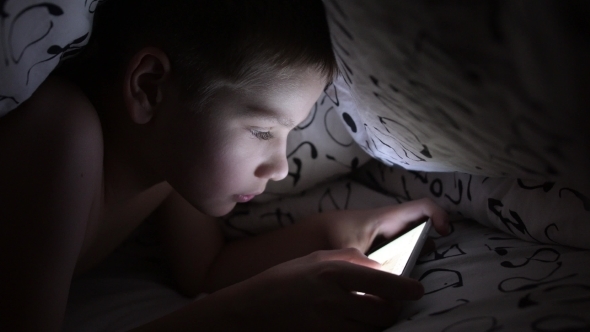
Too much screen time can be harmful, whether you keep the TV on all the time or the entire family sits around staring at their smartphones.
- Behavior issues: Elementary school-age children who spend more than 2 hours per day watching TV, talking on the phone, or using a computer are more likely to have emotional, social, and attention issues.
- Problems with education: Elementary school-age children who have televisions in their bedrooms and use smartphones before bed perform worse on academic tests.
- Obesity: Spending too much time doing sedentary activities, such as watching TV, watching videos on smartphones, and playing video games, can put you at risk of becoming overweight.
- Sleep issues: Although many parents use TV to unwind before bed, screen time before bed can be detrimental. The light emitted by screens disrupts the brain’s sleep cycle and can result in insomnia.
- Violence: Exposure to violent TV shows, movies, music, and video games can desensitise children to it. They may eventually resort to violence to solve problems and may mimic what they see on TV and smartphones.
- Videos that are irrelevant: Meme animations (Granny, Mine Craft, Minion, Marvel Characters, and so on). This type of video slows down and affects children’s cognitive behaviours.
According to a survey, one-third of children felt unimportant when their parents looked at their smartphones during meals or while playing together. Even responding to a quick text message could send another message to your child: your phone is more important than he is.
The total time spent per day viewing screens such as a mobile phone, TV, computer, tablet, or any other hand-held or visual device is referred to as screen time.
Screens, like the balanced foods we eat, must be carefully chosen and used in the appropriate quantity and at the appropriate time. Screen time can be beneficial or detrimental depending on how we use it. Time spent on the screen for educational and prosocial activities such as schoolwork and interacting with friends and relatives is a healthy way of spending time, whereas watching inappropriate TV shows, visiting unsafe websites, watching irrelevant videos, and playing inappropriate violent video games are some examples of unhealthy screen time.
Children under the age of two should not be exposed to any type of screen, according to the Indian Academy of Paediatrics’ screen time guidelines.
It should not exceed 1 hour for children aged 2 to 5 years; for older children and adolescents, it is important to balance screen time with other activities such as physical activity, adequate sleep, time for schoolwork, meals, hobbies, and family time that are necessary for overall development.
It can have an impact on the mental health of children of all ages, from infants to adolescents. It can result in delayed speech, hyperactivity, aggression, violence, a desire for instant gratification, a fear of missing out, a fear of being left out, cyberbullying, a distorted perception of sex due to pornographic exposure, drug use, self-harm, anxiety, and depression. Excessive screen time not only has an impact on mental health, but it also has an indirect impact on physical well-being. Obesity, sedentary lifestyle, disturbed sleep, eye strain, neck, back, and wrist pain are some of the negative physical effects observed. Reduced socialisation, social anxiety, and decreased academic performance are some additional negative effects of prolonged screen exposure seen in children, which has an indirect impact on an individual’s mental health.

A child’s healthy development requires social interaction. Social media refers to online platforms used by children and adolescents to connect with friends and family, share media content, and form social networks. Facebook, Twitter, WhatsApp, Instagram, Snapchat, YouTube, and Skype are some of the most popular platforms. Online multiplayer games, such as PUBG and Clash of Clans, have recently become popular social media spaces for young people, allowing them to connect and chat with other gamers while playing. While social media has benefits such as helping to create social support groups, advocacy platforms, and collaborative learning, it also has a disadvantage.
The disadvantages include inappropriate contact, engaging in risky behaviours, sexting on chatting platforms, cyberbullying, and social media anxiety, in which children judge their self-worth based on the number of likes they receive. Breach in privacy content, revealing personal details such as pictures, bank account details, and so on, can expose them to potential harm. It is critical to educate children about the appropriate age for using various platforms. Informing and educating children about good online etiquette, such as not posting private information like home addresses or personal pictures, respecting copyright laws, and never meeting a digital person alone whom you have never met before, is essential.

Parents must always reassure their children that they love them and will be there to help them in any situation. Finally, teaching them “digital hygiene” rules is critical. Balanced screen time, proper sitting posture, and frequent breaks to reduce eye strain are some simple steps to take. Keep children safe by watching and monitoring online content with them. Finally, because parents are role models, modelling appropriate digital practises for children can be the first step toward teaching appropriate digital practises. Let us all work together to reduce unhealthy media use in order to prevent future mental health issues like internet addiction.
The following are some possible early warning signs of cell phone addiction in children:
- When you don’t let them use their phone, they experience withdrawal symptoms (the shakes, sweating, headache).
- Insomnia.
- Anxiety, such as constant concern about where the phone is.
- Isolation from others in the real world.
- Anger, hyperactivity, and aggression stemmed from her desire to use her phone constantly.
- A requirement to use a phone while watching TV, eating, or engaging in any other activity.
- Excessive haste to reach the phone.
It is past time to limit the amount of technology our children use.

Here are a few shortcuts for limiting screen time:
- Allow them to use their phones in bed at night. This has a negative impact on sleep hygiene.
- Take phone calls with your kids. Don’t use your phone in front of them, and be fully present during your time with them.
- Place their phone in a special location during family time and return it after screen-free time together.
- Install an app that limits your screen time.
- Give them other ways to get dopamine and fully engage their minds to keep them from being bored without their phone, such as sports, grounds, or other hobbies.
- Together, practise reading.
- Discuss the benefits and drawbacks of phone use openly (but without lecturing).
Overall, it is clear that protecting children from the dangers of smart devices is primarily the responsibility of parents.
 Parth Sharma