How to Stress Free Do the Exam Paper Checking For School Teachers.

Introduction.

Exam paper checking is an essential task for school teachers, but it can often become a source of stress and overwhelm. The pressure to accurately review and grade numerous papers within a limited time frame can take a toll on teachers’ well-being and overall effectiveness. However, with proper strategies and a stress-free approach, teachers can streamline the process and ensure fair evaluation without sacrificing their mental and emotional well-being. In this article, we will explore various techniques and tips to help teachers approach exam paper checking in a stress-free manner. From preparation and organization to time management and utilizing technology, these guidelines will empower teachers to efficiently and effectively assess students’ work while maintaining a positive mindset throughout the process.

1. Importance of Stress-Free Exam Paper Checking.

Exam paper checking is a crucial task for school teachers, but it doesn’t have to be a stress-inducing nightmare. Understanding the impact of stress on teachers and recognizing the benefits of stress-free exam paper checking can make a world of difference in our sanity and the quality of our work.

a) Understanding the Impact of Stress on Teachers.

Let’s face it; stress and teaching often go hand in hand. But when it comes to exam paper checking, stress can escalate to a whole new level. It can leave us feeling overwhelmed, exhausted, and even questioning our career choices. Not to mention the toll it takes on our mental and physical well-being. Stress can negatively affect our ability to focus, make sound judgments, and provide valuable feedback to our students. It’s time to break free from the clutches of stress and reclaim our sanity!

b) Benefits of Stress-Free Exam Paper Checking.

Now, picture a world where exam paper checking is a breeze. A stress-free approach to this task not only benefits our own well-being but also enhances the quality of our feedback to students. When we are calm and collected, we’re able to provide insightful comments, constructive criticism, and helpful suggestions. Our students deserve our undivided attention, and a stress-free mindset allows us to deliver just that. Plus, who wouldn’t want to enjoy a peaceful night’s sleep without being haunted by visions of test papers?

2. Preparation for Efficient Exam Paper Checking.

Preparing for exam paper checking is like building a strong foundation for a stress-free experience. With the right workspace and necessary materials in place, we’ll be able to tackle the task with ease.

a) Creating a Comfortable and Organized Workspace.

First things first, let’s create a workspace that feels like a cozy retreat. Get rid of unnecessary clutter and distractions. Surround yourself with things that make you happy, whether it’s a potted plant, a motivational quote, or a picture of your adorable pet. Make sure your seating arrangement is comfortable, because nobody wants an achy back on top of everything else. Remember, your workspace should inspire joy, not trigger nightmares.

b) Gathering Necessary Materials and Resources.

To avoid last-minute scavenger hunts, gather all the materials and resources you’ll need beforehand. Stock up on pens, highlighters, sticky notes, and any other tools of the trade. Don’t forget to have a reliable and efficient method for recording scores, such as a spreadsheet or grading software. Being well-equipped will save you time and frustration, allowing you to focus on the task at hand – without the unnecessary treasure hunt.

3. Organizing Exam Papers and Creating a Checklist.

Organizing exam papers doesn’t have to resemble a chaotic tornado of papers. With a systematic approach and a handy checklist, you’ll be able to sail through the process smoothly.

a) Sorting and Labeling Exam Papers.

Start by sorting and organizing exam papers according to classes, sections, or subjects. Label each pile clearly to avoid any mix-ups. Consider using color-coded labels or stickers for an added visual appeal. When it’s time for paper checking, you’ll thank your past self for this little act of organization. Remember, a little organizing now saves you from a mountain of confusion later.

b) Creating a Checklist for Easy Tracking and Completion.

Ah, the beauty of checklists! Create a simple and comprehensive checklist that outlines the steps you need to take for each exam paper. This can include tasks like checking for correct answers, tallying marks, and providing comments. As you complete each item on the checklist, mark it off triumphantly, giving yourself a mini celebration each time. Not only does a checklist keep you organized, but it also gives you the satisfaction of visual progress. Checklists, the unsung heroes of stress-free paper checking.

4. Effective Time Management Techniques.
Time, the elusive and ever-ticking companion. When it comes to exam paper checking, time management can be a teacher’s best friend. Let’s explore some techniques to make the most of our precious minutes.

a) Prioritizing Papers based on Importance or Deadline.

Not all exam papers are created equal. Some may require more attention, while others have impending deadlines. Prioritize your papers based on their importance or due dates. This way, you can focus on the high-stakes ones first and then proceed accordingly. Remember, Rome wasn’t built in a day, and neither should your paper checking marathon be. Divide and conquer!

b) Setting Realistic Time Blocks for Paper Checking.

Avoid falling into the black hole of eternal paper checking by setting realistic time blocks for each task. Break down your workload into manageable chunks and allocate specific time slots for each. This will prevent burnout and provide a sense of structure to your day. Remember, you’re not a superhero, but with smart time management, you can be the hero of your paper checking adventures.

Now armed with the knowledge of stress-free exam paper checking, go forth and conquer the daunting task with a smile on your face and a pen in your hand. You got this, teacher!

5. Maintaining a Positive Mindset during Exam Paper Checking.

a) Practicing Self-Care and Stress-Relief Techniques.

When it comes to exam paper checking, it’s easy to get overwhelmed and stressed. But hey, teacher, don’t forget to take care of yourself! Prioritize self-care and incorporate stress-relief techniques into your routine. Whether it’s going for a walk, practicing yoga, or binge-watching your favorite show, do whatever helps you unwind and recharge. Remember, you can’t pour from an empty cup!

b) Adopting a Growth Mindset and Embracing Mistakes as Learning Opportunities.

Nobody’s perfect, and that includes your students and their exam papers. Embrace a growth mindset and see mistakes as valuable learning opportunities, both for your students and yourself. Instead of dwelling on the errors, focus on how you can help your students improve. And don’t forget to give yourself some grace too! As a teacher, you’re constantly learning and growing alongside your students.

6. Strategies for Efficiently Reviewing and Grading Papers.

a) Skimming and Scanning Techniques for Quick Initial Assessment.

Let’s face it, sometimes you have a mountain of papers to grade and a limited amount of time. To tackle this challenge, try using skimming and scanning techniques for a quick initial assessment. Skim through the papers to get a general idea of the content, and then scan for specific details or keywords. This way, you can identify any glaring issues or standout performances without getting lost in the sea of papers.

b) Implementing a Consistent and Fair Grading Rubric.

Consistency is the name of the game when it comes to grading. Develop a clear and fair grading rubric that aligns with the learning objectives and criteria you’ve set for the exam. This will not only help you provide consistent feedback but also ensure fairness across all the students. Plus, having a rubric will make your life easier and save you from the headache of making subjective decisions on the fly.

7. Utilizing Technology and Tools for Streamlined Paper Checking.

a) Leveraging Online Grading Platforms or Software.

We live in a digital age, and there’s no shame in embracing technology to make your life easier. Explore online grading platforms or software that can streamline the process of paper checking. These tools often offer features like automated scoring, data analysis, and even the ability to provide feedback digitally. Say goodbye to piles of papers and hello to a more organized and efficient grading experience!

b) Using Digital Marking or Annotation Tools.

If you’re still stuck with physical papers, fear not! There are digital marking and annotation tools that can save you from drowning in a sea of red ink. From PDF editors to specialized grading apps, these tools allow you to mark and annotate papers digitally, making it easier to provide feedback and track progress. Not to mention, they spare you from the hassle of deciphering your own handwriting!

8. Implementing Feedback and Communication with Students.

a) Providing Constructive Feedback for Growth and Improvement.

Grading papers isn’t just about assigning scores; it’s about helping your students grow and improve. When providing feedback, focus on constructive criticism that highlights areas for improvement while also acknowledging their strengths. Remember, your words have the power to motivate and inspire, so use them wisely!

b) Establishing Effective Communication Channels with Students.

Communication is key, both inside and outside the classroom. Establish effective communication channels with your students to address any concerns or questions they may have about their graded papers. Whether it’s through email, online platforms, or even good old-fashioned face-to-face conversations, make yourself available and approachable. Your students will appreciate your willingness to help and support them through the learning process. In conclusion, implementing stress-free exam paper checking techniques not only benefits teachers but also ensures fair and accurate evaluation of students’ work. By prioritizing preparation, organization, and effective time management, teachers can approach this task with confidence and without unnecessary stress. Additionally, adopting a positive mindset, utilizing technology, and implementing constructive feedback and communication with students further enhance the overall experience. With these strategies in place, teachers can navigate the exam paper checking process smoothly, allowing them to focus on their students’ growth and success.

FAQ:
1. Is it really necessary to stress-free exam paper checking?

Exam paper checking is an important task for teachers, but the process can often be overwhelming and stressful. By adopting stress-free techniques, teachers can not only improve their own well-being but also ensure a fair and accurate evaluation of students’ work. Stress-free paper checking allows teachers to maintain focus, provide valuable feedback, and ultimately support students’ growth and success.

2. How can I manage my time effectively during exam paper checking?

Time management is crucial during exam paper checking. Start by prioritizing papers based on importance or deadline, and allocate realistic time blocks for each task. Creating a schedule or checklist can help you stay organized and track your progress. It is also important to take short breaks to rest and recharge, ensuring that your evaluation remains consistent and accurate.

3. Can technology help simplify the exam paper checking process?

Yes, technology can be a valuable tool for streamlining exam paper checking. Online grading platforms or software can automate certain tasks, such as calculating grades or providing feedback. Digital marking or annotation tools can make the process more efficient and organized. Leveraging these technological resources can save time and effort, allowing teachers to focus on the content and quality of students’ work.

4. How can I maintain a positive mindset during the exam paper checking process?

Maintaining a positive mindset is essential during the exam paper checking process. Practice self-care and stress-relief techniques to manage any anxieties or frustrations that may arise. Adopt a growth mindset and embrace mistakes as learning opportunities, both for yourself and your students. Remember that your role is to support and guide students’ learning journey, and a positive mindset will enhance your effectiveness as a teacher.

“Teachers Have 3 Loves: Love of Learning, Love of Learners, and the Love of Bringing the First Two Loves Together”

Every Teacher Should Be Aware Of Stress Management Techniques.

Teachers who do not understand how to effectively manage stress limit their ability to educate their students. Emotions are also important in decision-making. Overwhelm, anxiety, and frustration can all impair our ability to make sound decisions.

When the demands placed on you, such as work, school, or relationships, exceed your ability to cope, you experience stress. It can be a short-term reaction, such as being stuck in traffic or being late for school, or it can last for a long time if you’re dealing with relationship or money problems, the death of a loved one, or other serious situations. While some stress can be beneficial, such as stress that motivates you to study for an exam or perform well in a sporting event, untreated long-term stress has been linked to serious health issues such as depression, heart disease, obesity, and a weakened immune system.

According to a survey, women consistently report higher levels of stress than men. We don’t know if this is because women face more demands than men, such as taking on more family responsibilities, or because men and women experience stress differently. However, it is clear that chronic stress can have physical and emotional consequences if we do not find better ways to manage it.

Irritability, difficulty sleeping, changes in appetite, headaches, stomach aches, intestinal problems, nervousness, excessive worry, sadness or depression are all symptoms of stress. Stress can have an adverse effect on a woman’s ability to conceive, the health of her pregnancy, and how she adjusts after giving birth. It can also have an effect on menstruation and sexual desire, and it can aggravate premenstrual symptoms.

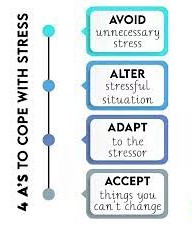
It may appear difficult for women juggling multiple responsibilities to find time to adequately manage stress. People who are under a lot of stress may try to cope by overeating or undereating, drinking alcohol, smoking, gossiping, or lying around the house. The good news is that there are effective stress management techniques. Here are some clever ways to cope:

Breathe Correctly.

Sensory overload can occur in the classroom. Before you know it, your heart rate is increasing, you’re breaking out in a sweat, and your mind is racing. The most effective first step you can take in these situations is to breathe deeply. So, it’s not the most recent technique, and it appears to be overly simple, right? When you’re stressed, breathe in deeply for four seconds (place your hands on your stomach and feel it expand out), then exhale evenly for four seconds. Maintain this for 2-3 minutes for maximum effect.

Accept the Stress.

Whether you believe stress is positive or negative, you are correct: viewing stress constructively will cause your body to respond differently and prevent long-term physical damage. Those who have negative attitudes towards stress, on the other hand, face a variety of negative health outcomes similar to those caused by smoking. So, how do you alter your attitude towards stress? Reframing changes in heart rate and other stress-related physical symptoms with phrases such as “This is my body helping me rise to this challenge.”

Imperfect Yourself.

Those who are overly stressed and unhappy often have one thing in common: they believe they should be someone better than they are. As a result, today’s working-age population is the most obese, addicted, and indebted in history. Teachers are frequently prone to perfectionism and its negative consequences: they frequently believe that they are not doing enough, or that their mistakes are magnified due to the importance of their job. Fight back if you find yourself feeling this way. The truth is that you are already “enough,” and you deserve to be loved and praised. Don’t forget about it.

First Aid for Emotions.

Do you criticise yourself when you fail or make a mistake? It would be like getting a cut and then finding ways to aggravate the wound. We don’t do that when we’re in physical pain, so why do we dwell on mistakes and aggravate the wound when we’re in emotional pain? Finding ways to break negative thought patterns is recommended if you find yourself taking your classroom work home with you. Sometimes a two-minute distraction is all that is required to avoid getting stuck in an emotional rut.

Be Thankful.

This isn’t about delusion or forcing yourself to be grateful for things that are clearly negative, but rather about a determination to see the opportunity to move in a new direction present in each moment. The formula is simple: “Stop, look, go.” We must pause, quiet our minds, and create “stop signs”—miniature reminders of things for which we should be grateful every day. By “look,” I mean to open all of your senses and simply enjoy life. “Go” means to move forward and take advantage of what life has to offer at any given time.

“Grass is Greener” Thinking.

“The greenest grass grows where it is watered.” It’s not always what you want to hear on a bad day, but the reality is that you will face difficulties wherever you go.

Work Smarter rather than Harder.

It’s easy to conflate exhaustion and burnout with hard work. Working hard and doing good work does not have to leave you exhausted and tense. Consider delegating some of your work or investing in tools or technologies that will make your life easier.

Connect with Someone.

When you connect with another person, your body produces oxytocin, a chemical that aids in heart repair. And you don’t even have to be on the receiving end: helping someone else has the same effect. Teachers already devote a significant amount of time to this, but it is also critical to cultivate relationships with colleagues, neighbours, and friends. Except for those who reported caring for others, who experienced NO such effects, major stressful life events are generally strongly linked with negative health outcomes. You are much less likely to experience the negative effects of stress if you help your neighbours, family, and so on. Friends and family members who have faced similar challenges may have useful ideas and perspectives to share. There is no reason to face difficult life circumstances alone. Indeed, support from family or friends may help you begin and maintain better self-care.

Keep track of your stressors. Keep a journal to track which situations cause you the most stress and how you deal with them. Keep a journal of your thoughts, feelings, and observations about the environment, including the people and circumstances involved, the physical setting, and your reactions. Taking notes can help you identify patterns in your stressors and reactions to them, allowing you to develop a stress management strategy.

Set boundaries. Make a list of the projects and commitments that are causing you stress. Determine which commitments are priorities and eliminate anything unnecessary. Accept no more commitments until you feel your stress is under control. Limiting non-essential obligations is essential for reducing chronic stress.

Make one health-related pledge. Do everything you can to improve your health so that you have the energy and strength to face the challenges you face. One small step, such as reducing excessive snacking, can have a big impact. Similarly, a brisk walk or other aerobic activity can boost your energy and concentration while decreasing anxiety. Physical activity boosts the production of feel-good endorphins while decreasing the production of stress hormones.

Control your devices. People who report constantly checking their email or social media tend to be more stressed. Take a break over the weekend and in the evenings. Before you go to bed, put your phone away.

Improve the quality of your sleep. Women who are chronically stressed frequently experience insufficient sleep and, in some cases, stress-induced insomnia. Begin winding down an hour or two before bedtime by engaging in calming activities such as listening to relaxing music, reading a good book, or practising relaxation techniques such as meditation.

Seek Additional Assistance. Yes, this is permissible. There will be times when you need help, no matter how long you’ve been teaching or how brilliant you are. Asking for help does not make you weaker; rather, it makes you more effective at your job. If you are still feeling overwhelmed or having difficulty getting through your daily routine, seek the assistance of a mental health professional, such as a psychological counsellor. Psychological counsellors are trained to assist you in developing effective stress management strategies and making changes to help improve your overall health.

Making lesson plans, ensuring classroom discipline, pressure from parents and management, a lack of administration support, annual education system upgrades, and now the challenge of streamlining with online classes; being a teacher is not an easy job.

Another challenge for teachers is stress management. Teaching nowadays requires more intelligence, energy, and planning, but that doesn’t mean you can’t do it. Teaching is becoming more popular in the modern world as a noble profession and one of the best jobs.

Plan Ahead of Time.

The stress of lesson planning, meeting the syllabus’s deadline, and preparing the class for exams may feel like a burden on your mind. Still, it can be made easier by planning ahead of time, even at the start of the session. So, first go through the entire course, make a list of the lessons, count the number of working days and holidays in your calendar, and assign dates to each lesson. Then, stay on schedule and teach according to your lesson plan.

Remember to schedule days for revision, homework, class tests, and copy correction for each lesson. For example, if you have 24 lessons on the curriculum this year and 250 classroom days, you can assign each lesson 5-6 days. Maintain flexibility in this plan by allowing more time to complete a lesson if it is longer, more difficult, or if students want more time.

Every holiday, set aside an hour to plan classroom instruction and lesson plans. Searching for answers to questions in class, students being undisciplined as a result of being unattended, and making students read the lesson again and again because you are not prepared with additional notes; all of these things add to your mental stress. So, plan ahead of time.

Make Learning Enjoyable.

When teaching and learning follow the same routine and schedule every day, it becomes monotonous. So, while the class time cannot be altered, your classroom management strategies can. Surprising your students by announcing in class that there will be no teaching but only activity that day can work wonders. Depending on the circumstances, you can choose an outdoor activity, a classroom activity, or an online activity.

If you are a science teacher, take them outside to demonstrate plants and their roots, flowers, insects, and the processes of evaporation, gravitational force, water cycle, photosynthesis, and so on. If you are a maths teacher, use pebbles and leaves to teach them counting, multiplication, and division. All of this should be done at your end and shown to your students online if you are teaching online. If you teach a language, have them write their dream story, and so on. You can relax your mind by developing interesting teaching techniques, such as classroom games.

Feed Yourself.

More stress necessitates more energy, and more energy necessitates more nutrition. Hydrate yourself and provide your body with the minerals and vitamins it requires. Maintain a supply of roasted dry fruits, sprouts, fruit salads, smoothies, refreshing candies, energy seeds, and nutritional munchies on hand. If you have a long session or are feeling down, eat them. For active mode, avoid oily and spicy foods and switch to a healthy diet. Don’t forget that stress management is about learning how to deal with stress and how an energetic body can deal with it effectively.

Recharge your Mind and Body.

Another important consideration is to refresh your mind and body. Take a 5-minute break in between classes. For example, a 60-minute class can be divided into three 15-minute segments, with a 5-minute break after each 15-minute segment. Allow students to drink water, take deep breaths, and even lie down on the table to relax or perform a small activity such as telling them a joke or a short story related to the lesson. This will make the environment more pleasant for both teachers and students.

Relax your mind and body with a head massage, hair spa, bubble bath, dance session, and yoga classes. You can also learn about stress management exercises and practise them twice or three times per week.

Make an Atmosphere.

Last but not least, as a teacher, you must create an environment. If you are a teacher teaching student online, choose a teaching corner and adjust the table and chair to your height. Before beginning the class, check the internet connection, the condition of the device, and the lesson plans, among other things. If you don’t find your students responsive in class, connect with them, remember their names, and ask them about the problem. Create a student-teacher bond with each student. Make them respond positively by attracting them with engaging classroom activities and lucrative keynote speeches. Before beginning each lesson, explain why it is important for them to learn that particular lesson.

So, these are some stress-relieving techniques for teachers that will assist them in dealing with stress and growing as educators.

“The One Profession That Creates All Other Professions Is TEACHING.”