Unlocking Academic Success: Effective Approaches for Enhancing Weaker Students Performance.

Introduction.

Academic success is a goal that all educators strive to help their students achieve. However, it is essential to recognize that not all students come to the classroom with the same level of preparedness and ability. For weaker students who may face various challenges, unlocking their academic potential requires a tailored approach. In this article, we will explore effective approaches for enhancing the performance of weaker students. We will delve into understanding the challenges they face, identifying key factors that affect their academic performance, and providing targeted strategies and support to meet their individual needs. By creating a supportive learning environment, utilizing effective study techniques, and fostering active engagement, educators can empower weaker students to overcome obstacles and thrive academically.

1. Understanding the Challenges Faced by Weaker Students.

a) Identifying the underlying causes of weaker academic performance.

Let’s face it, not all students find academic success a walk in the park. Some students may struggle due to a variety of underlying causes. It’s important for educators to identify these causes in order to provide the necessary support and interventions. These causes can range from learning disabilities and language barriers to lack of prior knowledge and limited access to resources. By understanding the root causes, educators can better tailor their approach to help weaker students overcome their challenges.

b) Recognizing the impact of low self-confidence and motivation.

Low self-confidence and a lack of motivation can be major obstacles for weaker students. When students doubt their abilities or lose interest in learning, it can negatively affect their academic performance. Educators must recognize the crucial role that self-confidence and motivation play in a student’s success. By fostering a supportive and encouraging environment, providing positive feedback and helping students set achievable goals, educators can help boost confidence and reignite motivation in weaker students.

2. Identifying Key Factors Affecting Academic Performance.

a) Exploring the role of curriculum and instructional methods.

The curriculum and instructional methods employed in the classroom can greatly impact a student’s academic performance. Educators should take a critical look at the curriculum and consider whether it aligns with the needs and abilities of weaker students. Additionally, varying instructional methods can help cater to different learning styles and engage students who may struggle with traditional teaching approaches. By adapting the curriculum and instructional strategies, educators can create a more inclusive learning environment.

b) Examining the influence of learning styles and preferences.

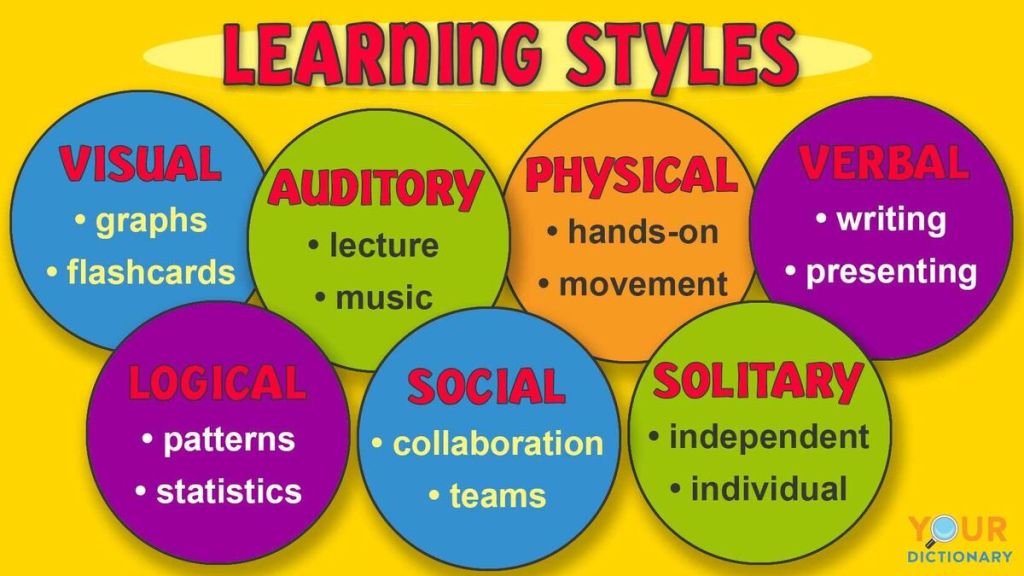
Every student has their own unique learning style and preferences. Some students may thrive in a visual or kinesthetic learning environment, while others prefer auditory or hands-on approaches. Understanding and accommodating these differences is key to unlocking academic success for weaker students. Educators can incorporate a variety of teaching methods that cater to different learning styles, ensuring that all students have an equal opportunity to grasp and retain information.

3. Tailoring Instructional Strategies to Meet Individual Needs.

a) Implementing differentiated instruction techniques.

One size does not fit all when it comes to education. Differentiated instruction techniques can be highly effective in meeting the individual needs of weaker students. By providing customized learning experiences, educators can offer appropriate challenges and support to each student. This may involve modifying assignments, providing additional resources, or offering one-on-one instruction. With differentiated instruction, weaker students are empowered to learn at their own pace and in a way that suits their abilities and strengths.

b) Adapting content delivery methods for diverse learners.

Content delivery methods play a vital role in engaging weaker students and facilitating their understanding. Employing a variety of methods such as interactive multimedia, hands-on activities, or real-world examples can help make complex concepts more accessible. By tailoring content delivery to the diverse learners in the classroom, educators can foster a deeper understanding and make learning a more enjoyable experience for weaker students.

4. Creating a Supportive Learning Environment.
a) Fostering a positive classroom atmosphere.   

A supportive and positive classroom atmosphere is essential for the academic success of weaker students. Creating an environment where all students feel safe to ask questions, make mistakes, and express their thoughts without fear of judgment is crucial. Encouraging collaboration, celebrating achievements, and promoting a growth mindset can contribute to a positive classroom atmosphere that motivates weaker students to strive for improvement.

b) Building meaningful relationships and trust with students.

Strong relationships and trust between educators and students can have a profound impact on their academic performance. Building a genuine connection with weaker students helps foster a sense of belonging and provides a support system for them. By showing empathy, actively listening, and demonstrating a genuine interest in their well-being, educators can create a trusting relationship that encourages weaker students to seek help, ask questions, and actively engage in their learning journey.

Remember, unlocking academic success for weaker students requires a combination of understanding their challenges, adapting instructional strategies, and creating a supportive environment. With the right approach, every student can unlock their potential and achieve academic success. So let’s empower our weaker students to reach new heights and make their academic journey an enjoyable and fulfilling one!

5. Utilizing Effective Study Techniques and Time Management Strategies.

a) Teaching effective note-taking and organization skills.

When it comes to academic success, taking good notes and staying organized can make all the difference. Students who struggle in certain subjects often find it challenging to keep track of important information. By teaching effective note-taking techniques, such as using abbreviations and summarizing key points, educators can help students capture and understand critical concepts. Additionally, promoting organization skills, like using color-coded folders or digital tools for file management, can assist in creating a structured study environment that enhances learning and retention.

b) Promoting efficient study habits and time allocation.

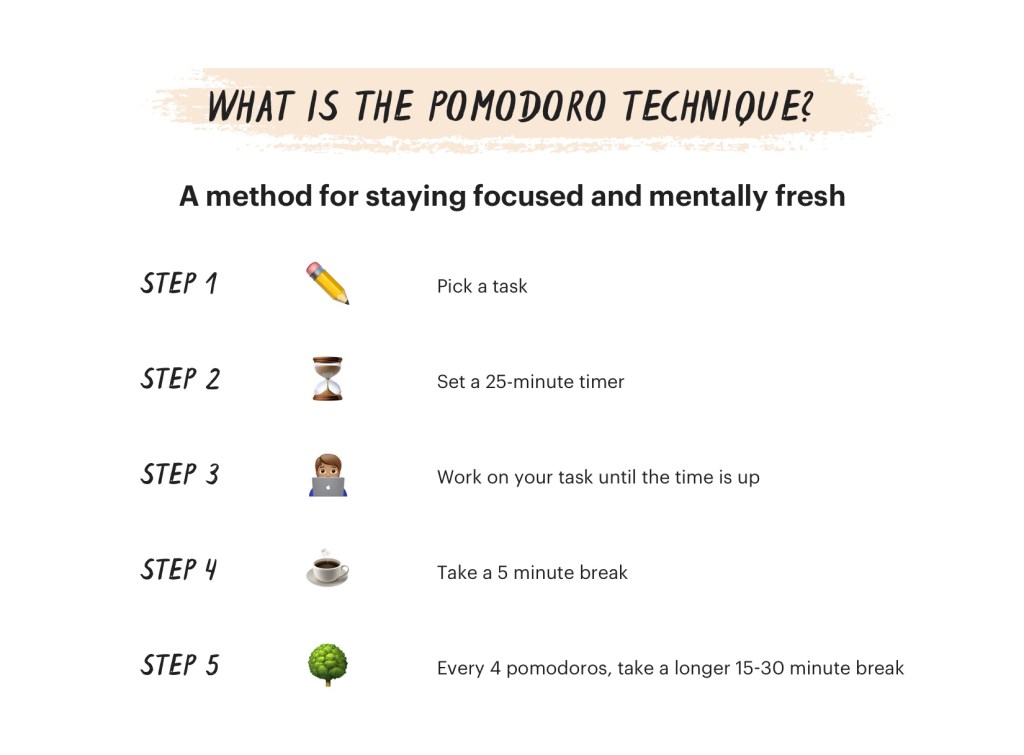
We’ve all been guilty of procrastination at some point, but effective time management is crucial for academic success. Encouraging students to develop efficient study habits, such as breaking down tasks into manageable chunks and creating a study schedule, can help them make the most of their time. Effective time allocation allows students to balance their workload, reducing stress and promoting better understanding of the material. So, let’s bid farewell to last-minute cramming sessions and embrace a more organized and productive approach to studying.

6. Encouraging Active Engagement and Participation.

a) Incorporating interactive and hands-on learning activities.

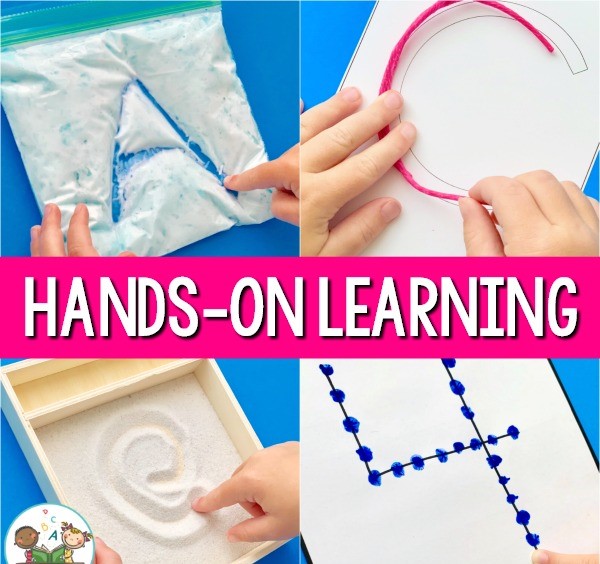
Sitting passively in a classroom can be a recipe for disengagement, especially for weaker students. To unlock academic success, educators should spice up their teaching methods by incorporating interactive and hands-on learning activities. Whether it’s a group discussion, a science experiment, or a role-playing exercise, active engagement enhances understanding and retention. By making learning fun and involving students in the process, educators can create a more inclusive and dynamic environment that appeals to all learners.

b) Encouraging collaboration and group work opportunities.

They say two heads are better than one, and this holds true in the realm of education. Encouraging collaboration and group work opportunities not only cultivates a sense of community but also fosters academic growth. Weaker students can benefit from working alongside their peers, as it allows them to exchange ideas, gain new perspectives, and clarify concepts. By embracing the power of teamwork, educators can transform the learning experience into a collaborative adventure, ensuring that no student is left behind.

7. Providing Targeted Remedial Support and Resources.

a) Implementing intervention programs for specific academic areas.

No student should feel isolated or left behind if they struggle with particular subjects. To address this, implementing intervention programs specifically tailored to target areas of weakness can make a significant difference. These programs provide extra support and specialized instruction, helping students develop the necessary skills and knowledge. By recognizing that everyone learns at their own pace and providing targeted remedial assistance, educators can create a more inclusive environment where every student has an opportunity to succeed.

b) Offering additional tutoring and support services.

Sometimes, a little one-on-one assistance can go a long way. Offering additional tutoring and support services allows students to receive personalized attention and instruction tailored to their unique needs. Whether it’s through after-school tutoring sessions, peer mentoring programs, or online resources, students can benefit from the extra guidance and support. By making these resources readily available, educators demonstrate their commitment to helping weaker students unlock their academic potential.

8. Monitoring Progress and Adjusting Approaches as Needed.

a) Utilizing formative assessments to track student progress.

When it comes to enhancing weaker students’ performance, monitoring progress is key. Utilizing formative assessments, such as quizzes, projects, and class discussions, allows educators to gauge understanding and identify areas of improvement. By regularly assessing student performance, educators can pinpoint specific challenges and adjust their instructional approaches accordingly. This ongoing evaluation ensures that weaker students receive the necessary support and resources to thrive academically.

b) Using data-driven decision-making to modify instructional approaches.

Data is not just for number crunching; it can be a powerful tool for instructional improvement. By analyzing student performance data, educators can make informed decisions about modifying their teaching approaches. This data-driven decision-making enables educators to identify patterns, adapt their methods based on individual and collective needs, and ensure that weaker students receive the targeted support required for success. So, let’s embrace the power of data and use it to unlock academic potential for all students. By implementing the effective approaches discussed in this article, educators can make a significant impact on the academic success of weaker students. It is crucial to recognize that every student has the potential to grow and excel, given the right support and strategies. With a focus on understanding their challenges, tailoring instruction, and providing a supportive environment, educators can unlock the academic potential of weaker students and help them thrive. By investing in their success, we not only empower these students to achieve their goals but also foster a more inclusive and equitable educational system. Together, let us continue to work towards unlocking academic success for all students.

FAQ:

1. Can weaker students achieve academic success?

Yes, weaker students can absolutely achieve academic success. It is important to recognize that academic success looks different for every student and may require additional support and strategies. By implementing targeted approaches, providing a supportive learning environment, and addressing individual needs, educators can empower weaker students to reach their full potential.

2. How can educators identify the challenges faced by weaker students?

Identifying the challenges faced by weaker students requires a comprehensive understanding of their individual circumstances. Educators can gather information through assessments, observations, and conversations with students. Additionally, collaborating with colleagues, parents, and educational specialists can provide valuable insights into the challenges experienced by weaker students.

3. What are some effective study techniques for weaker students?

Effective study techniques for weaker students include teaching them how to take organized notes, break down complex tasks into smaller manageable parts, and practice active recall techniques such as summarizing information or teaching it to someone else. It is also important to teach time management skills and help them create a structured study schedule.

4. How can educators monitor the progress of weaker students?

Educators can monitor the progress of weaker students through ongoing formative assessments, which provide valuable feedback about their understanding and progress. Additionally, maintaining open lines of communication with students, regularly reviewing their work, and using data-driven decision-making can help identify areas where additional support or adjustment to instructional approaches may be needed.


From Home to Classroom: Understanding the Influence of Parents on a Childs Educational Success.

Introduction:

Parents play a vital role in shaping their child’s educational journey, serving as the first and most influential educators in their lives. Research consistently demonstrates that parental involvement significantly impacts a child’s academic achievement. From creating a supportive home environment for learning to collaborating with teachers, parents have the power to enhance their child’s educational experience and set them on a path to success. This article explores the various ways in which parents can positively influence their child’s educational success, emphasizing the importance of parental involvement, expectations, nurturing a growth mindset, fostering effective study habits, and promoting a love for learning. By understanding the influence parents have on their child’s education, we can harness their potential to create fruitful partnerships between home and classroom, ultimately empowering children to thrive academically.

1. The crucial role of parents in a child’s educational success.

When it comes to a child’s educational success, parents play a vital role as the ultimate influencers. While teachers and schools provide the formal education, it is the support and involvement of parents that truly make a difference in a child’s learning journey. From motivating and encouraging their children to creating a nurturing environment at home, parents have a tremendous impact on their child’s academic achievements. In this article, we will explore the various ways in which parents can contribute to their child’s educational success and help them thrive in the classroom.

2. Parental involvement and academic achievement: An overview.

a) Understanding the impact of parental involvement on academic outcomes.

Research consistently shows that parental involvement has a significant influence on a child’s academic achievements. When parents actively engage in their child’s education, it leads to higher grades, improved test scores, increased motivation, and stronger overall academic performance. The support and encouragement provided by parents act as powerful catalysts for their child’s success in the classroom. By understanding the importance of their involvement, parents can help set their children up for educational triumphs.

b) Types of parental involvement: Active participation in education.

Parental involvement in education can take various forms, all of which contribute to a child’s success. From simply showing interest in a child’s school life to actively participating in their learning journey, parents have the opportunity to make a difference. This involvement can include helping with homework, engaging in discussions about school topics, attending parent-teacher conferences, volunteering in school activities, and advocating for their child’s educational needs. By actively participating in their child’s education, parents not only provide valuable support but also demonstrate the importance of learning in a fun and engaging manner.

3. Creating a supportive home environment for learning.

a) Establishing a designated study area.

Creating a supportive home environment for learning is essential to foster academic success. One way to do this is by establishing a designated study area for your child. This space should be quiet, well-lit, and free from distractions, allowing your child to focus and concentrate on their studies. Having a dedicated study area also helps in establishing a routine and reinforces the importance of learning in a specific space.

b) Providing necessary learning resources and materials.

Equipping your child with the necessary learning resources and materials is another crucial aspect of creating a supportive home environment for their educational journey. Ensure that your child has access to textbooks, notebooks, and any other materials required for their studies. Additionally, consider providing additional resources such as reference books, educational websites, or online tools to enhance their learning experience. By providing these resources, you give your child the tools they need to thrive academically, even beyond the classroom.

4. Collaborating with teachers: Building strong parent-teacher partnerships.

a) Regular communication with teachers.

Building a strong partnership between parents and teachers is essential for a child’s educational success. Regular communication with your child’s teachers allows you to stay informed about their progress, strengths, and areas that may need extra attention. This open line of communication also enables you to address any concerns or challenges your child may be facing promptly. By working together with teachers, you can create a holistic support system that ensures your child receives the best possible education.

b) Attending parent-teacher conferences and school events.

Attending parent-teacher conferences and school events is an excellent opportunity to meet your child’s teachers and gain valuable insights into their academic progress. These events provide a platform to discuss your child’s strengths, areas for improvement, and to collaborate on strategies to support their learning. By actively participating in these conferences and events, you not only show your child that their education matters but also establish a strong foundation for a constructive parent-teacher relationship.

In conclusion, parents have a significant influence on their child’s educational success. By actively engaging in their child’s education, creating a supportive home environment, and collaborating with teachers, parents can help their children thrive academically. So, embrace your role as a cheerleader, supporter, and guide, and watch your child reach great heights in their educational journey.

5. The influence of parental expectations and aspirations on a child’s motivation.

When it comes to a child’s educational success, parents play a crucial role in shaping their motivation. Parental expectations and aspirations can have a significant impact on a child’s drive to excel academically.

a) Setting realistic yet challenging academic goals.

Parents need to set realistic, yet challenging, academic goals for their children. These goals should be attainable but also push the child to reach their full potential. By setting these goals together, parents and children can work towards them as a team, fostering a sense of purpose and motivation.

b) Instilling a sense of self-belief and fostering a growth mindset.

Believing in your child’s abilities and fostering a growth mindset is essential in motivating them to succeed academically. Encourage your child to embrace challenges, view mistakes as learning opportunities, and believe in their own capability to overcome obstacles. By instilling a sense of self-belief, parents can help their children develop resilience and the motivation to persevere.

6. Nurturing a growth mindset: Encouraging resilience and persistence in learning.

In addition to promoting a growth mindset, parents should also focus on nurturing resilience and persistence in their child’s learning journey.

a) Teaching children the value of effort and embracing challenges.

Help your child understand the value of effort by emphasizing that hard work and dedication are essential for success. Encourage them to embrace challenges rather than shying away from them. Teach them to see challenges as opportunities to grow and learn, rather than as roadblocks.

b) Promoting a positive attitude towards setbacks and failures.

It’s important for parents to cultivate a positive attitude towards setbacks and failures. Teach your child that setbacks are normal and part of the learning process. Help them see failures as opportunities to learn and improve, rather than as indicators of their worth or intelligence. By promoting a positive attitude, parents can foster resilience and persistence in their child’s academic journey.

7. Fostering effective study habits and time management skills at home.

Effective study habits and time management skills are essential for academic success. Parents can play a vital role in teaching and reinforcing these skills at home.

a) Establishing a consistent study routine.

Help your child establish a consistent study routine that works best for them. Set aside dedicated time for homework and study, creating an environment that is conducive to learning. Consistency will help your child develop discipline and a sense of responsibility towards their education.

b) Teaching effective organization and time management techniques.

Teach your child effective organization and time management techniques to optimize their study time. Help them prioritize tasks, break them into manageable chunks, and create a schedule that allows for both study and leisure activities. By learning these skills early on, children can become more independent and efficient in managing their time.

8. Promoting a love for learning: Encouraging curiosity and exploration.

Finally, it’s essential for parents to promote a genuine love for learning in their children, beyond just the requirements of the classroom.

a) Encouraging reading for pleasure and exploration of different subjects.

Encourage your child to read for pleasure and explore a variety of subjects outside of their regular academic curriculum. Provide them with access to books and resources that pique their interests. By fostering a love for reading and exploration, parents can ignite their child’s curiosity and create lifelong learners.

b) Engaging in educational activities outside of school.

Engage in educational activities with your child outside of the school setting. Visit museums, attend educational events, or explore nature together. These experiences not only enrich their knowledge but also create lasting memories and a positive association with learning.

By understanding the influence of parents on a child’s educational success and actively participating in their academic journey, parents can provide the necessary support, motivation, and love for learning that will contribute to their child’s achievements in the classroom and beyond. In conclusion, the influence of parents on a child’s educational success cannot be overstated. By actively engaging in their child’s education, creating a supportive learning environment at home, collaborating with teachers, setting high expectations, fostering a growth mindset, and promoting effective study habits and a love for learning, parents can significantly impact their child’s academic journey. When parents and educators work together, the possibilities for a child’s educational success become limitless. Let us recognize and embrace the profound role parents play in shaping their child’s future, and together, let us pave the way for a brighter future filled with educational achievement and lifelong learning.

FAQ:

1. How does parental involvement impact a child’s academic success?

Parental involvement has been consistently linked to positive academic outcomes for children. Research shows that when parents are actively engaged in their child’s education, providing support, encouragement, and guidance, children are more likely to perform better in school, have higher attendance rates, and develop stronger study skills.

2. How can parents collaborate effectively with teachers?

Collaborating with teachers is essential for a child’s educational success. Parents can establish regular communication with teachers, attend parent-teacher conferences and school events, and actively participate in their child’s education by asking about their progress, discussing any concerns, and seeking guidance on how to support their child’s learning at home.

3. How can parents foster a growth mindset in their child?

A growth mindset is the belief that abilities and intelligence can be developed through effort and perseverance. Parents can foster a growth mindset by encouraging their child to embrace challenges, teaching them the value of effort, praising their hard work and resilience, and reframing failures as learning opportunities. By instilling a growth mindset, parents can inspire their child to believe in their abilities and strive for continuous improvement.

4. What are some practical ways parents can promote effective study habits?

Parents can promote effective study habits by establishing a consistent study routine, creating a designated study area free from distractions, providing necessary learning resources, teaching organization and time management techniques, and offering guidance and support when needed. By helping their child develop effective study habits, parents can empower them to become independent and successful learners.

Revitalizing Learning: Discovering Innovative Approaches to Tackle Children’s Boredom in School.

 Introduction:

Children’s boredom in school is a pervasive issue that hampers their engagement, motivation, and overall learning experience. Many students find themselves disinterested, detached, and unenthusiastic in the classroom, leading to a decline in academic performance and a lack of fulfillment. It is essential to address this problem and discover innovative approaches to revitalize learning, reignite curiosity, and create a stimulating environment that fosters a love for education. This article explores the root causes of boredom in the classroom, delves into innovative teaching methods and strategies, and highlights the importance of empowering teachers to create engaging and enriching experiences for their students.

1. The problem of children’s boredom in school.

The prevalence and impact of boredom in the classroom.

We’ve all been there – sitting in a classroom, watching the clock tick agonizingly slow, and desperately trying to stay awake. Boredom in school is a widespread issue that affects both students and teachers alike. It not only makes learning a snooze-fest but also hampers academic progress and student engagement.

When students are bored, their minds wander off to distant lands, daydreaming about anything but the lesson at hand. This lack of focus makes it difficult for them to understand and retain information. Boredom also leads to disengagement, which can have serious consequences on a child’s motivation and overall attitude towards learning.

2. Understanding the root causes of boredom in the classroom.

Lack of student engagement and motivation.

Inadequate curriculum and teaching methods.

The role of classroom environment and structure.

Now, let’s dig into the reasons why boredom creeps into classrooms like an unwelcome guest. One major cause is the lack of student engagement and motivation. When students feel disconnected from the material or don’t see its relevance to their lives, they naturally lose interest.

Another culprit is the curriculum and teaching methods. A one-size-fits-all approach may leave some students feeling unchallenged or overwhelmed, leading to disinterest. Similarly, monotonous lectures and repetitive tasks can drain the excitement out of learning.

The classroom environment and structure also play a role in boredom. When spaces lack creativity and fail to provide opportunities for active participation, students are more likely to tune out. Rigid schedules and limited interaction can stifle curiosity and make learning feel like a chore.

3. Exploring innovative teaching methods and strategies.

Active learning techniques to enhance student participation.

Personalized learning approaches to cater to individual needs.

Implementing game-based learning for increased student engagement.

To counteract the effects of boredom, educators are embracing innovative teaching methods and strategies. Active learning techniques, such as group discussions, hands-on experiments, and interactive projects, breathe life into the classroom by promoting student participation and collaboration.

Personalized learning approaches recognize that each student has unique strengths, interests, and learning styles. By tailoring instruction to individual needs, educators can make lessons more engaging and meaningful. It’s like a customized learning experience, but without the hefty price tag.

And let’s not forget about the power of games. Game-based learning has gained popularity for its ability to captivate students and turn learning into a fun adventure. Whether it’s solving puzzles, role-playing, or gamified quizzes, incorporating games into the curriculum can ignite a spark of enthusiasm in even the most apathetic learners.

4. Incorporating technology to engage and motivate students.

Utilizing educational apps and platforms.

Integrating multimedia content for interactive learning experiences.

Using virtual reality and augmented reality to bring subjects to life.

In this digital age, technology offers a lifeline for combating classroom boredom. Educational apps and platforms provide interactive and engaging resources that make learning more exciting. From interactive quizzes to virtual lessons, these tools can inject some much-needed pizzazz into the learning process.

Multimedia content, such as videos, images, and animations, can also spice up the classroom experience. By incorporating visually appealing and interactive elements, teachers can cater to different learning styles and grab students’ attention. Who said education can’t be both informative and entertaining?

And finally, virtual reality (VR) and augmented reality (AR) offer immersive experiences that transport students into the heart of the subject matter. Whether it’s exploring ancient civilizations or unraveling the mysteries of the universe, these technologies have the power to make learning come alive in ways we never thought possible.

By embracing innovative approaches and leveraging technology, we can revitalize learning and bid farewell to the days of yawning students and disengaged minds. So, let’s banish boredom from the classroom and welcome a new era of excitement and curiosity in education.

Fostering creativity and active learning through project-based approaches.

Encouraging hands-on projects and experiments.

Learning doesn’t have to be confined to textbooks and lectures. By incorporating hands-on projects and experiments into the curriculum, educators can engage students in a more active and creative way. Whether it’s building a model, conducting science experiments, or creating artwork, these projects provide a tangible and interactive experience that can bring learning to life.

Implementing collaborative group work and problem-solving activities.

Collaboration is a key skill in today’s world, and schools can foster this by incorporating group work and problem-solving activities into the learning process. By working together on projects, students not only develop their teamwork and communication skills but also learn how to think critically and come up with innovative solutions. This approach encourages active participation and engagement, making learning more enjoyable and impactful.

Showcasing student work and providing opportunities for self-expression.

Every student has unique talents and abilities, and it’s important to provide them with opportunities to showcase their work and express themselves creatively. By giving students a platform to share their projects, whether it’s through presentations, exhibitions, or performances, they feel a sense of pride and accomplishment. This not only boosts their confidence but also fosters a positive learning environment where individuality is celebrated.

5. Cultivating a positive and inclusive classroom environment.

Promoting a supportive and respectful classroom culture.

Creating a positive and inclusive classroom environment is essential for student engagement and motivation. Teachers can promote a supportive culture by actively listening to students, valuing their opinions, and fostering a sense of belonging. By encouraging respect and empathy among students, classrooms become safe spaces where everyone feels comfortable to express themselves and participate actively in the learning process.

Addressing individual learning styles and preferences.

Not all students learn in the same way, and it’s crucial for educators to recognize and address different learning styles and preferences. By incorporating a variety of teaching methods, such as visual aids, hands-on activities, and audiovisual resources, teachers can cater to diverse learning needs. This ensures that every student is engaged and has the opportunity to learn in a way that suits them best.

Implementing effective classroom management techniques.

Maintaining an orderly and well-managed classroom is vital for creating an environment conducive to learning. By implementing effective classroom management techniques, such as clear expectations, consistent discipline strategies, and positive reinforcement, teachers can minimize distractions and disruptions. This allows students to focus on their learning and stay actively engaged throughout the school day.

6. Empowering teachers with professional development and support.

Providing ongoing training in innovative teaching methods.

Teachers play a pivotal role in revitalizing learning, and they need to be equipped with the necessary skills and knowledge to do so effectively. By providing ongoing professional development opportunities, schools can keep educators updated on the latest innovative teaching methods. This ensures that teachers are confident and capable of implementing new approaches that engage and inspire their students.

Encouraging collaboration and sharing of best practices.

Learning doesn’t stop at the classroom door. By fostering a culture of collaboration among teachers, schools can create an environment where educators share their best practices and learn from one another. This exchange of ideas and experiences not only enhances teaching methods but also encourages continuous improvement and innovation in the educational landscape.

Supporting teachers with resources and mentorship programs.

Supporting teachers goes beyond just professional development. By providing access to resources, such as technology tools, teaching materials, and research-based practices, schools can empower educators to implement innovative teaching approaches. Additionally, mentorship programs can pair experienced teachers with newcomers, creating a supportive network where educators can learn from each other and grow professionally.

7. Conclusion: Revitalizing learning for an engaged and enthusiastic student body.

The importance of continuous improvement in educational practices.

Revitalizing learning requires a commitment to continuous improvement in educational practices. By embracing new and innovative approaches, schools can adapt to the changing needs of students and create a learning environment that sparks curiosity and enthusiasm. This emphasis on improvement ensures that students are provided with the best possible education and are equipped with the skills they need to thrive in the modern world.

Creating a lifelong love for learning among students.

Ultimately, revitalizing learning aims to instill a lifelong love for learning among students. By making education engaging, relevant, and enjoyable, students are more likely to become active, curious learners who seek knowledge beyond the boundaries of the classroom. This love for learning not only benefits them academically but also empowers them to pursue their passions and lead fulfilling lives.

Conclusion: Revitalizing learning for an engaged and enthusiastic student body.

By recognizing and addressing the problem of children’s boredom in school, we can transform education into a vibrant and inspiring journey. Implementing innovative teaching methods, incorporating technology, fostering creativity, and cultivating a positive classroom environment are key steps towards revitalizing learning. Furthermore, it is crucial to provide teachers with professional development and support to empower them in creating dynamic and engaging educational experiences. By taking these measures, we can inspire an engaged and enthusiastic student body, instilling a lifelong love for learning and preparing them for success in the ever-evolving world.

FAQ:

1. Why is children’s boredom in school a significant concern?

Children’s boredom in school can lead to a range of negative consequences, such as decreased academic performance, disengagement, and a lack of motivation. It can hinder their ability to learn, explore their interests, and reach their full potential. Addressing this issue is crucial for creating a positive and productive learning environment.

2. How can innovative teaching methods and strategies help tackle children’s boredom?

Innovative teaching methods and strategies, such as active learning techniques, personalized learning, and game-based learning, can actively engage students and make learning more interactive and enjoyable. These approaches foster student participation, enhance critical thinking skills, and create a dynamic classroom environment that combats boredom.

3. What role does technology play in revitalizing learning?

Technology can be a powerful tool to engage and motivate students. Educational apps, multimedia content, and virtual reality can bring subjects to life and make learning more immersive. By incorporating technology into the classroom, teachers can create interactive and personalized learning experiences that capture students’ interest and passion for learning.

4. How can teachers create a positive and inclusive classroom environment?

Creating a positive and inclusive classroom environment involves fostering a supportive and respectful culture, addressing individual learning styles and preferences, and implementing effective classroom management techniques. By promoting collaboration, celebrating diversity, and valuing each student’s contributions, teachers can create an environment where every student feels valued, engaged, and motivated to learn.

From Crisis to Success: The Prevailing Spirit of Teachers as They Overcome School and Classroom Challenges.

Introduction:

Teachers play a vital role in shaping the future of our society, but their journey is not without its share of obstacles and difficulties. From managing diverse classrooms to navigating administrative demands, educators face numerous challenges that can often test their resolve. However, it is the prevailing spirit of teachers, their unwavering dedication, and their ability to overcome these obstacles that truly define the profession. This article delves into the journey of teachers as they tackle school and classroom challenges and explores the strategies, support systems, and innovative approaches they employ to transform crises into opportunities for success. By understanding the nature of these challenges and the resilience of educators, we can gain insights into how teachers continuously adapt, inspire, and thrive in their mission to educate and empower the next generation.

1. The Resilient Spirit of Teachers in Overcoming Challenges.

Teaching is no easy feat. It requires endless patience, creativity, and adaptability. But what truly sets teachers apart is their unwavering spirit in the face of challenges. From juggling diverse student needs to navigating ever-changing curricula, teachers are the ultimate problem-solvers. In this article, we will explore the prevailing spirit of teachers as they overcome school and classroom challenges. Through their resilience, they not only inspire their students, but also remind us all of the power of determination.

2. Understanding the Nature of School and Classroom Challenges.

a) Identifying Common Challenges Faced by Teachers.

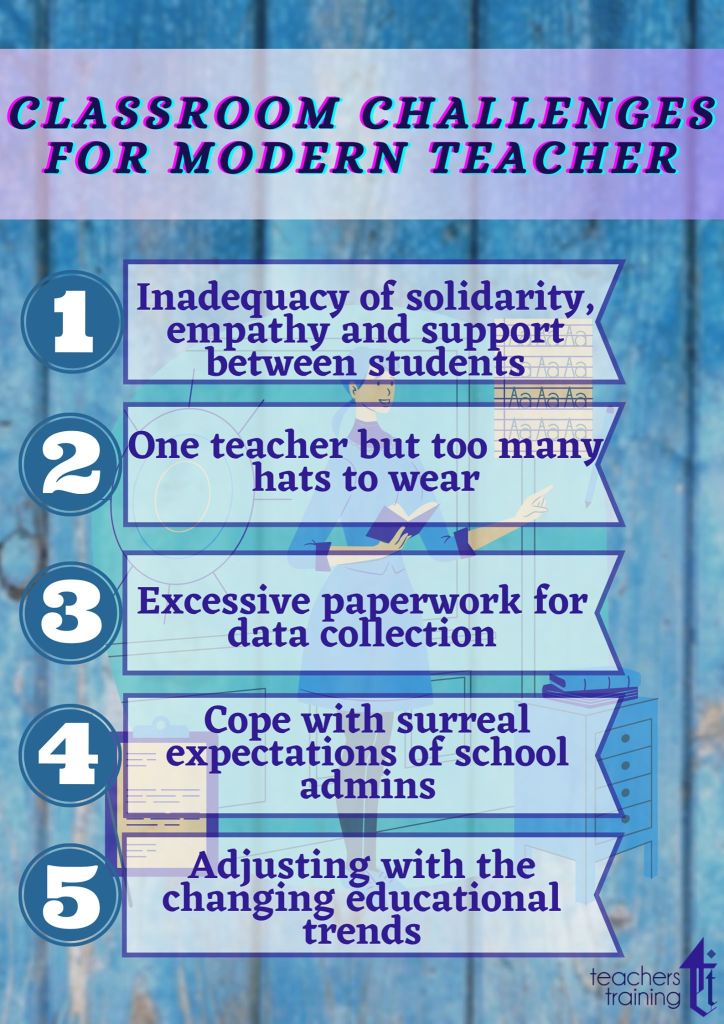
Let’s face it – teachers face a multitude of challenges on a daily basis. From managing disruptive behavior to addressing learning gaps, the list can seem never-ending. Lesson planning, grading, meetings, and paperwork pile up, often leaving teachers feeling overwhelmed. However, it’s important to recognize that these challenges are not unique to any one educator. They are shared experiences that unite teachers across the globe.

b) Analyzing the Impact of Challenges on Teachers and Students.

The challenges teachers encounter not only affect their own well-being but also have a profound impact on their students. When teachers feel overwhelmed, it can be difficult to provide the necessary support and guidance to students. Classroom dynamics may suffer, hindering the overall learning experience. Recognizing the interconnectedness of teacher and student well-being emphasizes the importance of addressing these challenges head-on.

3. Strategies for Maintaining Motivation and Positivity in Challenging Situations.

a) Self-Care and Well-being: Prioritizing Teacher Mental Health.

Amidst the chaos, teachers must remember to prioritize their own well-being. Self-care is not a luxury but a necessity. Whether it’s taking breaks, pursuing hobbies, or seeking support from loved ones, teachers must recharge to face each day’s challenges with renewed energy and positivity.

b) Cultivating a Growth Mindset: Embracing Challenges as Opportunities.

Rather than viewing challenges as roadblocks, teachers can adopt a growth mindset and see them as opportunities for personal and professional development. Every challenge is a chance to learn, adapt, and grow. By reframing their mindset, teachers can approach difficult situations with tenacity and an eagerness to find solutions.

c) Finding Inspiration and Renewal in the Teaching Profession.

Teaching can sometimes feel like a thankless job, but it’s important for teachers to find inspiration in their profession. Whether it’s connecting with like-minded colleagues, attending conferences, or exploring innovative teaching methods, seeking out sources of inspiration can help reignite passion and enthusiasm for teaching.

4. Building Resilience: Support Systems and Professional Development for Teachers.

a) Establishing Strong Support Networks: Colleagues, Mentors, and Administrators.

Nobody can do it all alone. Building a strong support network is crucial for teachers to thrive in their roles. Colleagues, mentors, and administrators can provide much-needed guidance, encouragement, and a listening ear. By fostering a sense of community, teachers can find solace and strength in knowing they are not alone in their challenges.

b) Accessing Professional Development Opportunities for Skill Enhancement.

Continuing professional development plays a vital role in equipping teachers with the skills and knowledge necessary to face evolving challenges. By actively seeking out workshops, conferences, and online resources, teachers can stay up-to-date with best practices and discover new strategies to enhance their teaching effectiveness.

c) The Role of Coaching and Feedback in Teacher Growth.

Coaching and feedback are invaluable tools for teacher growth. Engaging in constructive dialogue with administrators and peers helps teachers reflect on their practices, identify areas for improvement, and receive guidance for professional growth. By embracing feedback, teachers can refine their teaching methods and overcome challenges with greater confidence.

In conclusion, the prevailing spirit of teachers shines through as they navigate the complex landscape of school and classroom challenges. Through prioritizing self-care, embracing a growth mindset, finding inspiration, and building strong support systems, teachers demonstrate their resilience and tenacity in the face of adversity. So let’s celebrate the remarkable teachers who continue to inspire, educate, and overcome, shaping the future of generations to come.

5. Effective Communication and Collaboration in Overcoming Challenges.

a) Open and Transparent Communication with Colleagues and Administrators.

When it comes to tackling challenges in the education field, effective communication is key. Teachers who openly and honestly communicate with their colleagues and administrators create an environment of support and collaboration. By sharing struggles, brainstorming solutions, and seeking advice from fellow educators, teachers can gain valuable insights and find innovative ways to overcome obstacles. Transparent communication also fosters a sense of trust and teamwork, laying the foundation for a resilient and united teaching community.

b) Collaborative Problem-Solving: Engaging Students, Parents, and the Community.

Teachers know that they cannot face challenges alone. Engaging students, parents, and the wider community in problem-solving is an essential part of overcoming obstacles in education. By involving all stakeholders, teachers gain diverse perspectives and tap into a wealth of collective knowledge. This collaborative approach helps identify new strategies, resources, and support systems that benefit both individual students and the entire learning community. Together, teachers, parents, students, and the community can create a network of support that propels students towards success.

6. Innovative Teaching Approaches for Addressing Classroom Challenges.

a) Adapting Teaching Strategies to Cater to Diverse Learners.

In today’s classrooms, teachers encounter students with a wide range of learning styles, abilities, and backgrounds. To address this diversity and ensure every student reaches their full potential, teachers must be adaptive and flexible in their teaching strategies. By differentiating instruction and providing individualized support, teachers cater to the unique needs of each student. This personalized approach helps students feel valued, engaged, and motivated, ultimately leading to improved academic performance.

b) Technology Integration: Leveraging Digital Tools to Enhance Learning.

The digital age has brought forth a wealth of technological tools that can revolutionize the classroom experience. By integrating technology into their teaching practices, teachers can enhance student learning and address various challenges. Whether it’s using interactive educational apps, online platforms for remote learning, or multimedia presentations, technology provides new avenues for engagement and exploration. Embracing these digital tools empowers teachers to create dynamic and immersive learning experiences that captivate students’ attention and promote deeper understanding.

c) Creative Lesson Planning: Engaging Students and Encouraging Active Participation.

Gone are the days of monotonous lectures and passive learning. Today’s teachers understand the importance of creativity in lesson planning to captivate students’ interest and encourage active participation. By incorporating hands-on activities, group work, real-world examples, and interactive discussions, teachers create an engaging learning environment. This approach not only makes learning more enjoyable for students but also cultivates critical thinking, collaboration, and problem-solving skills. Through creative lesson planning, teachers inspire and empower students to take an active role in their education.

7. Nurturing Student Engagement and Success amidst Adversity.

a) Fostering a Positive Classroom Climate: Creating a Sense of Belonging.

Building a positive classroom climate is crucial for fostering student engagement and success, especially in the face of adversity. Teachers who create a welcoming and inclusive environment make students feel valued and respected. By acknowledging each student’s unique strengths and interests, teachers cultivate a sense of belonging that encourages active participation and collaboration. When students feel safe and supported, they are more likely to take risks, explore new ideas, and excel academically.

b) Individualized Support: Differentiated Instruction and Personalized Learning.

No two students are the same, and teachers recognize the importance of providing individualized support. Through differentiated instruction and personalized learning approaches, teachers tailor their teaching to meet the specific needs of each student. By identifying students’ strengths, weaknesses, and learning styles, teachers can provide targeted interventions and accommodations. This individualized support not only helps students overcome challenges but also empowers them to take ownership of their learning journey.

c) Building Resilient Students: Teaching Coping Skills and Growth Mindset.

Adversity is a part of life, and teachers play a pivotal role in helping students develop resilience. By teaching coping skills, fostering a growth mindset, and emphasizing the value of perseverance, teachers equip students with the tools to overcome challenges. Building resilience goes beyond academic success; it prepares students to navigate the ups and downs of life and emerge stronger from difficult situations. With the guidance of dedicated teachers, students develop the skills and mindset needed to thrive in the face of adversity.

8. Celebrating Success: Stories of Teachers Overcoming Challenges.

Amidst the challenges faced by teachers, it is important to celebrate their remarkable successes. Whether it’s a breakthrough in a struggling student’s academic performance, the implementation of an innovative teaching approach, or the creation of a nurturing classroom environment, these stories of triumph should be shared and celebrated. By highlighting teachers’ accomplishments, we inspire others in the education community and remind ourselves of the prevailing spirit that drives teachers to overcome the toughest of challenges. Together, we can recognize and honor the dedication and resilience of teachers who work tirelessly to make a difference in the lives of their students. In conclusion, the prevailing spirit of teachers shines through as they navigate and triumph over the myriad challenges they face in schools and classrooms. Their resilience, determination, and unwavering commitment to their students and profession are truly remarkable. By sharing stories of success, exploring effective strategies, and highlighting the importance of support and collaboration, we can continue to celebrate and support our teachers in their continuous journey towards creating a positive and impactful educational experience for all. Let us honor and appreciate the prevailing spirit of teachers as they inspire and shape the future generation, ensuring that every challenge becomes an opportunity for growth and success.

FAQ-

1. What are some common school and classroom challenges faced by teachers?

Teachers encounter various challenges, such as managing disruptive behavior, meeting individual student needs, adapting to changing curriculum standards, and balancing workload demands.

2. How can teachers overcome burnout and maintain motivation in challenging situations?

To combat burnout, teachers can prioritize self-care, cultivate a growth mindset, seek inspiration from colleagues and professional development opportunities, and find fulfillment in the positive impact they make on students’ lives.

3. What support systems are available to teachers in overcoming challenges?

Teachers can build strong support networks with colleagues, mentors, and administrators who can provide guidance, advice, and encouragement. Additionally, accessing professional development opportunities and receiving coaching and feedback can contribute to their growth and resilience.

4. How can teachers address diverse student needs and engage students amidst adversity?

Teachers can employ innovative teaching approaches, including differentiating instruction, integrating technology, and implementing creative lesson plans. By fostering a positive classroom environment, promoting individualized support, and teaching resilience and coping skills, teachers can nurture student engagement and success.

Teaching and Personal Life: Unveiling the Secrets of Balancing Act.

The Challenge of Balancing Teaching and Personal Life.

Teaching is a noble and rewarding profession, but it often comes with its share of challenges. One of the most common struggles faced by educators is finding the delicate balance between their teaching responsibilities and personal life. Juggling lesson planning, grading, meetings, and extracurricular activities can easily consume a teacher’s time and energy, leaving little room for personal pursuits and well-being. In this article, we will dig into the secrets of the balancing act between teaching and personal life. We will explore the impact of teaching on personal life, effective strategies for time management, setting boundaries, seeking support, prioritizing self-care, nurturing relationships, and overcoming challenges. By uncovering these secrets, educators can gain insights and valuable tools to navigate the complexities of their professional and personal lives, leading to a healthier and more fulfilling work-life balance.

1. The Importance of Work-Life Balance.

Teaching can be an incredibly rewarding profession, but let’s be real for a moment: it’s also a juggling act that would make a circus performer jealous. Between managing lesson plans, grading papers, attending meetings, and dealing with endless classroom shenanigans, it’s no wonder teachers sometimes struggle to find balance in their personal lives.

But here’s the thing – work-life balance is crucial. Neglecting your personal life can lead to burnout, strained relationships, and a general sense of “Is it summer break yet?” So, let’s dive into the impact teaching can have on your personal life and uncover some strategies for achieving that elusive balance.

2. Understanding the Impact: How Teaching Affects Personal Life.

a) Time Commitments and Workload.

Teaching isn’t a 9-to-5 job. It’s more like a 24/7, all-you-can-handle buffet of responsibilities. Lesson planning, grading, and parent-teacher conferences – these all take up chunks of your time, leaving you with crumbs for your personal life. Finding a way to manage your workload is key to maintaining a semblance of balance.

b) Emotional and Mental Exhaustion.

Teaching isn’t just about imparting knowledge; it also involves managing a classroom full of tiny humans with unique personalities and needs. This emotional rollercoaster can leave you feeling drained and mentally exhausted. It’s important to acknowledge the toll it takes on your personal life and find ways to recharge.

c) Impact on Relationships.

Teaching can sometimes pull you away from your loved ones, causing strain in relationships. Late nights grading papers might mean missing out on family time or canceling plans with friends. Balancing your commitments and nurturing your relationships can be a challenge, but it’s essential for your well-being.

3. Strategies for Time Management: Key to Balancing Teaching and Personal Life.

a) Effective Planning and Prioritization.

To make the most of your time, plan your tasks and prioritize them based on urgency and importance. Breaking things down into manageable chunks and tackling them one at a time can help you feel less overwhelmed.

b) Creating Daily and Weekly Routines.

Establishing routines can provide structure and reduce decision fatigue. Designate specific times for tasks like grading, lesson planning, and self-care. Consistency will help you regain control over your time and allow for better work-life balance.

c) Utilizing Technology and Productivity Tools.

Harness the power of technology to streamline your teaching tasks. Explore productivity tools like digital planners, grading apps, and collaboration platforms. These can save you time, automate repetitive tasks, and create more space for personal activities.

4. Setting Boundaries: Establishing Work-Life Balance in Teaching.

a) Defining Clear Work Hours.

Set boundaries by determining your work hours and sticking to them as much as possible. Avoid the temptation to bring work home every day. Your personal life deserves dedicated time, and establishing clear boundaries can help you achieve that balance.

b) Separating Personal and Professional Spaces.

Create physical and mental separation between your personal and professional spaces. Designate a specific area in your home for work-related activities and make it a point not to bring work into your relaxation areas. Keeping these spaces separate can help you switch off and unwind.

c) Learning to Say No.

As teachers, we often have a hard time saying no. But remember, you can’t do it all. Learn to set limits and prioritize your well-being. Saying no to additional commitments, such as extra after-school activities or committees (sometimes), can free up more time for your personal life.

Remember, finding balance doesn’t mean achieving perfection. It’s about making intentional choices to ensure that teaching doesn’t monopolize your entire life. By implementing some of these strategies and embracing the art of juggling, you can unlock the secrets to a more balanced and fulfilling teaching career.

5. Seeking Support: Building a Strong Network for Personal and Professional Well-being.

a) Forming Connections with Colleagues.

Teaching can sometimes feel like a solitary profession, but forming connections with colleagues can make a world of difference. Seek out opportunities to collaborate and share ideas with your fellow educators. Whether it’s joining a teacher’s union, attending conferences, or participating in professional development workshops, fostering relationships with other teachers can provide a support system and help you navigate the challenges of balancing work and personal life.

b) Engaging in Professional Development Communities.

In addition to forming connections with colleagues at your school, join professional development communities to expand your network even further. These communities can provide valuable resources, advice, and a sense of camaraderie. Online forums, social media groups, and education conferences are all great avenues for connecting with like-minded professionals who understand the unique demands of teaching.

c) Utilizing Counseling and Support Services.

Teaching can be emotionally draining, so don’t hesitate to seek counseling or support services if you need them. Many schools offer counseling services for their staff, and these can be invaluable for maintaining your mental and emotional well-being. Additionally, don’t be afraid to reach out to friends, family, or support groups when you need a listening ear or a helping hand. Remember, asking for help is a sign of strength, not weakness.

6. Self-Care and Wellness: Prioritizing Personal Health and Happiness in Teaching.

a) Physical Health and Exercise.

Teaching requires energy, both mental and physical. Taking care of your physical health is crucial for staying energized and focused. Make time for regular exercise, even if it’s just a short walk during your lunch break or some simple stretching exercises. Incorporate healthy eating habits into your routine, and don’t forget to stay hydrated throughout the day. Your body will thank you for the extra care and attention.

b) Mental and Emotional Well-being.

Teaching can be emotionally draining, so it’s important to prioritize your mental and emotional well-being. Find activities that help you unwind and relax, such as reading a good book, practicing meditation or mindfulness, or engaging in hobbies that bring you joy. Set boundaries between work and personal life, allowing yourself time to recharge and disconnect from the demands of teaching.

c) Practicing Mindfulness and Stress Management.

Teaching can be a stressful profession, but building mindfulness and stress management techniques into your daily routine can help you stay centered and balanced. Take regular breaks throughout the day to focus on your breath or engage in quick relaxation exercises. Find stress-relieving activities that work for you, whether it’s journaling, listening to music, or going for a run. Remember, self-care isn’t selfish; it’s necessary for your well-being.

7. Nurturing Relationships: Maintaining a Healthy Work-Life Integration.

a) Quality Time with Family and Friends.

Balancing your teaching responsibilities with your personal life can be challenging, but it’s crucial to make time for the people who matter most to you. Schedule quality time with your family and friends, free from work-related distractions. Whether it’s a movie night, a dinner date, or a weekend getaway, nurturing your relationships outside of work will bring you joy and help you recharge.

b) Balancing Personal Responsibilities.

Teaching is just one facet of your life, and it’s important to balance your personal responsibilities alongside your professional ones. Prioritize your tasks, delegate when necessary, and set realistic expectations for what you can accomplish. Remember, not everything has to be perfect, and it’s okay to ask for help or let go of non-essential tasks.

c) Supporting and Communicating with Loved Ones.

Communication is key when it comes to maintaining healthy work-life integration. Talk openly with your loved ones about the demands of your teaching job and the support you need. By keeping the lines of communication open, you can ensure that everyone understands your commitments and can offer assistance when needed. Remember, you’re not in this alone, and your loved ones want to see you succeed both personally and professionally.

8. Overcoming Challenges: Strategies for Successfully Balancing Teaching and Personal Life.

a) Flexibility and Adaptability.

Teaching is a profession that requires flexibility and adaptability, especially when it comes to finding balance. Embrace the fact that your schedule may not always go according to plan and be prepared to adjust accordingly. By maintaining a flexible mindset, you can navigate unexpected challenges with ease and remain resilient.

b) Resilience and Coping Mechanisms.

Teaching can be demanding, but building resilience and coping mechanisms can help you overcome the challenges that come your way. Find healthy ways to manage stress, such as practicing gratitude or engaging in activities that bring you joy. Surround yourself with a support network that uplifts and encourages you, and don’t be too hard on yourself when things don’t go as planned. Remember, resilience is the key to bouncing back and thriving in both your personal and professional life.

c) Seeking Professional Guidance and Advice.

If you’re feeling overwhelmed or struggling to find balance, don’t hesitate to seek professional guidance and advice. Reach out to mentors, counselors, or other professionals who can offer support and guidance. They can provide fresh perspectives and help you navigate the complexities of balancing your teaching career with your personal life. Remember, even the most experienced educators seek advice from time to time, so don’t shy away from seeking help when you need it. In conclusion, achieving a harmonious balance between teaching and personal life is an ongoing journey that requires conscious effort and self-reflection. By implementing the strategies and insights shared in this article, educators can regain control over their time, prioritize their well-being, and cultivate meaningful relationships outside of the classroom. Remember, it is not only essential for personal happiness but also for sustainable and effective teaching. By embracing the secrets of the balancing act, teachers can create a fulfilling and rewarding career while still enjoying a rich and fulfilling personal life.

HARNESSING POSITIVITY: HOW OPTIMISM ELEVATES TEACHER PERFORMANCE IN SCHOOLS.

Introduction.

In the fast-paced and demanding field of education, the role of teacher optimism cannot be understated. Optimistic teachers have the power to transform classrooms and elevate their own performance, ultimately leading to improved student outcomes. Today we will explores the profound impact of positivity in education and highlights the various ways in which optimistic teachers can harness their mindset to create a thriving learning environment. From cultivating optimism in the teaching profession to overcoming challenges with a positive mindset, we will delve into the strategies and benefits of embracing optimism in the pursuit of excellence in education.

The Power of Positive Thinking in Education.

In the world of education, the power of positive thinking should not be underestimated. Optimism plays a crucial role in shaping teacher performance and student outcomes. When teachers approach their work with a positive mindset, it sets the stage for a more engaging and successful learning environment. Harnessing positivity can lead to improved teacher well-being, increased student engagement, and better academic outcomes.

Understanding the Role of Optimism in Teacher Performance.

Optimism is not just about seeing the glass half full; it’s about approaching challenges with a solution-oriented mindset. In the teaching profession, optimism plays a vital role in how educators handle setbacks, navigate difficult situations, and adapt to changing circumstances. Optimistic teachers are more likely to persevere through obstacles and find creative solutions to problems. Their positive outlook fuels their passion for teaching and enhances their overall performance in the classroom.

The Link between Positive Teacher Mindset and Student Success.

The impact of teachers’ mindset on student success cannot be overstated. Research shows that optimistic teachers have a significant influence on student motivation, engagement, and achievement. When teachers believe in their students’ potential and maintain high expectations, it creates a positive cycle of student growth. Optimistic teachers cultivate a supportive and encouraging classroom environment that nurtures students’ self-belief and resilience, leading to improved academic performance and overall well-being.

Cultivating Optimism in the Teaching Profession.

Cultivating optimism within the teaching profession is essential for enhancing teacher well-being and elevating student outcomes. Here are two key strategies to foster positivity among educators:

a) Recognizing and Challenging Negative Thoughts.

Teachers often face challenging situations that can trigger negative thoughts and emotions. It’s essential to recognize these negative patterns and challenge them. Taking a moment to acknowledge and reframe negative thoughts can help teachers shift their mindset towards a more optimistic perspective. By consciously choosing to focus on solutions rather than dwelling on problems, teachers can cultivate a positive outlook that directly impacts their teaching and interactions with students.

b) Building a Supportive Network for Teachers.

Creating a supportive network of colleagues and mentors is crucial for fostering optimism within the teaching profession. Connecting with like-minded educators provides an opportunity to share experiences, seek guidance, and find encouragement. Collaborative spaces, such as professional learning communities or online forums, can serve as a source of support, inspiration, and affirmation for teachers. By surrounding themselves with positive influences, teachers can maintain their optimism and continue to grow both personally and professionally.

The Impact of Optimistic Teachers on Student Engagement.

Optimistic teachers play a vital role in creating an environment that promotes student engagement and fosters a love for learning. Here are two ways in which optimistic teachers make a difference:

a) Creating a Safe and Inclusive Classroom Environment.

Optimistic teachers prioritize cultivating a safe and inclusive classroom environment where students feel valued and supported. By promoting positive relationships, practicing empathy, and celebrating diversity, teachers create a sense of belonging that encourages students to actively participate in class and express their ideas. When students feel safe and respected, they are more likely to engage in learning and take risks, leading to increased academic achievement.

b) Using Positive Reinforcement to Motivate and Inspire Students.

Optimistic teachers understand the power of positive reinforcement in motivating students. Rather than focusing solely on mistakes or shortcomings, they emphasize and celebrate students’ achievements and efforts. By providing specific and constructive feedback, recognizing progress, and highlighting strengths, optimistic teachers create a culture of growth and perseverance. This approach nurtures students’ self-confidence, encourages them to take on challenges, and inspires a love for learning.

Fostering a Positive Classroom Environment for Learning.

Creating a positive classroom environment is essential for promoting student engagement and maximizing learning opportunities. Here are two strategies for fostering positivity in the classroom.

a) Building Positive Relationships with Students.

Optimistic teachers prioritize building positive relationships with their students. They take the time to get to know their students’ interests, strengths, and challenges. By showing genuine care and respect, teachers create a supportive and trusting rapport with their students. This positive connection enhances student motivation, fosters a sense of belonging, and creates a conducive learning environment where students feel comfortable taking risks and actively participating in class.

b) Promoting a Growth Mindset in the Classroom.

Optimistic teachers foster a growth mindset within their students, emphasizing the belief that intelligence and abilities can be developed through effort and perseverance. They encourage students to embrace challenges, view mistakes as learning opportunities, and set realistic goals. By promoting a growth mindset, teachers empower students to adopt a positive attitude towards their own learning and development. This mindset shift enhances student engagement, resilience, and academic progress.

In conclusion, harnessing positivity in education has a profound impact on teacher performance and student success. By cultivating optimism within themselves and creating a positive classroom environment, teachers elevate both their own well-being and the educational experiences of their students. So, let’s embrace the power of positive thinking and reap the benefits it brings to our schools!

Strategies for Developing and Sustaining Optimism in Teachers.

a) Practicing Self-Care and Mindfulness.

Teaching can be a demanding profession, and it’s important for educators to prioritize their well-being. Engaging in self-care activities such as exercise, meditation, or pursuing hobbies can help teachers recharge and maintain a positive outlook. Mindfulness practices, such as deep breathing or mindfulness meditation, can also be effective in reducing stress and cultivating a positive mindset.

b) Investing in Professional Development Opportunities.

Continual learning is key to fostering optimism in teachers. By investing in professional development opportunities, educators can enhance their skills and knowledge, which in turn boosts confidence and optimism. Attending conferences, workshops, or pursuing advanced degrees or certifications can provide teachers with fresh insights and strategies to overcome challenges and stay motivated.

Overcoming Challenges with a Positive Mindset.

a) Adapting to Change and Embracing Flexibility.

Change is inevitable in the education field, and teachers who approach it with a positive mindset are better equipped to navigate through transitions. Embracing flexibility and adapting to new teaching methods, curriculum changes, or technological advancements can help teachers overcome challenges and maintain a sense of optimism.

b) Turning Setbacks into Learning Opportunities.

Setbacks and failures are part of every teacher’s journey, but it’s how they respond to them that makes a difference. Optimistic teachers view setbacks as valuable learning opportunities rather than insurmountable obstacles. They reflect on their experiences, identify areas for improvement, and adjust their approaches accordingly. This growth mindset allows teachers to bounce back from setbacks with renewed determination.

The Relationship between Teacher Optimism and Job Satisfaction.

a) Exploring the Connection between Positive Outlook and Job Fulfillment.

An optimistic outlook significantly influences a teacher’s job satisfaction. When teachers approach their work with a positive attitude, they are more likely to find joy and fulfillment in their roles. Optimistic teachers tend to focus on the meaningful impact they have on students’ lives, which boosts their overall job satisfaction.

b) Creating a Positive Work Environment for Teachers.

School leaders play a crucial role in fostering a positive work environment. By promoting open communication, providing recognition and support, and encouraging collaboration, administrators can cultivate an atmosphere where teachers feel valued and motivated. A positive work environment enhances teachers’ optimism and contributes to their overall job satisfaction.

Promoting Teacher Resilience through Optimism.

a) Developing Coping Strategies to Manage Stress.

Teaching can be stressful, and developing coping strategies is essential to maintain resilience. Optimistic teachers understand the importance of managing stress and prioritize self-care. They utilize strategies such as time management techniques, seeking support from colleagues, or engaging in stress-reducing activities to bounce back from challenging situations.

b) Encouraging a Growth Mindset Approach to Challenges.

A growth mindset is instrumental in building resilience among teachers. When facing challenges, optimistic educators view them as opportunities for growth and improvement. They encourage students and themselves to embrace challenges, persevere, and believe in their abilities. By promoting a growth mindset, teachers foster resilience and navigate obstacles with confidence.

Remember, harnessing positivity is not about ignoring the realities of teaching, but rather embracing them with a positive and proactive mindset. Adopting these strategies can elevate teacher performance, enhance job satisfaction, and create a more positive and productive learning environment for everyone involved. So, why not embrace a little optimism in the classroom? After all, a little humor and wit can go a long way in making the teaching journey enjoyable and rewarding.

As we conclude our exploration of the power of positive thinking in education, it becomes evident that optimism is a fundamental ingredient for teacher success and student achievement. By fostering a positive classroom environment, embracing a growth mindset, and practicing self-care, teachers can cultivate their optimism and make a lasting impact on the lives of their students. Let us remember that optimism is not just a personal trait, but a skill that can be developed and nurtured. By harnessing positivity, teachers have the potential to create transformative educational experiences, inspiring a love for learning and empowering the next generation.

From Playground to Mind Playground: Psychological Struggles Amid Pre Primary Education.

Introduction:

In the journey of a child’s education, the pre-primary stage serves as a crucial foundation for their future development. Pre-primary education, often the first formal educational experience for young children, goes beyond the simple notion of a playground. It becomes a mind playground, where psychological struggles and challenges emerge alongside academic growth. This article explores the psychological impact of pre-primary education, shedding light on the various struggles faced by children during this transitional phase. By understanding these challenges, educators, parents, and caregivers can better support children’s emotional well-being, socialization skills, cognitive growth, and overall psychological development.

1. Introduction to Pre-Primary Education and its Psychological Impact.

a) The Importance of Early Education.

Starting school can be both an exciting and nerve-wracking experience for young children. Pre-primary education, also known as preschool or kindergarten plays a crucial role in a child’s development. It sets the foundation for their academic journey and shapes their social and emotional growth. It’s like the warm-up before the real workout, preparing young minds for the challenges ahead.

b) Understanding the Psychological Impact.

While pre-primary education is undeniably important, it’s essential to recognize the psychological impact it can have on children. Transitioning from the carefree days of the playground to the structured environment of a classroom can be overwhelming. Separation from parents or caregivers also adds another layer of emotional challenges. Understanding and addressing these psychological struggles is key to ensuring a smooth and positive educational experience for young learners.

2. The Challenges of Transitioning from Playground to Mind Playground.

a) Adapting to a Structured Learning Environment.

For children used to the free-spirited nature of the playground, adjusting to a structured learning environment can be like trying to fit a square peg into a round hole. Suddenly, they are expected to follow rules, sit still, and focus on tasks. It can feel restrictive and confining, leading to frustration and resistance. Patience and gentle guidance from educators are essential in helping children adapt and find their place in this new world of academic structure.

b) Coping with Separation from Parents or Caregivers.

Leaving the comfort of familiar faces, such as parents or caregivers, can trigger emotional turmoil for young children. Separation anxiety can make the transition into pre-primary education challenging. Tears, clinginess, and pleas for just “one more hug” are common sights during drop-off. It’s essential for educators to create a nurturing and welcoming environment that helps children feel safe and secure. Over time, with consistency and reassurance, children learn to cope with the separation and build their own sense of independence.

3. Emotional Development and Socialization in Pre-Primary Education.

a) Fostering Emotional Intelligence.

Pre-primary education provides a fertile ground for children to develop emotional intelligence. Learning to identify and manage their own emotions, as well as understanding and empathizing with others, is vital for their future well-being. By creating an atmosphere that encourages emotional expression and providing guidance on emotional regulation, educators play a crucial role in fostering emotional intelligence in young learners.

b) Developing Social Skills and Peer Relationships.

The playground may be a child’s first taste of social interaction, but pre-primary education takes it to a whole new level. It is in this setting that children learn important social skills, such as sharing, taking turns, and cooperating with others. Building positive relationships with peers is also a significant aspect of pre-primary education. Through play and structured activities, children develop crucial social skills that form the foundation for future friendships and collaborations.

4. Cognitive Development and Learning Experiences in Pre- Primary Education.

a) Stimulating Cognitive Growth through Playful Learning.

Preprimary education offers a plethora of learning experiences that stimulate cognitive growth. Through play-based activities and hands-on exploration, children develop their problem-solving skills, creativity, and critical thinking abilities. Educators embrace the power of play to ignite curiosity and create a positive learning environment where children can discover, experiment, and make connections.

b) Encouraging Critical Thinking and Problem-Solving.

Pre-primary education challenges young minds to think critically and solve problems independently. Engaging children in age-appropriate tasks that require them to analyze, evaluate, and find solutions allows them to develop these essential cognitive skills. By nurturing a growth mindset and providing support when needed, educators empower children to become confident and resourceful learners.

In conclusion, preprimary education is not just a stepping stone to formal schooling. It is a pivotal phase in a child’s life where they face and overcome psychological struggles, develop emotional intelligence, build social skills, and enhance cognitive abilities. By understanding and addressing these challenges, educators can create a nurturing environment that sets children up for success both academically and personally. So, let’s dive into the magical world of preprimary education and help our little ones thrive in their mind playground!

5. Addressing Anxiety and Separation Issues in Pre Primary Education.

a) Recognizing and Managing Separation Anxiety.

It’s the first day of pre-primary school, and your little one clings onto your leg like a koala on a eucalyptus tree. Separation anxiety is a common struggle for both children and parents during the early years of education. Recognizing the signs and knowing how to manage it can make this transition smoother for everyone involved.

Separation anxiety often manifests as tears, tantrums, and pleas for you not to leave. But fear not! There are strategies you can employ to help your child cope better with this situation. Gradual separation, building trust with the teacher, and maintaining a consistent routine are some effective ways to ease separation anxiety. And don’t worry, it usually gets easier with time as your child adjusts to the new routine and realizes that you will always come back.

b) Strategies for Reducing Anxiety in the Classroom.

Anxiety doesn’t just vanish when your child steps into the classroom. Many young learners experience anxiety during pre-primary education, but as educators, we have tools to help them feel more at ease in their new environment.

Creating a calm and welcoming classroom atmosphere can work wonders. Incorporating fun activities, providing clear expectations, and offering opportunities for creative expression can all contribute to reducing anxiety levels. It’s also essential to encourage open communication, so children feel comfortable expressing their fears and concerns. Remember, empathy and understanding go a long way in creating a safe space for your little learners.

6. Promoting Positive Mental Health and Well-being in Pre- Primary Education.

a) Creating a Supportive and Inclusive Learning Environment.

A positive mental health foundation starts with a supportive and inclusive learning environment. Pre-primary education is not just about ABCs and 123s; it’s also about nurturing the emotional well-being of our young learners.

Teachers play a crucial role in creating an environment where children feel valued and respected. Encouraging kindness, empathy, and celebrating diversity can help foster a sense of belonging. By promoting positive relationships and teaching children how to be good friends, we lay the foundation for a harmonious and supportive classroom.

b) Teaching Self-care and Emotional Regulation.

Pre-primary education is an excellent time to introduce the concept of self-care and emotional regulation. We all have emotions, and learning how to manage and express them appropriately is a valuable life skill.

Incorporating mindfulness exercises, teaching deep breathing techniques, and providing opportunities for self-reflection can help children understand and regulate their emotions. Encouraging self-care activities such as drawing, reading, or playing outside can give children the tools to take care of themselves mentally and emotionally.

7. Enhancing Resilience and Coping Skills in Pre Primary Education.

a) Building Resilience through Challenges and Failures.

Life is full of ups and downs, and pre-primary education is no exception. Building resilience in children helps them bounce back when faced with challenges and failures.

Encouraging a growth mindset, where mistakes are seen as opportunities for growth, can foster resilience. Creating a classroom culture that celebrates effort, persistence, and problem-solving can empower children to view setbacks as stepping stones to success. Remember, it’s not about avoiding failure; it’s about learning from it.

b) Teaching Effective Coping Mechanisms.

Teaching children effective coping mechanisms equips them with the tools to navigate the inevitable challenges they’ll face throughout their lives. Pre-primary education is the perfect time to introduce and practice these skills.

Helping children identify and express their emotions is a crucial first step. Additionally, teaching problem-solving strategies, such as brainstorming solutions or seeking help from others, can empower children to tackle obstacles with confidence. And of course, a little humor goes a long way in lightening the load and promoting a positive outlook.

8. Parental Involvement and Support: Nurturing Psychological Growth in Pre Primary Education.

a) The Role of Parents in Supporting Psychological Development.

Parents, you’re not off the hook! Your involvement plays a vital role in supporting your child’s psychological development during their pre-primary education journey. You are their biggest cheerleader, after all.

Make time for open communication with your child, actively listen to their worries and triumphs, and provide reassurance when needed. Celebrate their achievements and encourage them to persevere through challenges. Remember, your support and belief in their abilities can go a long way in fostering their psychological growth.

b) Collaborating with Parents to Address Psychological Struggles.

Teachers and parents, unite! By working together, we can create a network of support for our little learners. Collaboration is key when it comes to addressing psychological struggles.

Establishing open lines of communication between teachers and parents allows for a holistic understanding of each child’s unique needs. Sharing observations, concerns, and strategies can ensure consistency and tailored support for the child. Remember, we’re all on the same team, working towards the growth and well-being of our young learners. In conclusion, recognizing and addressing the psychological struggles that arise during pre-primary education is essential for the holistic development of young children. By fostering emotional intelligence, facilitating socialization, promoting cognitive growth, and providing support systems, we can create a positive and nurturing environment for children to thrive. With the collaborative efforts of educators, parents, and caregivers, we can empower young minds to overcome challenges, build resilience, and embark on a successful educational journey. By prioritizing the psychological well-being of children in pre-primary education, we pave the way for a brighter future filled with confident, capable, and emotionally resilient individuals.

Frequently Asked Questions-

1. How can pre-primary education impact a child’s psychological development?

Pre-primary education plays a vital role in shaping a child’s psychological development. It introduces them to a structured learning environment, helps them adapt to separation from parents or caregivers, and fosters emotional, social, and cognitive growth. The experiences during this phase can significantly impact a child’s self-esteem, resilience, and overall well-being.

2. What are some common psychological struggles that children may face during pre-primary education?

Children may experience various psychological struggles during pre-primary education, such as separation anxiety, difficulty adapting to a more structured environment, socialization challenges, and increased academic expectations. These struggles can manifest through emotional distress, behavioral changes, or academic performance issues, necessitating support and intervention.

3. How can educators, parents, and caregivers support a child’s psychological well-being during pre-primary education?

Supporting a child’s psychological well-being during pre-primary education involves creating a nurturing and inclusive learning environment, teaching emotional intelligence and self-regulation skills, promoting socialization opportunities, and addressing anxiety or separation issues. Collaboration between educators, parents, and caregivers is key in providing the necessary support and guidance to help children navigate through these challenges successfully.

4. Why is it important to prioritize psychological development alongside academic growth?

Prioritizing psychological development alongside academic growth ensures that children receive a well-rounded education. By addressing their emotional, social, and cognitive needs, we foster resilience, promote healthy self-esteem, and equip them with the necessary skills to navigate future educational and life challenges effectively. Moreover, a focus on psychological well-being contributes to building a positive learning environment, where children can thrive and reach their full potential.

“Every Child You Encounter Is A Divine Appointment.”

Confidence and Focus: The Key Ingredients for Academic Success.

About Confidence and Focus:

When it comes to achieving academic success, two crucial elements often play a significant role: confidence and focus. Confidence empowers students to believe in their abilities, take on challenges, and persevere through setbacks. Meanwhile, focus ensures that students can absorb information, engage in learning activities, and retain knowledge effectively. In this article, we will delve into the importance of confidence and focus in academic achievements and explore strategies to develop and enhance these essential skills. By understanding how confidence and focus contribute to academic success, students can unlock their full potential and thrive in their educational journey.

1. Understanding the Importance of Confidence in Academic Success.

a) The Relationship between Confidence and Academic Performance.

Confidence plays a crucial role in academic success, like that awkward friend who always takes you out of your comfort zone. When students believe in themselves and their abilities, they are more likely to tackle challenges head-on and persevere through difficult tasks. Confidence fuels motivation and helps students maintain a positive attitude, even when they encounter setbacks. Just like how a solid self-esteem is the foundation of a killer dance routine, confidence sets the stage for academic excellence.

b) The Psychological Impact of Low Confidence on Learning.

Low confidence is like a pesky goblin that hides in the shadows, whispering self-doubt into students’ ears. When students lack confidence, they are prone to negative self-talk and a fear of failure. This can lead to feelings of anxiety, which make it difficult to concentrate and retain information. It’s like trying to juggle flaming bowling balls while wearing a blindfold. Low confidence not only affects academic performance but also takes a toll on students’ overall well-being.

c) Recognizing the Signs of Low Confidence in Students.

Spotting low confidence in students is like finding Waldo in a crowd. Some common signs include excessive self-criticism, a reluctance to participate in class discussions, avoidance of challenging tasks, and a tendency to compare themselves unfavorably to others. Students with low confidence may also exhibit signs of stress, such as poor sleep or a lack of motivation. By keeping an eye out for these signs, teachers and parents can offer support and help boost students’ self-belief.

2. Developing a Growth Mindset: Nurturing Confidence and Self-Belief.

a) Embracing a Growth Mindset for Academic Success.

A growth mindset is like a superhero cape for confidence. It’s the belief that intelligence and abilities can be developed through effort and practice. When students adopt a growth mindset, they see challenges as opportunities for growth rather than barriers to success. They understand that even if they don’t know something now, they can learn it with time and effort. Embracing a growth mindset nurtures confidence and encourages students to persist and take risks in their academic pursuits.

b) Overcoming Self-Doubt and Negative Self-Talk.

Negative self-talk is like that annoying radio jingle you can’t get out of your head. To overcome self-doubt, students need to become aware of their inner critics and challenge those negative thoughts. They can replace statements like “I’m not good enough” with more positive and realistic ones like “I am capable of learning and improving.” Taking a mental broom to sweep away self-doubt helps students build a stronger foundation of confidence.

c) Setting Realistic Goals to Build Confidence.

Setting goals is like drawing a map to success. But it’s essential to set realistic goals that are specific, measurable, attainable, relevant, and time-bound (SMART). When students set achievable goals, they experience small wins along the way, which boosts their confidence and motivates them to keep going. It’s like collecting gold stars on a chart, except the gold stars are achievements that make you feel like a rockstar.

3. Strategies for Building Confidence and Overcoming Academic Challenges.

a) Building Confidence through Preparation and Knowledge.

Confidence is the result of preparedness meeting opportunity. To build confidence, students should prioritize preparation and acquire a solid foundation of knowledge in their subjects. This involves attending classes regularly, completing assignments on time, and actively engaging with the material. When students feel knowledgeable and well-prepared, their confidence soars, and they approach exams and assignments with a stronger sense of self-assurance.

b) Adopting Effective Study Techniques for Better Performance.

Studying effectively is like finding the right dance moves to nail a routine. Students can adopt techniques like active learning, breaking down information into manageable chunks, and practicing regular review sessions. Finding study methods that work best for them enhances their understanding of the material and boosts their confidence in their ability to retain and apply what they’ve learned. It’s like finding the perfect dance partner – the right study techniques can make the learning experience a delightful duet.
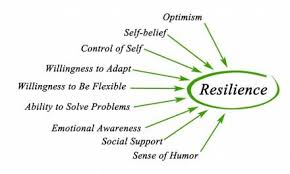
c) Seeking Support: Utilizing Resources and Asking for Help.

Asking for help is like having a secret weapon tucked up your sleeve. Students should never hesitate to seek support when they need it. Teachers, tutors, classmates, and online resources are all valuable sources of assistance. By reaching out and asking for help, students can clarify doubts, gain different perspectives, and develop a deeper understanding of the subject matter. This support boosts confidence and reminds students that they don’t have to face academic challenges alone.

4. The Role of Focus in Enhancing Learning and Retention.

a) Understanding the Importance of Concentration in Academic Success.

Concentration is like a spotlight that illuminates the path to learning. When students are focused, they absorb information more effectively and retain it for longer periods. By honing their ability to concentrate, students can engage deeply with the material, follow instructions more accurately, and produce higher quality work. It’s like having an attentive audience – focus sets the stage for a standout performance.

b) Exploring the Impact of Distractions on Focus.

Distractions are like mischievous gremlins that hijack our attention. They can be found in the form of social media notifications, noisy environments, or even our wandering thoughts. These distractions disrupt our concentration and hinder optimal learning. Students need to identify their personal distractors and create a conducive study environment free from temptations. Turning off phone notifications, finding a quiet space, and practicing mindfulness techniques can all help tame those gremlins and improve focus.

c) Techniques for Improving Concentration and Attention Span.

Improving concentration is like sharpening a pencil – it requires effort and the right tools. Students can employ techniques like the Pomodoro Technique (studying in focused bursts with short breaks), creating a to-do list to stay organized, and practicing mindfulness exercises to improve their attention span. These techniques train the brain to stay present and focused, leading to more efficient learning and better academic performance. It’s like upgrading your brain’s software – improved concentration is the ultimate productivity hack.

5. Cultivating a Productive Study Environment to Improve Focus.

a) Designing an Ideal Study Space for Optimal Concentration.

We all know that studying in bed might as well be code for napping. Create a dedicated study space that’s free from distractions – yes, that means no Netflix within reach!

b) Minimizing Distractions in the Study Environment.

Say goodbye to your smartphone addiction during study sessions. Hiding it in a drawer or asking a parent to keep it hidden will do wonders for your focus. Restrain yourself from checking Instagram every five minutes; your followers will survive without the update.

c) Creating a Study Schedule to Enhance Focus and Productivity.

While it may seem tedious, a study schedule is like a superhero cape for your productivity. Map out your study sessions and stick to the plan. Sure, it may require some willpower, but remember, every hour spent studying is a step closer to that glorious A+.

6. Boosting Concentration Skills: Techniques for Staying Focused in Class and while Studying.

a) Active Listening Strategies to Stay Engaged in Class.

In a world filled with daydreams and doodles, active listening is the secret weapon to ace your classes. Resist the urge to zone out and actually absorb the knowledge your teachers are dropping. Plus, it’s a great way to keep that reputation as the “engaged student” alive and well.

b) Mindfulness Techniques for Improving Concentration during Study Sessions.

We get it, meditation might sound a bit “woo-woo” for some. But believe it or not, taking a few minutes to calm your mind and focus on your breath can do wonders for your concentration. Embrace your inner Zen master and let those distractions fade away.

c) Handling Multitasking and Prioritizing Tasks for Improved Focus.

Sure, we all think we’re expert multitaskers. But let’s be real – trying to write an essay while binge-watching your favorite show is nothing short of a disaster. Learn to prioritize your tasks and focus on one thing at a time. Trust me, your grades will thank you.

7. Balancing Confidence and Humility: Fostering Academic Success through Collaboration.

a) Recognizing the Power of Collaboration in Academic Success.

While going it alone may sound like a brave pursuit, success often comes from teamwork. Embrace the power of collaboration and reap the benefits of shared knowledge. Plus, it’s a great excuse to bond with your classmates over late-night study sessions and a never-ending supply of coffee.

b) Overcoming the Fear of Asking for Help.

I get it, asking for help can feel like admitting defeat. But let’s be real – even superheroes have sidekicks. Don’t let your ego get in the way of academic success. Seek help when needed and remember, learning is a continuous journey, not a solo mission.

c) Embracing Feedback and Constructive Criticism.

Nobody enjoys having their work critiqued, but constructive feedback is the secret sauce to improvement. Embrace it, learn from it, and grow. Remember, even the greatest minds in history needed a little tweaking along the way.

8. Taking Breaks and Self-Care: Maintaining Confidence and Focus.

a) The Importance of Taking Regular Breaks for Mental Refreshment.

Here’s a secret: breaks are not just for slacking off, they’re actually essential for maintaining focus. So, take a breather, stretch your legs, and recharge your brain. Just remember to set a timer, or those “short” breaks may turn into a Netflix marathon.

b) Incorporating Self-Care Activities to Reduce Stress and Enhance Focus.

Stress and burnout are the arch-enemies of academic success. So, make time for self-care activities that soothe your soul – whether it’s yoga, painting, or belting out your favorite tunes in the shower. Find what works for you, and let the stress melt away.

c) Prioritizing Sleep for Optimal Cognitive Functioning.

Late-night cram sessions may seem heroic, but let’s face it – your brain is not a fan. Give it the beauty sleep it deserves, and watch as your cognitive abilities skyrocket. Besides, who needs puffy eyes and a foggy mind when you can wake up refreshed and ready to conquer the academic world? In conclusion, confidence and focus are the key ingredients for academic success. By nurturing confidence, developing a growth mindset, and implementing effective strategies, students can overcome challenges and reach their full potential. Likewise, by cultivating a productive study environment, honing concentration skills, and fostering collaboration, students can enhance their focus and maximize their learning capabilities. Ultimately, with confidence and focus as guiding principles, students can excel academically, achieve their goals, and pave the way for a successful future.

 “Believe in your infinite potential. Your only limitations are those you set upon yourself.”

The Ultimate Handbook for Pre-Primary Teachers: Nurturing Tomorrows Brightest Minds.

The Importance of Pre-Primary Education.

In today’s rapidly evolving world, the significance of early childhood education cannot be overstated. Pre-primary education lays the foundation for a child’s future academic and personal success, shaping their attitudes, skills, and abilities. The Ultimate Handbook for Pre-Primary Teachers: Nurturing Tomorrow’s Brightest Minds is a comprehensive guide that equips educators with the essential knowledge and tools needed to create a nurturing learning environment for young learners. From understanding child development to implementing effective teaching strategies, this handbook delves into the critical aspects of pre-primary education, emphasizing the significance of fostering holistic growth and unleashing the potential of every child.
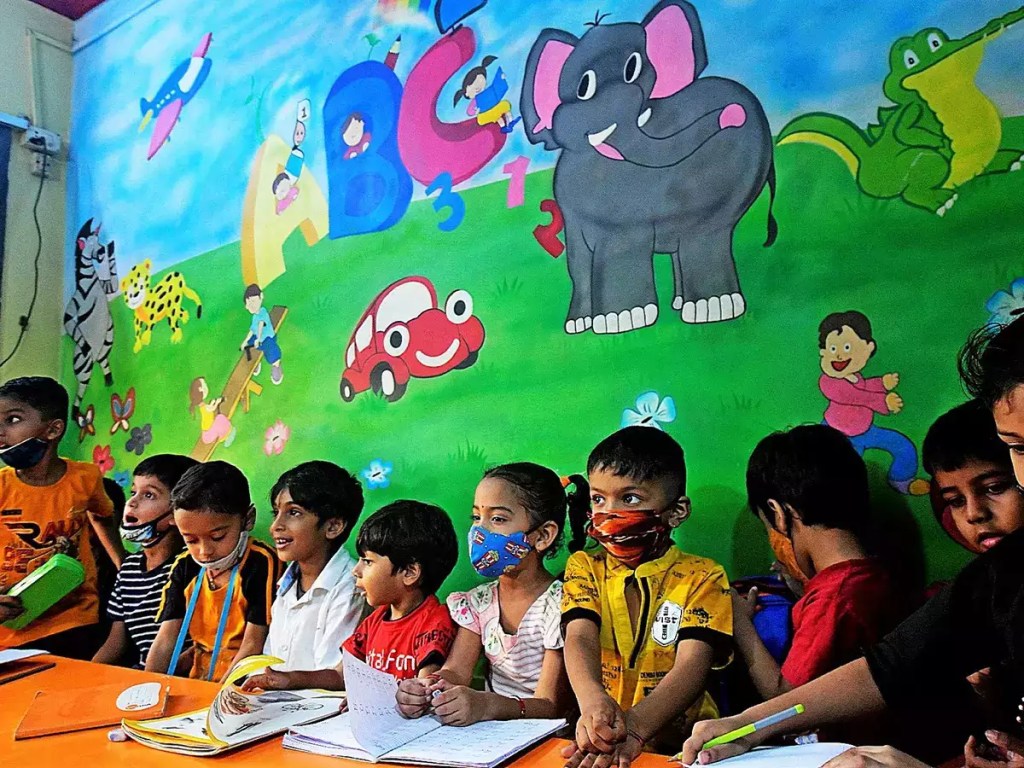
1. Introduction: The Importance of Pre-Primary Education.

a) The role of pre-primary education in early childhood development.

The pre-primary years – a magical time filled with tiny hands, curious minds, and an endless supply of energy. But as much as it may feel like organized chaos, these early years are crucial for a child’s development. Pre-primary education sets the foundation for future learning by focusing on key skills and concepts that will shape little mind.

b) Benefits of quality pre-primary education.

You might be wondering, “Why is pre-primary education so important?” Well, my friend, the benefits are aplenty. Quality pre-primary education not only prepares children for the academic challenges ahead but also nurtures their social and emotional development. It’s the perfect blend of learning and play, helping children build a strong foundation for future success.

2. Understanding Child Development: Key Principles for Pre-Primary Teachers.

a) Overview of cognitive, social, emotional, and physical development.

As a pre-primary teacher, it’s crucial to have a solid understanding of child development. From the cognitive wonders happening inside those little heads to the emotional rollercoaster that comes with growing up, knowing what makes children tick is a must. It’s like having your own secret decoder ring to unlock the mysteries of childhood.

b) The importance of individual differences and developmental milestones.

Every child is unique, like a tiny snowflake with their own set of quirks and qualities. Understanding and embracing these individual differences is essential for effective teaching. Oh, and let’s not forget about developmental milestones – those little markers that let us know how kids are progressing. Celebrate those milestones like a mini victory parade, because each one is a step forward in their growth.

3. Creating a Nurturing and Inclusive Classroom Environment.

b) Establishing a positive and welcoming classroom culture.

A positive classroom culture is like a warm, fuzzy blanket on a cold winter day. It creates an environment where children feel safe, supported, and ready to take on the world. So, sprinkle some kindness, add a dash of encouragement, and create a space where everyone feels like they belong. It’s like building a mini utopia for tiny humans.

c) Strategies for fostering inclusivity and diversity.

Inclusivity and diversity are not just buzzwords – they’re the building blocks of a better world. As a pre-primary teacher, you have the power to sow the seeds of acceptance and understanding. Embrace different cultures, celebrate various backgrounds, and teach children to appreciate the beauty in our differences. It’s like launching a tiny rocket of tolerance into the stratosphere.

4. Curriculum Design and Lesson Planning for Pre-Primary Education.

a) Aligning curriculum with developmental goals and standards.

Curriculum design – the art of weaving together educational goals and standards into a magical tapestry of learning. It’s like creating a roadmap for both you and your students. By aligning your curriculum with the developmental goals and standards, you ensure that the valuable time spent in the classroom is meaningful and targeted towards their growth.

b) Incorporating play-based learning and hands-on activities.

Who says learning can’t be fun? As a pre-primary teacher, you have the superpower to transform even the most mundane activities into exciting adventures. By incorporating play-based learning and hands-on activities, you engage children’s natural curiosity and foster a love for learning. It’s like adding a sprinkle of fairy dust to make each day in the classroom magical.

5. Implementing Effective Teaching Strategies for Young Learners.

a) Differentiated instruction techniques for diverse learning needs.

Teaching a room full of young learners is like orchestrating a symphony of individual needs. The key is to embrace the concept of differentiated instruction, where you tailor your teaching methods to meet the diverse learning needs of your students. Some may excel in visual learning, while others thrive through hands-on activities. By providing a variety of instructional strategies, you can ensure that all your little learners are engaged and reaching their full potential.

b) Engaging and interactive teaching methods for pre-primary children.

Ask any pre-primary teacher, and they will tell you: the attention span of a young child is as fleeting as a butterfly. To keep these adorable minds engaged, you need to bring out your inner entertainer. Incorporate interactive teaching methods like singing, dancing, and storytelling. Use props, puppets, and even the occasional magic trick to capture their attention. Remember, in the world of pre-primary education, enthusiasm is contagious!

6. Promoting Social and Emotional Development in Pre-Primary Children.

a) Creating a supportive and emotionally safe learning environment.

In the early years, social and emotional development is just as important as academic growth. As a pre-primary teacher, you have the power to create a safe and supportive learning environment where children feel comfortable expressing their emotions and building relationships with their peers. Foster a culture of kindness, respect, and empathy by modeling these behaviors yourself and providing opportunities for cooperative play and group discussions.

b) Teaching empathy, self-regulation, and conflict resolution skills.

Pre-primary children are like sponges, soaking up everything around them. Use this to your advantage by teaching them essential life skills like empathy, self-regulation, and conflict resolution. Teach them to recognize and understand their own emotions and those of others. Help them develop strategies to manage their feelings and resolve conflicts peacefully. Remember, the lessons you impart now will shape their social interactions for years to come.

7. Supporting Cognitive Development through Play and Exploration.

a) The role of play in cognitive development.

Who says learning can’t be fun? Play is the magic ingredient that fuels cognitive development in young children. When they engage in imaginative play, build with blocks, or experiment with puzzles, they are actually developing problem-solving skills, critical thinking abilities, and creativity. As a pre-primary teacher, you can create stimulating play-based activities that challenge their minds and foster a love for learning.

b) Designing stimulating learning centers and activities.

The classroom environment plays a crucial role in igniting young minds. Create different learning centers that cater to various aspects of cognitive development. From a reading nook for budding bookworms to a science corner for little explorers, design spaces that inspire curiosity and discovery. Rotate materials and activities regularly to keep the spark alive and ensure that every child finds something that piques their interest.

8. Building Strong Partnerships with Parents and Guardians.

a) Effective communication strategies with parents and guardians.

As a pre-primary teacher, you don’t just teach children; you also become a trusted guide for their parents or guardians. Establishing effective communication channels is essential for building strong partnerships. Regularly provide updates on your teaching methods, classroom activities, and their child’s progress. Be approachable and open to feedback, and always remember that parents are your allies in nurturing their little ones’ bright minds.

b) Collaborating with families to support children’s learning and development.

Parents and guardians play a significant role in a child’s education journey. Collaborate with families to create a seamless bridge between home and school. Involve them in decision-making processes, seek their input on educational goals, and provide resources and activities for them to engage with their child’s learning at home. When teachers and families work together, the impact on a child’s growth and development is truly remarkable. In conclusion, as pre-primary teachers, we hold the incredible responsibility of nurturing tomorrow’s brightest minds. By understanding the importance of early childhood education, embracing child development principles, creating inclusive classrooms, and implementing effective teaching strategies, we can empower young learners to thrive. The Ultimate Handbook for Pre-Primary Teachers serves as a valuable resource, providing guidance and insights to support the holistic growth of children. Let us continue to collaborate with parents, engage in continuous professional development, and be advocates for quality pre-primary education. Together, we can shape a brighter future for our children and enable them to reach their fullest potential.

 “If the child is not learning the way you are teaching, then you must teach in the way the child learns”

Easy Ways to Study for 10th Standard Students.

Preparing for the 10th standard exams can be a challenging and overwhelming task. However, with the right study techniques and strategies, it can also be a rewarding and productive experience. This article aims to provide 10th standard students in India with easy and effective ways to enhance their study habits and achieve academic success. From creating an organized study schedule to exploring different learning styles and utilizing digital resources, we will delve into practical tips and techniques that will help students make the most of their studying efforts. By implementing these strategies, students can study more efficiently, retain information better, and approach their exams with confidence.

1. Understanding the Importance of Effective Study Techniques.

a) The Benefits of Developing Effective Study Habits.

Let’s face it, studying is not always the most exciting thing in the world. But here’s the thing: developing effective study habits can make a world of difference in your academic performance. When you adopt good study techniques, you’ll not only improve your understanding of the subjects, but you’ll also retain information better and recall it during exams. Plus, with effective study habits, you’ll be able to manage your time more efficiently, leaving room for other activities that you actually enjoy. So, buckle up and get ready to discover the benefits of studying smart!

b) Identifying Common Study Challenges Faced by 10th Standard Students.

It’s a time when studying becomes a bit more intense. You’re faced with a range of subjects, complex concepts, and intimidating exams. But fear not, because you’re not alone. Many 10th standard students face similar challenges when it comes to studying. From procrastination to lack of motivation, it’s easy to fall into these traps. But by identifying these common challenges, you can tackle them head-on and find ways to overcome them. So, let’s explore the hurdles together and find ways to make studying a breeze!

2. Creating an Organized Study Schedule.

a) Designing a Personalized Study Plan.

Now that you understand the importance of effective study techniques, it’s time to create a study schedule that works for you. One size does not fit all when it comes to studying, so it’s crucial to design a personalized study plan. Consider your strengths, weaknesses, and commitments outside of academics. By tailoring your study plan to your specific needs, you’ll be able to maximize your productivity and make the most out of your study sessions. So, let’s dive into the world of study planning and make studying a well-organized adventure!

b) Allocating Time for Each Subject and Topic.

We’ve all been guilty of spending hours on a single subject while neglecting others. But fear not, there’s a way to avoid this and ensure you give equal attention to every subject. By allocating specific time slots for each subject and topic, you can prevent yourself from getting lost in the abyss of endless reading. This way, you’ll have a balanced approach to studying; giving all subjects their fair share of attention. So, let’s be strategic with our study time and conquer each subject like the superheroes we are!

3. Exploring Different Learning Styles.

a) Understanding the Different Types of Learning Styles.

Did you know that not everyone learns in the same way? It’s true! Understanding your learning style can revolutionize your study game. Whether you’re a visual learner who prefers pictures and diagrams, an auditory learner who thrives on discussions, or a kinesthetic learner who needs hands-on activities, knowing your learning style can help you tailor your study methods to suit your preferences. So, let’s dive into the world of learning styles and unleash your full potential!

b) Assessing Your Own Learning Style.

Now that you know there are different learning styles out there, it’s time to uncover your own. Take a moment to reflect on how you absorb information best. Do you find it easier to understand concepts when you see them in action or when you listen to someone explain them? Understanding your own learning style will not only make studying more enjoyable but also more effective. So, let’s take a self-discovery journey and unlock the key to successful studying!

4. Utilizing Effective Note-taking Methods.

a) Importance of Good Note-taking Skills.

It’s an art form that can often be overlooked but plays a vital role in retaining information. Good note-taking skills can help you capture the essence of what you’re studying, organize your thoughts, and create a valuable resource for revisiting concepts later on. So, don’t underestimate the power of a well-crafted set of notes. Let’s embrace the importance of good note-taking skills and elevate our study game to the next level!

b) Techniques for Efficient Note-taking.

Now that we’ve established the significance of note-taking, it’s time to learn some techniques for making it more efficient. From highlighting key points to using abbreviations, there are various methods you can employ to make your notes clear, concise, and easy to revise. So, grab your favorite pen and let’s dive into the world of note-taking techniques, where boring lectures become captivating adventures!

5. Making the Most of Digital Resources and Technology.

a) Discovering Online Learning Platforms and Tools.

In this digital age, studying no longer has to be limited to textbooks and traditional methods. Take advantage of the vast array of online learning platforms and tools available. Website like Khan Academy offer free courses and video lessons on a wide range of subjects. These platforms can provide additional explanations and examples to help you grasp difficult concepts.

b) Utilizing Educational Apps for Enhanced Studying.

Gone are the days of cramming information into your brain the night before exams. There are now numerous educational apps designed to make studying more engaging and effective. Apps like Quizlet and Duolingo offer interactive quizzes, flashcards, and language learning exercises. Make use of these apps to reinforce your knowledge and test yourself regularly.

6. Implementing Active Learning Strategies.

a) Engaging in Group Study Sessions and Discussions.

Studying doesn’t have to be a solitary activity. Organize study sessions with your classmates or friends to discuss and clarify concepts together. Explaining concepts to others helps reinforce your understanding and can uncover different perspectives on the subject matter. Plus, studying with others can bring some much-needed socialization to your study routine.

b) Incorporating Hands-on Activities and Practical Examples.

Sometimes, understanding complex topics requires a hands-on approach. Look for practical examples and real-life applications of the concepts you’re studying. If you’re studying science, conduct simple experiments at home. If you’re studying history, visit historical sites or museums. These hands-on activities will not only make studying more enjoyable but will also help you remember information better.

7. Engaging in Regular Revision and Practice.

a) The Importance of Regular Revision and Practice.

Regular revision is key to retaining information and keeping it fresh in your mind. Allocate specific time each week for revising what you’ve learned. Break down your subjects into smaller topics and review them systematically. Additionally, practice solving sample questions and past papers to familiarize yourself with the exam format and identify areas where you need improvement.

b) Effective Techniques for Reviewing and Testing Knowledge.

When revising, try different techniques to reinforce your understanding. Summarize the main points in your own words, create mind maps or diagrams to visualize connections between ideas, or teach the concepts to someone else. Testing your knowledge through quizzes or mock exams can also help gauge your progress and identify areas that need more attention.

8. Seeking Additional Support and Resources.

a) Utilizing Study Groups.

If you find certain subjects particularly challenging, don’t hesitate to seek extra support. Consider joining study groups or asking help from teachers who can provide you guidance after class. Sometimes, a fresh perspective or one-on-one attention can make a world of difference in your understanding and confidence in a subject.

b) Exploring Online Resources and Reference Materials.

The internet is a treasure trove of information, so make sure to explore online resources and reference materials. Websites like NCERT and CBSE provide textbooks and supplementary materials that can complement your studies. Online forums and communities can also be valuable sources of information and discussion.

Remember, studying doesn’t have to be a daunting task. By making use of digital resources, implementing active learning strategies, engaging in regular revision and practice, and seeking additional support, you can simplify the process and make it more enjoyable. So, grab your books, fire up those educational apps, and embark on your journey to academic success! Good luck! In conclusion, developing effective study habits is crucial for 10th standard students to excel academically. By understanding the importance of efficient study techniques, creating a well-organized study schedule, and exploring different learning styles, students can enhance their overall learning experience. Additionally, utilizing digital resources, implementing active learning strategies, engaging in regular revision and practice, and seeking additional support can further contribute to their success. With dedication and consistent effort, 10th standard students can overcome challenges, boost their confidence, and achieve remarkable results in their exams. So, let’s embrace these easy ways to study and unlock the doors to a bright academic future!

FAQ:

1. How can I create an effective study schedule?

Creating an effective study schedule involves prioritizing your subjects and topics, allocating specific time slots for studying, and ensuring a balanced distribution of study hours throughout the week. It’s essential to consider your personal preferences, energy levels, and any extracurricular commitments when crafting your schedule. Regularly reviewing and adjusting your study plan can also help you stay on track and make the most of your study time.

2. Are digital resources and technology really helpful in studying?

Absolutely! Digital resources and technology can be incredibly helpful in studying. Online learning platforms, educational apps, and interactive tools offer a wide range of resources, practice exercises, and study materials that can complement your traditional studying methods. These resources can facilitate better understanding of concepts, provide additional practice opportunities, and make studying more engaging and enjoyable.

3. How often should I engage in revision and practice?

Regular revision and practice are essential for effective learning and retention of information. It’s recommended to set aside dedicated time for revision on a regular basis, preferably daily or at least a few times a week. By reviewing previously learned material, testing your knowledge through quizzes or practice questions, and identifying areas of weaknesses, you can reinforce your understanding and improve your performance in exams.

4. What should I do if I need additional support or resources?

If you require additional support or resources, there are several options available. Consider seeking help from your teachers, classmates, or forming study groups to collaborate and discuss difficult topics. Additionally, explore online resources such as educational websites, video tutorials, and reference materials to supplement your learning and gain further insights into challenging subjects.

“There are no secrets to success. It is the result of preparation, hard work, and learning from failure.”