Effective Communication Strategies for Parents and Teens

Parenting through the teenage years presents a unique set of challenges and rewards as adolescents navigate the tumultuous waters of self-discovery and independence. Understanding the complexities of the parent-adolescent relationship is crucial in fostering a healthy and supportive environment for teens to thrive. In this article, we delve into insightful strategies and perspectives to help parents navigate the rollercoaster ride of adolescence, from understanding the teenage mind to promoting resilience and coping skills. By exploring communication techniques, setting boundaries, and fostering emotional well-being, parents can strengthen their connection with their teens and guide them towards a successful transition into adulthood.

1. Understanding the Teenage Mind: Developmental Insights.

a) The Adolescent Brain: A Neurobiological Perspective.

You know when you’re struggling to get your teen out of bed before noon? Blame it on their developing brain! Understanding the teenage brain from a neurobiological perspective can shed light on their impulsive decisions and erratic emotions. It’s like a work-in-progress construction site up there.

b) Emotional and Cognitive Changes in Adolescence.

Ever felt like you’re living with a mood-swinging, eye-rolling alien? Welcome to the emotional and cognitive rollercoaster ride called adolescence! From grappling with identity issues to testing boundaries, teens are basically emotional acrobats trying to find their balance.

2. Navigating Parent-Teen Communication Challenges.

a) Effective Communication Strategies for Improved Understanding.

Trying to communicate with a stubborn, monosyllabic teen can feel like talking to a brick wall. But fear not! Effective communication strategies, like deciphering eye-rolls and decoding emoji’s, can bridge the gap between generations. It’s all about speaking their language (even if it’s in memes).

b) Utilizing Active Listening and Empathy in Conversations.

Picture this: your teen venting about school drama while you mentally draft a grocery list. Sound familiar? Engaging in active listening and showing genuine empathy can transform mundane conversations into meaningful connections. Plus, it’s a great way to earn those “cool parent” points.

3. Setting Boundaries and Establishing Trust.

a) The Importance of Consistent and Clear Boundaries.

Boundaries are like invisible fences that help teens navigate the wild jungle of adolescence. Setting clear and consistent boundaries not only establishes rules but also fosters a sense of security and responsibility. Just remember, no sneaking out after curfew!

b) Building Trust through Openness and Respect.

Trust is the golden thread that weaves the parent-teen relationship together. By being open, respectful, and sometimes agreeing to disagree, you can cultivate a foundation of trust that withstands even the stormiest of teenage tantrums. It’s all about creating a safe space for honesty and mutual understanding.

4. Supporting Emotional Well-being during Adolescence.

a) Recognizing Signs of Mental Health Issues in Teens.

Teenagers aren’t just moody creatures fueled by hormones; they can also struggle with mental health issues like anxiety and depression. Recognizing the signs, from sudden mood changes to social withdrawal, is crucial for providing the support and resources they need. Remember, mental health is just as important as physical health!

b) Promoting Self-care and Stress Management Techniques.

Life as a teenager isn’t all fun and games (despite what they might think). Promoting self-care practices, from mindfulness exercises to unplugging from social media, can help teens navigate the whirlwind of stress and expectations. After all, a well-rested and emotionally balanced teen is a happy teen (and maybe a slightly less grumpy one too).

5. Navigating the Rollercoaster Ride of Parenting through the Teenage Years.

a) Encouraging Independence while Maintaining Connection.

Finding the sweet spot between letting your teen spread their wings and providing a safety net can feel like threading a needle, blindfolded, on a rollercoaster.

b) Cultivating a Sense of Responsibility and Accountability.

Like trying to teach a cat to fetch, instilling responsibility in teens can be an exercise in patience and creativity. But hey, at least cats are cute.

6. Addressing Conflict and Resolving Disagreements.

a) Conflict Resolution Strategies for Healthy Parent-Teen Relationships.

Navigating conflicts with teenagers requires the finesse of a diplomat and the thick skin of a rhinoceros. It’s all about picking battles wisely and being willing to meet halfway (or maybe three-quarters, if you’re lucky).

b) Learning from Miscommunications and Moving Forward.

Trying to decipher a teen’s grunts and eye rolls can make decoding ancient hieroglyphics seem like a walk in the park. But hey, every miscommunication is a chance to hone your mind-reading skills.

7. Promoting Healthy Relationships and Peer Interactions.

a) Guiding Adolescents in Building Positive Social Connections.

Helping teens navigate the murky waters of friendships and first crushes is like being a GPS in a dense fog – you might not know where you’re going, but at least you can try to steer clear of the cliffs.

b) Teaching Skills for Navigating Peer Pressure and Conflict.

Equipping teens with the tools to resist peer pressure is like arming them for a battle against an army of persuasive unicorns. Stay strong, young Palawan.

8. Fostering Resilience and Coping Skills in Teens.

a) Encouraging Problem-solving and Adaptability in Adolescents.

Teaching teens to tackle problems head-on and roll with the punches is like training them for a marathon with hurdles made of Jell-O. Flexibility is key, along with a healthy dose of humor.

b) Supporting Teens in Developing Healthy Coping Mechanisms.

Helping teens find constructive ways to cope with stress is like being a magician who pulls coping mechanisms out of a hat – except the hat is filled with teenage angst and Snapchat streaks. Just keep pulling until something sticks. As parents continue to navigate the dynamic landscape of adolescence, it is essential to approach the parent-teen relationship with empathy, patience, and an open mind. By incorporating the strategies and insights discussed in this article, parents can build a strong foundation of trust, communication, and support that will benefit both themselves and their teenagers. By fostering a nurturing environment that values mutual respect and understanding, parents can help their teens thrive during these formative years and beyond.

FAQ:-

Q: How can parents effectively communicate with their teenagers?

A: Effective communication with teens involves active listening, expressing empathy, and creating a safe space for open dialogue. It’s essential to approach conversations with respect and understanding, even in moments of disagreement.

Q: How can parents support their teenager’s emotional well-being?

A: Parents can support their teenager’s emotional well-being by staying attuned to their moods and behaviors, encouraging healthy coping mechanisms, and seeking professional help if needed. Creating a supportive and non-judgmental environment is key.

Q: What role do boundaries play in the parent-teen relationship?

A: Boundaries are crucial for establishing trust and respect in the parent-teen relationship. Clear and consistent boundaries help teenagers understand expectations and guidelines, while also providing a sense of security and structure.

Empowering Teenagers: Staying Safe in a Complex World.

Navigating through the complexities of adolescence can be both exhilarating and challenging, especially in a world filled with potential risks and dangers. For teenagers, staying safe amidst various threats – from online dangers to real-life risks – is paramount. In this article, we will explore essential tips and strategies to help teenagers enhance their safety and well-being in today’s sometimes perilous environment. By understanding potential risks, building awareness, and developing practical skills, teenagers can empower themselves to navigate the world safely and confidently.

1. Understanding Potential Risks.

a) Identifying Common Threats.

Teenagers, it’s important to recognize common threats in today’s world, such as cyberbullying, online predators, drug and alcohol abuse, and physical violence. Being aware of these dangers is the first step in staying safe.

b) Recognizing Warning Signs.

Pay attention to warning signs like sudden changes in behavior, secretive actions, unexplained injuries, or requests for inappropriate photos or information. Trust your instincts and seek help if something feels off.

2. Building Awareness and Preparedness.

a) Educating Yourself on Safety Measures.

Take the time to learn about personal safety measures, like how to respond to emergencies, self-defence techniques, and who to contact in case of trouble. Knowledge is power when it comes to staying safe.

b) Creating a Safety Plan.

Prepare for the unexpected by creating a safety plan with your trusted adults. Discuss what to do in different scenarios, set up check-in systems, and have emergency contacts programmed in your phone. Being prepared can make all the difference.

3. Navigating Social Media Safely.

a) Setting Privacy Settings.

Protect your online presence by adjusting your privacy settings on social media platforms. Limit who can see your posts and personal information to trusted friends and family only.

b) Avoiding Oversharing Personal Information.

Be cautious about sharing too much personal information online. Avoid posting your full name, address, school name, phone number, or vacation plans publicly. It’s better to be safe than sorry.

4. Developing Healthy Boundaries.

a) Recognizing Manipulative Behaviors.

Stay alert for manipulative behaviors from others, such as pressuring you into doing things you’re not comfortable with or trying to control you. Trust your instincts and seek help if you feel manipulated.

b) Establishing Clear Communication Boundaries.

Set clear boundaries with your peers and online contacts. Communicate your comfort levels, say no when needed, and don’t be afraid to speak up if someone crosses your boundaries. Healthy relationships are based on mutual respect and understanding.

c) Seeking Help and Support.

When navigating the rollercoaster ride of teenage life, having a support system is key. Think of it like having your own personal fan club, but instead of screaming at a concert, they’re there to lend a listening ear or a helping hand. Identify trusted adults or resources you can turn to when the going gets tough. This could be a parent, teacher, school counsellor, or even a helpline like a real-life superhero hotline. Knowing how and when to reach out for help is crucial, so don’t be afraid to raise that bat signal when you need it.

d) Practicing Personal Safety Measures.

In a world where safety can sometimes feel like a game of hide-and-seek, it’s important to arm yourself with personal safety measures. Self-defence strategies aren’t just for action heroes; they’re for everyday heroes like you. Whether it’s taking a self-defence class or mastering the art of the strategic hair-whip, knowing how to protect yourself is empowering. Safe travel practices are also key, whether you’re walking home from school or venturing out into the world. Remember, it’s all about staying aware and being prepared.

e) Handling Peer Pressure and Risky Situations.

Peer pressure may feel like a relentless game of tug-of-war, but remember, you hold the rope. Understanding the importance of assertiveness can be your secret weapon against those tricky situations. Channel your inner superhero and stand firm in your decisions. If faced with a risky situation, knowing how to say no and make a swift exit is crucial. It’s like having a secret escape route, except instead of disappearing in a puff of smoke, you’re walking away from that party you know you shouldn’t be at.

So, there you have it, dear teenage crusaders. Remember, staying safe in a dangerous world is all about being prepared, staying true to yourself, and knowing when to ask for help. Keep these tips in your utility belt, and you’ll be ready to tackle whatever challenges come your way. Stay safe, stay strong, and keep being the amazing superhero that you are. In conclusion, arming oneself with knowledge, awareness, and proactive safety measures can significantly contribute to a teenager’s ability to stay safe in a potentially hazardous world. By staying informed, setting boundaries, seeking support when needed, and practicing personal safety measures, teenagers can better protect themselves and navigate the challenges they may encounter. Remember, safety is a priority, and with the right tools and mindset, teenagers can confidently face the world with resilience and caution.

Navigating Adolescent Academic Challenges: Confidence, Focus, and Growth Mindset.

Navigating the academic landscape can be a challenging endeavors for adolescents, as they grapple with not only the academic rigor but also the complexities of adolescence itself. In this article, we delve into the crucial components of confidence and focus in achieving academic success during the formative years of adolescence. Understanding the importance of instilling self-belief and enhancing concentration skills can significantly impact a student’s ability to excel in their academic pursuits. By exploring strategies to cultivate confidence, foster focus, and overcome common academic challenges, we aim to provide valuable insights and actionable tips for unlocking academic success in the adolescent years.

1. Importance of Confidence and Focus in Academic Success.

1.1 The Role of Confidence in Academic Achievement.

Confidence is like the secret sauce of academic success – sprinkle it on your studies, and watch the magic happen. When students believe in themselves and their abilities, they’re more likely to tackle challenges head-on, persist through difficult tasks, and bounce back from setbacks like a resilient little academic ninja.

1.2 Impact of Focus and Concentration on Learning.

Focus is basically the academic version of putting on noise-cancelling headphones in a chaotic world. When students can concentrate and pay attention without getting distracted by that squirrel outside the window or the latest TikTok trend, they can absorb information more effectively, retain it better, and perform like a boss in exams.

2. Understanding the Adolescent Brain: Challenges and Opportunities.

2.1 Adolescent Brain Development and its Effects on Learning.

Ah, the adolescent brain – a mysterious cocktail of hormones, emotions, and rapidly firing synapses. This developmental stage can be a rollercoaster ride, impacting everything from decision-making to impulse control. Understanding how these brain changes affect learning can help educators and students navigate the academic journey with a bit more grace.

2.2 Common Challenges Faced by Adolescents in Academic Settings.

From battling procrastination like it’s a boss-level monster to struggling with self-regulation skills that seem to have gone on vacation, adolescents face a myriad of challenges in academic settings. By recognizing and addressing these hurdles, students can unlock their full potential and thrive in their educational pursuits.

3. Building Self-Confidence through Positive Reinforcement.

3.1 Strategies for Boosting Self-Esteem in Adolescents.

Building self-confidence is like planting a garden – it takes time, effort, and a sprinkle of positivity. Encouraging adolescents, celebrating their successes (big or small), and helping them develop a healthy self-image can work wonders in boosting their confidence levels and setting them up for academic triumph.

3.2 Encouraging a Growth Mindset and Self-Belief.

Imagine a world where setbacks are not roadblocks but stepping stones to success. That’s the magic of a growth mindset – the belief that abilities can be developed through dedication and hard work. By instilling this empowering mindset in adolescents, we can nurture their self-belief and resilience in the face of academic challenges.

4. Cultivating Focus and Attention in Adolescents.

4.1 Techniques for Improving Concentration Skills.

In a world filled with distractions – hello, social media and cat videos – mastering concentration skills is like wielding a superpower. Techniques like mindfulness practices, breaking tasks into manageable chunks, and setting specific goals can help adolescents sharpen their focus and channel their inner Zen monk during study sessions.

4.2 Creating a Distraction-Free Study Environment.

Picture this: a cozy study nook free of buzzing phones, chatty siblings, and the siren call of the fridge. Creating a distraction-free study environment can work wonders in helping adolescents stay focused and productive. By setting up a designated study space with minimal disruptions, students can dive deep into their studies and emerge victorious in the academic arena.

Unlocking academic success in adolescence is like finding the perfect balance between confidence, focus, and a sprinkle of resilience. By understanding the unique challenges and opportunities that come with this developmental stage, implementing strategies to boost self-confidence and concentration, and creating an environment conducive to learning, students can unleash their full potential and soar towards their academic goals.

5. Strategies for Overcoming Academic Challenges.

5.1 Developing Problem-Solving Skills.

When academic hurdles come knocking, channel your inner Sherlock Holmes and unleash those problem-solving skills! Tackling challenges head-on not only boosts your academic prowess but also sharpens your critical thinking abilities.

5.2 Seeking Help and Resources when Facing Difficulties.

No shame in the game of seeking help! Whether it’s unravelling the mysteries of calculus or decoding Shakespearean sonnets, don’t hesitate to reach out for assistance. Embrace the power of resources, be it teachers, peers, or online tools, to conquer those academic dragons.

6. Enhancing Study Skills and Time Management.

6.1 Effective Study Habits for Academic Success.

Study smarter, not harder! Dive into the world of effective study habits like creating outlines, practicing active recall, and finding your ideal study environment. Remember, Rome wasn’t built in a day, but your study skills can definitely be honed over time.

6.2 Importance of Time Management and Organization.

Tick-tock, tick-tock – time management is the unsung hero of academic success. Embrace the art of prioritization, create study schedules, and bid adieu to procrastination. A well-organized academic life is a step closer to victory!

7. Encouraging Growth Mindset and Resilience.

7.1 Fostering a Positive Attitude towards Challenges.

Embrace challenges like a warrior heading into battle! Cultivate a growth mindset that sees setbacks as opportunities for growth. Remember, every stumble is a stepping stone towards academic triumph.

7.2 Building Resilience in the Face of Setbacks.

Resilience is your academic shield in the face of adversity. Learn to bounce back from failures, adapt to changes, and keep your eyes on the prize. Dust off those setbacks and rise stronger, wiser, and more determined than ever before.

8. Support Systems for Academic Success.

8.1 Role of Parents, Teachers, and Mentors in Supporting Academic Growth.

It takes a village to raise an A+ student! Lean on the wisdom and support of parents, teachers, and mentors who are your academic cheerleaders. Their guidance and encouragement can propel you towards academic greatness.

8.2 Utilizing School Resources and Counseling Services for Academic Support.

School resources are like hidden treasures waiting to be discovered! From libraries to counseling services, make the most of these academic lifelines. Seek assistance when needed, because even the best of scholars need a helping hand now and then. In conclusion, by nurturing self-confidence, honing focus, and implementing effective strategies to overcome obstacles, adolescents can pave the way for a successful academic journey. Encouraging a growth mindset, fostering resilience, and leveraging support systems can further bolster their path to achievement. Armed with these insights and tools, adolescents can unlock their full potential, thrive academically, and set a strong foundation for future success.

Moving Forward from Adolescent Abuse: Resilience and Recovery.

Adolescence is a critical period of development marked by growth, exploration, and self-discovery. However, for some individuals, this stage can be marred by experiences of abuse, leading to lasting psychological and emotional scars. In this article, we delve into the complex issue of adolescent abuse, exploring its various forms and the profound impact it can have on individuals. By understanding the nature of abuse, its effects, and effective coping strategies, we aim to provide a resource for healing and moving forward from the traumas of the past.

1. Understanding Adolescent Abuse.

a) Defining Adolescent Abuse.

Let’s face it, adolescence can be a tough time already without adding abuse into the mix. Adolescent abuse refers to any mistreatment or harm experienced by individuals during their teenage years. This can come in various forms, and it’s crucial to recognize and address it for healing to begin.

b) Common Forms of Adolescent Abuse.

From hurtful words to physical harm, adolescent abuse can take on different shapes and sizes. Some common forms include physical abuse, emotional abuse, sexual abuse, and neglect. These experiences can leave lasting scars if not acknowledged and dealt with properly.

2. Types of Abuse in Adolescence.

a) Physical Abuse.

No one should ever have to endure physical violence, especially during their formative years. Physical abuse involves any intentional harm or injury inflicted on a person, often leaving visible marks. It’s a violation of trust and can have significant repercussions on one’s well-being.

b) Emotional Abuse.

Sticks and stones may break bones, but words can hurt just as much. Emotional abuse involves behaviors such as belittling, shaming, or manipulating someone’s feelings. This form of abuse can be equally damaging, leaving invisible wounds that can impact self-esteem and relationships.

3. Psychological Impact of Adolescent Abuse.

a) Trauma and PTSD.

The aftermath of adolescent abuse can lead to profound psychological consequences. Trauma and post-traumatic stress disorder (PTSD) are common outcomes, affecting how individuals process their experiences and navigate the world. Seeking professional help is crucial in addressing these effects.

b) Long-term Effects on Mental Health.

The effects of adolescent abuse don’t just disappear with time. Long-term mental health issues, such as anxiety, depression, and complex trauma, can persist into adulthood if left untreated. It’s essential to recognize these effects and work towards healing and recovery.

4. Coping Mechanisms for Healing.

a) Therapeutic Interventions.

One size doesn’t fit all when it comes to healing from adolescent abuse. Therapeutic interventions, such as counseling, therapy, or support groups, can provide a safe space to process trauma and develop coping strategies. Seeking professional help is a proactive step towards healing.

b) Journaling and Self-Reflection.

Sometimes, the best therapist is a blank page and a pen. Journaling and self-reflection can be powerful tools in coping with adolescent abuse. Writing down thoughts and feelings, exploring past experiences, and setting goals for the future can aid in the healing process. Remember, progress takes time and patience.

5. Seeking Help and Support.

a) Professional Counseling Services.

When life gives you lemons, sometimes you need more than just lemonade. Professional counseling services are like the superhero sidekick you didn’t know you needed – they provide a safe space to unpack your baggage and work through your experiences. Whether it’s one-on-one therapy or group sessions, these experts can help you navigate the tangled emotional webs left behind by past abuse.

b) Support Groups and Community Resources.

No one should have to battle their demons alone. Support groups and community resources offer a tribe of like-minded souls who get it. Sharing your story with others who have walked a similar path can be incredibly healing. Plus, you might just find your new BFF who shares your love for bad reality TV and late-night talks about life.

6. Self-Care Practices for Recovery.

a) Physical Wellbeing: Exercise and Nutrition.

It’s time to treat your body like the majestic temple it is. Exercise and nutrition are not just about fitting into those jeans from high school – they’re about giving your body the love and care it deserves. So, lace up those sneakers, hit the gym, and remember, pizza is not a food group (unfortunately).

b) Mental Wellbeing: Mindfulness and Meditation.

In a world that’s constantly go-go-go, finding moments of Zen is like stumbling upon a rare unicorn. Mindfulness and meditation can help quiet the chaos in your mind, allowing you to reconnect with your inner peace. Plus, who doesn’t love the idea of channelling their inner calm like a Zen master in a chaotic world?

7. Building Resilience and Moving Forward.

a) Developing Healthy Relationships.

They say you can’t choose your family, but you can choose your friends – and that’s where the magic happens. Surround yourself with people who lift you up, support you, and bring positive vibes into your life. Building healthy relationships is like finding a pot of gold at the end of a rainbow – rare, but oh so worth it.

b) Setting Boundaries and Assertiveness Training.

No is a complete sentence, and your boundaries are like the invisible force field protecting your sanity. Assertiveness training can give you the tools to speak your truth, set limits, and stand tall in your power. Remember, boundaries are not walls – they’re bridges that connect you to a healthier, happier you. In conclusion, healing from the wounds of adolescent abuse is a journey that requires courage, self-reflection, and support. By acknowledging the impact of past traumas, seeking help when needed, and practicing self-care and resilience-building techniques, individuals can gradually move towards healing and reclaiming their sense of well-being. Remember, healing is a process, and it is never too late to start on the path towards healing and a brighter future.

Children Caught in the Crossfire: Understanding the Effects of Emotionally Blackmailing Parents.

Introduction:

Emotionally blackmailing parents is a troubling and distressing phenomenon that affects countless children worldwide. This manipulative behavior, often exhibited by parents or caregivers, can have significant and long-lasting impacts on the emotional well-being and development of children. With the intention of gaining control or manipulating the other parent, emotionally blackmailing parents employ various tactics that exploit the vulnerability and love a child has for their parents. This article aims to shed light on the effects of emotionally blackmailing parents on children, providing a deeper understanding of the dynamics involved, and offering strategies for coping and healing in the face of such harmful behavior. By exploring the signs of emotional blackmail, the connection to parental alienation, and the legal and ethical considerations involved, we strive to raise awareness and promote healthy parent-child relationships that prioritize the well-being of children.

1. The Disturbing Phenomenon of Emotionally Blackmailing Parents.

Parenting is a challenging responsibility, and we all want what’s best for our children. However, in some unfortunate cases, parents resort to emotionally blackmailing tactics that can have a lasting impact on their children’s well-being. This disturbing phenomenon, known as emotionally blackmailing parents, is a serious issue that deserves our attention.

2. Understanding Emotional Blackmail: Definition and Dynamics

a) Definition of Emotional Blackmail.

Emotional blackmail occurs when a parent uses manipulative tactics to control their child’s emotions and behavior. It’s a form of psychological manipulation where parents employ guilt, fear, or obligation to get what they want from their children, often causing emotional harm in the process.

b) Dynamics of Emotional Blackmailing.

Emotional blackmailing parents tend to use a combination of emotional manipulation strategies. They might employ tactics such as inducing guilt, making threats, or using passive-aggressive behavior to manipulate their children into complying with their wishes. These dynamics create a toxic environment that can be detrimental to a child’s emotional well-being.

3. Impact on Children: Psychological and Emotional Consequences.

a) Emotional Trauma and Distress.

Children caught in the crossfire of emotionally blackmailing parents often suffer from significant emotional trauma and distress. The constant manipulation and pressure placed upon them can lead to feelings of anxiety, fear, and confusion. They may develop a deep-seated sense of insecurity and struggle with managing their emotions effectively.

b) Low Self-Esteem and Self-Worth.

Being subjected to emotional blackmail can take a toll on a child’s self-esteem and self-worth. Constant exposure to tactics that undermine their confidence and make them feel guilty can lead to a negative self-image. They may doubt their abilities, feel unworthy of love and respect, and struggle to develop a healthy sense of self-worth.

c) Relationship and Trust Issues.

Emotionally blackmailing parents often manipulate their children’s perception of reality, making it difficult for them to trust others. These children may have difficulties forming healthy relationships, as they may fear being manipulated or betrayed. They might struggle with authentic self-expression and have difficulties setting boundaries within their relationships.

4. Signs of Emotional Blackmailing: Recognizing Manipulative Behavior.

a) Manipulative Tactics and Strategies.

Recognizing emotional blackmail begins with understanding the manipulative tactics and strategies employed by parents. These can include guilt-tripping, withholding affection, using threats or ultimatums, or playing the victim to gain sympathy and control. Being aware of these tactics can help identify emotional blackmailing behavior.

b) Emotional Manipulation Warning Signs.

To spot emotional manipulation, it’s crucial to pay attention to warning signs. Signs of emotional manipulation can manifest as constant criticism, excessive control, constant demands for attention or affection, excessive guilt-tripping, or a pattern of using emotional outbursts to get their way. Trusting your instincts and recognizing these signs can help protect you and your child from further harm.

Remember, no child should be caught in the crossfire of emotionally blackmailing parents. By understanding the dynamics of emotional blackmail, recognizing its impact on children, and being aware of the warning signs, we can better support those who are affected by this distressing phenomenon.

5. Parental Alienation: The Connection to Emotional Blackmail.

a) Understanding Parental Alienation.

Parental alienation is a heartbreaking phenomenon that occurs when one parent manipulates a child’s emotions to turn them against the other parent. It often involves tactics such as badmouthing, spreading false information, and undermining the other parent’s authority. This toxic behavior can have long-lasting negative effects on the child’s mental and emotional well-being, as well as their relationship with both parents.

b) Emotional Blackmail as a Form of Parental Alienation.

Emotional blackmail, in the context of parental alienation, refers to the manipulative tactics used by one parent to control the child’s feelings and behavior towards the other parent. This can involve guilt-tripping, emotionally manipulating, or even threatening the child into taking sides or rejecting the other parent. It is a harmful form of psychological abuse that can leave lasting scars on the child’s psyche.

6. Breaking the Cycle: Strategies for Coping and Healing.

a) Enhancing Emotional Awareness and Resilience.

When facing emotional blackmail and parental alienation, it is crucial for both children and targeted parents to enhance their emotional awareness and resilience. This involves recognizing and understanding their own emotions, as well as developing healthy coping mechanisms to navigate through the challenging situations. Seeking therapy or counseling can be immensely helpful as a means to develop emotional awareness and build resilience.

b) Establishing Healthy Boundaries.

Establishing healthy boundaries is essential in breaking the cycle of emotional blackmail and parental alienation. This means setting clear expectations for behavior and communication, both for the parent engaging in emotional blackmail and the child caught in the middle. By defining and enforcing these boundaries, it becomes possible to create a more stable and healthy environment for the child to thrive in.

c) Seeking Professional Support and Counseling.

Seeking professional support and counseling is a vital step towards healing and overcoming the effects of emotional blackmail and parental alienation. Therapists, counselors, and support groups can provide a safe space for children and targeted parents to share their experiences, process their emotions, and gain guidance on navigating through the challenges they face. Professional support can empower individuals to regain control of their lives and rebuild healthy relationships.

7. Legal and Ethical Considerations: Protecting Children’s Rights.

a) Legal Implications of Emotional Blackmail.

Emotional blackmail may have legal implications, as it can be considered a form of psychological abuse. Laws surrounding emotional abuse vary from jurisdiction to jurisdiction, but it is important to be aware of the legal options available to protect children from such harmful behaviors. Legal professionals specializing in family law can provide guidance on how to address emotional blackmail within the legal system and ensure the child’s rights are protected.

b) Ethical Responsibility of Parents and Caregivers.

Parents and caregivers have an ethical responsibility to prioritize the best interests of the child and promote their well-being. This means refraining from engaging in emotional blackmail and actively working towards fostering healthy relationships between the child and both parents. By recognizing the negative impact of emotional blackmail and committing to ethical behavior, parents can create a supportive and loving environment for their children to grow and thrive.

8. Conclusion: Promoting Healthy Parent-Child Relationships in the Face of Emotional Blackmail.

While emotional blackmail and parental alienation can have devastating effects on children, it is essential to remember that healing and recovery are possible. By raising awareness, seeking professional support, and taking proactive steps to break the cycle, parents and children can rebuild healthy, loving relationships. Let us strive to create a world where children are shielded from emotional blackmail and can experience the joys of a nurturing and secure parent-child bond. It is crucial to address the distressing effects of emotionally blackmailing parents on children and take proactive steps to protect their well-being. By recognizing the signs of emotional blackmail, understanding its dynamics, and fostering emotional awareness and resilience, we can break the cycle of manipulation and promote healthier parent-child relationships. It is imperative for parents, caregivers, and society as a whole to prioritize the rights and needs of children, ensuring their emotional and psychological safety. Through education, support, and intervention, we can create an environment that nurtures healthy parent-child bonds and safeguards the emotional growth and development of children caught in the crossfire of emotionally blackmailing parents.

From Home to Classroom: Understanding the Influence of Parents on a Childs Educational Success.

Introduction:

Parents play a vital role in shaping their child’s educational journey, serving as the first and most influential educators in their lives. Research consistently demonstrates that parental involvement significantly impacts a child’s academic achievement. From creating a supportive home environment for learning to collaborating with teachers, parents have the power to enhance their child’s educational experience and set them on a path to success. This article explores the various ways in which parents can positively influence their child’s educational success, emphasizing the importance of parental involvement, expectations, nurturing a growth mindset, fostering effective study habits, and promoting a love for learning. By understanding the influence parents have on their child’s education, we can harness their potential to create fruitful partnerships between home and classroom, ultimately empowering children to thrive academically.

1. The crucial role of parents in a child’s educational success.

When it comes to a child’s educational success, parents play a vital role as the ultimate influencers. While teachers and schools provide the formal education, it is the support and involvement of parents that truly make a difference in a child’s learning journey. From motivating and encouraging their children to creating a nurturing environment at home, parents have a tremendous impact on their child’s academic achievements. In this article, we will explore the various ways in which parents can contribute to their child’s educational success and help them thrive in the classroom.

2. Parental involvement and academic achievement: An overview.

a) Understanding the impact of parental involvement on academic outcomes.

Research consistently shows that parental involvement has a significant influence on a child’s academic achievements. When parents actively engage in their child’s education, it leads to higher grades, improved test scores, increased motivation, and stronger overall academic performance. The support and encouragement provided by parents act as powerful catalysts for their child’s success in the classroom. By understanding the importance of their involvement, parents can help set their children up for educational triumphs.

b) Types of parental involvement: Active participation in education.

Parental involvement in education can take various forms, all of which contribute to a child’s success. From simply showing interest in a child’s school life to actively participating in their learning journey, parents have the opportunity to make a difference. This involvement can include helping with homework, engaging in discussions about school topics, attending parent-teacher conferences, volunteering in school activities, and advocating for their child’s educational needs. By actively participating in their child’s education, parents not only provide valuable support but also demonstrate the importance of learning in a fun and engaging manner.

3. Creating a supportive home environment for learning.

a) Establishing a designated study area.

Creating a supportive home environment for learning is essential to foster academic success. One way to do this is by establishing a designated study area for your child. This space should be quiet, well-lit, and free from distractions, allowing your child to focus and concentrate on their studies. Having a dedicated study area also helps in establishing a routine and reinforces the importance of learning in a specific space.

b) Providing necessary learning resources and materials.

Equipping your child with the necessary learning resources and materials is another crucial aspect of creating a supportive home environment for their educational journey. Ensure that your child has access to textbooks, notebooks, and any other materials required for their studies. Additionally, consider providing additional resources such as reference books, educational websites, or online tools to enhance their learning experience. By providing these resources, you give your child the tools they need to thrive academically, even beyond the classroom.

4. Collaborating with teachers: Building strong parent-teacher partnerships.

a) Regular communication with teachers.

Building a strong partnership between parents and teachers is essential for a child’s educational success. Regular communication with your child’s teachers allows you to stay informed about their progress, strengths, and areas that may need extra attention. This open line of communication also enables you to address any concerns or challenges your child may be facing promptly. By working together with teachers, you can create a holistic support system that ensures your child receives the best possible education.

b) Attending parent-teacher conferences and school events.

Attending parent-teacher conferences and school events is an excellent opportunity to meet your child’s teachers and gain valuable insights into their academic progress. These events provide a platform to discuss your child’s strengths, areas for improvement, and to collaborate on strategies to support their learning. By actively participating in these conferences and events, you not only show your child that their education matters but also establish a strong foundation for a constructive parent-teacher relationship.

In conclusion, parents have a significant influence on their child’s educational success. By actively engaging in their child’s education, creating a supportive home environment, and collaborating with teachers, parents can help their children thrive academically. So, embrace your role as a cheerleader, supporter, and guide, and watch your child reach great heights in their educational journey.

5. The influence of parental expectations and aspirations on a child’s motivation.

When it comes to a child’s educational success, parents play a crucial role in shaping their motivation. Parental expectations and aspirations can have a significant impact on a child’s drive to excel academically.

a) Setting realistic yet challenging academic goals.

Parents need to set realistic, yet challenging, academic goals for their children. These goals should be attainable but also push the child to reach their full potential. By setting these goals together, parents and children can work towards them as a team, fostering a sense of purpose and motivation.

b) Instilling a sense of self-belief and fostering a growth mindset.

Believing in your child’s abilities and fostering a growth mindset is essential in motivating them to succeed academically. Encourage your child to embrace challenges, view mistakes as learning opportunities, and believe in their own capability to overcome obstacles. By instilling a sense of self-belief, parents can help their children develop resilience and the motivation to persevere.

6. Nurturing a growth mindset: Encouraging resilience and persistence in learning.

In addition to promoting a growth mindset, parents should also focus on nurturing resilience and persistence in their child’s learning journey.

a) Teaching children the value of effort and embracing challenges.

Help your child understand the value of effort by emphasizing that hard work and dedication are essential for success. Encourage them to embrace challenges rather than shying away from them. Teach them to see challenges as opportunities to grow and learn, rather than as roadblocks.

b) Promoting a positive attitude towards setbacks and failures.

It’s important for parents to cultivate a positive attitude towards setbacks and failures. Teach your child that setbacks are normal and part of the learning process. Help them see failures as opportunities to learn and improve, rather than as indicators of their worth or intelligence. By promoting a positive attitude, parents can foster resilience and persistence in their child’s academic journey.

7. Fostering effective study habits and time management skills at home.

Effective study habits and time management skills are essential for academic success. Parents can play a vital role in teaching and reinforcing these skills at home.

a) Establishing a consistent study routine.

Help your child establish a consistent study routine that works best for them. Set aside dedicated time for homework and study, creating an environment that is conducive to learning. Consistency will help your child develop discipline and a sense of responsibility towards their education.

b) Teaching effective organization and time management techniques.

Teach your child effective organization and time management techniques to optimize their study time. Help them prioritize tasks, break them into manageable chunks, and create a schedule that allows for both study and leisure activities. By learning these skills early on, children can become more independent and efficient in managing their time.

8. Promoting a love for learning: Encouraging curiosity and exploration.

Finally, it’s essential for parents to promote a genuine love for learning in their children, beyond just the requirements of the classroom.

a) Encouraging reading for pleasure and exploration of different subjects.

Encourage your child to read for pleasure and explore a variety of subjects outside of their regular academic curriculum. Provide them with access to books and resources that pique their interests. By fostering a love for reading and exploration, parents can ignite their child’s curiosity and create lifelong learners.

b) Engaging in educational activities outside of school.

Engage in educational activities with your child outside of the school setting. Visit museums, attend educational events, or explore nature together. These experiences not only enrich their knowledge but also create lasting memories and a positive association with learning.

By understanding the influence of parents on a child’s educational success and actively participating in their academic journey, parents can provide the necessary support, motivation, and love for learning that will contribute to their child’s achievements in the classroom and beyond. In conclusion, the influence of parents on a child’s educational success cannot be overstated. By actively engaging in their child’s education, creating a supportive learning environment at home, collaborating with teachers, setting high expectations, fostering a growth mindset, and promoting effective study habits and a love for learning, parents can significantly impact their child’s academic journey. When parents and educators work together, the possibilities for a child’s educational success become limitless. Let us recognize and embrace the profound role parents play in shaping their child’s future, and together, let us pave the way for a brighter future filled with educational achievement and lifelong learning.

FAQ:

1. How does parental involvement impact a child’s academic success?

Parental involvement has been consistently linked to positive academic outcomes for children. Research shows that when parents are actively engaged in their child’s education, providing support, encouragement, and guidance, children are more likely to perform better in school, have higher attendance rates, and develop stronger study skills.

2. How can parents collaborate effectively with teachers?

Collaborating with teachers is essential for a child’s educational success. Parents can establish regular communication with teachers, attend parent-teacher conferences and school events, and actively participate in their child’s education by asking about their progress, discussing any concerns, and seeking guidance on how to support their child’s learning at home.

3. How can parents foster a growth mindset in their child?

A growth mindset is the belief that abilities and intelligence can be developed through effort and perseverance. Parents can foster a growth mindset by encouraging their child to embrace challenges, teaching them the value of effort, praising their hard work and resilience, and reframing failures as learning opportunities. By instilling a growth mindset, parents can inspire their child to believe in their abilities and strive for continuous improvement.

4. What are some practical ways parents can promote effective study habits?

Parents can promote effective study habits by establishing a consistent study routine, creating a designated study area free from distractions, providing necessary learning resources, teaching organization and time management techniques, and offering guidance and support when needed. By helping their child develop effective study habits, parents can empower them to become independent and successful learners.

Revitalizing Learning: Discovering Innovative Approaches to Tackle Children’s Boredom in School.

 Introduction:

Children’s boredom in school is a pervasive issue that hampers their engagement, motivation, and overall learning experience. Many students find themselves disinterested, detached, and unenthusiastic in the classroom, leading to a decline in academic performance and a lack of fulfillment. It is essential to address this problem and discover innovative approaches to revitalize learning, reignite curiosity, and create a stimulating environment that fosters a love for education. This article explores the root causes of boredom in the classroom, delves into innovative teaching methods and strategies, and highlights the importance of empowering teachers to create engaging and enriching experiences for their students.

1. The problem of children’s boredom in school.

The prevalence and impact of boredom in the classroom.

We’ve all been there – sitting in a classroom, watching the clock tick agonizingly slow, and desperately trying to stay awake. Boredom in school is a widespread issue that affects both students and teachers alike. It not only makes learning a snooze-fest but also hampers academic progress and student engagement.

When students are bored, their minds wander off to distant lands, daydreaming about anything but the lesson at hand. This lack of focus makes it difficult for them to understand and retain information. Boredom also leads to disengagement, which can have serious consequences on a child’s motivation and overall attitude towards learning.

2. Understanding the root causes of boredom in the classroom.

Lack of student engagement and motivation.

Inadequate curriculum and teaching methods.

The role of classroom environment and structure.

Now, let’s dig into the reasons why boredom creeps into classrooms like an unwelcome guest. One major cause is the lack of student engagement and motivation. When students feel disconnected from the material or don’t see its relevance to their lives, they naturally lose interest.

Another culprit is the curriculum and teaching methods. A one-size-fits-all approach may leave some students feeling unchallenged or overwhelmed, leading to disinterest. Similarly, monotonous lectures and repetitive tasks can drain the excitement out of learning.

The classroom environment and structure also play a role in boredom. When spaces lack creativity and fail to provide opportunities for active participation, students are more likely to tune out. Rigid schedules and limited interaction can stifle curiosity and make learning feel like a chore.

3. Exploring innovative teaching methods and strategies.

Active learning techniques to enhance student participation.

Personalized learning approaches to cater to individual needs.

Implementing game-based learning for increased student engagement.

To counteract the effects of boredom, educators are embracing innovative teaching methods and strategies. Active learning techniques, such as group discussions, hands-on experiments, and interactive projects, breathe life into the classroom by promoting student participation and collaboration.

Personalized learning approaches recognize that each student has unique strengths, interests, and learning styles. By tailoring instruction to individual needs, educators can make lessons more engaging and meaningful. It’s like a customized learning experience, but without the hefty price tag.

And let’s not forget about the power of games. Game-based learning has gained popularity for its ability to captivate students and turn learning into a fun adventure. Whether it’s solving puzzles, role-playing, or gamified quizzes, incorporating games into the curriculum can ignite a spark of enthusiasm in even the most apathetic learners.

4. Incorporating technology to engage and motivate students.

Utilizing educational apps and platforms.

Integrating multimedia content for interactive learning experiences.

Using virtual reality and augmented reality to bring subjects to life.

In this digital age, technology offers a lifeline for combating classroom boredom. Educational apps and platforms provide interactive and engaging resources that make learning more exciting. From interactive quizzes to virtual lessons, these tools can inject some much-needed pizzazz into the learning process.

Multimedia content, such as videos, images, and animations, can also spice up the classroom experience. By incorporating visually appealing and interactive elements, teachers can cater to different learning styles and grab students’ attention. Who said education can’t be both informative and entertaining?

And finally, virtual reality (VR) and augmented reality (AR) offer immersive experiences that transport students into the heart of the subject matter. Whether it’s exploring ancient civilizations or unraveling the mysteries of the universe, these technologies have the power to make learning come alive in ways we never thought possible.

By embracing innovative approaches and leveraging technology, we can revitalize learning and bid farewell to the days of yawning students and disengaged minds. So, let’s banish boredom from the classroom and welcome a new era of excitement and curiosity in education.

Fostering creativity and active learning through project-based approaches.

Encouraging hands-on projects and experiments.

Learning doesn’t have to be confined to textbooks and lectures. By incorporating hands-on projects and experiments into the curriculum, educators can engage students in a more active and creative way. Whether it’s building a model, conducting science experiments, or creating artwork, these projects provide a tangible and interactive experience that can bring learning to life.

Implementing collaborative group work and problem-solving activities.

Collaboration is a key skill in today’s world, and schools can foster this by incorporating group work and problem-solving activities into the learning process. By working together on projects, students not only develop their teamwork and communication skills but also learn how to think critically and come up with innovative solutions. This approach encourages active participation and engagement, making learning more enjoyable and impactful.

Showcasing student work and providing opportunities for self-expression.

Every student has unique talents and abilities, and it’s important to provide them with opportunities to showcase their work and express themselves creatively. By giving students a platform to share their projects, whether it’s through presentations, exhibitions, or performances, they feel a sense of pride and accomplishment. This not only boosts their confidence but also fosters a positive learning environment where individuality is celebrated.

5. Cultivating a positive and inclusive classroom environment.

Promoting a supportive and respectful classroom culture.

Creating a positive and inclusive classroom environment is essential for student engagement and motivation. Teachers can promote a supportive culture by actively listening to students, valuing their opinions, and fostering a sense of belonging. By encouraging respect and empathy among students, classrooms become safe spaces where everyone feels comfortable to express themselves and participate actively in the learning process.

Addressing individual learning styles and preferences.

Not all students learn in the same way, and it’s crucial for educators to recognize and address different learning styles and preferences. By incorporating a variety of teaching methods, such as visual aids, hands-on activities, and audiovisual resources, teachers can cater to diverse learning needs. This ensures that every student is engaged and has the opportunity to learn in a way that suits them best.

Implementing effective classroom management techniques.

Maintaining an orderly and well-managed classroom is vital for creating an environment conducive to learning. By implementing effective classroom management techniques, such as clear expectations, consistent discipline strategies, and positive reinforcement, teachers can minimize distractions and disruptions. This allows students to focus on their learning and stay actively engaged throughout the school day.

6. Empowering teachers with professional development and support.

Providing ongoing training in innovative teaching methods.

Teachers play a pivotal role in revitalizing learning, and they need to be equipped with the necessary skills and knowledge to do so effectively. By providing ongoing professional development opportunities, schools can keep educators updated on the latest innovative teaching methods. This ensures that teachers are confident and capable of implementing new approaches that engage and inspire their students.

Encouraging collaboration and sharing of best practices.

Learning doesn’t stop at the classroom door. By fostering a culture of collaboration among teachers, schools can create an environment where educators share their best practices and learn from one another. This exchange of ideas and experiences not only enhances teaching methods but also encourages continuous improvement and innovation in the educational landscape.

Supporting teachers with resources and mentorship programs.

Supporting teachers goes beyond just professional development. By providing access to resources, such as technology tools, teaching materials, and research-based practices, schools can empower educators to implement innovative teaching approaches. Additionally, mentorship programs can pair experienced teachers with newcomers, creating a supportive network where educators can learn from each other and grow professionally.

7. Conclusion: Revitalizing learning for an engaged and enthusiastic student body.

The importance of continuous improvement in educational practices.

Revitalizing learning requires a commitment to continuous improvement in educational practices. By embracing new and innovative approaches, schools can adapt to the changing needs of students and create a learning environment that sparks curiosity and enthusiasm. This emphasis on improvement ensures that students are provided with the best possible education and are equipped with the skills they need to thrive in the modern world.

Creating a lifelong love for learning among students.

Ultimately, revitalizing learning aims to instill a lifelong love for learning among students. By making education engaging, relevant, and enjoyable, students are more likely to become active, curious learners who seek knowledge beyond the boundaries of the classroom. This love for learning not only benefits them academically but also empowers them to pursue their passions and lead fulfilling lives.

Conclusion: Revitalizing learning for an engaged and enthusiastic student body.

By recognizing and addressing the problem of children’s boredom in school, we can transform education into a vibrant and inspiring journey. Implementing innovative teaching methods, incorporating technology, fostering creativity, and cultivating a positive classroom environment are key steps towards revitalizing learning. Furthermore, it is crucial to provide teachers with professional development and support to empower them in creating dynamic and engaging educational experiences. By taking these measures, we can inspire an engaged and enthusiastic student body, instilling a lifelong love for learning and preparing them for success in the ever-evolving world.

FAQ:

1. Why is children’s boredom in school a significant concern?

Children’s boredom in school can lead to a range of negative consequences, such as decreased academic performance, disengagement, and a lack of motivation. It can hinder their ability to learn, explore their interests, and reach their full potential. Addressing this issue is crucial for creating a positive and productive learning environment.

2. How can innovative teaching methods and strategies help tackle children’s boredom?

Innovative teaching methods and strategies, such as active learning techniques, personalized learning, and game-based learning, can actively engage students and make learning more interactive and enjoyable. These approaches foster student participation, enhance critical thinking skills, and create a dynamic classroom environment that combats boredom.

3. What role does technology play in revitalizing learning?

Technology can be a powerful tool to engage and motivate students. Educational apps, multimedia content, and virtual reality can bring subjects to life and make learning more immersive. By incorporating technology into the classroom, teachers can create interactive and personalized learning experiences that capture students’ interest and passion for learning.

4. How can teachers create a positive and inclusive classroom environment?

Creating a positive and inclusive classroom environment involves fostering a supportive and respectful culture, addressing individual learning styles and preferences, and implementing effective classroom management techniques. By promoting collaboration, celebrating diversity, and valuing each student’s contributions, teachers can create an environment where every student feels valued, engaged, and motivated to learn.

From Crisis to Success: The Prevailing Spirit of Teachers as They Overcome School and Classroom Challenges.

Introduction:

Teachers play a vital role in shaping the future of our society, but their journey is not without its share of obstacles and difficulties. From managing diverse classrooms to navigating administrative demands, educators face numerous challenges that can often test their resolve. However, it is the prevailing spirit of teachers, their unwavering dedication, and their ability to overcome these obstacles that truly define the profession. This article delves into the journey of teachers as they tackle school and classroom challenges and explores the strategies, support systems, and innovative approaches they employ to transform crises into opportunities for success. By understanding the nature of these challenges and the resilience of educators, we can gain insights into how teachers continuously adapt, inspire, and thrive in their mission to educate and empower the next generation.

1. The Resilient Spirit of Teachers in Overcoming Challenges.

Teaching is no easy feat. It requires endless patience, creativity, and adaptability. But what truly sets teachers apart is their unwavering spirit in the face of challenges. From juggling diverse student needs to navigating ever-changing curricula, teachers are the ultimate problem-solvers. In this article, we will explore the prevailing spirit of teachers as they overcome school and classroom challenges. Through their resilience, they not only inspire their students, but also remind us all of the power of determination.

2. Understanding the Nature of School and Classroom Challenges.

a) Identifying Common Challenges Faced by Teachers.

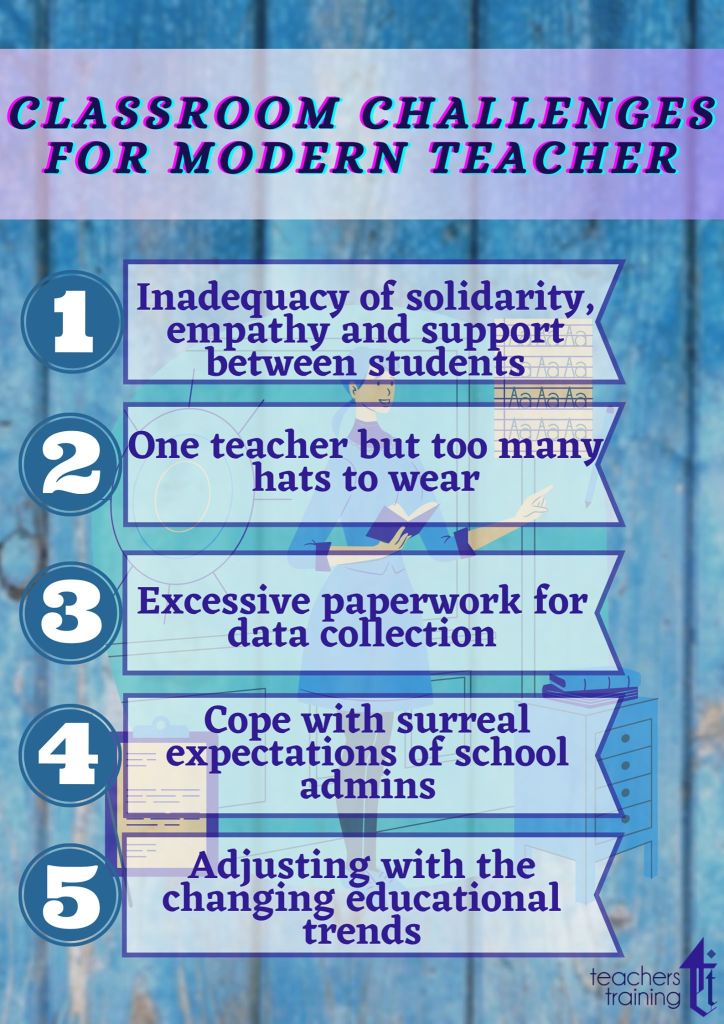
Let’s face it – teachers face a multitude of challenges on a daily basis. From managing disruptive behavior to addressing learning gaps, the list can seem never-ending. Lesson planning, grading, meetings, and paperwork pile up, often leaving teachers feeling overwhelmed. However, it’s important to recognize that these challenges are not unique to any one educator. They are shared experiences that unite teachers across the globe.

b) Analyzing the Impact of Challenges on Teachers and Students.

The challenges teachers encounter not only affect their own well-being but also have a profound impact on their students. When teachers feel overwhelmed, it can be difficult to provide the necessary support and guidance to students. Classroom dynamics may suffer, hindering the overall learning experience. Recognizing the interconnectedness of teacher and student well-being emphasizes the importance of addressing these challenges head-on.

3. Strategies for Maintaining Motivation and Positivity in Challenging Situations.

a) Self-Care and Well-being: Prioritizing Teacher Mental Health.

Amidst the chaos, teachers must remember to prioritize their own well-being. Self-care is not a luxury but a necessity. Whether it’s taking breaks, pursuing hobbies, or seeking support from loved ones, teachers must recharge to face each day’s challenges with renewed energy and positivity.

b) Cultivating a Growth Mindset: Embracing Challenges as Opportunities.

Rather than viewing challenges as roadblocks, teachers can adopt a growth mindset and see them as opportunities for personal and professional development. Every challenge is a chance to learn, adapt, and grow. By reframing their mindset, teachers can approach difficult situations with tenacity and an eagerness to find solutions.

c) Finding Inspiration and Renewal in the Teaching Profession.

Teaching can sometimes feel like a thankless job, but it’s important for teachers to find inspiration in their profession. Whether it’s connecting with like-minded colleagues, attending conferences, or exploring innovative teaching methods, seeking out sources of inspiration can help reignite passion and enthusiasm for teaching.

4. Building Resilience: Support Systems and Professional Development for Teachers.

a) Establishing Strong Support Networks: Colleagues, Mentors, and Administrators.

Nobody can do it all alone. Building a strong support network is crucial for teachers to thrive in their roles. Colleagues, mentors, and administrators can provide much-needed guidance, encouragement, and a listening ear. By fostering a sense of community, teachers can find solace and strength in knowing they are not alone in their challenges.

b) Accessing Professional Development Opportunities for Skill Enhancement.

Continuing professional development plays a vital role in equipping teachers with the skills and knowledge necessary to face evolving challenges. By actively seeking out workshops, conferences, and online resources, teachers can stay up-to-date with best practices and discover new strategies to enhance their teaching effectiveness.

c) The Role of Coaching and Feedback in Teacher Growth.

Coaching and feedback are invaluable tools for teacher growth. Engaging in constructive dialogue with administrators and peers helps teachers reflect on their practices, identify areas for improvement, and receive guidance for professional growth. By embracing feedback, teachers can refine their teaching methods and overcome challenges with greater confidence.

In conclusion, the prevailing spirit of teachers shines through as they navigate the complex landscape of school and classroom challenges. Through prioritizing self-care, embracing a growth mindset, finding inspiration, and building strong support systems, teachers demonstrate their resilience and tenacity in the face of adversity. So let’s celebrate the remarkable teachers who continue to inspire, educate, and overcome, shaping the future of generations to come.

5. Effective Communication and Collaboration in Overcoming Challenges.

a) Open and Transparent Communication with Colleagues and Administrators.

When it comes to tackling challenges in the education field, effective communication is key. Teachers who openly and honestly communicate with their colleagues and administrators create an environment of support and collaboration. By sharing struggles, brainstorming solutions, and seeking advice from fellow educators, teachers can gain valuable insights and find innovative ways to overcome obstacles. Transparent communication also fosters a sense of trust and teamwork, laying the foundation for a resilient and united teaching community.

b) Collaborative Problem-Solving: Engaging Students, Parents, and the Community.

Teachers know that they cannot face challenges alone. Engaging students, parents, and the wider community in problem-solving is an essential part of overcoming obstacles in education. By involving all stakeholders, teachers gain diverse perspectives and tap into a wealth of collective knowledge. This collaborative approach helps identify new strategies, resources, and support systems that benefit both individual students and the entire learning community. Together, teachers, parents, students, and the community can create a network of support that propels students towards success.

6. Innovative Teaching Approaches for Addressing Classroom Challenges.

a) Adapting Teaching Strategies to Cater to Diverse Learners.

In today’s classrooms, teachers encounter students with a wide range of learning styles, abilities, and backgrounds. To address this diversity and ensure every student reaches their full potential, teachers must be adaptive and flexible in their teaching strategies. By differentiating instruction and providing individualized support, teachers cater to the unique needs of each student. This personalized approach helps students feel valued, engaged, and motivated, ultimately leading to improved academic performance.

b) Technology Integration: Leveraging Digital Tools to Enhance Learning.

The digital age has brought forth a wealth of technological tools that can revolutionize the classroom experience. By integrating technology into their teaching practices, teachers can enhance student learning and address various challenges. Whether it’s using interactive educational apps, online platforms for remote learning, or multimedia presentations, technology provides new avenues for engagement and exploration. Embracing these digital tools empowers teachers to create dynamic and immersive learning experiences that captivate students’ attention and promote deeper understanding.

c) Creative Lesson Planning: Engaging Students and Encouraging Active Participation.

Gone are the days of monotonous lectures and passive learning. Today’s teachers understand the importance of creativity in lesson planning to captivate students’ interest and encourage active participation. By incorporating hands-on activities, group work, real-world examples, and interactive discussions, teachers create an engaging learning environment. This approach not only makes learning more enjoyable for students but also cultivates critical thinking, collaboration, and problem-solving skills. Through creative lesson planning, teachers inspire and empower students to take an active role in their education.

7. Nurturing Student Engagement and Success amidst Adversity.

a) Fostering a Positive Classroom Climate: Creating a Sense of Belonging.

Building a positive classroom climate is crucial for fostering student engagement and success, especially in the face of adversity. Teachers who create a welcoming and inclusive environment make students feel valued and respected. By acknowledging each student’s unique strengths and interests, teachers cultivate a sense of belonging that encourages active participation and collaboration. When students feel safe and supported, they are more likely to take risks, explore new ideas, and excel academically.

b) Individualized Support: Differentiated Instruction and Personalized Learning.

No two students are the same, and teachers recognize the importance of providing individualized support. Through differentiated instruction and personalized learning approaches, teachers tailor their teaching to meet the specific needs of each student. By identifying students’ strengths, weaknesses, and learning styles, teachers can provide targeted interventions and accommodations. This individualized support not only helps students overcome challenges but also empowers them to take ownership of their learning journey.

c) Building Resilient Students: Teaching Coping Skills and Growth Mindset.

Adversity is a part of life, and teachers play a pivotal role in helping students develop resilience. By teaching coping skills, fostering a growth mindset, and emphasizing the value of perseverance, teachers equip students with the tools to overcome challenges. Building resilience goes beyond academic success; it prepares students to navigate the ups and downs of life and emerge stronger from difficult situations. With the guidance of dedicated teachers, students develop the skills and mindset needed to thrive in the face of adversity.

8. Celebrating Success: Stories of Teachers Overcoming Challenges.

Amidst the challenges faced by teachers, it is important to celebrate their remarkable successes. Whether it’s a breakthrough in a struggling student’s academic performance, the implementation of an innovative teaching approach, or the creation of a nurturing classroom environment, these stories of triumph should be shared and celebrated. By highlighting teachers’ accomplishments, we inspire others in the education community and remind ourselves of the prevailing spirit that drives teachers to overcome the toughest of challenges. Together, we can recognize and honor the dedication and resilience of teachers who work tirelessly to make a difference in the lives of their students. In conclusion, the prevailing spirit of teachers shines through as they navigate and triumph over the myriad challenges they face in schools and classrooms. Their resilience, determination, and unwavering commitment to their students and profession are truly remarkable. By sharing stories of success, exploring effective strategies, and highlighting the importance of support and collaboration, we can continue to celebrate and support our teachers in their continuous journey towards creating a positive and impactful educational experience for all. Let us honor and appreciate the prevailing spirit of teachers as they inspire and shape the future generation, ensuring that every challenge becomes an opportunity for growth and success.

FAQ-

1. What are some common school and classroom challenges faced by teachers?

Teachers encounter various challenges, such as managing disruptive behavior, meeting individual student needs, adapting to changing curriculum standards, and balancing workload demands.

2. How can teachers overcome burnout and maintain motivation in challenging situations?

To combat burnout, teachers can prioritize self-care, cultivate a growth mindset, seek inspiration from colleagues and professional development opportunities, and find fulfillment in the positive impact they make on students’ lives.

3. What support systems are available to teachers in overcoming challenges?

Teachers can build strong support networks with colleagues, mentors, and administrators who can provide guidance, advice, and encouragement. Additionally, accessing professional development opportunities and receiving coaching and feedback can contribute to their growth and resilience.

4. How can teachers address diverse student needs and engage students amidst adversity?

Teachers can employ innovative teaching approaches, including differentiating instruction, integrating technology, and implementing creative lesson plans. By fostering a positive classroom environment, promoting individualized support, and teaching resilience and coping skills, teachers can nurture student engagement and success.