The Hidden Impact of Personal Struggles on Educators.

In the demanding world of education, teachers often navigate a complex landscape of personal and professional challenges that can profoundly impact their effectiveness and well-being. While educators are dedicated to nurturing the minds of their students, many grapple with hidden struggles that can detract from their ability to teach effectively. From mental health issues to the challenges of balancing work and personal life, these struggles can create a ripple effect that influences not only the educators themselves but also their students and the broader school community. This article delves into the hidden impact of personal struggles on educators, exploring the emotional toll, coping strategies, and the importance of fostering supportive environments that prioritize educator well-being.

1. Understanding the Personal Struggles of Educators.

a) Common Personal Challenges Faced by Teachers.

Teaching is not just about lesson plans and grading papers; it’s a rollercoaster ride through personal challenges that educators face. Common struggles include financial stress, family obligations, and health issues. Many teachers juggle the demands of their jobs with caring for children or aging parents, leading to a constant tug-of-war between their professional and personal lives. It’s no wonder that sometimes the weight of the classroom feels heavier than a sack of textbooks!

b) The Impact of Life Events on Professional Performance.

Life has a sneaky way of throwing curveballs at us, and educators are no different. Major events like divorce, illness, or the loss of a loved one can significantly impact a teacher’s focus and emotional availability in the classroom. When personal life becomes a storm, it can be challenging to create a calm and engaging environment for students. The struggle to maintain professionalism while dealing with this emotional turbulence can lead to decreased performance, as teachers wrestle with the distraction of their own lives.

2. The Emotional Toll: Mental Health Challenges.

a) Identifying Signs of Stress and Burnout.

Teachers are often the unsung heroes, but even heroes can crumble under pressure. Recognizing the signs of stress and burnout is crucial. These may include chronic fatigue, irritability, lack of enthusiasm for teaching, and a feeling of being overwhelmed by even the simplest tasks. When educators find themselves dreaming about grading papers instead of actually grading papers, it’s a red flag that something needs to be addressed—preferably before the coffee supply runs out!

b) The Stigma Surrounding Mental Health in Education.

Unfortunately, discussing mental health can feel like inviting the school bully to lunch; it just doesn’t happen. There’s a prevalent stigma in the education community that makes many teachers hesitant to seek help. The perception that asking for support equates to weakness can be paralyzing. This culture needs to change, as teachers deserve the same understanding and care they offer to their students. Addressing mental health should be as normal as discussing lesson plans—after all, educators can’t pour from an empty cup!

3. Balancing Professional Responsibilities and Personal Life.

a) Time Management Strategies for Educators.

Time may be a construct, but for teachers, it often feels like a cruel joke. Effective time management strategies can help. Techniques like prioritizing tasks, creating realistic to-do lists, and utilizing digital tools can provide much-needed organization in the chaos. Scheduling self-care and personal time is equally important—because teachers need to recharge, too! Remember, a well-rested teacher is far more effective than one who hasn’t seen a moment of peace since the last school break.

b) The Importance of Setting Boundaries.

Setting boundaries may sound like a buzzword, but for educators, it’s a lifeline. Establishing clear limits between work and home life can help prevent burnout and stress. This could mean refusing to check emails after a certain hour or designating “no school talk” family dinners. Healthy boundaries ensure that teachers have the mental and emotional space to rejuvenate and remain passionate about their profession. After all, a happy educator leads to happy students!

4. The Ripple Effect: How Personal Issues Affect Teaching.

a) The Connection between Teacher Well-being and Student Outcomes.

The truth is, a teacher’s well-being directly impacts students. When educators are dealing with personal struggles, their ability to inspire and engage students can wane. Research shows that teachers who are mentally and emotionally healthy create more effective learning environments, leading to better academic outcomes. It’s a cycle: happy teacher’s foster happy students, and happy students lead to happier teachers. It’s the educational version of a win-win!

b) Classroom Environment: A Reflection of Educator Struggles.

The classroom often mirrors the mental state of the teacher. A classroom filled with chaos and tension can indicate that the educator is facing personal struggles. Conversely, a positive and engaging classroom atmosphere tends to reflect a teacher’s well-being. Creating an environment that encourages open communication and support can help break this cycle. Teachers must feel safe to express their challenges, ultimately fostering a more supportive and understanding community for everyone involved. And who doesn’t want a class filled with laughter and learning instead of stress and sighs?

5. Coping Mechanisms: Strategies for Educators.

a) Self-Care Practices for Teachers.

Teaching can sometimes feel like juggling flaming swords while riding a unicycle. It’s crucial for educators to embrace self-care—because, let’s be honest, no one can pour from an empty cup (or a flaming sword). Simple practices like taking five-minute breaks, practicing mindfulness, or indulging in hobbies can work wonders. Even the act of stepping outside for fresh air can rejuvenate the mind. Remember, you can’t be the best version of yourself for your students if you’re running on fumes, so treat yourself like the star you are!

b) Seeking Professional Help: When and How?

When the weight of personal struggles becomes too heavy, it’s perfectly okay to seek help—think of it as getting a tune-up for your mental engine. Whether it’s a therapist, counsellor, or support group, reaching out can be a game changer. Feelings of anxiety and stress may have you questioning your sanity, but they’re more common than you think! Pro tip: Don’t wait until you’re at the end of your rope—if you’re feeling more tangled than a box of holiday lights, it’s time to call in the pros.

6. Building Supportive Environments in Schools.

a) Promoting Open Communication among Staff.

Creating an environment where educators feel safe sharing their challenges can be a game changer, like finding that missing sock in the laundry (you know the struggle). Open communication fosters trust, and when educators can express their concerns without fearing judgment, it builds a resilient community. Schedule regular check-ins or informal coffee chats where staff can share stories, laugh, and maybe shed a tear or two. Remember, vulnerability isn’t weakness; it’s the secret ingredient to strong teamwork.

b) Peer Support Systems and Mentorship Programs.

There’s nothing like a good support system to help educators navigate the stormy seas of teaching. Establishing peer support networks or mentorship programs can help you swap teaching hacks, unload stress, and find new perspectives on the challenges you face. Think of it as joining a secret superhero club—one where you can vent about lesson plans, trade strategies, and provide mutual encouragement. After all, we’re stronger together, and sometimes all we need is someone who truly gets it.

7. The Role of Administration in Addressing Educator Well-being.

a) Policies That Support Educator Mental Health.

School administrators should be the champions of educator well-being, like the guardians of the galaxy, but for teachers. Implementing policies that prioritize mental health—such as flexible work hours, mental health days, or wellness programs—can make a significant impact. By showing that they genuinely care about the well-being of their staff, administration can cultivate a thriving atmosphere where educators feel valued and supported.

b) Creating a Culture of Care in Schools.

Beyond just policies, creating a culture of care means embedding compassion into every aspect of the school environment. A culture where staff checks in on each other and celebrates small wins fosters positivity. Encourage acts of kindness, whether it’s leaving encouraging notes in someone’s mailbox or organizing wellness events. Spread the love like confetti because when educators feel cared for, it ripples outward to the students, creating a healthier school community all around.

8. Moving Forward: Fostering Resilience in the Education Community.

a) Training for Educators on Managing Personal Struggles.

Investing in training to help educators manage personal struggles is like giving them a superhero cape. Workshops on stress management, emotional resilience, and self-advocacy can empower teachers to handle whatever life throws at them. It’s not just about surviving; it’s about thriving in the classroom and beyond. So let’s ensure that every educator has the tools they need to conquer their battles and lead with strength and grace.

b) Long-term Solutions for Sustained Well-being.

To truly foster resilience, schools need to embrace long-term solutions rather than quick fixes, like slapping a Band-Aid on a leaky sink—eventually, it just won’t hold. Consider establishing ongoing support networks, regular mental health check-ins, and continuous professional development focused on well-being. By taking a holistic approach, the education community can create an environment where everyone feels supported, valued, and equipped to march boldly into the future (cape optional).As we recognize the hidden struggles faced by educators, it becomes imperative to create a culture of support and understanding within schools. By prioritizing the mental health and well-being of teachers, we not only empower them to thrive in their roles but also enhance the learning experience for students. It is essential for both administrators and peers to come together in fostering resilience and implementing strategies that address these challenges. In doing so, we can build a stronger education community where both educators and students can succeed.

Frequently Asked Questions:

1. What are some common personal struggles that educators face?

Educators may experience a range of personal struggles, including mental health issues such as anxiety and depression, work-life balance challenges, financial stress, and family-related pressures. These personal challenges can significantly impact their professional performance and overall well-being.

2. How can schools support educators dealing with personal struggles?

Schools can support educators by creating a culture of open communication, providing access to mental health resources, implementing peer support systems, and offering professional development focused on managing personal challenges. Administrative support is crucial in fostering an environment where educators feel valued and understood.

3. What are some effective coping strategies for educators?

Effective coping strategies for educators include prioritizing self-care through regular exercise and mindfulness practices, setting boundaries between work and personal life, seeking professional help when needed, and engaging in supportive peer networks. These strategies can help educators manage stress and maintain their well-being.

4. How does educator well-being impact student outcomes?

Research shows that educator well-being is directly linked to student outcomes. When teachers are mentally and emotionally healthy, they are more effective in the classroom, leading to improved student engagement, academic performance, and overall school climate. Prioritizing educator well-being ultimately benefits the entire educational community.


Rating: 1 out of 5.

Navigating Teen Substance Abuse: Effective Strategies for Parents.

Navigating the complex landscape of teen substance abuse can be one of the most challenging experiences for parents. As adolescents face various pressures—from peer influence to academic stress—substance use can become a troubling escape for some. Understanding the dynamics of substance abuse, recognizing the signs, and knowing how to communicate effectively with your teen are crucial steps in addressing this issue. This article aims to equip parents with effective strategies to prevent and respond to substance use, fostering a supportive environment that encourages healthy choices and open dialogue. By taking proactive measures, parents can play a pivotal role in guiding their teens toward a brighter and healthier future.

1. Understanding Teen Substance Abuse: Facts and Myths.

a) Statistics on Teen Substance Use.

The statistics can be as alarming as your teen’s favorite rock band turning out to be a one-hit wonder. According to the National Institute on Drug Abuse (NIDA), about 70% of high school seniors have tried alcohol, and nearly 50% have experimented with illicit drugs. What’s even more surprising? Nearly 35% of teens report using marijuana. The numbers indicate that substance use is not just a ‘bad apple’ issue; it’s a widespread concern many families face.

b) Common Misconceptions about Substance Abuse.

Let’s bust some myths faster than a teenage heartthrob’s rise to fame! One common misconception is the idea that “my teen would never use drugs; they’re too smart.” Spoiler alert: Intelligence doesn’t immunize against experimentation. Another myth is that casual alcohol use is harmless; in reality, it can be a slippery slope to more significant issues. Understanding these misconceptions is crucial for parents who want to stay ahead of the curve.

2. Recognizing the Signs of Substance Abuse in Teens.

a) Behavioral Changes to Watch For.

If your usually shiny star is suddenly dimming—hello, mood swings!—pay attention. Behavioral red flags include sudden secrecy, loss of interest in previously loved activities, or a drastic change in peer groups. If your teen who used to be a diligent student is now more likely to be found binge-watching shows instead of studying, it might be time for a heart-to-heart.

b) Physical Indicators of Substance Use.

Seeing your teen show up in pajamas at noon isn’t exactly a sign of substance use—believe me, I’ve been there. However, look out for bloodshot eyes, unusual smell (and we’re not talking about new cologne), and sudden weight changes. If they’re exhibiting signs of fatigue or poor hygiene, it could be time to address the elephant in the room.

c) Emotional and Social Signs.

If your teen’s emotional roller coaster is more thrilling than a theme park ride, it’s essential to take note. Increased anxiety, paranoia, or depression can signal underlying substance issues. Also, if they’re pulling away from family and old friends faster than a teenager speeds out of a parent-teacher conference, it’s worth investigating what’s really going on beneath the surface.

3. Creating Open Lines of Communication with Your Teen.

a) Effective Listening Techniques.

Communication is key, but let’s face it, listening is the secret sauce. Practice active listening by not just hearing the words but absorbing the feelings behind them. Nod, express empathy, and avoid interrupting. Sometimes, all your teen needs is a sounding board—not another lecture. Think of it as tuning into their favorite playlist instead of trying to change the station!

b) How to Approach Sensitive Topics.

Tackling touchy subjects can feel like walking on eggshells while juggling flaming torches—less than ideal! Start by choosing a non-confrontational time and setting. Use “I” statements to express your concerns gently. For example, “I’m worried about how you’ve been acting lately,” instead of “You need to stop hanging out with those kids!” Trust me, your teen will appreciate the softer approach.

c) Encouraging Honesty and Trust.

Creating a foundation of trust is like building a solid tree house: it takes time and care to get it just right. Encourage honesty by responding calmly to their confessions, even if it feels like your heart is doing the cha-cha. Reinforce that you’re a safe space for them to share their thoughts—no judgment, just love and support. This could be the difference between your teen opening up or shutting down.

4. Effective Prevention Strategies for Parents.

a) Setting Clear Expectations and Boundaries.

Think of rules as the GPS for your teen’s journey—necessary for navigating the road ahead. Set clear expectations about substance use and the associated consequences. Be consistent, so they know you’re serious. Remember, it’s not about being a tyrant; it’s about being a guide. A well-defined boundary can keep them on the right path while allowing them room to grow.

b) Promoting Healthy Activities and Interests.

Encourage extracurricular activities that give them a creative outlet—whether it’s sports, the arts, or even bizarre TikTok dances. These pursuits can boost self-esteem and steer them away from the lure of substances. Plus, you can bond over their interests, which could make family game night a little less painful for everyone involved!

c) Educating Yourself and Your Teen About Substance Risks.

Knowledge is power, and it’s time to flex those intellectual muscles! Familiarize yourself with the risks associated with substance use and share this wisdom with your teen. This isn’t just about horror stories; it’s about empowering them with the understanding they need to make informed choices. Your goal is to transform that information into a conversation starter rather than a lecture. Because let’s face it, no one enjoys being lectured…especially teenagers!

5. How to Respond if You Suspect Substance Use.

a) Initial Conversations: Finding the Right Approach.

When you think your teen might be dabbling in substances, the first step isn’t to don your detective hat and interrogate them like a police officer. Instead, aim for a calm and non-confrontational atmosphere. Start the conversation with curiosity, not accusations. You might say something like, “I’ve noticed you seem a bit different lately. Everything okay?” Keep it light, but serious enough to show you care. Approach it like you’re discussing their latest TikTok obsession rather than a life-altering decision.

b) Seeking Professional Help: When and How.

If your initial chats leave you feeling more confused than a cat at a dog show, it might be time to bring in the pros. Consider enlisting a counsellor or therapist who specializes in adolescent substance use. Look for local resources like community health centres or private practices that offer family therapy. A good rule of thumb is if it feels like more than you can handle on your own, don’t hesitate to reach out for help. Think of professionals as your backup dancers in this challenging routine!

c) Understanding Your Teen’s Perspective.

Your teen’s world is a whirlwind of social pressures, expectations, and the desire to fit in—like trying to find a comfy position in a tiny car with a backseat full of clowns. Empathy goes a long way here. Try to see things from their viewpoint. Ask them open-ended questions about their feelings rather than making assumptions. This not only builds trust but also opens a two-way street of communication, where they may feel more comfortable sharing their struggles.

6. Supporting Your Teen through Recovery.

a) Creating a Supportive Home Environment.

Home should be a safe haven, not a battlefield. Set the stage for recovery by creating an atmosphere of understanding and support. This means being patient, listening more than talking, and showing unconditional love. Think of your home as a cozy café where your teen can hang out, share their concerns, and sip on some good ol’ hot cocoa without judgment. A little warmth goes a long way!

b) Encouraging Professional Treatment Options.

It’s important to recognize when your teen might benefit from professional treatment. This could range from outpatient counseling to inpatient rehabilitation programs, depending on the severity of the situation. Approach this topic gently, emphasizing that seeking help is a sign of strength, not weakness. You might say something like, “I think talking to someone could really help you through this. What do you think?” It’s all about providing options, not ultimatums—don’t forget, you’re a team!

c) Maintaining Open Communication during Recovery.

Communication shouldn’t take a backseat during recovery; in fact, it should have a front-row seat! Encourage your teen to share their progress, feelings, and concerns. Regular, honest check-ins can keep the lines open and help you both navigate the ups and downs of recovery together. Make sure they know they can talk to you about anything—like that time they tried kale chips and what a disaster that was, or their fear of giving a presentation. Just keep the conversation flowing!

7. Resources and Support Networks for Parents.

a) Local and National Support Groups.

Joining a support group can be like finding a secret club where everyone understands what you’re going through—except the membership fee is just your time! Look for local groups such as Al-Anon or Nar-Anon that offer resources and camaraderie for families facing substance abuse issues. Online options, like support forums or national hotlines, can also provide a lifeline when you feel isolated. Remember, you’re not alone in this!

b) Online Resources for Parental Guidance.

The internet is chock-full of resources to help you navigate this tricky terrain. Websites like the National Institute on Drug Abuse (NIDA) or the Substance Abuse and Mental Health Services Administration (SAMHSA) provide valuable information and guidelines for parents. Don’t overlook parenting blogs or forums either—sometimes reading about someone else’s experience can be a huge comfort and a source of practical advice.

c) Educational Workshops and Seminars.

Keep your knowledge game strong by participating in workshops and seminars focused on substance abuse prevention and parental support. Many community health organizations offer these sessions, often for free or at a low cost. You might even discover some helpful strategies to implement at home, or simply feel more equipped to handle challenges as they arise. Plus, you get to meet other parents who are in the same boat (full of mystery and maybe a few snacks).

8. Building a Healthy Environment: Encouraging Positive Choices.

a) Promoting Healthy Relationships and Friendships.

Encouraging your teen to cultivate healthy friendships is like gardening—remove the weeds and nurture the flowers! Help them find peer groups that uplift them and share positive values. Talk about the importance of surrounding themselves with supportive friends and what healthy relationships should look like. You could even host some fun group activities at home, so you can get to know their friends and add a few more blooms to the garden!

b) Fostering Self-Esteem and Resilience in Teens.

Building their self-esteem is crucial; think of it as laying down a solid foundation for a house. Encourage your teen to pursue hobbies and interests that make them feel good, whether that’s sports, art, or even meme creation. Celebrate their achievements, big or small, and remind them that setbacks are part of the journey. A little positive reinforcement can go a long way in helping them bounce back from challenges.

c) Involving Family in Healthy Activities.

Family time can be the glue that holds everyone together. Make it a point to engage in activities that promote health and wellness—whether it’s cooking healthy meals together, going for hikes, or starting a family game night. These shared experiences not only create lasting memories but also strengthen family bonds, making it easier for your teen to stay connected to their support system. Plus, you might just find out that your teen is better at Monopoly than you are! In conclusion, addressing teen substance abuse is a vital aspect of parenting that requires awareness, communication, and support. By understanding the signs, fostering open dialogue, and implementing effective prevention strategies, parents can create a nurturing environment that empowers their teens to make healthier choices. Remember, seeking help and utilizing available resources is a sign of strength, and by working together, families can overcome the challenges of substance use and pave the way for a brighter future.

Frequently Asked Questions:

1. What are the most common substances abused by teens?

Many teens experiment with alcohol, marijuana, and prescription medications, but other substances such as nicotine (via vaping) and illicit drugs may also be involved. 

2. How can I tell if my teen is using substances?

Signs may include changes in behavior, mood swings, withdrawal from family and friends, declining academic performance, and physical changes such as weight loss or neglect of personal hygiene. 

3. What should I do if I find out my teen is using substances?

Approach the situation calmly and without judgment. Open a dialogue with your teen, express your concerns, and consider seeking professional help or counseling to navigate the next steps. 

4. Are there effective programs for teen substance abuse recovery?

Yes, there are various evidence-based treatment programs for teens, including counseling, support groups, and rehabilitation centres designed specifically for adolescents. It’s important to find a program that fits your teen’s individual needs.

Rating: 1 out of 5.

Why Assault Remains Rampant in India: Causes and Solutions.

Assault remains a pervasive issue in India, affecting individuals across various demographics and regions. Despite numerous efforts to address this alarming trend, the incidence of violence, particularly against women and marginalized groups, continues to rise. This article seeks to explore the multifaceted causes behind the rampant occurrence of assault in India, examining societal, cultural, and legal factors that contribute to the problem. Additionally, it will highlight potential solutions and best practices that can be implemented to create a safer environment for all citizens. By understanding the underlying issues and pursuing effective strategies, society can work collaboratively towards reducing violence and fostering a culture of respect and safety.

1. Overview of Assault in India: Current Statistics and Trends.

Assault remains a pressing issue in India, with statistics revealing a stark reality. According to the latest National Crime Records Bureau (NCRB) report, over 400,000 cases of assault were reported in 2022 alone. This alarming figure not only highlights the prevalence of violence but also showcases an upward trend in reported cases, with a 10% increase from the previous year. The data also indicates that a significant portion of these assaults are gender-based, underscoring the critical need for targeted interventions.

a) Historical Context of Assault Rates.

Historically, the assault rates in India have fluctuated, often reflecting broader societal issues. In the early 2000s, the numbers were startlingly low, which some attributed to underreporting rather than a genuine decline in violence. However, the increasing willingness of victims to come forward and the growing awareness of rights have led to a surge in recorded cases since 2010. It’s essential to recognize that these rising statistics might not necessarily indicate a deteriorating society; they could also reflect a shift towards greater accountability and recognition of survivors.

b) Comparison with Global Trends.

When compared globally, India sits in a murky lake of assault statistics. Countries with similar economic challenges, such as South Africa and Brazil, show comparable trends in violence, while developed nations like Canada and Sweden enjoy much lower assault rates. However, it’s crucial to note that cultural and legal frameworks differ vastly across nations. While some countries successfully tackle assault through robust laws and community programs, India continues to grapple with systemic issues that hinder progress, suggesting a need for tailored solutions that resonate with local contexts.

2. Societal Factors Contributing to Rampant Assault.

The roots of assault in India run deep, intertwined with societal factors that create a fertile ground for violence. Among these, poverty, education levels, and substance abuse play notable roles.

a) Poverty and Economic Disparities.

Poverty is a key player in the assault saga, as desperation often breeds desperation. Economic disparities create a volatile environment where unrest and violence can flourish. Individuals facing financial hardship may resort to violence out of frustration, while those in privileged positions might commit acts of aggression to maintain their status. Bridging this economic gap could pave the way for a more peaceful society, but that’s easier said than done!

b) Education and Awareness Levels.

Education is another critical factor influencing assault rates. A lack of awareness about rights and resources perpetuates cycles of violence. Many individuals are not educated about the legal implications of assault or where to seek help. Promoting education—especially around consent and personal safety—can provide empowerment and lay the groundwork for change. Spoiler alert: knowledge is power!

c) Impact of Substance Abuse.

Substance abuse complicates the landscape of assault even further. The correlation between alcohol and drug abuse and violent behavior is well-documented, as substances can lower inhibitions and escalate conflicts. In many communities, binge drinking and drug use are prevalent, leading to a spike in aggressive behaviors. Addressing substance abuse through comprehensive rehabilitation programs could help reduce assault rates—a win-win situation for society and those battling addiction.

3. Legal Framework: Gaps and Inadequacies in Indian Law.

The legal framework surrounding assault in India presents a double-edged sword—while there are laws in place, gaps and inadequacies often leave victims vulnerable and seeking justice.

a) Overview of Current Laws Related to Assault.

India’s legal landscape includes several laws aimed at preventing and punishing assault, such as the Indian Penal Code (IPC) and the Protection of Women from Domestic Violence Act. However, these laws often lack stringent enforcement mechanisms and can be riddled with loopholes that perpetrators exploit. The complexity of legal jargon doesn’t help either—who really understands IPC without a law degree?

b) Barriers to Effective Legal Action.

Numerous barriers hinder effective legal action against assailants. Victims often face societal stigma, lengthy court processes, and insufficient police support. Many are discouraged from reporting incidents due to fear of retribution or the belief that their cases won’t be taken seriously. The perception that the legal system is ineffective breeds a culture of silence, allowing violence to continue unabated.

c) Victim Support Mechanisms.

Victim support mechanisms in India are still in their infancy. Although helplines and counseling services exist, they often lack the resources needed to provide comprehensive care. Many victims find themselves navigating a bureaucratic maze without adequate support, leaving them feeling abandoned at a time when they need help the most. Strengthening these mechanisms is essential to fostering a more supportive environment for survivors.

4. Cultural Norms and Gender Disparities.

Cultural norms in India play a significant role in perpetuating assault, particularly gender-based violence. The societal undercurrents often normalize aggression and reinforce harmful stereotypes.

a) Patriarchy and Gender-Based Violence.

India’s patriarchal society fosters an environment where gender-based violence is tragically common. Women often find themselves at the mercy of patriarchal structures that dictate their worth and place in society. This deeply ingrained mindset contributes to the normalization of violence against women, with many believing it’s a part of life. Challenging these norms is crucial to dismantling the power structures that allow such violence to thrive.

b) Normalization of Violence in Society.

Violence is often portrayed as a form of conflict resolution in Indian media and entertainment, leading to its acceptance in everyday life. When physical aggression is glamorized or trivialized, it becomes a dangerous norm. Shifting perspectives around violence—highlighting it as an undesirable outcome—can help reshape societal attitudes and pave the way for healthier conflict resolution.

c) Media Representation and Its Impact.

The media wields tremendous power in shaping public perception, and its portrayal of assault can either empower or endanger. Unfortunately, sensationalized reporting often emphasizes the spectacle of violence rather than the human tragedy behind it. Additionally, the objectification of women in media contributes to a culture of violence, where aggression seems permissible. Advocating for responsible media representation and diverse narratives can help foster a more respectful dialogue around assault and gender.

5. The Role of Law Enforcement and Judicial System.

a) Police Response to Assault Cases.

The response of law enforcement to assault cases in India often resembles a game of hide-and-seek, except the hiding is more prevalent. Many victims report reluctance from police to register FIRs (First Information Reports) or to investigate complaints adequately. This can stem from a lack of training in handling sensitive cases, overwhelming workloads, or simply a culture that prioritizes minimizing paperwork over justice. The end result? Victims are left feeling powerless and unheard, while perpetrators often walk free, giving rise to a culture of impunity.

b) Judicial Delays and Their Consequences.

Once a case manages to wade through the murky waters of police bureaucracy and actually enters the judicial system, it’s often a long and arduous journey. With backlogged courts and endless procedural tangles, many cases can take years, if not decades, to reach a resolution. This snail-paced justice not only discourages victims from pursuing their cases but also fosters a sense of hopelessness among the public, who may begin to believe that justice is simply a mirage on the horizon.

c) Barricades to Reporting and Prosecution.

Reporting an assault is not just about mustering the courage to speak out; it often involves navigating a maze of social stigmas, victim-blaming narratives, and fear of retaliation. Many victims hesitate to approach law enforcement due to past experiences of ridicule or lack of support from their communities. Additionally, cultural norms and gender biases can create significant barriers to prosecution, as victims may be pressured to remain silent or settle matters privately. It’s a tragic cycle that perpetuates assault and keeps victims trapped in the shadows.

6. Community Initiatives and Grassroots Movements.

a) Role of NGOs in Combatting Assault.

Non-Governmental Organizations (NGOs) have taken the bull by the horns in addressing the issue of assault in India. These organizations provide vital support services, including legal aid, counseling, and rehabilitation for survivors. By working tirelessly to raise awareness and educate communities, NGOs play a crucial role in dismantling the stigma surrounding assault and encouraging reporting. Their efforts are not just about immediate relief but also about empowering individuals to reclaim their narratives.

b) Community Awareness Programs.

Community awareness programs are like fireworks: they spread knowledge and ignite conversations. These initiatives often target schools, colleges, and local neighbourhoods, educating people about consent, respect, and the legal ramifications of assault. Workshops, seminars, and awareness campaigns foster an environment where open discussions can take place, helping to challenge entrenched patriarchal attitudes. As communities become more educated, the stigma surrounding assault diminishes, creating a safer space for all.

c) Success Stories and Case Studies.

Success stories serve as the shining beacons of hope in the battle against assault. From community-led policing initiatives that have dramatically increased trust between residents and law enforcement to survivor-led movements that have successfully lobbied for legal reforms, these case studies prove that change is not just possible; it’s happening. Highlighting these successes not only inspires further action but also showcases the resilience and strength of communities determined to fight for their rights.

7. Effective Solutions: Policy Recommendations and Best Practices.

a) Strengthening Legal Provisions.

To truly protect victims and deter potential offenders, it’s essential to strengthen legal provisions surrounding assault. This includes not just tougher penalties for perpetrators but also better protection for victims during the legal process. Creating fast-track courts dedicated to handling assault cases could significantly reduce delays, ensuring that justice isn’t just a distant dream but a tangible reality.

b) Enhancing Educational Programs.

Education is a formidable weapon in the fight against assault. By incorporating comprehensive programs on consent, gender equality, and respectful relationships into school curriculums, we can reshape attitudes from a young age. Empowering individuals with the knowledge of their rights and responsibilities fosters a culture of respect and accountability, which is crucial for long-term change.

c) Collaborative Efforts with Civil Society.

Collaboration is the name of the game when it comes to creating sustainable solutions. Engaging civil society in dialogues around assault can help bridge the gap between policymakers and communities. By building coalitions among NGOs, local leaders, law enforcement, and government entities, a holistic approach can be developed that addresses the root causes of assault while implementing effective preventive measures.

8. Conclusion: A Call to Action for a Safer India.

In sum, the rampant issue of assault in India is the result of a complex interplay of systemic failures within the law enforcement and judicial frameworks, a lack of community support, and deeply ingrained societal attitudes. But the tide can turn—if we choose to act. From strengthening laws and enhancing educational programs to fostering grassroots movements, there are numerous paths to a safer society.

9. Importance of Collective Responsibility.

Ultimately, creating a safe environment is a collective responsibility that transcends boundaries. It calls for concerted efforts from individuals, communities, and governments alike. Everyone has a role to play—be it advocating for change, educating others, or simply standing in solidarity with survivors. Together, we can dismantle the structures that allow assault to persist and work towards building an India where everyone feels safe and valued. In conclusion, addressing the rampant issue of assault in India requires a comprehensive approach that tackles the root causes and fosters a culture of safety and respect. By strengthening legal frameworks, raising awareness, and supporting community initiatives, it is possible to create a society where individuals can live free from the fear of violence. Collective action from all sectors—government, communities, and individuals—is essential to implement the necessary changes and ensure a safer future for everyone.

Frequently Asked Questions:

1. What are the primary causes of assault in India?

The primary causes of assault in India include socio-economic disparities, cultural norms that perpetuate violence, inadequate legal protections, and lack of awareness regarding individual rights.

2. How can communities help reduce incidents of assault?

Communities can reduce incidents of assault by promoting awareness programs, supporting local NGOs that work on violence prevention, and encouraging open dialogues about respect and consent.

3. What changes are needed in the legal framework to address assault effectively?

Key changes needed in the legal framework include strengthening existing laws, ensuring timely justice for victims, and enhancing support systems for survivors of assault.

4. How can individuals contribute to creating a safer environment?

Individuals can contribute by educating themselves and others about consent and respect, standing up against violence, and supporting initiatives aimed at combating assault in their communities.

Rating: 1 out of 5.

The Quiet Struggle: Why Teens Conceal Family Abuse.

In today’s society, Sexual abuse within the family—often referred to as interfamilial sexual abuse—is one of the most underreported and psychologically damaging forms of abuse. When the abuser is a trusted relative, such as a parent, sibling, uncle, cousin, or grandparent, the emotional turmoil for the teenager intensifies. Despite experiencing pain, fear, and confusion, many teenagers remain silent. Understanding why this silence persists is crucial to breaking the cycle of abuse and fostering safe environments for healing.

 Family abuse remains a pervasive and often unspoken issue, particularly among teenagers who may feel trapped in silence. While many young people suffer in isolation, the reasons behind their concealment of such distressing experiences are complex and multifaceted. This article delves into the quiet struggle faced by teens living with family abuse, exploring the psychological impact, the fear and shame that keep them from speaking out, and the vital signs that can indicate hidden suffering. By understanding these dynamics, we can create a more supportive environment that encourages open dialogue and empowers young people to seek help and healing.

1. Understanding Family Abuse: A Hidden Crisis.

a) Defining Family Abuse: Types and Dynamics.

Family abuse can take many forms: physical, emotional, and even financial, each leaving scars that may not be visible to the naked eye. Physical abuse is the most recognizable and often the most reported, but emotional abuse can be just as damaging, manifesting through manipulation, threats, or constant belittling. Financial abuse, which involves controlling a victim’s access to money and resources, is the sneaky villain of the piece. In many households, these dynamics create a toxic environment that can be challenging to navigate, especially for teenagers caught between wanting to protect their family and the need for their own safety.

b) The Prevalence of Abuse in Teenage Households.

Surprisingly, family abuse is not as uncommon as one might hope. Studies suggest that millions of teenagers live in environments rife with some form of abuse. According to various statistics, it’s estimated that nearly one in three adolescents experience abuse at home. While it’s easy to think that this is a far-off issue, it sits in the living rooms, bedrooms, and kitchens of countless homes, cloaked in secrecy and silence. Sadly, many teens feel they have to endure these situations alone, fearing that speaking out could make everything worse.

2. The Psychological Impact of Abuse on Teens.

a) Emotional Consequences: Anxiety and Depression.

The emotional fallout from living in an abusive household can be profound. Teens may find themselves wrestling with feelings of anxiety and depression, often feeling like they’re trapped in a dark tunnel with no light in sight. The unpredictability of abusive dynamics can lead to heightened stress levels, manifesting as constant worry and fear. Many may develop low self-esteem, feeling unworthy of love or respect due to their experiences. It’s kind of like being stuck on a merry-go-round of misery—an exhausting ride that never seems to stop.

b) Cognitive Effects: Struggles with Concentration and Decision-Making.

Beyond the emotional turmoil lies a cognitive impact that can disrupt a teen’s daily life. Concentration becomes as elusive as a sock in the dryer when you need it most, making schoolwork feel like an uphill battle. Decision-making can turn into a game of second-guessing oneself, leading to chronic indecisiveness. This fog can stifle creativity and hinder social interactions, isolating teens

even further. It’s a no-win situation where the mind feels clouded, leaving them longing for clarity that seems perpetually out of reach.

3. Reasons for Silence: Fear, Shame, and Loyalty.

a) Fear of Retaliation and Escalation.

One of the biggest hurdles to breaking the silence surrounding family abuse is fear—fear of retaliation from the abuser and fear that speaking out could escalate the situation. Teens often worry that confiding in someone could lead to punishment, further violence, or even being dragged into a web of chaos that feels impossible to escape. This fear can become a paralyzing force, keeping them locked in silence even when they’re crying out for help inside.

b) Feelings of Shame and Self-Blame.

Many teens internalize their experiences, leading to feelings of shame and self-blame. They might think, “If only I had done something differently, this wouldn’t be happening.” This toxic narrative can make them feel unworthy of help and perpetuate the cycle of silence. It’s as if they carry the weight of the world on their shoulders, convinced that they’re somehow responsible for the dysfunction in their homes. Spoiler alert: They’re not.

c) Loyalty to Family and the Desire for Normalcy.

Despite the chaos, many teens feel an intense loyalty to their families, hoping that if they keep quiet, things will get better. The desire for normalcy can be overpowering—the hope that tomorrow will be different, that they’ll have a family dinner without drama or a peaceful movie night without conflict. This loyalty can lead to a heart-wrenching tug-of-war between wanting to protect their family and the need to protect themselves. It’s a tough spot to be in, and one that can leave them feeling utterly alone.

d) Fear of Not Being Believed.

One of the strongest reasons teenagers stay silent is the fear that no one will believe them. The abuser is often a respected or powerful family member—someone others see as trustworthy or loving. Teenagers worry that if they speak up, they will be accused of lying or “making stories up.”

“Who will believe me over him/her?” becomes a constant internal battle.

This disbelief can be especially strong in families with rigid hierarchies, where authority figures are rarely questioned.

e) Shame, Guilt, and Self-Blame.

Victims of sexual abuse often internalize feelings of shame and guilt, mistakenly believing they are responsible for what happened. Teenagers may think they somehow “allowed it” or “did something wrong.”
Abusers frequently manipulate victims into silence by saying things like:

  • This emotional manipulation creates deep confusion, making the teenager feel complicit instead of victimized. “This is our secret.”
  • “You wanted it.”
  • “If anyone finds out, it’ll ruin the family.”

This emotional manipulation creates deep confusion, making the teenager feel complicit instead of victimized.

f) Absence of Safe Listeners.

Even when a teenager wants to share, they may not know whom to trust. Parents may be emotionally unavailable, teachers might be dismissive, and friends too immature to understand. Without safe, empathetic adults to confide in, the silence continues.

g) Cultural and Social Taboos.

In many cultures, especially traditional or conservative ones, sex is a forbidden topic. Talking about it — even in the context of abuse — is seen as shameful. Teenagers are taught to “stay quiet,” “respect elders,” “they are our relatives and we cannot cut off from them,” “they have apologizes,” or “not discuss such matters.”
This cultural conditioning silences victims before they even realize they have the right to speak.

In patriarchal settings, girls face additional stigma; they fear being labelled as “impure” or “damaged,” while boys fear being ridiculed or doubted for having been victimized.

4. The Role of Social Media and Peer Influence.

a) The Impact of Online Reputation and Privacy Concerns.

In today’s digital age, social media can complicate the already murky waters of family abuse. Many teens are keenly aware of their online reputation, worrying that sharing their struggles could lead to judgment or ostracism from peers. Privacy concerns loom large as they fret over who might see their posts or private messages. This self-censorship can create a façade of normalcy online, hiding their struggles behind carefully curated images of happiness that might be as real as unicorns.

b) Peer Pressure and the Fear of Judgment.

Peer pressure can also play a significant role in why teens choose silence. The fear of judgment from friends can feel overwhelming, particularly when those friends might not fully understand the gravity of the situation. They may hesitate to open up about family struggles, worried that others will dismiss their experiences or suggest they’re overreacting. This pressure to fit in and maintain an image can silence teens further, leaving them feeling trapped in a world where vulnerability is seen as weakness.

5. Signs of Concealed Abuse: What to Look For.

a) Behavioral Changes: Withdrawal and Aggression.

When a teen is enduring family abuse, their behaviors can shift dramatically. You might notice them becoming more withdrawn, isolating themselves from friends and family as if they’ve suddenly moved to a new planet where no one speaks their language. On the flip side, some may exhibit aggression, displaying anger out of nowhere. This isn’t just typical teenage angst; it can be a cry for help, signalling that something is brewing beneath the surface.

b) Academic Struggles: Declining Grades and Attendance Issues.

School can sometimes feel like the least of a teen’s worries when they’re grappling with family turmoil. If grades are plummeting or attendance becomes spotty, it’s more than just teenage laziness. These academic struggles can be a code that reads, “Help! I’m dealing with stuff I can’t talk about!” Teachers and parents should tune in to these changes—it’s important to look beyond the grades and see the person behind the report card.

6. Breaking the Cycle: Encouraging Open Conversations.

a) Creating Safe Spaces for Dialogue.

To foster open conversations, we need to roll out the metaphorical red carpet for dialogue. Creating a safe space where teens feel comfortable sharing their thoughts and experiences is crucial. This means putting down the judgmental eyebrow, turning off the “you’ve got to be kidding me” tone, and genuinely listening. Establishing trust can turn a heavy silence into a liberating discussion, transforming a teen’s world one honest conversation at a time.

b) Empowering Teens to Speak Up.

Empowerment isn’t just a buzzword; it’s a lifeline. Encourage teens to articulate their feelings and experiences, helping them find their voice in a sea of silence. Sometimes, it’s about equipping them with the vocabulary to express their emotions. Role-playing scenarios or discussing hypothetical situations can help them navigate the tricky waters of speaking up when they’re ready, so they know they’re not alone in this battle.

7. Resources and Support for Struggling Teens.

a) Hotlines and Counseling Services.

For teens who may feel trapped, hotlines and counseling services can be a beacon of hope. There are numerous resources available, offering anonymity and support at the other end of the line. Teens can reach out without fear of judgment or repercussion, opening a door to professional help that can guide them through their darkest moments. Remember, even superheroes need sidekicks, and these services can be just that!

b) Support Groups and Community Programs.

Support groups and community programs provide an additional layer of encouragement. These spaces bring together individuals who understand the struggle, creating a sense of belonging where no one feels like a lone wolf. Sharing stories, experiences, and strategies for coping can also help

demystify the challenges teens face and foster resilience among peers who’ve been through similar battles.

8. The Path to Healing: Empowering Teens to Speak Out.

a) Building Resilience through Therapy and Support.

Therapy isn’t a sign of weakness; it’s a powerful tool for building resilience. Engaging with a counsellor can give teens the skills they need to navigate their feelings and experiences, ultimately empowering them to confront their abusers and reclaim their narrative. With the right support, they can emerge stronger than ever, ready to take on whatever life throws their way.

b) Advocacy and Awareness: Changing the Narrative.

Finally, advocacy and awareness play pivotal roles in changing the narrative surrounding family abuse. It’s crucial to bring these conversations into public view, shedding light on what often remains overlooked. By creating dialogues around family abuse and encouraging teens to share their stories, we can help break the silence, foster understanding, and ultimately empower future generations to stand up and speak out against abuse in any form. In conclusion, it is crucial to recognize the silent battles that many teens face when dealing with family abuse. By fostering an environment of trust and understanding, we can encourage open conversations and support those in need. Awareness and education are key to breaking the cycle of abuse, enabling adolescents to seek help and ultimately find their path to healing. Together, we can work towards a future where no teen feels alone in their struggle, and every young person is empowered to voice their experiences and reclaim their narrative.

Conclusion

Teenagers don’t stay silent because they want to — they stay silent because they feel powerless, scared, and responsible for something that was never their fault.
Breaking this silence begins with education, empathy, and societal accountability. The responsibility lies not with the victims, but with the adults and systems around them — to notice, to listen, and to act.

Frequently Asked Questions:

1. What are the common signs of family abuse in teenagers?

Common signs include behavioral changes such as withdrawal from social activities, sudden aggression, declining academic performance, and unexplained injuries. Teens may also exhibit anxiety or depression and show signs of self-blame.

2. Why do teens often choose to stay silent about family abuse?

Teens may remain silent due to fear of retaliation, feelings of shame or guilt, and a deep-rooted loyalty to their family. They might also worry about the stigma associated with seeking help or fear that no one will believe them.

3. How can I support a teenager who may be experiencing family abuse? Create a safe and non-judgmental environment where they feel comfortable expressing their feelings. Listen actively, validate their experiences, and encourage them to seek professional help. Providing information about resources and support services can also be beneficial.

4. What resources are available for teens dealing with family abuse?

There are various resources available, including hotlines, counseling services, and support groups specifically for teens. Many organizations focus on abuse prevention and offer confidential assistance, making it easier for young people to access help.

Rating: 1 out of 5.

The Hidden Challenges behind the Principals Desk.

Behind the polished facade of every school principal lies a complex web of challenges that often goes unnoticed by the broader community. While principals are celebrated for their leadership and dedication, they face an array of pressures that can impact their effectiveness and well-being. From navigating administrative duties and balancing stakeholder expectations to addressing the diverse needs of students and staff, the role demands both resilience and emotional intelligence. This article delves into the hidden challenges faced by principals, shedding light on their daily struggles and the strategies they employ to foster a thriving educational environment.

1. Understanding the Role of a Principal.

a) Defining Leadership in Education.

Being a principal isn’t just about wielding authority like a scepter; it’s about inspiring a whole kingdom of students, teachers, and parents. Leadership in education is a unique blend of vision, strategy, and a splash of patience. A principal must be a guide, mentor, and sometimes, a peacekeeper, navigating the often tumultuous waters of the school environment while ensuring that everyone is paddling in the same direction—towards educational excellence.

b) Daily Responsibilities and Challenges.

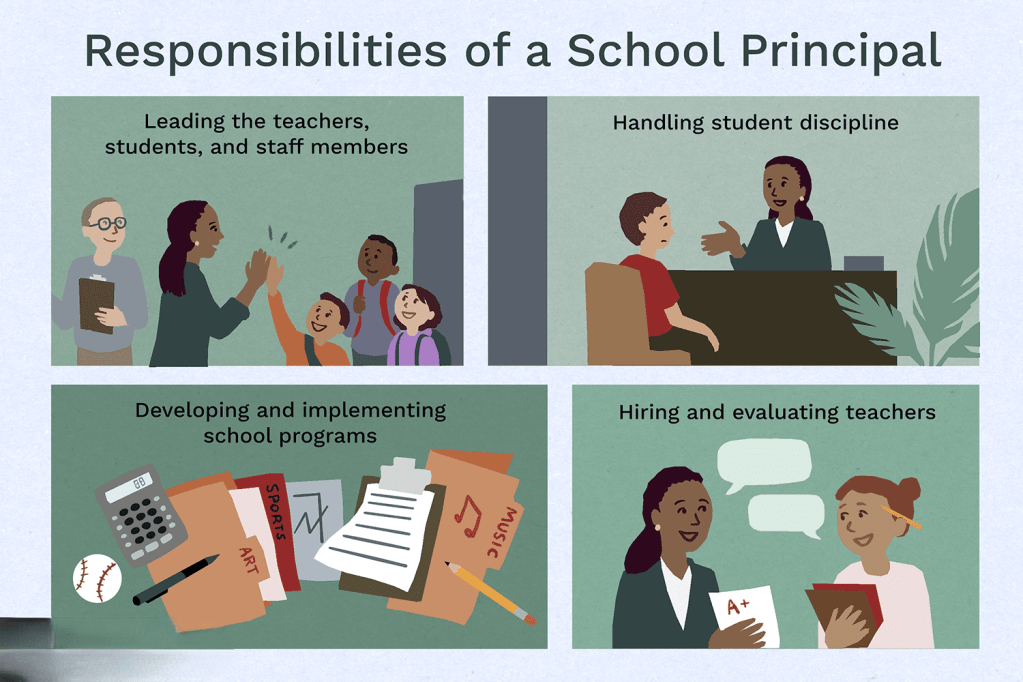
Picture this: your alarm goes off at the crack of dawn, and you’re off to a day filled with student assemblies, staff meetings, and the occasional fire drill—all while juggling paperwork that seems to reproduce like rabbits. From hiring teachers to handling discipline issues, a principal’s day is packed tighter than a can of sardines. And just when you think you have a moment to breathe, there’s a surprise visit from the school board or a parent with a question that could spark a debate worthy of a presidential election.

c) The Principal’s Influence on School Culture.

Ever heard the saying, “Culture eats strategy for breakfast”? Well, a principal is essentially the chef in the kitchen, cooking up the school culture that nourishes students and staff alike. A principal sets the tone—whether it’s fostering inclusivity, encouraging creativity, or embracing new technology. Their approach influences everything from teacher morale to student engagement, making them pivotal in creating an environment where learning thrives (and where the cafeteria serves edible food).

2. The Emotional Toll of Leadership.

a) Stress and Burnout: A Common Reality.

If you thought marathon runners had it tough, wait until you hear about the emotional marathon that principals run. The pressure to meet academic goals, address social issues, and keep everyone happy can lead to stress that’s more intense than a double shot of espresso. Many principals find themselves on the burnout express, making self-care a not-so-guilty pleasure they can’t ignore if they want to keep their sanity intact.

b) The Importance of Emotional Intelligence.

Emotional intelligence isn’t just a buzzword to impress your friends at parties; it’s a vital tool for successful leadership. Principals engage with a myriad of personalities—from eager students to overwhelmed teachers and concerned parents. Navigating these emotional waters requires empathy, active listening, and the ability to manage one’s feelings—essentially walking a tightrope while juggling flaming torches. Mastering emotional intelligence can turn challenging encounters into opportunities for collaboration and growth.

c) Finding Work-Life Balance.

Ah, the elusive work-life balance—like trying to find a needle in a haystack during a tornado. For many principals, the demands of the job often spill over into personal time, leading to late-night emails and weekends filled with planning. However, maintaining that balance is crucial to avoid professional exhaustion. It’s about setting boundaries, knowing when to say “no,” and scheduling time for personal hobbies (yes, “Netflix and chill” counts as a hobby).

3. Navigating Administrative Responsibilities.

a) Budget Management and Resource Allocation.

Budgeting isn’t just a math problem; it’s like playing a strategic game of chess where every move counts. Principals must allocate resources wisely, ensuring that funds support both academic programs and necessary facilities upgrades without ending up in a financial checkmate. They often find themselves in the thrilling—and sometimes terrifying—position of prioritizing needs while trying to stretch every dollar further than a pair of old gym socks.

b) Compliance with Regulations and Standards.

In the world of education, rules and regulations are as abundant as school supplies in August. Principals navigate a labyrinth of compliance issues, from federal mandates to state standards, often feeling like they need a degree in law just to keep up. Keeping the school compliant is essential, but it can feel overwhelming amidst the daily chaos of running a school. It’s a fine dance of tedious paperwork and attention to detail that would make even the most seasoned administrator dizzy.

c) Data-Driven Decision Making.

In an age where data reigns supreme, principals are expected to wear the hat of data analysts as much as they do of leaders. Understanding test scores, attendance rates, and other metrics isn’t just about crunching numbers; it’s about using those insights to inform decisions that drive student success. Whether it’s assessing academic performance or evaluating programs, data-driven decision-making can lead to impactful changes. But let’s be real—if only it came with a user manual.

4. Balancing Stakeholder Expectations.

a) Engaging Parents and Community.

When it comes to building a thriving school community, principals are on the front lines. Engaging parents and local stakeholders involves effective communication, organizing events, and creating partnerships that promote a shared vision for student success. But let’s face it, it can feel like trying to herd cats on a rollercoaster at times. Still, when everyone feels invested, the result is a supportive environment that enhances learning and fosters growth.

b) Meeting the Needs of Students.

Every student is a unique puzzle piece, and principals are the ones tasked with making sure all those pieces fit together in a harmonious and productive way. This means addressing diverse learning needs, advocating for mental health resources, and promoting an inclusive environment where every student feels valued. It’s no small feat, but when it all clicks, the impact can be transformative—like a well-timed punchline that brings down the house.

c) Collaborating with School Boards and Districts.

Ah, school boards—the mighty councils of educational governance. Principals must work closely with these governing bodies to align on goals and policies, often acting as the bridge between the board’s vision and the school’s day-to-day operations. It’s a balancing act that requires diplomacy, negotiation skills, and sometimes, a thick skin. After all, having a bit of humor during board meetings can go a long way in easing tensions and fostering collaboration—just make sure to save the jokes for after the serious stuff!<h2>The Impact of Policy Changes on School Management</h2> 

d) Understanding State and Federal Regulations.

Navigating the labyrinth of state and federal regulations can feel like trying to solve a Rubik’s Cube blindfolded. Each shift in policy requires principals to recalibrate their strategies, ensuring compliance while also keeping the school’s mission intact. From funding changes to safety protocols, these regulations can create a ripple effect in daily operations. It’s like a game of Jenga—remove one piece, and the whole structure could come tumbling down.

e) Adapting to Curriculum Changes.

Curriculum changes can land on a principal’s desk like a surprise pizza delivery—with the wrong toppings. One moment, you’re on a clear path, and the next, you’re scrambling to implement new standards, resources, and training. It’s imperative to engage teachers and staff in the process, turning changes into collaborative ventures instead of solo missions. Think of it as a dance—if everyone is in sync, the new curriculum can lead to a beautiful performance instead of chaotic footwork.

f) Responding to Educational Trends and Innovations.

Keeping up with educational trends can feel like a never-ending episode of a reality show—there’s always something new vying for attention. From personalized learning to technology integration, principals must not only stay informed but also critically assess what fits their school’s unique culture. Embracing innovation is key, but it’s equally important to avoid jumping on fads that may not serve the long-term goals. It’s all about finding that perfect balance between being trendy and being practical.

5. Managing Teacher and Staff Relationships.

a) Building a Supportive Work Environment.

Creating a supportive work environment is akin to nurturing a garden—throw some kindness and recognition in, and watch it bloom! Fostering open communication, collaboration, and a sprinkle of fun helps build trust within the staff. When teachers feel valued, they’re more likely to go the extra mile for students. After all, happy teachers pave the way for a thriving school atmosphere.

b) Conflict Resolution Strategies.

Conflict in a school setting can be as inevitable as Monday morning blues. The key is to tackle issues head-on with a toolkit of effective strategies. Encourage open dialogues, listen actively, and foster an environment where constructive feedback flows freely. When conflicts arise, think mediation over litigation—turn the drama into a dialogue, and you’ll build stronger relationships in the process. Remember, resolving conflicts is just another way to show that teamwork makes the dream work!

c) Professional Development and Retention.

Keeping your staff engaged and striving for excellence involves more than just periodic workshops. Truly effective professional development should be an ongoing journey, not a one-off event. Invest in tailored learning opportunities that resonate with your teachers’ interests and career goals. If they feel empowered to grow, they’re more likely to stick around for the long haul. Remember, in the game of retention, everyone likes a winning coach!

6. Addressing Student Needs and Behavioral Issues.

a) Understanding Diverse Student Populations.

Understanding diverse student populations is like piecing together a massive puzzle—each student brings unique experiences and needs to the table. By embracing cultural backgrounds, learning styles, and individual challenges, principals can tailor approaches that foster inclusiveness. The goal is to create an environment where all students feel seen and heard, paving the way for engagement and success.

b) Implementing Support Systems and Interventions.

When it comes to student needs and behavioral issues, a proactive approach is essential. Implementing support systems and interventions can mean the difference between a student thriving or merely surviving. Think of it as assembling an Avengers team—pairing students with resources like counsellors, mentors, and specialized programs helps address their needs effectively. Early intervention can turn potential crises into success stories.

c) Promoting Mental Health Awareness.

Mental health is not just a buzzword; it’s a crucial component of student wellbeing. Principals can play a pivotal role in promoting mental health awareness by creating safe spaces for open conversations and providing resources. Incorporating mental health education into the curriculum and encouraging outside support can help break the stigma. After all, when students feel mentally healthy, they’re ready to conquer the world—or at least their next math test!

7. Strategies for Resilience and Support Systems.

a) Creating a Network for Peer Support.

Building a network for peer support among principals is like forming a superhero alliance—because who else understands the challenges you face better than someone in the same cape? Regularly connect with fellow principals to share insights, strategies, and a good laugh. Together, you can tackle challenges head-on and celebrate victories, big and small, reminding each other that you’re not alone in this sometimes-wild rollercoaster ride.

b) Professional Development Opportunities.

Just because you’ve landed the principal gig doesn’t mean the learning stops! Seeking out professional development opportunities tailored for administrators helps keep skills sharp and ideas fresh. From leadership workshops to innovative summit sessions, these experiences can reignite your passion and provide valuable tools for navigating the complexities of school management. After all, great leaders never stop learning—who wants to be stale bread?

c) Self-Care Practices for Principals.

Self-care isn’t just a trendy Instagram hashtag; it’s a necessity for long-term success. Prioritize your well-being by carving out time for activities that recharge your batteries—be it yoga, a good book, or binge-watching your favourite show (no judgment here!). By practicing self-care, you’ll be better equipped to face the daily challenges of the principal’s desk. Remember, you can’t pour from an empty cup, so keep that cup overflowing! In conclusion, the role of a school principal is multifaceted and often fraught with unseen challenges. By acknowledging and addressing these issues, we can better support principals in their crucial work. As they navigate the complexities of leadership, it is essential for educators, parents, and communities to collaborate and foster an environment that not only enhances student success but also prioritizes the well-being of those at the helm. Together, we can create a more sustainable and effective educational landscape.

FAQ:

1. What are some common challenges faced by school principals?

Principals often encounter challenges such as managing administrative responsibilities, balancing stakeholder expectations, addressing student behavioral issues, and coping with stress and burnout. 

2. How can principals maintain their well-being amidst these challenges?

Principals can prioritize self-care practices, seek peer support networks, and engage in professional development opportunities to help manage stress and maintain their well-being. 

3. Why is emotional intelligence important for principals?

Emotional intelligence is critical for principals as it enables them to navigate interpersonal relationships, foster a positive school culture, and effectively address the diverse needs of students and staff. 

4. What role does community support play in a principal’s success?

Community support is vital for a principal’s success, as it fosters collaboration, enhances resources for the school, and helps create a united front in addressing student and educational needs.

Rating: 1 out of 5.

Mental Health Solutions for Directors, Producers, Casting Directors, and Artists in Indian Cinema.

The Indian film industry thrives on creativity, deadlines, and constant public scrutiny. While it generates glamour and recognition, the industry also exerts tremendous pressure on its stakeholders. Directors, producers, casting directors, and artists often struggle with stress, anxiety, performance pressure, and burnout. Below are effective and practical solutions tailored to their unique challenges?

  1. Directors: Balancing Vision and Well-Being.

Challenges: Directors face the dual pressure of realizing their creative vision while managing time-sensitive projects and large teams. This can lead to stress, anxiety, and burnout.

  • Long working hours, creative blocks, and deadline pressures.
  • Balancing artistic vision with commercial viability.
  • Managing large teams and conflicts.

Solutions:

  • Structured Work Routines: Set defined shooting hours to avoid burnout. Enforce mandatory breaks for self and crew.
  • Creative Support Groups: Engage in regular script discussions with peers or mentors to prevent isolation and reduce pressure.
  • Mindfulness Practices: Daily meditation, yoga, or breathing exercises to improve focus and emotional balance.
  • Professional Therapy: Regular sessions with mental health professionals to handle stress and decision fatigue.
  • Delegation & Team Empowerment: Build a strong assistant team to reduce micromanagement and ease the workload.
  • Producers: Managing Financial and Team Pressures.

Challenges: Producers bear responsibility for budgets, investments, deadlines, and team welfare, making them susceptible to chronic stress.

  • Financial risks, constant budget negotiations, and box office expectations.
  • Responsibility for hundreds of crew members.
  • Pressure of investments and industry competition.

Solutions:

  • Financial Planning & Risk Management: Work with financial advisors to reduce stress about budgets and ROI.
  • Stress-Relief Outlets: Incorporate exercise, hobbies, or family time into daily routines.
  • Peer Networking: Join producer forums to share challenges and solutions.
  • Professional Counseling: Therapy or coaching sessions for managing financial anxiety and leadership stress.
  • Transparent Communication: Keep open communication with financiers and crew to reduce misunderstandings and internal pressure.
  • Casting Directors: Handling High-Stakes Decisions.

Challenges: The pressure of choosing the right talent under tight deadlines, facing criticism for decisions, and repeated exposure to rejection can impact mental resilience.

  • Pressure to select the right talent under deadlines.
  • Facing criticism if casting decisions affect film success.
  • Repetitive rejections affecting their emotional resilience.

Solutions:

  • Healthy Work-Life Balance: Avoid late-night marathons of auditions and structure sessions realistically.
  • Team Collaboration: Share responsibilities with assistants to reduce personal burden.
  • Rejection Management Training: Workshops to learn detachment from outcomes and develop resilience.
  • Mindful Audition Environments: Create positive, respectful spaces for actors—benefits both artists and casting teams.
  • Self-Care Rituals: Journaling, music, or meditation to manage stress after high-pressure days.

4. Artists (Actors, Singers, Dancers, Technicians) Artists: Navigating Fame, Rejection, and Pressure.

Challenges: Actors, singers, dancers, and technicians face performance anxiety, body image pressures, job insecurity, and the stress of social media scrutiny.

  • Performance anxiety, body image issues, and social media trolling.
  • Job insecurity and frequent rejection.
  • Struggle with fame, privacy loss, and unrealistic expectations.

Solutions:

  • Mental Health Coaching: Regular therapy for handling rejection, self-esteem issues, and fame-related stress.
  • Skill Diversification: Learning multiple crafts (theatre, OTT, voice-over) to reduce career insecurity.
  • Digital Detox: Scheduled breaks from social media to avoid negativity and trolling.
  • Wellness Habits: Regular sleep, balanced diet, exercise, and meditation.
  • Peer Support Networks: Join communities of fellow actors for shared experiences and encouragement.

5. Industry-Wide Initiatives.

To truly support mental health, the entire industry must adopt systemic measures:

  1. Mental Health Helplines: 24/7 support lines specifically for film professionals.
  2. Wellness Coaches on Sets: Certified counsellors or psychologists available during shoots.
  3. Workplace Guidelines: Enforce maximum working hours, mandatory breaks, and healthy working conditions.
  4. Awareness Campaigns: Normalize conversations around mental health through workshops and panel discussions.
  5. Insurance & Financial Security: Provide affordable health/mental health insurance plans for artists and crew.

Conclusion:
Mental health in Indian cinema needs the same priority as creative and financial success. By adopting structured routines, seeking professional support, practicing mindfulness, and creating industry-wide mental wellness initiatives, Directors, Producers, Casting Directors, and Artists can safeguard their well-being. This not only enhances their personal quality of life but also ensures Sustainable Creativity, Productivity, and Harmony within the film industry.

FAQ:

Q1: How can directors maintain their mental health while managing the creative and logistical pressures of filmmaking?

A: Directors can protect their mental health by creating structured work routines, enforcing breaks, and limiting excessively long hours. Engaging in creative support groups with peers or mentors reduces isolation, while mindfulness practices like meditation and yoga enhance focus and emotional balance. Additionally, delegating tasks to a strong team and consulting mental health professionals can prevent burnout and decision fatigue.

Q2: What strategies can producers adopt to manage financial pressures and team responsibilities without compromising their mental well-being?

A: Producers can reduce stress through financial planning and risk management, working closely with advisors to handle budgets and investments. Incorporating stress-relief outlets such as exercise, hobbies, or family time is crucial. Peer networking with other producers helps in sharing challenges, while transparent communication with crew and financiers prevents misunderstandings. Regular professional counseling supports coping with leadership stress and financial anxiety.

Q3: How can casting directors cope with the stress of high-stakes decisions and repeated exposure to rejection?

A: Casting directors can maintain resilience by creating a healthy work-life balance, scheduling auditions within realistic hours, and collaborating with assistants to share the workload. Rejection management training and mindful audition environments foster emotional stability, while personal self-care rituals like journaling, music, or meditation help decompress after stressful days.

Q4: What are effective mental health practices for artists navigating fame, rejection, and career pressures?

A: Artists benefit from mental health coaching to handle rejection, fame-related stress, and self-esteem challenges. Practicing skill diversification reduces career insecurity, while digital detoxes protect from social media negativity. Maintaining wellness habits—adequate sleep, exercise, balanced diet, and meditation—and participating in peer support networks ensures emotional support and shared learning among fellow artists.

Q5: What industry-wide measures can support mental well-being across Indian cinema?

A: Systemic solutions include 24/7 mental health helplines, wellness coaches on sets, and enforceable workplace guidelines such as maximum working hours and mandatory breaks. Awareness campaigns normalize mental health conversations, while insurance and financial security measures provide affordable health coverage for artists and crew. Together, these initiatives foster a sustainable, creative, and supportive environment for all stakeholders.

Building Resilience: Overcoming Bullying and Exploitation in the Technology Field.

Bullying and exploitation are pervasive issues in the technology industry, affecting individuals and organizations alike. The detrimental impact of such behavior on mental well-being, productivity, and innovation cannot be overstated. In this article, we delve into the complexities of bullying and exploitation in the tech sector, exploring their definitions, trends, and implications. Moreover, we examine strategies for building resilience, creating supportive work environments, empowering individuals to address these challenges, fostering strong networks for support, and advocating for change and accountability within the industry. By shedding light on these critical issues and offering proactive solutions, we aim to promote a healthier and more inclusive tech ecosystem.

1. Understanding Bullying and Exploitation in the Technology Field.

a) Defining Bullying and Exploitation in the Tech Industry.

Bullying and exploitation in the tech industry can take various forms, from verbal abuse and intimidation to unfair treatment and discrimination. It involves using power imbalances to harm or manipulate individuals within the workplace.

b) Trends and Patterns of Bullying and Exploitation.

Trends show that bullying and exploitation in the tech field are often tied to issues of gender bias, ageism, and other forms of discrimination. Such behaviors can lead to toxic work environments and have a detrimental impact on individuals’ well-being.

2. Impact of Bullying and Exploitation on Individuals and Organizations.

a) Psychological and Emotional Effects.

Bullying and exploitation can have severe psychological and emotional effects on individuals, including anxiety, depression, and low self-esteem. These experiences can also contribute to a decline in mental health and overall job satisfaction.

b) Productivity and Innovation Impact.

Organizations that tolerate bullying and exploitation risk decreased productivity, creativity, and employee loyalty. Toxic work environments hinder collaboration and innovation, ultimately affecting the company’s success and reputation.

3. Strategies for Building Resilience in the Technology Industry.

a) Developing Coping Mechanisms.

Individuals can build resilience by developing healthy coping mechanisms such as seeking support from colleagues, practicing self-care, and setting boundaries. These strategies help individuals navigate challenging situations and maintain their well-being.

b) Resilience Training and Programs.

Resilience training programs can equip employees with the skills to navigate adversity and bounce back from setbacks. These programs focus on enhancing emotional intelligence, stress management, and problem-solving abilities to promote resilience in the workplace.

4. Creating a Supportive Work Environment.

a) Promoting Diversity and Inclusion.

Promoting diversity and inclusion is crucial in fostering a supportive work environment that values and respects individuals from diverse backgrounds. Embracing diverse perspectives leads to a more inclusive culture that celebrates differences and promotes collaboration.

b) Implementing Anti-Bullying Policies.

Organizations can create a safer workplace by implementing anti-bullying policies that clearly outline unacceptable behaviors and consequences. Training sessions on bystander intervention and conflict resolution can empower employees to address bullying and exploitation effectively.

Empowering Individuals to Address Bullying and Exploitation.

In the tech world, dealing with bullying and exploitation can sometimes feel like battling a boss with unlimited power-ups. But fear not, because you’ve got some power-ups of your own. Here are two key strategies:

Assertiveness and Communication Skills.

Think of assertiveness as your trusty shield in the face of adversity. By honing your ability to communicate clearly and confidently, you can navigate tricky situations and stand up for yourself like a digital superhero.

Seeking Help and Reporting Mechanisms.

No one should have to face bullies alone, and in the tech field, that’s especially true. Be sure to familiarize yourself with reporting mechanisms within your organization or industry so you can access the support you need when faced with challenging situations.

Building Strong Networks and Communities for Support.

Just like a good Wi-Fi connection, a strong network can help you stay connected and supported when the signal gets weak. Here are two ways to amp up your support system:

Mentorship Programs.

Having a mentor in your corner can be a game-changer in navigating the tech field. Seek out mentorship opportunities to learn from someone who’s been there, done that, and can help you level up your skills and confidence.

Employee Resource Groups.

Joining employee resource groups is like finding a secret level full of allies and advocates who understand your unique challenges. These groups can provide a safe space to share experiences, seek advice, and push for positive change within your organization.

Advocating for Change and Accountability in the Tech Industry.

In the tech industry, standing up for what’s right is a crucial part of the quest for a fair and inclusive workplace. Here are two ways you can fight the good fight:

Industry-wide Initiatives and Campaigns.

Joining forces with industry-wide initiatives and campaigns can amplify your voice and push for systemic change. By participating in collective actions, you can help shape a more equitable and respectful tech landscape for everyone.

Legal and Ethical Considerations.

When the going gets tough, it’s important to know your rights and the ethical standards that should guide behavior in the tech field. Familiarize yourself with relevant laws and codes of conduct so you can advocate for yourself and others with confidence.

Remember, building resilience in the face of bullying and exploitation in the tech field is a journey, not a speed run. By empowering yourself, building a strong support network, and advocating for positive change, you can help create a safer and more inclusive tech industry for all players. In conclusion, cultivating resilience and combating bullying and exploitation in the technology field is essential for fostering a safe and thriving workplace environment. By implementing the strategies discussed in this article, individuals and organizations can work towards creating a culture of respect, support, and accountability. Together, we can build a more resilient and inclusive tech industry that empowers individuals to overcome challenges and thrive in their professional endeavors.

Tech Troubles: Tackling Mental Health Issues in the Digital Age.

In today’s digital age, the pervasive presence of technology has brought about unprecedented convenience and connectivity. However, amidst the myriad benefits that technology offers, there lies a growing concern surrounding its impact on mental health. The constant barrage of notifications, social media pressures, and digital distractions can take a toll on our psychological wellbeing. In this article, we delve into the intricate relationship between technology and mental health, explore the signs of tech-related mental health issues, and provide strategies for maintaining a healthy balance in the digital realm.

1. The Impact of Technology on Mental Health.

1.1 Understanding the Connection between Technology Use and Mental Wellbeing.

Ever felt like your phone is an extension of your hand? You’re not alone. Our digital devices play a significant role in our lives, affecting our mental health in ways we may not even realize.

1.2 Common Mental Health Challenges Associated with Technology.

From the scrolling rabbit hole of social media to the constant ping of notifications, tech can lead to anxiety, depression, and even sleep disturbances. It’s like a love-hate relationship with our screens.

2. Recognizing Signs of Tech-Related Mental Health Issues.

2.1 Behavioral Changes to Watch for.

Are you spending more time online than off? Do you feel agitated when you’re away from your gadgets? These could be red flags signalling that your tech use is messing with your mental well-being.

2.2 Emotional Symptoms to Be Aware Of.

Feeling irritable, disconnected, or overwhelmed? Tech overload might be to blame. If your screen time is leaving you feeling more frazzled than chill, it’s time to take a breather and assess the situation.

3. Strategies for Managing Digital Overload.

3.1 Establishing Healthy Tech Habits.

It’s all about balance, baby. Set screen time limits, take tech breaks, and prioritize real-life connections. Your mental health will thank you for finding that sweet spot between digital and analogue.

3.2 Setting Boundaries and Limits with Technology Use.

Remember, you’re in control of your devices, not the other way around. Learn to say no to the endless scroll and yes to activities that nurture your mind and soul. Your mental well-being is worth more than endless notifications.

4. Promoting Digital Wellness and Balance.

4.1 Incorporating Mindfulness Practices into Daily Routine.

Pause, breathe, unplug. Mindfulness can help you stay present, reduce tech-related stress, and reconnect with the world beyond the screen. It’s like a digital detox for your brain.

4.2 Engaging in Offline Activities for Mental Wellbeing.

Step away from the screen and into the sunshine. Whether it’s a walk in nature, a coffee date with a friend, or a good old-fashioned book, offline activities can recharge your mental batteries and remind you of life beyond pixels.

So, tech-savvy folks, let’s navigate the digital landscape mindfully and prioritize our mental well-being in this tech-driven world. Remember, it’s all about finding that balance between bytes and breaths.

In a world where our smartphones are practically extensions of our hands and social media influences our self-worth, it’s no surprise that mental health issues can be exacerbated by our constant connection to technology. But fear not, dear reader, for there are ways to navigate this digital minefield and prioritize your mental well-being.

5. Seeking Support and Resources for Mental Health in the Digital Age.

5.1 Professional Counseling and Therapy Options.

When the digital overwhelm becomes too much to handle, seeking professional help can be a game-changer. Therapists and counsellors trained in addressing tech-related mental health issues can provide valuable insights and coping strategies. Don’t hesitate to reach out for support – your mental health is worth it.

5.2 Online Communities and Support Groups for Tech-Related Mental Health Issues.

Sometimes, sharing your struggles with others who understand can make all the difference. Online communities and support groups dedicated to tech-related mental health issues offer a safe space to connect, share experiences, and learn from one another. Remember, you’re not alone in this digital journey, so lean on these virtual pillars of support when needed. As we navigate the complexities of the digital age, it is crucial to prioritize our mental health and well-being. By recognizing the signs of tech-related mental health issues, implementing strategies to manage digital overload, and seeking support when needed, we can cultivate a healthier relationship with technology. Remember, finding a balance between the digital world and our mental wellness is key to living a fulfilling and sustainable life in the digital age.

Breaking Mental Health Stigmas: A Parent and Student Guide.

Promoting Positive Mental Health for Students and Parents is essential in creating a nurturing environment that fosters well-being and resilience. Understanding the complexities of mental health, building effective communication channels, and accessing support systems are crucial components in this comprehensive guide. By addressing stigma, encouraging self-care practices, and providing strategies for promoting resilience, this article aims to empower individuals to prioritize their mental wellness and seek the necessary help when needed.

Understanding Mental Health and Well-being.

Let’s start by unravelling the mysteries of mental health and well-being. It’s like understanding the ingredients in your favourite recipe – essential for a satisfying outcome. Mental health awareness is key. It’s the flashlight in the dark, helping us navigate the ups and downs of life, while shedding light on the importance of self-care and seeking help when needed.

The Importance of Mental Health Awareness.

Picture this: mental health awareness as your trusty sidekick in the journey of life. It’s like having a map in unfamiliar territory. By recognizing and acknowledging mental health challenges, we pave the way for understanding, empathy, and support. So, let’s raise our awareness flag high and de-stigmatize the conversations around mental health.

Common Challenges Faced by Students and Parents.

Ah, the battle scars of modern life – stress, anxiety, and the pressure to juggle it all like a circus performer. Students and parents alike face a myriad of challenges, from academic stress to societal expectations. It’s like a marathon with hurdles, but with the right support and strategies, these challenges can be tackled head-on.

Creating a Supportive Environment for Students and Parents.

Imagine a warm hug in the form of a supportive environment for both students and parents. Open communication and trust are the building blocks of this safe space. By fostering a culture of acceptance and understanding, we create a nurturing atmosphere where mental health can bloom like a well-tended garden.

Promoting Open Communication and Trust.

Communication is the magical potion that strengthens relationships and builds bridges. Encouraging open conversations and fostering trust create a safe haven where thoughts and emotions can be shared without fear of judgment. So, let’s break the communication barriers and start the conversation.

Fostering a Culture of Acceptance and Understanding.

In a world full of differences, acceptance and understanding are the glue that holds us together. By celebrating diversity and embracing uniqueness, we create a tapestry of support that uplifts and empowers. Let’s be the champions of a culture where everyone feels seen, heard, and valued.

Strategies for Promoting Resilience and Coping Skills.

Life throws curveballs, but we’ve got our resilience bat ready. Developing healthy coping mechanisms is like having a superhero toolkit at your disposal. Add a sprinkle of positive psychology techniques, and you’ve got the recipe for bouncing back stronger and wiser in the face of adversity.

Developing Healthy Coping Mechanisms.

When life gives you lemons, make lemonade – or maybe a lemon meringue pie. Healthy coping mechanisms are like recipes for resilience, helping us navigate challenges with grace and strength. From mindfulness practices to self-care rituals, these tools empower us to face obstacles head-on.

Building Resilience through Positive Psychology Techniques.

Picture resilience as a muscle that grows stronger with each challenge faced. Positive psychology techniques act as the personal trainer, guiding us towards a mindset of growth and optimism. By practicing gratitude, fostering optimism, and embracing change, we sculpt a resilient spirit that can weather any storm.

Building Strong Communication Channels.

Communication is the heartbeat of relationships – strong, steady, and essential for connection. Families thrive on effective communication strategies that foster understanding and unity. In a world buzzing with technology, utilizing digital tools can enhance communication and bridge gaps, bringing us closer despite the physical distance.

Effective Communication Strategies for Families.

Communication is an art form that requires practice, patience, and a sprinkle of empathy. By mastering active listening, setting boundaries, and expressing emotions constructively, families can cultivate strong communication channels that deepen relationships and foster understanding. Let’s paint a masterpiece of connection through words and gestures.

Utilizing Technology for Enhanced Communication.

In a digital age where virtual bridges connect hearts miles apart, technology becomes a powerful ally in fostering communication. From video calls that bridge physical gaps to messaging apps that keep conversations alive, technology offers a plethora of tools to enhance communication within families. Let’s embrace the digital realm as a gateway to stronger connections and closer bonds.

With a blend of awareness, support, resilience, and effective communication, students and parents can navigate the twists and turns of life’s rollercoaster with courage and grace. By promoting positive mental health practices, we pave the way for a brighter, more connected future where well-being reigns supreme.

Accessing Resources and Support Systems.

Identifying Available Mental Health Resources.

When it comes to mental health, knowing what resources are out there can make a world of difference. From school counsellors to online support groups, there are plenty of avenues to explore for guidance and assistance.

Engaging with Community Support Networks.

Sometimes, a listening ear or a supportive community can work wonders for mental well-being. Whether it’s joining a local support group or reaching out to neighbours and friends, connecting with others can provide much-needed comfort and understanding.

Encouraging Self-care Practices for Mental Wellness.

Promoting Physical Health for Mental Well-being.

Exercise, nutrition, and sleep play a crucial role in maintaining good mental health. Encouraging healthy habits like regular physical activity, balanced diets, and ample rest can significantly contribute to overall well-being.

Incorporating Mindfulness and Relaxation Techniques.

In a fast-paced world, finding moments of calm and mindfulness can be a game-changer. Introducing relaxation techniques like deep breathing, meditation, or yoga into daily routines can help manage stress and promote mental clarity.

Addressing Stigma and Seeking Professional Help.

Breaking down Mental Health Stigmas.

Let’s face it – mental health stigma is real. By engaging in open conversations, challenging misconceptions, and showing empathy, we can help break down barriers and create a more accepting environment for those struggling with mental health issues.

Recognizing When to Seek Professional Support.

Knowing when to seek professional help is a vital step in caring for mental health. Whether it’s talking to a therapist, psychologist, or psychiatrist, recognizing the signs that indicate the need for professional support is crucial for effective intervention and treatment. In conclusion, by implementing the strategies and approaches outlined in this comprehensive guide, students and parents can take proactive steps towards promoting positive mental health. Together, we can create a supportive and understanding community where mental wellness is prioritized, stigma is challenged, and help is readily available. Remember, your mental health matters, and by working together, we can make a positive difference in the lives of students and parents alike.

Integrating Mindfulness into Education: A Game-Changer.

In recent years, the integration of mindfulness practices in education has gained traction as a transformative approach to enhancing student well-being and academic performance. Particularly in high school settings, such as 12th and 10th grade classrooms, the benefits of mindfulness techniques are increasingly recognized as a game-changer in supporting students’ mental health and learning outcomes. This article delves into the significance of mindfulness in education, exploring its origins, potential benefits for students, practical implementation strategies, and the role it plays in cultivating resilience and empathy. By shedding light on the power of mindfulness practices in transforming the educational experience, educators and stakeholders can glean insights into how this approach can positively impact the lives of high school students.

1. Introduction to Mindfulness in Education.

a) The Concept of Mindfulness.

Mindfulness is all about being present in the moment, paying attention to our thoughts and feelings without judgment. It involves being fully aware of what is happening within and around us, helping to cultivate a sense of calm and clarity in our daily lives.

b) Historical Context of Mindfulness in Education.

The practice of mindfulness has roots in ancient meditation traditions, but its application in modern education settings has gained popularity in recent years. Schools are increasingly recognizing the benefits of mindfulness for student well-being and academic performance.

2. Benefits of Mindfulness for 12th & 10th Grade Students.

a) Improved Focus and Attention.

Mindfulness practices can enhance students’ ability to concentrate on tasks, stay present in the classroom, and absorb information more effectively. This improved focus can lead to better academic performance and overall learning outcomes.

b) Reduced Stress and Anxiety Levels.

High school can be a stressful time for many students, with the pressure of exams, college applications, and social dynamics. Mindfulness techniques can help students manage their stress levels, reduce anxiety, and build resilience in the face of challenges.

3. Implementing Mindfulness Practices in School Settings.

a) Training Educators in Mindfulness Techniques.

To effectively introduce mindfulness in schools, educators can benefit from training in mindfulness techniques themselves. Teachers who practice mindfulness are better equipped to incorporate these practices into classroom routines and support students in developing their own mindfulness skills.

b) Incorporating Mindfulness into the Curriculum.

Integrating mindfulness into the curriculum can include dedicated mindfulness sessions, incorporating mindfulness activities into existing lessons, or creating a school-wide culture that promotes mindfulness practices. This can help students experience the benefits of mindfulness in a structured and consistent way.

4. Mindfulness Techniques for Stress and Anxiety Management.

a) Breathing Exercises for Relaxation.

Simple breathing exercises can be powerful tools for managing stress and anxiety. Encouraging students to focus on their breath, practice deep breathing techniques, and engage in mindful breathing exercises can help them calm their minds and bodies during stressful moments.

b) Body Scan Meditation Techniques.

Body scan meditation involves bringing awareness to different parts of the body, noticing sensations without judgment, and releasing tension. This practice can help students develop body awareness, alleviate physical discomfort, and relax both body and mind, making it a valuable tool for stress management.

5. Enhancing Academic Performance through Mindfulness.

a) Improving Memory and Retention.

Mindfulness isn’t just about being present; it also enhances memory and retention. By training the mind to focus on the task at hand, students can better absorb and recall information.

b) Promoting Cognitive Flexibility.

Mindfulness encourages students to approach challenges with an open mind. This flexibility in thinking can lead to more creative problem-solving and adaptability in academic settings.

6. Cultivating Emotional Resilience and Empathy.

a) Developing Self-Awareness and Emotional Regulation.

Through mindfulness practices, students can better understand their emotions and learn to regulate them effectively. This self-awareness can lead to improved emotional resilience.

b) Fostering Empathy and Compassion towards Others.

By being more in tune with their own emotions, students can also develop a deeper sense of empathy and compassion towards their peers. This can improve relationships and create a more supportive learning environment.

7. Overcoming Challenges in Integrating Mindfulness in Education.

a) Addressing Scepticism and Misconceptions.

One of the main challenges in integrating mindfulness in education is addressing scepticism and misconceptions about its effectiveness. Educating stakeholders about the proven benefits of mindfulness can help overcome this barrier.

b) Ensuring Sustainability of Mindfulness Programs.

Another challenge is ensuring the sustainability of mindfulness programs in schools. By providing ongoing training for educators and incorporating mindfulness into the broader school culture, these programs can thrive in the long term.

8. Future Directions and Recommendations.

a) Research Opportunities in Mindfulness and Education.

There is a wealth of research opportunities in exploring the impact of mindfulness on education. By conducting more studies and sharing findings, we can continue to refine and improve mindfulness practices in schools.

b) Policy Implications for Integrating Mindfulness in Schools.

To fully integrate mindfulness in education, policymakers need to recognize its value and provide support. Implementing guidelines, funding initiatives, and training programs can help schools effectively integrate mindfulness into their curriculum. In conclusion, mindfulness in education holds immense promise for nurturing holistic development and well-being among 12th and 10th grade students. By embracing mindfulness practices, schools can create supportive environments that empower students to manage stress, enhance focus, and foster emotional resilience. As we continue to explore the potential of mindfulness in education, it is evident that cultivating a mindful culture within schools can be a transformative force, shaping not only academic success but also the overall health and happiness of students as they navigate the challenges of high school and beyond.