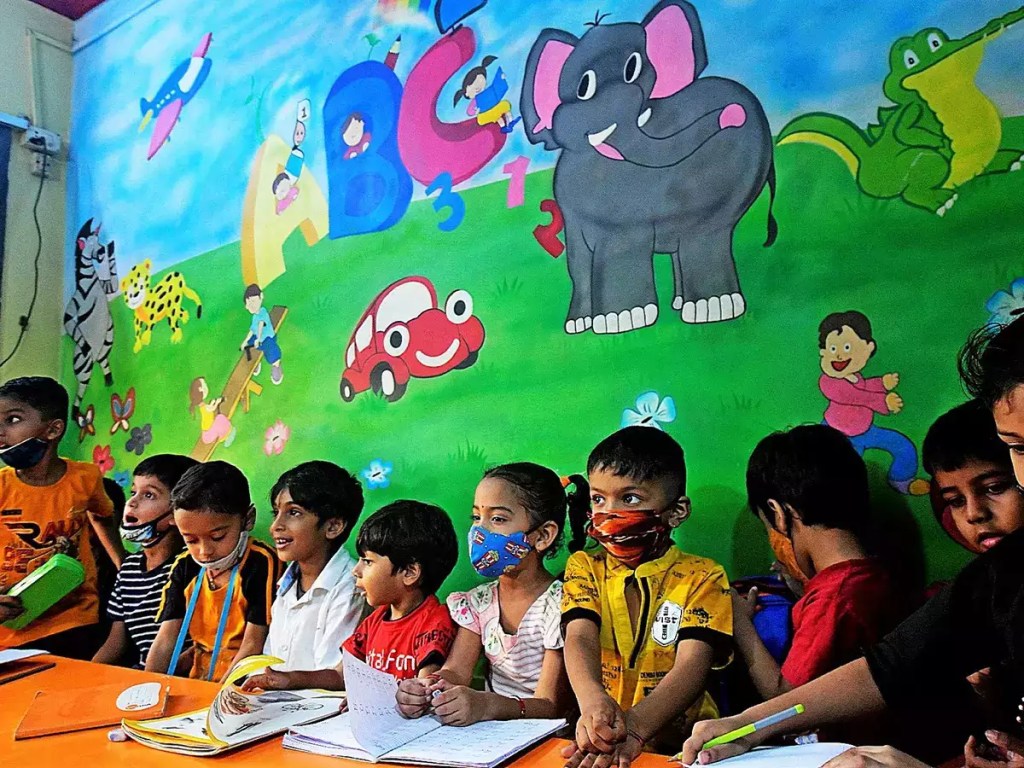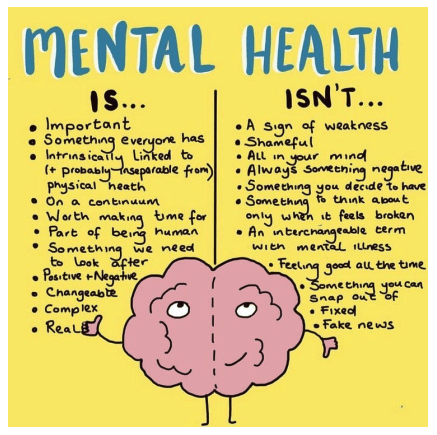
Adolescent Studying Resistance: Uncovering Influences and Supporting Academic Success

Adolescence is a pivotal stage marked by transitions and challenges, with one common hurdle being resistance to studying. Understanding why adolescents resist studying and exploring effective strategies to address this issue is crucial for their academic success and overall well-being. This article delves into the complex factors influencing adolescents’ attitudes towards studying, the impact of technology on their study habits, and the roles of parents and teachers in motivating and supporting students. By examining these aspects, we aim to shed light on the battle of the books that adolescents face and provide insights into how to navigate and overcome this resistance.

1. Introduction to Adolescent Resistance to Studying.

a) Understanding the Phenomenon of Studying Resistance.

Picture this: an adolescent buried under a mountain of textbooks, staring longingly out the window, dreaming of a world where math equations and historical dates don’t exist. Yes, we’re diving into the complex world of adolescent resistance to hitting the books.

b) Significance of Addressing Adolescents’ Attitude towards Studying.

Why should we care about this resistance to studying? Because it impacts not just grades, but also life skills like discipline and perseverance. Plus, we all know the pain of pulling an all-nighter to cram for a test we could’ve aced if we’d started earlier.

2. Factors Influencing Adolescents’ Resistance to Studying.

a) Social Influence and Peer Pressure.

Ah, the power of peer pressure – making studying seem about as cool as wearing socks with sandals. Adolescents often prioritize fitting in over hitting the books, leading to a resistance that even a superhero cape can’t fix.

b) Impact of Distractions and Procrastination.

In a world of TikTok dances and cat videos, focusing on biology homework feels about as easy as herding cats. Procrastination sneaks in, whispering sweet distractions that turn studying into a battle of wills.

c) Perceived Relevance of Study Material.

When algebra feels as useful as learning to juggle flaming torches, it’s no wonder adolescents resist studying. Understanding the relevance of what they’re learning can be a game-changer in motivating them to crack open those books.

3. Impact of Technology on Studying Habits.

a) Role of Technology in Shaping Study Practices.

The digital age has brought a whirlwind of gadgets and gizmos that can either aid or hinder studying. From apps that help with flashcards to the siren call of social media, technology plays a pivotal role in shaping how adolescents approach their studies.

b) Effects of Screen Time on Focus and Attention.

With screens lighting up every corner of their lives, adolescents often find it hard to focus amidst the digital noise. The struggle to tear away from the glowing allure of screens can turn studying into a showdown between willpower and Instagram notifications.

4. Strategies to Overcome Adolescent Resistance to Studying.

a) Implementing Effective Study Techniques.

From mind maps to pomodoro timers, finding the right study technique can transform a study session from a slog to a success story. Helping adolescents discover what works best for them can be the key to unlocking their academic potential.

b) Cultivating a Positive Study Environment.

Forget dank dungeons – a cozy study nook with good lighting and a cup of tea can work wonders in making studying feel less like a punishment and more like a productive adventure. Creating a positive study space can make all the difference in combating resistance.

c) Setting Realistic Goals and Rewards.

Who says studying can’t have a sprinkle of fun? Setting achievable goals and rewarding milestones with a treat (whether it’s a snack or a Netflix episode) can motivate adolescents to power through the toughest of textbooks. After all, a little carrot never hurt anyone.

So, there you have it – the battle of the books and how to conquer adolescent resistance to studying. Armed with the right strategies and understanding, we can turn that mountain of textbooks into conquerable hills and help adolescents embrace the joys of learning.

5. Parental Involvement in Encouraging Studying Habits.

a) Supportive Parenting Strategies for Academic Success.

Parental involvement in a teenager’s study routine can make a world of difference. From creating a conducive study environment to offering encouragement, parents play a crucial role in shaping their child’s studying habits.

b) Effective Communication and Monitoring of Study Habits.

Open communication and monitoring of study habits can help parents stay in the loop about their child’s academic progress. By showing interest and providing guidance, parents can support their teenager through the ups and downs of studying.

6. Role of Teachers in Motivating Students to Study.

a) Creating Engaging and Relevant Lesson Plans.

Teachers who craft engaging and relevant lesson plans can capture students’ attention and boost their motivation to study. By connecting classroom material to real-world applications, educators can make learning more exciting for adolescents.

b) Providing Constructive Feedback and Encouragement.

Constructive feedback and words of encouragement can go a long way in motivating students to study. By acknowledging their efforts and offering guidance for improvement, teachers can inspire adolescents to keep striving for academic success.

7. Addressing Mental Health Challenges in Student’s Studying Resistance.

a) Recognizing and Supporting Students with Mental Health Concerns.

It’s essential to recognize and support students facing mental health challenges that may impact their studying habits. By creating a supportive environment and offering resources, educators and parents can help adolescents navigate these obstacles.

b) Promoting Self-Care and Stress Management Techniques.

Encouraging students to prioritize self-care and practice stress management techniques can empower them to tackle studying challenges. From mindfulness exercises to setting boundaries, teaching adolescents healthy coping strategies is key to their overall well-being.

8. Conclusion and Future Implications.

a) Summary of Key Findings and Recommendations.

In conclusion, understanding and addressing adolescents’ resistance to studying requires a collaborative effort from parents, teachers, and mental health professionals. By implementing supportive strategies and fostering a positive learning environment, we can help teenagers develop effective studying habits for success.

b) Exploring Potential Research Areas for Further Understanding Adolescent Studying Resistance.

As we look to the future, delving deeper into research on adolescent studying resistance can uncover new insights and strategies for intervention. Exploring factors such as motivation, learning styles, and technology’s impact on studying habits can pave the way for more tailored approaches to support teenagers in their academic journey. In conclusion, recognizing and addressing adolescents’ resistance to studying is key to nurturing a positive learning environment and fostering academic growth. By implementing tailored strategies, involving parents and teachers, and considering the influence of technology and mental health, we can empower adolescents to embrace studying as a rewarding and enriching experience. As we continue to explore and adapt approaches to support students in their educational journey, we pave the way for their success and personal development.

FAQ:-

1. Why do adolescents resist studying?

Adolescents may resist studying due to factors such as peer influence, distractions from technology, lack of perceived relevance in study material, or underlying mental health issues.

2. How can parents help in overcoming adolescents’ resistance to studying?

Parents can support their children by creating a conducive study environment, encouraging communication about study habits, setting realistic goals and rewards, and offering emotional support and guidance.

3. What role do teachers play in motivating students to study?

Teachers can motivate students by creating engaging lessons, providing constructive feedback, offering encouragement, and showing genuine interest in students’ academic progress and well-being.

Biological and Hormonal Influences on Teenage Attraction: Unveiling the Science of Teen Love.

Adolescence is a time of tumultuous change, marked by a rollercoaster of emotions and experiences, including the exploration of romantic relationships. The journey of teenage love is a complex and intriguing phenomenon that is influenced by a multitude of factors. From biological and hormonal shifts to societal norms and digital technology, the dynamics of adolescent attraction are multifaceted. Understanding what drives teenagers’ attractions is crucial in navigating this formative stage of life. This article delves into the various influences that shape teenage romantic relationships, shedding light on the nature of adolescent love.

1. The Nature of Adolescent Love.

a) Defining Adolescent Love.

Ah, young love – a whirlwind of emotions, butterflies in the stomach, and awkward moments. But what exactly is adolescent love? Let’s dive into the world of teenage romance.

b) Characteristics of Teenage Romantic Relationships.

From intense highs to dramatic lows, teenage romantic relationships are like a rollercoaster ride. Let’s explore the defining features that make these relationships both exhilarating and exhausting.

2. Biological and Hormonal Influences on Teenage Attraction.

a) The Role of Hormones in Adolescents’ Romantic Behavior.

Ah, hormones – the mysterious chemical messengers that can turn a calm teenager into a love-struck poet. Let’s uncover how these biochemical signals influence teenage attraction.

b) Brain Development and its Impact on Teenage Attraction.

Ever wondered why teenagers can be impulsive when it comes to love? Blame it on the developing teenage brain. Let’s take a peek into how brain maturation shapes teenage attraction.

3. Societal and Cultural Factors Shaping Teen Romantic Relationships.

a) Cultural Norms and Expectations in Adolescent Love.

Culture plays a significant role in shaping how teenagers perceive love and relationships. Let’s unravel the cultural norms and expectations that influence teenage romance.

b) Family Dynamics and Their Influence on Teen Relationships.

Family dinners, sibling rivalries, and parental advice – all these factors can impact how teenagers navigate romantic relationships. Let’s explore the intricate dance between family dynamics and teen love.

4. Peer Influence and Group Dynamics in Adolescent Love.

a) The Impact of Peer Pressure on Teenage Attraction.

Friends whispering in your ear, social media likes, and the fear of missing out – peer pressure can heavily influence teenage attraction. Let’s uncover how peer dynamics shape the landscape of adolescent love.

b) Friendship Groups and Their Role in Teen Romantic Relationships.

Friendship circles can be both a support system and a source of drama when it comes to teenage relationships. Let’s delve into how these friend groups impact the course of teen romance.

5. The Rollercoaster of Adolescent Love: What Drives Teenagers’ Attractions.

Digital Technology’s Impact on Teenage Attraction.

Ah, young love in the digital age – a wild ride indeed.

a) Social Media and Online Platforms in Teen Dating.

In today’s world, swiping right has become as routine as brushing your teeth. Social media and online platforms play a huge role in how teenagers navigate the tumultuous seas of dating. Instagram likes and Snapchat streaks have become the new love letters and mix tapes of yesteryear. The digital world offers both a platform for connection and a stage for performativity displays of affection. It’s a digital jungle out there, with emoji’s and filters leading the way.

b) The Influence of Technology on Communication and Relationship Dynamics.

Texting, Face timing, and tagging each other in memes – technology has revolutionized how teenagers communicate and maintain relationships. It’s a double-edged sword, though. While it can facilitate constant connection, it can also breed miscommunication and misunderstandings. The dopamine rush from a notification can be both thrilling and anxiety-inducing. Oh, the rollercoaster of emoji’s and read receipts!

6. Emotional Development and Attachment in Teen Relationships**

The teenage heart – a fragile yet resilient thing.

a) Attachment Styles in Adolescent Love.

Attachment theory isn’t just something you study in psychology class; it plays a crucial role in how teenagers approach relationships. From anxious attachment styles that crave constant reassurance to avoidant styles that fear getting too close, understanding these attachment patterns can shed light on the rollercoaster of emotions that define teenage love. It’s like a psychological game of pinball, bouncing between closeness and independence.

b) The Importance of Emotional Intelligence in Teen Romantic Relationships.

Teenage emotions are like a rollercoaster – intense, unpredictable, and prone to sudden drops. Developing emotional intelligence is key to navigating the twists and turns of teen romantic relationships. Recognizing and managing emotions, empathizing with others, and communicating effectively are all part of the emotional rollercoaster ride. Because let’s face it, understanding your own feelings and those of your crush is like deciphering a cryptic text message – challenging but oh so important.

And there you have it – the thrilling twists and turns of teenage love, where digital technology and emotional rollercoasters collide. Hold on tight, folks. The ride is just beginning. In conclusion, the rollercoaster of adolescent love is a pivotal aspect of teenage development, influenced by a combination of biological, social, and emotional factors. By recognizing and understanding the drivers behind teenage attraction, we can better support and guide young individuals as they navigate the complexities of romantic relationships. Ultimately, embracing the nuances of adolescent love can lead to greater empathy, communication, and personal growth for teenagers as they embark on this transformative journey.

Adolescent Well-being: Strategies for Recognizing and Addressing Good and Bad Touch.

Recognizing the difference between good and bad touch is a critical aspect of safeguarding the well-being and development of adolescents. In a time of significant physical and emotional change, understanding what constitutes appropriate physical contact and being able to distinguish it from unwanted or harmful touch is paramount. This article delves into the importance of educating adolescents about good and bad touch, defining the characteristics of each, exploring their respective impacts, and offering strategies for empowering teenagers to assert their boundaries and seek support when needed. By equipping adolescents with the knowledge and skills to navigate these complex issues, we aim to foster a culture of respect, safety, and open communication in relationships during this crucial stage of development.

1. Understanding the Importance of Teaching Adolescents about Good and Bad Touch.

a) Why Teaching Adolescents about Good and Bad Touch is Crucial.

In a world where confusion can reign supreme, guiding adolescents about what constitutes acceptable physical contact is key. By educating them about good and bad touch, we empower them to set boundaries and protect themselves.

b) The Role of Parents, Educators, and Caregivers in Educating Adolescents.

Parents, educators, and caregivers play a vital role in shaping adolescents’ understanding of healthy boundaries. Open communication and providing a safe space for discussions can help adolescents feel supported and informed.

2. Recognizing the Definition and Characteristics of Good Touch.

a) Defining Good Touch and Its Positive Impact.

Good touch involves physical contact that is welcomed, respectful, and promotes a sense of comfort and security. Positive physical interactions in healthy relationships can strengthen bonds and foster emotional well-being.
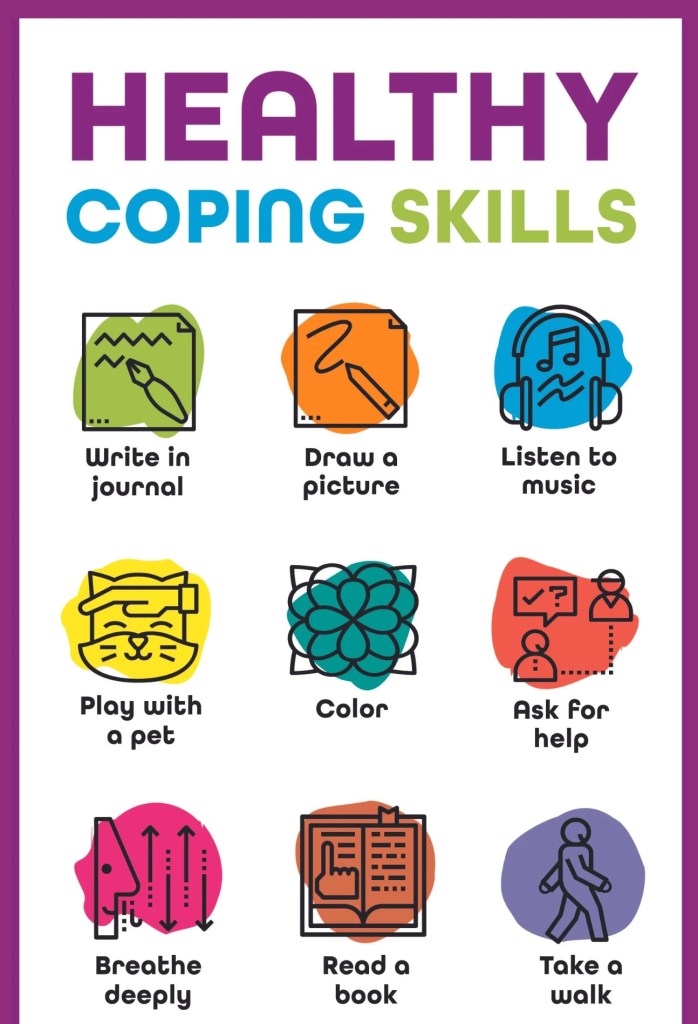
b) Examples of Appropriate Physical Contact in Healthy Relationships.

From hugs between friends to high-fives in sports, appropriate physical contact in healthy relationships can convey support, camaraderie, and affection in a positive and respectful manner.

3. Identifying the Definition and Characteristics of Bad Touch.

a) Defining Bad Touch and Its Negative Impact.

Bad touch encompasses physical contact that is unwelcome, inappropriate, or causes discomfort or harm. Understanding the nature of bad touch is crucial in safeguarding adolescents from potential dangers and violations.

b) Signs and Red Flags of Inappropriate Touch.

Recognizing signs such as discomfort, fear, or secrecy surrounding certain physical interactions can serve as red flags for inappropriate touch. Being attuned to these signals is essential in protecting adolescents from harm.

4. Exploring the Impact of Good and Bad Touch on Adolescents.

a) Emotional and Psychological Effects of Positive Physical Contact.

Positive physical contact can nurture feelings of security, trust, and connection, contributing to adolescents’ emotional well-being and self-esteem. It can lay the foundation for healthy relationships in the future.

b) The Trauma and Consequences of Unwanted or Harmful Touch.

Conversely, unwanted or harmful touch can lead to trauma, feelings of violation, and lasting emotional scars. Addressing instances of bad touch promptly and providing support and resources are vital in helping adolescents heal and recover.

5. Strategies for Empowering Adolescents to Speak Up About Unwanted Touch.

a) Encouraging Open Communication and Establishing Trust.

Communication is key when it comes to empowering adolescents to speak up about unwanted touch. Encourage open dialogue in a safe and non-judgmental environment. Building trust with adolescents is crucial to ensure they feel comfortable coming forward with any concerns.

b) Teaching Assertiveness and Boundary-setting Skills.

Empower adolescents by teaching them how to assert their boundaries confidently. Role-playing scenarios can help them practice saying no and understanding that it’s okay to speak up if they feel uncomfortable. Equipping them with assertiveness skills is essential in navigating situations involving unwanted touch.

6. Building Healthy Relationships and Boundaries in Adolescence.

a) The Importance of Respecting Personal Boundaries.

Respecting personal boundaries is fundamental in building healthy relationships. Adolescents should understand that they have the right to set boundaries and that others should respect them. Encouraging mutual respect for each other’s boundaries fosters positive and healthy connections.

b) Promoting Consent and Mutual Respect in Relationships.

Promoting consent and mutual respect in relationships is vital in adolescence. Teaching adolescents about the importance of respecting each other’s autonomy and boundaries lays the foundation for healthy interactions. Emphasize the significance of gaining explicit consent before any physical contact to ensure respectful and consensual relationships.

7. Resources and Support for Adolescents Facing Issues of Good and Bad Touch.

a) Seeking Help and Guidance from Trusted Adults or Professionals.

Encourage adolescents to seek help and guidance from trusted adults or professionals if they experience issues related to good or bad touch. Assure them that it’s okay to ask for support and that there are people willing to listen and help them navigate such situations.

b) Accessing Counseling, Hotlines, and Support Groups for Victims of Abuse.

Highlight the availability of counseling services, hotlines, and support groups for adolescents who are victims of abuse. These resources provide a safe space for adolescents to share their experiences, receive guidance, and access the necessary support to cope with trauma and heal. Let them know that help is within reach and that they are not alone in their journey towards healing. In conclusion, by fostering a dialogue around good and bad touch, we can empower adolescents to recognize and respond to inappropriate behavior, build healthy boundaries, and cultivate positive relationships. It is through education, support, and open communication that we can create a safe and nurturing environment for teenagers to thrive and navigate the complexities of physical interactions. Let us continue to prioritize the well-being and empowerment of adolescents as they navigate the journey of adolescence.

Empowering Teenagers: Strategies for Individual Developmental Needs.

Empowering teenagers to thrive and reach their full potential requires a comprehensive understanding of their unique developmental needs and individual differences. By tailoring support systems to address these specific requirements, we can foster autonomy, self-efficacy, and overall wellbeing in adolescents. This article explores key strategies for meeting teenagers’ individual needs, including addressing mental health, cultivating positive relationships, providing opportunities for growth, and promoting healthy habits. By recognizing and catering to the diverse needs of teenagers, we can create a supportive environment that empowers them to flourish during this pivotal stage of their lives.

1. Understanding Teenagers’ Unique Developmental Needs.

Teenagers are a quirky bunch, aren’t they? They’re like a mix of adult-like independence and child-like recklessness. Understanding their physical and cognitive development is crucial. Hormones are running wild, bodies are changing, and brains are developing at lightning speed. It’s a lot for them to handle, poor things.

Socially and emotionally, teenagers are like rollercoasters. One minute, they want to be independent and push boundaries, and the next, they seek approval and connection. It’s a delicate dance between wanting to be cool and wanting to belong. It’s like they’re trying to figure out who they are while also fitting in with their peers. Talk about a balancing act!

2. Tailoring Support Systems for Individual Teenagers.

No two teenagers are the same – it’s like they’re snowflakes, but with more attitude. Assessing their individual needs is crucial to providing the right support. Some may need a gentle nudge in the right direction, while others may need a full-on intervention. It’s all about meeting them where they’re at and giving them the tools they need to thrive.

Personalized support plans are key. One size definitely does not fit all when it comes to teenagers. Whether it’s academic support, emotional guidance, or career counseling, tailoring the support to their unique needs can make all the difference. After all, a little TLC can go a long way in a teenager’s world.

3. Fostering Autonomy and Self-Efficacy in Teenagers.

Ah, autonomy – every teenager’s dream. Promoting decision-making skills is essential in helping them spread their wings. Letting them make choices (even if they make mistakes) can boost their confidence and sense of control. Plus, it’s good practice for adulting – something they’ll have to tackle sooner or later.

Encouraging independence and responsibility also plays a big role. From doing their own laundry to managing their time effectively, giving teenagers the opportunity to take charge of their lives can build self-esteem and resilience. Who knows, they might even thank you for it one day (unlikely, but a parent can dream).

4. Addressing Mental Health and Emotional Wellbeing.

Teenagers and emotions – it’s like a never-ending rollercoaster ride. Recognizing signs of distress is crucial in supporting their mental health. Whether it’s increased irritability, changes in sleeping patterns, or social withdrawal, keeping an eye out for red flags can help intervene early and prevent bigger issues down the road.

Providing access to mental health resources is essential. From counseling services to support groups, making sure teenagers have avenues to seek help is critical in promoting their emotional wellbeing. After all, it takes a village to raise a teenager – and sometimes, that village includes therapists and counsellors.

5. Cultivating Positive Relationships and Communication.

a) Building Trust and Rapport.

Building trust with teenagers is like earning their secret recipe for the perfect TikTok video – it takes time, patience, and a sprinkle of understanding. By listening actively, being reliable, and showing genuine care, adults can build a solid foundation of trust and rapport with teens.

b) Effective Communication Strategies.

Communication with teenagers can sometimes feel like trying to decode emoji’s – its complex, but it can be deciphered with the right approach. Using open-ended questions, active listening, and a touch of humor can bridge the communication gap and foster meaningful conversations with teens.

6. Providing Opportunities for Growth and Skill Development.

a) Encouraging Participation in Extracurricular Activities.

Encouraging teens to join extracurricular activities is like suggesting they try a new flavour of ice cream – it adds excitement and flavour to their lives. Whether it’s sports, arts, or clubs, these activities help teens discover new passions, make friends, and develop valuable skills.

b) Offering Mentorship and Guidance.

Offering mentorship to teenagers is like being their guide in a vast online game – providing tips, support, and the occasional cheat code. By offering guidance, sharing experiences, and being a positive role model, adults can empower teens to navigate challenges and make informed decisions.

7. Promoting Healthy Habits and Self-Care Practices.

a) Emphasizing Physical Wellbeing.

Emphasizing physical wellbeing with teenagers is like convincing them to charge their phones – it’s essential for optimal performance. Encouraging regular exercise, balanced nutrition, and sufficient sleep helps teens stay energized, focused, and ready to tackle whatever challenges come their way.

b) Teaching Stress Management Techniques.

Teaching stress management techniques to teenagers is like sharing the ultimate playlist for relaxation – it’s a game-changer for their mental well-being. From mindfulness exercises to breathing techniques, equipping teens with tools to manage stress empowers them to navigate life’s ups and downs with resilience and grace. In conclusion, by acknowledging and meeting the individual needs of teenagers, we can empower them to navigate challenges, build resilience, and thrive. Through personalized support, fostering autonomy, addressing mental health, cultivating positive relationships, and promoting healthy habits, we can create a foundation for teenagers to grow and succeed. By investing in the well-being and development of our youth, we can help shape a brighter future for the next generation.

Into the Unknown: Common Hurdles Faced by Adolescents Today.

Navigating the tumultuous waters of adolescence in today’s fast-paced and ever-changing world can present a myriad of challenges for young individuals. From academic pressures to the pervasive influence of social media, the modern adolescent experience is shaped by unique hurdles that can impact mental health, self-identity, and relationships. In this article, we delve into the common obstacles faced by adolescents today and explore strategies to overcome these hurdles and thrive in the journey of self-discovery and growth.

1. Introduction: The Changing Landscape of Adolescence.

Understanding the Modern Adolescence Experience.

Ah, adolescence – that awkward time between childhood and adulthood when hormones rage, emotions run amok, and life feels like a never-ending rollercoaster ride. But in today’s fast-paced world, being a teenager comes with a whole new set of challenges and hurdles that previous generations might not have faced. Let’s dive into the modern adolescence experience and explore some common obstacles that today’s teens are up against.

2. Academic Pressures and Performance Expectations.

The Impact of High-Stakes Testing and Balancing Extracurricular Activities and Academics.

The dreaded academic pressures that haunt the dreams of many teenagers. From the anxiety-inducing high-stakes testing to the juggling act of trying to excel in both academics and extracurricular activities, adolescents today often find themselves walking a tightrope between success and burnout. It’s a tough balancing act, but hey, at least it makes for some interesting stories to tell later in life!

3. Social Media and Its Impact on Adolescent Mental Health.

The Influence of Social Media on Self-Esteem.

Cyberbullying and Online Harassment.

Social media – the double-edged sword of our digital age. While it offers a platform for connection and self-expression, it also brings with it a host of issues that can take a toll on adolescent mental health. From the never-ending comparison game that affects self-esteem to the lurking presence of cyberbullying and online harassment, navigating the virtual world can be a minefield for today’s teens. Remember, folks, likes and followers aren’t everything – real connections and self-love matter more.

4. Navigating Identity and Self-Discovery.

Exploring Gender and Identity and Cultural and Ethnic Identity Challenges.

The quest for identity – a journey as old as time and yet as fresh as a teenager’s new-found independence. In a world that is increasingly diverse and interconnected, adolescents today are faced with the task of exploring their gender, cultural, and ethnic identities amidst a sea of influences. It’s a journey of self-discovery that can be both exciting and daunting, but hey, who said figuring out who you are was supposed to be easy? Embrace the journey, my friends, and remember that the best stories often come from the most unexpected twists and turns.

5. Mental Health Challenges and Stigma.

Recognizing Signs of Depression and Anxiety.

Feeling blue or anxious is like wearing socks with sandals – uncomfortable and totally not cool. Keep an eye out for mood swings, changes in sleep or eating habits, and persistent worry – they might be sneaky signs of something bigger.

Breaking Down Mental Health Stigma in Adolescents.

Stigma is so last season. Let’s ditch the judgment and embrace mental health chats like avocado toast at brunch. Speaking up, supporting each other, and slaying stigma like it’s a fashion faux pas are the way to go.

6. Substance Abuse and Addiction among Adolescents.

The Role of Peer Pressure in Substance Use.

Peer pressure is like a bad Instagram filter – it distorts reality. Stand tall like a viral TikTok dance and say no to substances if they’re not your vibe. Real friends respect your choices like a good playlist on shuffle.

Seeking Help and Treatment for Adolescent Addiction.

Addiction is like a clingy ex – tough to shake off alone. Don’t ghost your struggles; reach out for help like asking for extra guac. Therapy, support groups, and love from your squad can help you kick addiction to the curb.

7. Family Dynamics and Interpersonal Relationships.

Communication Breakdowns between Parents and Adolescents.

Parent-teen talks can be as awkward as a first date – but with more eye-rolling. Clear the air, listen like your favourite podcast, and remember, both sides need to drop the drama and pick up the open convo mic.

Sibling Relationships and Conflict Resolution.

Sibling rivalry is like a Netflix series – drama, laughs, and a touch of chaos. Embrace the sibling bond like a secret handshake; resolve conflicts with empathy and compromise. Remember, they’re stuck with you like a bad tattoo, so make it work.

8. Coping Strategies and Support Systems.

Healthy Coping Mechanisms for Dealing with Stress.

Stress is like a pop quiz – it shows up uninvited. Swap out unhealthy coping tactics for self-care routines like a skincare influencer. Breathe deep, dance like nobody’s watching, and remember, taking care of yourself is always on-trend.

The Importance of Seeking Professional Help and Support.

Feeling overwhelmed is like trying to fit a week’s worth of laundry into one load – impossible. Don’t hesitate to reach out to pros like you would for the latest iPhone. Therapy, counseling, and supportive peeps can help you navigate the rollercoaster of adolescence like a pro. As adolescents continue to navigate the uncertainties and complexities of the modern world, it is crucial to acknowledge and address the common hurdles they face with empathy and support. By fostering open communication, promoting mental health awareness, and cultivating healthy coping mechanisms, we can empower adolescents to overcome challenges and embrace their journey of self-discovery with resilience and confidence. Through understanding, guidance, and a strong support system, we can help today’s youth navigate the unknown terrain of adolescence and emerge stronger, wiser, and more equipped to face whatever lies ahead.

Children Caught in the Crossfire: Understanding the Effects of Emotionally Blackmailing Parents.

Introduction:

Emotionally blackmailing parents is a troubling and distressing phenomenon that affects countless children worldwide. This manipulative behavior, often exhibited by parents or caregivers, can have significant and long-lasting impacts on the emotional well-being and development of children. With the intention of gaining control or manipulating the other parent, emotionally blackmailing parents employ various tactics that exploit the vulnerability and love a child has for their parents. This article aims to shed light on the effects of emotionally blackmailing parents on children, providing a deeper understanding of the dynamics involved, and offering strategies for coping and healing in the face of such harmful behavior. By exploring the signs of emotional blackmail, the connection to parental alienation, and the legal and ethical considerations involved, we strive to raise awareness and promote healthy parent-child relationships that prioritize the well-being of children.

1. The Disturbing Phenomenon of Emotionally Blackmailing Parents.

Parenting is a challenging responsibility, and we all want what’s best for our children. However, in some unfortunate cases, parents resort to emotionally blackmailing tactics that can have a lasting impact on their children’s well-being. This disturbing phenomenon, known as emotionally blackmailing parents, is a serious issue that deserves our attention.

2. Understanding Emotional Blackmail: Definition and Dynamics

a) Definition of Emotional Blackmail.

Emotional blackmail occurs when a parent uses manipulative tactics to control their child’s emotions and behavior. It’s a form of psychological manipulation where parents employ guilt, fear, or obligation to get what they want from their children, often causing emotional harm in the process.

b) Dynamics of Emotional Blackmailing.

Emotional blackmailing parents tend to use a combination of emotional manipulation strategies. They might employ tactics such as inducing guilt, making threats, or using passive-aggressive behavior to manipulate their children into complying with their wishes. These dynamics create a toxic environment that can be detrimental to a child’s emotional well-being.

3. Impact on Children: Psychological and Emotional Consequences.

a) Emotional Trauma and Distress.

Children caught in the crossfire of emotionally blackmailing parents often suffer from significant emotional trauma and distress. The constant manipulation and pressure placed upon them can lead to feelings of anxiety, fear, and confusion. They may develop a deep-seated sense of insecurity and struggle with managing their emotions effectively.

b) Low Self-Esteem and Self-Worth.

Being subjected to emotional blackmail can take a toll on a child’s self-esteem and self-worth. Constant exposure to tactics that undermine their confidence and make them feel guilty can lead to a negative self-image. They may doubt their abilities, feel unworthy of love and respect, and struggle to develop a healthy sense of self-worth.

c) Relationship and Trust Issues.

Emotionally blackmailing parents often manipulate their children’s perception of reality, making it difficult for them to trust others. These children may have difficulties forming healthy relationships, as they may fear being manipulated or betrayed. They might struggle with authentic self-expression and have difficulties setting boundaries within their relationships.

4. Signs of Emotional Blackmailing: Recognizing Manipulative Behavior.

a) Manipulative Tactics and Strategies.

Recognizing emotional blackmail begins with understanding the manipulative tactics and strategies employed by parents. These can include guilt-tripping, withholding affection, using threats or ultimatums, or playing the victim to gain sympathy and control. Being aware of these tactics can help identify emotional blackmailing behavior.

b) Emotional Manipulation Warning Signs.

To spot emotional manipulation, it’s crucial to pay attention to warning signs. Signs of emotional manipulation can manifest as constant criticism, excessive control, constant demands for attention or affection, excessive guilt-tripping, or a pattern of using emotional outbursts to get their way. Trusting your instincts and recognizing these signs can help protect you and your child from further harm.

Remember, no child should be caught in the crossfire of emotionally blackmailing parents. By understanding the dynamics of emotional blackmail, recognizing its impact on children, and being aware of the warning signs, we can better support those who are affected by this distressing phenomenon.

5. Parental Alienation: The Connection to Emotional Blackmail.

a) Understanding Parental Alienation.

Parental alienation is a heartbreaking phenomenon that occurs when one parent manipulates a child’s emotions to turn them against the other parent. It often involves tactics such as badmouthing, spreading false information, and undermining the other parent’s authority. This toxic behavior can have long-lasting negative effects on the child’s mental and emotional well-being, as well as their relationship with both parents.

b) Emotional Blackmail as a Form of Parental Alienation.

Emotional blackmail, in the context of parental alienation, refers to the manipulative tactics used by one parent to control the child’s feelings and behavior towards the other parent. This can involve guilt-tripping, emotionally manipulating, or even threatening the child into taking sides or rejecting the other parent. It is a harmful form of psychological abuse that can leave lasting scars on the child’s psyche.

6. Breaking the Cycle: Strategies for Coping and Healing.

a) Enhancing Emotional Awareness and Resilience.

When facing emotional blackmail and parental alienation, it is crucial for both children and targeted parents to enhance their emotional awareness and resilience. This involves recognizing and understanding their own emotions, as well as developing healthy coping mechanisms to navigate through the challenging situations. Seeking therapy or counseling can be immensely helpful as a means to develop emotional awareness and build resilience.

b) Establishing Healthy Boundaries.

Establishing healthy boundaries is essential in breaking the cycle of emotional blackmail and parental alienation. This means setting clear expectations for behavior and communication, both for the parent engaging in emotional blackmail and the child caught in the middle. By defining and enforcing these boundaries, it becomes possible to create a more stable and healthy environment for the child to thrive in.

c) Seeking Professional Support and Counseling.

Seeking professional support and counseling is a vital step towards healing and overcoming the effects of emotional blackmail and parental alienation. Therapists, counselors, and support groups can provide a safe space for children and targeted parents to share their experiences, process their emotions, and gain guidance on navigating through the challenges they face. Professional support can empower individuals to regain control of their lives and rebuild healthy relationships.

7. Legal and Ethical Considerations: Protecting Children’s Rights.

a) Legal Implications of Emotional Blackmail.

Emotional blackmail may have legal implications, as it can be considered a form of psychological abuse. Laws surrounding emotional abuse vary from jurisdiction to jurisdiction, but it is important to be aware of the legal options available to protect children from such harmful behaviors. Legal professionals specializing in family law can provide guidance on how to address emotional blackmail within the legal system and ensure the child’s rights are protected.

b) Ethical Responsibility of Parents and Caregivers.

Parents and caregivers have an ethical responsibility to prioritize the best interests of the child and promote their well-being. This means refraining from engaging in emotional blackmail and actively working towards fostering healthy relationships between the child and both parents. By recognizing the negative impact of emotional blackmail and committing to ethical behavior, parents can create a supportive and loving environment for their children to grow and thrive.

8. Conclusion: Promoting Healthy Parent-Child Relationships in the Face of Emotional Blackmail.

While emotional blackmail and parental alienation can have devastating effects on children, it is essential to remember that healing and recovery are possible. By raising awareness, seeking professional support, and taking proactive steps to break the cycle, parents and children can rebuild healthy, loving relationships. Let us strive to create a world where children are shielded from emotional blackmail and can experience the joys of a nurturing and secure parent-child bond. It is crucial to address the distressing effects of emotionally blackmailing parents on children and take proactive steps to protect their well-being. By recognizing the signs of emotional blackmail, understanding its dynamics, and fostering emotional awareness and resilience, we can break the cycle of manipulation and promote healthier parent-child relationships. It is imperative for parents, caregivers, and society as a whole to prioritize the rights and needs of children, ensuring their emotional and psychological safety. Through education, support, and intervention, we can create an environment that nurtures healthy parent-child bonds and safeguards the emotional growth and development of children caught in the crossfire of emotionally blackmailing parents.

Navigating the Maze: The Intricate Link between Parental Desires and Children’s Choices.

Introduction:

Parents play a significant role in shaping their children’s lives, from the values they instill to the expectations they have for their future. It is natural for parents to have desires and aspirations for their children, hoping to guide them towards a path they believe will lead to success and happiness. However, the influence of parental desires on children’s choices is a complex and multi-faceted topic that requires careful examination. This article delves into the intricate link between parental desires and children’s choices, exploring the various factors at play and the potential impact on children’s development, autonomy, and overall well-being. By understanding this dynamic relationship, we can navigate the maze of parental desires and support children in making choices that align with their own unique identities and aspirations.

1. Understanding the Influence of Parental Desires on Children’s Choices.

Parents want the best for their children. It’s a universal truth that transcends time, culture, and species (yes, even mama birds want their little ones to spread their wings and fly). However, the complex relationship between parental desires and children’s choices can sometimes resemble a treacherous maze. As parents, we often find ourselves pondering how our hopes and expectations shape the decisions our children make. In this article, we will delve into this intricate link, uncovering the ways parental desires influence our kids’ choices, and perhaps find some guidance to navigate this maze with love and understanding.

2. The Role of Parental Expectations in Shaping Children’s Decision-Making.

  • The power of parental expectations in influencing children’s choices.
  • b) How parental expectations impact children’s self-perception and motivation.

Parents’ expectations have remarkable influence over their children’s decisions. From the moment we bring them into this world, we have dreams and aspirations for their future. We envision those becoming doctors, lawyers, or even the first intergalactic travel agents. These expectations can shape our children’s decision-making process, as they strive to live up to our hopes. However, it’s essential to recognize the impact of these expectations on their self-perception and motivation. As parents, we must strike a delicate balance between providing guidance and allowing our children to discover their own passions, talents, and dreams.

3. The Impact of Parental Values and Beliefs on Children’s Choices.

  • The transmission of parental values and beliefs to children.
  • The influence of parental values on children’s career choices.

As parents, we naturally want to pass on our values and beliefs to our children. Whether it’s the importance of hard work, kindness, or the undeniable superiority of chocolate chip cookies, we hope to instill these principles in their hearts and minds. Our values and beliefs play a significant role in shaping their choices, especially when it comes to long-term decisions like career paths. However, it’s important to recognize that our children are unique individuals with their own perspectives and desires. While our values may serve as a compass, we must allow them the freedom to explore and make choices aligned with their own authenticity.

4. Balancing Parental Guidance and Individual Autonomy: Nurturing Independence.

  • Fostering independence while considering parental guidance.
  • Empowering children to make autonomous choices.

Finding the perfect balance between parental guidance and individual autonomy can sometimes feel like walking a tightrope in a hurricane. Nevertheless, it is crucial for nurturing independence in our children. While our guidance is invaluable and comes from a place of love, it is essential to recognize that our children have their own unique paths to follow. Fostering independence means empowering them to make autonomous choices, even if they diverge from our desires. So, let’s take a deep breath, loosen our grip on the reins just a smidge, and embark on this journey of raising independent, confident, and self-directed individuals.

In this intricate maze of parental desires and children’s choices, let us navigate with empathy, understanding, and a willingness to let go when necessary. After all, our greatest gift as parents is not in shaping our children into replicas of ourselves, but in supporting them to become the best versions of themselves. So, hold their hands, explore the maze together, and enjoy the journey.

5. Cultural and Societal Influences on Parental Desires and Children’s Choices.

  • The impact of cultural norms on parental desires and children’s choices.

When it comes to our desires for our children, it’s hard to deny that culture plays a role. We’re bombarded with societal expectations of what our little ones should be like and what they should achieve. From the moment they’re born, we’re all too aware of these cultural norms, and they can seep into our own desires for our children. Whether it’s academic success, a particular career path, or even appearance, these cultural influences shape what we want for our kids.

  • Societal pressures and their influence on parental expectations.

Society can be a demanding beast, constantly whispering in our ears about what our kids should be doing and achieving. These pressures can infiltrate our own expectations for our children, creating a tangled web of desires that can be hard to unravel. We may feel the need to push our kids to meet these societal expectations, but it’s essential to remember that our desires should be based on our children’s unique personalities, passions, and potential.

6. The Long-Term Consequences of Parental Desires on Children’s Well-being and Success.

  • Examining the potential effects of parental desires on children’s well-being.

While we may have the best intentions at heart, our desires for our children can have lasting consequences on their well-being. When our desires overshadow their own dreams and ambitions, it can lead to feelings of pressure, anxiety, and even a loss of identity. It’s crucial to consider the impact of our desires on their overall happiness and mental health, and to create space for them to explore their own passions and make choices that align with their authentic selves.

  • The relationship between parental desires and long-term success in different domains.

There’s no denying that parental desires can have an impact on our children’s success, but it’s essential to define success in a broader sense. While we may have specific goals in mind, such as career achievements or financial stability, a truly successful life encompasses happiness, fulfillment, and personal growth. By allowing our children to follow their own dreams and passions, we open the door for them to find their own unique path to success in various domains of life.

7. Strategies for Effective Communication and Collaboration between Parents and Children.

  • Improving communication to understand children’s desires and choices.

Effective communication is the key to navigating the delicate balance between parental desires and children’s choices. It’s crucial to create an open and non-judgmental space where our children feel comfortable expressing their desires and concerns. By actively listening and engaging in meaningful conversations, we can gain a deeper understanding of their hopes, dreams, and the reasons behind their choices.

  • Building collaborative decision-making processes.

Collaboration is key when it comes to making decisions that align with both parental desires and children’s choices. By involving our children in the decision-making process, we show them that their opinions and aspirations matter. Through respectful discussion and compromise, we can find common ground and make decisions that honor both our desires and their autonomy.

8. Conclusion: Fostering a Healthy Relationship between Parental Desires and Children’s Choices.

  • Striving for a balance between parental desires and children’s autonomy.

Finding a balance between our desires as parents and our children’s autonomy is a delicate dance. It’s okay to have aspirations for them, but it’s equally important to allow them the freedom to explore their own passions and make choices that reflect their true selves. By embracing their individuality and supporting their journey, we can foster a healthy and harmonious relationship between our desires and their choices.

  • Nurturing a supportive environment for children to flourish.

Ultimately, our primary role as parents is to create a supportive environment where our children can thrive. By fostering a sense of love, acceptance, and trust, we empower them to pursue their dreams and build a life that brings them joy and fulfillment. Together, we can navigate the maze of parental desires and children’s choices, ensuring that our little ones have the freedom and support they need to become the best versions of themselves.

9. Conclusion: Fostering a Healthy Relationship between Parental Desires and Children’s Choices.

  • Striving for a balance between parental desires and children’s autonomy.
  • Nurturing a supportive environment for children to flourish.

In conclusion, the intricate link between parental desires and children’s choices is a crucial aspect of parenting and child development. While it is natural for parents to have aspirations for their children, finding a balance between parental desires and children’s autonomy is essential. By fostering open communication, understanding, and respect, parents can create a supportive environment where children can explore their own desires and make choices that align with their authentic selves. It is through this collaborative approach that we can foster a healthy relationship between parental desires and children’s choices, ultimately allowing children to flourish into confident, self-determined individuals.

FAQ:

1. How much influence do parental desires have on children’s choices?

Parental desires can have a significant influence on children’s choices. Parents often play a crucial role in shaping their children’s values, beliefs, and aspirations from an early age. However, it is important to strike a balance between parental guidance and allowing children the autonomy to explore their own desires and make choices that align with their individual strengths and passions.

2. What are the potential long-term consequences of parental desires on children’s well-being and success?

Excessive pressure from parental desires can have negative effects on children’s well-being, including increased stress, anxiety, and a diminished sense of self-worth. It may also lead to children pursuing paths that do not align with their true interests and passions, ultimately hindering their long-term success and fulfillment. It is crucial for parents to create a supportive environment that encourages open communication and allows children to explore their own aspirations.

3. How can parents strike a balance between their desires and fostering children’s autonomy?

Parents can strike a balance by fostering open and respectful communication with their children. It is important for parents to listen to their children’s perspectives, understand their desires and aspirations, and provide guidance without imposing their own wishes. By encouraging children to explore their interests, offering support, and nurturing their independence, parents can create an environment that respects both parental desires and children’s autonomy.

4. How can parents effectively communicate and collaborate with their children when it comes to making choices?

Effective communication and collaboration are key in navigating the link between parental desires and children’s choices. Parents can engage in active listening, validate their children’s feelings and desires, and create a space where open discussions can take place. Collaborative decision-making processes that involve both parents and children can also be beneficial, allowing for a shared understanding of goals and aspirations. Mutual respect and empathy are essential in fostering a healthy relationship and supporting children in making choices that align with their own values and aspirations.

From Home to Classroom: Understanding the Influence of Parents on a Childs Educational Success.

Introduction:

Parents play a vital role in shaping their child’s educational journey, serving as the first and most influential educators in their lives. Research consistently demonstrates that parental involvement significantly impacts a child’s academic achievement. From creating a supportive home environment for learning to collaborating with teachers, parents have the power to enhance their child’s educational experience and set them on a path to success. This article explores the various ways in which parents can positively influence their child’s educational success, emphasizing the importance of parental involvement, expectations, nurturing a growth mindset, fostering effective study habits, and promoting a love for learning. By understanding the influence parents have on their child’s education, we can harness their potential to create fruitful partnerships between home and classroom, ultimately empowering children to thrive academically.

1. The crucial role of parents in a child’s educational success.

When it comes to a child’s educational success, parents play a vital role as the ultimate influencers. While teachers and schools provide the formal education, it is the support and involvement of parents that truly make a difference in a child’s learning journey. From motivating and encouraging their children to creating a nurturing environment at home, parents have a tremendous impact on their child’s academic achievements. In this article, we will explore the various ways in which parents can contribute to their child’s educational success and help them thrive in the classroom.

2. Parental involvement and academic achievement: An overview.

a) Understanding the impact of parental involvement on academic outcomes.

Research consistently shows that parental involvement has a significant influence on a child’s academic achievements. When parents actively engage in their child’s education, it leads to higher grades, improved test scores, increased motivation, and stronger overall academic performance. The support and encouragement provided by parents act as powerful catalysts for their child’s success in the classroom. By understanding the importance of their involvement, parents can help set their children up for educational triumphs.

b) Types of parental involvement: Active participation in education.

Parental involvement in education can take various forms, all of which contribute to a child’s success. From simply showing interest in a child’s school life to actively participating in their learning journey, parents have the opportunity to make a difference. This involvement can include helping with homework, engaging in discussions about school topics, attending parent-teacher conferences, volunteering in school activities, and advocating for their child’s educational needs. By actively participating in their child’s education, parents not only provide valuable support but also demonstrate the importance of learning in a fun and engaging manner.

3. Creating a supportive home environment for learning.

a) Establishing a designated study area.

Creating a supportive home environment for learning is essential to foster academic success. One way to do this is by establishing a designated study area for your child. This space should be quiet, well-lit, and free from distractions, allowing your child to focus and concentrate on their studies. Having a dedicated study area also helps in establishing a routine and reinforces the importance of learning in a specific space.

b) Providing necessary learning resources and materials.

Equipping your child with the necessary learning resources and materials is another crucial aspect of creating a supportive home environment for their educational journey. Ensure that your child has access to textbooks, notebooks, and any other materials required for their studies. Additionally, consider providing additional resources such as reference books, educational websites, or online tools to enhance their learning experience. By providing these resources, you give your child the tools they need to thrive academically, even beyond the classroom.

4. Collaborating with teachers: Building strong parent-teacher partnerships.

a) Regular communication with teachers.

Building a strong partnership between parents and teachers is essential for a child’s educational success. Regular communication with your child’s teachers allows you to stay informed about their progress, strengths, and areas that may need extra attention. This open line of communication also enables you to address any concerns or challenges your child may be facing promptly. By working together with teachers, you can create a holistic support system that ensures your child receives the best possible education.

b) Attending parent-teacher conferences and school events.

Attending parent-teacher conferences and school events is an excellent opportunity to meet your child’s teachers and gain valuable insights into their academic progress. These events provide a platform to discuss your child’s strengths, areas for improvement, and to collaborate on strategies to support their learning. By actively participating in these conferences and events, you not only show your child that their education matters but also establish a strong foundation for a constructive parent-teacher relationship.

In conclusion, parents have a significant influence on their child’s educational success. By actively engaging in their child’s education, creating a supportive home environment, and collaborating with teachers, parents can help their children thrive academically. So, embrace your role as a cheerleader, supporter, and guide, and watch your child reach great heights in their educational journey.

5. The influence of parental expectations and aspirations on a child’s motivation.

When it comes to a child’s educational success, parents play a crucial role in shaping their motivation. Parental expectations and aspirations can have a significant impact on a child’s drive to excel academically.

a) Setting realistic yet challenging academic goals.

Parents need to set realistic, yet challenging, academic goals for their children. These goals should be attainable but also push the child to reach their full potential. By setting these goals together, parents and children can work towards them as a team, fostering a sense of purpose and motivation.

b) Instilling a sense of self-belief and fostering a growth mindset.

Believing in your child’s abilities and fostering a growth mindset is essential in motivating them to succeed academically. Encourage your child to embrace challenges, view mistakes as learning opportunities, and believe in their own capability to overcome obstacles. By instilling a sense of self-belief, parents can help their children develop resilience and the motivation to persevere.

6. Nurturing a growth mindset: Encouraging resilience and persistence in learning.

In addition to promoting a growth mindset, parents should also focus on nurturing resilience and persistence in their child’s learning journey.

a) Teaching children the value of effort and embracing challenges.

Help your child understand the value of effort by emphasizing that hard work and dedication are essential for success. Encourage them to embrace challenges rather than shying away from them. Teach them to see challenges as opportunities to grow and learn, rather than as roadblocks.

b) Promoting a positive attitude towards setbacks and failures.

It’s important for parents to cultivate a positive attitude towards setbacks and failures. Teach your child that setbacks are normal and part of the learning process. Help them see failures as opportunities to learn and improve, rather than as indicators of their worth or intelligence. By promoting a positive attitude, parents can foster resilience and persistence in their child’s academic journey.

7. Fostering effective study habits and time management skills at home.

Effective study habits and time management skills are essential for academic success. Parents can play a vital role in teaching and reinforcing these skills at home.

a) Establishing a consistent study routine.

Help your child establish a consistent study routine that works best for them. Set aside dedicated time for homework and study, creating an environment that is conducive to learning. Consistency will help your child develop discipline and a sense of responsibility towards their education.

b) Teaching effective organization and time management techniques.

Teach your child effective organization and time management techniques to optimize their study time. Help them prioritize tasks, break them into manageable chunks, and create a schedule that allows for both study and leisure activities. By learning these skills early on, children can become more independent and efficient in managing their time.

8. Promoting a love for learning: Encouraging curiosity and exploration.

Finally, it’s essential for parents to promote a genuine love for learning in their children, beyond just the requirements of the classroom.

a) Encouraging reading for pleasure and exploration of different subjects.

Encourage your child to read for pleasure and explore a variety of subjects outside of their regular academic curriculum. Provide them with access to books and resources that pique their interests. By fostering a love for reading and exploration, parents can ignite their child’s curiosity and create lifelong learners.

b) Engaging in educational activities outside of school.

Engage in educational activities with your child outside of the school setting. Visit museums, attend educational events, or explore nature together. These experiences not only enrich their knowledge but also create lasting memories and a positive association with learning.

By understanding the influence of parents on a child’s educational success and actively participating in their academic journey, parents can provide the necessary support, motivation, and love for learning that will contribute to their child’s achievements in the classroom and beyond. In conclusion, the influence of parents on a child’s educational success cannot be overstated. By actively engaging in their child’s education, creating a supportive learning environment at home, collaborating with teachers, setting high expectations, fostering a growth mindset, and promoting effective study habits and a love for learning, parents can significantly impact their child’s academic journey. When parents and educators work together, the possibilities for a child’s educational success become limitless. Let us recognize and embrace the profound role parents play in shaping their child’s future, and together, let us pave the way for a brighter future filled with educational achievement and lifelong learning.

FAQ:

1. How does parental involvement impact a child’s academic success?

Parental involvement has been consistently linked to positive academic outcomes for children. Research shows that when parents are actively engaged in their child’s education, providing support, encouragement, and guidance, children are more likely to perform better in school, have higher attendance rates, and develop stronger study skills.

2. How can parents collaborate effectively with teachers?

Collaborating with teachers is essential for a child’s educational success. Parents can establish regular communication with teachers, attend parent-teacher conferences and school events, and actively participate in their child’s education by asking about their progress, discussing any concerns, and seeking guidance on how to support their child’s learning at home.

3. How can parents foster a growth mindset in their child?

A growth mindset is the belief that abilities and intelligence can be developed through effort and perseverance. Parents can foster a growth mindset by encouraging their child to embrace challenges, teaching them the value of effort, praising their hard work and resilience, and reframing failures as learning opportunities. By instilling a growth mindset, parents can inspire their child to believe in their abilities and strive for continuous improvement.

4. What are some practical ways parents can promote effective study habits?

Parents can promote effective study habits by establishing a consistent study routine, creating a designated study area free from distractions, providing necessary learning resources, teaching organization and time management techniques, and offering guidance and support when needed. By helping their child develop effective study habits, parents can empower them to become independent and successful learners.

From Playground to Mind Playground: Psychological Struggles Amid Pre Primary Education.

Introduction:

In the journey of a child’s education, the pre-primary stage serves as a crucial foundation for their future development. Pre-primary education, often the first formal educational experience for young children, goes beyond the simple notion of a playground. It becomes a mind playground, where psychological struggles and challenges emerge alongside academic growth. This article explores the psychological impact of pre-primary education, shedding light on the various struggles faced by children during this transitional phase. By understanding these challenges, educators, parents, and caregivers can better support children’s emotional well-being, socialization skills, cognitive growth, and overall psychological development.

1. Introduction to Pre-Primary Education and its Psychological Impact.

a) The Importance of Early Education.

Starting school can be both an exciting and nerve-wracking experience for young children. Pre-primary education, also known as preschool or kindergarten plays a crucial role in a child’s development. It sets the foundation for their academic journey and shapes their social and emotional growth. It’s like the warm-up before the real workout, preparing young minds for the challenges ahead.

b) Understanding the Psychological Impact.

While pre-primary education is undeniably important, it’s essential to recognize the psychological impact it can have on children. Transitioning from the carefree days of the playground to the structured environment of a classroom can be overwhelming. Separation from parents or caregivers also adds another layer of emotional challenges. Understanding and addressing these psychological struggles is key to ensuring a smooth and positive educational experience for young learners.

2. The Challenges of Transitioning from Playground to Mind Playground.

a) Adapting to a Structured Learning Environment.

For children used to the free-spirited nature of the playground, adjusting to a structured learning environment can be like trying to fit a square peg into a round hole. Suddenly, they are expected to follow rules, sit still, and focus on tasks. It can feel restrictive and confining, leading to frustration and resistance. Patience and gentle guidance from educators are essential in helping children adapt and find their place in this new world of academic structure.

b) Coping with Separation from Parents or Caregivers.

Leaving the comfort of familiar faces, such as parents or caregivers, can trigger emotional turmoil for young children. Separation anxiety can make the transition into pre-primary education challenging. Tears, clinginess, and pleas for just “one more hug” are common sights during drop-off. It’s essential for educators to create a nurturing and welcoming environment that helps children feel safe and secure. Over time, with consistency and reassurance, children learn to cope with the separation and build their own sense of independence.

3. Emotional Development and Socialization in Pre-Primary Education.

a) Fostering Emotional Intelligence.

Pre-primary education provides a fertile ground for children to develop emotional intelligence. Learning to identify and manage their own emotions, as well as understanding and empathizing with others, is vital for their future well-being. By creating an atmosphere that encourages emotional expression and providing guidance on emotional regulation, educators play a crucial role in fostering emotional intelligence in young learners.

b) Developing Social Skills and Peer Relationships.

The playground may be a child’s first taste of social interaction, but pre-primary education takes it to a whole new level. It is in this setting that children learn important social skills, such as sharing, taking turns, and cooperating with others. Building positive relationships with peers is also a significant aspect of pre-primary education. Through play and structured activities, children develop crucial social skills that form the foundation for future friendships and collaborations.

4. Cognitive Development and Learning Experiences in Pre- Primary Education.

a) Stimulating Cognitive Growth through Playful Learning.

Preprimary education offers a plethora of learning experiences that stimulate cognitive growth. Through play-based activities and hands-on exploration, children develop their problem-solving skills, creativity, and critical thinking abilities. Educators embrace the power of play to ignite curiosity and create a positive learning environment where children can discover, experiment, and make connections.

b) Encouraging Critical Thinking and Problem-Solving.

Pre-primary education challenges young minds to think critically and solve problems independently. Engaging children in age-appropriate tasks that require them to analyze, evaluate, and find solutions allows them to develop these essential cognitive skills. By nurturing a growth mindset and providing support when needed, educators empower children to become confident and resourceful learners.

In conclusion, preprimary education is not just a stepping stone to formal schooling. It is a pivotal phase in a child’s life where they face and overcome psychological struggles, develop emotional intelligence, build social skills, and enhance cognitive abilities. By understanding and addressing these challenges, educators can create a nurturing environment that sets children up for success both academically and personally. So, let’s dive into the magical world of preprimary education and help our little ones thrive in their mind playground!

5. Addressing Anxiety and Separation Issues in Pre Primary Education.

a) Recognizing and Managing Separation Anxiety.

It’s the first day of pre-primary school, and your little one clings onto your leg like a koala on a eucalyptus tree. Separation anxiety is a common struggle for both children and parents during the early years of education. Recognizing the signs and knowing how to manage it can make this transition smoother for everyone involved.

Separation anxiety often manifests as tears, tantrums, and pleas for you not to leave. But fear not! There are strategies you can employ to help your child cope better with this situation. Gradual separation, building trust with the teacher, and maintaining a consistent routine are some effective ways to ease separation anxiety. And don’t worry, it usually gets easier with time as your child adjusts to the new routine and realizes that you will always come back.

b) Strategies for Reducing Anxiety in the Classroom.

Anxiety doesn’t just vanish when your child steps into the classroom. Many young learners experience anxiety during pre-primary education, but as educators, we have tools to help them feel more at ease in their new environment.

Creating a calm and welcoming classroom atmosphere can work wonders. Incorporating fun activities, providing clear expectations, and offering opportunities for creative expression can all contribute to reducing anxiety levels. It’s also essential to encourage open communication, so children feel comfortable expressing their fears and concerns. Remember, empathy and understanding go a long way in creating a safe space for your little learners.

6. Promoting Positive Mental Health and Well-being in Pre- Primary Education.

a) Creating a Supportive and Inclusive Learning Environment.

A positive mental health foundation starts with a supportive and inclusive learning environment. Pre-primary education is not just about ABCs and 123s; it’s also about nurturing the emotional well-being of our young learners.

Teachers play a crucial role in creating an environment where children feel valued and respected. Encouraging kindness, empathy, and celebrating diversity can help foster a sense of belonging. By promoting positive relationships and teaching children how to be good friends, we lay the foundation for a harmonious and supportive classroom.

b) Teaching Self-care and Emotional Regulation.

Pre-primary education is an excellent time to introduce the concept of self-care and emotional regulation. We all have emotions, and learning how to manage and express them appropriately is a valuable life skill.

Incorporating mindfulness exercises, teaching deep breathing techniques, and providing opportunities for self-reflection can help children understand and regulate their emotions. Encouraging self-care activities such as drawing, reading, or playing outside can give children the tools to take care of themselves mentally and emotionally.

7. Enhancing Resilience and Coping Skills in Pre Primary Education.

a) Building Resilience through Challenges and Failures.

Life is full of ups and downs, and pre-primary education is no exception. Building resilience in children helps them bounce back when faced with challenges and failures.

Encouraging a growth mindset, where mistakes are seen as opportunities for growth, can foster resilience. Creating a classroom culture that celebrates effort, persistence, and problem-solving can empower children to view setbacks as stepping stones to success. Remember, it’s not about avoiding failure; it’s about learning from it.

b) Teaching Effective Coping Mechanisms.

Teaching children effective coping mechanisms equips them with the tools to navigate the inevitable challenges they’ll face throughout their lives. Pre-primary education is the perfect time to introduce and practice these skills.

Helping children identify and express their emotions is a crucial first step. Additionally, teaching problem-solving strategies, such as brainstorming solutions or seeking help from others, can empower children to tackle obstacles with confidence. And of course, a little humor goes a long way in lightening the load and promoting a positive outlook.

8. Parental Involvement and Support: Nurturing Psychological Growth in Pre Primary Education.

a) The Role of Parents in Supporting Psychological Development.

Parents, you’re not off the hook! Your involvement plays a vital role in supporting your child’s psychological development during their pre-primary education journey. You are their biggest cheerleader, after all.

Make time for open communication with your child, actively listen to their worries and triumphs, and provide reassurance when needed. Celebrate their achievements and encourage them to persevere through challenges. Remember, your support and belief in their abilities can go a long way in fostering their psychological growth.

b) Collaborating with Parents to Address Psychological Struggles.

Teachers and parents, unite! By working together, we can create a network of support for our little learners. Collaboration is key when it comes to addressing psychological struggles.

Establishing open lines of communication between teachers and parents allows for a holistic understanding of each child’s unique needs. Sharing observations, concerns, and strategies can ensure consistency and tailored support for the child. Remember, we’re all on the same team, working towards the growth and well-being of our young learners. In conclusion, recognizing and addressing the psychological struggles that arise during pre-primary education is essential for the holistic development of young children. By fostering emotional intelligence, facilitating socialization, promoting cognitive growth, and providing support systems, we can create a positive and nurturing environment for children to thrive. With the collaborative efforts of educators, parents, and caregivers, we can empower young minds to overcome challenges, build resilience, and embark on a successful educational journey. By prioritizing the psychological well-being of children in pre-primary education, we pave the way for a brighter future filled with confident, capable, and emotionally resilient individuals.

Frequently Asked Questions-

1. How can pre-primary education impact a child’s psychological development?

Pre-primary education plays a vital role in shaping a child’s psychological development. It introduces them to a structured learning environment, helps them adapt to separation from parents or caregivers, and fosters emotional, social, and cognitive growth. The experiences during this phase can significantly impact a child’s self-esteem, resilience, and overall well-being.

2. What are some common psychological struggles that children may face during pre-primary education?

Children may experience various psychological struggles during pre-primary education, such as separation anxiety, difficulty adapting to a more structured environment, socialization challenges, and increased academic expectations. These struggles can manifest through emotional distress, behavioral changes, or academic performance issues, necessitating support and intervention.

3. How can educators, parents, and caregivers support a child’s psychological well-being during pre-primary education?

Supporting a child’s psychological well-being during pre-primary education involves creating a nurturing and inclusive learning environment, teaching emotional intelligence and self-regulation skills, promoting socialization opportunities, and addressing anxiety or separation issues. Collaboration between educators, parents, and caregivers is key in providing the necessary support and guidance to help children navigate through these challenges successfully.

4. Why is it important to prioritize psychological development alongside academic growth?

Prioritizing psychological development alongside academic growth ensures that children receive a well-rounded education. By addressing their emotional, social, and cognitive needs, we foster resilience, promote healthy self-esteem, and equip them with the necessary skills to navigate future educational and life challenges effectively. Moreover, a focus on psychological well-being contributes to building a positive learning environment, where children can thrive and reach their full potential.

“Every Child You Encounter Is A Divine Appointment.”