From Student to Professional: Making the Right Career Choice after 12th.

Transitioning from high school to the professional world is a pivotal moment in a young person’s life, marked by significant choices that can shape their future. With numerous career paths available, students often find themselves at a crossroads, contemplating their interests, strengths, and aspirations. The decision-making process can be daunting, as it involves not only selecting a field of study or profession but also understanding the skills required and the current job market landscape. This article aims to guide students through the critical steps in making informed career choices after completing their 12th grade, empowering them to forge a path that aligns with their passions and goals while navigating the complexities of education and employment opportunities.

1. Understanding Your Interests and Strengths.

a) Identifying Personal Interests.

Finding your interests can be like trying to solve a mystery where the clues are scattered all over your life. Think about what you enjoy doing in your free time or what subjects always captivate your attention. Whether it’s painting, coding, or debating Shakespeare versus Batman, jot those down! Ask yourself: What makes you lose track of time? Start there, and you might just uncover a career you’d love.

b) Assessing Skills and Talents.

Now that you’ve identified your interests, it’s time to play detective with your skills and talents. What are you naturally good at? Are you the friend everyone turns to for math homework, or are you the one with the best cooking skills amongst your pals? Create a list of your skills, and don’t be shy—ask friends or family for their input too. You might find out you’re a whiz at something you never even noticed!

c) Utilizing Career Assessment Tools.

If you’re still feeling lost in the career woods, it’s time to call in some high-tech backup: career assessment tools. These handy quizzes and tests can help you connect the dots between your interests, skills, and potential job paths. Sites like 16Personalities or the Strong Interest Inventory can provide insights that you might not have thought of. Just remember, they’re tools, not crystal balls—use them as guides, not gospel!

2. Exploring Career Options after 12th Grade.

a) Traditional Academic Paths.

If you feel drawn to the classic route, traditional academic paths like college or university might be your jam. Here, you can dive deep into fields like science, literature, or business. Keep in mind, this is the route that often involves a lot of reading and a tad less partying (sorry!). The upside? A degree can open doors and promote a sense of achievement that feels pretty great when you finally toss that cap in the air.

b) Technical and Vocational Careers.

Not everyone is meant to be a scholar, and that’s perfectly okay! Technical and vocational careers are fantastic options for hands-on learners who want to jump straight into the workforce. Think chefs, electricians, or graphic designers. These paths often take less time to complete than a traditional degree, and they equip you with skills that are in high demand. Plus, you can sometimes start earning right away—who doesn’t want to pay for their own coffee?

c) Entrepreneurial Opportunities.

If the idea of a 9-to-5 makes you break into a sweat, entrepreneurship might be the answer. With a sprinkle of creativity and a dash of risk-taking, starting your own business could turn your passion into profit. Whether you’re creating an app to save the world or launching a sustainable fashion line, the entrepreneurial journey is thrilling and full of learning (and the occasional hiccup, but that’s part of the fun!). Just remember, in the land of entrepreneurship, resilience is your best friend.

3. The Importance of Education and Skill Development.

a) The Role of Higher Education.

Higher education can be a ladder to your dream career, providing both knowledge and networking opportunities. It’s not just about lectures and textbooks; it’s about connecting with peers, professors, and potential employers. Plus, a degree can be a powerful resume booster in many fields. Just make sure you’re investing in a field that you’re passionate about—otherwise, you might find yourself questioning your life choices over a late-night study session!

b) Continuous Learning and Professional Development.

In today’s fast-paced world, learning doesn’t stop after you earn your degree. Continuous learning and professional development are crucial to staying relevant and skilled. This could mean attending workshops, online courses, or even just keeping up with industry news. Consider it your lifelong training regimen—because let’s be honest, no one wants to be the one stuck in the past while everyone else moves ahead.

c) Soft Skills vs. Hard Skills.

When it comes to job readiness, it’s not just your technical skills that matter—soft skills are equally important. Hard skills are your technical abilities (like coding or data analysis), while soft skills include communication, teamwork, and problem-solving. Employers love a well-rounded candidate, so don’t neglect those people skills! Remember, even the best coder can’t get very far if they can’t work in a team or explain their genius ideas to a group without sounding like a robot.

4. Navigating Higher Education Paths: College vs. Vocational Training.

a) Understanding College Degrees.

College degrees come in various shapes and sizes: associate, bachelors, masters… the list goes on! Each degree level opens different doors and opportunities. Typically, a bachelor’s degree takes four years, while an associate’s takes about two. Research fields that interest you and the degree needed to thrive in them. Just think of it as collecting badges on your educational sash—each degree is a step toward your ultimate goal!

b) Benefits of Vocational Training.

Vocational training focuses on practical, job-specific skills, often with a shorter time commitment than traditional college. Think of it as the express lane to employment! You’ll receive hands-on experience in your field, sometimes even through apprenticeships. Great news for those ready to dive into the working world sooner rather than later. Plus, it often comes with lower tuition costs—hello, savings!

c) Making a Choice: Factors to Consider.

Choosing between college and vocational training can feel like deciding between chocolate and vanilla (or more accurately, between cake and ice cream). Consider your career goals, learning style, and financial situation. Are you looking for a specialized skill set or a broad academic experience? Don’t forget to weigh job market demands in your field of interest. Whatever you choose, remember that it’s your journey—you get to decide how to navigate it!

5. Making Informed Decisions: Research and Guidance.

a) Consulting Career Counsellors.

Navigating the vast sea of career options can feel like trying to find a needle in a haystack—if the haystack were on fire and had a penchant for metaphors. Career counsellors are your trusty lifeguards, guiding you through the murky waters of your interests and strengths. They can provide insights about various fields, help you craft your résumé, and even offer a sympathetic ear when you feel overwhelmed. Don’t underestimate the value of someone who’s “been there, done that” in the world of career decision-making.

b) Networking and Informational Interviews.

Networking sounds fancy, but it’s really just a way to chat with people who’ve already taken the plunge into the career pool. Informational interviews are your backstage passes to understanding the realities of different professions. Ask questions about their day-to-day grind, what they love, and—most importantly—what they don’t. This friendly banter can provide you with invaluable insights and perhaps even lead to your future mentor, or at least a good coffee recommendation.

c) Utilizing Online Resources and Tools.

The internet is like your wise, all-knowing friend who also happens to have a penchant for cat videos. Websites like LinkedIn, Glassdoor, and career-focused forums can provide a wealth of information on job descriptions, average salaries, and industry trends. Plus, you can find online quizzes that promise to tell you which career suits you best. Just remember, those quizzes are more for entertainment than enlightenment—unless you want to become a professional taco taster, in which case, you’re onto something.

6. Setting Career Goals and Creating a Plan.

a) Short-term vs. Long-term Goals.

Think of your career journey like a road trip. Short-term goals are your pit stops—quick wins that keep you fueled and motivated (like landing that internship or completing a relevant course). Long-term goals are your destination—where you see yourself in 5 or even 10 years. While you may not have a crystal ball, setting these goals helps you navigate the twists and turns of your career with purpose and passion.

b) Creating a Step-by-Step Plan.

Once you’ve established your goals, it’s time to map out your route. A step-by-step plan is like your GPS for career success—complete with rerouting options if you hit a dead end. Break your goals into actionable steps, whether that’s signing up for courses, attending networking events, or applying for internships. The clearer your plan, the easier it’ll be to stay on track—even if you occasionally find yourself in the wrong lane.

c) Adjusting Goals as Needed.

Life has a funny way of throwing curveballs; your career goals may need a plot twist or two. Perhaps your interests change, or an exciting opportunity pops up that you didn’t anticipate. Being adaptable is key. Regularly revisit and adjust your goals as necessary. Embrace the idea that it’s okay to pivot—you’re the captain of your career ship, and sometimes a little navigational flair is just what you need.

7. Gaining Practical Experience: Internships and Part-Time Work.

a) The Value of Internships.

Internships are like the taste test of the career world. They give you a snapshot of what working in a specific field is really like without the long-term commitment of a full-time job. Plus, they can beef up your résumé and give you a chance to network all while you’re figuring out if you actually like working in a cubicle or prefer the great outdoors. So, roll up your sleeves and dive into some hands-on experience—your future self will thank you!

b) Finding Part-Time Opportunities.

Don’t underestimate the power of part-time work. Whether it’s a weekend gig at your local coffee shop or freelance projects in your field of interest, these opportunities offer you a chance to earn some cash while gaining relevant experience. Plus, every work experience teaches you something valuable—like how to deal with difficult customers or the importance of showing up on time. Who knew your job at the café would prepare you for a boardroom meeting?

c) Leveraging Experience for Future Employment.

The experience you gain through internships and part-time jobs is your golden ticket to future employment. Make sure to highlight these experiences on your résumé and during interviews. Employers love candidates who can demonstrate real-world application of their skills. Plus, your unique stories about overcoming challenges or boasting about your role in a successful project can set you apart. Just remember, being relatable can skyrocket your interview game!

8. Adapting to Changes in the Job Market and Industry Trends.

a) Understanding Industry Demand.

Keeping an eye on industry demand is like checking the weather before going out: it keeps you from getting caught in a downpour when you were expecting sunshine. Research emerging industries and growing sectors to understand where the job opportunities lie. Some fields may be booming, while others might be facing decline. Being proactive will equip you to navigate the job market with confidence.

b) Staying Updated with Technological Advancements.

In today’s fast-paced world, technology is that hyperactive friend you can’t ignore. Staying updated with industry-related technological advancements is essential to remain relevant and competitive. Follow industry blogs, attend webinars, or join online courses that focus on new tech. Embracing change is your best bet for future-proofing your career—and who knows, you might just become the go-to tech guru among your peers!

c) Embracing Flexibility in Career Choices.

Flexibility is your secret weapon in the ever-changing job market. Be open to new roles that may not have been on your radar initially. The skills you develop can often be transferable, helping you move sideways or even leapfrog into different sectors. So, whether you’re considering a shift from a corporate gig to freelancing or just exploring a new industry, keep your options open. After all, your dream job may end up being something you never thought you’d aspire to! In conclusion, making the right career choice after 12th grade is a journey that requires self-reflection, research, and planning. By understanding one’s interests and strengths, exploring various options, and gaining practical experience, students can position themselves for success in their chosen fields. As the job market continues to evolve, remaining adaptable and open to new opportunities will be key. With the right guidance and determination, young individuals can confidently transition from students to professionals, ready to embark on fulfilling careers that align with their dreams and ambitions.

Frequently Asked Questions:

1. What factors should I consider when choosing a career path after 12th grade?

Consider your personal interests, strengths, market demand for specific careers, required education or training, and potential job satisfaction. Engaging in self-assessment and career counseling can also provide valuable insights.

2. How important is gaining practical experience before starting a career?

Gaining practical experience through internships or part-time work is crucial as it helps you develop relevant skills, build a professional network, and enhance your resume. It also provides a clearer understanding of the industry and workplace expectations.

3. Is vocational training a good option compared to traditional college education?

Vocational training can be a great option for those looking to enter the workforce quickly with practical skills in high-demand fields. It often requires less time than a traditional degree and can lead to immediate job opportunities.

4. How can I stay updated on industry trends and job market changes?

Regularly follow industry news, attend workshops and networking events, join professional organizations, and utilize online platforms and resources to stay informed about trends, emerging technologies, and career opportunities in your field of interest.

Rating: 1 out of 5.

Beyond Books: The Integral Roles of Teachers in Student Development.

In the ever-evolving landscape of education, teachers play a pivotal role that extends far beyond the mere dissemination of knowledge through textbooks. They are multifaceted leaders, mentors, and facilitators who significantly influence students’ social, emotional, and intellectual development. As they navigate diverse learning environments, teachers foster critical thinking and problem-solving skills, cultivate supportive classroom atmospheres, and build essential relationships with students, parents, and the community. This article explores the integral roles that teachers fulfill in shaping well-rounded individuals, highlighting their contributions to student growth and the broader educational experience.

1. The Multifaceted Role of Teachers in Modern Education.

a) Traditional vs. Contemporary Teaching Approaches.

Gone are the days of chalkboards and one-size-fits-all lectures. Today’s educators juggle a plethora of strategies, blending traditional methods with tech-savvy tools like interactive whiteboards and learning apps. While direct instruction still has its place — you can’t just throw kids in the pool without teaching them to swim! — Contemporary approaches emphasize student engagement, collaboration, and critical thinking. It’s about creating a learning tapestry that’s as vibrant as a classroom full of art projects, where every stitch represents a different way of understanding.

b) The Teacher as a Mentor and Guide.

Teachers today aren’t just purveyors of knowledge; they’re seasoned life navigators on the tumultuous seas of adolescence. Acting as mentors, they provide insights that extend beyond textbooks, guiding students through the choppy waters of personal and academic challenges. Much like a wise Gandalf leading unsuspecting hobbits on an epic journey, teachers equip students with the skills to tackle both academic quests and life hurdles. If they can teach kids how to balance school work and social drama, they truly deserve a gold star (or a well-earned vacation)!

2. Fostering Social and Emotional Growth.

a) Understanding Emotional Intelligence in Students.

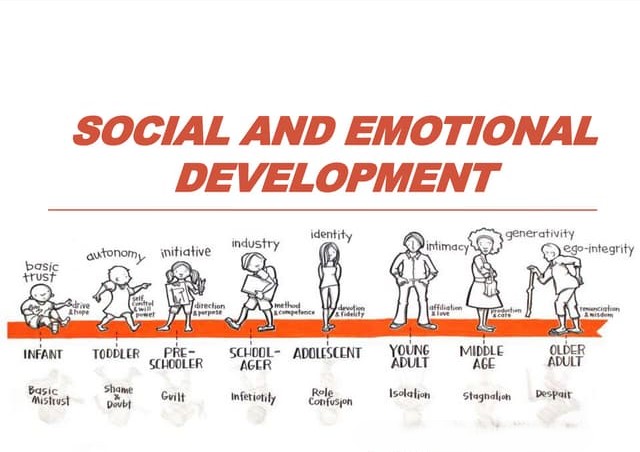
Emotional intelligence, or EQ, is like the secret sauce for success in life, and guess who’s holding the bottle? That’s right, teachers! By recognizing and nurturing students’ emotions, educators help them navigate friendships, cope with pressure, and make better decisions. Workshops, role-playing, and open discussions can foster a stronger sense of self-awareness and empathy. After all, being able to recognize when your friend is feeling down is just as crucial as acing that math test.

b) Creating a Safe and Inclusive Classroom.

When it comes to learning, safety isn’t just about fire drills! A safe and inclusive classroom is one where students feel free to express themselves without fear of judgment. By cultivating a space that honors diversity and promotes kindness, teachers lay the groundwork for a supportive community. Think of it as building a cozy campfire where everyone can gather and share their stories, marshmallows optional. It’s this environment where friendships bloom and self-esteem flourishes, like flowers in a well-tended garden.

3. Encouraging Critical Thinking and Problem-Solving Skills.

a) Techniques for Promoting Analytical Skills.

In a world awash with information at the touch of a finger, the ability to think critically is your “get out of jail free” card. Teachers can sharpen these precious analytical skills by posing open-ended questions, encouraging debates, and facilitating discussions that challenge students to think deeper. It’s like adding layers to a cake — each argument or perspective builds toward a more complex understanding of the topic at hand. Plus, there’s nothing more satisfying than watching a student connect the dots and arrive at a conclusion all on their own!

b) Project-Based Learning as a Tool.

What better way to turn students into mini Einstein’s than through project-based learning? This hands-on approach immerses students in real-world problems, encouraging them to dig deep, collaborate, and create solutions. Whether it’s building a model of an eco-friendly city or designing an app to solve daily challenges, the excitement of seeing their ideas come to life is unmatched. Students learn to think critically, adapt to feedback, and experience the satisfaction of seeing their hard work pay off. Bonus: It might just give them a healthy dose of confidence to boot!

4. Building a Supportive Learning Environment.

a) Establishing Trust and Respect in the Classroom.

Trust is the glue that holds the classroom community together. Teachers can foster this essential trait by being approachable, listening actively, and showing genuine interest in their students’ lives. When students feel respected and valued, they’re more likely to engage in discussions and seek help when needed. It’s all about building relationships that resemble friendships—a place where learning feels less like a chore and more like a shared adventure.

b) Utilizing Positive Reinforcement.

Positive reinforcement is like the confetti of the classroom: it brightens the atmosphere and makes everyone feel good! By acknowledging hard work and celebrating achievements—big or small—teachers create a motivating environment that encourages students to strive for excellence. This could be as simple as verbal praise, stickers, or a shout-out on the class board. When students feel appreciated, they’re more likely to return to the learning space with enthusiasm, ready to tackle whatever challenges lie ahead!

5. Collaborating with Parents and the Community.

a) The Importance of Parent-Teacher Communication.

Effective communication between parents and teachers is like peanut butter and jelly—each on its own is great, but together, they create something truly spectacular! When parents and teachers keep the lines of communication open, it fosters trust and encourages a supportive learning environment. Regular check-ins, whether through emails, parent-teacher conferences, or casual chats at the school gates, help everyone stay on the same page about a child’s progress and any potential challenges. This collaborative approach not only boosts students’ confidence but also reassures parents that they have a partner in their child’s education. 

b) Engaging Community Resources for Student Benefit.

Teachers don’t work in a vacuum, and neither should their students’ education. By tapping into community resources—like local libraries, businesses, and volunteer organizations—teachers can enhance their students’ learning experiences significantly. Whether it’s organizing field trips to a science museum or inviting community leaders for career talks, these connections provide students with real-world context and broaden their horizons. Plus, it’s a great way to show students that learning happens beyond the classroom—who doesn’t love a little field trip fun? 

6. Adapting to Diverse Learning Needs.

a) Identifying Different Learning Styles.

In a classroom full of eager minds, there’s no one-size-fits-all approach to learning. Teachers are like skilled detectives, observing and identifying various learning styles—visual, auditory, kinaesthetic, and everything in between. By recognizing how each student best absorbs information, teachers can tailor their instruction to meet these diverse needs. Whether it’s through hands-on activities, group discussions, or even incorporating fun visuals, understanding these styles helps create a more inclusive and effective learning environment. It’s all about making sure every student feels like a superstar in their own way! 

b) Implementing Inclusive Teaching Strategies.

Diversity in the classroom is like a colourful tapestry—it adds richness and vibrancy! Implementing inclusive teaching strategies means embracing each student’s unique background and learning needs. This could involve differentiated instruction, where tasks are modified based on individual abilities, or utilizing collaborative group work to foster peer support. Additionally, creating a safe space for all students helps them feel valued and understood. After all, when students know their teachers have their backs, they’re more likely to engage, participate, and thrive academically. 

7. Lifelong Learning: The Teacher’s Journey.

a) Professional Development Opportunities.

Teaching isn’t just a job; it’s a never-ending adventure! Professional development opportunities allow teachers to expand their knowledge, refine their skills, and rejuvenate their passion for education. Workshops, conferences, and courses offer valuable insights into the latest teaching strategies, technology integration, and classroom management techniques. Plus, they provide a chance for teachers to connect, share experiences, and maybe even swap a few funny classroom stories. After all, who wouldn’t want to learn how to handle a surprise tie-dye activity gone wrong? 

b) Staying Updated with Educational Trends.

In the ever-evolving landscape of education, it’s essential for teachers to stay ahead of the curve. Keeping up with educational trends—like incorporating technology in the classroom, understanding social-emotional learning, or adopting new pedagogical approaches—ensures that teachers can provide the best possible education for their students. Following educational blogs, participating in online forums, or simply being part of a professional learning community gives teachers the tools to be dynamic and relevant. Plus, it helps them engage their students with fresh ideas that can make learning feel like an exciting journey rather than a monotonous trek! 

8. The Impact of Teacher-Student Relationships on Academic Success.

a) Building Rapport and Trust.

Building rapport with students is like laying the foundation for a sturdy house—it’s essential for long-term success! When teachers establish trusting relationships with their students, it creates a supportive atmosphere where students feel comfortable expressing themselves and taking risks. Simple gestures, like remembering a student’s favorite hobby or offering encouragement during challenging times, go a long way in building this connection. When students know their teachers genuinely care about them, they’re more likely to engage, participate, and ultimately succeed academically. 

b) Long-Term Effects of Positive Teacher Interactions.

Positive teacher-student interactions can have lasting effects that stretch well beyond the classroom. When teachers foster a nurturing environment, they help students develop self-esteem, resilience, and a love for learning—traits that serve them well throughout their lives. Many adults can recall a teacher who believed in them or inspired them to chase their dreams. Those interactions shape not only academic success but also influence life choices and personal growth. It just goes to show that a little kindness and understanding can leave a lasting legacy on a student’s journey! In conclusion, teachers are vital to the holistic development of students, serving as guides, mentors, and advocates in their educational journeys. Their ability to foster critical thinking, emotional growth, and strong community ties not only enhances the classroom experience but also prepares students for success beyond school. As we recognize and support the diverse roles that educators play, we ensure a brighter future for both students and society as a whole.

Frequently Asked Questions:

1. What are the primary roles of teachers in student development?

Teachers serve as mentors, facilitators, and advocates, helping students grow academically, socially, and emotionally. They create supportive environments, encourage critical thinking, and adapt to diverse learning needs.

2. How can teachers foster emotional intelligence in students?

Teachers can foster emotional intelligence by creating a safe and inclusive classroom environment, modeling positive behaviors, and providing opportunities for students to express their emotions and develop empathy.

3. What strategies can teachers use to engage parents and the community in education?

Effective strategies include regular communication with parents, organizing community events, and collaborating with local organizations to enhance the learning experience and provide additional resources for students.

4. Why are teacher-student relationships important for academic success?

Strong teacher-student relationships build trust and rapport, which can enhance student motivation, engagement, and overall academic performance, leading to better outcomes both in and out of the classroom.

Rating: 1 out of 5.

Fostering Success: A Practical Handbook for Raising Foster Children.

Raising foster children presents a unique set of challenges and rewards, requiring a deep understanding of their emotional needs, backgrounds, and individual circumstances. “Fostering Success: A Practical Handbook for Raising Foster Children” is designed to serve as a comprehensive guide for foster parents, offering practical strategies, insights, and resources to navigate the complexities of foster care. Whether you are a seasoned foster parent or just beginning your journey, this handbook aims to equip you with the tools necessary to create a supportive, nurturing environment that fosters stability, growth, and success for every child in your care. With a focus on building trust, effective communication, education, and independence, this guide will help you make a meaningful difference in the lives of foster children.

1. Understanding Foster Care: An Overview.

a) History and Purpose of Foster Care.

Foster care has a history as rich as your grandma’s cookie recipe—complex and often a bit messy. It began as a way to protect children who could not safely remain in their homes due to neglect, abuse, or other dire circumstances. The goal? To provide a temporary haven where kids can feel safe, loved, and supported while their families work through their challenges. Think of it as a pit stop on the track of life—sometimes you need a breather before you can get back to racing!

b) Types of Foster Care Arrangements.

Foster care isn’t a one-size-fits-all situation; it’s more like a buffet where you can pick and choose what suits your appetite. The most common types include traditional foster care, where children are placed in family homes; therapeutic foster care, which provides specialized support to kids with emotional or behavioral needs; and kinship care, where children live with relatives or family friends. Each arrangement has its own flavor and might be just what a particular child needs to thrive!

c) Legal Rights and Responsibilities of Foster Parents.

When you step into the role of a foster parent, it’s essential to know that you’re not just there for the cuddles and cookie baking—there’s a legal aspect too! Foster parents have the right to access educational and medical information about the child in their care. However, with these rights come responsibilities, like keeping the child safe, attending court hearings, and working collaboratively with social workers and biological families. It’s a team sport, folks—everyone’s got to play nice!

2. The Emotional Needs of Foster Children.

a) Understanding Trauma and Its Effects.

Let’s face it: trauma is the uninvited guest at the party of childhood. Foster children often come with a backstory filled with heartache and challenges that can affect their mood, behavior, and overall functioning. It’s crucial to understand that their reactions, such as withdrawal or aggression, often stem from past trauma. By recognizing this, we can respond with compassion and help them heal from the emotional wounds that have shaped their lives.

b) Recognizing Signs of Emotional Distress.

Spotting emotional distress in foster kids can feel like trying to find a needle in a haystack, but there are some tell-tale signs. Watch for sudden changes in behavior, withdrawal from activities, or difficulty concentrating. Sometimes, it’s the little things, like an uptick in tantrums or an aversion to being touched. Tune into these signals—it’s like decoding their secret messages. The sooner you notice, the quicker you can provide the support they need!

c) Strategies for Emotional Support.

So, how do we help foster kids navigate their emotional rollercoasters? Start by creating a safe space where they feel heard and valued. Engaging in activities they enjoy can foster connection, while regular check-ins about their feelings normalize emotional discussions. Also, consider involving professionals, like therapists, who specialize in trauma, because sometimes it truly takes a village (or a well-assembled dream team) to help kids feel whole again.

3. Building Trust and Stability in the Home.

a) The Importance of Consistency.

In the world of foster care, consistency is king—no, wait, its emperor! Foster children often crave stability, having experienced enough unpredictability in their lives already. By establishing consistent routines for meals, homework, and bedtime, you can create a reliable environment where they can truly feel at home. Think of it as building a solid foundation for a mansion; without it, the structure wobbles!

b) Creating a Safe and Nurturing Environment.

Imagine walking into a house that feels like a warm hug. That’s the goal! To build a safe and nurturing home, focus on physical and emotional safety. Child-proof your space and set clear boundaries, but also cultivate an atmosphere of love and encouragement. For kids who’ve faced adversity, knowing they are in a supportive environment can work wonders—kind of like a superhero cape that makes them feel invincible.

c) Establishing Routines and Boundaries.

Establishing routines and boundaries might sound mundane, but it’s the secret sauce to successful fostering! Consistent meal times, regular homework hours, and defined rules help foster kids know what to expect, reducing anxiety. It’s like giving them a map so they don’t get lost in the woods of uncertainty. Remember, boundaries aren’t about closing doors—they’re about opening possibilities for growth and safety.

4. Effective Communication Strategies.

a) Listening and Validation Techniques.

Effective communication isn’t just about talking; it’s also a lot about listening—like, really listening, not just hearing the words but truly absorbing the meaning behind them. Foster kids need to feel heard and understood, so practice active listening. Nod, paraphrase, and encourage them to share more. Validation goes a long way too—let them know that their feelings are valid, even if they seem exaggerated. It’s all about building that emotional bridge!

b) Encouraging Open Dialogue.

Encouraging an open dialogue is like planting seeds for future conversations. Create an atmosphere where foster kids feel safe to express their thoughts and feelings without judgment. Ask open-ended questions to get them talking—think of it as your own personal detective work to uncover what’s going on in their world. The more they practice sharing, the more comfortable they’ll become, and you’ll find yourself having more meaningful discussions!

c) Communicating with Schools and Other Stakeholders.

Communicating effectively with schools and other stakeholders is crucial in supporting a foster child’s development. Be proactive in establishing relationships with teachers and counsellors—think of them as allies in your mission to help the child thrive. Share relevant information about the child’s background and needs but also stay open to feedback from them. After all, it’s a partnership that involves teamwork, keeping all parties on the same page (and hopefully preventing any “game of telephone” errors!).

5. Educational Support and Advocacy.

a) Understanding Individual Education Plans (IEPs).

When it comes to fostering success for foster children, an Individual Education Plan (IEP) can be your superhero cape. These personalized plans are designed to cater to a child’s unique educational needs, detailing specific accommodations and services they require to thrive in school. Think of an IEP as a roadmap guiding educators to help your child reach their fullest potential. By becoming familiar with the IEP process—know the jargon, attend meetings, and advocate for your child—you can ensure that they receive tailored support and resources. Bonus: you’ll also get practice in becoming an expert at navigating acronyms, which will come in handy in your future coffee chats with fellow parents.

b) Engaging with Teachers and School Staff.

Building strong relationships with teachers and school staff is akin to creating an educational dream team. Introduce yourself early on, attend school events, and don’t be afraid to schedule one-on-one time to discuss your child’s unique needs. The more they know about your child’s background, interests, and challenges, the better equipped they’ll be to foster a nurturing environment. Plus, a friendly rapport means they’re more likely to keep you in the loop about your child’s progress and any concerns that arise—because no one wants to be the last to know about the misadventures in art class.

c) Accessing Tutoring and Extra-Curricular Activities.

Education doesn’t only happen within the four walls of a classroom. Extra-curricular activities and tutoring can provide the spark your foster child needs to shine. Explore local programs that offer everything from academic tutoring to sports and arts—because who wouldn’t want to try their hand at painting, soccer, or robotics? These experiences not only boost confidence and skill but also create social connections. Just remember, it’s about finding what lights a fire in your child’s heart, not what looks good on a college application. After all, the number one goal is fostering enthusiasm for learning!

6. Navigating Behavioral Challenges.

a) Common Behavioral Issues in Foster Children.

Foster children may come with a unique set of behavioral challenges that can be traced back to past trauma or instability. Some common issues include difficulty with trust, anxiety, and outbursts of anger or frustration. Remember, these behaviors are often forms of communication, expressing feelings and experiences they may not yet have the words to articulate. Understanding the root causes—rather than simply reacting—can build bridges to a more harmonious household (and avoid those awkward “why is my child doing this?” moments).

b) Positive Behavior Support Techniques.

Cue the positive vibes! Implementing Positive Behavior Support (PBS) techniques redirects negative behaviors toward more constructive ones. This can include setting clear expectations, using positive reinforcement, and keeping communication open and honest. Celebrate the little wins, however small they may seem, and focus on building a strong rapport. And don’t forget to channel your inner detective—understanding triggers can help you create a more supportive environment. Plus, it’s a great excuse to wear a magnifying glass and pretend you’re solving a mystery!

c) When to Seek Professional Help.

While you may feel like a superstar nurturer, sometimes additional support is essential. If behavioral issues seem unmanageable or escalate, it’s time to consider seeking help from professionals like therapists or counsellors who specialize in trauma-informed care. Remember, asking for help is not a sign of failure; it signals your commitment to providing the best for your child. Think of it as adding another tool to your foster parenting toolbox, ensuring you have what you need to support your child’s emotional and psychological growth.

7. Encouraging Independence and Life Skills.

a) Teaching Daily Living Skills.

Life skills are the unsung heroes of independence, and teaching them can be both fun and fulfilling. From cooking a simple meal to budgeting (yes, your child’s future self will thank you for this), these skills are essential for daily living. Incorporate lessons into everyday life—try cooking together or making grocery lists on a Saturday morning. You’ll instil confidence while armed with the knowledge that your child is one step closer to navigating the world independently. Bonus points if they choose a recipe with chocolate!

b) Fostering Decision-Making Abilities.

Empower your foster child by giving them opportunities to make decisions—big and small. This could be as simple as picking out their clothing for the day or more significant choices about activities and responsibilities. Teach them to weigh pros and cons, and encourage reflection on their choices. Remember, it’s a learning process, so be prepared for some missteps along the way—after all, who hasn’t regretted a decision to wear flip flops in the snow?

c) Planning for Transitioning to Adulthood.

Transitioning to adulthood can feel as daunting as a tightrope walk at a circus, but with proper planning, it can be smoother than a tightrope artist’s glide. Start planning early by discussing future goals and pathways like education, employment, and housing. Help them develop life skills such as time management, job interviewing, and financial literacy. Encourage internships or volunteer work—real-life experience can be invaluable. After all, launching into adulthood is less scary when they have a safety net made of life skills to catch them!

8. Resources and Support Networks for Foster Parents.

a) Local and National Support Organizations.

Foster parenting can occasionally feel like sailing uncharted waters, but thankfully there are plenty of resources to help you along the way. Seek out local and national support organizations dedicated to fostering—like the Foster Care Alumni of America or the National Foster Parent Association. They provide everything from mentorship to advocacy to a “you’re not alone” pep talk. Consider these organizations as your anchor in the sometimes stormy sea of foster parenting.

b) Online Communities and Forums.

Join the digital age of support! Online communities and forums can be a lifesaver for foster parents looking for advice, shared experiences, or a little humor to lighten the load. Websites like Reddit have dedicated communities or groups on Facebook where fellow foster parents gather to chat, swap stories, and share resources. Just remember, while the internet is full of wisdom, it can also be a rabbit hole—so know when to pause and take a breather!

c) Training and Workshops for Foster Parents.

Don’t hesitate to seek out training and workshops designed specifically for foster parents, as they are treasure troves of information. Many local agencies offer training sessions that cover everything from trauma-informed care to financial assistance. Attending workshops is like adding another tool to your parenting toolkit—plus, you might even make some new friends in the process. And hey, if you learn a thing or two about juggling frying pans, you’ll definitely earn some serious foster parenting cred! In conclusion, fostering a child is both a profound responsibility and a rewarding opportunity to make a lasting impact on their lives. By implementing the strategies and insights outlined in this handbook, you can create a supportive and nurturing environment that promotes healing, growth, and independence. Remember, every child is unique, and by embracing patience, understanding, and collaboration, you can help foster children thrive and reach their full potential. Your commitment to their well-being is a vital step in their journey toward a brighter future.

Frequently Asked Questions:

1. What are the most common challenges faced by foster parents?

Foster parents often encounter challenges such as managing behavioral issues, addressing trauma-related emotional needs, and navigating the complexities of the child’s educational and legal systems. Each child’s background is unique, requiring tailored approaches to foster their growth and stability.

2. How can I best support a foster child’s educational needs?

Supporting a foster child’s educational needs involves actively engaging with their teachers, understanding their Individual Education Plans (IEPs), and advocating for necessary resources. Additionally, providing a structured homework routine and encouraging participation in extracurricular activities can enhance their educational experience.

3. What resources are available for foster parents looking for support?

Numerous resources are available for foster parents, including local and national support organizations, online communities, and workshops. Many states offer training programs and support groups where foster parents can share experiences, seek advice, and access helpful information.

4. How can I help a foster child develop independence and life skills?

Encouraging independence in foster children involves teaching them daily living skills, involving them in decision-making processes, and providing opportunities for age-appropriate responsibilities. Gradually introducing responsibilities can help build their confidence and prepare them for adulthood.

Rating: 1 out of 5.

Beyond the Surface: Understanding Mental Health in Adolescence.

Adolescence is a critical period of development marked by significant physical, emotional, and social changes. As teenagers navigate the complexities of growing up, they often face unique challenges that can impact their mental health. Understanding these challenges is essential for parents, educators, and the community, as mental health issues during this stage can have lasting effects on individuals’ well-being. This article delves into the intricacies of mental health in adolescence, exploring the factors that contribute to mental health disorders, the role of social media, and the importance of support systems, while offering strategies to promote mental well-being and foster open conversations about mental health.

1. The Adolescent Brain: Development and Its Impact on Mental Health.

a) Understanding Brain Maturation.

Adolescence is a wild ride for the brain; it’s almost like a construction zone where everything is being remodeled. During this period, the brain undergoes significant changes, particularly in the prefrontal cortex, which is responsible for higher-order functions like reasoning, impulse control, and decision-making. Meanwhile, the limbic system, the emotional center, is on overdrive—think of it as a rollercoaster that’s had too much caffeine. This imbalance can lead adolescents to feel emotions more intensely and make choices that leave parents scratching their heads.

b) Emotional Regulation and Decision-Making.

Emotional regulation is like trying to tame a wild stallion. Adolescents often struggle to manage their emotions due to the brain’s ongoing development, making them more prone to mood swings and impulsivity. Coupled with heightened sensitivity to social feedback, you might find them fluctuating between feeling invincible and utterly defeated. When it comes to decision-making, the blend of a not-yet-fully-formed prefrontal cortex and an active limbic system can lead to some, shall we say, interesting choices—like staying out too late on a school night or thinking that sneaking a TikTok break during class is a genius idea.

2. Common Mental Health Disorders in Adolescents.

a) Anxiety Disorders.

Anxiety disorders are like unwelcome guests who just won’t leave. They can manifest as generalized anxiety, social anxiety, or panic disorders, all of which can create a cloud of worry that makes even the smallest decisions feel monumental. For adolescents, this means excessive worry about school performances, social interactions, or future uncertainties. The pressure to keep up with peers can pressure them, leading to a vicious cycle of anxiety and avoidance.

b) Depression.

Ah, the infamous dark cloud of depression. It’s not just about feeling sad; for many adolescents, it mimics an emotional “no-show” where everything feels dull and uninspiring. Symptoms may include persistent sadness, loss of interest in activities, and changes in appetite or sleep patterns. This isn’t just a case of the “blah” blues; it can significantly impact their daily functioning and relationships, turning their world into a monochrome palette.

c) Attention Deficit Hyperactivity Disorder (ADHD).

ADHD can be like having a brain that’s perpetually set to “fast-forward.” Those with ADHD often struggle with attention regulation, impulsivity, and hyperactivity. This can lead to challenges in school and social settings, where the inability to focus or control impulses can create misunderstandings and frustrations. And while it can be challenging, many adolescents learn to navigate life with this “extra energy,” finding creative ways to channel their enthusiasm.

d) Eating Disorders.

Eating disorders, such as anorexia, bulimia, and binge eating, often develop during adolescence—a time when body image becomes a central topic of discussion. Social pressures, media ideals, and self-esteem issues can lead to unhealthy eating habits as adolescents strive for an unattainable standard. These disorders are serious and can have lasting impacts on both physical and mental health, making early intervention crucial for recovery.

3. The Role of Social Media and Technology.

a) Positive Influences of Social Media.

Not all social media is a villain in this story; it can also be a superhero for connection and support. Platforms can foster friendships, provide spaces for self-expression, and even help adolescents find communities that resonate with their interests and struggles. In a world where loneliness can feel overwhelming, social media can be a lifeline, offering solace in shared experiences and peer interactions that might otherwise be hard to come by.

b) Negative Effects on Self-Esteem.

On the flip side, social media can also wreak havoc on self-esteem. Scrolling through perfectly curated feeds can lead many adolescents to compare their lives to those glossy snapshots, often leading to feelings of inadequacy. The constant barrage of images can distort body image perceptions, as likes and comments start to feel like validation—or lack thereof. If all that glitters is not gold, then the filters might not be doing any favors for mental health either.

c) Cyberbullying and Its Consequences.

Cyberbullying is the dark side of social media—like a bad sequel to an otherwise decent movie. It can leave deep emotional scars, as harassment and humiliation can follow someone into their safe spaces online. Unlike playground bullying, there’s often no escape from the digital torment, which can lead to anxiety, depression, and even suicidal thoughts. It’s crucial for teens, parents, and educators to address these issues and foster a healthier online environment.

4. Warning Signs: Recognizing Mental Health Issues.

a) Behavioral Changes.

When adolescents start acting like they’re auditioning for a reality show titled “Extreme Mood Swings,” it could be a red flag. Sudden changes in behavior—whether that’s becoming unusually withdrawn, irritable, or engaging in risky activities—can point to underlying mental health issues. If you’re usually chatty teen suddenly starts giving you one-word answers and dodging family game night, it might be worth exploring further.

b) Academic Decline.

A slip in grades can be a tell-tale sign that something is off. If a once diligent student suddenly finds their homework piling up like laundry in a teenager’s room, it could indicate struggles with mental health. A lack of motivation, difficulty concentrating, or a surge in absences can disrupt academic performance and signal that support is needed.

c) Social Withdrawal.

Isolation often paints a vivid picture of mental health struggles. If your teen starts ghosting their friends faster than they can say, “Netflix binge,” it’s a signal to pay attention. Withdrawal from social activities they once loved, or enhanced time spent alone can indicate they’re grappling with issues they may not be able to articulate. Engaging them in conversation can help bridge the gap and offer the support they might desperately need.

5. The Importance of Support Systems.

a) Family Support and Communication.

Family is like the Wi-Fi of life; you might not see it, but you definitely feel it. A strong support system at home can make a world of difference for adolescents navigating the choppy waters of mental health. Open communication is key—creating a space where teens feel comfortable sharing their thoughts without the fear of judgment. When parents actively listen and validate their child’s feelings, it not only strengthens the bond but also provides a safety net during challenging times.

b) The Role of Friends and Peers.

Ah, friends—the unofficial therapists of adolescence. Peer support can be hugely beneficial; they understand the chaos of teenage life in a way that even the most well-meaning parents might struggle to grasp. Adolescents who lean on their friends for emotional support often find they aren’t alone in their struggles. Encouraging open lines of communication among peers can foster empathy and help reduce feelings of isolation. Plus, who doesn’t want a buddy to lean on during the rollercoaster of high school drama?

c) Professional Help: Counseling and Therapy.

Sometimes, talking to friends and family isn’t enough—think of it like upgrading from a flip phone to a smartphone. Professional help, like counseling or therapy, can provide valuable tools for coping with mental health challenges. Therapists offer a non-judgmental ear and specialized strategies tailored to individual needs. It’s not about being “crazy”; seeking help is a brave step towards understanding oneself better and improving mental health. Remember, even superheroes have sidekicks!

6. Strategies for Promoting Mental Well-Being.

a) Mindfulness and Stress Management.

Feeling overwhelmed? Enter mindfulness—the Jedi-like skill of staying present when life tries to throw you off-course. Techniques like meditation, deep breathing, or even yoga can help reduce stress and improve emotional regulation. Practicing mindfulness isn’t about sitting cross-legged on a mountain top; it can be as simple as taking a few minutes to focus on your breath or indulging in a favorite hobby. Every little bit helps!

b) Physical Activity and Its Benefits.

Exercise isn’t just for athletes or the overly ambitious; it’s a secret weapon for mental health. Engaging in physical activity releases endorphins, the brain’s natural mood lifters. Whether its dance, soccer, or just a stroll around the block, moving your body can significantly enhance your mood and overall well-being. Plus, it’s an excellent excuse to get away from screens for a bit—your brain will thank you!

c) Healthy Sleep Habits.

We’ve all heard the saying, “Sleep is for the weak,” but let’s debunk that myth right here and now. Quality sleep is crucial for mental health, especially during adolescence. Establishing a bedtime routine that limits screen time and creates a calming environment can lead to better sleep quality. Remember: life isn’t a race, so hitting snooze isn’t a crime—it’s essential!

7. Breaking the Stigma: Encouraging Open Conversations.

a) Understanding Mental Health Myths.

Time to bust out the myth-busting tools! Many misconceptions surround mental health, such as the idea that seeking help is a sign of weakness. Spoiler alert: it’s not! Educating ourselves about mental health can help peel away these layers of stigma and encourage more people to speak up about their struggles. Knowledge is power, and in this case, it can also be a lifeline.

b) Creating Safe Spaces for Discussion.

Encouraging open conversations about mental health requires creating environments where individuals feel safe to express themselves. Schools, community centres, and homes can all foster such spaces. Hosting events, support groups, or simply setting aside time for honest chats can pave the way for breakthroughs. After all, the more we talk about mental health, the less we’ll need to whisper!

8. Resources for Adolescents and Their Families.

a) Hotlines and Support Groups.

When life feels a bit too heavy, having the right resources at your fingertips can make all the difference. Hotlines provide immediate support, while support groups offer a sense of community among those who understand what you’re going through. Whether it’s a text, call, or online chat, reaching out can be a vital step in the journey to better mental health.

b) Educational Resources and Workshops.

Knowledge is not just power; it’s also a solid foundation for healing. Educational resources and workshops focused on mental health can equip adolescents and families with the skills needed to navigate life’s ups and downs. These platforms provide insight, coping strategies, and foster resilience. Plus, they’re a great way to connect with others on a similar path!

c) Online Platforms for Mental Health Awareness.

In a digital age, there’s no shortage of online platforms dedicated to mental health awareness. Websites, social media campaigns, and apps can offer information, support, and community—even from the comfort of your own couch. These platforms can serve as safe spaces for teens and families to learn and share experiences without the traditional stigma attached to mental health discussions. Let’s face it: scrolling through helpful content beats mindlessly scrolling through cat videos, right? In conclusion, recognizing and addressing mental health issues during adolescence is crucial for fostering resilience and promoting overall well-being in young individuals. By understanding the challenges they face and supporting them through open dialogue and effective resources, we can help empower adolescents to navigate this transformative period with confidence. Together, we can break the stigma surrounding mental health and create a supportive environment where young people feel valued, heard, and equipped to thrive.

Frequently Asked Questions:

1. What are the most common mental health issues faced by adolescents?

Adolescents commonly experience mental health issues such as anxiety disorders, depression, attention deficit hyperactivity disorder (ADHD), and eating disorders. Each of these conditions can significantly impact their daily lives and overall well-being.

2. How can parents support their adolescent’s mental health?

Parents can support their adolescent’s mental health by fostering open communication, actively listening to their concerns, encouraging healthy habits such as physical activity and proper sleep, and seeking professional help when needed.

3. What role does social media play in adolescent mental health?

Social media can have both positive and negative effects on adolescent mental health. While it can provide a platform for connection and support, it can also lead to issues such as cyberbullying, social comparison, and decreased self-esteem.

4. When should I seek professional help for my adolescent?

It is advisable to seek professional help when an adolescent exhibits persistent changes in behavior, such as withdrawal, significant mood swings, changes in academic performance, or expressions of hopelessness or distress. Early intervention can make a significant difference in their mental health journey.

Rating: 1 out of 5.

Why Assault Remains Rampant in India: Causes and Solutions.

Assault remains a pervasive issue in India, affecting individuals across various demographics and regions. Despite numerous efforts to address this alarming trend, the incidence of violence, particularly against women and marginalized groups, continues to rise. This article seeks to explore the multifaceted causes behind the rampant occurrence of assault in India, examining societal, cultural, and legal factors that contribute to the problem. Additionally, it will highlight potential solutions and best practices that can be implemented to create a safer environment for all citizens. By understanding the underlying issues and pursuing effective strategies, society can work collaboratively towards reducing violence and fostering a culture of respect and safety.

1. Overview of Assault in India: Current Statistics and Trends.

Assault remains a pressing issue in India, with statistics revealing a stark reality. According to the latest National Crime Records Bureau (NCRB) report, over 400,000 cases of assault were reported in 2022 alone. This alarming figure not only highlights the prevalence of violence but also showcases an upward trend in reported cases, with a 10% increase from the previous year. The data also indicates that a significant portion of these assaults are gender-based, underscoring the critical need for targeted interventions.

a) Historical Context of Assault Rates.

Historically, the assault rates in India have fluctuated, often reflecting broader societal issues. In the early 2000s, the numbers were startlingly low, which some attributed to underreporting rather than a genuine decline in violence. However, the increasing willingness of victims to come forward and the growing awareness of rights have led to a surge in recorded cases since 2010. It’s essential to recognize that these rising statistics might not necessarily indicate a deteriorating society; they could also reflect a shift towards greater accountability and recognition of survivors.

b) Comparison with Global Trends.

When compared globally, India sits in a murky lake of assault statistics. Countries with similar economic challenges, such as South Africa and Brazil, show comparable trends in violence, while developed nations like Canada and Sweden enjoy much lower assault rates. However, it’s crucial to note that cultural and legal frameworks differ vastly across nations. While some countries successfully tackle assault through robust laws and community programs, India continues to grapple with systemic issues that hinder progress, suggesting a need for tailored solutions that resonate with local contexts.

2. Societal Factors Contributing to Rampant Assault.

The roots of assault in India run deep, intertwined with societal factors that create a fertile ground for violence. Among these, poverty, education levels, and substance abuse play notable roles.

a) Poverty and Economic Disparities.

Poverty is a key player in the assault saga, as desperation often breeds desperation. Economic disparities create a volatile environment where unrest and violence can flourish. Individuals facing financial hardship may resort to violence out of frustration, while those in privileged positions might commit acts of aggression to maintain their status. Bridging this economic gap could pave the way for a more peaceful society, but that’s easier said than done!

b) Education and Awareness Levels.

Education is another critical factor influencing assault rates. A lack of awareness about rights and resources perpetuates cycles of violence. Many individuals are not educated about the legal implications of assault or where to seek help. Promoting education—especially around consent and personal safety—can provide empowerment and lay the groundwork for change. Spoiler alert: knowledge is power!

c) Impact of Substance Abuse.

Substance abuse complicates the landscape of assault even further. The correlation between alcohol and drug abuse and violent behavior is well-documented, as substances can lower inhibitions and escalate conflicts. In many communities, binge drinking and drug use are prevalent, leading to a spike in aggressive behaviors. Addressing substance abuse through comprehensive rehabilitation programs could help reduce assault rates—a win-win situation for society and those battling addiction.

3. Legal Framework: Gaps and Inadequacies in Indian Law.

The legal framework surrounding assault in India presents a double-edged sword—while there are laws in place, gaps and inadequacies often leave victims vulnerable and seeking justice.

a) Overview of Current Laws Related to Assault.

India’s legal landscape includes several laws aimed at preventing and punishing assault, such as the Indian Penal Code (IPC) and the Protection of Women from Domestic Violence Act. However, these laws often lack stringent enforcement mechanisms and can be riddled with loopholes that perpetrators exploit. The complexity of legal jargon doesn’t help either—who really understands IPC without a law degree?

b) Barriers to Effective Legal Action.

Numerous barriers hinder effective legal action against assailants. Victims often face societal stigma, lengthy court processes, and insufficient police support. Many are discouraged from reporting incidents due to fear of retribution or the belief that their cases won’t be taken seriously. The perception that the legal system is ineffective breeds a culture of silence, allowing violence to continue unabated.

c) Victim Support Mechanisms.

Victim support mechanisms in India are still in their infancy. Although helplines and counseling services exist, they often lack the resources needed to provide comprehensive care. Many victims find themselves navigating a bureaucratic maze without adequate support, leaving them feeling abandoned at a time when they need help the most. Strengthening these mechanisms is essential to fostering a more supportive environment for survivors.

4. Cultural Norms and Gender Disparities.

Cultural norms in India play a significant role in perpetuating assault, particularly gender-based violence. The societal undercurrents often normalize aggression and reinforce harmful stereotypes.

a) Patriarchy and Gender-Based Violence.

India’s patriarchal society fosters an environment where gender-based violence is tragically common. Women often find themselves at the mercy of patriarchal structures that dictate their worth and place in society. This deeply ingrained mindset contributes to the normalization of violence against women, with many believing it’s a part of life. Challenging these norms is crucial to dismantling the power structures that allow such violence to thrive.

b) Normalization of Violence in Society.

Violence is often portrayed as a form of conflict resolution in Indian media and entertainment, leading to its acceptance in everyday life. When physical aggression is glamorized or trivialized, it becomes a dangerous norm. Shifting perspectives around violence—highlighting it as an undesirable outcome—can help reshape societal attitudes and pave the way for healthier conflict resolution.

c) Media Representation and Its Impact.

The media wields tremendous power in shaping public perception, and its portrayal of assault can either empower or endanger. Unfortunately, sensationalized reporting often emphasizes the spectacle of violence rather than the human tragedy behind it. Additionally, the objectification of women in media contributes to a culture of violence, where aggression seems permissible. Advocating for responsible media representation and diverse narratives can help foster a more respectful dialogue around assault and gender.

5. The Role of Law Enforcement and Judicial System.

a) Police Response to Assault Cases.

The response of law enforcement to assault cases in India often resembles a game of hide-and-seek, except the hiding is more prevalent. Many victims report reluctance from police to register FIRs (First Information Reports) or to investigate complaints adequately. This can stem from a lack of training in handling sensitive cases, overwhelming workloads, or simply a culture that prioritizes minimizing paperwork over justice. The end result? Victims are left feeling powerless and unheard, while perpetrators often walk free, giving rise to a culture of impunity.

b) Judicial Delays and Their Consequences.

Once a case manages to wade through the murky waters of police bureaucracy and actually enters the judicial system, it’s often a long and arduous journey. With backlogged courts and endless procedural tangles, many cases can take years, if not decades, to reach a resolution. This snail-paced justice not only discourages victims from pursuing their cases but also fosters a sense of hopelessness among the public, who may begin to believe that justice is simply a mirage on the horizon.

c) Barricades to Reporting and Prosecution.

Reporting an assault is not just about mustering the courage to speak out; it often involves navigating a maze of social stigmas, victim-blaming narratives, and fear of retaliation. Many victims hesitate to approach law enforcement due to past experiences of ridicule or lack of support from their communities. Additionally, cultural norms and gender biases can create significant barriers to prosecution, as victims may be pressured to remain silent or settle matters privately. It’s a tragic cycle that perpetuates assault and keeps victims trapped in the shadows.

6. Community Initiatives and Grassroots Movements.

a) Role of NGOs in Combatting Assault.

Non-Governmental Organizations (NGOs) have taken the bull by the horns in addressing the issue of assault in India. These organizations provide vital support services, including legal aid, counseling, and rehabilitation for survivors. By working tirelessly to raise awareness and educate communities, NGOs play a crucial role in dismantling the stigma surrounding assault and encouraging reporting. Their efforts are not just about immediate relief but also about empowering individuals to reclaim their narratives.

b) Community Awareness Programs.

Community awareness programs are like fireworks: they spread knowledge and ignite conversations. These initiatives often target schools, colleges, and local neighbourhoods, educating people about consent, respect, and the legal ramifications of assault. Workshops, seminars, and awareness campaigns foster an environment where open discussions can take place, helping to challenge entrenched patriarchal attitudes. As communities become more educated, the stigma surrounding assault diminishes, creating a safer space for all.

c) Success Stories and Case Studies.

Success stories serve as the shining beacons of hope in the battle against assault. From community-led policing initiatives that have dramatically increased trust between residents and law enforcement to survivor-led movements that have successfully lobbied for legal reforms, these case studies prove that change is not just possible; it’s happening. Highlighting these successes not only inspires further action but also showcases the resilience and strength of communities determined to fight for their rights.

7. Effective Solutions: Policy Recommendations and Best Practices.

a) Strengthening Legal Provisions.

To truly protect victims and deter potential offenders, it’s essential to strengthen legal provisions surrounding assault. This includes not just tougher penalties for perpetrators but also better protection for victims during the legal process. Creating fast-track courts dedicated to handling assault cases could significantly reduce delays, ensuring that justice isn’t just a distant dream but a tangible reality.

b) Enhancing Educational Programs.

Education is a formidable weapon in the fight against assault. By incorporating comprehensive programs on consent, gender equality, and respectful relationships into school curriculums, we can reshape attitudes from a young age. Empowering individuals with the knowledge of their rights and responsibilities fosters a culture of respect and accountability, which is crucial for long-term change.

c) Collaborative Efforts with Civil Society.

Collaboration is the name of the game when it comes to creating sustainable solutions. Engaging civil society in dialogues around assault can help bridge the gap between policymakers and communities. By building coalitions among NGOs, local leaders, law enforcement, and government entities, a holistic approach can be developed that addresses the root causes of assault while implementing effective preventive measures.

8. Conclusion: A Call to Action for a Safer India.

In sum, the rampant issue of assault in India is the result of a complex interplay of systemic failures within the law enforcement and judicial frameworks, a lack of community support, and deeply ingrained societal attitudes. But the tide can turn—if we choose to act. From strengthening laws and enhancing educational programs to fostering grassroots movements, there are numerous paths to a safer society.

9. Importance of Collective Responsibility.

Ultimately, creating a safe environment is a collective responsibility that transcends boundaries. It calls for concerted efforts from individuals, communities, and governments alike. Everyone has a role to play—be it advocating for change, educating others, or simply standing in solidarity with survivors. Together, we can dismantle the structures that allow assault to persist and work towards building an India where everyone feels safe and valued. In conclusion, addressing the rampant issue of assault in India requires a comprehensive approach that tackles the root causes and fosters a culture of safety and respect. By strengthening legal frameworks, raising awareness, and supporting community initiatives, it is possible to create a society where individuals can live free from the fear of violence. Collective action from all sectors—government, communities, and individuals—is essential to implement the necessary changes and ensure a safer future for everyone.

Frequently Asked Questions:

1. What are the primary causes of assault in India?

The primary causes of assault in India include socio-economic disparities, cultural norms that perpetuate violence, inadequate legal protections, and lack of awareness regarding individual rights.

2. How can communities help reduce incidents of assault?

Communities can reduce incidents of assault by promoting awareness programs, supporting local NGOs that work on violence prevention, and encouraging open dialogues about respect and consent.

3. What changes are needed in the legal framework to address assault effectively?

Key changes needed in the legal framework include strengthening existing laws, ensuring timely justice for victims, and enhancing support systems for survivors of assault.

4. How can individuals contribute to creating a safer environment?

Individuals can contribute by educating themselves and others about consent and respect, standing up against violence, and supporting initiatives aimed at combating assault in their communities.

Rating: 1 out of 5.

The Quiet Struggle: Why Teens Conceal Family Abuse.

In today’s society, Sexual abuse within the family—often referred to as interfamilial sexual abuse—is one of the most underreported and psychologically damaging forms of abuse. When the abuser is a trusted relative, such as a parent, sibling, uncle, cousin, or grandparent, the emotional turmoil for the teenager intensifies. Despite experiencing pain, fear, and confusion, many teenagers remain silent. Understanding why this silence persists is crucial to breaking the cycle of abuse and fostering safe environments for healing.

 Family abuse remains a pervasive and often unspoken issue, particularly among teenagers who may feel trapped in silence. While many young people suffer in isolation, the reasons behind their concealment of such distressing experiences are complex and multifaceted. This article delves into the quiet struggle faced by teens living with family abuse, exploring the psychological impact, the fear and shame that keep them from speaking out, and the vital signs that can indicate hidden suffering. By understanding these dynamics, we can create a more supportive environment that encourages open dialogue and empowers young people to seek help and healing.

1. Understanding Family Abuse: A Hidden Crisis.

a) Defining Family Abuse: Types and Dynamics.

Family abuse can take many forms: physical, emotional, and even financial, each leaving scars that may not be visible to the naked eye. Physical abuse is the most recognizable and often the most reported, but emotional abuse can be just as damaging, manifesting through manipulation, threats, or constant belittling. Financial abuse, which involves controlling a victim’s access to money and resources, is the sneaky villain of the piece. In many households, these dynamics create a toxic environment that can be challenging to navigate, especially for teenagers caught between wanting to protect their family and the need for their own safety.

b) The Prevalence of Abuse in Teenage Households.

Surprisingly, family abuse is not as uncommon as one might hope. Studies suggest that millions of teenagers live in environments rife with some form of abuse. According to various statistics, it’s estimated that nearly one in three adolescents experience abuse at home. While it’s easy to think that this is a far-off issue, it sits in the living rooms, bedrooms, and kitchens of countless homes, cloaked in secrecy and silence. Sadly, many teens feel they have to endure these situations alone, fearing that speaking out could make everything worse.

2. The Psychological Impact of Abuse on Teens.

a) Emotional Consequences: Anxiety and Depression.

The emotional fallout from living in an abusive household can be profound. Teens may find themselves wrestling with feelings of anxiety and depression, often feeling like they’re trapped in a dark tunnel with no light in sight. The unpredictability of abusive dynamics can lead to heightened stress levels, manifesting as constant worry and fear. Many may develop low self-esteem, feeling unworthy of love or respect due to their experiences. It’s kind of like being stuck on a merry-go-round of misery—an exhausting ride that never seems to stop.

b) Cognitive Effects: Struggles with Concentration and Decision-Making.

Beyond the emotional turmoil lies a cognitive impact that can disrupt a teen’s daily life. Concentration becomes as elusive as a sock in the dryer when you need it most, making schoolwork feel like an uphill battle. Decision-making can turn into a game of second-guessing oneself, leading to chronic indecisiveness. This fog can stifle creativity and hinder social interactions, isolating teens

even further. It’s a no-win situation where the mind feels clouded, leaving them longing for clarity that seems perpetually out of reach.

3. Reasons for Silence: Fear, Shame, and Loyalty.

a) Fear of Retaliation and Escalation.

One of the biggest hurdles to breaking the silence surrounding family abuse is fear—fear of retaliation from the abuser and fear that speaking out could escalate the situation. Teens often worry that confiding in someone could lead to punishment, further violence, or even being dragged into a web of chaos that feels impossible to escape. This fear can become a paralyzing force, keeping them locked in silence even when they’re crying out for help inside.

b) Feelings of Shame and Self-Blame.

Many teens internalize their experiences, leading to feelings of shame and self-blame. They might think, “If only I had done something differently, this wouldn’t be happening.” This toxic narrative can make them feel unworthy of help and perpetuate the cycle of silence. It’s as if they carry the weight of the world on their shoulders, convinced that they’re somehow responsible for the dysfunction in their homes. Spoiler alert: They’re not.

c) Loyalty to Family and the Desire for Normalcy.

Despite the chaos, many teens feel an intense loyalty to their families, hoping that if they keep quiet, things will get better. The desire for normalcy can be overpowering—the hope that tomorrow will be different, that they’ll have a family dinner without drama or a peaceful movie night without conflict. This loyalty can lead to a heart-wrenching tug-of-war between wanting to protect their family and the need to protect themselves. It’s a tough spot to be in, and one that can leave them feeling utterly alone.

d) Fear of Not Being Believed.

One of the strongest reasons teenagers stay silent is the fear that no one will believe them. The abuser is often a respected or powerful family member—someone others see as trustworthy or loving. Teenagers worry that if they speak up, they will be accused of lying or “making stories up.”

“Who will believe me over him/her?” becomes a constant internal battle.

This disbelief can be especially strong in families with rigid hierarchies, where authority figures are rarely questioned.

e) Shame, Guilt, and Self-Blame.

Victims of sexual abuse often internalize feelings of shame and guilt, mistakenly believing they are responsible for what happened. Teenagers may think they somehow “allowed it” or “did something wrong.”
Abusers frequently manipulate victims into silence by saying things like:

  • This emotional manipulation creates deep confusion, making the teenager feel complicit instead of victimized. “This is our secret.”
  • “You wanted it.”
  • “If anyone finds out, it’ll ruin the family.”

This emotional manipulation creates deep confusion, making the teenager feel complicit instead of victimized.

f) Absence of Safe Listeners.

Even when a teenager wants to share, they may not know whom to trust. Parents may be emotionally unavailable, teachers might be dismissive, and friends too immature to understand. Without safe, empathetic adults to confide in, the silence continues.

g) Cultural and Social Taboos.

In many cultures, especially traditional or conservative ones, sex is a forbidden topic. Talking about it — even in the context of abuse — is seen as shameful. Teenagers are taught to “stay quiet,” “respect elders,” “they are our relatives and we cannot cut off from them,” “they have apologizes,” or “not discuss such matters.”
This cultural conditioning silences victims before they even realize they have the right to speak.

In patriarchal settings, girls face additional stigma; they fear being labelled as “impure” or “damaged,” while boys fear being ridiculed or doubted for having been victimized.

4. The Role of Social Media and Peer Influence.

a) The Impact of Online Reputation and Privacy Concerns.

In today’s digital age, social media can complicate the already murky waters of family abuse. Many teens are keenly aware of their online reputation, worrying that sharing their struggles could lead to judgment or ostracism from peers. Privacy concerns loom large as they fret over who might see their posts or private messages. This self-censorship can create a façade of normalcy online, hiding their struggles behind carefully curated images of happiness that might be as real as unicorns.

b) Peer Pressure and the Fear of Judgment.

Peer pressure can also play a significant role in why teens choose silence. The fear of judgment from friends can feel overwhelming, particularly when those friends might not fully understand the gravity of the situation. They may hesitate to open up about family struggles, worried that others will dismiss their experiences or suggest they’re overreacting. This pressure to fit in and maintain an image can silence teens further, leaving them feeling trapped in a world where vulnerability is seen as weakness.

5. Signs of Concealed Abuse: What to Look For.

a) Behavioral Changes: Withdrawal and Aggression.

When a teen is enduring family abuse, their behaviors can shift dramatically. You might notice them becoming more withdrawn, isolating themselves from friends and family as if they’ve suddenly moved to a new planet where no one speaks their language. On the flip side, some may exhibit aggression, displaying anger out of nowhere. This isn’t just typical teenage angst; it can be a cry for help, signalling that something is brewing beneath the surface.

b) Academic Struggles: Declining Grades and Attendance Issues.

School can sometimes feel like the least of a teen’s worries when they’re grappling with family turmoil. If grades are plummeting or attendance becomes spotty, it’s more than just teenage laziness. These academic struggles can be a code that reads, “Help! I’m dealing with stuff I can’t talk about!” Teachers and parents should tune in to these changes—it’s important to look beyond the grades and see the person behind the report card.

6. Breaking the Cycle: Encouraging Open Conversations.

a) Creating Safe Spaces for Dialogue.

To foster open conversations, we need to roll out the metaphorical red carpet for dialogue. Creating a safe space where teens feel comfortable sharing their thoughts and experiences is crucial. This means putting down the judgmental eyebrow, turning off the “you’ve got to be kidding me” tone, and genuinely listening. Establishing trust can turn a heavy silence into a liberating discussion, transforming a teen’s world one honest conversation at a time.

b) Empowering Teens to Speak Up.

Empowerment isn’t just a buzzword; it’s a lifeline. Encourage teens to articulate their feelings and experiences, helping them find their voice in a sea of silence. Sometimes, it’s about equipping them with the vocabulary to express their emotions. Role-playing scenarios or discussing hypothetical situations can help them navigate the tricky waters of speaking up when they’re ready, so they know they’re not alone in this battle.

7. Resources and Support for Struggling Teens.

a) Hotlines and Counseling Services.

For teens who may feel trapped, hotlines and counseling services can be a beacon of hope. There are numerous resources available, offering anonymity and support at the other end of the line. Teens can reach out without fear of judgment or repercussion, opening a door to professional help that can guide them through their darkest moments. Remember, even superheroes need sidekicks, and these services can be just that!

b) Support Groups and Community Programs.

Support groups and community programs provide an additional layer of encouragement. These spaces bring together individuals who understand the struggle, creating a sense of belonging where no one feels like a lone wolf. Sharing stories, experiences, and strategies for coping can also help

demystify the challenges teens face and foster resilience among peers who’ve been through similar battles.

8. The Path to Healing: Empowering Teens to Speak Out.

a) Building Resilience through Therapy and Support.

Therapy isn’t a sign of weakness; it’s a powerful tool for building resilience. Engaging with a counsellor can give teens the skills they need to navigate their feelings and experiences, ultimately empowering them to confront their abusers and reclaim their narrative. With the right support, they can emerge stronger than ever, ready to take on whatever life throws their way.

b) Advocacy and Awareness: Changing the Narrative.

Finally, advocacy and awareness play pivotal roles in changing the narrative surrounding family abuse. It’s crucial to bring these conversations into public view, shedding light on what often remains overlooked. By creating dialogues around family abuse and encouraging teens to share their stories, we can help break the silence, foster understanding, and ultimately empower future generations to stand up and speak out against abuse in any form. In conclusion, it is crucial to recognize the silent battles that many teens face when dealing with family abuse. By fostering an environment of trust and understanding, we can encourage open conversations and support those in need. Awareness and education are key to breaking the cycle of abuse, enabling adolescents to seek help and ultimately find their path to healing. Together, we can work towards a future where no teen feels alone in their struggle, and every young person is empowered to voice their experiences and reclaim their narrative.

Conclusion

Teenagers don’t stay silent because they want to — they stay silent because they feel powerless, scared, and responsible for something that was never their fault.
Breaking this silence begins with education, empathy, and societal accountability. The responsibility lies not with the victims, but with the adults and systems around them — to notice, to listen, and to act.

Frequently Asked Questions:

1. What are the common signs of family abuse in teenagers?

Common signs include behavioral changes such as withdrawal from social activities, sudden aggression, declining academic performance, and unexplained injuries. Teens may also exhibit anxiety or depression and show signs of self-blame.

2. Why do teens often choose to stay silent about family abuse?

Teens may remain silent due to fear of retaliation, feelings of shame or guilt, and a deep-rooted loyalty to their family. They might also worry about the stigma associated with seeking help or fear that no one will believe them.

3. How can I support a teenager who may be experiencing family abuse? Create a safe and non-judgmental environment where they feel comfortable expressing their feelings. Listen actively, validate their experiences, and encourage them to seek professional help. Providing information about resources and support services can also be beneficial.

4. What resources are available for teens dealing with family abuse?

There are various resources available, including hotlines, counseling services, and support groups specifically for teens. Many organizations focus on abuse prevention and offer confidential assistance, making it easier for young people to access help.

Rating: 1 out of 5.

Unpacking Single Parenthood: Four Unique Types Revealed.

Single parenthood is an increasingly common family structure that encompasses a diverse range of experiences and challenges. As societal norms evolve, it is essential to recognize not only the unique journeys of single parents but also the different types of single-parent families that exist. This article aims to unpack single parenthood by exploring four distinct types—traditional single parents, co-parents, foster or adoptive parents, and those in blended family situations. By understanding these categories, we can appreciate the complexities, challenges, and strengths that come with single parenthood, ultimately fostering a greater sense of empathy and support for those navigating this journey.

1. Understanding Single Parenthood: An Overview.

a) Definition and Importance.

Single parenthood refers to a family structure in which one adult raises one or more children independently. This phenomenon is increasingly relevant in today’s society, representing a growing segment of the population. Whether due to divorce, choice, or unexpected circumstances, single parents often juggle the double duty of nurturing and providing. Understanding the nuances of single parenthood is crucial because it sheds light on the diverse experiences families face and the support they might need.

b) Statistics and Trends.

According to recent data, nearly 1 in 4 children in the U.S. live with a single parent, and the numbers continue to rise. With an increasing acceptance of various family structures, single parenthood has become mainstream. Trends show that single parenting can affect socio-economic status, educational outcomes, and mental health. While it can be challenging, it’s also a testament to resilience, adaptability, and the love that binds families together, regardless of their setup.

2. The Traditional Single Parent.

a) Characteristics and Roles.

The traditional single parent often emerges from separation, divorce, or the death of a partner. These parents are the ultimate multitaskers: they’re the breadwinners, caregivers, and sometimes, the unofficial life coaches. They wear many hats, and let’s be honest—they can wear them like a pro! Balancing work, parenting, and personal life can be a gargantuan task, but they often grow stronger and more resourceful through the journey.

b) Impact on Children.

Children raised by traditional single parents can thrive, but it’s essential to acknowledge the unique challenges they may face. Research suggests that kids in single-parent families might encounter emotional struggles and academic challenges. However, these children also often develop resilience, independence, and a strong sense of responsibility. With the right support and love, they can grow up to be well-adjusted adults—perhaps even better equipped to handle life’s curveballs!

3. The Co-Parenting Arrangement.

a) Defining Co-Parenting.

Co-parenting typically occurs after a separation or divorce, where two parents work collaboratively to raise their children while living apart. Think of it as a team sport, but with fewer snacks and more logistics. The key is mutual respect and communication, aiming to provide a stable environment where children can thrive, regardless of the parents’ relationship status.

b) Benefits and Challenges.

The benefits of co-parenting include shared responsibilities and diverse parenting styles, giving kids a balanced perspective on life. However, challenges such as conflicting parenting approaches and communication hiccups can arise. Navigating schedules, holidays, and boundary-setting can feel like trying to solve a Rubik’s cube blindfolded. Yet, when done right, co-parenting can lead to a supportive environment that benefits everyone involved—talk about a win-win!

4. The Foster or Adoptive Single Parent.

a) Understanding Foster Care and Adoption.

Foster and adoptive single parents step into a world where love knows no bounds. They provide homes for children in need of stability, often offering a sense of belonging that those kids may have never experienced before. These parents undergo extensive training and evaluations to ensure they can provide a nurturing environment, and they often do it with grace and tenacity.

b) Unique Challenges Faced.

While the rewards of fostering or adopting are immense, the challenges can be uniquely daunting. Single foster or adoptive parents may face more bureaucratic hurdles, emotional stress, and financial strain. The journey can be an emotional rollercoaster, with the potential for attachment, loss, and the complexities of dealing with behavioral issues stemming from past traumas. However, the resilience and love they provide can create miracles in the lives of the children they care for—proof that family comes in many forms.

5. The Blended Family Single Parent.

a) Defining Blended Families.

Blended families bring together children from previous relationships, creating a unique tapestry of dynamics—and let’s be honest, it can feel like trying to merge two distinct playlists into one. You might have your kids, their kids, and a few pets thrown into the mix. The goal? A harmonious family unit where everyone can belt out their favourite tunes (or at least tolerate the genre!).

b) Navigating Relationships and Dynamics.

Communication is key, and juggling relationships can feel like a high-stakes game of Twister. You’ve got step-siblings who may or may not want to share their toys, ex-partners who occasionally lurk in the background, and the perennial question of who gets the last slice of pizza. Establishing boundaries, fostering open dialogues, and ensuring everyone feels heard can turn this potential chaos into a nurturing environment—like a perfectly baked cake, if you will!

6. Challenges Faced by Single Parents.

a) Emotional and Psychological Impact.

Single parents often wear their emotions on their sleeves—because, honestly, who has the time for sleeves when you’re tackling bedtime routines? Stress, loneliness, and the occasional identity crisis can all come knocking at the door. Recognizing these feelings is vital; it’s not a sign of weakness, but rather a testament to the incredible juggling act you perform daily.

b) Financial Considerations.

When it comes to finances, single parents often pull double duty, which can feel like trying to squeeze toothpaste back into the tube—impossible! Budgeting becomes an essential skill, and prioritizing can feel like trying to plan a vacation during a hurricane. From childcare costs to groceries, every cent counts, but finding creative ways to save (like those meal-prep Sundays) can help keep the financial ship afloat.

7. Resources and Support for Single Parents.

a) Community Resources.

Local resources can be a lifesaver! Many communities offer support groups, childcare programs, and even family events that promote social interaction—because let’s face it, parenting can feel isolating at times. Check out your local community center for support networks that can help you connect with others navigating the single-parent waters.

b) Online Support Networks.

The Internet is brimming with online forums and social media groups tailored for single parents. Think of these as your digital village. Here, you can share experiences, seek advice, and even swap parenting hacks like sharing your secret cookie recipe. Just remember: not all advice is created equal, so take what resonates and leave the rest!

8. Celebrating the Strength of Single Parenthood.

a) Success Stories.

Every single parent has a story worth telling. From overcoming obstacles to achieving personal goals, these narratives are often laced with resilience, humor, and a dash of chaos. Celebrating these achievements—whether it’s a child’s graduation or simply getting through a tough day without losing your sanity (okay, maybe a little sanity)—is crucial.

b) Empowerment and Resilience.

Single parenthood demands a superhero-like resilience; it’s about turning challenges into triumphs. Each day is a new opportunity to embrace empowerment, teaching your kids valuable life lessons along the way. So, wear that “superparent” cape with pride—it suits you! Remember, you’re not just surviving; you’re thriving, one day at a time. In conclusion, single parenthood is a multifaceted experience that varies greatly among individuals and families. By recognizing the different types of single parents and the unique challenges they face, we can foster a more inclusive and supportive environment. Whether through community resources, support networks, or simply understanding, it is crucial to acknowledge and celebrate the resilience of single parents. Their strength and dedication play a vital role in shaping the future of their children and, by extension, society as a whole.

Frequently Asked Questions:

1. What are the main types of single parenthood?

Single parenthood can generally be categorized into four types: traditional single parents, co-parents, foster or adoptive single parents, and those in blended family situations. Each type has its own unique challenges and dynamics.

2. What challenges do single parents commonly face?

Single parents often experience emotional and psychological stress, financial burdens, and difficulties in balancing work and family responsibilities. The lack of support can also exacerbate these challenges.

3. How can single parents find support?

Single parents can seek support through community resources, online support groups, local organizations, and social services that provide assistance, counseling, and networking opportunities.

4. Are there any benefits to being a single parent?

Yes, single parenting can foster independence, resilience, and strong parent-child relationships. It can also provide opportunities for personal growth and development, as parents navigate challenges and create a nurturing environment for their children.

Rating: 1 out of 5.

Beyond the Books: How to Choose the Best Career Path after 12th for Success.

Choosing a career path after completing high school can be one of the most pivotal decisions in a young adult’s life. As students transition from the structured environment of education to the vast landscape of professional opportunities, they often find themselves at a crossroads. With numerous options available, ranging from traditional professions to innovative emerging fields, the choices can feel overwhelming. This article aims to guide you “Beyond the Books,” providing insights on how to assess your interests and strengths, explore various career options, and make informed decisions that will lead to a successful and fulfilling career. By understanding the landscape of today’s job market and the skills required to thrive, you can set yourself on a path toward a rewarding future.

1. Understanding Your Interests and Strengths.

a) Self-Assessment Tools and Techniques.

Before you leap into the vast ocean of career options, it’s crucial to take a moment and check your own compass. Self-assessment tools like personality tests (you’ve probably heard of the Myers-Briggs or the Enneagram) can be your trusty guide in uncovering what makes you tick. Websites like 16Personalities can offer insight into your strengths, weaknesses, and even your relationship with your favourite coffee (seriously, it’s a whole vibe). Additionally, skills assessments can highlight what you’re good at—whether that’s solving math problems faster than a calculator or having an uncanny ability to persuade your friends to binge-watch a series.

b) Identifying Personal Values and Passions.

Now that you have a better grasp on your interests and strengths, let’s talk values. What principles steer your ship? Is it creativity, service, adventure, or perhaps the thrill of a good pay check? Jotting down your top five values can provide clarity as you explore different career options. And let’s not forget about passions! What makes your heart race? Is it coding, designing, mentoring, or maybe even running a llama farm? Understanding these elements can help you align your career path with what you genuinely love, steering you toward a fulfilling future.

2. Exploring Career Options: Traditional vs. Emerging Fields.

a) Common Traditional Career Paths.

Ah, the tried-and-true career paths: medicine, engineering, law, and teaching—those trusty old hats that have been around for ages. While choosing a traditional career might feel like putting on your favourite sweater (comfy and reliable), remember it’s not the only option. If you’re drawn to one of these fields, great! However, it’s essential to consider the level of commitment, education, and the occasional sleepless night filled with textbooks that come with these paths. Researching what it takes to enter these professions can prevent any last-minute surprises (like realizing you’re terrified of blood, but you signed up for med school).

b) Emerging Industries and Their Opportunities.

On the flip side, we have the glitzy world of emerging industries. Think tech start-ups, renewable energy, e-sports, and even social media marketing (yes, being a professional influencer is a thing, and it’s not just for TikTok). These fields are buzzing with opportunities and often look for candidates with fresh skills rather than old-school degrees. Keep an eye on trends—people are getting paid to game, shop online, and even make memes! So, if your passion lies in the unconventional, a little research into these emerging industries could lead you to your dream gig.

3. The Role of Education: Degree vs. Skills-Based Learning.

a) Benefits of Higher Education.

Higher education can feel like a rite of passage—one filled with late-night study sessions, ramen noodles, and, let’s be honest, a lot of caffeine. But it can also provide a structured path to specialized knowledge and a degree that opens doors. Fields like medicine, law, and academia typically require that prestigious piece of paper. Higher education also provides networking opportunities, exposure to diverse ideas, and sometimes even a place to meet your future best friends. Plus, there’s nothing like walking across the stage in a cap and gown to feel like you’ve conquered the world (or at least your college).

b) Alternative Learning Paths: Certifications and Online Courses.

On the other hand, who says you need a traditional degree to be successful? In today’s fast-paced world, skills-based learning is gaining popularity. Online platforms like Coursera, Udacity, Udemy and LinkedIn Learning offer a buffet of courses taught by industry professionals. With certifications in everything from coding to digital marketing, you can level up your skillset without the years of commitment (or debt) that a degree often entails. This path is especially appealing if you’re eager to jump into the workforce quickly or pivot to a new field without the typical hurdles.

4. Researching Job Markets and Future Trends.

a) Analysing Current Job Market Statistics.

Before committing to a career path, it’s crucial to peek at the job market’s crystal ball. Websites like the Bureau of Labor Statistics (BLS) can provide invaluable insights into which fields are flourishing and which are, well, not so much. Understanding employment trends, job growth projections, and salary ranges can help you make an informed decision. Spoiler alert: some jobs out there are going the way of the dodo, so knowing the landscape can help you avoid being stuck in a career that’s stuck in the past.

b) Identifying Growing Industries and Roles.

Once you’ve gathered your stats, it’s time to dig deeper into growing industries. Tech continues to expand like a balloon at a party, and renewable energy is brightening our future faster than you can say “solar panel.” Identifying these trends can help you strategize a career path that not only excites you but also offers longevity. Keep an eye on emerging roles, such as data analysts or ethical hackers—careers that were mere whispers a decade ago but are now booming. With a little forward-thinking, you can set sail on a career that’s not just a flash in the pan but a sustainable voyage into the future.

5. Gaining Experience: Internships and Volunteering.

a) Finding Relevant Opportunities.

When it comes to landing that dream job post-12th grade, experience is your golden ticket. Internships and volunteering are not just fancy words thrown around at college fairs—they’re your chance to dip your toes in the waters of the professional world. And the best part? These experiences are often easier to find than a good Wi-Fi signal at a coffee shop! Look for opportunities in local businesses, non-profits, or even online platforms. Websites like LinkedIn, Indeed, or even social media groups can be treasure troves of short-term gigs that give you both experience and insight into your field of interest. Don’t underestimate the power of local community events—volunteering can sometimes lead to connections that are worth their weight in golden opportunities.

b) The Impact of Experience on Career Choices.

So, you’ve landed an internship or volunteered at a local charity. What’s next? Well, buckle up, because the time you spend in these roles can be eye-opening. You’ll discover whether you truly love (or loathe) a certain field. Nothing defines a career path like hands-on experience. It’s like trying on shoes before you buy them—sure, they look great on the shelf, but how do they really feel? This is your chance to test the waters, meet professionals in the industry, and understand the day-to-day realities of a job before you commit to a course or major. Plus, employers love a candidate who has some real-world experience under their belt.

6. The Importance of Networking and Mentorship.

a) Building a Professional Network.

Think of networking as socializing for your career—it’s all about who you know and who knows you. Start small. Attend workshops, join local clubs, or tap into your school’s alumni network. Trust us, the next time you’re at a family gathering, mentioning that you have a professional connection with someone in your desired field will make you the favourite child (or at least keep the awkward questions at bay). Building relationships in your industry can open doors you never knew existed, so don’t underestimate the power of a good handshake—or a well-timed LinkedIn request!

b) Finding and Maintaining Mentorship Relationships.

Mentorships can be the fairy godmother you didn’t know you needed. A mentor can provide invaluable insights, career advice, and sometimes even a few connections. Finding one may involve some shopping around—like finding the right pizza topping combination—so don’t hesitate to reach out to professionals who inspire you. Once you find a mentor, keep that relationship warm by checking in regularly. Share your successes, ask for advice, and don’t shy away from seeking feedback. Remember, mentorship is a two-way street; while you’re learning, make sure to also offer value to your mentor. After all, a little appreciation goes a long way!

7. Making Informed Decisions: Pros and Cons of Each Path.

a) Evaluating Career Options.

Choosing a career path can feel like a game show, where every option has a shiny prize, but you can’t see behind the curtain. Start by creating a list of potential careers that catch your fancy. Do a little research about job prospects, salary expectations, and daily responsibilities. Create a pros and cons list for each option. This isn’t just for fun—it’s your chance to play detective and find out what each path really entails. The key is to be honest with yourself. Are you seeking a high pay check, work-life balance, or something that feels meaningful? Knowing what you want helps narrow down your choices faster than a high school crush can turn into a huge misunderstanding.

b) Long-Term vs. Short-Term Considerations.

When making career decisions, it’s essential to consider both the short-term and long-term effects. Sure, a career may sound glamorous on paper, but what about job stability and growth opportunities down the road? Sometimes, you might have to take a less exciting route now in favor of smashing success later. Look ahead and ask yourself: where do I want to be in five or ten years? If your dream job requires further education or experience, it’s better to plan for the long haul than go for a quick win that fizzles out. Maturity in decision-making can set the foundation for a fulfilling career life while saving you from future headaches.

8. Setting Goals and Planning for Professional Development.

a) Creating a Career Roadmap.

If life is a journey, your career roadmap is your GPS. You wouldn’t start a road trip without a plan, right? Start by mapping out your short-term and long-term goals. This may include specific milestones like internships, skills you want to acquire, or even educational achievements. The clearer your goals, the easier it will be to navigate the twists and turns ahead. Make sure to keep your roadmap flexible, though—unexpected speed bumps and detours are all part of the adventure!

b) Ongoing Education and Skill Enhancement.

What’s great about the current job market is that learning doesn’t end when you toss your graduation cap in the air. In fact, it’s just the beginning! Continuous learning and skill enhancement are crucial in today’s fast-paced world. Online courses, workshops, and conferences are great ways to keep your skills sharp and relevant. Plus, who doesn’t love adding a shiny new certification to their resume? So, embrace lifelong learning! It’s not just about landing that first job—it’s about building a career that evolves with you and the ever-changing marketplace. When it comes to your professional journey, staying stagnant is not an option. Keep moving, keep learning, and don’t forget to enjoy the ride! In conclusion, choosing the right career path after 12th grade is a crucial step that requires careful consideration and self-reflection. By understanding your interests, exploring various options, and leveraging experiences and networks, you can make informed decisions that align with your goals and aspirations. Remember, the journey to success is not a straight line; it involves exploration, learning, and growth. Embrace the opportunities that come your way, and remain open to adjusting your path as you gain new insights. With the right mindset and preparation, you can carve out a fulfilling career that brings you both success and satisfaction.

Frequently Asked Questions.

1. How do I identify my strengths and interests when choosing a career?

Identifying your strengths and interests can be achieved through self-assessment tools like personality tests, career quizzes, and reflecting on activities that bring you joy. Additionally, seeking feedback from teachers, mentors, and peers can provide valuable insights into your skills and potential career paths.

2. What are some popular career options for students after 12th grade?

Popular career options vary widely and include traditional paths such as engineering, medicine, and business management, as well as emerging fields like digital marketing, data science, and environmental sustainability. It’s important to research various industries to find the best fit for your interests and skills.

3. Is a college degree necessary for a successful career?

While a college degree can open doors to many career opportunities, it’s not the only path to success. Skills-based learning, certifications, and hands-on experience through internships or apprenticeships can also lead to fulfilling careers. Assess the requirements of your desired field to determine the best course of action.

4. How can networking help in my career development?

Networking is crucial for career development as it allows you to connect with industry professionals, gain insights into potential job opportunities, and receive mentorship. Building relationships through networking can provide valuable support and guidance as you navigate your career journey.

Factors Affecting Student Engagement in Education.

Student disinterest in academic studies is a pervasive issue that can have profound implications on educational outcomes and personal development. Understanding the root causes of this disengagement is crucial in crafting effective strategies to reignite student passion for learning. In this article, we delve into the multifaceted factors influencing student engagement, examining both external influences such as societal dynamics and internal barriers including self-efficacy and fear of failure. By exploring the role of educators and highlighting successful interventions, we aim to provide a comprehensive overview of how to crack the code of student disinterest and cultivate a culture of academic curiosity.

1. Introduction: Understanding the Issue of Student Disinterest.

a) The prevalence of student disinterest in academic studies.

Student disinterest in academic studies is a common issue that educators face. Many students often struggle to find motivation and enthusiasm for their schoolwork, leading to a lack of engagement in learning.

b) The impact of disengagement on academic performance.

When students are disinterested in their studies, it can have a significant impact on their academic performance. Disengagement can lead to lower grades, decreased participation in class, and a lack of overall progress in learning.

2. Factors Influencing Student Engagement in Academic Studies.

a) Social factors affecting student motivation.

Social factors, such as peer relationships, family support, and the school environment, can play a significant role in influencing student motivation. A positive social network can enhance student engagement, while negative social interactions can contribute to disinterest in academics.

b) Psychological factors contributing to student disinterest.

Psychological factors, including self-esteem, self-efficacy, and mental health, can also contribute to student disinterest in academic studies. Students may struggle with feelings of inadequacy or lack of confidence, which can impact their motivation to learn.

3. Impact of External Influences on Student Motivation.

a) Family dynamics and their influence on student engagement.

Family dynamics, including parenting styles, socioeconomic status, and family expectations, can have a profound impact on student engagement in academics. Supportive family environments can foster motivation, while negative family dynamics can hinder student interest in learning.

b) Cultural and societal factors affecting student interest in academics.

Cultural and societal influences, such as media representation, societal norms, and cultural attitudes towards education, can also impact student interest in academics. Students from diverse backgrounds may face unique challenges that influence their motivation to engage in learning.

4. Addressing Internal Barriers to Student Interest.

a) Self-efficacy and its role in shaping student motivation.

Self-efficacy, or one’s belief in their ability to succeed, plays a crucial role in shaping student motivation. Educators can help students build self-efficacy by providing opportunities for success and fostering a growth mindset.

b) Overcoming fear of failure and promoting a growth mindset.

Fear of failure can be a significant barrier to student interest in academics. By promoting a growth mindset, where students view challenges as opportunities for growth and learning, educators can help students overcome their fear of failure and become more engaged in their studies.

5. The Role of Educators in Cultivating Student Engagement.

a) Creating a supportive learning environment.

Educators play a crucial role in creating a supportive learning environment that fosters student engagement. By showing empathy, understanding, and being approachable, teachers can make students feel comfortable and motivated to participate actively in their academic journey.

b) Utilizing innovative teaching methodologies to spark interest.

Incorporating innovative teaching methodologies can be a game-changer in sparking students’ interest in academics. From gamification to project-based learning, educators have a plethora of tools at their disposal to make learning more engaging and meaningful for students.

6. Strategies for Fostering a Culture of Academic Curiosity.

a) Promoting interdisciplinary studies and real-world applications.

Encouraging interdisciplinary studies and showcasing real-world applications of academic concepts can pique students’ curiosity and show them the relevance of what they are learning. Making connections between different subjects and their practical implications can inspire a deeper interest in academics.

b) Encouraging student autonomy and self-directed learning.

Empowering students to take ownership of their learning journey through autonomy and self-directed learning can be a game-changer in fostering a culture of academic curiosity. When students have the freedom to explore topics that interest them and drive their learning process, they are more likely to stay engaged and motivated.

7. Case Studies and Success Stories in Rekindling Student Passion.

a) Examples of effective interventions to reignite student interest.

Exploring real-life examples of effective interventions that have successfully reignited student interest in academics can provide valuable insights for educators. From mentorship programs to personalized learning approaches, these case studies can offer inspiration and practical strategies to rekindle student passion.

b) Testimonials from students who have overcome disinterest in academics.

Listening to testimonials from students who have successfully overcome their disinterest in academics can be a source of motivation and encouragement for others facing similar challenges. These success stories can showcase that with the right support and strategies, it is possible to reignite passion for learning.

8. Conclusion: Building a Sustainable Framework for Student Motivation.

a) Summary of key strategies for sustaining student engagement.

In conclusion, building a sustainable framework for student motivation requires a combination of creating a supportive environment, utilizing innovative teaching methodologies, promoting curiosity through interdisciplinary studies, empowering student autonomy, and drawing inspiration from successful interventions and testimonials.

b) Recommendations for future research and initiatives in this area.

Moving forward, it is essential to continue researching and implementing initiatives that focus on sustaining student engagement in academic studies. By staying abreast of the latest research findings and exploring new strategies, educators can further enhance their ability to cultivate student interest and motivation in the long run. In conclusion, fostering student motivation and interest in academic studies requires a holistic approach that addresses both external influences and internal barriers. By prioritizing supportive learning environments, innovative teaching methodologies, and a focus on student autonomy, we can build a sustainable framework for sustaining student engagement. Through continued research and collaborative efforts, we can empower students to overcome disinterest and cultivate a lifelong love for learning.

Breaking Mental Health Stigmas: A Parent and Student Guide.

Promoting Positive Mental Health for Students and Parents is essential in creating a nurturing environment that fosters well-being and resilience. Understanding the complexities of mental health, building effective communication channels, and accessing support systems are crucial components in this comprehensive guide. By addressing stigma, encouraging self-care practices, and providing strategies for promoting resilience, this article aims to empower individuals to prioritize their mental wellness and seek the necessary help when needed.

Understanding Mental Health and Well-being.

Let’s start by unravelling the mysteries of mental health and well-being. It’s like understanding the ingredients in your favourite recipe – essential for a satisfying outcome. Mental health awareness is key. It’s the flashlight in the dark, helping us navigate the ups and downs of life, while shedding light on the importance of self-care and seeking help when needed.

The Importance of Mental Health Awareness.

Picture this: mental health awareness as your trusty sidekick in the journey of life. It’s like having a map in unfamiliar territory. By recognizing and acknowledging mental health challenges, we pave the way for understanding, empathy, and support. So, let’s raise our awareness flag high and de-stigmatize the conversations around mental health.

Common Challenges Faced by Students and Parents.

Ah, the battle scars of modern life – stress, anxiety, and the pressure to juggle it all like a circus performer. Students and parents alike face a myriad of challenges, from academic stress to societal expectations. It’s like a marathon with hurdles, but with the right support and strategies, these challenges can be tackled head-on.

Creating a Supportive Environment for Students and Parents.

Imagine a warm hug in the form of a supportive environment for both students and parents. Open communication and trust are the building blocks of this safe space. By fostering a culture of acceptance and understanding, we create a nurturing atmosphere where mental health can bloom like a well-tended garden.

Promoting Open Communication and Trust.

Communication is the magical potion that strengthens relationships and builds bridges. Encouraging open conversations and fostering trust create a safe haven where thoughts and emotions can be shared without fear of judgment. So, let’s break the communication barriers and start the conversation.

Fostering a Culture of Acceptance and Understanding.

In a world full of differences, acceptance and understanding are the glue that holds us together. By celebrating diversity and embracing uniqueness, we create a tapestry of support that uplifts and empowers. Let’s be the champions of a culture where everyone feels seen, heard, and valued.

Strategies for Promoting Resilience and Coping Skills.

Life throws curveballs, but we’ve got our resilience bat ready. Developing healthy coping mechanisms is like having a superhero toolkit at your disposal. Add a sprinkle of positive psychology techniques, and you’ve got the recipe for bouncing back stronger and wiser in the face of adversity.

Developing Healthy Coping Mechanisms.

When life gives you lemons, make lemonade – or maybe a lemon meringue pie. Healthy coping mechanisms are like recipes for resilience, helping us navigate challenges with grace and strength. From mindfulness practices to self-care rituals, these tools empower us to face obstacles head-on.

Building Resilience through Positive Psychology Techniques.

Picture resilience as a muscle that grows stronger with each challenge faced. Positive psychology techniques act as the personal trainer, guiding us towards a mindset of growth and optimism. By practicing gratitude, fostering optimism, and embracing change, we sculpt a resilient spirit that can weather any storm.

Building Strong Communication Channels.

Communication is the heartbeat of relationships – strong, steady, and essential for connection. Families thrive on effective communication strategies that foster understanding and unity. In a world buzzing with technology, utilizing digital tools can enhance communication and bridge gaps, bringing us closer despite the physical distance.

Effective Communication Strategies for Families.

Communication is an art form that requires practice, patience, and a sprinkle of empathy. By mastering active listening, setting boundaries, and expressing emotions constructively, families can cultivate strong communication channels that deepen relationships and foster understanding. Let’s paint a masterpiece of connection through words and gestures.

Utilizing Technology for Enhanced Communication.

In a digital age where virtual bridges connect hearts miles apart, technology becomes a powerful ally in fostering communication. From video calls that bridge physical gaps to messaging apps that keep conversations alive, technology offers a plethora of tools to enhance communication within families. Let’s embrace the digital realm as a gateway to stronger connections and closer bonds.

With a blend of awareness, support, resilience, and effective communication, students and parents can navigate the twists and turns of life’s rollercoaster with courage and grace. By promoting positive mental health practices, we pave the way for a brighter, more connected future where well-being reigns supreme.

Accessing Resources and Support Systems.

Identifying Available Mental Health Resources.

When it comes to mental health, knowing what resources are out there can make a world of difference. From school counsellors to online support groups, there are plenty of avenues to explore for guidance and assistance.

Engaging with Community Support Networks.

Sometimes, a listening ear or a supportive community can work wonders for mental well-being. Whether it’s joining a local support group or reaching out to neighbours and friends, connecting with others can provide much-needed comfort and understanding.

Encouraging Self-care Practices for Mental Wellness.

Promoting Physical Health for Mental Well-being.

Exercise, nutrition, and sleep play a crucial role in maintaining good mental health. Encouraging healthy habits like regular physical activity, balanced diets, and ample rest can significantly contribute to overall well-being.

Incorporating Mindfulness and Relaxation Techniques.

In a fast-paced world, finding moments of calm and mindfulness can be a game-changer. Introducing relaxation techniques like deep breathing, meditation, or yoga into daily routines can help manage stress and promote mental clarity.

Addressing Stigma and Seeking Professional Help.

Breaking down Mental Health Stigmas.

Let’s face it – mental health stigma is real. By engaging in open conversations, challenging misconceptions, and showing empathy, we can help break down barriers and create a more accepting environment for those struggling with mental health issues.

Recognizing When to Seek Professional Support.

Knowing when to seek professional help is a vital step in caring for mental health. Whether it’s talking to a therapist, psychologist, or psychiatrist, recognizing the signs that indicate the need for professional support is crucial for effective intervention and treatment. In conclusion, by implementing the strategies and approaches outlined in this comprehensive guide, students and parents can take proactive steps towards promoting positive mental health. Together, we can create a supportive and understanding community where mental wellness is prioritized, stigma is challenged, and help is readily available. Remember, your mental health matters, and by working together, we can make a positive difference in the lives of students and parents alike.