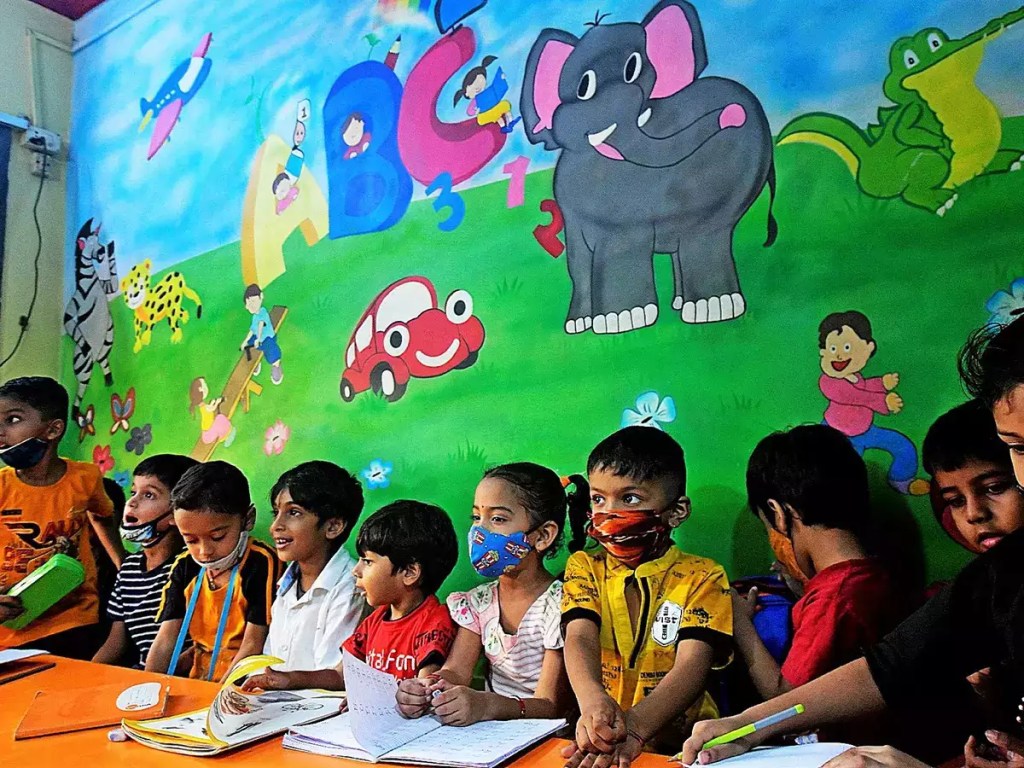
From Playground to Mind Playground: Psychological Struggles Amid Pre Primary Education.

Introduction:

In the journey of a child’s education, the pre-primary stage serves as a crucial foundation for their future development. Pre-primary education, often the first formal educational experience for young children, goes beyond the simple notion of a playground. It becomes a mind playground, where psychological struggles and challenges emerge alongside academic growth. This article explores the psychological impact of pre-primary education, shedding light on the various struggles faced by children during this transitional phase. By understanding these challenges, educators, parents, and caregivers can better support children’s emotional well-being, socialization skills, cognitive growth, and overall psychological development.

1. Introduction to Pre-Primary Education and its Psychological Impact.

a) The Importance of Early Education.

Starting school can be both an exciting and nerve-wracking experience for young children. Pre-primary education, also known as preschool or kindergarten plays a crucial role in a child’s development. It sets the foundation for their academic journey and shapes their social and emotional growth. It’s like the warm-up before the real workout, preparing young minds for the challenges ahead.

b) Understanding the Psychological Impact.

While pre-primary education is undeniably important, it’s essential to recognize the psychological impact it can have on children. Transitioning from the carefree days of the playground to the structured environment of a classroom can be overwhelming. Separation from parents or caregivers also adds another layer of emotional challenges. Understanding and addressing these psychological struggles is key to ensuring a smooth and positive educational experience for young learners.

2. The Challenges of Transitioning from Playground to Mind Playground.

a) Adapting to a Structured Learning Environment.

For children used to the free-spirited nature of the playground, adjusting to a structured learning environment can be like trying to fit a square peg into a round hole. Suddenly, they are expected to follow rules, sit still, and focus on tasks. It can feel restrictive and confining, leading to frustration and resistance. Patience and gentle guidance from educators are essential in helping children adapt and find their place in this new world of academic structure.

b) Coping with Separation from Parents or Caregivers.

Leaving the comfort of familiar faces, such as parents or caregivers, can trigger emotional turmoil for young children. Separation anxiety can make the transition into pre-primary education challenging. Tears, clinginess, and pleas for just “one more hug” are common sights during drop-off. It’s essential for educators to create a nurturing and welcoming environment that helps children feel safe and secure. Over time, with consistency and reassurance, children learn to cope with the separation and build their own sense of independence.

3. Emotional Development and Socialization in Pre-Primary Education.

a) Fostering Emotional Intelligence.

Pre-primary education provides a fertile ground for children to develop emotional intelligence. Learning to identify and manage their own emotions, as well as understanding and empathizing with others, is vital for their future well-being. By creating an atmosphere that encourages emotional expression and providing guidance on emotional regulation, educators play a crucial role in fostering emotional intelligence in young learners.

b) Developing Social Skills and Peer Relationships.

The playground may be a child’s first taste of social interaction, but pre-primary education takes it to a whole new level. It is in this setting that children learn important social skills, such as sharing, taking turns, and cooperating with others. Building positive relationships with peers is also a significant aspect of pre-primary education. Through play and structured activities, children develop crucial social skills that form the foundation for future friendships and collaborations.

4. Cognitive Development and Learning Experiences in Pre- Primary Education.

a) Stimulating Cognitive Growth through Playful Learning.

Preprimary education offers a plethora of learning experiences that stimulate cognitive growth. Through play-based activities and hands-on exploration, children develop their problem-solving skills, creativity, and critical thinking abilities. Educators embrace the power of play to ignite curiosity and create a positive learning environment where children can discover, experiment, and make connections.

b) Encouraging Critical Thinking and Problem-Solving.

Pre-primary education challenges young minds to think critically and solve problems independently. Engaging children in age-appropriate tasks that require them to analyze, evaluate, and find solutions allows them to develop these essential cognitive skills. By nurturing a growth mindset and providing support when needed, educators empower children to become confident and resourceful learners.

In conclusion, preprimary education is not just a stepping stone to formal schooling. It is a pivotal phase in a child’s life where they face and overcome psychological struggles, develop emotional intelligence, build social skills, and enhance cognitive abilities. By understanding and addressing these challenges, educators can create a nurturing environment that sets children up for success both academically and personally. So, let’s dive into the magical world of preprimary education and help our little ones thrive in their mind playground!

5. Addressing Anxiety and Separation Issues in Pre Primary Education.

a) Recognizing and Managing Separation Anxiety.

It’s the first day of pre-primary school, and your little one clings onto your leg like a koala on a eucalyptus tree. Separation anxiety is a common struggle for both children and parents during the early years of education. Recognizing the signs and knowing how to manage it can make this transition smoother for everyone involved.

Separation anxiety often manifests as tears, tantrums, and pleas for you not to leave. But fear not! There are strategies you can employ to help your child cope better with this situation. Gradual separation, building trust with the teacher, and maintaining a consistent routine are some effective ways to ease separation anxiety. And don’t worry, it usually gets easier with time as your child adjusts to the new routine and realizes that you will always come back.

b) Strategies for Reducing Anxiety in the Classroom.

Anxiety doesn’t just vanish when your child steps into the classroom. Many young learners experience anxiety during pre-primary education, but as educators, we have tools to help them feel more at ease in their new environment.

Creating a calm and welcoming classroom atmosphere can work wonders. Incorporating fun activities, providing clear expectations, and offering opportunities for creative expression can all contribute to reducing anxiety levels. It’s also essential to encourage open communication, so children feel comfortable expressing their fears and concerns. Remember, empathy and understanding go a long way in creating a safe space for your little learners.

6. Promoting Positive Mental Health and Well-being in Pre- Primary Education.
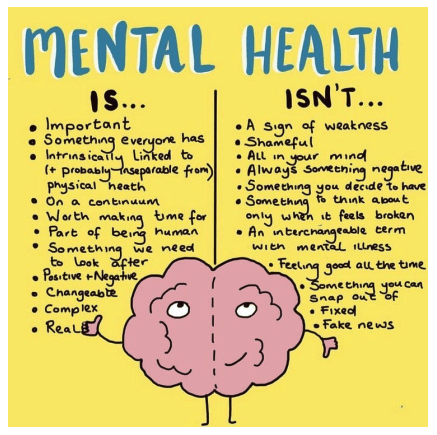
a) Creating a Supportive and Inclusive Learning Environment.

A positive mental health foundation starts with a supportive and inclusive learning environment. Pre-primary education is not just about ABCs and 123s; it’s also about nurturing the emotional well-being of our young learners.

Teachers play a crucial role in creating an environment where children feel valued and respected. Encouraging kindness, empathy, and celebrating diversity can help foster a sense of belonging. By promoting positive relationships and teaching children how to be good friends, we lay the foundation for a harmonious and supportive classroom.

b) Teaching Self-care and Emotional Regulation.

Pre-primary education is an excellent time to introduce the concept of self-care and emotional regulation. We all have emotions, and learning how to manage and express them appropriately is a valuable life skill.

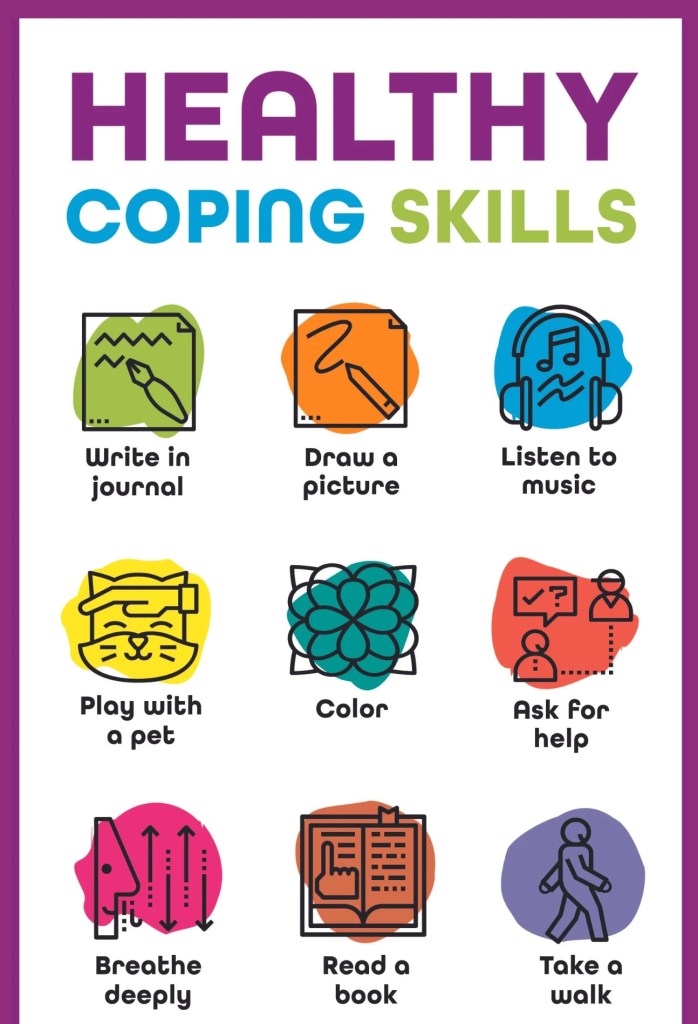
Incorporating mindfulness exercises, teaching deep breathing techniques, and providing opportunities for self-reflection can help children understand and regulate their emotions. Encouraging self-care activities such as drawing, reading, or playing outside can give children the tools to take care of themselves mentally and emotionally.

7. Enhancing Resilience and Coping Skills in Pre Primary Education.
a) Building Resilience through Challenges and Failures.

Life is full of ups and downs, and pre-primary education is no exception. Building resilience in children helps them bounce back when faced with challenges and failures.

Encouraging a growth mindset, where mistakes are seen as opportunities for growth, can foster resilience. Creating a classroom culture that celebrates effort, persistence, and problem-solving can empower children to view setbacks as stepping stones to success. Remember, it’s not about avoiding failure; it’s about learning from it.

b) Teaching Effective Coping Mechanisms.

Teaching children effective coping mechanisms equips them with the tools to navigate the inevitable challenges they’ll face throughout their lives. Pre-primary education is the perfect time to introduce and practice these skills.

Helping children identify and express their emotions is a crucial first step. Additionally, teaching problem-solving strategies, such as brainstorming solutions or seeking help from others, can empower children to tackle obstacles with confidence. And of course, a little humor goes a long way in lightening the load and promoting a positive outlook.

8. Parental Involvement and Support: Nurturing Psychological Growth in Pre Primary Education.

a) The Role of Parents in Supporting Psychological Development.

Parents, you’re not off the hook! Your involvement plays a vital role in supporting your child’s psychological development during their pre-primary education journey. You are their biggest cheerleader, after all.

Make time for open communication with your child, actively listen to their worries and triumphs, and provide reassurance when needed. Celebrate their achievements and encourage them to persevere through challenges. Remember, your support and belief in their abilities can go a long way in fostering their psychological growth.

b) Collaborating with Parents to Address Psychological Struggles.

Teachers and parents, unite! By working together, we can create a network of support for our little learners. Collaboration is key when it comes to addressing psychological struggles.

Establishing open lines of communication between teachers and parents allows for a holistic understanding of each child’s unique needs. Sharing observations, concerns, and strategies can ensure consistency and tailored support for the child. Remember, we’re all on the same team, working towards the growth and well-being of our young learners. In conclusion, recognizing and addressing the psychological struggles that arise during pre-primary education is essential for the holistic development of young children. By fostering emotional intelligence, facilitating socialization, promoting cognitive growth, and providing support systems, we can create a positive and nurturing environment for children to thrive. With the collaborative efforts of educators, parents, and caregivers, we can empower young minds to overcome challenges, build resilience, and embark on a successful educational journey. By prioritizing the psychological well-being of children in pre-primary education, we pave the way for a brighter future filled with confident, capable, and emotionally resilient individuals.

Frequently Asked Questions-

1. How can pre-primary education impact a child’s psychological development?

Pre-primary education plays a vital role in shaping a child’s psychological development. It introduces them to a structured learning environment, helps them adapt to separation from parents or caregivers, and fosters emotional, social, and cognitive growth. The experiences during this phase can significantly impact a child’s self-esteem, resilience, and overall well-being.

2. What are some common psychological struggles that children may face during pre-primary education?

Children may experience various psychological struggles during pre-primary education, such as separation anxiety, difficulty adapting to a more structured environment, socialization challenges, and increased academic expectations. These struggles can manifest through emotional distress, behavioral changes, or academic performance issues, necessitating support and intervention.

3. How can educators, parents, and caregivers support a child’s psychological well-being during pre-primary education?

Supporting a child’s psychological well-being during pre-primary education involves creating a nurturing and inclusive learning environment, teaching emotional intelligence and self-regulation skills, promoting socialization opportunities, and addressing anxiety or separation issues. Collaboration between educators, parents, and caregivers is key in providing the necessary support and guidance to help children navigate through these challenges successfully.

4. Why is it important to prioritize psychological development alongside academic growth?

Prioritizing psychological development alongside academic growth ensures that children receive a well-rounded education. By addressing their emotional, social, and cognitive needs, we foster resilience, promote healthy self-esteem, and equip them with the necessary skills to navigate future educational and life challenges effectively. Moreover, a focus on psychological well-being contributes to building a positive learning environment, where children can thrive and reach their full potential.

“Every Child You Encounter Is A Divine Appointment.”

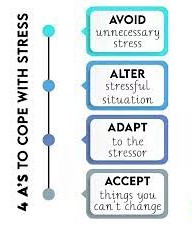
Every Teacher Should Be Aware Of Stress Management Techniques.

Teachers who do not understand how to effectively manage stress limit their ability to educate their students. Emotions are also important in decision-making. Overwhelm, anxiety, and frustration can all impair our ability to make sound decisions.

When the demands placed on you, such as work, school, or relationships, exceed your ability to cope, you experience stress. It can be a short-term reaction, such as being stuck in traffic or being late for school, or it can last for a long time if you’re dealing with relationship or money problems, the death of a loved one, or other serious situations. While some stress can be beneficial, such as stress that motivates you to study for an exam or perform well in a sporting event, untreated long-term stress has been linked to serious health issues such as depression, heart disease, obesity, and a weakened immune system.

According to a survey, women consistently report higher levels of stress than men. We don’t know if this is because women face more demands than men, such as taking on more family responsibilities, or because men and women experience stress differently. However, it is clear that chronic stress can have physical and emotional consequences if we do not find better ways to manage it.

Irritability, difficulty sleeping, changes in appetite, headaches, stomach aches, intestinal problems, nervousness, excessive worry, sadness or depression are all symptoms of stress. Stress can have an adverse effect on a woman’s ability to conceive, the health of her pregnancy, and how she adjusts after giving birth. It can also have an effect on menstruation and sexual desire, and it can aggravate premenstrual symptoms.

It may appear difficult for women juggling multiple responsibilities to find time to adequately manage stress. People who are under a lot of stress may try to cope by overeating or undereating, drinking alcohol, smoking, gossiping, or lying around the house. The good news is that there are effective stress management techniques. Here are some clever ways to cope:

Breathe Correctly.

Sensory overload can occur in the classroom. Before you know it, your heart rate is increasing, you’re breaking out in a sweat, and your mind is racing. The most effective first step you can take in these situations is to breathe deeply. So, it’s not the most recent technique, and it appears to be overly simple, right? When you’re stressed, breathe in deeply for four seconds (place your hands on your stomach and feel it expand out), then exhale evenly for four seconds. Maintain this for 2-3 minutes for maximum effect.

Accept the Stress.

Whether you believe stress is positive or negative, you are correct: viewing stress constructively will cause your body to respond differently and prevent long-term physical damage. Those who have negative attitudes towards stress, on the other hand, face a variety of negative health outcomes similar to those caused by smoking. So, how do you alter your attitude towards stress? Reframing changes in heart rate and other stress-related physical symptoms with phrases such as “This is my body helping me rise to this challenge.”

Imperfect Yourself.

Those who are overly stressed and unhappy often have one thing in common: they believe they should be someone better than they are. As a result, today’s working-age population is the most obese, addicted, and indebted in history. Teachers are frequently prone to perfectionism and its negative consequences: they frequently believe that they are not doing enough, or that their mistakes are magnified due to the importance of their job. Fight back if you find yourself feeling this way. The truth is that you are already “enough,” and you deserve to be loved and praised. Don’t forget about it.

First Aid for Emotions.

Do you criticise yourself when you fail or make a mistake? It would be like getting a cut and then finding ways to aggravate the wound. We don’t do that when we’re in physical pain, so why do we dwell on mistakes and aggravate the wound when we’re in emotional pain? Finding ways to break negative thought patterns is recommended if you find yourself taking your classroom work home with you. Sometimes a two-minute distraction is all that is required to avoid getting stuck in an emotional rut.

Be Thankful.

This isn’t about delusion or forcing yourself to be grateful for things that are clearly negative, but rather about a determination to see the opportunity to move in a new direction present in each moment. The formula is simple: “Stop, look, go.” We must pause, quiet our minds, and create “stop signs”—miniature reminders of things for which we should be grateful every day. By “look,” I mean to open all of your senses and simply enjoy life. “Go” means to move forward and take advantage of what life has to offer at any given time.

“Grass is Greener” Thinking.

“The greenest grass grows where it is watered.” It’s not always what you want to hear on a bad day, but the reality is that you will face difficulties wherever you go.

Work Smarter rather than Harder.

It’s easy to conflate exhaustion and burnout with hard work. Working hard and doing good work does not have to leave you exhausted and tense. Consider delegating some of your work or investing in tools or technologies that will make your life easier.

Connect with Someone.

When you connect with another person, your body produces oxytocin, a chemical that aids in heart repair. And you don’t even have to be on the receiving end: helping someone else has the same effect. Teachers already devote a significant amount of time to this, but it is also critical to cultivate relationships with colleagues, neighbours, and friends. Except for those who reported caring for others, who experienced NO such effects, major stressful life events are generally strongly linked with negative health outcomes. You are much less likely to experience the negative effects of stress if you help your neighbours, family, and so on. Friends and family members who have faced similar challenges may have useful ideas and perspectives to share. There is no reason to face difficult life circumstances alone. Indeed, support from family or friends may help you begin and maintain better self-care.

Keep track of your stressors. Keep a journal to track which situations cause you the most stress and how you deal with them. Keep a journal of your thoughts, feelings, and observations about the environment, including the people and circumstances involved, the physical setting, and your reactions. Taking notes can help you identify patterns in your stressors and reactions to them, allowing you to develop a stress management strategy.

Set boundaries. Make a list of the projects and commitments that are causing you stress. Determine which commitments are priorities and eliminate anything unnecessary. Accept no more commitments until you feel your stress is under control. Limiting non-essential obligations is essential for reducing chronic stress.

Make one health-related pledge. Do everything you can to improve your health so that you have the energy and strength to face the challenges you face. One small step, such as reducing excessive snacking, can have a big impact. Similarly, a brisk walk or other aerobic activity can boost your energy and concentration while decreasing anxiety. Physical activity boosts the production of feel-good endorphins while decreasing the production of stress hormones.

Control your devices. People who report constantly checking their email or social media tend to be more stressed. Take a break over the weekend and in the evenings. Before you go to bed, put your phone away.

Improve the quality of your sleep. Women who are chronically stressed frequently experience insufficient sleep and, in some cases, stress-induced insomnia. Begin winding down an hour or two before bedtime by engaging in calming activities such as listening to relaxing music, reading a good book, or practising relaxation techniques such as meditation.

Seek Additional Assistance. Yes, this is permissible. There will be times when you need help, no matter how long you’ve been teaching or how brilliant you are. Asking for help does not make you weaker; rather, it makes you more effective at your job. If you are still feeling overwhelmed or having difficulty getting through your daily routine, seek the assistance of a mental health professional, such as a psychological counsellor. Psychological counsellors are trained to assist you in developing effective stress management strategies and making changes to help improve your overall health.

Making lesson plans, ensuring classroom discipline, pressure from parents and management, a lack of administration support, annual education system upgrades, and now the challenge of streamlining with online classes; being a teacher is not an easy job.

Another challenge for teachers is stress management. Teaching nowadays requires more intelligence, energy, and planning, but that doesn’t mean you can’t do it. Teaching is becoming more popular in the modern world as a noble profession and one of the best jobs.

Plan Ahead of Time.

The stress of lesson planning, meeting the syllabus’s deadline, and preparing the class for exams may feel like a burden on your mind. Still, it can be made easier by planning ahead of time, even at the start of the session. So, first go through the entire course, make a list of the lessons, count the number of working days and holidays in your calendar, and assign dates to each lesson. Then, stay on schedule and teach according to your lesson plan.

Remember to schedule days for revision, homework, class tests, and copy correction for each lesson. For example, if you have 24 lessons on the curriculum this year and 250 classroom days, you can assign each lesson 5-6 days. Maintain flexibility in this plan by allowing more time to complete a lesson if it is longer, more difficult, or if students want more time.

Every holiday, set aside an hour to plan classroom instruction and lesson plans. Searching for answers to questions in class, students being undisciplined as a result of being unattended, and making students read the lesson again and again because you are not prepared with additional notes; all of these things add to your mental stress. So, plan ahead of time.

Make Learning Enjoyable.

When teaching and learning follow the same routine and schedule every day, it becomes monotonous. So, while the class time cannot be altered, your classroom management strategies can. Surprising your students by announcing in class that there will be no teaching but only activity that day can work wonders. Depending on the circumstances, you can choose an outdoor activity, a classroom activity, or an online activity.

If you are a science teacher, take them outside to demonstrate plants and their roots, flowers, insects, and the processes of evaporation, gravitational force, water cycle, photosynthesis, and so on. If you are a maths teacher, use pebbles and leaves to teach them counting, multiplication, and division. All of this should be done at your end and shown to your students online if you are teaching online. If you teach a language, have them write their dream story, and so on. You can relax your mind by developing interesting teaching techniques, such as classroom games.

Feed Yourself.

More stress necessitates more energy, and more energy necessitates more nutrition. Hydrate yourself and provide your body with the minerals and vitamins it requires. Maintain a supply of roasted dry fruits, sprouts, fruit salads, smoothies, refreshing candies, energy seeds, and nutritional munchies on hand. If you have a long session or are feeling down, eat them. For active mode, avoid oily and spicy foods and switch to a healthy diet. Don’t forget that stress management is about learning how to deal with stress and how an energetic body can deal with it effectively.

Recharge your Mind and Body.

Another important consideration is to refresh your mind and body. Take a 5-minute break in between classes. For example, a 60-minute class can be divided into three 15-minute segments, with a 5-minute break after each 15-minute segment. Allow students to drink water, take deep breaths, and even lie down on the table to relax or perform a small activity such as telling them a joke or a short story related to the lesson. This will make the environment more pleasant for both teachers and students.

Relax your mind and body with a head massage, hair spa, bubble bath, dance session, and yoga classes. You can also learn about stress management exercises and practise them twice or three times per week.

Make an Atmosphere.

Last but not least, as a teacher, you must create an environment. If you are a teacher teaching student online, choose a teaching corner and adjust the table and chair to your height. Before beginning the class, check the internet connection, the condition of the device, and the lesson plans, among other things. If you don’t find your students responsive in class, connect with them, remember their names, and ask them about the problem. Create a student-teacher bond with each student. Make them respond positively by attracting them with engaging classroom activities and lucrative keynote speeches. Before beginning each lesson, explain why it is important for them to learn that particular lesson.

So, these are some stress-relieving techniques for teachers that will assist them in dealing with stress and growing as educators.

“The One Profession That Creates All Other Professions Is TEACHING.”

Really, an Eating Disorder?

Eating disorders are serious, biologically influenced medical illnesses characterised by significant disruptions in one’s eating behaviours. Although many people are concerned about their health, weight, or appearance on a regular basis, some people become fixated or obsessed with weight loss, body weight or shape, and food control. These could be symptoms of an eating disorder.

Eating disorders are not something that can be avoided. These disorders can have an impact on both physical and mental health. They can be life-threatening in some cases. However, with treatment, people can recover completely from eating disorders.

Who is in danger?

People of all ages, racial/ethnic backgrounds, body weights, and genders can suffer from eating disorders. Although eating disorders are most common in adolescence or early adulthood, they can develop in childhood or later in life (40 years and older). People suffering from eating disorders may appear healthy but are in fact very sick.

Although the exact cause of eating disorders is unknown, research suggests that a combination of genetic, biological, behavioural, psychological, and social factors can increase a person’s risk.

High perfectionism, impulsivity, harm avoidance, reward dependence, sensation seeking, neuroticism, and obsessive-compulsiveness are common personality traits associated with eating disorders (ED), as are low self-directedness, assertiveness, and cooperativeness.

Stressful events in life can cause disordered eating as a coping mechanism. People who have experienced a job loss, the death of a loved one, financial difficulties, relationship problems, or other stressors may turn to food for comfort. Alternatively, they could devise a strict diet.

Certain factors may raise one’s chances of developing an eating disorder:

  • A family tree. People who have parents or siblings who have had eating disorders are much more likely to develop an eating disorder.
  • Other mental health problems.
  • Dieting and fasting.
  • Stress.

Eating disorders are classified into several categories.

Anorexia nervosa, bulimia nervosa, binge-eating disorder, and avoidant restrictive food intake disorder are examples of common eating disorders. Each of these disorders is characterised by distinct but sometimes overlapping symptoms. People who exhibit any of these symptoms may have an eating disorder and should be evaluated by a medical professional.

Anorexia Nervosa.

Anorexia is a serious mental health condition as well as an eating disorder. Anorexics try to maintain their weight as low as possible by not eating enough food or exercising excessively, or both. They may become very ill as a result of this because they begin to starve. They may also weigh themselves several times. Even if they are dangerously underweight, they may perceive themselves to be overweight.

Anorexia nervosa is classified into two subtypes: restrictive and binge-purge.

Restrictive: People with anorexia nervosa’s restrictive subtype severely limit the amount and type of food they consume.

Binge-Purge: People with anorexia nervosa’s binge-purge subtype also severely restrict the amount and type of food they consume. Furthermore, they may have binge-eating and purging episodes, in which they eat a large amount of food in a short period of time followed by vomiting or using laxatives or diuretics to get rid of what they ate.

Anorexia nervosa symptoms include:

  • Extreme calorie restriction and/or intense and excessive exercise.
  • Extreme slenderness (emaciation).
  • An obsession with thinness and an unwillingness to maintain a normal or healthy weight.
  • Intense fear of gaining weight.
  • Body or self-image distortion caused by perceptions of body weight and shape.
  • Denial of the gravity of underweight.

Anorexia nervosa can have a number of serious health consequences over time:

  • The bones are thinning (osteopenia or osteoporosis).
  • Anemia is mild.
  • Muscle atrophy and weakness.
  • Hair thinning or hair loss.
  • Skin that is dry and yellowish.
  • Itching.
  • Fine hair growth all over the body (lanugo).
  • Constipation is severe.
  • Blood pressure is low.
  • Breathing and pulse rate have slowed.
  • Damage to the heart’s structure and function.
  • Internal body temperature drops, causing a person to feel cold all of the time.
  • Lethargy, sluggishness, or persistent tiredness.
  • Infertility.
  • Damage to the brain.
  • Failure of multiple organs.

Anorexia nervosa is potentially fatal. When compared to other mental disorders, it has an extremely high death (mortality) rate. Anorexics are at risk of dying from medical complications related to starvation. Suicide is the second leading cause of death in anorexia nervosa patients.

Bulimia Nervosa.

Bulimia nervosa is a disorder in which people have recurring episodes of eating unusually large amounts of food and feeling out of control of their eating. This binge eating is followed by compensatory behaviours such as forced vomiting, excessive use of laxatives or diuretics, fasting, excessive exercise, or a combination of these behaviours. People with bulimia nervosa, unlike those with anorexia nervosa, can be normal or overweight.

Symptoms of bulimia nervosa include:

  • Chronically inflamed and painful throat.
  • Salivary glands in the neck and jaw are swollen.
  • Worn tooth enamel and increasingly sensitive and decaying teeth as a result of vomiting-induced stomach acid exposure.
  • Other gastrointestinal issues, such as acid reflux.
  • Laxative abuse causes intestinal distress and irritation.
  • Purging causes severe dehydration.
  • Electrolyte imbalance (too little or too much sodium, calcium, potassium, and other minerals) can result in stroke or heart attack.

Binge eating syndrome.

Binge-eating disorder is a condition in which people lose control of their eating and experience recurring episodes of eating abnormally large amounts of food. In contrast to bulimia nervosa, binge eating is not followed by purging, excessive exercise, or fasting. As a result, people suffering from binge eating disorder are frequently overweight or obese.

Binge eating syndrome:

  • Eating unusually large amounts of food in a short period of time, such as two hours.
  • During binge episodes, eating quickly.
  • Eating even when not hungry or full.
  • Eating until you’re stuffed.
  • To avoid embarrassment, eat alone or in private.
  • Eating causes, you to feel distressed, ashamed, or guilty.
  • Dieting frequently, possibly without weight loss.

Disorder of avoidant restrictive food intake.

ARFID (avoidant restrictive food intake disorder), formerly known as selective eating disorder, is a condition in which people restrict the amount or type of food they eat. People with ARFID, unlike those with anorexia nervosa, do not have a distorted body image or an extreme fear of gaining weight. ARFID is most common in middle childhood and typically manifests itself earlier than other eating disorders. Many children go through picky eating phases, but a child with ARFID does not consume enough calories to properly grow and develop, and an adult with ARFID does not consume enough calories to maintain basic body function.

ARFID symptoms include:

  • Restriction of the types or amount of food consumed.
  • a lack of appetite or food interest.
  • Significant weight loss.
  • No other known cause of upset stomach, abdominal pain, or other gastrointestinal issues.
  • A limited selection of preferred foods that becomes even more limited (“picky eating” that worsens over time).

Dysmorphia of the Muscles.

Muscle dysmorphia, unlike most eating disorders, affects more men than women. A disruptive obsession with musculature and physique characterises the disorder. The individual will become obsessed with achieving the ‘ideal’ form of musculature.

Eating disorders are treatable.

Eating disorders can be successfully treated. Early detection and treatment are critical for complete recovery. Suicide and medical complications are more likely in people with eating disorders.

A person’s family can play an important role in their treatment. Family members can encourage someone who is struggling with eating or body image issues to seek help. They can also offer support during treatment and be an invaluable ally to both the individual and the health care provider. According to research, involving the family in eating disorder treatment can improve treatment outcomes, particularly for adolescents.

Eating disorder treatment plans:

  • Restoring proper nutrition.
  • Getting back to a healthy weight.
  • Excessive exercise should be avoided.
  • Stopping binge-eating and binge-purge behaviours.

Psychotherapy: A mental health professional can advise you on the most appropriate psychotherapy for your situation. Cognitive behavioural therapy helps many people with eating disorders (CBT). This type of therapy assists you in understanding and changing distorted thought patterns that drive your behaviours and emotions.

The Maudsley approach: This type of family therapy assists parents of anorexic teenagers. Parents actively guide their children’s eating habits as they develop healthier habits.

Medications: Some people with eating disorders also have anxiety or depression. These conditions can be improved by taking antidepressants or other medications. As a result, your perceptions of yourself and food improve.

Nutritional counselling: A registered dietitian with eating disorder training can assist in improving eating habits and developing nutritious meal plans. This expert can also provide advice on grocery shopping, meal planning, and preparation.

The best treatment approach is frequently a collaboration of all of these professionals to achieve a comprehensive treatment that addresses the physical, mental, and behavioural aspects.

Avoid:

If eating disorders run in your family, being aware of the warning signs is a good place to start in order to catch the problem early. Prompt treatment can help to break unhealthy eating habits before they become more difficult to break. You can also reduce your chances of developing an eating disorder by seeking treatment for issues such as depression, anxiety, and OCD.

Eat healthily and avoid referring to food as “good or bad” to set a good example for your family. Do not diet, discuss dieting, or make disparaging remarks about your body.

A word about health:

Eating disorders are a serious issue that can have a negative impact on both your mental and physical health. Don’t be embarrassed to seek help if you believe you have an eating disorder. Every day, millions of people struggle with an eating disorder. You can get better with proper medical care and mental health counselling. Years of living with an untreated eating disorder can harm your physical health and even lead to death. Talking to your healthcare provider is the first step toward protecting your health.

Emotional Appeal (Emotional Blackmail)

Emotional blackmail, like traditional blackmail, involves someone attempting to obtain something from you. Instead of using your secrets against you, they use your emotions to manipulate you.

Emotional blackmail is the process by which an individual makes demands and threatens another person in order to manipulate them into giving them what they want. It is a form of psychological abuse that harms the victims. Their demands are frequently designed to control a victim’s behaviour in unhealthy ways.

This type of blackmail is as serious as physical abuse because it leaves the victim feeling less than themselves, with low self-esteem, in a fog of fear, obligation, guilt, and a slew of other emotional and psychological imbalances.

People with borderline personality disorder are more likely to resort to emotional blackmail (as too are destructive narcissists). Their actions, however, may be impulsive and motivated by fear and a desperate sense of hopelessness, rather than the result of any deliberate plan.

Severe emotional abuse can be just as harmful as physical abuse, contributing to depression and low self-esteem. Chronic conditions such as fibromyalgia and chronic fatigue syndrome may be exacerbated by emotional abuse. Emotional abuse occurs when one person uses fear, humiliation, and other isolating tactics to manipulate another. It’s critical to recognise this behaviour early on so you can help yourself or a loved one.

You should ignore your manipulator and refrain from reacting to everything they say. They have researched your triggers and anticipate that you will respond to their bait. If you keep ignoring them, they will eventually come around or leave your life.

Emotional blackmail goes through several stages:

Demand.

A demand is made in the first stage of emotional blackmail. “I don’t think you should hang out with so-and-so anymore,” the person may say explicitly. They could also make it more subtle. When you see that friend, they pout and sarcastically speak (or not at all). “I don’t like how they look at you,” they say when you ask what’s wrong. They don’t seem to be good for you.” Sure, they disguise their demand as concern for you. However, it is still an attempt to exert control over your choice of friend.

Resistance.

If you refuse to do what they want, they will most likely push back. “You’re not insured, so I’m not comfortable letting you drive my car,” you could say directly. If you’re concerned about how they’ll react to a flat refusal, you could resist more subtly by:

  • I forgot to put gas in the car.
  • Leaving your keys at home.
  • I’m not saying anything and hoping they’ll forget.

Pressure.

In healthy relationships, people still express their needs and desires. When you express resistance in a normal relationship, the other person usually responds by dropping the issue or making an effort

to find a solution together. A blackmailer will put you under pressure to meet their demand in a variety of ways, including:

  • Reiterating their demand in a way that makes them appear good (for example, “I’m only thinking of our future”).
  • List the ways in which your resistance harms them.
  • “If you really loved me, you’d do it,” she says.
  • You are being criticised or degraded.

Threats.

Threats can be direct or indirect in emotional blackmail:

Direct danger. “I won’t be here when you get back if you go out with your friends tonight.”

Indirect danger. “If you are unable to stay with me tonight when I require you, perhaps someone else will.”

They may also disguise a threat as a positive promise: “If you stay home tonight, we’ll have a much better time than you would if you went out.” This is critical to our relationship.”

While this may not appear to be a serious threat, they are still attempting to manipulate you. While they do not explicitly state the consequences of your refusal, they do imply that continuing to resist will harm your relationship.

Compliance.

Of course, you don’t want them to follow through on their threats, so you give up and surrender. You may be wondering if your opposition to their request was justified. Compliance can be a gradual process as they wear you down with pressure and threats over time. When you give up, chaos gives way to peace. They have what they want, so they may appear especially kind and loving, at least for the time being.

Repetition.

When you demonstrate to the other person that you will eventually concede, they will know exactly how to handle similar situations in the future. The process of emotional blackmail teaches you over time that it is easier to comply than to face constant pressure and threats. You may come to accept that their love is conditional, that they will withhold it until you agree with them. They may even discover that a specific type of threat expedites the job. As a result, this pattern is likely to continue.

Typical examples:

While emotional blackmailers frequently employ a variety of tactics, their actions generally fall into one of four categories:

Punishers. Someone employing punishment tactics will say what they want and then threaten you with what will happen if you do not comply. This frequently involves direct threats, but punishers can also manipulate through aggression, anger, or silence. As an example, as you walk in, your partner approaches you and kisses you. “Today I made a huge sale!” Let us rejoice. “Dinner, dancing, romance,” they tease with a wink. You exclaim, “Congratulations!” “However, I’m exhausted.” I intended to take a long bath and unwind. “How about next week?” Their mood shifts in an instant. They sulk down the corridor, slamming doors in their path. They refuse to respond when you follow them and try to talk to them.

Self-punishers. Threats are also used in this type of emotional blackmail. Self-punishers, on the other hand, explain how your resistance will harm them rather than threaten you:

  • “I’m going to lose my car tomorrow if you don’t lend me money.”
  • “We’ll be homeless if you don’t let us live with you.” Consider your nephews! Who knows what will become of them? “Do you want to put up with that?”

People who use self-punishment tactics may spin the situation to make it appear as if their problems are your fault in order to make you feel more inclined to accept responsibility and assist them.

Sufferers. A sufferer will frequently express their feelings without using words. If they believe you have slighted them or want you to do something for them, they may remain silent and express their dissatisfaction with expressions such as:

  • Sadness or depression, manifested by frowns, sighs, tears, or moping.
  • Discomfort or pain.

They may also give you a detailed account of everything that has contributed to their misery. As an example:

“You mentioned to a friend last week that you were looking for a roommate for your empty bedroom and attached bath.” “Why don’t you let me stay there for free?” suggested your friend. You laughed it off, thinking it was a joke.

They sobbed when they called you today.

“I’m so depressed. “I can hardly get out of bed,” they complain. “First it was that horrible breakup, and now it’s my miserable co-workers, but I can’t quit because I have no savings.” All I want is for something good to happen. I can’t keep going like this. If I could just find somewhere to stay for a while where I wouldn’t have to pay rent, I’m sure I’d feel a lot better.”

Tantalizers. Some forms of emotional blackmail appear to be kind gestures. A tantalizer offers praise and encouragement while holding rewards over your head in order to get something from you. But every time you clear one obstacle, another appears. You are unable to keep up. One day, your boss tells you, “Your work is excellent.” “You have exactly the qualities I seek in an office manager.” They inform you quietly that the position will be available soon. “Can I rely on you until that time?” You’re overjoyed. Your boss keeps asking more of you, so you stay late, skip lunch, and even come in on weekends to keep up. The office manager resigns, but your boss makes no further mention of the promotion. They snap at you when you finally ask about it. “Can’t you see how occupied I am?” Do you believe I have enough time to hire an office manager? “I was expecting more from you,” they say.

Characteristics and patterns-

Addictions. Addicts frequently believe that having control is the key to achieving success and happiness in life. People who follow this rule do so as a survival skill, having learned it as a child. No one can back them into a corner with their feelings as long as they make the rules.

Illness of the mind. People with certain mental illnesses, such as paranoid personality disorder, borderline personality disorder, and narcissistic personality disorder, are predisposed to controlling behaviour.

People with borderline personality disorder are more likely than destructive narcissists to use emotional blackmail.

Their actions, however, may be impulsive and motivated by fear and a desperate sense of hopelessness, rather than the result of any deliberate plan.

Codependency. Codependency frequently involves putting one’s own needs second while being overly concerned with the needs of others. Codependency can manifest itself in any type of relationship, including family, work, friendship, romantic, peer, or community relationships.

Children and Affluenza. Affluenza is a type of status insecurity caused by obsessively keeping up with the Joneses, a pattern of childhood training in which sufferers were taught to compare themselves to others “As toddlers, they were subjected to emotional blackmail. Their mothers’ love becomes conditional on them demonstrating behaviour that achieves parental objectives.”

Training in assertiveness. Assertiveness training encourages people not to engage in pointless back-and-forth or power struggles with the emotional blackmailer, but rather to repeat a neutral statement, such as “I can see how you feel that way,” or, if pressed to eat, to say “No thank you, I’m not hungry.” They are taught to keep their statements within certain parameters so that they do not succumb to coercive nagging, emotional blackmail, or bullying.

How to react to it.

If you believe you are the victim of emotional blackmail, there are a few things you can do to respond productively. Some people learn blackmail techniques (such as guilt trips) from their parents, siblings, or former partners. These behaviours become a reliable method of meeting needs. Others may use emotional blackmail on purpose. If you don’t feel comfortable confronting the person, you might want to skip these steps (more on what to do in this scenario later).

To begin, identify what isn’t emotional blackmail.

You may want to resist when a loved one’s needs or boundaries cause you frustration or discomfort. Everyone, however, has the right to express and restate boundaries as needed. When pressure, threats, and attempts to control you are used, it is only emotional blackmail. Projecting feelings and memories from the past can make a current situation appear to be blackmail.

When we respond to someone out of fear or insecurity, believing that saying no or setting boundaries will result in rejection, we are engaging in emotional blackmail. However, that could be an inaccurate prediction of what would occur.

Maintain your cool and stall.

Someone attempting to manipulate you may press you to respond immediately. When you’re upset and afraid, you may succumb before fully considering other options. This is one of the reasons why blackmail works. Instead, remain as calm as possible and inform them that you require additional time. Try something like, “I can’t decide right now.” I’ll think about it and get back to you later.” They may continue to press you to make a decision right away, but don’t give in (or rise to threats). Repeat calmly that you require time.

Begin a conversation. The time you buy yourself can aid in the development of a strategy. Your approach may be influenced by the circumstances, such as the behaviour and the demand.

First, consider your personal safety. You can engage in a conversation if you feel emotionally and physically safe doing so. Many blackmailers are well aware of what they are doing. They simply want their needs met, regardless of the cost to you. Others simply see their behaviour as a strategy for achieving their goals and are unaware of how it affects you. A conversation can help raise their awareness in this situation. Describe how their words or actions make you feel. Give them the chance to change their ways.

Determine your triggers. Someone attempting to manipulate you is likely to know exactly how to push your buttons. If you dislike arguing in public, for example, they may threaten to cause a commotion. Understanding the fears or beliefs that give the blackmailer power can provide an opportunity to reclaim that power. This makes it much more difficult for the other person to use them against you. In this same example, it could mean recognising that public debates irritate you and devising a standard response to this threat.

Involve them in the compromise. When you offer the other person the opportunity to assist you in finding an alternative solution, your refusal may appear less harsh. Begin with a statement that validates their feelings, and then invite them to collaborate on problem-solving. “I’m hearing you’re upset because I’m away with my friends this weekend.” “Could you explain why you’re so frustrated?” This demonstrates to the other person that you care about how they feel and that you are willing to work with them.

Finally, the bottom line.

Sarcasm, relationship tests, unjustified blame, implied threats, and the fear, obligation, and guilt they instil in you are all characteristics of emotional blackmail. Giving in may appear to be the best way to keep the peace, but doing so frequently leads to further manipulation.

You may be able to reason with the person in some cases, but in others, it may be best to end the relationship or seek help from a trained therapist.