Factors Affecting Student Engagement in Education.

Student disinterest in academic studies is a pervasive issue that can have profound implications on educational outcomes and personal development. Understanding the root causes of this disengagement is crucial in crafting effective strategies to reignite student passion for learning. In this article, we delve into the multifaceted factors influencing student engagement, examining both external influences such as societal dynamics and internal barriers including self-efficacy and fear of failure. By exploring the role of educators and highlighting successful interventions, we aim to provide a comprehensive overview of how to crack the code of student disinterest and cultivate a culture of academic curiosity.

1. Introduction: Understanding the Issue of Student Disinterest.

a) The prevalence of student disinterest in academic studies.

Student disinterest in academic studies is a common issue that educators face. Many students often struggle to find motivation and enthusiasm for their schoolwork, leading to a lack of engagement in learning.

b) The impact of disengagement on academic performance.

When students are disinterested in their studies, it can have a significant impact on their academic performance. Disengagement can lead to lower grades, decreased participation in class, and a lack of overall progress in learning.

2. Factors Influencing Student Engagement in Academic Studies.

a) Social factors affecting student motivation.

Social factors, such as peer relationships, family support, and the school environment, can play a significant role in influencing student motivation. A positive social network can enhance student engagement, while negative social interactions can contribute to disinterest in academics.

b) Psychological factors contributing to student disinterest.

Psychological factors, including self-esteem, self-efficacy, and mental health, can also contribute to student disinterest in academic studies. Students may struggle with feelings of inadequacy or lack of confidence, which can impact their motivation to learn.

3. Impact of External Influences on Student Motivation.

a) Family dynamics and their influence on student engagement.

Family dynamics, including parenting styles, socioeconomic status, and family expectations, can have a profound impact on student engagement in academics. Supportive family environments can foster motivation, while negative family dynamics can hinder student interest in learning.

b) Cultural and societal factors affecting student interest in academics.

Cultural and societal influences, such as media representation, societal norms, and cultural attitudes towards education, can also impact student interest in academics. Students from diverse backgrounds may face unique challenges that influence their motivation to engage in learning.

4. Addressing Internal Barriers to Student Interest.

a) Self-efficacy and its role in shaping student motivation.

Self-efficacy, or one’s belief in their ability to succeed, plays a crucial role in shaping student motivation. Educators can help students build self-efficacy by providing opportunities for success and fostering a growth mindset.

b) Overcoming fear of failure and promoting a growth mindset.

Fear of failure can be a significant barrier to student interest in academics. By promoting a growth mindset, where students view challenges as opportunities for growth and learning, educators can help students overcome their fear of failure and become more engaged in their studies.

5. The Role of Educators in Cultivating Student Engagement.

a) Creating a supportive learning environment.

Educators play a crucial role in creating a supportive learning environment that fosters student engagement. By showing empathy, understanding, and being approachable, teachers can make students feel comfortable and motivated to participate actively in their academic journey.

b) Utilizing innovative teaching methodologies to spark interest.

Incorporating innovative teaching methodologies can be a game-changer in sparking students’ interest in academics. From gamification to project-based learning, educators have a plethora of tools at their disposal to make learning more engaging and meaningful for students.

6. Strategies for Fostering a Culture of Academic Curiosity.

a) Promoting interdisciplinary studies and real-world applications.

Encouraging interdisciplinary studies and showcasing real-world applications of academic concepts can pique students’ curiosity and show them the relevance of what they are learning. Making connections between different subjects and their practical implications can inspire a deeper interest in academics.

b) Encouraging student autonomy and self-directed learning.

Empowering students to take ownership of their learning journey through autonomy and self-directed learning can be a game-changer in fostering a culture of academic curiosity. When students have the freedom to explore topics that interest them and drive their learning process, they are more likely to stay engaged and motivated.

7. Case Studies and Success Stories in Rekindling Student Passion.

a) Examples of effective interventions to reignite student interest.

Exploring real-life examples of effective interventions that have successfully reignited student interest in academics can provide valuable insights for educators. From mentorship programs to personalized learning approaches, these case studies can offer inspiration and practical strategies to rekindle student passion.

b) Testimonials from students who have overcome disinterest in academics.

Listening to testimonials from students who have successfully overcome their disinterest in academics can be a source of motivation and encouragement for others facing similar challenges. These success stories can showcase that with the right support and strategies, it is possible to reignite passion for learning.

8. Conclusion: Building a Sustainable Framework for Student Motivation.

a) Summary of key strategies for sustaining student engagement.

In conclusion, building a sustainable framework for student motivation requires a combination of creating a supportive environment, utilizing innovative teaching methodologies, promoting curiosity through interdisciplinary studies, empowering student autonomy, and drawing inspiration from successful interventions and testimonials.

b) Recommendations for future research and initiatives in this area.

Moving forward, it is essential to continue researching and implementing initiatives that focus on sustaining student engagement in academic studies. By staying abreast of the latest research findings and exploring new strategies, educators can further enhance their ability to cultivate student interest and motivation in the long run. In conclusion, fostering student motivation and interest in academic studies requires a holistic approach that addresses both external influences and internal barriers. By prioritizing supportive learning environments, innovative teaching methodologies, and a focus on student autonomy, we can build a sustainable framework for sustaining student engagement. Through continued research and collaborative efforts, we can empower students to overcome disinterest and cultivate a lifelong love for learning.

Promoting Mental Health and Wellness in Schools through Counsellors.

Promoting mental health and wellness in schools is a critical component of fostering a supportive and nurturing learning environment for students. School counsellors play a pivotal role in addressing the mental health needs of students, offering individualized support, guidance, and intervention when necessary. In this article, we will explore the various ways in which school counsellors contribute to the promotion of mental health within educational settings. From implementing comprehensive mental health programs to collaborating with teachers and administrators, school counsellors are instrumental in creating a culture of emotional well-being and resilience among students.

The Role of School Counsellors in Promoting Mental Health.

Understanding the Role of School Counsellors.

School counsellors are like the Gandalf’s of the education world, except instead of magic wands, they wield listening skills, empathy, and a treasure trove of strategies to support students’ mental well-being. These unsung heroes help create a safe space for students to express their thoughts and feelings, navigate challenges, and develop crucial coping mechanisms.

Delivering Individual and Group Counseling Sessions.

Think of school counsellors as the therapists of the school setting, without the intimidating couch and the silence that feels heavier than a stack of textbooks. They conduct one-on-one sessions to provide personalized support and also lead group sessions where students can bond over shared experiences and learn from one another.

Implementing Comprehensive Mental Health Programs in Schools.

Designing Mental Health Curriculum and Resources.

School counsellors are the brains behind crafting mental health programs that seamlessly fit into the school curriculum. From interactive workshops on stress management to resources on mindfulness exercises, they ensure that mental health education becomes as essential as acing that math test.

Establishing Mental Health Awareness Campaigns and Events.

Picture this: school hallways adorned with colourful posters promoting mental health awareness events and campaigns organized by school counsellors. These events not only break the stigma surrounding mental health but also create a buzz that encourages students to open up about their struggles.

Providing Emotional Support and Guidance to Students.

Building Trust and Rapport with Students.

School counsellors are masters at turning the school’s corridors into trust-building zones. By establishing genuine connections with students, they create a safe harbour where students feel comfortable sharing their worries, personal doubts and issues, fears, and dreams without the fear of judgment.

Offering Confidential Support and Encouragement.

Confidentiality is the bread and butter of school counsellors. Students can spill their deepest secrets, worries, and hopes knowing that it stays between them and the counsellor. Add a sprinkle of encouragement and a dash of empowerment, and you’ve got a recipe for positive change.

Collaborating with Teachers and Administrators for Holistic Support.

Creating a Multi-Disciplinary Support Team.

School counsellors are the maestros orchestrating a symphony of support by collaborating with teachers and administrators. Together, they form a multi-disciplinary team that tackles student well-being from all angles, ensuring no student is left to navigate their struggles alone.

Participating in Student Intervention and Support Meetings.

When the academic seas get stormy for students, school counsellors don their life jackets and join intervention and support meetings to chart a course for success. By providing insights into students’ mental health needs, they help tailor interventions that set students on the path to smoother sailing.

Addressing Mental Health Stigma and Increasing Awareness.

In the quest to boost mental health and wellness in schools, countering stigma and raising awareness are key players. By educating students, parents, and staff on mental health matters, we pave the way for de-stigmatization and understanding. Let’s keep the conversation going and promote a culture of acceptance and empathy within school walls.

Offering Crisis Intervention and Support Services.

In times of mental health emergencies and critical incidents, having supportive services at the ready is crucial. School counsellors play a frontline role in responding swiftly and efficiently to such situations. They not only provide immediate intervention but also offer referrals to external mental health professionals for ongoing support.

Incorporating Mindfulness and Wellness Activities in School Settings.

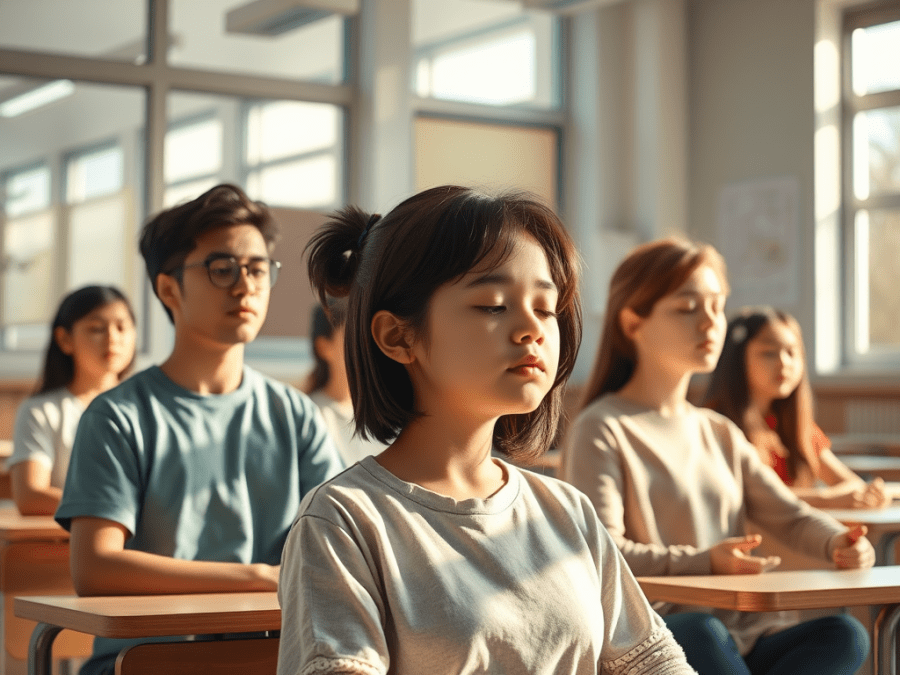
Integrating mindfulness practices into the daily school routine can work wonders for mental well-being. From mindful breathing exercises to guided meditation, these activities help students and staff manage stress and build resilience. Additionally, promoting physical activities and healthy lifestyle choices adds a holistic touch to fostering wellness in school environments. In conclusion, the dedication and expertise of school counsellors are essential in promoting mental health and wellness in schools. By providing emotional support, guidance, and resources, counsellors help students navigate challenges, build resilience, and thrive academically and emotionally. Through collaboration with school staff and the implementation of holistic mental health programs, school counsellors play a vital role in creating a safe and supportive environment where every student can flourish.

Integrating Mindfulness into Education: A Game-Changer.

In recent years, the integration of mindfulness practices in education has gained traction as a transformative approach to enhancing student well-being and academic performance. Particularly in high school settings, such as 12th and 10th grade classrooms, the benefits of mindfulness techniques are increasingly recognized as a game-changer in supporting students’ mental health and learning outcomes. This article delves into the significance of mindfulness in education, exploring its origins, potential benefits for students, practical implementation strategies, and the role it plays in cultivating resilience and empathy. By shedding light on the power of mindfulness practices in transforming the educational experience, educators and stakeholders can glean insights into how this approach can positively impact the lives of high school students.

1. Introduction to Mindfulness in Education.

a) The Concept of Mindfulness.

Mindfulness is all about being present in the moment, paying attention to our thoughts and feelings without judgment. It involves being fully aware of what is happening within and around us, helping to cultivate a sense of calm and clarity in our daily lives.

b) Historical Context of Mindfulness in Education.

The practice of mindfulness has roots in ancient meditation traditions, but its application in modern education settings has gained popularity in recent years. Schools are increasingly recognizing the benefits of mindfulness for student well-being and academic performance.

2. Benefits of Mindfulness for 12th & 10th Grade Students.

a) Improved Focus and Attention.

Mindfulness practices can enhance students’ ability to concentrate on tasks, stay present in the classroom, and absorb information more effectively. This improved focus can lead to better academic performance and overall learning outcomes.

b) Reduced Stress and Anxiety Levels.

High school can be a stressful time for many students, with the pressure of exams, college applications, and social dynamics. Mindfulness techniques can help students manage their stress levels, reduce anxiety, and build resilience in the face of challenges.

3. Implementing Mindfulness Practices in School Settings.

a) Training Educators in Mindfulness Techniques.

To effectively introduce mindfulness in schools, educators can benefit from training in mindfulness techniques themselves. Teachers who practice mindfulness are better equipped to incorporate these practices into classroom routines and support students in developing their own mindfulness skills.

b) Incorporating Mindfulness into the Curriculum.

Integrating mindfulness into the curriculum can include dedicated mindfulness sessions, incorporating mindfulness activities into existing lessons, or creating a school-wide culture that promotes mindfulness practices. This can help students experience the benefits of mindfulness in a structured and consistent way.

4. Mindfulness Techniques for Stress and Anxiety Management.

a) Breathing Exercises for Relaxation.

Simple breathing exercises can be powerful tools for managing stress and anxiety. Encouraging students to focus on their breath, practice deep breathing techniques, and engage in mindful breathing exercises can help them calm their minds and bodies during stressful moments.

b) Body Scan Meditation Techniques.

Body scan meditation involves bringing awareness to different parts of the body, noticing sensations without judgment, and releasing tension. This practice can help students develop body awareness, alleviate physical discomfort, and relax both body and mind, making it a valuable tool for stress management.

5. Enhancing Academic Performance through Mindfulness.

a) Improving Memory and Retention.

Mindfulness isn’t just about being present; it also enhances memory and retention. By training the mind to focus on the task at hand, students can better absorb and recall information.

b) Promoting Cognitive Flexibility.

Mindfulness encourages students to approach challenges with an open mind. This flexibility in thinking can lead to more creative problem-solving and adaptability in academic settings.

6. Cultivating Emotional Resilience and Empathy.

a) Developing Self-Awareness and Emotional Regulation.

Through mindfulness practices, students can better understand their emotions and learn to regulate them effectively. This self-awareness can lead to improved emotional resilience.

b) Fostering Empathy and Compassion towards Others.

By being more in tune with their own emotions, students can also develop a deeper sense of empathy and compassion towards their peers. This can improve relationships and create a more supportive learning environment.

7. Overcoming Challenges in Integrating Mindfulness in Education.

a) Addressing Scepticism and Misconceptions.

One of the main challenges in integrating mindfulness in education is addressing scepticism and misconceptions about its effectiveness. Educating stakeholders about the proven benefits of mindfulness can help overcome this barrier.

b) Ensuring Sustainability of Mindfulness Programs.

Another challenge is ensuring the sustainability of mindfulness programs in schools. By providing ongoing training for educators and incorporating mindfulness into the broader school culture, these programs can thrive in the long term.

8. Future Directions and Recommendations.

a) Research Opportunities in Mindfulness and Education.

There is a wealth of research opportunities in exploring the impact of mindfulness on education. By conducting more studies and sharing findings, we can continue to refine and improve mindfulness practices in schools.

b) Policy Implications for Integrating Mindfulness in Schools.

To fully integrate mindfulness in education, policymakers need to recognize its value and provide support. Implementing guidelines, funding initiatives, and training programs can help schools effectively integrate mindfulness into their curriculum. In conclusion, mindfulness in education holds immense promise for nurturing holistic development and well-being among 12th and 10th grade students. By embracing mindfulness practices, schools can create supportive environments that empower students to manage stress, enhance focus, and foster emotional resilience. As we continue to explore the potential of mindfulness in education, it is evident that cultivating a mindful culture within schools can be a transformative force, shaping not only academic success but also the overall health and happiness of students as they navigate the challenges of high school and beyond.

The Psychology Behind Teen Crushes Revealed

1. The Significance of Adolescent Crushes.

Adolescence is a time of rapid physical, emotional, and psychological development, often marked by the experience of having crushes. These intense feelings of infatuation towards another person are a common phenomenon during the teenage years, but they can also be complex and bewildering. Understanding the intricacies of adolescent crushes is essential for parents, educators, and adolescents themselves. This article delves into the psychological, social, and biological factors that contribute to the enigma of adolescent crushes, exploring their impact and providing insights into how to navigate this formative aspect of teenage life. Adolescent crushes may seem trivial, but they play a significant role in a young person’s emotional development. They help adolescents explore their feelings, understand attraction, and navigate the complex world of relationships.

2. The Definition of Adolescent Crushes.

Picture this: butterflies in your stomach, daydreaming about that special someone, and feeling giddy whenever they’re around. That’s the magic of an adolescent crush – a temporary infatuation that can make your heart race and your cheeks flush.

3. Psychological Factors behind Adolescent Crushes.

a. Developmental Psychology Perspective.

From a developmental psychology perspective, adolescent crushes are a natural part of growing up. They allow teenagers to form attachments, develop their sense of self, and practice social skills that will be crucial in adulthood.

b. Cognitive and Emotional Drivers.

Cognitive and emotional factors also fuel adolescent crushes. Teens’ brains are wired to seek novelty and excitement, leading them to fixate on someone they find intriguing or attractive. Emotions like curiosity, infatuation, and desire drive these crushes to blossom.

4. Social Influences on Adolescent Crushes.

a. Peer Interactions and Peer Pressure.

Peer interactions play a massive role in the world of adolescent crushes. Friends might tease, offer advice, or even meddle in crushes, shaping how teenagers perceive and act on their feelings. Peer pressure can also influence crush dynamics, pushing teens to conform to societal norms or ideals.

c. Social Media and Celebrity Culture.

In today’s digital age, social media and celebrity culture further shape adolescent crushes. Teens are exposed to idealized images of romance, beauty, and attraction, influencing their expectations and desires. Celebrities become objects of admiration and fascination, sparking crushes that transcend real-life interactions.

5. Biological and Hormonal Aspects of Adolescent Crushes.

a. Hormonal Changes in Adolescence.

Ah, hormones – the silent orchestrators of adolescent crushes. During puberty, surges in hormones like testosterone and estrogen ramp up teenagers’ emotions and intensify their attraction to others. These hormonal changes can fuel the fire of a crush and make everything feel more intense.

b. Neurobiological Basis of Attraction.

Beyond hormones, the neurobiological basis of attraction also plays a role in adolescent crushes. Areas of the brain associated with reward, pleasure, and social cognition light up when a teenager is smitten, creating a neurochemical cocktail that makes crushes feel like an exhilarating rollercoaster ride.

6. Impact of Technology and Media on Adolescent Crushes.

a. Role of Technology in Modern Relationships.

In today’s digital age, technology plays a significant role in how adolescents form and navigate their crushes. Social media platforms, texting, and online communication have made it easier for teens to connect and express their feelings towards someone they have a crush on. However, this constant connectivity can also lead to misunderstandings, misinterpretations, and added pressure when it comes to relationships.

b. Media Portrayals of Romantic Relationships.

The media, including movies, TV shows, and social media influencers, often depict idealized and unrealistic portrayals of romantic relationships. These romanticized narratives can set unrealistic expectations for adolescents and influence how they perceive relationships and crushes. It’s essential for teens to understand that real relationships involve complexities, challenges, and communication beyond what is typically shown in the media.

7. Coping Strategies for Dealing with Adolescent Crushes.

a. Healthy Communication Skills.

One of the most important coping strategies for adolescents dealing with crushes is to develop healthy communication skills. This includes being honest about their feelings, setting boundaries, and respecting the feelings of the other person involved. Open and honest communication can help navigate the complexities of crushes and relationships in a mature and respectful way.

b. Self-Reflection and Personal Growth.

Another crucial coping strategy for adolescents is to engage in self-reflection and personal growth. Understanding their own emotions, motivations, and insecurities can help teens gain a deeper insight into their crushes and themselves. This introspection can lead to personal growth, increased self-awareness, and healthier relationships in the long run.

8. Long-Term Effects of Adolescent Crushes.

a. Impact on Future Relationships.

Adolescent crushes can have lasting effects on how individuals approach and navigate future relationships. Positive experiences with crushes, such as learning communication skills and building emotional resilience, can contribute to healthier and more fulfilling relationships in adulthood. On the other hand, negative experiences with crushes can lead to trust issues, emotional baggage, and challenges in forming intimate connections later in life.

b. Emotional Resilience and Well-Being.

Developing emotional resilience during adolescence, especially in the context of crushes and relationships, can have a significant impact on overall well-being. Learning to manage rejection, navigate emotions, and bounce back from disappointments can build emotional strength that serves individuals well in various aspects of their lives, not just in relationships.

9. Conclusion: Navigating the Complexities of Adolescent Crushes.

Adolescent crushes are a normal part of growing up, but they come with their own set of challenges and complexities. By understanding the impact of technology and media, adopting healthy coping strategies, and considering the long-term effects, adolescents can navigate their crushes with more awareness and maturity. Building strong communication skills, engaging in self-reflection, and developing emotional resilience are key factors in handling crushes in a way that fosters personal growth and positive relationship experiences.

Conclusion: Navigating the Complexities of Adolescent Crushes.

As adolescents navigate the rollercoaster of emotions and experiences that come with having crushes, it is important to acknowledge the significance of these feelings in their development. By understanding the psychological, social, and biological factors at play, individuals can better cope with the complexities of adolescent crushes. Through healthy communication, self-reflection, and awareness of societal influences, adolescents can navigate their crushes with greater resilience and emotional well-being. Ultimately, recognizing and decoding the mysteries of why adolescents have crushes can contribute to a deeper understanding of teenage relationships and personal growth.

Hormones and Puberty: A Teen’s Guide to Emotional Changes.

Navigating puberty can be a tumultuous journey for adolescents as they experience a myriad of physical and emotional changes driven by hormones. Understanding the impact of these hormonal shifts is crucial in supporting teenagers through this transformative phase of development. In this article, we delve into the complexities of puberty and hormones, exploring the physical transformations, emotional rollercoaster, coping strategies, and support systems available to help high school students cope effectively with the challenges of adolescence.

1. Introduction to Puberty and Hormones.

a. Definition of Puberty.

Ah, puberty. That magical time in life when our bodies decide to go on a rollercoaster ride without asking for our permission first. Puberty is basically nature’s way of saying, “Surprise! You’re not a kid anymore.”

b. Role of Hormones in Puberty.

Hormones are the behind-the-scenes puppet masters pulling the strings during puberty. These little troublemakers are responsible for all the wild changes happening in our bodies, from mood swings to the sudden appearance of strange new body parts.

2. Physical Changes during Adolescence.

a. Growth Spurts and Development of Secondary Characteristics.

One day you’re barely reaching the top shelf, and the next day you’re a human beanstalk shooting up towards the sky. Thanks to those hormones, you’ll also start noticing some interesting new features popping up, like facial hair or curves in all the unexpected places.

b. Impact on Body Image and Self-Esteem.

As if dealing with a sudden growth spurt and awkward body changes weren’t enough, hormones also like to throw a curveball at our confidence levels. Suddenly, we’re questioning every mirror we pass and wondering if our body is playing a cruel joke on us.

3. Emotional Rollercoaster: Understanding Hormonal Impact.

a. Understanding Hormonal Fluctuations.

Ever feel like you’re on an emotional rollercoaster with no end in sight? Blame it on those hormones. They’re the stealthy ninjas wreaking havoc on our moods, making us laugh, cry, and rage all within a span of five minutes.

b. Managing Mood Swings and Emotional Changes.

So, how do we deal with these hormonal mood swings? Take a deep breath, count to ten, and remember that it’s just your hormones playing tricks on you. Talk it out with a friend, punch a pillow, or blast some music to ride out the storm.

4. Coping Strategies for Adolescents Going Through Puberty.

a. Healthy Lifestyle Choices: Diet and Exercise.

While it may be tempting to drown your hormonal sorrows in a tub of ice cream, opting for healthy food choices and staying active can actually help you feel better. Plus, exercise is a great way to kick those mood swings to the curb.

b. Communication and Support from Parents and Peers.

When in doubt, talk it out. Whether it’s with your parents, friends, or even a trusted adult, sharing how you’re feeling can make a world of difference. Remember, you’re not alone in this hormonal circus – we’re all in it together.

So, to all the teens out there navigating the tumultuous waters of puberty, remember: hormones may be the puppet masters, but you’ve got the power to pull the strings and ride out the storm with style and grace.

5. Support Systems for Teens Navigating Hormonal Changes.

Ah, hormones – those little troublemakers that can turn a peaceful afternoon into a whirlwind of emotions faster than you can say “puberty.” But fear not, dear teenagers, for you are not alone in this hormonal rollercoaster ride. Here are some support systems that can help you navigate these turbulent times.

6. Role of School Counsellors and Mental Health Professionals.

Picture this: you’re in the middle of a math test when suddenly, out of nowhere, a wave of anxiety hits you like a ton of bricks. Enter school counsellors and mental health professionals, your trusty allies in the battle against teenage angst. These unsung heroes are there to lend a listening ear, offer guidance, and provide strategies to help you manage the ups and downs of puberty-induced mood swings. So next time you’re feeling overwhelmed, don’t hesitate to reach out to these superhero sidekicks.

7. Community Resources for Adolescent Mental Health Support.

When it feels like the weight of the world is resting squarely on your adolescent shoulders, know that there are community resources waiting to swoop in and save the day. From support groups to hotlines to online forums, there are plenty of avenues for you to explore if you need a helping hand during this tumultuous time. Remember, asking for help is a sign of strength, not weakness. So go ahead, pick up that phone, join that group, or send that message. Your mental health matters, and there are people out there ready and willing to support you through it all. In conclusion, by recognizing the role hormones play in the adolescent experience and implementing appropriate coping mechanisms and support systems, teenagers can navigate puberty with resilience and confidence. By fostering open communication, providing guidance, and accessing available resources, high school students can embrace the changes of puberty as a natural part of their journey towards adulthood.

How to Address Teenage Substance Abuse Effectively.

Breaking the Cycle: Addressing the Underlying Causes of Teenage Substance Use is a critical exploration into the complex issues surrounding adolescent substance abuse. This article delves into the various factors that contribute to teenage substance use, shedding light on the impact it has on teenagers’ physical, mental, and emotional well-being. By understanding the root causes of this pervasive issue, we can implement preventive measures, interventions, and support systems to empower teens to make healthy choices and break free from the cycle of substance use.

1. Introduction to Teenage Substance Use.

Teenage substance use is like that one uninvited guest at a party who ends up causing chaos. It’s a serious issue that can have lasting effects on a young person’s life. Understanding the why behind teenage substance use is key to breaking the cycle and helping teens make healthier choices.

a. Understanding the Scope of Teenage Substance Use.

From experimenting with alcohol at a party to getting hooked on prescription drugs, teenage substance use comes in many shapes and sizes. It’s more common than you might think, with a significant number of teens dipping their toes into the dangerous waters of substance abuse.

b. Commonly Abused Substances among Teens.

Teens these days have a veritable buffet of substances to choose from, much to the dismay of parents and health professionals alike. From the classics like alcohol and marijuana to the more trendy options like vaping and prescription pills, there’s no shortage of ways for teens to get themselves into trouble.

2. Factors Contributing to Teenage Substance Use.

Teenagers aren’t just randomly deciding to dive into the world of substance use like it’s a pool party. There are underlying factors that play a significant role in pushing them down that path.

a. Influence of Peer Pressure.

Ah, good old peer pressure, the timeless classic of teenage influence. Teens are like sponges, absorbing the behaviors and attitudes of their friends like it’s their job. When those friends are pushing them to try substances, it can be hard for teens to resist the temptation.

b. Impact of Family Dynamics.

Family dynamics can be a wild rollercoaster ride, and not always the fun kind. Issues like parental substance abuse, neglect, or a lack of communication within the family can create an environment where teens turn to substances as a coping mechanism.

3. Psychological and Emotional Triggers.

Life as a teenager is already a rollercoaster of emotions without adding substance use into the mix. Factors like stress, anxiety, depression, or past trauma can drive teens to seek solace in substances, hoping to numb the pain or escape reality.

a. Impact of Substance Use on Teenagers.

Substance use isn’t just a temporary thrill for teens; it can have long-lasting consequences that reach far beyond the teenage years.

b. Physical Health Consequences.

When it comes to substance use, the body is like a fragile vase – it can handle a little bump here and there, but too much pressure, and it shatters. Substance abuse can wreak havoc on a teenager’s developing body, leading to issues like liver damage, respiratory problems, and a whole host of other health issues.

c. Mental and Emotional Effects.

The teenage brain is already a work in progress, and substance use throws a giant wrench into the machinery. It can mess with a teenager’s cognitive abilities, emotional regulation, and overall mental well-being, leading to issues like anxiety, depression, and even addiction.

4. Addressing Root Causes of Teenage Substance Use.

To break the cycle of teenage substance use, we need to roll up our sleeves and get to the root of the problem. It’s time to dig deep and address the underlying issues that are driving teens to turn to substances.

a. Identifying Underlying Issues and Triggers.

Like a detective solving a mystery, we need to uncover the hidden factors that are pushing teens towards substance use. Whether its unresolved trauma, a lack of coping skills, or a need for belonging, identifying these triggers is the first step towards helping teens find healthier ways to navigate life’s challenges.

b. Providing Education and Awareness.

Knowledge is power, and when it comes to teenage substance use, education is key. By arming teens with information about the risks and consequences of substance abuse, we can empower them to make informed decisions and resist the allure of dangerous substances. Let’s educate, support, and guide our teens towards a brighter, substance-free future.

5. Preventive Measures and Interventions.

a. School-Based Prevention Programs.

School-based programs are like that wise friend who whispers, “Hey, maybe don’t chug that mystery liquid.” They educate teens on the risks of substance use, building their armour of knowledge.

b. Early Intervention Strategies.

Think of early intervention as that superhero swooping in just in time to stop a disaster. It’s about spotting warning signs and stepping in before things spiral out of control.

6. Support Systems for Teens Struggling with Substance Use.

a. Access to Counseling and Treatment Services.

When life hands you lemons, counseling and treatment services help make lemonade. They provide teens with the tools to navigate their challenges and come out stronger on the other side.

b. Peer Support Groups and Mentorship Programs.

Peer support groups and mentorship programs offer teens a safe space to share their struggles and victories, kind of like a secret clubhouse where everyone has each other’s back.

7. Role of Parents and Guardians in Breaking the Cycle.

a. Communication and Setting Boundaries.

Parents and guardians are the OG influencers. By open communication and setting boundaries, they can guide their teens towards the light and away from the dark alleys of substance use.

b. Seeking Professional Help and Guidance.

When in doubt, call in the professionals. Seeking help isn’t a sign of weakness but a superhero move in itself. Professionals can provide insights and strategies to support both teens and their guardians.

**Conclusion: Empowering Teens to Make Healthy Choices**

In the grand finale, it’s all about empowering teens to be the captains of their own ships. By equipping them with knowledge, support, and guidance, we can help them steer towards a future filled with healthy choices and endless possibilities. In conclusion, it is evident that addressing the underlying causes of teenage substance use is essential in supporting the well-being of our youth. By recognizing the factors that lead to substance abuse, implementing preventive measures, providing necessary support, and involving parents and guardians in the process, we can work towards breaking the cycle and empowering teenagers to make informed and healthy choices for a brighter future.

Coping Strategies for Unrequited Love

Unrequited love, a poignant and often painful experience, is a universal aspect of human relationships that transcends time and culture. In this article, we delve into the intricate dynamics of unrequited love and explore the profound impact it can have on individuals’ psychological and emotional well-being. By examining the science behind one-sided affection, we aim to unravel the complexities of unreciprocated feelings, shedding light on the neurological, social, and emotional factors that contribute to the intensity of this experience. Join us on a journey to understand why unrequited love hurts and discover strategies for coping, healing, and moving forward from this deeply resonant yet challenging aspect of human connection.

1. Introduction to Unrequited Love.

a. Defining Unrequited Love.

Picture this: you’ve got a heart full of feelings for someone, but those feelings aren’t reciprocated. Welcome to the world of unrequited love, where your emotions are playing a solo game of tug-of-war.

b. Common Situations of Unrequited Love.

From crushing on your best friend who sees you as just that – a friend, to pining after a celebrity who doesn’t even know you exist, unrequited love comes in all shapes and sizes, causing heartache in its wake.

2. The Psychological Impact of Unrequited Love.

a. Emotional Distress and Mental Health.

Unrequited love isn’t just a bummer; it can take a toll on your mental well-being. From constant rumination to feeling like you’re not good enough, the psychological impact of one-sided affection can be heavy.

b. Self-Esteem and Self-Worth.

When your love is unreturned, it’s easy for doubts to creep in. Your self-esteem may take a hit, leaving you questioning your worth and desirability. It’s like a blow to the ego, courtesy of Cupid.

3. The Neurological Basis of Unrequited Love.

a. Brain Regions Involved in Love and Rejection.

When it comes to matters of the heart, our brains are the ultimate referees. Specific regions light up when we’re in love or facing rejection, playing a crucial role in the rollercoaster of emotions that unrequited love brings.

b. The Role of Neurotransmitters in Unrequited Love.

Dopamine, serotonin, and oxytocin – these neurotransmitters are the heart’s silent cheerleaders in love. But when love remains unreciprocated, their levels can go haywire, leaving you feeling like you’re on an emotional seesaw.

4. Coping Strategies for Dealing with Unrequited Love.

a. Self-Care and Emotional Regulation Techniques.

When unrequited love knocks on your door, self-care becomes your trusted companion. From indulging in hobbies to practicing mindfulness, finding ways to regulate your emotions is key to weathering the storm.

b. Seeking Support from Friends and Mental Health Professionals.

Remember, you don’t have to navigate the murky waters of unrequited love alone. Reach out to friends who can offer a listening ear, or consider seeking guidance from mental health professionals who can provide valuable insights and support as you heal your heart.

So, if you find yourself in the labyrinth of unrequited love, remember – you’re not alone, and there are ways to navigate through the heartache with resilience and self-compassion.

5. Social and Cultural Factors Influencing Unrequited Love.

a. Media Portrayals of Love and Relationships.

When Hollywood keeps bombarding us with romantic comedies where grand gestures of love always win, it’s no wonder we start to believe unrequited love is just a pit stop on the way to Happily Ever After. Real life doesn’t always come with a script or a director yelling “Cut!” when things get tough.

b. Family and Peer Influences on Romantic Expectations.

From Aunt Mildred asking “When are you settling down?” to Instagram influencers flaunting their seemingly perfect relationships, we’re constantly bombarded with messages about what love should look like. Our family and friends’ expectations can shape our own, leading to unmet desires and unreciprocated affection.

6. The Role of Attachment Styles in Unrequited Love.

a. Anxious, Avoidant, and Secure Attachment Styles.

Attachment styles, like that clingy barnacle on a rock, can heavily influence how we approach relationships. Anxious folks may yearn for closeness, avoidants might feel suffocated by it, and secure individuals strike a healthy balance between the two.

b. Impact of Attachment Styles on Relationship Dynamics.

Picture a dance floor with anxious dancers stepping on toes, avoidants hiding in the corner, and secures twirling gracefully. The mix of attachment styles can either harmonize beautifully or turn into a chaotic tango of unmet needs and misunderstandings.

7. Healing and Moving On from Unrequited Love.

a. Acceptance and Letting Go.

Just like a bad haircut from high school, sometimes you’ve got to accept unrequited love as a part of your past and let it go. It’s not easy, but holding on to something that simply isn’t meant to be can hinder your journey towards happiness and growth.

b. Rediscovering Personal Identity and Growth.

Who needs a rom-com ending when you can have a real-life sequel where you rediscover who you are and what you want? Embracing the single life, picking up a new hobby, or simply enjoying your own company can lead to personal growth and a stronger sense of self-love. Remember, you’re the director of your own story, and unrequited love is just one plot twist in the grand adventure of life. In conclusion, the science behind unrequited love offers valuable insights into the complexities of human emotions and relationships. By acknowledging and understanding the psychological, neurological, and social factors at play, individuals can navigate the challenges of one-sided affection with greater resilience and self-awareness. While the pain of unrequited love may be inevitable, so too is the opportunity for growth, healing, and rediscovery of one’s own worth and identity. Remember, even in the face of unreciprocated feelings, there is always the possibility of finding peace, acceptance, and a path forward towards new and fulfilling connections.

Empowering Teenagers: Staying Safe in a Complex World.

Navigating through the complexities of adolescence can be both exhilarating and challenging, especially in a world filled with potential risks and dangers. For teenagers, staying safe amidst various threats – from online dangers to real-life risks – is paramount. In this article, we will explore essential tips and strategies to help teenagers enhance their safety and well-being in today’s sometimes perilous environment. By understanding potential risks, building awareness, and developing practical skills, teenagers can empower themselves to navigate the world safely and confidently.

1. Understanding Potential Risks.

a) Identifying Common Threats.

Teenagers, it’s important to recognize common threats in today’s world, such as cyberbullying, online predators, drug and alcohol abuse, and physical violence. Being aware of these dangers is the first step in staying safe.

b) Recognizing Warning Signs.

Pay attention to warning signs like sudden changes in behavior, secretive actions, unexplained injuries, or requests for inappropriate photos or information. Trust your instincts and seek help if something feels off.

2. Building Awareness and Preparedness.

a) Educating Yourself on Safety Measures.

Take the time to learn about personal safety measures, like how to respond to emergencies, self-defence techniques, and who to contact in case of trouble. Knowledge is power when it comes to staying safe.

b) Creating a Safety Plan.

Prepare for the unexpected by creating a safety plan with your trusted adults. Discuss what to do in different scenarios, set up check-in systems, and have emergency contacts programmed in your phone. Being prepared can make all the difference.

3. Navigating Social Media Safely.

a) Setting Privacy Settings.

Protect your online presence by adjusting your privacy settings on social media platforms. Limit who can see your posts and personal information to trusted friends and family only.

b) Avoiding Oversharing Personal Information.

Be cautious about sharing too much personal information online. Avoid posting your full name, address, school name, phone number, or vacation plans publicly. It’s better to be safe than sorry.

4. Developing Healthy Boundaries.

a) Recognizing Manipulative Behaviors.

Stay alert for manipulative behaviors from others, such as pressuring you into doing things you’re not comfortable with or trying to control you. Trust your instincts and seek help if you feel manipulated.

b) Establishing Clear Communication Boundaries.

Set clear boundaries with your peers and online contacts. Communicate your comfort levels, say no when needed, and don’t be afraid to speak up if someone crosses your boundaries. Healthy relationships are based on mutual respect and understanding.

c) Seeking Help and Support.

When navigating the rollercoaster ride of teenage life, having a support system is key. Think of it like having your own personal fan club, but instead of screaming at a concert, they’re there to lend a listening ear or a helping hand. Identify trusted adults or resources you can turn to when the going gets tough. This could be a parent, teacher, school counsellor, or even a helpline like a real-life superhero hotline. Knowing how and when to reach out for help is crucial, so don’t be afraid to raise that bat signal when you need it.

d) Practicing Personal Safety Measures.

In a world where safety can sometimes feel like a game of hide-and-seek, it’s important to arm yourself with personal safety measures. Self-defence strategies aren’t just for action heroes; they’re for everyday heroes like you. Whether it’s taking a self-defence class or mastering the art of the strategic hair-whip, knowing how to protect yourself is empowering. Safe travel practices are also key, whether you’re walking home from school or venturing out into the world. Remember, it’s all about staying aware and being prepared.

e) Handling Peer Pressure and Risky Situations.

Peer pressure may feel like a relentless game of tug-of-war, but remember, you hold the rope. Understanding the importance of assertiveness can be your secret weapon against those tricky situations. Channel your inner superhero and stand firm in your decisions. If faced with a risky situation, knowing how to say no and make a swift exit is crucial. It’s like having a secret escape route, except instead of disappearing in a puff of smoke, you’re walking away from that party you know you shouldn’t be at.

So, there you have it, dear teenage crusaders. Remember, staying safe in a dangerous world is all about being prepared, staying true to yourself, and knowing when to ask for help. Keep these tips in your utility belt, and you’ll be ready to tackle whatever challenges come your way. Stay safe, stay strong, and keep being the amazing superhero that you are. In conclusion, arming oneself with knowledge, awareness, and proactive safety measures can significantly contribute to a teenager’s ability to stay safe in a potentially hazardous world. By staying informed, setting boundaries, seeking support when needed, and practicing personal safety measures, teenagers can better protect themselves and navigate the challenges they may encounter. Remember, safety is a priority, and with the right tools and mindset, teenagers can confidently face the world with resilience and caution.

Strategies for Cultivating Intrinsic Motivation in Adolescents: Empower Teens for Success.

Adolescence is a period of significant growth and transformation, marked by a myriad of challenges and opportunities. One of the key aspects that can greatly impact an adolescent’s success and well-being is their level of motivation. Understanding what drives adolescents, how various factors influence their motivation, and the strategies that can be employed to cultivate intrinsic drive are crucial in empowering them to unlock their full potential. In this article, we delve into the complexities of adolescent motivation, exploring the underlying factors, effective strategies, and the role of support systems in fostering sustained motivation among young individuals.

1. Understanding Adolescent Motivation.

a) The Basics of Motivation in Adolescents.

Ever tried motivating a sleepy teenager to get out of bed? Adolescents can be a puzzling mix of energy and apathy when it comes to motivation. Understanding what drives them is key.

b) The Impact of Developmental Changes on Motivation.

Between hormonal storms and brain rewiring, adolescents are on a rollercoaster of change. These shifts affect how they perceive and respond to motivation, making it crucial to consider when nudging them towards action.

2. Factors Influencing Motivation in Adolescents.

a) Social Influences and Peer Dynamics.

From FOMO to peer pressure, the social scene plays a massive role in an adolescent’s motivation. Understanding these influences can help unlock the potential for positive change.

b) The Role of Family and Environment.

Family dynamics and the environment at home can either fuel motivation or douse the flames. Creating a supportive and encouraging space can make all the difference.

3. Strategies for Cultivating Intrinsic Motivation.

a) Encouraging Autonomy and Self-Determination.

Let’s face it, teen’s love a bit of rebellion. Encouraging their autonomy and letting them take the lead can spark a fire within them to strive for their goals.

b) Fostering a Sense of Competence and Mastery.

Everyone loves feeling like they’re crushing it. Fostering a sense of competence and mastery can fuel a teen’s inner drive, motivating them to push boundaries and excel.

4. Setting Meaningful Goals and Creating a Vision.

a) The Importance of Goal-Setting for Adolescents.

Goals aren’t just for adults. Setting clear and achievable targets can give adolescents direction and purpose, guiding them towards success.

b) Visualizing Success and Building a Path Forward.

Got dreams? Helping teens visualize their future accomplishments and outlining the steps to get there can light a fire under them, making their goals feel within reach?

5. Overcoming Challenges and Building Resilience.

a) Embracing Failure as a Learning Opportunity.

We all trip and fall on the road to success. Think of failure not as a dead-end but as a detour that helps you learn and grow. Embrace failure as a chance to refine your approach and bounce back even stronger.

b) Developing Coping Strategies and Emotional Regulation.

Life throws curveballs, but having a toolkit of coping strategies can help you navigate stormy seas. Whether its journaling, deep breathing, or seeking support from loved ones, finding healthy ways to manage emotions is key to staying resilient.

6. The Role of Support Systems in Motivating Adolescents.

a) Mentorship and Guidance from Adults.

Adults aren’t just there to tell you to clean your room – they can be powerful guides on your journey. Seek out mentors who inspire you and provide valuable advice to help steer you in the right direction.

b) The Impact of Positive Peer Relationships.

Birds of a feather flock together, right? Surround yourself with friends who lift you up and share your aspirations. Positive peer relationships can serve as a strong support system and push you to strive for your best.

7. Fostering a Growth Mindset for Sustainable Motivation.

a) Embracing a Positive Attitude towards Learning and Growth.

Think of your mind as a garden – the more you tend to it, the more it blooms. Embrace challenges as opportunities to learn and grow, fostering a positive attitude towards personal development.

b) Challenging Fixed Mindset Beliefs and Cultivating Resilience.

Break free from the shackles of a fixed mindset that says you can’t change. Challenge negative beliefs about your abilities and cultivate resilience by understanding that setbacks are just pit stops on the road to success. In conclusion, by recognizing the unique factors that influence adolescent motivation, implementing effective strategies to nurture intrinsic drive, and fostering a supportive environment, we can empower young individuals to harness the power within themselves. Encouraging a growth mindset, setting meaningful goals, and building resilience are essential components in guiding adolescents towards a path of self-discovery and achievement. With the right tools and support, adolescents can indeed find the motivation they need to navigate the challenges of adolescence and thrive in all aspects of their lives.

FAQ:-

1. Why is understanding adolescent motivation important?

Understanding adolescent motivation is crucial as it influences their behavior, academic performance, and overall well-being. By gaining insights into what drives adolescents, parents, educators, and mentors can provide tailored support to help them thrive during this critical developmental stage.

2. How can parents and educators help cultivate intrinsic motivation in adolescents?

Parents and educators can foster intrinsic motivation in adolescents by encouraging autonomy, providing opportunities for mastery, setting meaningful goals, and offering support and guidance. By creating a nurturing environment that values effort and growth, adults can empower adolescents to find their own sources of motivation.

3. What role do peer relationships play in adolescent motivation?

Positive peer relationships can have a significant impact on adolescent motivation. By surrounding themselves with supportive and like-minded peers, adolescents can feel encouraged, motivated, and inspired to pursue their goals. Conversely, negative peer influences can hinder motivation and lead to self-doubt.

Teenage Addictions: Impacts, Signs, Strategies, and Support

Teenage addictions have become a pressing concern in today’s society, with a growing number of adolescents falling prey to various forms of substance abuse and compulsive behaviors. Understanding the complexities and implications of these addictions is essential for addressing the root causes and providing effective support for teenagers in need. This article delves into the intricate landscape of teenage addictions, exploring the factors contributing to their prevalence, the common types of addictions observed among teens, and the profound impact these addictions can have on their overall well-being. By shedding light on the warning signs, prevention strategies, and available resources, we aim to empower individuals, families, and communities to tackle this epidemic head-on and help teenagers navigate the challenges of addiction with resilience and hope.

1. Introduction to Teenage Addictions.

Ah, teenagers. A time of rebellious hormones, questionable fashion choices, and, unfortunately, a growing trend of addictions. In this article, we delve into the world of teenage addictions and why it’s becoming a cause for concern.

a) Understanding the Scope of Teenage Addictions.

Teenage addictions aren’t just a phase or a rite of passage. They can have serious consequences on a young person’s physical and mental well-being. It’s crucial to recognize the prevalence and impact of these addictions to address them effectively.

b) Importance of Addressing Teenage Addictions.

Ignoring teenage addictions is like ignoring your mom’s friend request on Facebook – it’ll come back to haunt you. Addressing these issues early can prevent long-term struggles and help teens lead healthier, happier lives.

2. Factors Contributing to Teenage Addictions.

Teenagers don’t just wake up one day deciding to become addicted. Several factors play into the development of addictions, from social influences to biological predispositions.

a) Social Influences and Peer Pressure.

Peer pressure isn’t just about daring your friend to eat a bug anymore. It can also push teens into harmful addictive behaviors to fit in or cope with social situations.

b) Mental Health Issues and Trauma.

Just like how your crush ignoring your text can lead to a spiral of emotions, untreated mental health issues and trauma can drive teens towards addictive behaviors as a coping mechanism.

3. Genetic Predisposition and Biological Factors.

Blame it on your genes – seriously. Genetic predispositions and biological factors can make someone more susceptible to developing addictions, like blaming your mom for your sweet tooth.

a) Common Types of Addictions among Teens.

Teenagers have a knack for finding all sorts of things to get addicted to. From substances to screens, these are some of the common culprits.

b) Substance Abuse and Alcoholism.

Forget about the red solo cup – substance abuse and alcoholism among teens are serious issues that can lead to a host of health and behavioral problems.

c) Technology and Social Media Addiction.

Who needs drugs when you have Instagram? Technology and social media addiction are on the rise, affecting teens’ relationships, self-esteem, and sleep schedules.

d) Gaming and Gambling Addiction.

Levelling up in games or hitting the jackpot can be thrilling, but for some teens, it can spiral into a harmful addiction that affects their daily lives and mental well-being.

4. Impact of Addictions on Teenagers.

Addictions aren’t just about the immediate high – they can have lasting effects on teenagers that extend beyond the substance or behavior itself.

a) Physical Health Consequences.

From liver damage to obesity, addictions can wreak havoc on a teenager’s physical health, impacting their growth and overall well-being.

b) Mental Health Effects.

Addictions and mental health often go hand in hand, with substance abuse and behavioral addictions exacerbating underlying mental health issues or even leading to new ones.

c) Social and Academic Implications.

Forget about detention – teen addictions can disrupt social relationships, lead to academic struggles, and potentially derail a teen’s future prospects. It’s not just about getting grounded anymore.

5. Warning Signs and Symptoms of Teenage Addictions.

a) Behavioral Changes to Watch for.

If your once chipper teen is now spending more time locked in their room than a celebrity avoiding paparazzi, or their social butterfly tendencies have morphed into a solitary cocoon, it might be time to raise an eyebrow. Keep an eye out for sudden shifts in behavior like increased secrecy, unexplained mood swings, or a sudden lack of interest in hobbies and activities they once enjoyed.

b) Physical and Emotional Indicators.

Let’s get real – if your teen is suddenly channelling their inner vampire with a newfound aversion to sunlight or chugging water like they just crossed a desert, it could be more than just teenage eccentricity. Physical signs like bloodshot eyes, sudden weight loss or gain, and emotional rollercoasters could be red flags that something deeper is at play.

c) Red Flags in Academic Performance.

If your A-student is now bringing home report cards that look like hieroglyphics or suddenly has the attention span of a goldfish during homework time, it’s time to tune in. Slipping grades, frequent absences, or sudden disinterest in school could be indicators that something beyond the quadratic equation is occupying their mind.

6. Strategies for Prevention and Intervention.

a) Educational Programs and Awareness Campaigns.

Who said learning couldn’t be cool? Educational programs and awareness campaigns can arm teenagers with the knowledge and skills to resist peer pressure and make informed decisions about substance use. After all, knowledge is power – and we all know there’s nothing cooler than a powerful brain.

b) Family Support and Communication.

Forget the days of awkward family dinners and stilted conversations. Solid family support and open communication can create a safe space for teenagers to share their struggles and fears without feeling judged or alone. Remember, a family that talks together, rocks together.

c) Therapeutic Interventions and Treatment Options.

Therapeutic interventions and treatment options aren’t just for celebrities battling paparazzi – they can provide essential support for teenagers navigating the murky waters of addiction. From counseling sessions to specialized treatment programs, there’s a range of options available to help teens reclaim their lives and kick addiction to the curb.

7. Support and Resources for Teenagers Battling Addictions.

a) Counseling Services and Support Groups.

No, counseling isn’t just for adults trying to figure out why they still haven’t learned to Parallel Park. Counseling services and support groups offer teenagers a safe space to explore their emotions, develop coping strategies, and connect with others on a similar journey towards recovery.

b) Rehabilitation Facilities and Recovery Programs.

Rehabilitation facilities and recovery programs aren’t just for dramatic reality TV moments – they provide a structured environment for teenagers to detox, learn essential life skills, and build a foundation for long-term recovery. Sometimes a change of scenery is all it takes to hit the reset button.

c) Community-Based Initiatives and Helplines.

Who says superheroes only exist in comic books? Community-based initiatives and helplines are the unsung heroes in the battle against teenage addiction, offering round-the-clock support, resources, and a lifeline for teenagers in need. Remember, it takes a village to raise a teenager – especially one facing addiction. In conclusion, the issue of teenage addictions is a complex and multifaceted one that requires collective effort and understanding to address effectively. By recognizing the warning signs, implementing preventive measures, and offering support to those struggling with addiction, we can make a positive difference in the lives of teenagers and help them overcome these challenges. With continued education, empathy, and access to resources, we can work towards creating a healthier and more supportive environment for our youth, empowering them to lead fulfilling and addiction-free lives. Let us stand together in the fight against teenage addictions, ensuring a brighter future for the generations to come.