The Adolescent Equation: Educators Tackling the Challenges of Youth.

In an era marked by rapid technological advancements and evolving societal norms, educators face a unique set of challenges when it comes to supporting adolescents. The teenage years are critical for emotional, cognitive, and social development, yet they are often fraught with difficulties that can hinder a young person’s academic and personal growth. Understanding the complexities of the adolescent mind is essential for educators who strive to create nurturing learning environments. This article explores the multifaceted challenges faced by students today and highlights effective strategies educators can employ to foster resilience, promote well-being, and engage both parents and communities in the educational process. By tackling these issues head-on, educators can better equip themselves to guide the next generation of learners through the complexities of adolescence.

1. Understanding the Adolescent Mind: Key Developmental Stages.

a) Cognitive Development and Learning Styles.

Adolescents are like sponges, but instead of soaking up water, they’re absorbing information, ideas, and a fair amount of TikTok dances. During this crucial phase, they’re shifting from concrete thinking to more abstract reasoning. This transition means that traditional teaching methods might need a makeover. Educators should be attuned to various learning styles—whether it’s auditory, visual, or kinesthetic. Bonus points if you can make math feel like a rite of passage rather than a punishment!

b) Emotional Growth and Identity Formation.

The teen years are like a rollercoaster designed by a mad scientist—full of ups, downs, and unexpected twists. Adolescents are on a quest for identity, navigating the choppy waters of self-discovery amidst peer pressure and ever-changing societal norms. Understanding that an adolescent’s mood swings are as normal as a teenager’s obsession with avocado toast can help educators approach emotional growth with empathy and patience.

c) Social Influences and Peer Relationships.

Friends can be both the wind beneath an adolescent’s wings and the weights dragging them down. Peer relationships play a huge role in shaping behavior and self-esteem during these years. Educators need to recognize the power of social dynamics and help students navigate friendships—because who hasn’t had a drama-filled group chat? Addressing the need for healthy peer interactions is key to creating a supportive atmosphere.

2. Common Challenges Faced by Adolescents in Education.

a) Academic Pressure and Stress Management.

Ah, the classic “stress” cocktail: homework, exams, and the constant pressure to be perfect. Adolescents often find themselves juggling academic expectations while trying to maintain a semblance of a social life. It’s no surprise that many feel overwhelmed. Educators can help by fostering a culture of balance—emphasizing the importance of mental health and teaching effective stress management techniques, even if that means a group meditation session after a math test.

b) Bullying and Social Isolation.

Bullying is like that pesky mosquito you just can’t swat away. It often leads to social isolation and negatively impacts mental health. Educators must be vigilant, creating programs that encourage empathy, understanding, and friendship. Remember, a classroom environment devoid of fear is a breeding ground for confidence and growth, so let’s put our foot down against bullying—because kindness should always be in style.

c) Access to Resources and Support Systems.

Not every adolescent has access to a treasure trove of educational resources, which can create an uneven playing field. Schools must be inclusive by providing support systems, whether it’s through tutoring programs, after-school clubs, or counseling services. A little extra help can turn confusion into clarity and open doors for opportunities for all students, even if it means wrestling with budget constraints.

3. The Role of Educators in Supporting Youth Development.

a) Creating a Safe and Inclusive Classroom Environment.

Imagine walking into a classroom where you feel like a rock star rather than a deer in headlights. That’s the vibe educators should aim for! A safe and inclusive environment fosters trust, allowing students to express themselves freely. This is vital for their growth, as an open space encourages risk-taking, collaboration, and a lot less fear of getting called out for having the wrong answer—because let’s be real, everyone has had their “oops” moments.

b) Mentorship and Guidance for Personal Growth.

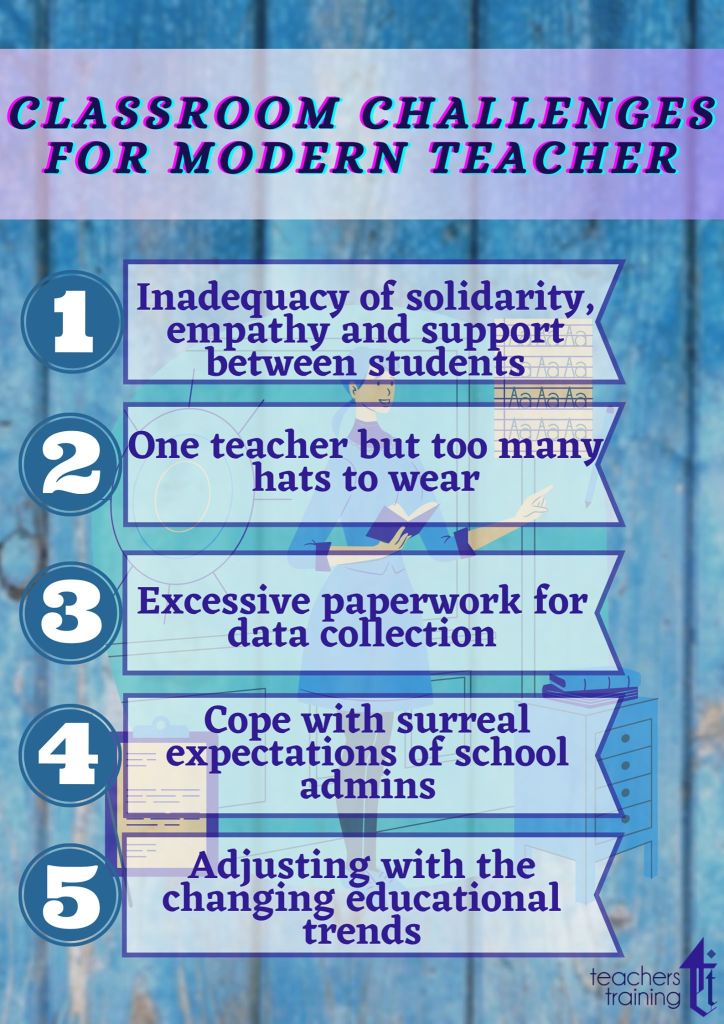
Educators often wear many hats, and mentorship is one of the most impactful. By serving as trusted guides, they can help students navigate not just academics, but life’s winding roads. Whether it’s advice on college applications or the complexities of relationships, a mentor can provide invaluable support. Remember, sometimes it takes just one encouraging word to spark a lifetime of ambition.

c) Collaboration with Mental Health Professionals.

We’re living in an era where mental health is finally getting the spotlight it deserves. Educators can’t do it all alone, so partnering with mental health professionals is essential. By working together, they can create comprehensive strategies to address students’ emotional and psychological needs. Think of it as assembling a superhero team with a shared mission: to support adolescents in finding their footing and thriving, one day at a time.

4. Strategies for Effective Communication with Adolescents.

a) Active Listening Techniques.

If you want to communicate with adolescents, channel your inner detective—active listening is key! When they’re talking, give them your undivided attention, nod along, and resist the urge to check your phone (it’s hard, I know!). This encourages them to open up. Validate their feelings, no matter how trivial they may seem; it’s all part of their world, and you’re just the trusted sidekick here to listen.

b) Building Trust and Rapport.

Building trust with adolescents is like trying to build a house of cards—one wrong move, and it all comes crashing down. Be genuine and relatable; share your own experiences (maybe not the cringe-worthy ones, but you get the idea!). Consistency and follow-through are crucial—if you say you’ll be there, then show up! Trust is the foundation upon which great educator-student relationships are built.

c) Using Technology for Enhanced Engagement.

Let’s face it: today’s youth are practically glued to their devices. So why not embrace that? Educators can use technology to enhance engagement and make learning more relatable. From interactive apps to virtual reality field trips, the possibilities are endless. Just ensure that the tech isn’t replacing the teacher; after all, it’s the human touch that ultimately connects with students—and maybe even gets them to put their phones down for a second!

5. Building Resilience: Fostering Emotional Well-being in Students.

a) Teaching Coping Skills and Mindfulness.

In the chaotic whirlwind of adolescence, teaching students effective coping skills is like handing them a life jacket in stormy seas. Mindfulness practices—think meditation, deep breathing, or even just a moment of quiet reflection—can help students find their anchor amidst the emotional tides. By integrating these techniques into the curriculum, educators can empower students to manage stress, handle setbacks, and redirect their energies into positive outlets. After all, a calm mind is a classroom superhero’s best friend!

b) Encouraging Positive Relationships and Support Networks.

Let’s face it: navigating friendships and social dynamics can be as tricky as walking a tightrope. Encouraging positive relationships among peers and providing students with access to support networks can make all the difference. Schools can organize mentorship programs, peer-support groups, and even team-building activities that help foster camaraderie and understanding. When students feel safe and connected, they’re more likely to open up, share their challenges, and thrive both academically and emotionally.

c) Promoting a Growth Mindset.

“Oops, I did it again!” should be the battle cry for every student learning to embrace challenges. Promoting a growth mindset means celebrating mistakes as stepping stones to success. Educators can create an environment where effort is praised, and students are encouraged to see failures as valuable lessons rather than dead ends. Armed with this perspective, students can develop the resilience to tackle new challenges, knowing that persistence and determination are their best allies.

6. Engaging Parents and Communities in Adolescent Education.

a) Improving Parent-Teacher Communication.

Clear communication between parents and educators is the secret sauce for student success. By utilizing modern tools like apps, newsletters, and social media, schools can keep parents in the loop about their child’s progress and school activities. Regular check-ins, whether through phone calls or virtual meetings, can build trust and ensure that all parties are working toward the same goal—making education the ultimate team sport!

b) Community Resources and Partnerships.

It takes a village, right? Schools can forge partnerships with local organizations and businesses to create a rich network of resources for students and families. Whether its internships, workshops, or access to mental health services, community collaboration can provide valuable opportunities that extend beyond the classroom walls. When students see their community invested in their education, it can ignite passion, purpose, and a sense of belonging that goes a long way.

c) Workshops and Events for Parental Involvement.

Let’s make parent engagement less of a chore and more of a celebration! Schools can host workshops, family nights, and events that encourage parents to participate actively in their child’s education. From fun science fairs to interactive literacy nights, events that invite parents to roll up their sleeves and get involved can create lasting bonds while equipping them with tools to support their children at home. Because who wouldn’t want to engage in a friendly competition over a science project?

7. Innovative Approaches to Addressing Learning Differences.

a) Individualized Learning Plans.

One size fits all? Not in education! Individualized learning plans (ILPs) are like custom-tailored outfits for students, addressing their unique strengths and weaknesses. By developing ILPs in collaboration with students, parents, and educators, schools can ensure that each learner has a tailored roadmap, leading them to success at their own pace. This personalized approach not only boosts academic performance but also helps foster a love for learning.

b) Technology in the Classroom.

Gone are the days of dusty chalkboards! With the rise of technology in the classroom, educators can access a treasure trove of resources tailored for every learning style. From interactive software to online courses and virtual reality experiences, technology can make learning more engaging and accessible. Plus, let’s be honest—who wouldn’t want to explore ancient civilizations through a virtual field trip instead of flipping through a textbook?

c) Alternative Assessment Methods.

Standardized tests can feel about as relevant as a floppy disk in today’s digital world. It’s essential to explore alternative assessment methods that showcase students’ strengths rather than their test-taking abilities. Projects, presentations, portfolios, and peer assessments can provide a more comprehensive view of a student’s skills and knowledge. By adopting a variety of assessment strategies, educators can celebrate diverse talents and foster a more inclusive learning environment.

8. Future Trends: Preparing Educators for the Next Generation of Learners.

a) Professional Development and Training Opportunities.

As the educational landscape evolves, so must our educators! Continuous professional development is vital to keeping teachers equipped with fresh strategies and tools to address the ever-changing needs of their students. Workshops, conferences, and online courses can provide ongoing learning opportunities, helping educators stay sharp and inspired. After all, today’s teachers are tomorrow’s trendsetters!

b) Embracing Diversity in Educational Settings.

Diversity isn’t just a buzzword; it’s the heartbeat of a vibrant classroom. Schools must embrace and celebrate the rich tapestry of backgrounds, cultures, and experiences that students bring to the table. By implementing inclusive practices and culturally relevant teaching, educators can create an environment where every student feels valued and heard. When diversity is embraced, the entire classroom flourishes—think of it as a fantastic potluck where everyone brings their best dish!

c) Adapting to Technological Advancements in Education.

With technology advancing at lightning speed, educators must be ready to adapt faster than a cat on a hot tin roof! From artificial intelligence to gamified learning experiences, staying ahead of tech trends is crucial. Teachers can integrate new technologies into lessons to enhance engagement and prepare students for a digital future. By fostering a tech-savvy mindset, educators set students on a path to success in an increasingly advanced world. As we navigate the complexities of adolescent development, it becomes increasingly clear that the role of educators extends far beyond traditional teaching. By understanding the unique challenges faced by youth and implementing effective strategies to support their growth, educators can make a lasting impact on their students’ lives. Collaboration with parents and communities, along with a commitment to fostering resilience and well-being, will ensure that adolescents not only succeed academically but also develop the skills needed to thrive in an ever-changing world. Together, we can create a supportive environment that empowers young people to reach their full potential.

Frequently Asked Questions:

1. What are some common signs that an adolescent is struggling in school?

Signs may include sudden drops in grades, withdrawal from social interactions, changes in behavior, increased anxiety or stress, and difficulty concentrating. It’s important for educators and parents to communicate openly and observe any changes in the student’s demeanor.

2. How can educators effectively communicate with adolescents?

Effective communication involves active listening, showing empathy, and creating a safe space for dialogue. Using relatable language and incorporating technology can also help engage students and facilitate better communication.

3. What role do parents play in supporting their adolescent’s education?

Parents can support their adolescent’s education by maintaining open lines of communication with educators, participating in school events, monitoring academic progress, and providing a supportive home environment that encourages learning and emotional well-being.

4. How can schools promote resilience among students?

Schools can promote resilience by teaching coping skills, providing social-emotional learning programs, fostering positive relationships, and creating an inclusive environment that encourages risk-taking and learning from failure.

Rating: 1 out of 5.

The Teachers Spectrum: From Inspirational Guides to Warning Signs.

The landscape of education is shaped significantly by the diverse roles that teachers play within it, ranging from inspirational mentors to potential warning signs of ineffective practices. Understanding this spectrum is essential for educators, administrators, and stakeholders alike, as it directly influences student engagement, learning outcomes, and the overall classroom environment. This article delves into the characteristics of inspirational teachers who ignite passion and curiosity in their students, while also highlighting the critical warning signs that indicate when teaching may be falling short. By exploring both ends of the spectrum, we aim to provide insights and strategies that can enhance teaching effectiveness and foster a more supportive educational experience for all.

1. Understanding the Role of Teachers in Education.

a) The Evolution of Teaching Roles.

Teacher roles have morphed from strict disciplinarians to whimsical wizards dabbling in student success. In the past, teaching was about rote memorization and maintaining order. Fast forward to today, and we have multifaceted educators who wear many hats—mentors, counsellors, and sometimes even baristas (shoutout to all those coffee runs!). This evolution reflects changing societal needs and a greater understanding of how students learn best.

b) Impact on Student Learning and Development.

Teachers are the unsung heroes of student development, wielding the power to ignite curiosity and build confidence (or, in some cases, extinguish it). A good teacher can transform a disinterested student into a lifelong learner, while a poor one might send them running for the hills—or, at least, to the nearest TikTok feed. Their methods and attitudes significantly impact how students perceive education, shaping not just academics but also their self-esteem and enthusiasm for learning.

2. The Spectrum of Teaching Styles: An Overview.

a) Categorizing Teaching Styles.

Teaching styles are like ice cream flavors—there’s a scoop for everyone! From the charismatic storyteller to the strict drill sergeant, styles can be broadly categorized into several groups, such as authoritative, constructivist, and facilitative. Each flavor has its unique taste, appealing to different student preferences and learning needs. Finding the right style is crucial, as it can enhance engagement and help students feel more connected to the material.

b) Influences on Teaching Approaches.

Many factors influence a teacher’s style, including personal experiences, educational philosophy, and, let’s be honest, the occasional Netflix binge. Cultural backgrounds and classroom dynamics also play a role; think of them as the spices that create a teacher’s unique recipe. Understanding these influences is key to appreciating the complexity of teaching and recognizing why some styles resonate better with certain students than others.

3. Inspirational Guides: Characteristics and Impact.

a) Key Traits of Inspirational Teachers.

Inspirational teachers possess an extraordinary blend of charisma, empathy, and a knack for storytelling that makes learning an adventure. They are approachable, passionate, and often have a few clever tricks up their sleeves to keep students engaged—such as a dramatic reading of Shakespeare or a surprise science experiment. Beyond just delivering content, they foster an environment where students feel safe to explore, fail, and succeed.
b) Case Studies: Success Stories from the Classroom.

Let’s take a page from the success stories! There’s Ms Martinez, who transformed a classroom of skeptical high schoolers into a family of budding writers through her “open mic” poetry sessions—where even the toughest kids laid bare their souls. Or Mr. Lee, who turned history lessons into epic role-playing adventures, allowing students to experience ancient civilizations first-hand. These teachers remind us that a little creativity and connection can go a long way in inspiring students to reach their full potential.

4. Recognizing Warning Signs: Ineffective Teaching Practices.

a) Common Indicators of Poor Teaching.

If you’ve ever been in a class where the teacher drones on, and you can almost hear the crickets chirping, you know the signs of ineffective teaching. Common indicators include a lack of student engagement—think staring blankly at their desks or sneaking peeks at their phones—monotonous delivery, and an inability to differentiate instruction based on student needs. If the biggest lesson of the day is how to master the art of daydreaming, something’s amiss.

b) Consequences for Students and Learning Environment.

The repercussions of poor teaching practices can be as heavy as a backpack full of textbooks. Students may struggle academically, feel disengaged, or even develop a negative attitude toward school altogether. A toxic learning environment can lead to increased anxiety and lower self-esteem, diminishing students’ willingness to participate. In short, ineffective teaching can create a domino effect that ends with students giving up on their education before they even really begin.

5. Strategies for Supporting Inspirational Teaching.

a) Creating a Supportive School Culture.

To foster inspirational teaching, schools need to cultivate an environment that shouts “We’ve got your back!” Instead of merely slapping motivational posters on the wall, it’s about creating a community where teachers feel valued and supported. This can be achieved through open communication channels, recognition of achievements (yes, even the small wins!), and promoting a sense of belonging. Organizing regular team-building activities or even casual coffee catch-ups can break the ice and turn colleagues into allies. Remember, happy teachers mean happy students!

b) Encouraging Collaboration among Educators.

When educators team up, magic happens! Encouraging collaboration promotes sharing of best practices, resources, and even the occasional survival tips (like how to minimize paper cuts). Creating opportunities for co-teaching, peer observations, and professional learning communities helps teachers learn from one another’s strengths. Plus, who doesn’t love a good brainstorming session over snacks? Collaboration not only sparks creativity but also fosters a sense of camaraderie that energizes the teaching experience.

6. Addressing Warning Signs: Interventions and Solutions.

a) Identifying When to Intervene.

Spotting warning signs in educators can feel like trying to find Waldo in a sea of striped shirts. Look for clues such as disengagement, lack of enthusiasm, or a tendency to grade papers with a frown. Early intervention is crucial—before a small spark of discontent turns into an outright wildfire. Open dialogues and regular check-ins can help pinpoint those struggling, allowing for timely support before they start planning their escape to a tropical beach (or worse, out of the teaching profession altogether!).

b) Effective Strategies for Improvement.

Once warning signs are identified, it’s time to roll up those sleeves and dive into solutions! Personalized coaching can work wonders, offering targeted feedback and support. Initiatives like mentorship programs can provide teachers with a safety net. Plus, encouraging a healthy work-life balance (yes, having a life outside of school is allowed!) can rejuvenate weary educators. Lastly, fostering a culture where asking for help is seen as a sign of strength, not weakness, can make all the difference.

7. The Importance of Professional Development for Teachers.

a) Types of Professional Development Opportunities.

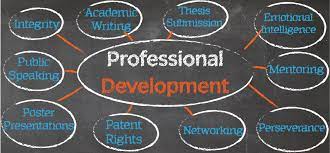
Professional development isn’t just about sitting in a stuffy room listening to someone drone on about pedagogy for hours—let’s be real, no one signed up for that! Opportunities can range from workshops and conferences to online courses and collaborative learning. Think hands-on activities where teachers can play with the latest educational tech or classroom management techniques. Flexible, engaging formats that cater to different learning styles are key to keeping educators inspired and excited about growing their skills.

b) Measuring the Impact of Professional Growth.

Once teachers have embarked on their development journeys, it’s essential to measure the outcomes. This can be as simple as surveys to gauge confidence and satisfaction or more complex analyses of student performance metrics before and after new strategies are implemented. Peer feedback can also provide valuable insights. The ultimate goal? Proving that investing in teacher growth not only elevates educators but also leads to a ripple effect that positively impacts students—and let’s face it, that’s the ultimate win-win!

8. Future Trends in Teaching: Balancing Inspiration and Effectiveness.

a) Embracing Technology in the Classroom.

With technology zipping forward faster than a caffeinated squirrel, it’s essential for educators to hop on the digital train or risk getting left at the station. Classrooms equipped with smart boards, educational software, and interactive tools not only engage students but also inspire innovative teaching methods. Blending traditional techniques with tech-savvy approaches enables educators to create dynamic learning experiences that cater to a variety of learning styles—and let’s face it, that’s where the fun begins!

b) Preparing for Evolving Educational Needs.

The educational landscape is constantly shifting, whether it’s new curriculum standards, diverse student needs, or societal changes. To stay ahead of the curve, teachers must be adaptable and open-minded. Preparing for these changes means continuous learning and being willing to step out of comfort zones. Encouraging forward-thinking discussions about future skill demands and fostering a growth mindset ensures that educators remain effective, inspired, and ready to tackle whatever challenges come their way. After all, if you’re not growing, you’re kind of just…well, sitting there! In conclusion, recognizing the spectrum of teaching—from inspirational guides to warning signs—enables us to better understand the pivotal role educators play in shaping future generations. By fostering an environment that encourages effective teaching practices and addressing areas of concern, we can create a more enriching learning experience for students. Ultimately, supporting teachers in their professional growth not only benefits them but also enhances the educational journey for every learner in the classroom.

Frequently Asked Questions:

1. What are the key characteristics of an inspirational teacher?

Inspirational teachers often exhibit traits such as empathy, passion for their subject, creativity in lesson delivery, strong communication skills, and the ability to foster a positive classroom environment that encourages student engagement and participation.

2. How can schools support teachers who show warning signs of ineffective practices?

Schools can support these teachers through targeted professional development, mentorship programs, collaborative teaching initiatives, and constructive feedback that focuses on improvement rather than criticism.

3. What impact does an inspirational teacher have on students?

An inspirational teacher can significantly enhance a student’s motivation, self-esteem, and academic performance. They inspire a love for learning and encourage students to explore their potential, leading to greater engagement and success in their educational journey.

4. How can educators identify their own teaching style?

Educators can identify their teaching style by reflecting on their classroom practices, seeking feedback from peers and students, and considering their strengths and preferences in lesson planning and delivery. Professional development workshops and self-assessment tools can also aid in this process.

Rating: 1 out of 5.

Unlocking Academic Success: Effective Approaches for Enhancing Weaker Students Performance.

Introduction.

Academic success is a goal that all educators strive to help their students achieve. However, it is essential to recognize that not all students come to the classroom with the same level of preparedness and ability. For weaker students who may face various challenges, unlocking their academic potential requires a tailored approach. In this article, we will explore effective approaches for enhancing the performance of weaker students. We will delve into understanding the challenges they face, identifying key factors that affect their academic performance, and providing targeted strategies and support to meet their individual needs. By creating a supportive learning environment, utilizing effective study techniques, and fostering active engagement, educators can empower weaker students to overcome obstacles and thrive academically.

1. Understanding the Challenges Faced by Weaker Students.

a) Identifying the underlying causes of weaker academic performance.

Let’s face it, not all students find academic success a walk in the park. Some students may struggle due to a variety of underlying causes. It’s important for educators to identify these causes in order to provide the necessary support and interventions. These causes can range from learning disabilities and language barriers to lack of prior knowledge and limited access to resources. By understanding the root causes, educators can better tailor their approach to help weaker students overcome their challenges.

b) Recognizing the impact of low self-confidence and motivation.

Low self-confidence and a lack of motivation can be major obstacles for weaker students. When students doubt their abilities or lose interest in learning, it can negatively affect their academic performance. Educators must recognize the crucial role that self-confidence and motivation play in a student’s success. By fostering a supportive and encouraging environment, providing positive feedback and helping students set achievable goals, educators can help boost confidence and reignite motivation in weaker students.

2. Identifying Key Factors Affecting Academic Performance.

a) Exploring the role of curriculum and instructional methods.

The curriculum and instructional methods employed in the classroom can greatly impact a student’s academic performance. Educators should take a critical look at the curriculum and consider whether it aligns with the needs and abilities of weaker students. Additionally, varying instructional methods can help cater to different learning styles and engage students who may struggle with traditional teaching approaches. By adapting the curriculum and instructional strategies, educators can create a more inclusive learning environment.

b) Examining the influence of learning styles and preferences.

Every student has their own unique learning style and preferences. Some students may thrive in a visual or kinesthetic learning environment, while others prefer auditory or hands-on approaches. Understanding and accommodating these differences is key to unlocking academic success for weaker students. Educators can incorporate a variety of teaching methods that cater to different learning styles, ensuring that all students have an equal opportunity to grasp and retain information.

3. Tailoring Instructional Strategies to Meet Individual Needs.

a) Implementing differentiated instruction techniques.

One size does not fit all when it comes to education. Differentiated instruction techniques can be highly effective in meeting the individual needs of weaker students. By providing customized learning experiences, educators can offer appropriate challenges and support to each student. This may involve modifying assignments, providing additional resources, or offering one-on-one instruction. With differentiated instruction, weaker students are empowered to learn at their own pace and in a way that suits their abilities and strengths.

b) Adapting content delivery methods for diverse learners.

Content delivery methods play a vital role in engaging weaker students and facilitating their understanding. Employing a variety of methods such as interactive multimedia, hands-on activities, or real-world examples can help make complex concepts more accessible. By tailoring content delivery to the diverse learners in the classroom, educators can foster a deeper understanding and make learning a more enjoyable experience for weaker students.

4. Creating a Supportive Learning Environment.

a) Fostering a positive classroom atmosphere.   

A supportive and positive classroom atmosphere is essential for the academic success of weaker students. Creating an environment where all students feel safe to ask questions, make mistakes, and express their thoughts without fear of judgment is crucial. Encouraging collaboration, celebrating achievements, and promoting a growth mindset can contribute to a positive classroom atmosphere that motivates weaker students to strive for improvement.

b) Building meaningful relationships and trust with students.

Strong relationships and trust between educators and students can have a profound impact on their academic performance. Building a genuine connection with weaker students helps foster a sense of belonging and provides a support system for them. By showing empathy, actively listening, and demonstrating a genuine interest in their well-being, educators can create a trusting relationship that encourages weaker students to seek help, ask questions, and actively engage in their learning journey.

Remember, unlocking academic success for weaker students requires a combination of understanding their challenges, adapting instructional strategies, and creating a supportive environment. With the right approach, every student can unlock their potential and achieve academic success. So let’s empower our weaker students to reach new heights and make their academic journey an enjoyable and fulfilling one!

5. Utilizing Effective Study Techniques and Time Management Strategies.

a) Teaching effective note-taking and organization skills.

When it comes to academic success, taking good notes and staying organized can make all the difference. Students who struggle in certain subjects often find it challenging to keep track of important information. By teaching effective note-taking techniques, such as using abbreviations and summarizing key points, educators can help students capture and understand critical concepts. Additionally, promoting organization skills, like using color-coded folders or digital tools for file management, can assist in creating a structured study environment that enhances learning and retention.

b) Promoting efficient study habits and time allocation.

We’ve all been guilty of procrastination at some point, but effective time management is crucial for academic success. Encouraging students to develop efficient study habits, such as breaking down tasks into manageable chunks and creating a study schedule, can help them make the most of their time. Effective time allocation allows students to balance their workload, reducing stress and promoting better understanding of the material. So, let’s bid farewell to last-minute cramming sessions and embrace a more organized and productive approach to studying.

6. Encouraging Active Engagement and Participation.

a) Incorporating interactive and hands-on learning activities.

Sitting passively in a classroom can be a recipe for disengagement, especially for weaker students. To unlock academic success, educators should spice up their teaching methods by incorporating interactive and hands-on learning activities. Whether it’s a group discussion, a science experiment, or a role-playing exercise, active engagement enhances understanding and retention. By making learning fun and involving students in the process, educators can create a more inclusive and dynamic environment that appeals to all learners.

b) Encouraging collaboration and group work opportunities.

They say two heads are better than one, and this holds true in the realm of education. Encouraging collaboration and group work opportunities not only cultivates a sense of community but also fosters academic growth. Weaker students can benefit from working alongside their peers, as it allows them to exchange ideas, gain new perspectives, and clarify concepts. By embracing the power of teamwork, educators can transform the learning experience into a collaborative adventure, ensuring that no student is left behind.

7. Providing Targeted Remedial Support and Resources.

a) Implementing intervention programs for specific academic areas.

No student should feel isolated or left behind if they struggle with particular subjects. To address this, implementing intervention programs specifically tailored to target areas of weakness can make a significant difference. These programs provide extra support and specialized instruction, helping students develop the necessary skills and knowledge. By recognizing that everyone learns at their own pace and providing targeted remedial assistance, educators can create a more inclusive environment where every student has an opportunity to succeed.

b) Offering additional tutoring and support services.

Sometimes, a little one-on-one assistance can go a long way. Offering additional tutoring and support services allows students to receive personalized attention and instruction tailored to their unique needs. Whether it’s through after-school tutoring sessions, peer mentoring programs, or online resources, students can benefit from the extra guidance and support. By making these resources readily available, educators demonstrate their commitment to helping weaker students unlock their academic potential.

8. Monitoring Progress and Adjusting Approaches as Needed.

a) Utilizing formative assessments to track student progress.

When it comes to enhancing weaker students’ performance, monitoring progress is key. Utilizing formative assessments, such as quizzes, projects, and class discussions, allows educators to gauge understanding and identify areas of improvement. By regularly assessing student performance, educators can pinpoint specific challenges and adjust their instructional approaches accordingly. This ongoing evaluation ensures that weaker students receive the necessary support and resources to thrive academically.

b) Using data-driven decision-making to modify instructional approaches.

Data is not just for number crunching; it can be a powerful tool for instructional improvement. By analyzing student performance data, educators can make informed decisions about modifying their teaching approaches. This data-driven decision-making enables educators to identify patterns, adapt their methods based on individual and collective needs, and ensure that weaker students receive the targeted support required for success. So, let’s embrace the power of data and use it to unlock academic potential for all students. By implementing the effective approaches discussed in this article, educators can make a significant impact on the academic success of weaker students. It is crucial to recognize that every student has the potential to grow and excel, given the right support and strategies. With a focus on understanding their challenges, tailoring instruction, and providing a supportive environment, educators can unlock the academic potential of weaker students and help them thrive. By investing in their success, we not only empower these students to achieve their goals but also foster a more inclusive and equitable educational system. Together, let us continue to work towards unlocking academic success for all students.

FAQ:

1. Can weaker students achieve academic success?

Yes, weaker students can absolutely achieve academic success. It is important to recognize that academic success looks different for every student and may require additional support and strategies. By implementing targeted approaches, providing a supportive learning environment, and addressing individual needs, educators can empower weaker students to reach their full potential.

2. How can educators identify the challenges faced by weaker students?

Identifying the challenges faced by weaker students requires a comprehensive understanding of their individual circumstances. Educators can gather information through assessments, observations, and conversations with students. Additionally, collaborating with colleagues, parents, and educational specialists can provide valuable insights into the challenges experienced by weaker students.

3. What are some effective study techniques for weaker students?

Effective study techniques for weaker students include teaching them how to take organized notes, break down complex tasks into smaller manageable parts, and practice active recall techniques such as summarizing information or teaching it to someone else. It is also important to teach time management skills and help them create a structured study schedule.

4. How can educators monitor the progress of weaker students?

Educators can monitor the progress of weaker students through ongoing formative assessments, which provide valuable feedback about their understanding and progress. Additionally, maintaining open lines of communication with students, regularly reviewing their work, and using data-driven decision-making can help identify areas where additional support or adjustment to instructional approaches may be needed.

From Home to Classroom: Understanding the Influence of Parents on a Childs Educational Success.

Introduction:

Parents play a vital role in shaping their child’s educational journey, serving as the first and most influential educators in their lives. Research consistently demonstrates that parental involvement significantly impacts a child’s academic achievement. From creating a supportive home environment for learning to collaborating with teachers, parents have the power to enhance their child’s educational experience and set them on a path to success. This article explores the various ways in which parents can positively influence their child’s educational success, emphasizing the importance of parental involvement, expectations, nurturing a growth mindset, fostering effective study habits, and promoting a love for learning. By understanding the influence parents have on their child’s education, we can harness their potential to create fruitful partnerships between home and classroom, ultimately empowering children to thrive academically.

1. The crucial role of parents in a child’s educational success.

When it comes to a child’s educational success, parents play a vital role as the ultimate influencers. While teachers and schools provide the formal education, it is the support and involvement of parents that truly make a difference in a child’s learning journey. From motivating and encouraging their children to creating a nurturing environment at home, parents have a tremendous impact on their child’s academic achievements. In this article, we will explore the various ways in which parents can contribute to their child’s educational success and help them thrive in the classroom.

2. Parental involvement and academic achievement: An overview.

a) Understanding the impact of parental involvement on academic outcomes.

Research consistently shows that parental involvement has a significant influence on a child’s academic achievements. When parents actively engage in their child’s education, it leads to higher grades, improved test scores, increased motivation, and stronger overall academic performance. The support and encouragement provided by parents act as powerful catalysts for their child’s success in the classroom. By understanding the importance of their involvement, parents can help set their children up for educational triumphs.

b) Types of parental involvement: Active participation in education.

Parental involvement in education can take various forms, all of which contribute to a child’s success. From simply showing interest in a child’s school life to actively participating in their learning journey, parents have the opportunity to make a difference. This involvement can include helping with homework, engaging in discussions about school topics, attending parent-teacher conferences, volunteering in school activities, and advocating for their child’s educational needs. By actively participating in their child’s education, parents not only provide valuable support but also demonstrate the importance of learning in a fun and engaging manner.

3. Creating a supportive home environment for learning.

a) Establishing a designated study area.

Creating a supportive home environment for learning is essential to foster academic success. One way to do this is by establishing a designated study area for your child. This space should be quiet, well-lit, and free from distractions, allowing your child to focus and concentrate on their studies. Having a dedicated study area also helps in establishing a routine and reinforces the importance of learning in a specific space.

b) Providing necessary learning resources and materials.

Equipping your child with the necessary learning resources and materials is another crucial aspect of creating a supportive home environment for their educational journey. Ensure that your child has access to textbooks, notebooks, and any other materials required for their studies. Additionally, consider providing additional resources such as reference books, educational websites, or online tools to enhance their learning experience. By providing these resources, you give your child the tools they need to thrive academically, even beyond the classroom.

4. Collaborating with teachers: Building strong parent-teacher partnerships.

a) Regular communication with teachers.

Building a strong partnership between parents and teachers is essential for a child’s educational success. Regular communication with your child’s teachers allows you to stay informed about their progress, strengths, and areas that may need extra attention. This open line of communication also enables you to address any concerns or challenges your child may be facing promptly. By working together with teachers, you can create a holistic support system that ensures your child receives the best possible education.

b) Attending parent-teacher conferences and school events.

Attending parent-teacher conferences and school events is an excellent opportunity to meet your child’s teachers and gain valuable insights into their academic progress. These events provide a platform to discuss your child’s strengths, areas for improvement, and to collaborate on strategies to support their learning. By actively participating in these conferences and events, you not only show your child that their education matters but also establish a strong foundation for a constructive parent-teacher relationship.

In conclusion, parents have a significant influence on their child’s educational success. By actively engaging in their child’s education, creating a supportive home environment, and collaborating with teachers, parents can help their children thrive academically. So, embrace your role as a cheerleader, supporter, and guide, and watch your child reach great heights in their educational journey.

5. The influence of parental expectations and aspirations on a child’s motivation.

When it comes to a child’s educational success, parents play a crucial role in shaping their motivation. Parental expectations and aspirations can have a significant impact on a child’s drive to excel academically.

a) Setting realistic yet challenging academic goals.

Parents need to set realistic, yet challenging, academic goals for their children. These goals should be attainable but also push the child to reach their full potential. By setting these goals together, parents and children can work towards them as a team, fostering a sense of purpose and motivation.

b) Instilling a sense of self-belief and fostering a growth mindset.

Believing in your child’s abilities and fostering a growth mindset is essential in motivating them to succeed academically. Encourage your child to embrace challenges, view mistakes as learning opportunities, and believe in their own capability to overcome obstacles. By instilling a sense of self-belief, parents can help their children develop resilience and the motivation to persevere.

6. Nurturing a growth mindset: Encouraging resilience and persistence in learning.

In addition to promoting a growth mindset, parents should also focus on nurturing resilience and persistence in their child’s learning journey.

a) Teaching children the value of effort and embracing challenges.

Help your child understand the value of effort by emphasizing that hard work and dedication are essential for success. Encourage them to embrace challenges rather than shying away from them. Teach them to see challenges as opportunities to grow and learn, rather than as roadblocks.

b) Promoting a positive attitude towards setbacks and failures.

It’s important for parents to cultivate a positive attitude towards setbacks and failures. Teach your child that setbacks are normal and part of the learning process. Help them see failures as opportunities to learn and improve, rather than as indicators of their worth or intelligence. By promoting a positive attitude, parents can foster resilience and persistence in their child’s academic journey.

7. Fostering effective study habits and time management skills at home.

Effective study habits and time management skills are essential for academic success. Parents can play a vital role in teaching and reinforcing these skills at home.

a) Establishing a consistent study routine.

Help your child establish a consistent study routine that works best for them. Set aside dedicated time for homework and study, creating an environment that is conducive to learning. Consistency will help your child develop discipline and a sense of responsibility towards their education.

b) Teaching effective organization and time management techniques.

Teach your child effective organization and time management techniques to optimize their study time. Help them prioritize tasks, break them into manageable chunks, and create a schedule that allows for both study and leisure activities. By learning these skills early on, children can become more independent and efficient in managing their time.

8. Promoting a love for learning: Encouraging curiosity and exploration.

Finally, it’s essential for parents to promote a genuine love for learning in their children, beyond just the requirements of the classroom.

a) Encouraging reading for pleasure and exploration of different subjects.

Encourage your child to read for pleasure and explore a variety of subjects outside of their regular academic curriculum. Provide them with access to books and resources that pique their interests. By fostering a love for reading and exploration, parents can ignite their child’s curiosity and create lifelong learners.

b) Engaging in educational activities outside of school.

Engage in educational activities with your child outside of the school setting. Visit museums, attend educational events, or explore nature together. These experiences not only enrich their knowledge but also create lasting memories and a positive association with learning.

By understanding the influence of parents on a child’s educational success and actively participating in their academic journey, parents can provide the necessary support, motivation, and love for learning that will contribute to their child’s achievements in the classroom and beyond. In conclusion, the influence of parents on a child’s educational success cannot be overstated. By actively engaging in their child’s education, creating a supportive learning environment at home, collaborating with teachers, setting high expectations, fostering a growth mindset, and promoting effective study habits and a love for learning, parents can significantly impact their child’s academic journey. When parents and educators work together, the possibilities for a child’s educational success become limitless. Let us recognize and embrace the profound role parents play in shaping their child’s future, and together, let us pave the way for a brighter future filled with educational achievement and lifelong learning.

FAQ:

1. How does parental involvement impact a child’s academic success?

Parental involvement has been consistently linked to positive academic outcomes for children. Research shows that when parents are actively engaged in their child’s education, providing support, encouragement, and guidance, children are more likely to perform better in school, have higher attendance rates, and develop stronger study skills.

2. How can parents collaborate effectively with teachers?

Collaborating with teachers is essential for a child’s educational success. Parents can establish regular communication with teachers, attend parent-teacher conferences and school events, and actively participate in their child’s education by asking about their progress, discussing any concerns, and seeking guidance on how to support their child’s learning at home.

3. How can parents foster a growth mindset in their child?

A growth mindset is the belief that abilities and intelligence can be developed through effort and perseverance. Parents can foster a growth mindset by encouraging their child to embrace challenges, teaching them the value of effort, praising their hard work and resilience, and reframing failures as learning opportunities. By instilling a growth mindset, parents can inspire their child to believe in their abilities and strive for continuous improvement.

4. What are some practical ways parents can promote effective study habits?

Parents can promote effective study habits by establishing a consistent study routine, creating a designated study area free from distractions, providing necessary learning resources, teaching organization and time management techniques, and offering guidance and support when needed. By helping their child develop effective study habits, parents can empower them to become independent and successful learners.

Revitalizing Learning: Discovering Innovative Approaches to Tackle Children’s Boredom in School.

 Introduction:

Children’s boredom in school is a pervasive issue that hampers their engagement, motivation, and overall learning experience. Many students find themselves disinterested, detached, and unenthusiastic in the classroom, leading to a decline in academic performance and a lack of fulfillment. It is essential to address this problem and discover innovative approaches to revitalize learning, reignite curiosity, and create a stimulating environment that fosters a love for education. This article explores the root causes of boredom in the classroom, delves into innovative teaching methods and strategies, and highlights the importance of empowering teachers to create engaging and enriching experiences for their students.

1. The problem of children’s boredom in school.

The prevalence and impact of boredom in the classroom.

We’ve all been there – sitting in a classroom, watching the clock tick agonizingly slow, and desperately trying to stay awake. Boredom in school is a widespread issue that affects both students and teachers alike. It not only makes learning a snooze-fest but also hampers academic progress and student engagement.

When students are bored, their minds wander off to distant lands, daydreaming about anything but the lesson at hand. This lack of focus makes it difficult for them to understand and retain information. Boredom also leads to disengagement, which can have serious consequences on a child’s motivation and overall attitude towards learning.

2. Understanding the root causes of boredom in the classroom.

Lack of student engagement and motivation.

Inadequate curriculum and teaching methods.

The role of classroom environment and structure.

Now, let’s dig into the reasons why boredom creeps into classrooms like an unwelcome guest. One major cause is the lack of student engagement and motivation. When students feel disconnected from the material or don’t see its relevance to their lives, they naturally lose interest.

Another culprit is the curriculum and teaching methods. A one-size-fits-all approach may leave some students feeling unchallenged or overwhelmed, leading to disinterest. Similarly, monotonous lectures and repetitive tasks can drain the excitement out of learning.

The classroom environment and structure also play a role in boredom. When spaces lack creativity and fail to provide opportunities for active participation, students are more likely to tune out. Rigid schedules and limited interaction can stifle curiosity and make learning feel like a chore.

3. Exploring innovative teaching methods and strategies.

Active learning techniques to enhance student participation.

Personalized learning approaches to cater to individual needs.

Implementing game-based learning for increased student engagement.

To counteract the effects of boredom, educators are embracing innovative teaching methods and strategies. Active learning techniques, such as group discussions, hands-on experiments, and interactive projects, breathe life into the classroom by promoting student participation and collaboration.

Personalized learning approaches recognize that each student has unique strengths, interests, and learning styles. By tailoring instruction to individual needs, educators can make lessons more engaging and meaningful. It’s like a customized learning experience, but without the hefty price tag.

And let’s not forget about the power of games. Game-based learning has gained popularity for its ability to captivate students and turn learning into a fun adventure. Whether it’s solving puzzles, role-playing, or gamified quizzes, incorporating games into the curriculum can ignite a spark of enthusiasm in even the most apathetic learners.

4. Incorporating technology to engage and motivate students.

Utilizing educational apps and platforms.

Integrating multimedia content for interactive learning experiences.

Using virtual reality and augmented reality to bring subjects to life.

In this digital age, technology offers a lifeline for combating classroom boredom. Educational apps and platforms provide interactive and engaging resources that make learning more exciting. From interactive quizzes to virtual lessons, these tools can inject some much-needed pizzazz into the learning process.

Multimedia content, such as videos, images, and animations, can also spice up the classroom experience. By incorporating visually appealing and interactive elements, teachers can cater to different learning styles and grab students’ attention. Who said education can’t be both informative and entertaining?

And finally, virtual reality (VR) and augmented reality (AR) offer immersive experiences that transport students into the heart of the subject matter. Whether it’s exploring ancient civilizations or unraveling the mysteries of the universe, these technologies have the power to make learning come alive in ways we never thought possible.

By embracing innovative approaches and leveraging technology, we can revitalize learning and bid farewell to the days of yawning students and disengaged minds. So, let’s banish boredom from the classroom and welcome a new era of excitement and curiosity in education.

Fostering creativity and active learning through project-based approaches.

Encouraging hands-on projects and experiments.

Learning doesn’t have to be confined to textbooks and lectures. By incorporating hands-on projects and experiments into the curriculum, educators can engage students in a more active and creative way. Whether it’s building a model, conducting science experiments, or creating artwork, these projects provide a tangible and interactive experience that can bring learning to life.

Implementing collaborative group work and problem-solving activities.

Collaboration is a key skill in today’s world, and schools can foster this by incorporating group work and problem-solving activities into the learning process. By working together on projects, students not only develop their teamwork and communication skills but also learn how to think critically and come up with innovative solutions. This approach encourages active participation and engagement, making learning more enjoyable and impactful.

Showcasing student work and providing opportunities for self-expression.

Every student has unique talents and abilities, and it’s important to provide them with opportunities to showcase their work and express themselves creatively. By giving students a platform to share their projects, whether it’s through presentations, exhibitions, or performances, they feel a sense of pride and accomplishment. This not only boosts their confidence but also fosters a positive learning environment where individuality is celebrated.

5. Cultivating a positive and inclusive classroom environment.

Promoting a supportive and respectful classroom culture.

Creating a positive and inclusive classroom environment is essential for student engagement and motivation. Teachers can promote a supportive culture by actively listening to students, valuing their opinions, and fostering a sense of belonging. By encouraging respect and empathy among students, classrooms become safe spaces where everyone feels comfortable to express themselves and participate actively in the learning process.

Addressing individual learning styles and preferences.

Not all students learn in the same way, and it’s crucial for educators to recognize and address different learning styles and preferences. By incorporating a variety of teaching methods, such as visual aids, hands-on activities, and audiovisual resources, teachers can cater to diverse learning needs. This ensures that every student is engaged and has the opportunity to learn in a way that suits them best.

Implementing effective classroom management techniques.

Maintaining an orderly and well-managed classroom is vital for creating an environment conducive to learning. By implementing effective classroom management techniques, such as clear expectations, consistent discipline strategies, and positive reinforcement, teachers can minimize distractions and disruptions. This allows students to focus on their learning and stay actively engaged throughout the school day.

6. Empowering teachers with professional development and support.

Providing ongoing training in innovative teaching methods.

Teachers play a pivotal role in revitalizing learning, and they need to be equipped with the necessary skills and knowledge to do so effectively. By providing ongoing professional development opportunities, schools can keep educators updated on the latest innovative teaching methods. This ensures that teachers are confident and capable of implementing new approaches that engage and inspire their students.

Encouraging collaboration and sharing of best practices.

Learning doesn’t stop at the classroom door. By fostering a culture of collaboration among teachers, schools can create an environment where educators share their best practices and learn from one another. This exchange of ideas and experiences not only enhances teaching methods but also encourages continuous improvement and innovation in the educational landscape.

Supporting teachers with resources and mentorship programs.

Supporting teachers goes beyond just professional development. By providing access to resources, such as technology tools, teaching materials, and research-based practices, schools can empower educators to implement innovative teaching approaches. Additionally, mentorship programs can pair experienced teachers with newcomers, creating a supportive network where educators can learn from each other and grow professionally.

7. Conclusion: Revitalizing learning for an engaged and enthusiastic student body.

The importance of continuous improvement in educational practices.

Revitalizing learning requires a commitment to continuous improvement in educational practices. By embracing new and innovative approaches, schools can adapt to the changing needs of students and create a learning environment that sparks curiosity and enthusiasm. This emphasis on improvement ensures that students are provided with the best possible education and are equipped with the skills they need to thrive in the modern world.

Creating a lifelong love for learning among students.

Ultimately, revitalizing learning aims to instill a lifelong love for learning among students. By making education engaging, relevant, and enjoyable, students are more likely to become active, curious learners who seek knowledge beyond the boundaries of the classroom. This love for learning not only benefits them academically but also empowers them to pursue their passions and lead fulfilling lives.

Conclusion: Revitalizing learning for an engaged and enthusiastic student body.

By recognizing and addressing the problem of children’s boredom in school, we can transform education into a vibrant and inspiring journey. Implementing innovative teaching methods, incorporating technology, fostering creativity, and cultivating a positive classroom environment are key steps towards revitalizing learning. Furthermore, it is crucial to provide teachers with professional development and support to empower them in creating dynamic and engaging educational experiences. By taking these measures, we can inspire an engaged and enthusiastic student body, instilling a lifelong love for learning and preparing them for success in the ever-evolving world.

FAQ:

1. Why is children’s boredom in school a significant concern?

Children’s boredom in school can lead to a range of negative consequences, such as decreased academic performance, disengagement, and a lack of motivation. It can hinder their ability to learn, explore their interests, and reach their full potential. Addressing this issue is crucial for creating a positive and productive learning environment.

2. How can innovative teaching methods and strategies help tackle children’s boredom?

Innovative teaching methods and strategies, such as active learning techniques, personalized learning, and game-based learning, can actively engage students and make learning more interactive and enjoyable. These approaches foster student participation, enhance critical thinking skills, and create a dynamic classroom environment that combats boredom.

3. What role does technology play in revitalizing learning?

Technology can be a powerful tool to engage and motivate students. Educational apps, multimedia content, and virtual reality can bring subjects to life and make learning more immersive. By incorporating technology into the classroom, teachers can create interactive and personalized learning experiences that capture students’ interest and passion for learning.

4. How can teachers create a positive and inclusive classroom environment?

Creating a positive and inclusive classroom environment involves fostering a supportive and respectful culture, addressing individual learning styles and preferences, and implementing effective classroom management techniques. By promoting collaboration, celebrating diversity, and valuing each student’s contributions, teachers can create an environment where every student feels valued, engaged, and motivated to learn.

From Crisis to Success: The Prevailing Spirit of Teachers as They Overcome School and Classroom Challenges.

Introduction:

Teachers play a vital role in shaping the future of our society, but their journey is not without its share of obstacles and difficulties. From managing diverse classrooms to navigating administrative demands, educators face numerous challenges that can often test their resolve. However, it is the prevailing spirit of teachers, their unwavering dedication, and their ability to overcome these obstacles that truly define the profession. This article delves into the journey of teachers as they tackle school and classroom challenges and explores the strategies, support systems, and innovative approaches they employ to transform crises into opportunities for success. By understanding the nature of these challenges and the resilience of educators, we can gain insights into how teachers continuously adapt, inspire, and thrive in their mission to educate and empower the next generation.

1. The Resilient Spirit of Teachers in Overcoming Challenges.

Teaching is no easy feat. It requires endless patience, creativity, and adaptability. But what truly sets teachers apart is their unwavering spirit in the face of challenges. From juggling diverse student needs to navigating ever-changing curricula, teachers are the ultimate problem-solvers. In this article, we will explore the prevailing spirit of teachers as they overcome school and classroom challenges. Through their resilience, they not only inspire their students, but also remind us all of the power of determination.

2. Understanding the Nature of School and Classroom Challenges.

a) Identifying Common Challenges Faced by Teachers.

Let’s face it – teachers face a multitude of challenges on a daily basis. From managing disruptive behavior to addressing learning gaps, the list can seem never-ending. Lesson planning, grading, meetings, and paperwork pile up, often leaving teachers feeling overwhelmed. However, it’s important to recognize that these challenges are not unique to any one educator. They are shared experiences that unite teachers across the globe.

b) Analyzing the Impact of Challenges on Teachers and Students.

The challenges teachers encounter not only affect their own well-being but also have a profound impact on their students. When teachers feel overwhelmed, it can be difficult to provide the necessary support and guidance to students. Classroom dynamics may suffer, hindering the overall learning experience. Recognizing the interconnectedness of teacher and student well-being emphasizes the importance of addressing these challenges head-on.

3. Strategies for Maintaining Motivation and Positivity in Challenging Situations.

a) Self-Care and Well-being: Prioritizing Teacher Mental Health.

Amidst the chaos, teachers must remember to prioritize their own well-being. Self-care is not a luxury but a necessity. Whether it’s taking breaks, pursuing hobbies, or seeking support from loved ones, teachers must recharge to face each day’s challenges with renewed energy and positivity.

b) Cultivating a Growth Mindset: Embracing Challenges as Opportunities.

Rather than viewing challenges as roadblocks, teachers can adopt a growth mindset and see them as opportunities for personal and professional development. Every challenge is a chance to learn, adapt, and grow. By reframing their mindset, teachers can approach difficult situations with tenacity and an eagerness to find solutions.

c) Finding Inspiration and Renewal in the Teaching Profession.

Teaching can sometimes feel like a thankless job, but it’s important for teachers to find inspiration in their profession. Whether it’s connecting with like-minded colleagues, attending conferences, or exploring innovative teaching methods, seeking out sources of inspiration can help reignite passion and enthusiasm for teaching.

4. Building Resilience: Support Systems and Professional Development for Teachers.

a) Establishing Strong Support Networks: Colleagues, Mentors, and Administrators.

Nobody can do it all alone. Building a strong support network is crucial for teachers to thrive in their roles. Colleagues, mentors, and administrators can provide much-needed guidance, encouragement, and a listening ear. By fostering a sense of community, teachers can find solace and strength in knowing they are not alone in their challenges.

b) Accessing Professional Development Opportunities for Skill Enhancement.

Continuing professional development plays a vital role in equipping teachers with the skills and knowledge necessary to face evolving challenges. By actively seeking out workshops, conferences, and online resources, teachers can stay up-to-date with best practices and discover new strategies to enhance their teaching effectiveness.

c) The Role of Coaching and Feedback in Teacher Growth.

Coaching and feedback are invaluable tools for teacher growth. Engaging in constructive dialogue with administrators and peers helps teachers reflect on their practices, identify areas for improvement, and receive guidance for professional growth. By embracing feedback, teachers can refine their teaching methods and overcome challenges with greater confidence.

In conclusion, the prevailing spirit of teachers shines through as they navigate the complex landscape of school and classroom challenges. Through prioritizing self-care, embracing a growth mindset, finding inspiration, and building strong support systems, teachers demonstrate their resilience and tenacity in the face of adversity. So let’s celebrate the remarkable teachers who continue to inspire, educate, and overcome, shaping the future of generations to come.

5. Effective Communication and Collaboration in Overcoming Challenges.

a) Open and Transparent Communication with Colleagues and Administrators.

When it comes to tackling challenges in the education field, effective communication is key. Teachers who openly and honestly communicate with their colleagues and administrators create an environment of support and collaboration. By sharing struggles, brainstorming solutions, and seeking advice from fellow educators, teachers can gain valuable insights and find innovative ways to overcome obstacles. Transparent communication also fosters a sense of trust and teamwork, laying the foundation for a resilient and united teaching community.

b) Collaborative Problem-Solving: Engaging Students, Parents, and the Community.

Teachers know that they cannot face challenges alone. Engaging students, parents, and the wider community in problem-solving is an essential part of overcoming obstacles in education. By involving all stakeholders, teachers gain diverse perspectives and tap into a wealth of collective knowledge. This collaborative approach helps identify new strategies, resources, and support systems that benefit both individual students and the entire learning community. Together, teachers, parents, students, and the community can create a network of support that propels students towards success.

6. Innovative Teaching Approaches for Addressing Classroom Challenges.

a) Adapting Teaching Strategies to Cater to Diverse Learners.

In today’s classrooms, teachers encounter students with a wide range of learning styles, abilities, and backgrounds. To address this diversity and ensure every student reaches their full potential, teachers must be adaptive and flexible in their teaching strategies. By differentiating instruction and providing individualized support, teachers cater to the unique needs of each student. This personalized approach helps students feel valued, engaged, and motivated, ultimately leading to improved academic performance.

b) Technology Integration: Leveraging Digital Tools to Enhance Learning.

The digital age has brought forth a wealth of technological tools that can revolutionize the classroom experience. By integrating technology into their teaching practices, teachers can enhance student learning and address various challenges. Whether it’s using interactive educational apps, online platforms for remote learning, or multimedia presentations, technology provides new avenues for engagement and exploration. Embracing these digital tools empowers teachers to create dynamic and immersive learning experiences that captivate students’ attention and promote deeper understanding.

c) Creative Lesson Planning: Engaging Students and Encouraging Active Participation.

Gone are the days of monotonous lectures and passive learning. Today’s teachers understand the importance of creativity in lesson planning to captivate students’ interest and encourage active participation. By incorporating hands-on activities, group work, real-world examples, and interactive discussions, teachers create an engaging learning environment. This approach not only makes learning more enjoyable for students but also cultivates critical thinking, collaboration, and problem-solving skills. Through creative lesson planning, teachers inspire and empower students to take an active role in their education.

7. Nurturing Student Engagement and Success amidst Adversity.

a) Fostering a Positive Classroom Climate: Creating a Sense of Belonging.

Building a positive classroom climate is crucial for fostering student engagement and success, especially in the face of adversity. Teachers who create a welcoming and inclusive environment make students feel valued and respected. By acknowledging each student’s unique strengths and interests, teachers cultivate a sense of belonging that encourages active participation and collaboration. When students feel safe and supported, they are more likely to take risks, explore new ideas, and excel academically.

b) Individualized Support: Differentiated Instruction and Personalized Learning.

No two students are the same, and teachers recognize the importance of providing individualized support. Through differentiated instruction and personalized learning approaches, teachers tailor their teaching to meet the specific needs of each student. By identifying students’ strengths, weaknesses, and learning styles, teachers can provide targeted interventions and accommodations. This individualized support not only helps students overcome challenges but also empowers them to take ownership of their learning journey.

c) Building Resilient Students: Teaching Coping Skills and Growth Mindset.

Adversity is a part of life, and teachers play a pivotal role in helping students develop resilience. By teaching coping skills, fostering a growth mindset, and emphasizing the value of perseverance, teachers equip students with the tools to overcome challenges. Building resilience goes beyond academic success; it prepares students to navigate the ups and downs of life and emerge stronger from difficult situations. With the guidance of dedicated teachers, students develop the skills and mindset needed to thrive in the face of adversity.

8. Celebrating Success: Stories of Teachers Overcoming Challenges.

Amidst the challenges faced by teachers, it is important to celebrate their remarkable successes. Whether it’s a breakthrough in a struggling student’s academic performance, the implementation of an innovative teaching approach, or the creation of a nurturing classroom environment, these stories of triumph should be shared and celebrated. By highlighting teachers’ accomplishments, we inspire others in the education community and remind ourselves of the prevailing spirit that drives teachers to overcome the toughest of challenges. Together, we can recognize and honor the dedication and resilience of teachers who work tirelessly to make a difference in the lives of their students. In conclusion, the prevailing spirit of teachers shines through as they navigate and triumph over the myriad challenges they face in schools and classrooms. Their resilience, determination, and unwavering commitment to their students and profession are truly remarkable. By sharing stories of success, exploring effective strategies, and highlighting the importance of support and collaboration, we can continue to celebrate and support our teachers in their continuous journey towards creating a positive and impactful educational experience for all. Let us honor and appreciate the prevailing spirit of teachers as they inspire and shape the future generation, ensuring that every challenge becomes an opportunity for growth and success.

FAQ-

1. What are some common school and classroom challenges faced by teachers?

Teachers encounter various challenges, such as managing disruptive behavior, meeting individual student needs, adapting to changing curriculum standards, and balancing workload demands.

2. How can teachers overcome burnout and maintain motivation in challenging situations?

To combat burnout, teachers can prioritize self-care, cultivate a growth mindset, seek inspiration from colleagues and professional development opportunities, and find fulfillment in the positive impact they make on students’ lives.

3. What support systems are available to teachers in overcoming challenges?

Teachers can build strong support networks with colleagues, mentors, and administrators who can provide guidance, advice, and encouragement. Additionally, accessing professional development opportunities and receiving coaching and feedback can contribute to their growth and resilience.

4. How can teachers address diverse student needs and engage students amidst adversity?

Teachers can employ innovative teaching approaches, including differentiating instruction, integrating technology, and implementing creative lesson plans. By fostering a positive classroom environment, promoting individualized support, and teaching resilience and coping skills, teachers can nurture student engagement and success.