Navigating puberty can be a tumultuous journey for adolescents as they experience a myriad of physical and emotional changes driven by hormones. Understanding the impact of these hormonal shifts is crucial in supporting teenagers through this transformative phase of development. In this article, we delve into the complexities of puberty and hormones, exploring the physical transformations, emotional rollercoaster, coping strategies, and support systems available to help high school students cope effectively with the challenges of adolescence.
1. Introduction to Puberty and Hormones.
a. Definition of Puberty.
Ah, puberty. That magical time in life when our bodies decide to go on a rollercoaster ride without asking for our permission first. Puberty is basically nature’s way of saying, “Surprise! You’re not a kid anymore.”
b. Role of Hormones in Puberty.
Hormones are the behind-the-scenes puppet masters pulling the strings during puberty. These little troublemakers are responsible for all the wild changes happening in our bodies, from mood swings to the sudden appearance of strange new body parts.
2. Physical Changes during Adolescence.
a. Growth Spurts and Development of Secondary Characteristics.
One day you’re barely reaching the top shelf, and the next day you’re a human beanstalk shooting up towards the sky. Thanks to those hormones, you’ll also start noticing some interesting new features popping up, like facial hair or curves in all the unexpected places.
b. Impact on Body Image and Self-Esteem.
As if dealing with a sudden growth spurt and awkward body changes weren’t enough, hormones also like to throw a curveball at our confidence levels. Suddenly, we’re questioning every mirror we pass and wondering if our body is playing a cruel joke on us.
Ever feel like you’re on an emotional rollercoaster with no end in sight? Blame it on those hormones. They’re the stealthy ninjas wreaking havoc on our moods, making us laugh, cry, and rage all within a span of five minutes.
b. Managing Mood Swings and Emotional Changes.
So, how do we deal with these hormonal mood swings? Take a deep breath, count to ten, and remember that it’s just your hormones playing tricks on you. Talk it out with a friend, punch a pillow, or blast some music to ride out the storm.
4. Coping Strategies for Adolescents Going Through Puberty.
a. Healthy Lifestyle Choices: Diet and Exercise.
While it may be tempting to drown your hormonal sorrows in a tub of ice cream, opting for healthy food choices and staying active can actually help you feel better. Plus, exercise is a great way to kick those mood swings to the curb.
b. Communication and Support from Parents and Peers.
When in doubt, talk it out. Whether it’s with your parents, friends, or even a trusted adult, sharing how you’re feeling can make a world of difference. Remember, you’re not alone in this hormonal circus – we’re all in it together.
So, to all the teens out there navigating the tumultuous waters of puberty, remember: hormones may be the puppet masters, but you’ve got the power to pull the strings and ride out the storm with style and grace.
5. Support Systems for Teens Navigating Hormonal Changes.
Ah, hormones – those little troublemakers that can turn a peaceful afternoon into a whirlwind of emotions faster than you can say “puberty.” But fear not, dear teenagers, for you are not alone in this hormonal rollercoaster ride. Here are some support systems that can help you navigate these turbulent times.
6. Role of School Counsellors and Mental Health Professionals.
Picture this: you’re in the middle of a math test when suddenly, out of nowhere, a wave of anxiety hits you like a ton of bricks. Enter school counsellors and mental health professionals, your trusty allies in the battle against teenage angst. These unsung heroes are there to lend a listening ear, offer guidance, and provide strategies to help you manage the ups and downs of puberty-induced mood swings. So next time you’re feeling overwhelmed, don’t hesitate to reach out to these superhero sidekicks.
7. Community Resources for Adolescent Mental Health Support.
When it feels like the weight of the world is resting squarely on your adolescent shoulders, know that there are community resources waiting to swoop in and save the day. From support groups to hotlines to online forums, there are plenty of avenues for you to explore if you need a helping hand during this tumultuous time. Remember, asking for help is a sign of strength, not weakness. So go ahead, pick up that phone, join that group, or send that message. Your mental health matters, and there are people out there ready and willing to support you through it all. In conclusion, by recognizing the role hormones play in the adolescent experience and implementing appropriate coping mechanisms and support systems, teenagers can navigate puberty with resilience and confidence. By fostering open communication, providing guidance, and accessing available resources, high school students can embrace the changes of puberty as a natural part of their journey towards adulthood.
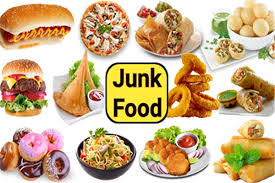
Junk food has become ubiquitous in the diets of children today, leading to a silent health crisis that demands attention. The consumption of unhealthy, processed foods high in sugar, salt, and unhealthy fats has become a norm, greatly impacting the well-being of children. This article aims to analyze the undeniable connection between junk food and children’s well-being, shedding light on the detrimental effects it has on their physical health, mental and emotional well-being, the role it plays in the rising rates of childhood obesity, and the influence of marketing and advertising. By understanding the severity of this issue, we can explore strategies to promote healthier eating habits, emphasize parental involvement and education, and ultimately prioritize the well-being of children in combating this silent health crisis.
1. The prevalence and impact of junk food consumption among children.
a) Understanding the current state of junk food consumption.
Let’s face it – junk food has become a staple in many children’s diets. From sugary snacks to greasy fast food, it seems like these unhealthy options are everywhere we turn. But just how prevalent is junk food consumption among children? Well, the numbers might shock you. According to recent studies, an alarming 60% of calories consumed by children and adolescents come from junk food and unhealthy beverages. That’s right; more than half of their energy intake is derived from these nutritionally empty choices. It’s safe to say that junk food has become a permanent resident in our children’s stomachs.
b) Exploring the consequences of excessive junk food intake.
While a treat here and there may not cause significant harm, excessive junk food consumption can have serious consequences for children’s well-being. We’re not just talking about a few extra pounds; we’re talking about a silent health crisis. The impact of too much junk food extends far beyond a number on the scale. It can wreak havoc on a child’s physical health, mental well-being, and overall quality of life. It’s time we take a closer look at these consequences and understand the true toll that junk food is taking on our little ones.
2. The detrimental effects of junk food on children’s physical health.
a) Obesity and its health implications.
One of the most obvious and immediate effects of excessive junk food intake is obesity. The high levels of sugar and unhealthy fats found in these foods can easily lead to weight gain, putting children at a higher risk of developing obesity. But obesity is not just about appearance; it has serious health implications. Children who are overweight or obese are at a greater risk of developing type 2 diabetes, heart disease, and other chronic conditions that used to be reserved for adults. It’s a dangerous path that no child should have to face.
b) Increased risk of chronic diseases.
As if obesity wasn’t enough, excessive junk food consumption also increases the risk of developing chronic diseases later in life. Conditions such as high blood pressure, high cholesterol, and metabolic syndrome are becoming increasingly common among children who regularly indulge in junk food. These diseases used to be associated with aging, but now they’re knocking on the doors of our youth. It’s time to slam that door shut and protect our children’s future health.
c) Nutritional deficiencies and imbalances.
It’s no secret that junk food lacks the essential nutrients our children need to thrive. Instead, it’s packed with empty calories, sugar, and unhealthy fats. A diet high in junk food can lead to nutritional deficiencies and imbalances, leaving children without the proper fuel their bodies need to grow and develop. The lack of vitamins, minerals, and fiber can hinder their immune system, stifle their cognitive function, and impair their overall growth. It’s time to ditch the junk and give our children the nourishment they deserve.
3. The link between junk food and children’s mental and emotional well-being.
a) Impact on mental health conditions.
When we think about the effects of junk food, we often focus on the physical consequences. But the truth is, junk food also takes a toll on children’s mental and emotional well-being. Studies have shown a strong link between junk food consumption and mental health conditions such as depression and anxiety. The high levels of sugar and unhealthy fats can negatively affect brain function and neurotransmitter production, leading to mood swings, irritability, and a general feeling of low energy. It’s not just their bodies that suffer; their minds do too.
b) Behavioral changes and mood disorders.
Ever notice how your child’s behavior seems to go haywire after a sugary snack? Well, it’s not just a coincidence. Junk food has been associated with behavioral changes and mood disorders in children. The sudden spike in blood sugar followed by a crash can leave them feeling irritable, restless, and even aggressive. It’s like a rollercoaster ride of emotions that no parent or child should have to endure. By cutting back on junk food, we can help stabilize their moods and bring some calm back into their lives.
c) The connection between junk food and cognitive function.
The impact of junk food doesn’t stop at mood swings and behavioral changes. It can also affect a child’s cognitive function. Research has shown that the high levels of sugar and unhealthy fats found in junk food can impair memory, attention span, and overall brain health. It’s like putting their little minds in a fog, making it harder for them to learn, concentrate, and succeed academically. If we want our children to thrive, we need to fuel their brains with the right nutrients, not the empty promises of junk food.
4. The role of junk food in the rising rates of childhood obesity and related health conditions.
a) Understanding the obesity epidemic among children.
Childhood obesity has reached alarming levels in recent years, and junk food is a major contributor to this epidemic. The rise of fast food chains, sugary drinks, and processed snacks has made it easy for children to consume excessive amounts of calories without even realizing it. Combine that with sedentary lifestyles and poor dietary habits, and we have a recipe for disaster. It’s time to understand the root causes of this obesity epidemic, and junk food is definitely one of the main ingredients.
b) Contributing factors to childhood obesity.
While junk food plays a significant role in childhood obesity, it’s important to recognize that it’s not the only culprit. Factors such as lack of physical activity, limited access to nutritious food options, and socioeconomic inequalities also contribute to the rising rates of obesity among children. However, junk food remains a key player in this unhealthy game. By acknowledging its impact and addressing it head-on, we can start making progress towards a healthier future for our children.
c) Health conditions associated with childhood obesity.
Childhood obesity is more than just a cosmetic concern. It comes with a range of health conditions that can have long-lasting effects on a child’s well-being. From type 2 diabetes to sleep apnea, obesity-related diseases are on the rise among children, and they’re not to be taken lightly. We need to recognize that the choices we make for our children now will shape their future health. By reducing junk food consumption and promoting a balanced, nutritious diet, we can break the cycle of obesity and give our children the chance to live their best, healthiest lives.
5. The influence of marketing and advertising on children’s food choices and behaviors.
a) Tactics used by junk food marketers targeting children.
We’ve all seen those flashy advertisements with colorful packaging, catchy jingles, and happy kids munching on burgers and fries. They’re designed to captivate young minds and make unhealthy food seem irresistible. Junk food marketers employ various tactics to target children, from using cartoon characters to promoting toys and prizes with their products. By creating a sense of fun and excitement around their brands, they make it harder for kids to resist the allure of unhealthy snacks.
b) The impact of advertising on children’s food preferences.
It’s no secret that children are highly impressionable. Studies have shown that exposure to junk food advertising significantly influences their food preferences. When bombarded with advertisements for sugary cereals or fast food, children develop a strong desire for these unhealthy options. This not only affects their immediate food choices but also shapes their long-term eating habits, increasing the likelihood of obesity and related health problems.
c) Regulatory efforts to curb unhealthy food marketing to children.
Recognizing the detrimental effects of junk food marketing on children’s well-being, many countries have implemented regulatory measures to reduce its impact. Some have restricted advertising during children’s television programming, while others have imposed stricter guidelines on the types of foods that can be advertised to children. These efforts aim to create a healthier media environment for children and empower parents to make informed food choices for their kids.
6. Strategies for promoting healthier eating habits and reducing junk food consumption among children.
a) Education and awareness campaigns.
One crucial step in combating the junk food crisis is educating children and their families about the importance of healthy eating. Public health campaigns can raise awareness about the negative effects of junk food and the benefits of a balanced diet. By providing information on nutrition and teaching kids how to make healthier food choices, we can empower them to take control of their own well-being.
b) The importance of nutritional education in schools.
Schools play a vital role in shaping children’s eating habits, and incorporating nutritional education into the curriculum can make a significant difference. Teaching kids about the importance of fruits, vegetables, whole grains, and lean proteins can help them develop a lifelong appreciation for nutritious food. By equipping children with the knowledge and skills to make healthy food choices, we can set them up for a lifetime of well-being.
c) Creating a supportive environment for healthy eating.
Promoting healthier eating habits goes beyond just educating children. We need to create an environment that supports these choices. This involves making nutritious options more accessible in schools, implementing healthy food policies, and ensuring that fresh produce is affordable and readily available in communities. When healthier options are readily available and encouraged, it becomes easier for children and their families to make positive food choices.
7. The importance of parental involvement and education in combating the junk food crisis.
a) Parental role in shaping children’s eating habits.
Parents play a crucial role in their children’s eating habits. By being role models and providing a healthy food environment at home, parents can influence their children’s choices and behaviors. When parents prioritize nutritious meals and snacks, it becomes easier for children to develop healthier preferences and habits. It’s essential for parents to take an active role in shaping their children’s relationship with food.
b) Providing guidance and setting a healthy example.
Guidance is key when it comes to helping children navigate the overwhelming world of food choices. Parents can teach their children about balanced meals, involve them in grocery shopping and meal preparation, and encourage family mealtimes. By setting a healthy example and providing guidance, parents can instill valuable habits that will benefit their children’s overall well-being.
c) Empowering parents with knowledge and resources.
To effectively combat the junk food crisis, parents need access to resources and information. Providing parents with educational materials, healthy recipes, and practical tips can empower them to make informed decisions about their children’s diets. Additionally, support networks and community programs can offer guidance and encouragement, creating a collective effort to prioritize children’s well-being.
8. Conclusion: Taking action to prioritize children’s well-being and combat the silent health crisis.
The undeniable connection between junk food and children’s well-being demands our attention and action. By understanding the influence of marketing on food choices, promoting healthier eating habits, and involving parents in the process, we can make strides towards combating this silent health crisis. It’s time to prioritize our children’s well-being by creating an environment that supports healthy choices and empowering them with the knowledge and resources to make a positive impact on their own lives. Let’s give junk food a run for its money and ensure a healthier future for our children. In conclusion, addressing the undeniable connection between junk food and children’s well-being is crucial for their overall health and development. By recognizing the detrimental effects of junk food on physical health, mental and emotional well-being, and the rising rates of childhood obesity, we can take necessary steps to combat this silent health crisis. It is imperative to implement strategies such as education, creating supportive environments, and empowering parents to make healthier choices for their children. By prioritizing the well-being of our children and taking action against the influence of junk food, we can pave the way for a healthier future generation.
FAQ:
1. How does junk food consumption impact children’s mental health?
Junk food consumption has been linked to an increased risk of behavioral changes, mood disorders, and even cognitive function impairments in children. The high sugar and unhealthy fat content in junk food can disrupt brain chemistry and negatively affect mental well-being.
2. How does advertising contribute to children’s consumption of junk food?
Advertising plays a significant role in shaping children’s food preferences and behaviors. Junk food marketers often use enticing and persuasive tactics to target children through various media channels, leading to increased consumption of unhealthy foods and making it challenging for children to make healthier choices.
3. What can parents do to combat the influence of junk food on children?
Parents play a crucial role in shaping their children’s eating habits. By being role models and providing a supportive environment, parents can promote healthier eating habits. Additionally, educating themselves about nutrition and equipping their children with knowledge about making healthier food choices can empower them to resist the allure of junk food.
4. How can schools and communities contribute to reducing junk food consumption among children?
Schools and communities can implement various strategies to promote healthier eating habits. This includes incorporating nutritional education into the curriculum, offering healthier food options in schools, and creating supportive environments that discourage the availability and consumption of junk food. Collaborative efforts involving parents, educators, and community stakeholders are crucial in combatting the influence of junk food on children’s well-being.










 Parth Sharma