The Hidden Challenges behind the Principals Desk.

Behind the polished facade of every school principal lies a complex web of challenges that often goes unnoticed by the broader community. While principals are celebrated for their leadership and dedication, they face an array of pressures that can impact their effectiveness and well-being. From navigating administrative duties and balancing stakeholder expectations to addressing the diverse needs of students and staff, the role demands both resilience and emotional intelligence. This article delves into the hidden challenges faced by principals, shedding light on their daily struggles and the strategies they employ to foster a thriving educational environment.

1. Understanding the Role of a Principal.

a) Defining Leadership in Education.

Being a principal isn’t just about wielding authority like a scepter; it’s about inspiring a whole kingdom of students, teachers, and parents. Leadership in education is a unique blend of vision, strategy, and a splash of patience. A principal must be a guide, mentor, and sometimes, a peacekeeper, navigating the often tumultuous waters of the school environment while ensuring that everyone is paddling in the same direction—towards educational excellence.

b) Daily Responsibilities and Challenges.

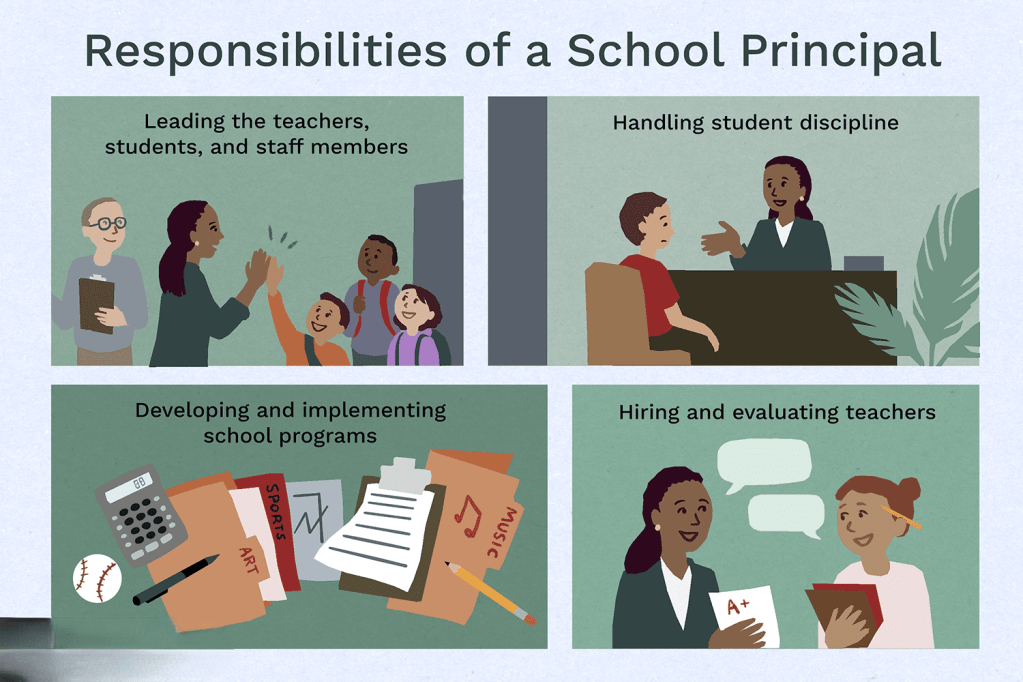
Picture this: your alarm goes off at the crack of dawn, and you’re off to a day filled with student assemblies, staff meetings, and the occasional fire drill—all while juggling paperwork that seems to reproduce like rabbits. From hiring teachers to handling discipline issues, a principal’s day is packed tighter than a can of sardines. And just when you think you have a moment to breathe, there’s a surprise visit from the school board or a parent with a question that could spark a debate worthy of a presidential election.

c) The Principal’s Influence on School Culture.

Ever heard the saying, “Culture eats strategy for breakfast”? Well, a principal is essentially the chef in the kitchen, cooking up the school culture that nourishes students and staff alike. A principal sets the tone—whether it’s fostering inclusivity, encouraging creativity, or embracing new technology. Their approach influences everything from teacher morale to student engagement, making them pivotal in creating an environment where learning thrives (and where the cafeteria serves edible food).

2. The Emotional Toll of Leadership.

a) Stress and Burnout: A Common Reality.

If you thought marathon runners had it tough, wait until you hear about the emotional marathon that principals run. The pressure to meet academic goals, address social issues, and keep everyone happy can lead to stress that’s more intense than a double shot of espresso. Many principals find themselves on the burnout express, making self-care a not-so-guilty pleasure they can’t ignore if they want to keep their sanity intact.

b) The Importance of Emotional Intelligence.

Emotional intelligence isn’t just a buzzword to impress your friends at parties; it’s a vital tool for successful leadership. Principals engage with a myriad of personalities—from eager students to overwhelmed teachers and concerned parents. Navigating these emotional waters requires empathy, active listening, and the ability to manage one’s feelings—essentially walking a tightrope while juggling flaming torches. Mastering emotional intelligence can turn challenging encounters into opportunities for collaboration and growth.

c) Finding Work-Life Balance.

Ah, the elusive work-life balance—like trying to find a needle in a haystack during a tornado. For many principals, the demands of the job often spill over into personal time, leading to late-night emails and weekends filled with planning. However, maintaining that balance is crucial to avoid professional exhaustion. It’s about setting boundaries, knowing when to say “no,” and scheduling time for personal hobbies (yes, “Netflix and chill” counts as a hobby).

3. Navigating Administrative Responsibilities.
a) Budget Management and Resource Allocation.

Budgeting isn’t just a math problem; it’s like playing a strategic game of chess where every move counts. Principals must allocate resources wisely, ensuring that funds support both academic programs and necessary facilities upgrades without ending up in a financial checkmate. They often find themselves in the thrilling—and sometimes terrifying—position of prioritizing needs while trying to stretch every dollar further than a pair of old gym socks.

b) Compliance with Regulations and Standards.

In the world of education, rules and regulations are as abundant as school supplies in August. Principals navigate a labyrinth of compliance issues, from federal mandates to state standards, often feeling like they need a degree in law just to keep up. Keeping the school compliant is essential, but it can feel overwhelming amidst the daily chaos of running a school. It’s a fine dance of tedious paperwork and attention to detail that would make even the most seasoned administrator dizzy.

c) Data-Driven Decision Making.

In an age where data reigns supreme, principals are expected to wear the hat of data analysts as much as they do of leaders. Understanding test scores, attendance rates, and other metrics isn’t just about crunching numbers; it’s about using those insights to inform decisions that drive student success. Whether it’s assessing academic performance or evaluating programs, data-driven decision-making can lead to impactful changes. But let’s be real—if only it came with a user manual.

4. Balancing Stakeholder Expectations.

a) Engaging Parents and Community.

When it comes to building a thriving school community, principals are on the front lines. Engaging parents and local stakeholders involves effective communication, organizing events, and creating partnerships that promote a shared vision for student success. But let’s face it, it can feel like trying to herd cats on a rollercoaster at times. Still, when everyone feels invested, the result is a supportive environment that enhances learning and fosters growth.

b) Meeting the Needs of Students.

Every student is a unique puzzle piece, and principals are the ones tasked with making sure all those pieces fit together in a harmonious and productive way. This means addressing diverse learning needs, advocating for mental health resources, and promoting an inclusive environment where every student feels valued. It’s no small feat, but when it all clicks, the impact can be transformative—like a well-timed punchline that brings down the house.

c) Collaborating with School Boards and Districts.

Ah, school boards—the mighty councils of educational governance. Principals must work closely with these governing bodies to align on goals and policies, often acting as the bridge between the board’s vision and the school’s day-to-day operations. It’s a balancing act that requires diplomacy, negotiation skills, and sometimes, a thick skin. After all, having a bit of humor during board meetings can go a long way in easing tensions and fostering collaboration—just make sure to save the jokes for after the serious stuff!<h2>The Impact of Policy Changes on School Management</h2> 

d) Understanding State and Federal Regulations.

Navigating the labyrinth of state and federal regulations can feel like trying to solve a Rubik’s Cube blindfolded. Each shift in policy requires principals to recalibrate their strategies, ensuring compliance while also keeping the school’s mission intact. From funding changes to safety protocols, these regulations can create a ripple effect in daily operations. It’s like a game of Jenga—remove one piece, and the whole structure could come tumbling down.

e) Adapting to Curriculum Changes.

Curriculum changes can land on a principal’s desk like a surprise pizza delivery—with the wrong toppings. One moment, you’re on a clear path, and the next, you’re scrambling to implement new standards, resources, and training. It’s imperative to engage teachers and staff in the process, turning changes into collaborative ventures instead of solo missions. Think of it as a dance—if everyone is in sync, the new curriculum can lead to a beautiful performance instead of chaotic footwork.

f) Responding to Educational Trends and Innovations.

Keeping up with educational trends can feel like a never-ending episode of a reality show—there’s always something new vying for attention. From personalized learning to technology integration, principals must not only stay informed but also critically assess what fits their school’s unique culture. Embracing innovation is key, but it’s equally important to avoid jumping on fads that may not serve the long-term goals. It’s all about finding that perfect balance between being trendy and being practical.

5. Managing Teacher and Staff Relationships.

a) Building a Supportive Work Environment.

Creating a supportive work environment is akin to nurturing a garden—throw some kindness and recognition in, and watch it bloom! Fostering open communication, collaboration, and a sprinkle of fun helps build trust within the staff. When teachers feel valued, they’re more likely to go the extra mile for students. After all, happy teachers pave the way for a thriving school atmosphere.

b) Conflict Resolution Strategies.

Conflict in a school setting can be as inevitable as Monday morning blues. The key is to tackle issues head-on with a toolkit of effective strategies. Encourage open dialogues, listen actively, and foster an environment where constructive feedback flows freely. When conflicts arise, think mediation over litigation—turn the drama into a dialogue, and you’ll build stronger relationships in the process. Remember, resolving conflicts is just another way to show that teamwork makes the dream work!

c) Professional Development and Retention.

Keeping your staff engaged and striving for excellence involves more than just periodic workshops. Truly effective professional development should be an ongoing journey, not a one-off event. Invest in tailored learning opportunities that resonate with your teachers’ interests and career goals. If they feel empowered to grow, they’re more likely to stick around for the long haul. Remember, in the game of retention, everyone likes a winning coach!

6. Addressing Student Needs and Behavioral Issues.

a) Understanding Diverse Student Populations.

Understanding diverse student populations is like piecing together a massive puzzle—each student brings unique experiences and needs to the table. By embracing cultural backgrounds, learning styles, and individual challenges, principals can tailor approaches that foster inclusiveness. The goal is to create an environment where all students feel seen and heard, paving the way for engagement and success.

b) Implementing Support Systems and Interventions.

When it comes to student needs and behavioral issues, a proactive approach is essential. Implementing support systems and interventions can mean the difference between a student thriving or merely surviving. Think of it as assembling an Avengers team—pairing students with resources like counsellors, mentors, and specialized programs helps address their needs effectively. Early intervention can turn potential crises into success stories.

c) Promoting Mental Health Awareness.

Mental health is not just a buzzword; it’s a crucial component of student wellbeing. Principals can play a pivotal role in promoting mental health awareness by creating safe spaces for open conversations and providing resources. Incorporating mental health education into the curriculum and encouraging outside support can help break the stigma. After all, when students feel mentally healthy, they’re ready to conquer the world—or at least their next math test!

7. Strategies for Resilience and Support Systems.

a) Creating a Network for Peer Support.

Building a network for peer support among principals is like forming a superhero alliance—because who else understands the challenges you face better than someone in the same cape? Regularly connect with fellow principals to share insights, strategies, and a good laugh. Together, you can tackle challenges head-on and celebrate victories, big and small, reminding each other that you’re not alone in this sometimes-wild rollercoaster ride.

b) Professional Development Opportunities.

Just because you’ve landed the principal gig doesn’t mean the learning stops! Seeking out professional development opportunities tailored for administrators helps keep skills sharp and ideas fresh. From leadership workshops to innovative summit sessions, these experiences can reignite your passion and provide valuable tools for navigating the complexities of school management. After all, great leaders never stop learning—who wants to be stale bread?

c) Self-Care Practices for Principals.

Self-care isn’t just a trendy Instagram hashtag; it’s a necessity for long-term success. Prioritize your well-being by carving out time for activities that recharge your batteries—be it yoga, a good book, or binge-watching your favourite show (no judgment here!). By practicing self-care, you’ll be better equipped to face the daily challenges of the principal’s desk. Remember, you can’t pour from an empty cup, so keep that cup overflowing! In conclusion, the role of a school principal is multifaceted and often fraught with unseen challenges. By acknowledging and addressing these issues, we can better support principals in their crucial work. As they navigate the complexities of leadership, it is essential for educators, parents, and communities to collaborate and foster an environment that not only enhances student success but also prioritizes the well-being of those at the helm. Together, we can create a more sustainable and effective educational landscape.

FAQ:

1. What are some common challenges faced by school principals?

Principals often encounter challenges such as managing administrative responsibilities, balancing stakeholder expectations, addressing student behavioral issues, and coping with stress and burnout. 

2. How can principals maintain their well-being amidst these challenges?

Principals can prioritize self-care practices, seek peer support networks, and engage in professional development opportunities to help manage stress and maintain their well-being. 

3. Why is emotional intelligence important for principals?

Emotional intelligence is critical for principals as it enables them to navigate interpersonal relationships, foster a positive school culture, and effectively address the diverse needs of students and staff. 

4. What role does community support play in a principal’s success?

Community support is vital for a principal’s success, as it fosters collaboration, enhances resources for the school, and helps create a united front in addressing student and educational needs.

Rating: 1 out of 5.

Beyond the Books: How to Choose the Best Career Path after 12th for Success.

Choosing a career path after completing high school can be one of the most pivotal decisions in a young adult’s life. As students transition from the structured environment of education to the vast landscape of professional opportunities, they often find themselves at a crossroads. With numerous options available, ranging from traditional professions to innovative emerging fields, the choices can feel overwhelming. This article aims to guide you “Beyond the Books,” providing insights on how to assess your interests and strengths, explore various career options, and make informed decisions that will lead to a successful and fulfilling career. By understanding the landscape of today’s job market and the skills required to thrive, you can set yourself on a path toward a rewarding future.

1. Understanding Your Interests and Strengths.

a) Self-Assessment Tools and Techniques.

Before you leap into the vast ocean of career options, it’s crucial to take a moment and check your own compass. Self-assessment tools like personality tests (you’ve probably heard of the Myers-Briggs or the Enneagram) can be your trusty guide in uncovering what makes you tick. Websites like 16Personalities can offer insight into your strengths, weaknesses, and even your relationship with your favourite coffee (seriously, it’s a whole vibe). Additionally, skills assessments can highlight what you’re good at—whether that’s solving math problems faster than a calculator or having an uncanny ability to persuade your friends to binge-watch a series.

b) Identifying Personal Values and Passions.

Now that you have a better grasp on your interests and strengths, let’s talk values. What principles steer your ship? Is it creativity, service, adventure, or perhaps the thrill of a good pay check? Jotting down your top five values can provide clarity as you explore different career options. And let’s not forget about passions! What makes your heart race? Is it coding, designing, mentoring, or maybe even running a llama farm? Understanding these elements can help you align your career path with what you genuinely love, steering you toward a fulfilling future.

2. Exploring Career Options: Traditional vs. Emerging Fields.

a) Common Traditional Career Paths.

Ah, the tried-and-true career paths: medicine, engineering, law, and teaching—those trusty old hats that have been around for ages. While choosing a traditional career might feel like putting on your favourite sweater (comfy and reliable), remember it’s not the only option. If you’re drawn to one of these fields, great! However, it’s essential to consider the level of commitment, education, and the occasional sleepless night filled with textbooks that come with these paths. Researching what it takes to enter these professions can prevent any last-minute surprises (like realizing you’re terrified of blood, but you signed up for med school).

b) Emerging Industries and Their Opportunities.

On the flip side, we have the glitzy world of emerging industries. Think tech start-ups, renewable energy, e-sports, and even social media marketing (yes, being a professional influencer is a thing, and it’s not just for TikTok). These fields are buzzing with opportunities and often look for candidates with fresh skills rather than old-school degrees. Keep an eye on trends—people are getting paid to game, shop online, and even make memes! So, if your passion lies in the unconventional, a little research into these emerging industries could lead you to your dream gig.

3. The Role of Education: Degree vs. Skills-Based Learning.

a) Benefits of Higher Education.

Higher education can feel like a rite of passage—one filled with late-night study sessions, ramen noodles, and, let’s be honest, a lot of caffeine. But it can also provide a structured path to specialized knowledge and a degree that opens doors. Fields like medicine, law, and academia typically require that prestigious piece of paper. Higher education also provides networking opportunities, exposure to diverse ideas, and sometimes even a place to meet your future best friends. Plus, there’s nothing like walking across the stage in a cap and gown to feel like you’ve conquered the world (or at least your college).

b) Alternative Learning Paths: Certifications and Online Courses.

On the other hand, who says you need a traditional degree to be successful? In today’s fast-paced world, skills-based learning is gaining popularity. Online platforms like Coursera, Udacity, Udemy and LinkedIn Learning offer a buffet of courses taught by industry professionals. With certifications in everything from coding to digital marketing, you can level up your skillset without the years of commitment (or debt) that a degree often entails. This path is especially appealing if you’re eager to jump into the workforce quickly or pivot to a new field without the typical hurdles.

4. Researching Job Markets and Future Trends.

a) Analysing Current Job Market Statistics.

Before committing to a career path, it’s crucial to peek at the job market’s crystal ball. Websites like the Bureau of Labor Statistics (BLS) can provide invaluable insights into which fields are flourishing and which are, well, not so much. Understanding employment trends, job growth projections, and salary ranges can help you make an informed decision. Spoiler alert: some jobs out there are going the way of the dodo, so knowing the landscape can help you avoid being stuck in a career that’s stuck in the past.

b) Identifying Growing Industries and Roles.

Once you’ve gathered your stats, it’s time to dig deeper into growing industries. Tech continues to expand like a balloon at a party, and renewable energy is brightening our future faster than you can say “solar panel.” Identifying these trends can help you strategize a career path that not only excites you but also offers longevity. Keep an eye on emerging roles, such as data analysts or ethical hackers—careers that were mere whispers a decade ago but are now booming. With a little forward-thinking, you can set sail on a career that’s not just a flash in the pan but a sustainable voyage into the future.

5. Gaining Experience: Internships and Volunteering.

a) Finding Relevant Opportunities.

When it comes to landing that dream job post-12th grade, experience is your golden ticket. Internships and volunteering are not just fancy words thrown around at college fairs—they’re your chance to dip your toes in the waters of the professional world. And the best part? These experiences are often easier to find than a good Wi-Fi signal at a coffee shop! Look for opportunities in local businesses, non-profits, or even online platforms. Websites like LinkedIn, Indeed, or even social media groups can be treasure troves of short-term gigs that give you both experience and insight into your field of interest. Don’t underestimate the power of local community events—volunteering can sometimes lead to connections that are worth their weight in golden opportunities.

b) The Impact of Experience on Career Choices.

So, you’ve landed an internship or volunteered at a local charity. What’s next? Well, buckle up, because the time you spend in these roles can be eye-opening. You’ll discover whether you truly love (or loathe) a certain field. Nothing defines a career path like hands-on experience. It’s like trying on shoes before you buy them—sure, they look great on the shelf, but how do they really feel? This is your chance to test the waters, meet professionals in the industry, and understand the day-to-day realities of a job before you commit to a course or major. Plus, employers love a candidate who has some real-world experience under their belt.

6. The Importance of Networking and Mentorship.

a) Building a Professional Network.

Think of networking as socializing for your career—it’s all about who you know and who knows you. Start small. Attend workshops, join local clubs, or tap into your school’s alumni network. Trust us, the next time you’re at a family gathering, mentioning that you have a professional connection with someone in your desired field will make you the favourite child (or at least keep the awkward questions at bay). Building relationships in your industry can open doors you never knew existed, so don’t underestimate the power of a good handshake—or a well-timed LinkedIn request!

b) Finding and Maintaining Mentorship Relationships.

Mentorships can be the fairy godmother you didn’t know you needed. A mentor can provide invaluable insights, career advice, and sometimes even a few connections. Finding one may involve some shopping around—like finding the right pizza topping combination—so don’t hesitate to reach out to professionals who inspire you. Once you find a mentor, keep that relationship warm by checking in regularly. Share your successes, ask for advice, and don’t shy away from seeking feedback. Remember, mentorship is a two-way street; while you’re learning, make sure to also offer value to your mentor. After all, a little appreciation goes a long way!

7. Making Informed Decisions: Pros and Cons of Each Path.

a) Evaluating Career Options.

Choosing a career path can feel like a game show, where every option has a shiny prize, but you can’t see behind the curtain. Start by creating a list of potential careers that catch your fancy. Do a little research about job prospects, salary expectations, and daily responsibilities. Create a pros and cons list for each option. This isn’t just for fun—it’s your chance to play detective and find out what each path really entails. The key is to be honest with yourself. Are you seeking a high pay check, work-life balance, or something that feels meaningful? Knowing what you want helps narrow down your choices faster than a high school crush can turn into a huge misunderstanding.

b) Long-Term vs. Short-Term Considerations.

When making career decisions, it’s essential to consider both the short-term and long-term effects. Sure, a career may sound glamorous on paper, but what about job stability and growth opportunities down the road? Sometimes, you might have to take a less exciting route now in favor of smashing success later. Look ahead and ask yourself: where do I want to be in five or ten years? If your dream job requires further education or experience, it’s better to plan for the long haul than go for a quick win that fizzles out. Maturity in decision-making can set the foundation for a fulfilling career life while saving you from future headaches.

8. Setting Goals and Planning for Professional Development.

a) Creating a Career Roadmap.

If life is a journey, your career roadmap is your GPS. You wouldn’t start a road trip without a plan, right? Start by mapping out your short-term and long-term goals. This may include specific milestones like internships, skills you want to acquire, or even educational achievements. The clearer your goals, the easier it will be to navigate the twists and turns ahead. Make sure to keep your roadmap flexible, though—unexpected speed bumps and detours are all part of the adventure!

b) Ongoing Education and Skill Enhancement.

What’s great about the current job market is that learning doesn’t end when you toss your graduation cap in the air. In fact, it’s just the beginning! Continuous learning and skill enhancement are crucial in today’s fast-paced world. Online courses, workshops, and conferences are great ways to keep your skills sharp and relevant. Plus, who doesn’t love adding a shiny new certification to their resume? So, embrace lifelong learning! It’s not just about landing that first job—it’s about building a career that evolves with you and the ever-changing marketplace. When it comes to your professional journey, staying stagnant is not an option. Keep moving, keep learning, and don’t forget to enjoy the ride! In conclusion, choosing the right career path after 12th grade is a crucial step that requires careful consideration and self-reflection. By understanding your interests, exploring various options, and leveraging experiences and networks, you can make informed decisions that align with your goals and aspirations. Remember, the journey to success is not a straight line; it involves exploration, learning, and growth. Embrace the opportunities that come your way, and remain open to adjusting your path as you gain new insights. With the right mindset and preparation, you can carve out a fulfilling career that brings you both success and satisfaction.

Frequently Asked Questions.

1. How do I identify my strengths and interests when choosing a career?

Identifying your strengths and interests can be achieved through self-assessment tools like personality tests, career quizzes, and reflecting on activities that bring you joy. Additionally, seeking feedback from teachers, mentors, and peers can provide valuable insights into your skills and potential career paths.

2. What are some popular career options for students after 12th grade?

Popular career options vary widely and include traditional paths such as engineering, medicine, and business management, as well as emerging fields like digital marketing, data science, and environmental sustainability. It’s important to research various industries to find the best fit for your interests and skills.

3. Is a college degree necessary for a successful career?

While a college degree can open doors to many career opportunities, it’s not the only path to success. Skills-based learning, certifications, and hands-on experience through internships or apprenticeships can also lead to fulfilling careers. Assess the requirements of your desired field to determine the best course of action.

4. How can networking help in my career development?

Networking is crucial for career development as it allows you to connect with industry professionals, gain insights into potential job opportunities, and receive mentorship. Building relationships through networking can provide valuable support and guidance as you navigate your career journey.

Factors Affecting Student Engagement in Education.

Student disinterest in academic studies is a pervasive issue that can have profound implications on educational outcomes and personal development. Understanding the root causes of this disengagement is crucial in crafting effective strategies to reignite student passion for learning. In this article, we delve into the multifaceted factors influencing student engagement, examining both external influences such as societal dynamics and internal barriers including self-efficacy and fear of failure. By exploring the role of educators and highlighting successful interventions, we aim to provide a comprehensive overview of how to crack the code of student disinterest and cultivate a culture of academic curiosity.

1. Introduction: Understanding the Issue of Student Disinterest.

a) The prevalence of student disinterest in academic studies.

Student disinterest in academic studies is a common issue that educators face. Many students often struggle to find motivation and enthusiasm for their schoolwork, leading to a lack of engagement in learning.

b) The impact of disengagement on academic performance.

When students are disinterested in their studies, it can have a significant impact on their academic performance. Disengagement can lead to lower grades, decreased participation in class, and a lack of overall progress in learning.

2. Factors Influencing Student Engagement in Academic Studies.

a) Social factors affecting student motivation.

Social factors, such as peer relationships, family support, and the school environment, can play a significant role in influencing student motivation. A positive social network can enhance student engagement, while negative social interactions can contribute to disinterest in academics.

b) Psychological factors contributing to student disinterest.

Psychological factors, including self-esteem, self-efficacy, and mental health, can also contribute to student disinterest in academic studies. Students may struggle with feelings of inadequacy or lack of confidence, which can impact their motivation to learn.

3. Impact of External Influences on Student Motivation.

a) Family dynamics and their influence on student engagement.

Family dynamics, including parenting styles, socioeconomic status, and family expectations, can have a profound impact on student engagement in academics. Supportive family environments can foster motivation, while negative family dynamics can hinder student interest in learning.

b) Cultural and societal factors affecting student interest in academics.

Cultural and societal influences, such as media representation, societal norms, and cultural attitudes towards education, can also impact student interest in academics. Students from diverse backgrounds may face unique challenges that influence their motivation to engage in learning.

4. Addressing Internal Barriers to Student Interest.

a) Self-efficacy and its role in shaping student motivation.

Self-efficacy, or one’s belief in their ability to succeed, plays a crucial role in shaping student motivation. Educators can help students build self-efficacy by providing opportunities for success and fostering a growth mindset.

b) Overcoming fear of failure and promoting a growth mindset.

Fear of failure can be a significant barrier to student interest in academics. By promoting a growth mindset, where students view challenges as opportunities for growth and learning, educators can help students overcome their fear of failure and become more engaged in their studies.

5. The Role of Educators in Cultivating Student Engagement.

a) Creating a supportive learning environment.

Educators play a crucial role in creating a supportive learning environment that fosters student engagement. By showing empathy, understanding, and being approachable, teachers can make students feel comfortable and motivated to participate actively in their academic journey.

b) Utilizing innovative teaching methodologies to spark interest.

Incorporating innovative teaching methodologies can be a game-changer in sparking students’ interest in academics. From gamification to project-based learning, educators have a plethora of tools at their disposal to make learning more engaging and meaningful for students.

6. Strategies for Fostering a Culture of Academic Curiosity.

a) Promoting interdisciplinary studies and real-world applications.

Encouraging interdisciplinary studies and showcasing real-world applications of academic concepts can pique students’ curiosity and show them the relevance of what they are learning. Making connections between different subjects and their practical implications can inspire a deeper interest in academics.

b) Encouraging student autonomy and self-directed learning.

Empowering students to take ownership of their learning journey through autonomy and self-directed learning can be a game-changer in fostering a culture of academic curiosity. When students have the freedom to explore topics that interest them and drive their learning process, they are more likely to stay engaged and motivated.

7. Case Studies and Success Stories in Rekindling Student Passion.

a) Examples of effective interventions to reignite student interest.

Exploring real-life examples of effective interventions that have successfully reignited student interest in academics can provide valuable insights for educators. From mentorship programs to personalized learning approaches, these case studies can offer inspiration and practical strategies to rekindle student passion.

b) Testimonials from students who have overcome disinterest in academics.

Listening to testimonials from students who have successfully overcome their disinterest in academics can be a source of motivation and encouragement for others facing similar challenges. These success stories can showcase that with the right support and strategies, it is possible to reignite passion for learning.

8. Conclusion: Building a Sustainable Framework for Student Motivation.

a) Summary of key strategies for sustaining student engagement.

In conclusion, building a sustainable framework for student motivation requires a combination of creating a supportive environment, utilizing innovative teaching methodologies, promoting curiosity through interdisciplinary studies, empowering student autonomy, and drawing inspiration from successful interventions and testimonials.

b) Recommendations for future research and initiatives in this area.

Moving forward, it is essential to continue researching and implementing initiatives that focus on sustaining student engagement in academic studies. By staying abreast of the latest research findings and exploring new strategies, educators can further enhance their ability to cultivate student interest and motivation in the long run. In conclusion, fostering student motivation and interest in academic studies requires a holistic approach that addresses both external influences and internal barriers. By prioritizing supportive learning environments, innovative teaching methodologies, and a focus on student autonomy, we can build a sustainable framework for sustaining student engagement. Through continued research and collaborative efforts, we can empower students to overcome disinterest and cultivate a lifelong love for learning.

Breaking Mental Health Stigmas: A Parent and Student Guide.

Promoting Positive Mental Health for Students and Parents is essential in creating a nurturing environment that fosters well-being and resilience. Understanding the complexities of mental health, building effective communication channels, and accessing support systems are crucial components in this comprehensive guide. By addressing stigma, encouraging self-care practices, and providing strategies for promoting resilience, this article aims to empower individuals to prioritize their mental wellness and seek the necessary help when needed.

Understanding Mental Health and Well-being.

Let’s start by unravelling the mysteries of mental health and well-being. It’s like understanding the ingredients in your favourite recipe – essential for a satisfying outcome. Mental health awareness is key. It’s the flashlight in the dark, helping us navigate the ups and downs of life, while shedding light on the importance of self-care and seeking help when needed.

The Importance of Mental Health Awareness.

Picture this: mental health awareness as your trusty sidekick in the journey of life. It’s like having a map in unfamiliar territory. By recognizing and acknowledging mental health challenges, we pave the way for understanding, empathy, and support. So, let’s raise our awareness flag high and de-stigmatize the conversations around mental health.

Common Challenges Faced by Students and Parents.

Ah, the battle scars of modern life – stress, anxiety, and the pressure to juggle it all like a circus performer. Students and parents alike face a myriad of challenges, from academic stress to societal expectations. It’s like a marathon with hurdles, but with the right support and strategies, these challenges can be tackled head-on.

Creating a Supportive Environment for Students and Parents.

Imagine a warm hug in the form of a supportive environment for both students and parents. Open communication and trust are the building blocks of this safe space. By fostering a culture of acceptance and understanding, we create a nurturing atmosphere where mental health can bloom like a well-tended garden.

Promoting Open Communication and Trust.

Communication is the magical potion that strengthens relationships and builds bridges. Encouraging open conversations and fostering trust create a safe haven where thoughts and emotions can be shared without fear of judgment. So, let’s break the communication barriers and start the conversation.

Fostering a Culture of Acceptance and Understanding.

In a world full of differences, acceptance and understanding are the glue that holds us together. By celebrating diversity and embracing uniqueness, we create a tapestry of support that uplifts and empowers. Let’s be the champions of a culture where everyone feels seen, heard, and valued.

Strategies for Promoting Resilience and Coping Skills.

Life throws curveballs, but we’ve got our resilience bat ready. Developing healthy coping mechanisms is like having a superhero toolkit at your disposal. Add a sprinkle of positive psychology techniques, and you’ve got the recipe for bouncing back stronger and wiser in the face of adversity.

Developing Healthy Coping Mechanisms.

When life gives you lemons, make lemonade – or maybe a lemon meringue pie. Healthy coping mechanisms are like recipes for resilience, helping us navigate challenges with grace and strength. From mindfulness practices to self-care rituals, these tools empower us to face obstacles head-on.

Building Resilience through Positive Psychology Techniques.

Picture resilience as a muscle that grows stronger with each challenge faced. Positive psychology techniques act as the personal trainer, guiding us towards a mindset of growth and optimism. By practicing gratitude, fostering optimism, and embracing change, we sculpt a resilient spirit that can weather any storm.

Building Strong Communication Channels.

Communication is the heartbeat of relationships – strong, steady, and essential for connection. Families thrive on effective communication strategies that foster understanding and unity. In a world buzzing with technology, utilizing digital tools can enhance communication and bridge gaps, bringing us closer despite the physical distance.

Effective Communication Strategies for Families.

Communication is an art form that requires practice, patience, and a sprinkle of empathy. By mastering active listening, setting boundaries, and expressing emotions constructively, families can cultivate strong communication channels that deepen relationships and foster understanding. Let’s paint a masterpiece of connection through words and gestures.

Utilizing Technology for Enhanced Communication.

In a digital age where virtual bridges connect hearts miles apart, technology becomes a powerful ally in fostering communication. From video calls that bridge physical gaps to messaging apps that keep conversations alive, technology offers a plethora of tools to enhance communication within families. Let’s embrace the digital realm as a gateway to stronger connections and closer bonds.

With a blend of awareness, support, resilience, and effective communication, students and parents can navigate the twists and turns of life’s rollercoaster with courage and grace. By promoting positive mental health practices, we pave the way for a brighter, more connected future where well-being reigns supreme.

Accessing Resources and Support Systems.

Identifying Available Mental Health Resources.

When it comes to mental health, knowing what resources are out there can make a world of difference. From school counsellors to online support groups, there are plenty of avenues to explore for guidance and assistance.

Engaging with Community Support Networks.

Sometimes, a listening ear or a supportive community can work wonders for mental well-being. Whether it’s joining a local support group or reaching out to neighbours and friends, connecting with others can provide much-needed comfort and understanding.

Encouraging Self-care Practices for Mental Wellness.

Promoting Physical Health for Mental Well-being.

Exercise, nutrition, and sleep play a crucial role in maintaining good mental health. Encouraging healthy habits like regular physical activity, balanced diets, and ample rest can significantly contribute to overall well-being.

Incorporating Mindfulness and Relaxation Techniques.

In a fast-paced world, finding moments of calm and mindfulness can be a game-changer. Introducing relaxation techniques like deep breathing, meditation, or yoga into daily routines can help manage stress and promote mental clarity.

Addressing Stigma and Seeking Professional Help.

Breaking down Mental Health Stigmas.

Let’s face it – mental health stigma is real. By engaging in open conversations, challenging misconceptions, and showing empathy, we can help break down barriers and create a more accepting environment for those struggling with mental health issues.

Recognizing When to Seek Professional Support.

Knowing when to seek professional help is a vital step in caring for mental health. Whether it’s talking to a therapist, psychologist, or psychiatrist, recognizing the signs that indicate the need for professional support is crucial for effective intervention and treatment. In conclusion, by implementing the strategies and approaches outlined in this comprehensive guide, students and parents can take proactive steps towards promoting positive mental health. Together, we can create a supportive and understanding community where mental wellness is prioritized, stigma is challenged, and help is readily available. Remember, your mental health matters, and by working together, we can make a positive difference in the lives of students and parents alike.

Promoting Mental Health and Wellness in Schools through Counsellors.

Promoting mental health and wellness in schools is a critical component of fostering a supportive and nurturing learning environment for students. School counsellors play a pivotal role in addressing the mental health needs of students, offering individualized support, guidance, and intervention when necessary. In this article, we will explore the various ways in which school counsellors contribute to the promotion of mental health within educational settings. From implementing comprehensive mental health programs to collaborating with teachers and administrators, school counsellors are instrumental in creating a culture of emotional well-being and resilience among students.

The Role of School Counsellors in Promoting Mental Health.

Understanding the Role of School Counsellors.

School counsellors are like the Gandalf’s of the education world, except instead of magic wands, they wield listening skills, empathy, and a treasure trove of strategies to support students’ mental well-being. These unsung heroes help create a safe space for students to express their thoughts and feelings, navigate challenges, and develop crucial coping mechanisms.

Delivering Individual and Group Counseling Sessions.

Think of school counsellors as the therapists of the school setting, without the intimidating couch and the silence that feels heavier than a stack of textbooks. They conduct one-on-one sessions to provide personalized support and also lead group sessions where students can bond over shared experiences and learn from one another.

Implementing Comprehensive Mental Health Programs in Schools.

Designing Mental Health Curriculum and Resources.

School counsellors are the brains behind crafting mental health programs that seamlessly fit into the school curriculum. From interactive workshops on stress management to resources on mindfulness exercises, they ensure that mental health education becomes as essential as acing that math test.

Establishing Mental Health Awareness Campaigns and Events.

Picture this: school hallways adorned with colourful posters promoting mental health awareness events and campaigns organized by school counsellors. These events not only break the stigma surrounding mental health but also create a buzz that encourages students to open up about their struggles.

Providing Emotional Support and Guidance to Students.

Building Trust and Rapport with Students.

School counsellors are masters at turning the school’s corridors into trust-building zones. By establishing genuine connections with students, they create a safe harbour where students feel comfortable sharing their worries, personal doubts and issues, fears, and dreams without the fear of judgment.

Offering Confidential Support and Encouragement.

Confidentiality is the bread and butter of school counsellors. Students can spill their deepest secrets, worries, and hopes knowing that it stays between them and the counsellor. Add a sprinkle of encouragement and a dash of empowerment, and you’ve got a recipe for positive change.

Collaborating with Teachers and Administrators for Holistic Support.

Creating a Multi-Disciplinary Support Team.

School counsellors are the maestros orchestrating a symphony of support by collaborating with teachers and administrators. Together, they form a multi-disciplinary team that tackles student well-being from all angles, ensuring no student is left to navigate their struggles alone.

Participating in Student Intervention and Support Meetings.

When the academic seas get stormy for students, school counsellors don their life jackets and join intervention and support meetings to chart a course for success. By providing insights into students’ mental health needs, they help tailor interventions that set students on the path to smoother sailing.

Addressing Mental Health Stigma and Increasing Awareness.

In the quest to boost mental health and wellness in schools, countering stigma and raising awareness are key players. By educating students, parents, and staff on mental health matters, we pave the way for de-stigmatization and understanding. Let’s keep the conversation going and promote a culture of acceptance and empathy within school walls.

Offering Crisis Intervention and Support Services.

In times of mental health emergencies and critical incidents, having supportive services at the ready is crucial. School counsellors play a frontline role in responding swiftly and efficiently to such situations. They not only provide immediate intervention but also offer referrals to external mental health professionals for ongoing support.

Incorporating Mindfulness and Wellness Activities in School Settings.

Integrating mindfulness practices into the daily school routine can work wonders for mental well-being. From mindful breathing exercises to guided meditation, these activities help students and staff manage stress and build resilience. Additionally, promoting physical activities and healthy lifestyle choices adds a holistic touch to fostering wellness in school environments. In conclusion, the dedication and expertise of school counsellors are essential in promoting mental health and wellness in schools. By providing emotional support, guidance, and resources, counsellors help students navigate challenges, build resilience, and thrive academically and emotionally. Through collaboration with school staff and the implementation of holistic mental health programs, school counsellors play a vital role in creating a safe and supportive environment where every student can flourish.

Integrating Mindfulness into Education: A Game-Changer.

In recent years, the integration of mindfulness practices in education has gained traction as a transformative approach to enhancing student well-being and academic performance. Particularly in high school settings, such as 12th and 10th grade classrooms, the benefits of mindfulness techniques are increasingly recognized as a game-changer in supporting students’ mental health and learning outcomes. This article delves into the significance of mindfulness in education, exploring its origins, potential benefits for students, practical implementation strategies, and the role it plays in cultivating resilience and empathy. By shedding light on the power of mindfulness practices in transforming the educational experience, educators and stakeholders can glean insights into how this approach can positively impact the lives of high school students.

1. Introduction to Mindfulness in Education.

a) The Concept of Mindfulness.

Mindfulness is all about being present in the moment, paying attention to our thoughts and feelings without judgment. It involves being fully aware of what is happening within and around us, helping to cultivate a sense of calm and clarity in our daily lives.

b) Historical Context of Mindfulness in Education.

The practice of mindfulness has roots in ancient meditation traditions, but its application in modern education settings has gained popularity in recent years. Schools are increasingly recognizing the benefits of mindfulness for student well-being and academic performance.

2. Benefits of Mindfulness for 12th & 10th Grade Students.

a) Improved Focus and Attention.

Mindfulness practices can enhance students’ ability to concentrate on tasks, stay present in the classroom, and absorb information more effectively. This improved focus can lead to better academic performance and overall learning outcomes.

b) Reduced Stress and Anxiety Levels.

High school can be a stressful time for many students, with the pressure of exams, college applications, and social dynamics. Mindfulness techniques can help students manage their stress levels, reduce anxiety, and build resilience in the face of challenges.

3. Implementing Mindfulness Practices in School Settings.

a) Training Educators in Mindfulness Techniques.

To effectively introduce mindfulness in schools, educators can benefit from training in mindfulness techniques themselves. Teachers who practice mindfulness are better equipped to incorporate these practices into classroom routines and support students in developing their own mindfulness skills.

b) Incorporating Mindfulness into the Curriculum.

Integrating mindfulness into the curriculum can include dedicated mindfulness sessions, incorporating mindfulness activities into existing lessons, or creating a school-wide culture that promotes mindfulness practices. This can help students experience the benefits of mindfulness in a structured and consistent way.

4. Mindfulness Techniques for Stress and Anxiety Management.

a) Breathing Exercises for Relaxation.

Simple breathing exercises can be powerful tools for managing stress and anxiety. Encouraging students to focus on their breath, practice deep breathing techniques, and engage in mindful breathing exercises can help them calm their minds and bodies during stressful moments.

b) Body Scan Meditation Techniques.

Body scan meditation involves bringing awareness to different parts of the body, noticing sensations without judgment, and releasing tension. This practice can help students develop body awareness, alleviate physical discomfort, and relax both body and mind, making it a valuable tool for stress management.

5. Enhancing Academic Performance through Mindfulness.

a) Improving Memory and Retention.

Mindfulness isn’t just about being present; it also enhances memory and retention. By training the mind to focus on the task at hand, students can better absorb and recall information.

b) Promoting Cognitive Flexibility.

Mindfulness encourages students to approach challenges with an open mind. This flexibility in thinking can lead to more creative problem-solving and adaptability in academic settings.

6. Cultivating Emotional Resilience and Empathy.

a) Developing Self-Awareness and Emotional Regulation.

Through mindfulness practices, students can better understand their emotions and learn to regulate them effectively. This self-awareness can lead to improved emotional resilience.

b) Fostering Empathy and Compassion towards Others.

By being more in tune with their own emotions, students can also develop a deeper sense of empathy and compassion towards their peers. This can improve relationships and create a more supportive learning environment.

7. Overcoming Challenges in Integrating Mindfulness in Education.

a) Addressing Scepticism and Misconceptions.

One of the main challenges in integrating mindfulness in education is addressing scepticism and misconceptions about its effectiveness. Educating stakeholders about the proven benefits of mindfulness can help overcome this barrier.

b) Ensuring Sustainability of Mindfulness Programs.

Another challenge is ensuring the sustainability of mindfulness programs in schools. By providing ongoing training for educators and incorporating mindfulness into the broader school culture, these programs can thrive in the long term.

8. Future Directions and Recommendations.

a) Research Opportunities in Mindfulness and Education.

There is a wealth of research opportunities in exploring the impact of mindfulness on education. By conducting more studies and sharing findings, we can continue to refine and improve mindfulness practices in schools.

b) Policy Implications for Integrating Mindfulness in Schools.

To fully integrate mindfulness in education, policymakers need to recognize its value and provide support. Implementing guidelines, funding initiatives, and training programs can help schools effectively integrate mindfulness into their curriculum. In conclusion, mindfulness in education holds immense promise for nurturing holistic development and well-being among 12th and 10th grade students. By embracing mindfulness practices, schools can create supportive environments that empower students to manage stress, enhance focus, and foster emotional resilience. As we continue to explore the potential of mindfulness in education, it is evident that cultivating a mindful culture within schools can be a transformative force, shaping not only academic success but also the overall health and happiness of students as they navigate the challenges of high school and beyond.

Ace Your 12th Pre Boards with a One Day Study Plan.

In the journey towards excelling in academics, the 12th-grade pre-board examinations serve as a pivotal milestone for students preparing for their final board exams. These pre-board assessments not only provide a glimpse into the areas needing improvement but also offer a chance to boost confidence and test-taking skills. With the pressure mounting and time dwindling, crafting an effective one-day study plan can make all the difference in acing these crucial exams. This article delves into the significance of preparing for 12th pre-boards, guides on setting up a comprehensive one-day study plan, explores subject-wise study strategies, discusses effective time management techniques, and suggests valuable resources for last-minute preparation.

1. Importance of Preparing for 12th Pre Boards.

So, you’ve got your 12th-grade pre-boards coming up. Don’t dismiss them as just another hurdle to jump – acing these tests can set the tone for your final exams, so kicking some pre-board butt is a smart move.

2. Significance of Pre Boards in 12th Grade.

Pre-boards in 12th grade are like the dress rehearsal before the big show. They give you a taste of what to expect in the final exams and highlight areas where you need to buck up. Take them seriously – they’re your chance to fine-tune your strategy and shine when it counts.

3. Impact of Pre Board Performance on Final Exams.

Think of pre-boards as your trial run. Nailing them not only boosts your confidence but also indicates where you need to focus your efforts. Consider it a sneak peek into what might pop up in the final exams – so bring your A-game.

4. Setting up Your One-Day Study Plan.

Now, let’s talk about cracking the pre-boards with a one-day study plan. Yes, you heard it right – one day is all you need if you play your study cards right.

5. Creating a Study Schedule.

Map out your day wisely. Allocate time slots for each subject based on your comfort level and the importance of the topics. This isn’t a race – it’s a strategic game plan. Stay focused and tackle each subject with gusto.

6. Gathering Necessary Study Materials.

Make sure you have all your study essentials within arm’s reach. Textbooks, notes, highlighters – the whole shebang. You don’t want to waste precious time hunting for that elusive formula or critical quote.

7. Subject-wise Study Strategy.

Different subjects, different strokes. Gear up with targeted strategies for each genre of subjects to make the most of your one-day cram session.

8. Approach for Science Subjects.

Science subjects demand a blend of understanding and memorization. Conceptual clarity is key, so focus on grasping the fundamentals and reinforcing them with practice problems.

9. Techniques for Studying Humanities Subjects.

Humanities subjects thrive on comprehension and critical thinking. Dive deep into the themes, analyse perspectives, and connect the dots between concepts to ace those essay questions.

10. Effective Time Management Techniques.

Time is of the essence when you’re prepping in a day. Here are some ninja-level time management tricks to maximize your study efficiency.

11. Utilizing Short Study Sessions.

Short bursts of focused study are your secret weapon. Chunk your study material into digestible bits and conquer them one at a time. Quality over quantity, always.

12. Implementing Breaks for Productivity.

Don’t underestimate the power of breaks. A rejuvenating breather can do wonders for your productivity. Stretch, snack, dance – whatever floats your boat. Just make sure you recharge those study batteries.

And there you have it – a witty guide to owning your 12th pre-boards with a one-day study plan. Remember, it’s not about how much time you have, but how smartly you use it. Now, go forth and conquer those pre-boards like the study ninja you are!

13. Utilizing Resources for Last-Minute Preparation.

a) Online Study Tools and Websites.

When time is of the essence, online study tools and websites can be your best friends. Platforms like Khan Academy, Quizlet, and Crash Course offer a plethora of resources ranging from study guides to practice quizzes. Make the most of these tools to reinforce your understanding of key concepts and boost your confidence before the exam.

b) Consulting Teachers and Classmates for Clarifications.

Don’t hesitate to reach out to your teachers and classmates if you’re feeling stuck on a particular topic. A quick clarification from your teacher or a study session with your peers can provide valuable insights and help you grasp challenging concepts. Remember, a problem shared is a problem halved – so don’t be afraid to ask for help when you need it! As you gear up to tackle your 12th-grade pre-board examinations, remember that with the right approach and dedication, success is within reach. By prioritizing your study schedule, leveraging effective time management techniques, and utilizing available resources wisely, you can confidently navigate through these assessments and pave the way for a strong performance in your final board exams. Stay focused, stay motivated, and trust in your preparation as you strive to ace your 12th pre-boards and set the stage for academic success.

Coping Strategies for Unrequited Love

Unrequited love, a poignant and often painful experience, is a universal aspect of human relationships that transcends time and culture. In this article, we delve into the intricate dynamics of unrequited love and explore the profound impact it can have on individuals’ psychological and emotional well-being. By examining the science behind one-sided affection, we aim to unravel the complexities of unreciprocated feelings, shedding light on the neurological, social, and emotional factors that contribute to the intensity of this experience. Join us on a journey to understand why unrequited love hurts and discover strategies for coping, healing, and moving forward from this deeply resonant yet challenging aspect of human connection.

1. Introduction to Unrequited Love.

a. Defining Unrequited Love.

Picture this: you’ve got a heart full of feelings for someone, but those feelings aren’t reciprocated. Welcome to the world of unrequited love, where your emotions are playing a solo game of tug-of-war.

b. Common Situations of Unrequited Love.

From crushing on your best friend who sees you as just that – a friend, to pining after a celebrity who doesn’t even know you exist, unrequited love comes in all shapes and sizes, causing heartache in its wake.

2. The Psychological Impact of Unrequited Love.

a. Emotional Distress and Mental Health.

Unrequited love isn’t just a bummer; it can take a toll on your mental well-being. From constant rumination to feeling like you’re not good enough, the psychological impact of one-sided affection can be heavy.

b. Self-Esteem and Self-Worth.

When your love is unreturned, it’s easy for doubts to creep in. Your self-esteem may take a hit, leaving you questioning your worth and desirability. It’s like a blow to the ego, courtesy of Cupid.

3. The Neurological Basis of Unrequited Love.

a. Brain Regions Involved in Love and Rejection.

When it comes to matters of the heart, our brains are the ultimate referees. Specific regions light up when we’re in love or facing rejection, playing a crucial role in the rollercoaster of emotions that unrequited love brings.

b. The Role of Neurotransmitters in Unrequited Love.

Dopamine, serotonin, and oxytocin – these neurotransmitters are the heart’s silent cheerleaders in love. But when love remains unreciprocated, their levels can go haywire, leaving you feeling like you’re on an emotional seesaw.

4. Coping Strategies for Dealing with Unrequited Love.

a. Self-Care and Emotional Regulation Techniques.

When unrequited love knocks on your door, self-care becomes your trusted companion. From indulging in hobbies to practicing mindfulness, finding ways to regulate your emotions is key to weathering the storm.

b. Seeking Support from Friends and Mental Health Professionals.

Remember, you don’t have to navigate the murky waters of unrequited love alone. Reach out to friends who can offer a listening ear, or consider seeking guidance from mental health professionals who can provide valuable insights and support as you heal your heart.

So, if you find yourself in the labyrinth of unrequited love, remember – you’re not alone, and there are ways to navigate through the heartache with resilience and self-compassion.

5. Social and Cultural Factors Influencing Unrequited Love.

a. Media Portrayals of Love and Relationships.

When Hollywood keeps bombarding us with romantic comedies where grand gestures of love always win, it’s no wonder we start to believe unrequited love is just a pit stop on the way to Happily Ever After. Real life doesn’t always come with a script or a director yelling “Cut!” when things get tough.

b. Family and Peer Influences on Romantic Expectations.

From Aunt Mildred asking “When are you settling down?” to Instagram influencers flaunting their seemingly perfect relationships, we’re constantly bombarded with messages about what love should look like. Our family and friends’ expectations can shape our own, leading to unmet desires and unreciprocated affection.

6. The Role of Attachment Styles in Unrequited Love.

a. Anxious, Avoidant, and Secure Attachment Styles.

Attachment styles, like that clingy barnacle on a rock, can heavily influence how we approach relationships. Anxious folks may yearn for closeness, avoidants might feel suffocated by it, and secure individuals strike a healthy balance between the two.

b. Impact of Attachment Styles on Relationship Dynamics.

Picture a dance floor with anxious dancers stepping on toes, avoidants hiding in the corner, and secures twirling gracefully. The mix of attachment styles can either harmonize beautifully or turn into a chaotic tango of unmet needs and misunderstandings.

7. Healing and Moving On from Unrequited Love.

a. Acceptance and Letting Go.

Just like a bad haircut from high school, sometimes you’ve got to accept unrequited love as a part of your past and let it go. It’s not easy, but holding on to something that simply isn’t meant to be can hinder your journey towards happiness and growth.

b. Rediscovering Personal Identity and Growth.

Who needs a rom-com ending when you can have a real-life sequel where you rediscover who you are and what you want? Embracing the single life, picking up a new hobby, or simply enjoying your own company can lead to personal growth and a stronger sense of self-love. Remember, you’re the director of your own story, and unrequited love is just one plot twist in the grand adventure of life. In conclusion, the science behind unrequited love offers valuable insights into the complexities of human emotions and relationships. By acknowledging and understanding the psychological, neurological, and social factors at play, individuals can navigate the challenges of one-sided affection with greater resilience and self-awareness. While the pain of unrequited love may be inevitable, so too is the opportunity for growth, healing, and rediscovery of one’s own worth and identity. Remember, even in the face of unreciprocated feelings, there is always the possibility of finding peace, acceptance, and a path forward towards new and fulfilling connections.

Balancing Academic and Home Responsibilities for Teenagers.

Navigating the demands of academic life while juggling responsibilities at home can be a challenging task for teenagers. The ability to strike a balance between schoolwork, household duties, and personal time is crucial for overall well-being and success. In this article, we will explore the secrets to successful school and home management for teenagers. From effective time management strategies to fostering open communication with parents, we will delve into practical tips and techniques to help teenagers navigate their daily responsibilities with ease and efficiency.

1. Balancing Academic Responsibilities.

a) Understanding Academic Requirements.

Let’s face it – school can be a bit of a puzzle sometimes. From understanding what your teachers want to decoding those cryptic assignment instructions, it’s like cracking a code (except without the spy gadgets). Take the time to break down what each subject demands from you, and you’ll be one step closer to acing the academic game.

b) Prioritizing Assignments and Deadlines.

Picture this: a never-ending to-do list that seems to morph and grow when you’re not looking. Prioritizing your assignments and deadlines can feel like being a detective sorting through clues. Identify which tasks need immediate attention and tackle them first, like a boss solving a case.

2. Effective Time Management Strategies.

a) Creating a Personalized Study Schedule.

Your schedule should be your BFF, not that pesky alarm clock you snooze every morning. Tailor your study schedule to fit your unique rhythm – are you a morning bird or a midnight owl? Find your groove and map out dedicated study times like you’re plotting your next move in a strategy game.

b) Utilizing Time-Blocking Techniques.

Ever feel like there aren’t enough hours in the day? Time-blocking is here to save the day like a superhero swooping in to the rescue. Break your day into chunks of focused time for specific tasks, ensuring you’re not squandering precious minutes on mindless scrolling or staring into the abyss.

3. Communication and Negotiation with Parents.

a) Establishing Open Lines of Communication.

Remember, your parents are not mind readers (despite how uncanny their ability to sense when you’re up to something may be). Keep those lines of communication open – share your triumphs, struggles, and everything in between. A little transparency can go a long way in avoiding those surprise pop quizzes (figurative ones, we hope).

b) Discussing Expectations and Responsibilities.

You know that sibling rivalry where you both claim the biggest slice of pizza? Sit down with your parents and define expectations and responsibilities clearly, so everyone’s on the same page. It’s like negotiating a peace treaty but with fewer arguments over who left their socks on the floor.

4. Establishing Healthy Study Habits.

a) Implementing Effective Study Techniques.

Studying isn’t just about staring at books until the words start dancing – it’s about finding what works for you. Experiment with different study techniques like flashcards, mind maps, or explaining concepts to your pet (they make great listeners, trust us).

b) Creating a Distraction-Free Study Space.

Picture this: a serene study space where focus flows like a calm river and distractions disappear like socks in a washing machine. Set up a designated study area that’s free from tempting distractions – yes, that means bidding adieu to your phone and that oh-so-alluring ping of notifications.

And there you have it – the ultimate guide to conquering the teenage juggle of school and home like a pro. Remember, you’ve got this! The Teenage Juggle: Secrets to Successful School and Home Management.

5. Creating a Supportive Home Environment.

“Your home is your sanctuary – make it a study-friendly zone where textbooks roam free and procrastination fears to tread. Surround yourself with positive vibes and good lighting. Your future self will thank you.”

6. Encouraging a Positive Learning Atmosphere.

“Think of your brain as a sponge, ready to soak up knowledge. Keep distractions at bay, stay organized, and create a cozy study nook. Remember, a clutter-free space equals a clutter-free mind.”

7. Seeking Help and Support from Family Members.

“Who needs superheroes when you have family? Don’t be afraid to ask for help when you need it. Whether it’s proofreading an essay or providing emotional support, your family’s got your back.”

8. Setting Realistic Goals and Priorities.

“Life is like a buffet – pile your plate too high, and you’ll end up with a mess. Identify what’s important, set achievable goals, and watch your productivity soar.”

9. Identifying Short-Term and Long-Term Goals.

“From acing that math test next week to conquering your dream job in the future, break down your goals into bite-sized pieces. Remember, Rome wasn’t built in a day (and neither is your GPA).”

10. Prioritizing Tasks based on Importance.

“When in doubt, make a to-do list. Figure out what needs your attention pronto and what can wait until later. Pro-tip: tackling the toughest task first can make the rest feel like a walk in the park.”

11. Managing Extracurricular Activities.

“Life’s a stage, so why not put on a show? Balancing schoolwork and activities is an art form. Find your groove, maximize your talents, and remember – you’re the star of your own show.”

12. Balancing Academic and Extracurricular Commitments.

“From debate club to soccer practice, your schedule is packed tighter than a suitcase on a family vacation. Learn to juggle like a pro, prioritize your commitments, and watch yourself shine in all areas of life.”

13. Maximizing Benefits from Participation in Activities.

“Extracurricular aren’t just resume boosters – they’re life lessons in disguise. Embrace the challenges, make new friends, and discover passions you never knew you had. Who knows, you might just find your lifelong hobby.”

14. Coping with Stress and Burnout.

“Stress is like a pop quiz – it sneaks up on you when you least expect it. Recognize the signs, take a breather, and remember that self-care isn’t selfish. You can’t pour from an empty cup, so fill it up with some TLC.”

15. Recognizing Signs of Overwhelm.

“When the world feels like it’s closing in, take a step back and assess the situation. Are you hitting the snooze button more than usual? Feeling like a pressure cooker about to blow? It’s okay to ask for help, take a break, and regroup.”

16. Implementing Stress-Management Techniques.

“Stress busters come in all shapes and sizes – from yoga to baking your way to bliss. Find what works for you, whether it’s a nature walk, a good book, or belting out your favourite tunes. Remember, a stressed mind is like a tangled headphone wire – patience and persistence will untangle the mess.”

In conclusion, mastering the art of balancing school and home responsibilities is a key skill that can set teenagers up for success in both academic and personal spheres. By implementing the strategies and tips outlined in this article, teenagers can cultivate a sense of control over their time, manage stress more effectively, and foster positive relationships with both their academic pursuits and family life. With dedication and perseverance, teenagers can navigate the teenage juggle with confidence and achieve their goals while maintaining a healthy work-life balance.

Navigating Adolescent Academic Challenges: Confidence, Focus, and Growth Mindset.

Navigating the academic landscape can be a challenging endeavors for adolescents, as they grapple with not only the academic rigor but also the complexities of adolescence itself. In this article, we delve into the crucial components of confidence and focus in achieving academic success during the formative years of adolescence. Understanding the importance of instilling self-belief and enhancing concentration skills can significantly impact a student’s ability to excel in their academic pursuits. By exploring strategies to cultivate confidence, foster focus, and overcome common academic challenges, we aim to provide valuable insights and actionable tips for unlocking academic success in the adolescent years.

1. Importance of Confidence and Focus in Academic Success.

1.1 The Role of Confidence in Academic Achievement.

Confidence is like the secret sauce of academic success – sprinkle it on your studies, and watch the magic happen. When students believe in themselves and their abilities, they’re more likely to tackle challenges head-on, persist through difficult tasks, and bounce back from setbacks like a resilient little academic ninja.

1.2 Impact of Focus and Concentration on Learning.

Focus is basically the academic version of putting on noise-cancelling headphones in a chaotic world. When students can concentrate and pay attention without getting distracted by that squirrel outside the window or the latest TikTok trend, they can absorb information more effectively, retain it better, and perform like a boss in exams.

2. Understanding the Adolescent Brain: Challenges and Opportunities.

2.1 Adolescent Brain Development and its Effects on Learning.

Ah, the adolescent brain – a mysterious cocktail of hormones, emotions, and rapidly firing synapses. This developmental stage can be a rollercoaster ride, impacting everything from decision-making to impulse control. Understanding how these brain changes affect learning can help educators and students navigate the academic journey with a bit more grace.

2.2 Common Challenges Faced by Adolescents in Academic Settings.

From battling procrastination like it’s a boss-level monster to struggling with self-regulation skills that seem to have gone on vacation, adolescents face a myriad of challenges in academic settings. By recognizing and addressing these hurdles, students can unlock their full potential and thrive in their educational pursuits.

3. Building Self-Confidence through Positive Reinforcement.

3.1 Strategies for Boosting Self-Esteem in Adolescents.

Building self-confidence is like planting a garden – it takes time, effort, and a sprinkle of positivity. Encouraging adolescents, celebrating their successes (big or small), and helping them develop a healthy self-image can work wonders in boosting their confidence levels and setting them up for academic triumph.

3.2 Encouraging a Growth Mindset and Self-Belief.

Imagine a world where setbacks are not roadblocks but stepping stones to success. That’s the magic of a growth mindset – the belief that abilities can be developed through dedication and hard work. By instilling this empowering mindset in adolescents, we can nurture their self-belief and resilience in the face of academic challenges.

4. Cultivating Focus and Attention in Adolescents.

4.1 Techniques for Improving Concentration Skills.

In a world filled with distractions – hello, social media and cat videos – mastering concentration skills is like wielding a superpower. Techniques like mindfulness practices, breaking tasks into manageable chunks, and setting specific goals can help adolescents sharpen their focus and channel their inner Zen monk during study sessions.

4.2 Creating a Distraction-Free Study Environment.

Picture this: a cozy study nook free of buzzing phones, chatty siblings, and the siren call of the fridge. Creating a distraction-free study environment can work wonders in helping adolescents stay focused and productive. By setting up a designated study space with minimal disruptions, students can dive deep into their studies and emerge victorious in the academic arena.

Unlocking academic success in adolescence is like finding the perfect balance between confidence, focus, and a sprinkle of resilience. By understanding the unique challenges and opportunities that come with this developmental stage, implementing strategies to boost self-confidence and concentration, and creating an environment conducive to learning, students can unleash their full potential and soar towards their academic goals.

5. Strategies for Overcoming Academic Challenges.

5.1 Developing Problem-Solving Skills.

When academic hurdles come knocking, channel your inner Sherlock Holmes and unleash those problem-solving skills! Tackling challenges head-on not only boosts your academic prowess but also sharpens your critical thinking abilities.

5.2 Seeking Help and Resources when Facing Difficulties.

No shame in the game of seeking help! Whether it’s unravelling the mysteries of calculus or decoding Shakespearean sonnets, don’t hesitate to reach out for assistance. Embrace the power of resources, be it teachers, peers, or online tools, to conquer those academic dragons.

6. Enhancing Study Skills and Time Management.

6.1 Effective Study Habits for Academic Success.

Study smarter, not harder! Dive into the world of effective study habits like creating outlines, practicing active recall, and finding your ideal study environment. Remember, Rome wasn’t built in a day, but your study skills can definitely be honed over time.

6.2 Importance of Time Management and Organization.

Tick-tock, tick-tock – time management is the unsung hero of academic success. Embrace the art of prioritization, create study schedules, and bid adieu to procrastination. A well-organized academic life is a step closer to victory!

7. Encouraging Growth Mindset and Resilience.

7.1 Fostering a Positive Attitude towards Challenges.

Embrace challenges like a warrior heading into battle! Cultivate a growth mindset that sees setbacks as opportunities for growth. Remember, every stumble is a stepping stone towards academic triumph.

7.2 Building Resilience in the Face of Setbacks.

Resilience is your academic shield in the face of adversity. Learn to bounce back from failures, adapt to changes, and keep your eyes on the prize. Dust off those setbacks and rise stronger, wiser, and more determined than ever before.

8. Support Systems for Academic Success.

8.1 Role of Parents, Teachers, and Mentors in Supporting Academic Growth.

It takes a village to raise an A+ student! Lean on the wisdom and support of parents, teachers, and mentors who are your academic cheerleaders. Their guidance and encouragement can propel you towards academic greatness.

8.2 Utilizing School Resources and Counseling Services for Academic Support.

School resources are like hidden treasures waiting to be discovered! From libraries to counseling services, make the most of these academic lifelines. Seek assistance when needed, because even the best of scholars need a helping hand now and then. In conclusion, by nurturing self-confidence, honing focus, and implementing effective strategies to overcome obstacles, adolescents can pave the way for a successful academic journey. Encouraging a growth mindset, fostering resilience, and leveraging support systems can further bolster their path to achievement. Armed with these insights and tools, adolescents can unlock their full potential, thrive academically, and set a strong foundation for future success.