Promoting mental health and wellness in schools is a critical component of fostering a supportive and nurturing learning environment for students. School counsellors play a pivotal role in addressing the mental health needs of students, offering individualized support, guidance, and intervention when necessary. In this article, we will explore the various ways in which school counsellors contribute to the promotion of mental health within educational settings. From implementing comprehensive mental health programs to collaborating with teachers and administrators, school counsellors are instrumental in creating a culture of emotional well-being and resilience among students.
The Role of School Counsellors in Promoting Mental Health.
Understanding the Role of School Counsellors.
School counsellors are like the Gandalf’s of the education world, except instead of magic wands, they wield listening skills, empathy, and a treasure trove of strategies to support students’ mental well-being. These unsung heroes help create a safe space for students to express their thoughts and feelings, navigate challenges, and develop crucial coping mechanisms.
Delivering Individual and Group Counseling Sessions.
Think of school counsellors as the therapists of the school setting, without the intimidating couch and the silence that feels heavier than a stack of textbooks. They conduct one-on-one sessions to provide personalized support and also lead group sessions where students can bond over shared experiences and learn from one another.
Implementing Comprehensive Mental Health Programs in Schools.
Designing Mental Health Curriculum and Resources.
School counsellors are the brains behind crafting mental health programs that seamlessly fit into the school curriculum. From interactive workshops on stress management to resources on mindfulness exercises, they ensure that mental health education becomes as essential as acing that math test.
Establishing Mental Health Awareness Campaigns and Events.
Picture this: school hallways adorned with colourful posters promoting mental health awareness events and campaigns organized by school counsellors. These events not only break the stigma surrounding mental health but also create a buzz that encourages students to open up about their struggles.
Providing Emotional Support and Guidance to Students.
Building Trust and Rapport with Students.
School counsellors are masters at turning the school’s corridors into trust-building zones. By establishing genuine connections with students, they create a safe harbour where students feel comfortable sharing their worries, personal doubts and issues, fears, and dreams without the fear of judgment.
Offering Confidential Support and Encouragement.
Confidentiality is the bread and butter of school counsellors. Students can spill their deepest secrets, worries, and hopes knowing that it stays between them and the counsellor. Add a sprinkle of encouragement and a dash of empowerment, and you’ve got a recipe for positive change.
Collaborating with Teachers and Administrators for Holistic Support.
Creating a Multi-Disciplinary Support Team.
School counsellors are the maestros orchestrating a symphony of support by collaborating with teachers and administrators. Together, they form a multi-disciplinary team that tackles student well-being from all angles, ensuring no student is left to navigate their struggles alone.
Participating in Student Intervention and Support Meetings.
When the academic seas get stormy for students, school counsellors don their life jackets and join intervention and support meetings to chart a course for success. By providing insights into students’ mental health needs, they help tailor interventions that set students on the path to smoother sailing.
Addressing Mental Health Stigma and Increasing Awareness.
In the quest to boost mental health and wellness in schools, countering stigma and raising awareness are key players. By educating students, parents, and staff on mental health matters, we pave the way for de-stigmatization and understanding. Let’s keep the conversation going and promote a culture of acceptance and empathy within school walls.
Offering Crisis Intervention and Support Services.
In times of mental health emergencies and critical incidents, having supportive services at the ready is crucial. School counsellors play a frontline role in responding swiftly and efficiently to such situations. They not only provide immediate intervention but also offer referrals to external mental health professionals for ongoing support.
Incorporating Mindfulness and Wellness Activities in School Settings.
Integrating mindfulness practices into the daily school routine can work wonders for mental well-being. From mindful breathing exercises to guided meditation, these activities help students and staff manage stress and build resilience. Additionally, promoting physical activities and healthy lifestyle choices adds a holistic touch to fostering wellness in school environments. In conclusion, the dedication and expertise of school counsellors are essential in promoting mental health and wellness in schools. By providing emotional support, guidance, and resources, counsellors help students navigate challenges, build resilience, and thrive academically and emotionally. Through collaboration with school staff and the implementation of holistic mental health programs, school counsellors play a vital role in creating a safe and supportive environment where every student can flourish.
In recent years, the integration of mindfulness practices in education has gained traction as a transformative approach to enhancing student well-being and academic performance. Particularly in high school settings, such as 12th and 10th grade classrooms, the benefits of mindfulness techniques are increasingly recognized as a game-changer in supporting students’ mental health and learning outcomes. This article delves into the significance of mindfulness in education, exploring its origins, potential benefits for students, practical implementation strategies, and the role it plays in cultivating resilience and empathy. By shedding light on the power of mindfulness practices in transforming the educational experience, educators and stakeholders can glean insights into how this approach can positively impact the lives of high school students.
1. Introduction to Mindfulness in Education.
a) The Concept of Mindfulness.
Mindfulness is all about being present in the moment, paying attention to our thoughts and feelings without judgment. It involves being fully aware of what is happening within and around us, helping to cultivate a sense of calm and clarity in our daily lives.
b) Historical Context of Mindfulness in Education.
The practice of mindfulness has roots in ancient meditation traditions, but its application in modern education settings has gained popularity in recent years. Schools are increasingly recognizing the benefits of mindfulness for student well-being and academic performance.
2. Benefits of Mindfulness for 12th & 10th Grade Students.
a) Improved Focus and Attention.
Mindfulness practices can enhance students’ ability to concentrate on tasks, stay present in the classroom, and absorb information more effectively. This improved focus can lead to better academic performance and overall learning outcomes.
b) Reduced Stress and Anxiety Levels.
High school can be a stressful time for many students, with the pressure of exams, college applications, and social dynamics. Mindfulness techniques can help students manage their stress levels, reduce anxiety, and build resilience in the face of challenges.
3. Implementing Mindfulness Practices in School Settings.
a) Training Educators in Mindfulness Techniques.
To effectively introduce mindfulness in schools, educators can benefit from training in mindfulness techniques themselves. Teachers who practice mindfulness are better equipped to incorporate these practices into classroom routines and support students in developing their own mindfulness skills.
b) Incorporating Mindfulness into the Curriculum.
Integrating mindfulness into the curriculum can include dedicated mindfulness sessions, incorporating mindfulness activities into existing lessons, or creating a school-wide culture that promotes mindfulness practices. This can help students experience the benefits of mindfulness in a structured and consistent way.
4. Mindfulness Techniques for Stress and Anxiety Management.
a) Breathing Exercises for Relaxation.
Simple breathing exercises can be powerful tools for managing stress and anxiety. Encouraging students to focus on their breath, practice deep breathing techniques, and engage in mindful breathing exercises can help them calm their minds and bodies during stressful moments.
b) Body Scan Meditation Techniques.
Body scan meditation involves bringing awareness to different parts of the body, noticing sensations without judgment, and releasing tension. This practice can help students develop body awareness, alleviate physical discomfort, and relax both body and mind, making it a valuable tool for stress management.
5. Enhancing Academic Performance through Mindfulness.
a) Improving Memory and Retention.
Mindfulness isn’t just about being present; it also enhances memory and retention. By training the mind to focus on the task at hand, students can better absorb and recall information.
b) Promoting Cognitive Flexibility.
Mindfulness encourages students to approach challenges with an open mind. This flexibility in thinking can lead to more creative problem-solving and adaptability in academic settings.
6. Cultivating Emotional Resilience and Empathy.
a) Developing Self-Awareness and Emotional Regulation.
Through mindfulness practices, students can better understand their emotions and learn to regulate them effectively. This self-awareness can lead to improved emotional resilience.
b) Fostering Empathy and Compassion towards Others.
By being more in tune with their own emotions, students can also develop a deeper sense of empathy and compassion towards their peers. This can improve relationships and create a more supportive learning environment.
7. Overcoming Challenges in Integrating Mindfulness in Education.
a) Addressing Scepticism and Misconceptions.
One of the main challenges in integrating mindfulness in education is addressing scepticism and misconceptions about its effectiveness. Educating stakeholders about the proven benefits of mindfulness can help overcome this barrier.
b) Ensuring Sustainability of Mindfulness Programs.
Another challenge is ensuring the sustainability of mindfulness programs in schools. By providing ongoing training for educators and incorporating mindfulness into the broader school culture, these programs can thrive in the long term.
8. Future Directions and Recommendations.
a) Research Opportunities in Mindfulness and Education.
There is a wealth of research opportunities in exploring the impact of mindfulness on education. By conducting more studies and sharing findings, we can continue to refine and improve mindfulness practices in schools.
b) Policy Implications for Integrating Mindfulness in Schools.
To fully integrate mindfulness in education, policymakers need to recognize its value and provide support. Implementing guidelines, funding initiatives, and training programs can help schools effectively integrate mindfulness into their curriculum. In conclusion, mindfulness in education holds immense promise for nurturing holistic development and well-being among 12th and 10th grade students. By embracing mindfulness practices, schools can create supportive environments that empower students to manage stress, enhance focus, and foster emotional resilience. As we continue to explore the potential of mindfulness in education, it is evident that cultivating a mindful culture within schools can be a transformative force, shaping not only academic success but also the overall health and happiness of students as they navigate the challenges of high school and beyond.
Parenting through the teenage years presents a unique set of challenges and rewards as adolescents navigate the tumultuous waters of self-discovery and independence. Understanding the complexities of the parent-adolescent relationship is crucial in fostering a healthy and supportive environment for teens to thrive. In this article, we delve into insightful strategies and perspectives to help parents navigate the rollercoaster ride of adolescence, from understanding the teenage mind to promoting resilience and coping skills. By exploring communication techniques, setting boundaries, and fostering emotional well-being, parents can strengthen their connection with their teens and guide them towards a successful transition into adulthood.
1. Understanding the Teenage Mind: Developmental Insights.
a) The Adolescent Brain: A Neurobiological Perspective.
You know when you’re struggling to get your teen out of bed before noon? Blame it on their developing brain! Understanding the teenage brain from a neurobiological perspective can shed light on their impulsive decisions and erratic emotions. It’s like a work-in-progress construction site up there.
b) Emotional and Cognitive Changes in Adolescence.
Ever felt like you’re living with a mood-swinging, eye-rolling alien? Welcome to the emotional and cognitive rollercoaster ride called adolescence! From grappling with identity issues to testing boundaries, teens are basically emotional acrobats trying to find their balance.
2. Navigating Parent-Teen Communication Challenges.
a) Effective Communication Strategies for Improved Understanding.
Trying to communicate with a stubborn, monosyllabic teen can feel like talking to a brick wall. But fear not! Effective communication strategies, like deciphering eye-rolls and decoding emoji’s, can bridge the gap between generations. It’s all about speaking their language (even if it’s in memes).
b) Utilizing Active Listening and Empathy in Conversations.
Picture this: your teen venting about school drama while you mentally draft a grocery list. Sound familiar? Engaging in active listening and showing genuine empathy can transform mundane conversations into meaningful connections. Plus, it’s a great way to earn those “cool parent” points.
3. Setting Boundaries and Establishing Trust.
a) The Importance of Consistent and Clear Boundaries.
Boundaries are like invisible fences that help teens navigate the wild jungle of adolescence. Setting clear and consistent boundaries not only establishes rules but also fosters a sense of security and responsibility. Just remember, no sneaking out after curfew!
b) Building Trust through Openness and Respect.
Trust is the golden thread that weaves the parent-teen relationship together. By being open, respectful, and sometimes agreeing to disagree, you can cultivate a foundation of trust that withstands even the stormiest of teenage tantrums. It’s all about creating a safe space for honesty and mutual understanding.
4. Supporting Emotional Well-being during Adolescence.
a) Recognizing Signs of Mental Health Issues in Teens.
Teenagers aren’t just moody creatures fueled by hormones; they can also struggle with mental health issues like anxiety and depression. Recognizing the signs, from sudden mood changes to social withdrawal, is crucial for providing the support and resources they need. Remember, mental health is just as important as physical health!
b) Promoting Self-care and Stress Management Techniques.
Life as a teenager isn’t all fun and games (despite what they might think). Promoting self-care practices, from mindfulness exercises to unplugging from social media, can help teens navigate the whirlwind of stress and expectations. After all, a well-rested and emotionally balanced teen is a happy teen (and maybe a slightly less grumpy one too).
5. Navigating the Rollercoaster Ride of Parenting through the Teenage Years.
a) Encouraging Independence while Maintaining Connection.
Finding the sweet spot between letting your teen spread their wings and providing a safety net can feel like threading a needle, blindfolded, on a rollercoaster.
b) Cultivating a Sense of Responsibility and Accountability.
Like trying to teach a cat to fetch, instilling responsibility in teens can be an exercise in patience and creativity. But hey, at least cats are cute.
6. Addressing Conflict and Resolving Disagreements.
a) Conflict Resolution Strategies for Healthy Parent-Teen Relationships.
Navigating conflicts with teenagers requires the finesse of a diplomat and the thick skin of a rhinoceros. It’s all about picking battles wisely and being willing to meet halfway (or maybe three-quarters, if you’re lucky).
b) Learning from Miscommunications and Moving Forward.
Trying to decipher a teen’s grunts and eye rolls can make decoding ancient hieroglyphics seem like a walk in the park. But hey, every miscommunication is a chance to hone your mind-reading skills.
7. Promoting Healthy Relationships and Peer Interactions.
a) Guiding Adolescents in Building Positive Social Connections.
Helping teens navigate the murky waters of friendships and first crushes is like being a GPS in a dense fog – you might not know where you’re going, but at least you can try to steer clear of the cliffs.
b) Teaching Skills for Navigating Peer Pressure and Conflict.
Equipping teens with the tools to resist peer pressure is like arming them for a battle against an army of persuasive unicorns. Stay strong, young Palawan.
8. Fostering Resilience and Coping Skills in Teens.
a) Encouraging Problem-solving and Adaptability in Adolescents.
Teaching teens to tackle problems head-on and roll with the punches is like training them for a marathon with hurdles made of Jell-O. Flexibility is key, along with a healthy dose of humor.
b) Supporting Teens in Developing Healthy Coping Mechanisms.
Helping teens find constructive ways to cope with stress is like being a magician who pulls coping mechanisms out of a hat – except the hat is filled with teenage angst and Snapchat streaks. Just keep pulling until something sticks. As parents continue to navigate the dynamic landscape of adolescence, it is essential to approach the parent-teen relationship with empathy, patience, and an open mind. By incorporating the strategies and insights discussed in this article, parents can build a strong foundation of trust, communication, and support that will benefit both themselves and their teenagers. By fostering a nurturing environment that values mutual respect and understanding, parents can help their teens thrive during these formative years and beyond.
FAQ:-
Q: How can parents effectively communicate with their teenagers?
A: Effective communication with teens involves active listening, expressing empathy, and creating a safe space for open dialogue. It’s essential to approach conversations with respect and understanding, even in moments of disagreement.
Q: How can parents support their teenager’s emotional well-being?
A: Parents can support their teenager’s emotional well-being by staying attuned to their moods and behaviors, encouraging healthy coping mechanisms, and seeking professional help if needed. Creating a supportive and non-judgmental environment is key.
Q: What role do boundaries play in the parent-teen relationship?
A: Boundaries are crucial for establishing trust and respect in the parent-teen relationship. Clear and consistent boundaries help teenagers understand expectations and guidelines, while also providing a sense of security and structure.
Parents play a significant role in shaping their children’s lives, from the values they instill to the expectations they have for their future. It is natural for parents to have desires and aspirations for their children, hoping to guide them towards a path they believe will lead to success and happiness. However, the influence of parental desires on children’s choices is a complex and multi-faceted topic that requires careful examination. This article delves into the intricate link between parental desires and children’s choices, exploring the various factors at play and the potential impact on children’s development, autonomy, and overall well-being. By understanding this dynamic relationship, we can navigate the maze of parental desires and support children in making choices that align with their own unique identities and aspirations.
1. Understanding the Influence of Parental Desires on Children’s Choices.
Parents want the best for their children. It’s a universal truth that transcends time, culture, and species (yes, even mama birds want their little ones to spread their wings and fly). However, the complex relationship between parental desires and children’s choices can sometimes resemble a treacherous maze. As parents, we often find ourselves pondering how our hopes and expectations shape the decisions our children make. In this article, we will delve into this intricate link, uncovering the ways parental desires influence our kids’ choices, and perhaps find some guidance to navigate this maze with love and understanding.
2. The Role of Parental Expectations in Shaping Children’s Decision-Making.
The power of parental expectations in influencing children’s choices.
b) How parental expectations impact children’s self-perception and motivation.
Parents’ expectations have remarkable influence over their children’s decisions. From the moment we bring them into this world, we have dreams and aspirations for their future. We envision those becoming doctors, lawyers, or even the first intergalactic travel agents. These expectations can shape our children’s decision-making process, as they strive to live up to our hopes. However, it’s essential to recognize the impact of these expectations on their self-perception and motivation. As parents, we must strike a delicate balance between providing guidance and allowing our children to discover their own passions, talents, and dreams.
3. The Impact of Parental Values and Beliefs on Children’s Choices.
The transmission of parental values and beliefs to children.
The influence of parental values on children’s career choices.
As parents, we naturally want to pass on our values and beliefs to our children. Whether it’s the importance of hard work, kindness, or the undeniable superiority of chocolate chip cookies, we hope to instill these principles in their hearts and minds. Our values and beliefs play a significant role in shaping their choices, especially when it comes to long-term decisions like career paths. However, it’s important to recognize that our children are unique individuals with their own perspectives and desires. While our values may serve as a compass, we must allow them the freedom to explore and make choices aligned with their own authenticity.
4. Balancing Parental Guidance and Individual Autonomy: Nurturing Independence.
Fostering independence while considering parental guidance.
Empowering children to make autonomous choices.
Finding the perfect balance between parental guidance and individual autonomy can sometimes feel like walking a tightrope in a hurricane. Nevertheless, it is crucial for nurturing independence in our children. While our guidance is invaluable and comes from a place of love, it is essential to recognize that our children have their own unique paths to follow. Fostering independence means empowering them to make autonomous choices, even if they diverge from our desires. So, let’s take a deep breath, loosen our grip on the reins just a smidge, and embark on this journey of raising independent, confident, and self-directed individuals.
In this intricate maze of parental desires and children’s choices, let us navigate with empathy, understanding, and a willingness to let go when necessary. After all, our greatest gift as parents is not in shaping our children into replicas of ourselves, but in supporting them to become the best versions of themselves. So, hold their hands, explore the maze together, and enjoy the journey.
5. Cultural and Societal Influences on Parental Desires and Children’s Choices.
The impact of cultural norms on parental desires and children’s choices.
When it comes to our desires for our children, it’s hard to deny that culture plays a role. We’re bombarded with societal expectations of what our little ones should be like and what they should achieve. From the moment they’re born, we’re all too aware of these cultural norms, and they can seep into our own desires for our children. Whether it’s academic success, a particular career path, or even appearance, these cultural influences shape what we want for our kids.
Societal pressures and their influence on parental expectations.
Society can be a demanding beast, constantly whispering in our ears about what our kids should be doing and achieving. These pressures can infiltrate our own expectations for our children, creating a tangled web of desires that can be hard to unravel. We may feel the need to push our kids to meet these societal expectations, but it’s essential to remember that our desires should be based on our children’s unique personalities, passions, and potential.
6. The Long-Term Consequences of Parental Desires on Children’s Well-being and Success.
Examining the potential effects of parental desires on children’s well-being.
While we may have the best intentions at heart, our desires for our children can have lasting consequences on their well-being. When our desires overshadow their own dreams and ambitions, it can lead to feelings of pressure, anxiety, and even a loss of identity. It’s crucial to consider the impact of our desires on their overall happiness and mental health, and to create space for them to explore their own passions and make choices that align with their authentic selves.
The relationship between parental desires and long-term success in different domains.
There’s no denying that parental desires can have an impact on our children’s success, but it’s essential to define success in a broader sense. While we may have specific goals in mind, such as career achievements or financial stability, a truly successful life encompasses happiness, fulfillment, and personal growth. By allowing our children to follow their own dreams and passions, we open the door for them to find their own unique path to success in various domains of life.
7. Strategies for Effective Communication and Collaboration between Parents and Children.
Improving communication to understand children’s desires and choices.
Effective communication is the key to navigating the delicate balance between parental desires and children’s choices. It’s crucial to create an open and non-judgmental space where our children feel comfortable expressing their desires and concerns. By actively listening and engaging in meaningful conversations, we can gain a deeper understanding of their hopes, dreams, and the reasons behind their choices.
Building collaborative decision-making processes.
Collaboration is key when it comes to making decisions that align with both parental desires and children’s choices. By involving our children in the decision-making process, we show them that their opinions and aspirations matter. Through respectful discussion and compromise, we can find common ground and make decisions that honor both our desires and their autonomy.
8. Conclusion: Fostering a Healthy Relationship between Parental Desires and Children’s Choices.
Striving for a balance between parental desires and children’s autonomy.
Finding a balance between our desires as parents and our children’s autonomy is a delicate dance. It’s okay to have aspirations for them, but it’s equally important to allow them the freedom to explore their own passions and make choices that reflect their true selves. By embracing their individuality and supporting their journey, we can foster a healthy and harmonious relationship between our desires and their choices.
Nurturing a supportive environment for children to flourish.
Ultimately, our primary role as parents is to create a supportive environment where our children can thrive. By fostering a sense of love, acceptance, and trust, we empower them to pursue their dreams and build a life that brings them joy and fulfillment. Together, we can navigate the maze of parental desires and children’s choices, ensuring that our little ones have the freedom and support they need to become the best versions of themselves.
9. Conclusion: Fostering a Healthy Relationship between Parental Desires and Children’s Choices.
Striving for a balance between parental desires and children’s autonomy.
Nurturing a supportive environment for children to flourish.
In conclusion, the intricate link between parental desires and children’s choices is a crucial aspect of parenting and child development. While it is natural for parents to have aspirations for their children, finding a balance between parental desires and children’s autonomy is essential. By fostering open communication, understanding, and respect, parents can create a supportive environment where children can explore their own desires and make choices that align with their authentic selves. It is through this collaborative approach that we can foster a healthy relationship between parental desires and children’s choices, ultimately allowing children to flourish into confident, self-determined individuals.
FAQ:
1. How much influence do parental desires have on children’s choices?
Parental desires can have a significant influence on children’s choices. Parents often play a crucial role in shaping their children’s values, beliefs, and aspirations from an early age. However, it is important to strike a balance between parental guidance and allowing children the autonomy to explore their own desires and make choices that align with their individual strengths and passions.
2. What are the potential long-term consequences of parental desires on children’s well-being and success?
Excessive pressure from parental desires can have negative effects on children’s well-being, including increased stress, anxiety, and a diminished sense of self-worth. It may also lead to children pursuing paths that do not align with their true interests and passions, ultimately hindering their long-term success and fulfillment. It is crucial for parents to create a supportive environment that encourages open communication and allows children to explore their own aspirations.
3. How can parents strike a balance between their desires and fostering children’s autonomy?
Parents can strike a balance by fostering open and respectful communication with their children. It is important for parents to listen to their children’s perspectives, understand their desires and aspirations, and provide guidance without imposing their own wishes. By encouraging children to explore their interests, offering support, and nurturing their independence, parents can create an environment that respects both parental desires and children’s autonomy.
4. How can parents effectively communicate and collaborate with their children when it comes to making choices?
Effective communication and collaboration are key in navigating the link between parental desires and children’s choices. Parents can engage in active listening, validate their children’s feelings and desires, and create a space where open discussions can take place. Collaborative decision-making processes that involve both parents and children can also be beneficial, allowing for a shared understanding of goals and aspirations. Mutual respect and empathy are essential in fostering a healthy relationship and supporting children in making choices that align with their own values and aspirations.
Parents play a vital role in shaping their child’s educational journey, serving as the first and most influential educators in their lives. Research consistently demonstrates that parental involvement significantly impacts a child’s academic achievement. From creating a supportive home environment for learning to collaborating with teachers, parents have the power to enhance their child’s educational experience and set them on a path to success. This article explores the various ways in which parents can positively influence their child’s educational success, emphasizing the importance of parental involvement, expectations, nurturing a growth mindset, fostering effective study habits, and promoting a love for learning. By understanding the influence parents have on their child’s education, we can harness their potential to create fruitful partnerships between home and classroom, ultimately empowering children to thrive academically.
1. The crucial role of parents in a child’s educational success.
When it comes to a child’s educational success, parents play a vital role as the ultimate influencers. While teachers and schools provide the formal education, it is the support and involvement of parents that truly make a difference in a child’s learning journey. From motivating and encouraging their children to creating a nurturing environment at home, parents have a tremendous impact on their child’s academic achievements. In this article, we will explore the various ways in which parents can contribute to their child’s educational success and help them thrive in the classroom.
2. Parental involvement and academic achievement: An overview.
a) Understanding the impact of parental involvement on academic outcomes.
Research consistently shows that parental involvement has a significant influence on a child’s academic achievements. When parents actively engage in their child’s education, it leads to higher grades, improved test scores, increased motivation, and stronger overall academic performance. The support and encouragement provided by parents act as powerful catalysts for their child’s success in the classroom. By understanding the importance of their involvement, parents can help set their children up for educational triumphs.
b) Types of parental involvement: Active participation in education.
Parental involvement in education can take various forms, all of which contribute to a child’s success. From simply showing interest in a child’s school life to actively participating in their learning journey, parents have the opportunity to make a difference. This involvement can include helping with homework, engaging in discussions about school topics, attending parent-teacher conferences, volunteering in school activities, and advocating for their child’s educational needs. By actively participating in their child’s education, parents not only provide valuable support but also demonstrate the importance of learning in a fun and engaging manner.
3. Creating a supportive home environment for learning.
a) Establishing a designated study area.
Creating a supportive home environment for learning is essential to foster academic success. One way to do this is by establishing a designated study area for your child. This space should be quiet, well-lit, and free from distractions, allowing your child to focus and concentrate on their studies. Having a dedicated study area also helps in establishing a routine and reinforces the importance of learning in a specific space.
b) Providing necessary learning resources and materials.
Equipping your child with the necessary learning resources and materials is another crucial aspect of creating a supportive home environment for their educational journey. Ensure that your child has access to textbooks, notebooks, and any other materials required for their studies. Additionally, consider providing additional resources such as reference books, educational websites, or online tools to enhance their learning experience. By providing these resources, you give your child the tools they need to thrive academically, even beyond the classroom.
4. Collaborating with teachers: Building strong parent-teacher partnerships.
a) Regular communication with teachers.
Building a strong partnership between parents and teachers is essential for a child’s educational success. Regular communication with your child’s teachers allows you to stay informed about their progress, strengths, and areas that may need extra attention. This open line of communication also enables you to address any concerns or challenges your child may be facing promptly. By working together with teachers, you can create a holistic support system that ensures your child receives the best possible education.
b) Attending parent-teacher conferences and school events.
Attending parent-teacher conferences and school events is an excellent opportunity to meet your child’s teachers and gain valuable insights into their academic progress. These events provide a platform to discuss your child’s strengths, areas for improvement, and to collaborate on strategies to support their learning. By actively participating in these conferences and events, you not only show your child that their education matters but also establish a strong foundation for a constructive parent-teacher relationship.
In conclusion, parents have a significant influence on their child’s educational success. By actively engaging in their child’s education, creating a supportive home environment, and collaborating with teachers, parents can help their children thrive academically. So, embrace your role as a cheerleader, supporter, and guide, and watch your child reach great heights in their educational journey.
5. The influence of parental expectations and aspirations on a child’s motivation.
When it comes to a child’s educational success, parents play a crucial role in shaping their motivation. Parental expectations and aspirations can have a significant impact on a child’s drive to excel academically.
a) Setting realistic yet challenging academic goals.
Parents need to set realistic, yet challenging, academic goals for their children. These goals should be attainable but also push the child to reach their full potential. By setting these goals together, parents and children can work towards them as a team, fostering a sense of purpose and motivation.
b) Instilling a sense of self-belief and fostering a growth mindset.
Believing in your child’s abilities and fostering a growth mindset is essential in motivating them to succeed academically. Encourage your child to embrace challenges, view mistakes as learning opportunities, and believe in their own capability to overcome obstacles. By instilling a sense of self-belief, parents can help their children develop resilience and the motivation to persevere.
6. Nurturing a growth mindset: Encouraging resilience and persistence in learning.
In addition to promoting a growth mindset, parents should also focus on nurturing resilience and persistence in their child’s learning journey.
a) Teaching children the value of effort and embracing challenges.
Help your child understand the value of effort by emphasizing that hard work and dedication are essential for success. Encourage them to embrace challenges rather than shying away from them. Teach them to see challenges as opportunities to grow and learn, rather than as roadblocks.
b) Promoting a positive attitude towards setbacks and failures.
It’s important for parents to cultivate a positive attitude towards setbacks and failures. Teach your child that setbacks are normal and part of the learning process. Help them see failures as opportunities to learn and improve, rather than as indicators of their worth or intelligence. By promoting a positive attitude, parents can foster resilience and persistence in their child’s academic journey.
7. Fostering effective study habits and time management skills at home.
Effective study habits and time management skills are essential for academic success. Parents can play a vital role in teaching and reinforcing these skills at home.
a) Establishing a consistent study routine.
Help your child establish a consistent study routine that works best for them. Set aside dedicated time for homework and study, creating an environment that is conducive to learning. Consistency will help your child develop discipline and a sense of responsibility towards their education.
b) Teaching effective organization and time management techniques.
Teach your child effective organization and time management techniques to optimize their study time. Help them prioritize tasks, break them into manageable chunks, and create a schedule that allows for both study and leisure activities. By learning these skills early on, children can become more independent and efficient in managing their time.
8. Promoting a love for learning: Encouraging curiosity and exploration.
Finally, it’s essential for parents to promote a genuine love for learning in their children, beyond just the requirements of the classroom.
a) Encouraging reading for pleasure and exploration of different subjects.
Encourage your child to read for pleasure and explore a variety of subjects outside of their regular academic curriculum. Provide them with access to books and resources that pique their interests. By fostering a love for reading and exploration, parents can ignite their child’s curiosity and create lifelong learners.
b) Engaging in educational activities outside of school.
Engage in educational activities with your child outside of the school setting. Visit museums, attend educational events, or explore nature together. These experiences not only enrich their knowledge but also create lasting memories and a positive association with learning.
By understanding the influence of parents on a child’s educational success and actively participating in their academic journey, parents can provide the necessary support, motivation, and love for learning that will contribute to their child’s achievements in the classroom and beyond. In conclusion, the influence of parents on a child’s educational success cannot be overstated. By actively engaging in their child’s education, creating a supportive learning environment at home, collaborating with teachers, setting high expectations, fostering a growth mindset, and promoting effective study habits and a love for learning, parents can significantly impact their child’s academic journey. When parents and educators work together, the possibilities for a child’s educational success become limitless. Let us recognize and embrace the profound role parents play in shaping their child’s future, and together, let us pave the way for a brighter future filled with educational achievement and lifelong learning.
FAQ:
1. How does parental involvement impact a child’s academic success?
Parental involvement has been consistently linked to positive academic outcomes for children. Research shows that when parents are actively engaged in their child’s education, providing support, encouragement, and guidance, children are more likely to perform better in school, have higher attendance rates, and develop stronger study skills.
2. How can parents collaborate effectively with teachers?
Collaborating with teachers is essential for a child’s educational success. Parents can establish regular communication with teachers, attend parent-teacher conferences and school events, and actively participate in their child’s education by asking about their progress, discussing any concerns, and seeking guidance on how to support their child’s learning at home.
3. How can parents foster a growth mindset in their child?
A growth mindset is the belief that abilities and intelligence can be developed through effort and perseverance. Parents can foster a growth mindset by encouraging their child to embrace challenges, teaching them the value of effort, praising their hard work and resilience, and reframing failures as learning opportunities. By instilling a growth mindset, parents can inspire their child to believe in their abilities and strive for continuous improvement.
4. What are some practical ways parents can promote effective study habits?
Parents can promote effective study habits by establishing a consistent study routine, creating a designated study area free from distractions, providing necessary learning resources, teaching organization and time management techniques, and offering guidance and support when needed. By helping their child develop effective study habits, parents can empower them to become independent and successful learners.
Teachers play a vital role in shaping the future of our society, but their journey is not without its share of obstacles and difficulties. From managing diverse classrooms to navigating administrative demands, educators face numerous challenges that can often test their resolve. However, it is the prevailing spirit of teachers, their unwavering dedication, and their ability to overcome these obstacles that truly define the profession. This article delves into the journey of teachers as they tackle school and classroom challenges and explores the strategies, support systems, and innovative approaches they employ to transform crises into opportunities for success. By understanding the nature of these challenges and the resilience of educators, we can gain insights into how teachers continuously adapt, inspire, and thrive in their mission to educate and empower the next generation.
1. The Resilient Spirit of Teachers in Overcoming Challenges.
Teaching is no easy feat. It requires endless patience, creativity, and adaptability. But what truly sets teachers apart is their unwavering spirit in the face of challenges. From juggling diverse student needs to navigating ever-changing curricula, teachers are the ultimate problem-solvers. In this article, we will explore the prevailing spirit of teachers as they overcome school and classroom challenges. Through their resilience, they not only inspire their students, but also remind us all of the power of determination.
2. Understanding the Nature of School and Classroom Challenges.
a) Identifying Common Challenges Faced by Teachers.
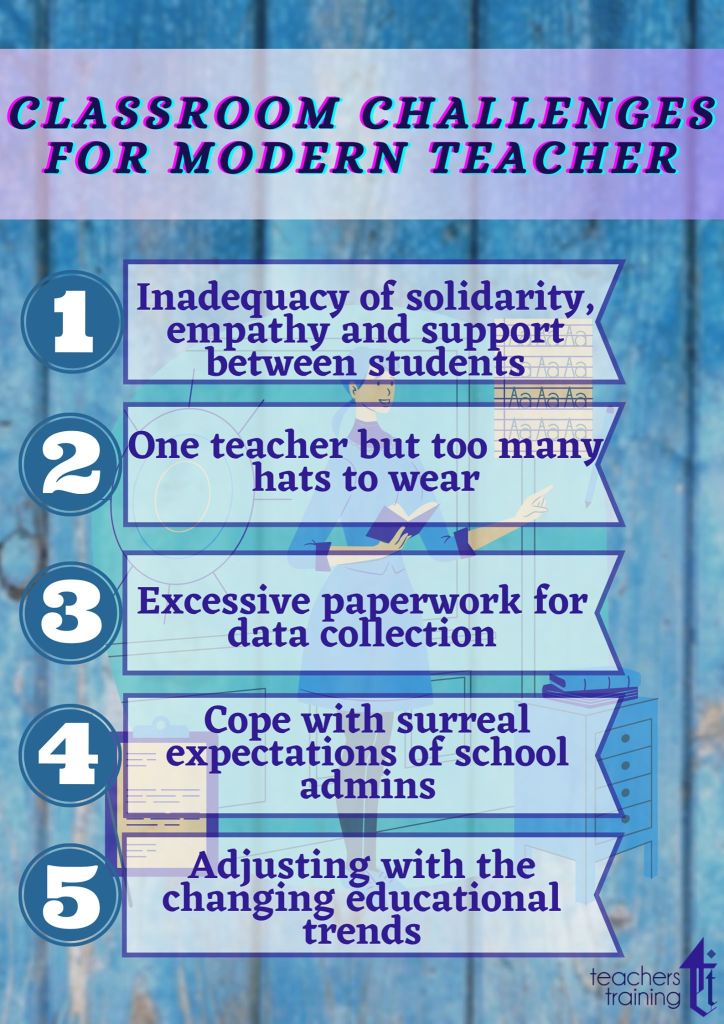
Let’s face it – teachers face a multitude of challenges on a daily basis. From managing disruptive behavior to addressing learning gaps, the list can seem never-ending. Lesson planning, grading, meetings, and paperwork pile up, often leaving teachers feeling overwhelmed. However, it’s important to recognize that these challenges are not unique to any one educator. They are shared experiences that unite teachers across the globe.
b) Analyzing the Impact of Challenges on Teachers and Students.
The challenges teachers encounter not only affect their own well-being but also have a profound impact on their students. When teachers feel overwhelmed, it can be difficult to provide the necessary support and guidance to students. Classroom dynamics may suffer, hindering the overall learning experience. Recognizing the interconnectedness of teacher and student well-being emphasizes the importance of addressing these challenges head-on.
3. Strategies for Maintaining Motivation and Positivity in Challenging Situations.
a) Self-Care and Well-being: Prioritizing Teacher Mental Health.
Amidst the chaos, teachers must remember to prioritize their own well-being. Self-care is not a luxury but a necessity. Whether it’s taking breaks, pursuing hobbies, or seeking support from loved ones, teachers must recharge to face each day’s challenges with renewed energy and positivity.
b) Cultivating a Growth Mindset: Embracing Challenges as Opportunities.
Rather than viewing challenges as roadblocks, teachers can adopt a growth mindset and see them as opportunities for personal and professional development. Every challenge is a chance to learn, adapt, and grow. By reframing their mindset, teachers can approach difficult situations with tenacity and an eagerness to find solutions.
c) Finding Inspiration and Renewal in the Teaching Profession.
Teaching can sometimes feel like a thankless job, but it’s important for teachers to find inspiration in their profession. Whether it’s connecting with like-minded colleagues, attending conferences, or exploring innovative teaching methods, seeking out sources of inspiration can help reignite passion and enthusiasm for teaching.
4. Building Resilience: Support Systems and Professional Development for Teachers.
a) Establishing Strong Support Networks: Colleagues, Mentors, and Administrators.
Nobody can do it all alone. Building a strong support network is crucial for teachers to thrive in their roles. Colleagues, mentors, and administrators can provide much-needed guidance, encouragement, and a listening ear. By fostering a sense of community, teachers can find solace and strength in knowing they are not alone in their challenges.
b) Accessing Professional Development Opportunities for Skill Enhancement.
Continuing professional development plays a vital role in equipping teachers with the skills and knowledge necessary to face evolving challenges. By actively seeking out workshops, conferences, and online resources, teachers can stay up-to-date with best practices and discover new strategies to enhance their teaching effectiveness.
c) The Role of Coaching and Feedback in Teacher Growth.
Coaching and feedback are invaluable tools for teacher growth. Engaging in constructive dialogue with administrators and peers helps teachers reflect on their practices, identify areas for improvement, and receive guidance for professional growth. By embracing feedback, teachers can refine their teaching methods and overcome challenges with greater confidence.
In conclusion, the prevailing spirit of teachers shines through as they navigate the complex landscape of school and classroom challenges. Through prioritizing self-care, embracing a growth mindset, finding inspiration, and building strong support systems, teachers demonstrate their resilience and tenacity in the face of adversity. So let’s celebrate the remarkable teachers who continue to inspire, educate, and overcome, shaping the future of generations to come.
5. Effective Communication and Collaboration in Overcoming Challenges.
a) Open and Transparent Communication with Colleagues and Administrators.
When it comes to tackling challenges in the education field, effective communication is key. Teachers who openly and honestly communicate with their colleagues and administrators create an environment of support and collaboration. By sharing struggles, brainstorming solutions, and seeking advice from fellow educators, teachers can gain valuable insights and find innovative ways to overcome obstacles. Transparent communication also fosters a sense of trust and teamwork, laying the foundation for a resilient and united teaching community.
b) Collaborative Problem-Solving: Engaging Students, Parents, and the Community.
Teachers know that they cannot face challenges alone. Engaging students, parents, and the wider community in problem-solving is an essential part of overcoming obstacles in education. By involving all stakeholders, teachers gain diverse perspectives and tap into a wealth of collective knowledge. This collaborative approach helps identify new strategies, resources, and support systems that benefit both individual students and the entire learning community. Together, teachers, parents, students, and the community can create a network of support that propels students towards success.
6. Innovative Teaching Approaches for Addressing Classroom Challenges.
a) Adapting Teaching Strategies to Cater to Diverse Learners.
In today’s classrooms, teachers encounter students with a wide range of learning styles, abilities, and backgrounds. To address this diversity and ensure every student reaches their full potential, teachers must be adaptive and flexible in their teaching strategies. By differentiating instruction and providing individualized support, teachers cater to the unique needs of each student. This personalized approach helps students feel valued, engaged, and motivated, ultimately leading to improved academic performance.
b) Technology Integration: Leveraging Digital Tools to Enhance Learning.
The digital age has brought forth a wealth of technological tools that can revolutionize the classroom experience. By integrating technology into their teaching practices, teachers can enhance student learning and address various challenges. Whether it’s using interactive educational apps, online platforms for remote learning, or multimedia presentations, technology provides new avenues for engagement and exploration. Embracing these digital tools empowers teachers to create dynamic and immersive learning experiences that captivate students’ attention and promote deeper understanding.
c) Creative Lesson Planning: Engaging Students and Encouraging Active Participation.
Gone are the days of monotonous lectures and passive learning. Today’s teachers understand the importance of creativity in lesson planning to captivate students’ interest and encourage active participation. By incorporating hands-on activities, group work, real-world examples, and interactive discussions, teachers create an engaging learning environment. This approach not only makes learning more enjoyable for students but also cultivates critical thinking, collaboration, and problem-solving skills. Through creative lesson planning, teachers inspire and empower students to take an active role in their education.
7. Nurturing Student Engagement and Success amidst Adversity.
a) Fostering a Positive Classroom Climate: Creating a Sense of Belonging.
Building a positive classroom climate is crucial for fostering student engagement and success, especially in the face of adversity. Teachers who create a welcoming and inclusive environment make students feel valued and respected. By acknowledging each student’s unique strengths and interests, teachers cultivate a sense of belonging that encourages active participation and collaboration. When students feel safe and supported, they are more likely to take risks, explore new ideas, and excel academically.
b) Individualized Support: Differentiated Instruction and Personalized Learning.
No two students are the same, and teachers recognize the importance of providing individualized support. Through differentiated instruction and personalized learning approaches, teachers tailor their teaching to meet the specific needs of each student. By identifying students’ strengths, weaknesses, and learning styles, teachers can provide targeted interventions and accommodations. This individualized support not only helps students overcome challenges but also empowers them to take ownership of their learning journey.
c) Building Resilient Students: Teaching Coping Skills and Growth Mindset.
Adversity is a part of life, and teachers play a pivotal role in helping students develop resilience. By teaching coping skills, fostering a growth mindset, and emphasizing the value of perseverance, teachers equip students with the tools to overcome challenges. Building resilience goes beyond academic success; it prepares students to navigate the ups and downs of life and emerge stronger from difficult situations. With the guidance of dedicated teachers, students develop the skills and mindset needed to thrive in the face of adversity.
8. Celebrating Success: Stories of Teachers Overcoming Challenges.
Amidst the challenges faced by teachers, it is important to celebrate their remarkable successes. Whether it’s a breakthrough in a struggling student’s academic performance, the implementation of an innovative teaching approach, or the creation of a nurturing classroom environment, these stories of triumph should be shared and celebrated. By highlighting teachers’ accomplishments, we inspire others in the education community and remind ourselves of the prevailing spirit that drives teachers to overcome the toughest of challenges. Together, we can recognize and honor the dedication and resilience of teachers who work tirelessly to make a difference in the lives of their students. In conclusion, the prevailing spirit of teachers shines through as they navigate and triumph over the myriad challenges they face in schools and classrooms. Their resilience, determination, and unwavering commitment to their students and profession are truly remarkable. By sharing stories of success, exploring effective strategies, and highlighting the importance of support and collaboration, we can continue to celebrate and support our teachers in their continuous journey towards creating a positive and impactful educational experience for all. Let us honor and appreciate the prevailing spirit of teachers as they inspire and shape the future generation, ensuring that every challenge becomes an opportunity for growth and success.
FAQ-
1.What are some common school and classroom challenges faced by teachers?
Teachers encounter various challenges, such as managing disruptive behavior, meeting individual student needs, adapting to changing curriculum standards, and balancing workload demands.
2.How can teachers overcome burnout and maintain motivation in challenging situations?
To combat burnout, teachers can prioritize self-care, cultivate a growth mindset, seek inspiration from colleagues and professional development opportunities, and find fulfillment in the positive impact they make on students’ lives.
3.What support systems are available to teachers in overcoming challenges?
Teachers can build strong support networks with colleagues, mentors, and administrators who can provide guidance, advice, and encouragement. Additionally, accessing professional development opportunities and receiving coaching and feedback can contribute to their growth and resilience.
4.How can teachers address diverse student needs and engage students amidst adversity?
Teachers can employ innovative teaching approaches, including differentiating instruction, integrating technology, and implementing creative lesson plans. By fostering a positive classroom environment, promoting individualized support, and teaching resilience and coping skills, teachers can nurture student engagement and success.

















 Parth Sharma