The Consequences of Unchecked Obsessions in Young Minds.

In today’s fast-paced, hyper-connected world, young minds are increasingly susceptible to the allure of obsession, whether it manifests through intense interests, social media, or academic pursuits. While passion can be a driving force for creativity and achievement, unchecked obsessions can lead to a myriad of negative consequences that affect mental health, social relationships, and overall well-being. Understanding the complexities of these obsessive behaviors and their impacts is crucial for parents, educators, and the young individuals themselves. This article delves into the various dimensions of unchecked obsessions in youth, exploring their psychological, social, and academic consequences while offering strategies for support and intervention.

1. Understanding Obsession in Youth: Definition and Context.

Obsessions in youth can be likened to that relentless earworm of a catchy song: it just keeps replaying in your mind, often taking over your thoughts. In this context, obsession can be defined as an intense preoccupation with a particular subject, activity, or person that tends to overshadow other interests or responsibilities. In children and adolescents, this can manifest in various forms—from a fascination with a certain game to an unhealthy fixation on social media or even a crush on a classmate that spirals out of control.

a) Types of Obsessions.

While the surface of obsession may look like a colourful buffet of interests, the underlying types can be categorized into a few distinct groups: 

Hobbies and Activities: This includes an extreme focus on sports, music, or gaming, often at the expense of other passions or responsibilities. 

Social Obsessions: These revolve around relationships or social media—think of constantly checking for likes or comments. 

Perfectionism: A relentless drive to achieve unrealistic standards, often causing stress and anxiety. 

Fears and Phobias: Obsessions that manifest as irrational fears, leading to avoidance behaviors that can disrupt daily life.

b) Developmental Factors Contributing to Obsession.

Several developmental factors can pave the way for these fixations. During adolescence, brains are wired with a sensitivity to rewards and social validation, making young minds particularly susceptible to obsessions. Environmental influences, such as family dynamics, peer pressure, and societal expectations, can amplify these tendencies. Additionally, exposure to media and technology can create unrealistic benchmarks for success and belonging, feeding the obsession beast. Ultimately, it’s a complex interplay of biology and environment that turns normal interests into all-consuming passions.

2. Psychological Impacts of Unchecked Obsessions.

Unchecked obsessions can pack quite the psychological punch—like a surprise plot twist in a movie, they can change the entire narrative of a young person’s life. When hobbies or interests spiral into obsession, the effects ripple through mental health and overall well-being.

a) Effects on Mental Health.

The psychological impact of obsession can range from mild annoyance to full-blown chaos. Young people may experience an increase in stress levels, sleep disturbances, or even irritability as they grapple with their fixation. The constant mental chatter can lead to decision fatigue, making it hard to focus on anything other than the object of obsession. In extreme cases, this can culminate in conditions like obsessive-compulsive disorder (OCD), where the cycle of thoughts and compulsions becomes a prison of its own.

b) Link to Anxiety and Depression.

There’s a strong link between unchecked obsessions and mental health issues such as anxiety and depression. Imagine being trapped in a hamster wheel where the only view is your fixation—exhausting, right? The pressure to maintain or engage with this obsession can lead to heightened anxiety levels and a pervasive sense of dread when the obsession is out of reach. Over time, this can morph into depressive symptoms, where the joy derived from pursuits fades, leaving only a lingering shadow of discontent.

3. Social Consequences: Relationships and Isolation.

As obsessions grow, so too can their ripple effect on social relationships. Like a giant boulder rolling down a hill, the consequences can be far-reaching, often leading to a sense of isolation.

a) Impact on Friendships.

Obsessions can put a strain on friendships as interests diverge. Friends may feel neglected or frustrated when one person is solely focused on their fixation, leaving little room for shared experiences or growth. Think of it this way: when one friend is busy obsessively watching every episode of a show on repeat, it might get a tad hard to connect over your latest adventures at the local café. This can lead to misunderstandings, jealousy, or, worse, deepening rifts that can fracture friendships beyond repair.

b) Family Dynamics and Communication.

Family dynamics can also take a hit when one member becomes consumed by an obsession. Communication can falter as families struggle to understand the fixation or appeal of the subject at hand. Imagine a family dinner where one person can’t stop talking about their latest video game obsession while others want to discuss their day—it’s like a recipe for miscommunication soup! This can lead to frustration on both sides, causing families to become more divided than united, with the obsessed individual feeling isolated and misunderstood.

4. Academic Performance: The Strain of Fixation.

When obsession takes the wheel, academic performance can easily end up in the backseat, feeling a bit neglected. The pressure of maintaining an obsession can lead young minds to prioritize their fixation over studying or completing assignments.

a) Distraction and Focus Issues.

Obsessive thoughts can be distracting, making it difficult for students to concentrate in class or complete homework. Imagine trying to solve a math problem while part of your brain is busy dissecting the latest plot twists of your favorite series—it’s chaotic! As a result, this can lead to declining grades and a skewed perception of priorities, where passions overshadow the importance of education.

b) Long-term Academic Trajectories.

The long-term consequences of obsession on academic trajectories can be significant. When a young person is so focused on one area, they may neglect essential skills or subjects that are crucial for future success. This can lead to gaps in knowledge that might resonate throughout their academic journeys, creating challenges in higher education or career paths. In worst-case scenarios, it can even result in dropping out or career choices that feel unfulfilling, simply because of a fixation that once seemed harmless but ultimately constricted their world.

5. Health Risks: Physical and Mental Well-being.

a) Stress and Its Physical Manifestations.

Unchecked obsessions can send stress levels skyrocketing, leading to a host of physical ailments. Think of a pressure cooker that’s been left on too long—eventually, something’s got to give! Symptoms may include headaches, digestive issues, and even unexplained aches and pains. When young minds are fixated on certain things to the exclusion of all else, their bodies respond with stress signals that can impact everything from their immunity to their ability to enjoy life.

b) Sleep Disruptions and Lifestyle Choices.

Imagine trying to catch some z’s while your brain is busy running marathons. Obsessive thoughts can be like that annoying friend who just won’t leave the party. This can lead to restless nights and an escalation of unhealthy lifestyle choices, such as skipping meals or excessive screen time. Poor sleep can also contribute to mood swings and irritability, making it a vicious cycle that’s hard to break. So, remember: sleep is as important as that Netflix binge you’re tempted to indulge in!

6. Identifying Early Signs of Obsessive Behavior.

a) Behavioral Red Flags.

When a young person starts displaying obsessive behaviors, it can feel like the warning lights on a dashboard are flashing. Look out for signs like excessive worry, repetitive actions, or the inability to focus on anything outside their obsession. If they’re obsessively checking their social media likes or constantly rearranging their room in the name of “perfection,” it’s time to hit the brakes and reassess.

b) Monitoring Changes in Routine.

Has your once-active child suddenly transformed into a hermit? Are they trading playdates for solo marathons of that one show they can’t get enough of? Changes in routine can be a big indicator of obsessive behavior. If their interests start to replace basic daily activities—like eating, sleeping, and talking to humans—it’s a sign that things may have gone too far. Keeping a keen eye on these shifts can make all the difference.

7. Strategies for Parents and Educators.

a) Open Communication Practices.

Creating an open line of communication is like giving your child a safe space to air out their thoughts. Encourage honest discussions about their feelings and interests without judgment. Let them know that it’s perfectly okay to share when things feel too intense. Probing gently and validating their feelings can help them feel supported and less isolated in their obsessions.

b) Encouraging Healthy Interests and Hobbies.

Introduce a buffet of healthy interests and hobbies that can serve as alternatives to obsessive behaviors. Whether it’s sports, art, or anything that involves using the hands (and not just the thumbs), engaging in diverse activities can help balance their focus. The goal is to steer them towards interests that broaden their horizons, rather than narrow them down to a single fixation. Think of it as helping them cultivate a garden of passions instead of becoming a single, stubborn weed.

8. Long-term Effects: Adult Life and Coping Mechanisms.
a) Transitioning into Adulthood.

As kids grow into adults, those unchecked obsessions can morph into even bigger challenges. The transition to adulthood is already tricky, and adding obsessive tendencies can make it feel like trying to juggle flaming torches while riding a unicycle. That’s why it’s crucial to address obsessive behaviors early on—otherwise, they may carry over into adult relationships, work, and self-image issues.

b) Building Resilience and Healthy Coping Strategies.

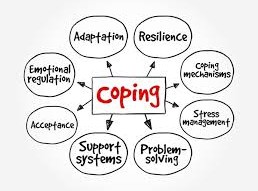
Nobody wants to be the adult who can’t cope with life’s curveballs because their childhood obsession turned into a lifelong anchor. Teaching resilience and healthy coping mechanisms early on can help young people navigate stress without clinging to unhealthy obsessions. Strategies like mindfulness, positive self-talk, and stress management techniques can empower them to handle life’s ups and downs with grace, and maybe even a smile. After all, life is too short to be bogged down by anything that doesn’t bring joy! In conclusion, recognizing and addressing unchecked obsessions in young minds is essential for fostering a healthy development. By understanding the psychological, social, and academic ramifications of these behaviors, parents, educators, and young individuals can work together to create a supportive environment that encourages balance and well-being. With the right strategies and open communication, it is possible to transform potentially harmful obsessions into constructive passions, paving the way for a brighter future.

Frequently Asked Questions:

1. What are the common signs of obsession in young people?

Many young individuals exhibit signs of obsession through intense focus on a particular interest, withdrawal from social activities, a decline in academic performance, or changes in behavior and routine. Monitoring for these red flags can help in early identification. 

2. How can parents effectively support a child with obsessive tendencies?

Parents can support their child by maintaining open lines of communication, encouraging a variety of interests, setting healthy boundaries, and seeking professional help if necessary. Constructive engagement and understanding are key to helping the child find balance. 

3. When should a professional be consulted regarding obsessive behaviors?

Consulting a mental health professional is advisable if obsessive behaviors lead to significant distress, interfere with daily functioning, or cause harm to the individual or others. Early intervention can greatly improve outcomes. 

4. Can obsession ever be positive?

Yes, when channelled appropriately, obsession can lead to high levels of achievement and creativity. However, it is essential to maintain a balance to ensure that such passions do not escalate into harmful behaviors.

Rating: 1 out of 5.

Inclusive Education: The Role of Private Schools in Supporting Special Needs Students.

Inclusive education has become a pivotal topic in the quest to create equitable learning environments for all students, including those with special needs. As educational institutions strive to accommodate diverse learners, private schools are increasingly recognized for their unique role in fostering inclusivity. With the flexibility to implement tailored programs and individualized support, private schools have the potential to break down barriers and provide meaningful educational experiences for special needs students. This article explores the multifaceted contributions of private schools to inclusive education, examining strategies, challenges, and success stories that highlight their commitment to supporting every learner.

1. Understanding Inclusive Education: An Overview.

a) Definition of Inclusive Education.

Inclusive education means that all students, regardless of their abilities or needs, learn together in the same environment. Think of it as a classroom party where everyone is invited, and different flavors of ice cream are celebrated—each addition makes the party sweeter! This approach aims to create a supportive learning atmosphere that embraces diversity and promotes equity. 

b) Historical Context and Evolution.

Once upon a time, students with special needs were often tucked away in separate classrooms or institutions, like that kid in gym class who always got picked last. Over the decades, societal attitudes shifted, influenced by advocacy and research highlighting the benefits of inclusion. The movement grew, leading to laws that encourage integration and support systems for special needs students across educational landscapes. Now, it’s all about teamwork, high-fives, and ensuring everyone has a seat at the table! 

2. The Importance of Supporting Special Needs Students.

a) Legal Framework and Rights of Special Needs Students.

In many countries, laws ensure that special needs students have the right to receive appropriate education in the least restrictive environment. The Individuals with Disabilities Education Act (IDEA) in the U.S. is one such law, emphasizing the importance of personalized educational plans. It’s like having a tailored suit that fits perfectly—because everyone deserves to look good and feel comfortable in their learning environment! 

b) Societal and Educational Benefits.

Supporting special needs students isn’t just the right thing to do; it’s also a smart move for society! Inclusive classrooms foster empathy, understanding, and collaboration, skills that serve everyone well in the real world. Students learn to celebrate differences and work together—making them better friends, workers, and citizens. Plus, it opens doors for creativity and innovation because when diverse minds come together, magic happens! 

3. The Role of Private Schools in Inclusive Education.

a) Private vs. Public School Approaches.

Private schools often have the flexibility to create tailored programs that fit the needs of diverse learners. They may include small class sizes, specialized resources, and the ability to innovate without getting bogged down by regulations. Meanwhile, public schools provide critical services to a broader range of students but may face bureaucratic red tape. So, while both types of schools aim for inclusion, private schools sometimes get to experiment with what works best—kind of like a chef trying a new recipe! 

b) Commitment to Diversity and Inclusion.

Many private schools pride themselves on their commitment to diversity and inclusion as a core value. They often go above and beyond to create welcoming environments for special needs students. By fostering a culture that values every individual’s contribution, these schools help build a community where differences are not just accepted but celebrated. It’s like having a potluck dinner where everyone brings their best dish—variety is the spice of life! 

4. Strategies for Private Schools to Support Special Needs Students.

a) Curriculum Adaptations and Differentiation.

Curriculum adaptation is all about tweaking the learning experience to meet diverse needs. This could mean offering different ways to demonstrate knowledge, like projects instead of tests, or using assistive technologies. Think of it as a buffet where everyone gets to choose what they want to eat—it ensures that learning is delicious for everyone! 

b) Professional Development and Training for Staff.

Just like superheroes need training to sharpen their powers, educators benefit from ongoing professional development to support special needs students effectively. Workshops, seminars, and collaborative learning opportunities can equip teachers with the tools and strategies they need to be champions of inclusion. After all, a well-prepared teacher is a powerful ally in any student’s educational journey! 

c) Collaboration with Parents and Specialists.

Open communication between parents, teachers, and specialists is vital in creating a successful support system for special needs students. Regular check-ins, collaborative problem-solving sessions, and sharing insights can bridge the gap between home and school. It’s like forming a dream team—everyone plays their part to ensure that student success is a shared victory!

5. Benefits of Inclusive Practices in Private Education.

a) Enhanced Learning Environment for All Students.

Inclusive practices in private schools create a vibrant learning atmosphere where diversity thrives. When students with special needs are integrated into general education settings, it cultivates a richer educational experience for everyone. Teachers adapt their teaching strategies and materials to meet varied learning styles, benefiting all students. Plus, who doesn’t want to learn in a classroom where creativity and collaboration are the norm? It’s like upgrading from a basic sandwich to a gourmet club with all the fixings – everyone leaves feeling satisfied!

b) Building Empathy and Social Skills in Peers.

When students interact with their peers with special needs, they’re not just learning about math or history; they’re gaining valuable life skills too. Inclusive education encourages empathy, compassion, and understanding – qualities that are as essential as knowing how to tie your shoes (or not trip over your own feet). Classmates learn to appreciate differences and develop strong social skills, paving the way for future friendships and teamwork. Essentially, the classroom becomes a microcosm of a kinder, more inclusive society.

6. Challenges Faced by Private Schools in Implementing Inclusive Education.

a) Resource Limitations.

While private schools often pride themselves on their small class sizes and personalized approaches, they can still face hurdles when it comes to resources. Implementing inclusive education often requires specialized training, additional staff, and tailored learning materials – all of which can stretch budgets thinner than a pancake on Shrove Tuesday. Without the necessary funding or resources, even the best intentions can fall flat, leaving students and teachers scrambling to make things work.

b) Resistance to Change and Misconceptions.

Change can be as welcome as a surprise pop quiz on a Friday afternoon. Some private schools may resist inclusive practices due to misconceptions about their effectiveness or the logistics involved in implementation. There’s often a fear that including students with special needs will disrupt the flow of lessons or reduce overall academic performance. Educators and administrators must confront these myths head-on and advocate for the benefits of inclusivity. After all, knowledge is power, and a little education can go a long way in breaking down those stubborn walls.

7. Case Studies: Successful Inclusive Programs in Private Schools.

a) Highlighting Innovative Practices.

Private schools around the globe have stepped up to the challenge of inclusion with innovative programs that are as unique as they are inspiring. From co-teaching models that pair general and special education teachers to utilizing technology that adapts to individual learning needs, these schools are proving that inclusive education is not just a pie-in-the-sky idea. Take, for instance, a school that incorporates a buddy system, pairing students with special needs with their classmates to foster mutual growth and friendship. These innovative practices can turn scepticism into success, one classroom at a time.

b) Measuring Outcomes and Success Stories.

What’s better than a success story? A whole collection of them! Private schools that have embraced inclusive education are not just documenting impressive academic outcomes; they’re also witnessing social and emotional growth in their students. Success can be measured in various ways, whether it’s improved grades, increased participation in activities, or the heart-warming friendships that develop in the hallways. Sharing these narratives not only shines a light on what’s working but also inspires other institutions to jump on the inclusive bandwagon.

8. The Future of Inclusive Education in Private Institutions.

a) Trends and Predictions.

As we peer into the crystal ball of education, the future looks bright for inclusive practices in private schools. Trends indicate an increasing emphasis on social-emotional learning and the development of inclusive curricula that embrace all learners. With growing awareness and advocacy for disability rights, private institutions will likely continue to expand their offerings. So, buckle up, because the inclusion train is picking up speed and isn’t slowing down anytime soon!

b) Recommendations for Improvement.

For private schools aiming to enhance their inclusive education efforts, the key lies in collaboration and adaptability. Investing in professional development for teachers to equip them with the skills necessary for effective inclusion is paramount. Engaging families in the process and fostering open communication can also create a supportive community atmosphere. And let’s not forget the importance of gathering feedback from students and parents alike – after all, they’re the true experts in their own educational journeys. With these recommendations, private schools can continue to pave the way for a future where inclusion is not just a policy but a vibrant reality.In conclusion, private schools play a vital role in promoting inclusive education for special needs students, demonstrating that with the right strategies and commitment, every child can thrive in a supportive learning environment. By embracing diversity and implementing effective practices, these institutions not only enhance the educational experiences of students with special needs but also enrich the entire school community. As we look to the future, continued collaboration and innovation will be essential in ensuring that all students receive the education they deserve.

Frequently Asked Questions:

1. What is inclusive education?

Inclusive education is an approach that aims to ensure all students, regardless of their abilities or disabilities, have access to quality education in a supportive environment that meets their individual needs.

2. How do private schools support special needs students?

Private schools support special needs students by implementing individualized education plans, adapting curricula, providing specialized training for staff, and fostering collaboration with families and specialists.

3. What are the benefits of inclusive education in private schools?

The benefits of inclusive education in private schools include a more enriched learning environment, enhanced social skills among peers, improved academic outcomes for all students, and increased empathy and understanding within the school community.

4. What challenges do private schools face in implementing inclusive education?

Private schools may face challenges such as limited resources, lack of trained staff, resistance to change, and misconceptions about inclusivity, which can hinder their ability to successfully implement inclusive practices.

Rating: 1 out of 5.

Beyond the Surface: Understanding Mental Health in Adolescence.

Adolescence is a critical period of development marked by significant physical, emotional, and social changes. As teenagers navigate the complexities of growing up, they often face unique challenges that can impact their mental health. Understanding these challenges is essential for parents, educators, and the community, as mental health issues during this stage can have lasting effects on individuals’ well-being. This article delves into the intricacies of mental health in adolescence, exploring the factors that contribute to mental health disorders, the role of social media, and the importance of support systems, while offering strategies to promote mental well-being and foster open conversations about mental health.

1. The Adolescent Brain: Development and Its Impact on Mental Health.

a) Understanding Brain Maturation.

Adolescence is a wild ride for the brain; it’s almost like a construction zone where everything is being remodeled. During this period, the brain undergoes significant changes, particularly in the prefrontal cortex, which is responsible for higher-order functions like reasoning, impulse control, and decision-making. Meanwhile, the limbic system, the emotional center, is on overdrive—think of it as a rollercoaster that’s had too much caffeine. This imbalance can lead adolescents to feel emotions more intensely and make choices that leave parents scratching their heads.

b) Emotional Regulation and Decision-Making.

Emotional regulation is like trying to tame a wild stallion. Adolescents often struggle to manage their emotions due to the brain’s ongoing development, making them more prone to mood swings and impulsivity. Coupled with heightened sensitivity to social feedback, you might find them fluctuating between feeling invincible and utterly defeated. When it comes to decision-making, the blend of a not-yet-fully-formed prefrontal cortex and an active limbic system can lead to some, shall we say, interesting choices—like staying out too late on a school night or thinking that sneaking a TikTok break during class is a genius idea.

2. Common Mental Health Disorders in Adolescents.

a) Anxiety Disorders.

Anxiety disorders are like unwelcome guests who just won’t leave. They can manifest as generalized anxiety, social anxiety, or panic disorders, all of which can create a cloud of worry that makes even the smallest decisions feel monumental. For adolescents, this means excessive worry about school performances, social interactions, or future uncertainties. The pressure to keep up with peers can pressure them, leading to a vicious cycle of anxiety and avoidance.

b) Depression.

Ah, the infamous dark cloud of depression. It’s not just about feeling sad; for many adolescents, it mimics an emotional “no-show” where everything feels dull and uninspiring. Symptoms may include persistent sadness, loss of interest in activities, and changes in appetite or sleep patterns. This isn’t just a case of the “blah” blues; it can significantly impact their daily functioning and relationships, turning their world into a monochrome palette.

c) Attention Deficit Hyperactivity Disorder (ADHD).

ADHD can be like having a brain that’s perpetually set to “fast-forward.” Those with ADHD often struggle with attention regulation, impulsivity, and hyperactivity. This can lead to challenges in school and social settings, where the inability to focus or control impulses can create misunderstandings and frustrations. And while it can be challenging, many adolescents learn to navigate life with this “extra energy,” finding creative ways to channel their enthusiasm.

d) Eating Disorders.

Eating disorders, such as anorexia, bulimia, and binge eating, often develop during adolescence—a time when body image becomes a central topic of discussion. Social pressures, media ideals, and self-esteem issues can lead to unhealthy eating habits as adolescents strive for an unattainable standard. These disorders are serious and can have lasting impacts on both physical and mental health, making early intervention crucial for recovery.

3. The Role of Social Media and Technology.

a) Positive Influences of Social Media.

Not all social media is a villain in this story; it can also be a superhero for connection and support. Platforms can foster friendships, provide spaces for self-expression, and even help adolescents find communities that resonate with their interests and struggles. In a world where loneliness can feel overwhelming, social media can be a lifeline, offering solace in shared experiences and peer interactions that might otherwise be hard to come by.

b) Negative Effects on Self-Esteem.

On the flip side, social media can also wreak havoc on self-esteem. Scrolling through perfectly curated feeds can lead many adolescents to compare their lives to those glossy snapshots, often leading to feelings of inadequacy. The constant barrage of images can distort body image perceptions, as likes and comments start to feel like validation—or lack thereof. If all that glitters is not gold, then the filters might not be doing any favors for mental health either.

c) Cyberbullying and Its Consequences.

Cyberbullying is the dark side of social media—like a bad sequel to an otherwise decent movie. It can leave deep emotional scars, as harassment and humiliation can follow someone into their safe spaces online. Unlike playground bullying, there’s often no escape from the digital torment, which can lead to anxiety, depression, and even suicidal thoughts. It’s crucial for teens, parents, and educators to address these issues and foster a healthier online environment.

4. Warning Signs: Recognizing Mental Health Issues.

a) Behavioral Changes.

When adolescents start acting like they’re auditioning for a reality show titled “Extreme Mood Swings,” it could be a red flag. Sudden changes in behavior—whether that’s becoming unusually withdrawn, irritable, or engaging in risky activities—can point to underlying mental health issues. If you’re usually chatty teen suddenly starts giving you one-word answers and dodging family game night, it might be worth exploring further.

b) Academic Decline.

A slip in grades can be a tell-tale sign that something is off. If a once diligent student suddenly finds their homework piling up like laundry in a teenager’s room, it could indicate struggles with mental health. A lack of motivation, difficulty concentrating, or a surge in absences can disrupt academic performance and signal that support is needed.

c) Social Withdrawal.

Isolation often paints a vivid picture of mental health struggles. If your teen starts ghosting their friends faster than they can say, “Netflix binge,” it’s a signal to pay attention. Withdrawal from social activities they once loved, or enhanced time spent alone can indicate they’re grappling with issues they may not be able to articulate. Engaging them in conversation can help bridge the gap and offer the support they might desperately need.

5. The Importance of Support Systems.

a) Family Support and Communication.

Family is like the Wi-Fi of life; you might not see it, but you definitely feel it. A strong support system at home can make a world of difference for adolescents navigating the choppy waters of mental health. Open communication is key—creating a space where teens feel comfortable sharing their thoughts without the fear of judgment. When parents actively listen and validate their child’s feelings, it not only strengthens the bond but also provides a safety net during challenging times.

b) The Role of Friends and Peers.

Ah, friends—the unofficial therapists of adolescence. Peer support can be hugely beneficial; they understand the chaos of teenage life in a way that even the most well-meaning parents might struggle to grasp. Adolescents who lean on their friends for emotional support often find they aren’t alone in their struggles. Encouraging open lines of communication among peers can foster empathy and help reduce feelings of isolation. Plus, who doesn’t want a buddy to lean on during the rollercoaster of high school drama?

c) Professional Help: Counseling and Therapy.

Sometimes, talking to friends and family isn’t enough—think of it like upgrading from a flip phone to a smartphone. Professional help, like counseling or therapy, can provide valuable tools for coping with mental health challenges. Therapists offer a non-judgmental ear and specialized strategies tailored to individual needs. It’s not about being “crazy”; seeking help is a brave step towards understanding oneself better and improving mental health. Remember, even superheroes have sidekicks!

6. Strategies for Promoting Mental Well-Being.

a) Mindfulness and Stress Management.

Feeling overwhelmed? Enter mindfulness—the Jedi-like skill of staying present when life tries to throw you off-course. Techniques like meditation, deep breathing, or even yoga can help reduce stress and improve emotional regulation. Practicing mindfulness isn’t about sitting cross-legged on a mountain top; it can be as simple as taking a few minutes to focus on your breath or indulging in a favorite hobby. Every little bit helps!

b) Physical Activity and Its Benefits.

Exercise isn’t just for athletes or the overly ambitious; it’s a secret weapon for mental health. Engaging in physical activity releases endorphins, the brain’s natural mood lifters. Whether its dance, soccer, or just a stroll around the block, moving your body can significantly enhance your mood and overall well-being. Plus, it’s an excellent excuse to get away from screens for a bit—your brain will thank you!

c) Healthy Sleep Habits.

We’ve all heard the saying, “Sleep is for the weak,” but let’s debunk that myth right here and now. Quality sleep is crucial for mental health, especially during adolescence. Establishing a bedtime routine that limits screen time and creates a calming environment can lead to better sleep quality. Remember: life isn’t a race, so hitting snooze isn’t a crime—it’s essential!

7. Breaking the Stigma: Encouraging Open Conversations.

a) Understanding Mental Health Myths.

Time to bust out the myth-busting tools! Many misconceptions surround mental health, such as the idea that seeking help is a sign of weakness. Spoiler alert: it’s not! Educating ourselves about mental health can help peel away these layers of stigma and encourage more people to speak up about their struggles. Knowledge is power, and in this case, it can also be a lifeline.

b) Creating Safe Spaces for Discussion.

Encouraging open conversations about mental health requires creating environments where individuals feel safe to express themselves. Schools, community centres, and homes can all foster such spaces. Hosting events, support groups, or simply setting aside time for honest chats can pave the way for breakthroughs. After all, the more we talk about mental health, the less we’ll need to whisper!

8. Resources for Adolescents and Their Families.

a) Hotlines and Support Groups.

When life feels a bit too heavy, having the right resources at your fingertips can make all the difference. Hotlines provide immediate support, while support groups offer a sense of community among those who understand what you’re going through. Whether it’s a text, call, or online chat, reaching out can be a vital step in the journey to better mental health.

b) Educational Resources and Workshops.

Knowledge is not just power; it’s also a solid foundation for healing. Educational resources and workshops focused on mental health can equip adolescents and families with the skills needed to navigate life’s ups and downs. These platforms provide insight, coping strategies, and foster resilience. Plus, they’re a great way to connect with others on a similar path!

c) Online Platforms for Mental Health Awareness.

In a digital age, there’s no shortage of online platforms dedicated to mental health awareness. Websites, social media campaigns, and apps can offer information, support, and community—even from the comfort of your own couch. These platforms can serve as safe spaces for teens and families to learn and share experiences without the traditional stigma attached to mental health discussions. Let’s face it: scrolling through helpful content beats mindlessly scrolling through cat videos, right? In conclusion, recognizing and addressing mental health issues during adolescence is crucial for fostering resilience and promoting overall well-being in young individuals. By understanding the challenges they face and supporting them through open dialogue and effective resources, we can help empower adolescents to navigate this transformative period with confidence. Together, we can break the stigma surrounding mental health and create a supportive environment where young people feel valued, heard, and equipped to thrive.

Frequently Asked Questions:

1. What are the most common mental health issues faced by adolescents?

Adolescents commonly experience mental health issues such as anxiety disorders, depression, attention deficit hyperactivity disorder (ADHD), and eating disorders. Each of these conditions can significantly impact their daily lives and overall well-being.

2. How can parents support their adolescent’s mental health?

Parents can support their adolescent’s mental health by fostering open communication, actively listening to their concerns, encouraging healthy habits such as physical activity and proper sleep, and seeking professional help when needed.

3. What role does social media play in adolescent mental health?

Social media can have both positive and negative effects on adolescent mental health. While it can provide a platform for connection and support, it can also lead to issues such as cyberbullying, social comparison, and decreased self-esteem.

4. When should I seek professional help for my adolescent?

It is advisable to seek professional help when an adolescent exhibits persistent changes in behavior, such as withdrawal, significant mood swings, changes in academic performance, or expressions of hopelessness or distress. Early intervention can make a significant difference in their mental health journey.

Rating: 1 out of 5.

The Hidden Challenges behind the Principals Desk.

Behind the polished facade of every school principal lies a complex web of challenges that often goes unnoticed by the broader community. While principals are celebrated for their leadership and dedication, they face an array of pressures that can impact their effectiveness and well-being. From navigating administrative duties and balancing stakeholder expectations to addressing the diverse needs of students and staff, the role demands both resilience and emotional intelligence. This article delves into the hidden challenges faced by principals, shedding light on their daily struggles and the strategies they employ to foster a thriving educational environment.

1. Understanding the Role of a Principal.

a) Defining Leadership in Education.

Being a principal isn’t just about wielding authority like a scepter; it’s about inspiring a whole kingdom of students, teachers, and parents. Leadership in education is a unique blend of vision, strategy, and a splash of patience. A principal must be a guide, mentor, and sometimes, a peacekeeper, navigating the often tumultuous waters of the school environment while ensuring that everyone is paddling in the same direction—towards educational excellence.

b) Daily Responsibilities and Challenges.

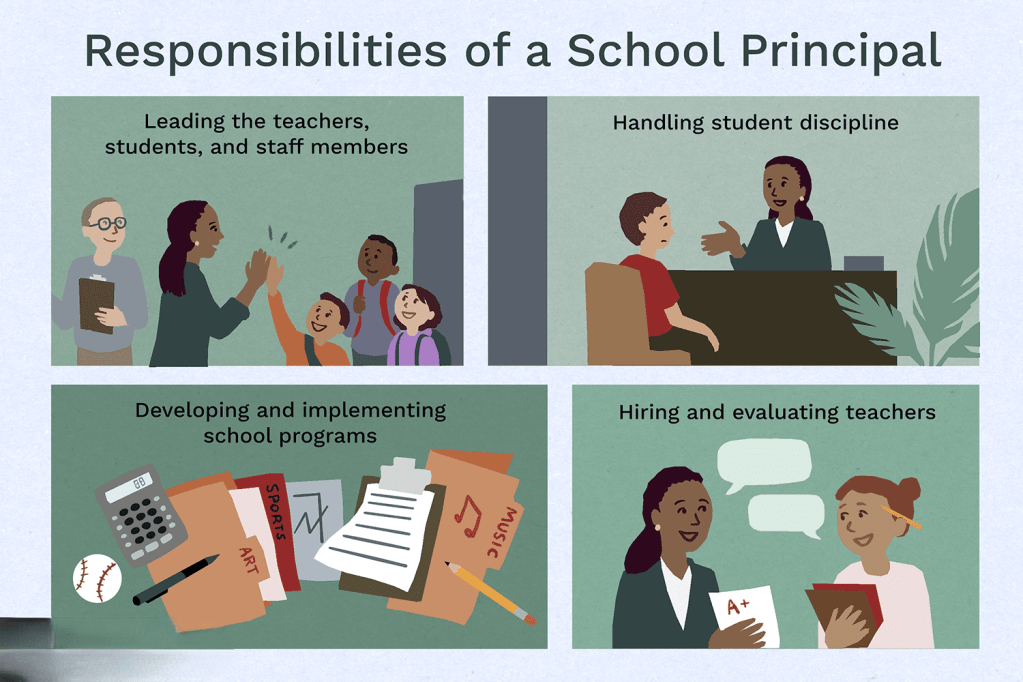
Picture this: your alarm goes off at the crack of dawn, and you’re off to a day filled with student assemblies, staff meetings, and the occasional fire drill—all while juggling paperwork that seems to reproduce like rabbits. From hiring teachers to handling discipline issues, a principal’s day is packed tighter than a can of sardines. And just when you think you have a moment to breathe, there’s a surprise visit from the school board or a parent with a question that could spark a debate worthy of a presidential election.

c) The Principal’s Influence on School Culture.

Ever heard the saying, “Culture eats strategy for breakfast”? Well, a principal is essentially the chef in the kitchen, cooking up the school culture that nourishes students and staff alike. A principal sets the tone—whether it’s fostering inclusivity, encouraging creativity, or embracing new technology. Their approach influences everything from teacher morale to student engagement, making them pivotal in creating an environment where learning thrives (and where the cafeteria serves edible food).

2. The Emotional Toll of Leadership.

a) Stress and Burnout: A Common Reality.

If you thought marathon runners had it tough, wait until you hear about the emotional marathon that principals run. The pressure to meet academic goals, address social issues, and keep everyone happy can lead to stress that’s more intense than a double shot of espresso. Many principals find themselves on the burnout express, making self-care a not-so-guilty pleasure they can’t ignore if they want to keep their sanity intact.

b) The Importance of Emotional Intelligence.

Emotional intelligence isn’t just a buzzword to impress your friends at parties; it’s a vital tool for successful leadership. Principals engage with a myriad of personalities—from eager students to overwhelmed teachers and concerned parents. Navigating these emotional waters requires empathy, active listening, and the ability to manage one’s feelings—essentially walking a tightrope while juggling flaming torches. Mastering emotional intelligence can turn challenging encounters into opportunities for collaboration and growth.

c) Finding Work-Life Balance.

Ah, the elusive work-life balance—like trying to find a needle in a haystack during a tornado. For many principals, the demands of the job often spill over into personal time, leading to late-night emails and weekends filled with planning. However, maintaining that balance is crucial to avoid professional exhaustion. It’s about setting boundaries, knowing when to say “no,” and scheduling time for personal hobbies (yes, “Netflix and chill” counts as a hobby).

3. Navigating Administrative Responsibilities.

a) Budget Management and Resource Allocation.

Budgeting isn’t just a math problem; it’s like playing a strategic game of chess where every move counts. Principals must allocate resources wisely, ensuring that funds support both academic programs and necessary facilities upgrades without ending up in a financial checkmate. They often find themselves in the thrilling—and sometimes terrifying—position of prioritizing needs while trying to stretch every dollar further than a pair of old gym socks.

b) Compliance with Regulations and Standards.

In the world of education, rules and regulations are as abundant as school supplies in August. Principals navigate a labyrinth of compliance issues, from federal mandates to state standards, often feeling like they need a degree in law just to keep up. Keeping the school compliant is essential, but it can feel overwhelming amidst the daily chaos of running a school. It’s a fine dance of tedious paperwork and attention to detail that would make even the most seasoned administrator dizzy.

c) Data-Driven Decision Making.

In an age where data reigns supreme, principals are expected to wear the hat of data analysts as much as they do of leaders. Understanding test scores, attendance rates, and other metrics isn’t just about crunching numbers; it’s about using those insights to inform decisions that drive student success. Whether it’s assessing academic performance or evaluating programs, data-driven decision-making can lead to impactful changes. But let’s be real—if only it came with a user manual.

4. Balancing Stakeholder Expectations.

a) Engaging Parents and Community.

When it comes to building a thriving school community, principals are on the front lines. Engaging parents and local stakeholders involves effective communication, organizing events, and creating partnerships that promote a shared vision for student success. But let’s face it, it can feel like trying to herd cats on a rollercoaster at times. Still, when everyone feels invested, the result is a supportive environment that enhances learning and fosters growth.

b) Meeting the Needs of Students.

Every student is a unique puzzle piece, and principals are the ones tasked with making sure all those pieces fit together in a harmonious and productive way. This means addressing diverse learning needs, advocating for mental health resources, and promoting an inclusive environment where every student feels valued. It’s no small feat, but when it all clicks, the impact can be transformative—like a well-timed punchline that brings down the house.

c) Collaborating with School Boards and Districts.

Ah, school boards—the mighty councils of educational governance. Principals must work closely with these governing bodies to align on goals and policies, often acting as the bridge between the board’s vision and the school’s day-to-day operations. It’s a balancing act that requires diplomacy, negotiation skills, and sometimes, a thick skin. After all, having a bit of humor during board meetings can go a long way in easing tensions and fostering collaboration—just make sure to save the jokes for after the serious stuff!<h2>The Impact of Policy Changes on School Management</h2> 

d) Understanding State and Federal Regulations.

Navigating the labyrinth of state and federal regulations can feel like trying to solve a Rubik’s Cube blindfolded. Each shift in policy requires principals to recalibrate their strategies, ensuring compliance while also keeping the school’s mission intact. From funding changes to safety protocols, these regulations can create a ripple effect in daily operations. It’s like a game of Jenga—remove one piece, and the whole structure could come tumbling down.

e) Adapting to Curriculum Changes.

Curriculum changes can land on a principal’s desk like a surprise pizza delivery—with the wrong toppings. One moment, you’re on a clear path, and the next, you’re scrambling to implement new standards, resources, and training. It’s imperative to engage teachers and staff in the process, turning changes into collaborative ventures instead of solo missions. Think of it as a dance—if everyone is in sync, the new curriculum can lead to a beautiful performance instead of chaotic footwork.

f) Responding to Educational Trends and Innovations.

Keeping up with educational trends can feel like a never-ending episode of a reality show—there’s always something new vying for attention. From personalized learning to technology integration, principals must not only stay informed but also critically assess what fits their school’s unique culture. Embracing innovation is key, but it’s equally important to avoid jumping on fads that may not serve the long-term goals. It’s all about finding that perfect balance between being trendy and being practical.

5. Managing Teacher and Staff Relationships.

a) Building a Supportive Work Environment.

Creating a supportive work environment is akin to nurturing a garden—throw some kindness and recognition in, and watch it bloom! Fostering open communication, collaboration, and a sprinkle of fun helps build trust within the staff. When teachers feel valued, they’re more likely to go the extra mile for students. After all, happy teachers pave the way for a thriving school atmosphere.

b) Conflict Resolution Strategies.

Conflict in a school setting can be as inevitable as Monday morning blues. The key is to tackle issues head-on with a toolkit of effective strategies. Encourage open dialogues, listen actively, and foster an environment where constructive feedback flows freely. When conflicts arise, think mediation over litigation—turn the drama into a dialogue, and you’ll build stronger relationships in the process. Remember, resolving conflicts is just another way to show that teamwork makes the dream work!

c) Professional Development and Retention.

Keeping your staff engaged and striving for excellence involves more than just periodic workshops. Truly effective professional development should be an ongoing journey, not a one-off event. Invest in tailored learning opportunities that resonate with your teachers’ interests and career goals. If they feel empowered to grow, they’re more likely to stick around for the long haul. Remember, in the game of retention, everyone likes a winning coach!

6. Addressing Student Needs and Behavioral Issues.

a) Understanding Diverse Student Populations.

Understanding diverse student populations is like piecing together a massive puzzle—each student brings unique experiences and needs to the table. By embracing cultural backgrounds, learning styles, and individual challenges, principals can tailor approaches that foster inclusiveness. The goal is to create an environment where all students feel seen and heard, paving the way for engagement and success.

b) Implementing Support Systems and Interventions.

When it comes to student needs and behavioral issues, a proactive approach is essential. Implementing support systems and interventions can mean the difference between a student thriving or merely surviving. Think of it as assembling an Avengers team—pairing students with resources like counsellors, mentors, and specialized programs helps address their needs effectively. Early intervention can turn potential crises into success stories.

c) Promoting Mental Health Awareness.

Mental health is not just a buzzword; it’s a crucial component of student wellbeing. Principals can play a pivotal role in promoting mental health awareness by creating safe spaces for open conversations and providing resources. Incorporating mental health education into the curriculum and encouraging outside support can help break the stigma. After all, when students feel mentally healthy, they’re ready to conquer the world—or at least their next math test!

7. Strategies for Resilience and Support Systems.

a) Creating a Network for Peer Support.

Building a network for peer support among principals is like forming a superhero alliance—because who else understands the challenges you face better than someone in the same cape? Regularly connect with fellow principals to share insights, strategies, and a good laugh. Together, you can tackle challenges head-on and celebrate victories, big and small, reminding each other that you’re not alone in this sometimes-wild rollercoaster ride.

b) Professional Development Opportunities.

Just because you’ve landed the principal gig doesn’t mean the learning stops! Seeking out professional development opportunities tailored for administrators helps keep skills sharp and ideas fresh. From leadership workshops to innovative summit sessions, these experiences can reignite your passion and provide valuable tools for navigating the complexities of school management. After all, great leaders never stop learning—who wants to be stale bread?

c) Self-Care Practices for Principals.

Self-care isn’t just a trendy Instagram hashtag; it’s a necessity for long-term success. Prioritize your well-being by carving out time for activities that recharge your batteries—be it yoga, a good book, or binge-watching your favourite show (no judgment here!). By practicing self-care, you’ll be better equipped to face the daily challenges of the principal’s desk. Remember, you can’t pour from an empty cup, so keep that cup overflowing! In conclusion, the role of a school principal is multifaceted and often fraught with unseen challenges. By acknowledging and addressing these issues, we can better support principals in their crucial work. As they navigate the complexities of leadership, it is essential for educators, parents, and communities to collaborate and foster an environment that not only enhances student success but also prioritizes the well-being of those at the helm. Together, we can create a more sustainable and effective educational landscape.

FAQ:

1. What are some common challenges faced by school principals?

Principals often encounter challenges such as managing administrative responsibilities, balancing stakeholder expectations, addressing student behavioral issues, and coping with stress and burnout. 

2. How can principals maintain their well-being amidst these challenges?

Principals can prioritize self-care practices, seek peer support networks, and engage in professional development opportunities to help manage stress and maintain their well-being. 

3. Why is emotional intelligence important for principals?

Emotional intelligence is critical for principals as it enables them to navigate interpersonal relationships, foster a positive school culture, and effectively address the diverse needs of students and staff. 

4. What role does community support play in a principal’s success?

Community support is vital for a principal’s success, as it fosters collaboration, enhances resources for the school, and helps create a united front in addressing student and educational needs.

Rating: 1 out of 5.

Promoting Mental Health and Wellness in Schools through Counsellors.

Promoting mental health and wellness in schools is a critical component of fostering a supportive and nurturing learning environment for students. School counsellors play a pivotal role in addressing the mental health needs of students, offering individualized support, guidance, and intervention when necessary. In this article, we will explore the various ways in which school counsellors contribute to the promotion of mental health within educational settings. From implementing comprehensive mental health programs to collaborating with teachers and administrators, school counsellors are instrumental in creating a culture of emotional well-being and resilience among students.

The Role of School Counsellors in Promoting Mental Health.

Understanding the Role of School Counsellors.

School counsellors are like the Gandalf’s of the education world, except instead of magic wands, they wield listening skills, empathy, and a treasure trove of strategies to support students’ mental well-being. These unsung heroes help create a safe space for students to express their thoughts and feelings, navigate challenges, and develop crucial coping mechanisms.

Delivering Individual and Group Counseling Sessions.

Think of school counsellors as the therapists of the school setting, without the intimidating couch and the silence that feels heavier than a stack of textbooks. They conduct one-on-one sessions to provide personalized support and also lead group sessions where students can bond over shared experiences and learn from one another.

Implementing Comprehensive Mental Health Programs in Schools.

Designing Mental Health Curriculum and Resources.

School counsellors are the brains behind crafting mental health programs that seamlessly fit into the school curriculum. From interactive workshops on stress management to resources on mindfulness exercises, they ensure that mental health education becomes as essential as acing that math test.

Establishing Mental Health Awareness Campaigns and Events.

Picture this: school hallways adorned with colourful posters promoting mental health awareness events and campaigns organized by school counsellors. These events not only break the stigma surrounding mental health but also create a buzz that encourages students to open up about their struggles.

Providing Emotional Support and Guidance to Students.

Building Trust and Rapport with Students.

School counsellors are masters at turning the school’s corridors into trust-building zones. By establishing genuine connections with students, they create a safe harbour where students feel comfortable sharing their worries, personal doubts and issues, fears, and dreams without the fear of judgment.

Offering Confidential Support and Encouragement.

Confidentiality is the bread and butter of school counsellors. Students can spill their deepest secrets, worries, and hopes knowing that it stays between them and the counsellor. Add a sprinkle of encouragement and a dash of empowerment, and you’ve got a recipe for positive change.

Collaborating with Teachers and Administrators for Holistic Support.

Creating a Multi-Disciplinary Support Team.

School counsellors are the maestros orchestrating a symphony of support by collaborating with teachers and administrators. Together, they form a multi-disciplinary team that tackles student well-being from all angles, ensuring no student is left to navigate their struggles alone.

Participating in Student Intervention and Support Meetings.

When the academic seas get stormy for students, school counsellors don their life jackets and join intervention and support meetings to chart a course for success. By providing insights into students’ mental health needs, they help tailor interventions that set students on the path to smoother sailing.

Addressing Mental Health Stigma and Increasing Awareness.

In the quest to boost mental health and wellness in schools, countering stigma and raising awareness are key players. By educating students, parents, and staff on mental health matters, we pave the way for de-stigmatization and understanding. Let’s keep the conversation going and promote a culture of acceptance and empathy within school walls.

Offering Crisis Intervention and Support Services.

In times of mental health emergencies and critical incidents, having supportive services at the ready is crucial. School counsellors play a frontline role in responding swiftly and efficiently to such situations. They not only provide immediate intervention but also offer referrals to external mental health professionals for ongoing support.

Incorporating Mindfulness and Wellness Activities in School Settings.

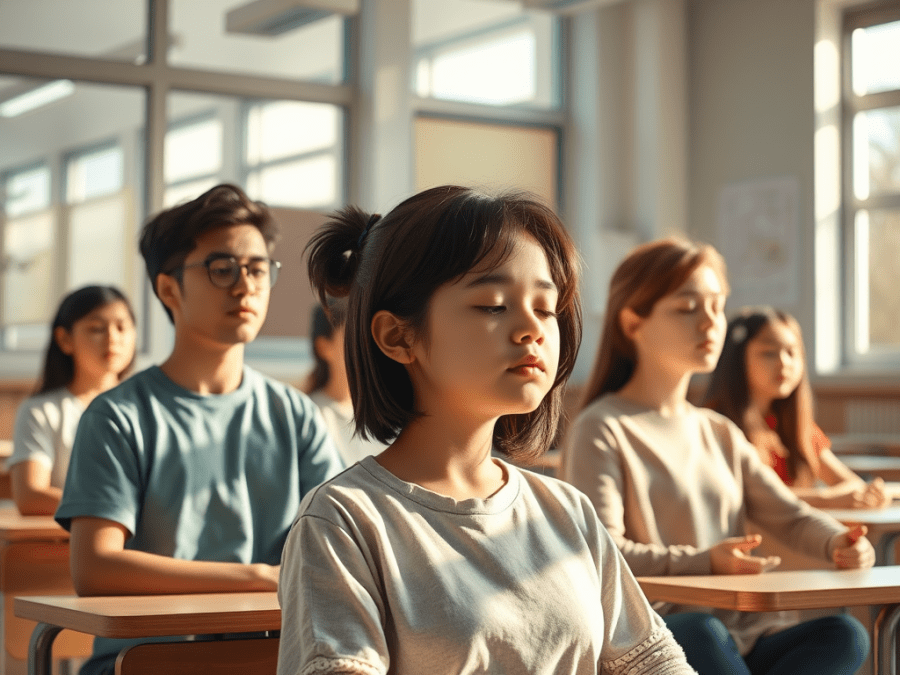
Integrating mindfulness practices into the daily school routine can work wonders for mental well-being. From mindful breathing exercises to guided meditation, these activities help students and staff manage stress and build resilience. Additionally, promoting physical activities and healthy lifestyle choices adds a holistic touch to fostering wellness in school environments. In conclusion, the dedication and expertise of school counsellors are essential in promoting mental health and wellness in schools. By providing emotional support, guidance, and resources, counsellors help students navigate challenges, build resilience, and thrive academically and emotionally. Through collaboration with school staff and the implementation of holistic mental health programs, school counsellors play a vital role in creating a safe and supportive environment where every student can flourish.

Integrating Mindfulness into Education: A Game-Changer.

In recent years, the integration of mindfulness practices in education has gained traction as a transformative approach to enhancing student well-being and academic performance. Particularly in high school settings, such as 12th and 10th grade classrooms, the benefits of mindfulness techniques are increasingly recognized as a game-changer in supporting students’ mental health and learning outcomes. This article delves into the significance of mindfulness in education, exploring its origins, potential benefits for students, practical implementation strategies, and the role it plays in cultivating resilience and empathy. By shedding light on the power of mindfulness practices in transforming the educational experience, educators and stakeholders can glean insights into how this approach can positively impact the lives of high school students.

1. Introduction to Mindfulness in Education.

a) The Concept of Mindfulness.

Mindfulness is all about being present in the moment, paying attention to our thoughts and feelings without judgment. It involves being fully aware of what is happening within and around us, helping to cultivate a sense of calm and clarity in our daily lives.

b) Historical Context of Mindfulness in Education.

The practice of mindfulness has roots in ancient meditation traditions, but its application in modern education settings has gained popularity in recent years. Schools are increasingly recognizing the benefits of mindfulness for student well-being and academic performance.

2. Benefits of Mindfulness for 12th & 10th Grade Students.

a) Improved Focus and Attention.

Mindfulness practices can enhance students’ ability to concentrate on tasks, stay present in the classroom, and absorb information more effectively. This improved focus can lead to better academic performance and overall learning outcomes.

b) Reduced Stress and Anxiety Levels.

High school can be a stressful time for many students, with the pressure of exams, college applications, and social dynamics. Mindfulness techniques can help students manage their stress levels, reduce anxiety, and build resilience in the face of challenges.

3. Implementing Mindfulness Practices in School Settings.

a) Training Educators in Mindfulness Techniques.

To effectively introduce mindfulness in schools, educators can benefit from training in mindfulness techniques themselves. Teachers who practice mindfulness are better equipped to incorporate these practices into classroom routines and support students in developing their own mindfulness skills.

b) Incorporating Mindfulness into the Curriculum.

Integrating mindfulness into the curriculum can include dedicated mindfulness sessions, incorporating mindfulness activities into existing lessons, or creating a school-wide culture that promotes mindfulness practices. This can help students experience the benefits of mindfulness in a structured and consistent way.

4. Mindfulness Techniques for Stress and Anxiety Management.

a) Breathing Exercises for Relaxation.

Simple breathing exercises can be powerful tools for managing stress and anxiety. Encouraging students to focus on their breath, practice deep breathing techniques, and engage in mindful breathing exercises can help them calm their minds and bodies during stressful moments.

b) Body Scan Meditation Techniques.

Body scan meditation involves bringing awareness to different parts of the body, noticing sensations without judgment, and releasing tension. This practice can help students develop body awareness, alleviate physical discomfort, and relax both body and mind, making it a valuable tool for stress management.

5. Enhancing Academic Performance through Mindfulness.

a) Improving Memory and Retention.

Mindfulness isn’t just about being present; it also enhances memory and retention. By training the mind to focus on the task at hand, students can better absorb and recall information.

b) Promoting Cognitive Flexibility.

Mindfulness encourages students to approach challenges with an open mind. This flexibility in thinking can lead to more creative problem-solving and adaptability in academic settings.

6. Cultivating Emotional Resilience and Empathy.

a) Developing Self-Awareness and Emotional Regulation.

Through mindfulness practices, students can better understand their emotions and learn to regulate them effectively. This self-awareness can lead to improved emotional resilience.

b) Fostering Empathy and Compassion towards Others.

By being more in tune with their own emotions, students can also develop a deeper sense of empathy and compassion towards their peers. This can improve relationships and create a more supportive learning environment.

7. Overcoming Challenges in Integrating Mindfulness in Education.

a) Addressing Scepticism and Misconceptions.

One of the main challenges in integrating mindfulness in education is addressing scepticism and misconceptions about its effectiveness. Educating stakeholders about the proven benefits of mindfulness can help overcome this barrier.

b) Ensuring Sustainability of Mindfulness Programs.

Another challenge is ensuring the sustainability of mindfulness programs in schools. By providing ongoing training for educators and incorporating mindfulness into the broader school culture, these programs can thrive in the long term.

8. Future Directions and Recommendations.

a) Research Opportunities in Mindfulness and Education.

There is a wealth of research opportunities in exploring the impact of mindfulness on education. By conducting more studies and sharing findings, we can continue to refine and improve mindfulness practices in schools.

b) Policy Implications for Integrating Mindfulness in Schools.

To fully integrate mindfulness in education, policymakers need to recognize its value and provide support. Implementing guidelines, funding initiatives, and training programs can help schools effectively integrate mindfulness into their curriculum. In conclusion, mindfulness in education holds immense promise for nurturing holistic development and well-being among 12th and 10th grade students. By embracing mindfulness practices, schools can create supportive environments that empower students to manage stress, enhance focus, and foster emotional resilience. As we continue to explore the potential of mindfulness in education, it is evident that cultivating a mindful culture within schools can be a transformative force, shaping not only academic success but also the overall health and happiness of students as they navigate the challenges of high school and beyond.

From Home to Classroom: Understanding the Influence of Parents on a Childs Educational Success.

Introduction:

Parents play a vital role in shaping their child’s educational journey, serving as the first and most influential educators in their lives. Research consistently demonstrates that parental involvement significantly impacts a child’s academic achievement. From creating a supportive home environment for learning to collaborating with teachers, parents have the power to enhance their child’s educational experience and set them on a path to success. This article explores the various ways in which parents can positively influence their child’s educational success, emphasizing the importance of parental involvement, expectations, nurturing a growth mindset, fostering effective study habits, and promoting a love for learning. By understanding the influence parents have on their child’s education, we can harness their potential to create fruitful partnerships between home and classroom, ultimately empowering children to thrive academically.

1. The crucial role of parents in a child’s educational success.

When it comes to a child’s educational success, parents play a vital role as the ultimate influencers. While teachers and schools provide the formal education, it is the support and involvement of parents that truly make a difference in a child’s learning journey. From motivating and encouraging their children to creating a nurturing environment at home, parents have a tremendous impact on their child’s academic achievements. In this article, we will explore the various ways in which parents can contribute to their child’s educational success and help them thrive in the classroom.

2. Parental involvement and academic achievement: An overview.

a) Understanding the impact of parental involvement on academic outcomes.

Research consistently shows that parental involvement has a significant influence on a child’s academic achievements. When parents actively engage in their child’s education, it leads to higher grades, improved test scores, increased motivation, and stronger overall academic performance. The support and encouragement provided by parents act as powerful catalysts for their child’s success in the classroom. By understanding the importance of their involvement, parents can help set their children up for educational triumphs.

b) Types of parental involvement: Active participation in education.

Parental involvement in education can take various forms, all of which contribute to a child’s success. From simply showing interest in a child’s school life to actively participating in their learning journey, parents have the opportunity to make a difference. This involvement can include helping with homework, engaging in discussions about school topics, attending parent-teacher conferences, volunteering in school activities, and advocating for their child’s educational needs. By actively participating in their child’s education, parents not only provide valuable support but also demonstrate the importance of learning in a fun and engaging manner.

3. Creating a supportive home environment for learning.

a) Establishing a designated study area.

Creating a supportive home environment for learning is essential to foster academic success. One way to do this is by establishing a designated study area for your child. This space should be quiet, well-lit, and free from distractions, allowing your child to focus and concentrate on their studies. Having a dedicated study area also helps in establishing a routine and reinforces the importance of learning in a specific space.

b) Providing necessary learning resources and materials.

Equipping your child with the necessary learning resources and materials is another crucial aspect of creating a supportive home environment for their educational journey. Ensure that your child has access to textbooks, notebooks, and any other materials required for their studies. Additionally, consider providing additional resources such as reference books, educational websites, or online tools to enhance their learning experience. By providing these resources, you give your child the tools they need to thrive academically, even beyond the classroom.

4. Collaborating with teachers: Building strong parent-teacher partnerships.

a) Regular communication with teachers.

Building a strong partnership between parents and teachers is essential for a child’s educational success. Regular communication with your child’s teachers allows you to stay informed about their progress, strengths, and areas that may need extra attention. This open line of communication also enables you to address any concerns or challenges your child may be facing promptly. By working together with teachers, you can create a holistic support system that ensures your child receives the best possible education.

b) Attending parent-teacher conferences and school events.

Attending parent-teacher conferences and school events is an excellent opportunity to meet your child’s teachers and gain valuable insights into their academic progress. These events provide a platform to discuss your child’s strengths, areas for improvement, and to collaborate on strategies to support their learning. By actively participating in these conferences and events, you not only show your child that their education matters but also establish a strong foundation for a constructive parent-teacher relationship.

In conclusion, parents have a significant influence on their child’s educational success. By actively engaging in their child’s education, creating a supportive home environment, and collaborating with teachers, parents can help their children thrive academically. So, embrace your role as a cheerleader, supporter, and guide, and watch your child reach great heights in their educational journey.

5. The influence of parental expectations and aspirations on a child’s motivation.

When it comes to a child’s educational success, parents play a crucial role in shaping their motivation. Parental expectations and aspirations can have a significant impact on a child’s drive to excel academically.

a) Setting realistic yet challenging academic goals.

Parents need to set realistic, yet challenging, academic goals for their children. These goals should be attainable but also push the child to reach their full potential. By setting these goals together, parents and children can work towards them as a team, fostering a sense of purpose and motivation.

b) Instilling a sense of self-belief and fostering a growth mindset.

Believing in your child’s abilities and fostering a growth mindset is essential in motivating them to succeed academically. Encourage your child to embrace challenges, view mistakes as learning opportunities, and believe in their own capability to overcome obstacles. By instilling a sense of self-belief, parents can help their children develop resilience and the motivation to persevere.

6. Nurturing a growth mindset: Encouraging resilience and persistence in learning.

In addition to promoting a growth mindset, parents should also focus on nurturing resilience and persistence in their child’s learning journey.

a) Teaching children the value of effort and embracing challenges.

Help your child understand the value of effort by emphasizing that hard work and dedication are essential for success. Encourage them to embrace challenges rather than shying away from them. Teach them to see challenges as opportunities to grow and learn, rather than as roadblocks.

b) Promoting a positive attitude towards setbacks and failures.

It’s important for parents to cultivate a positive attitude towards setbacks and failures. Teach your child that setbacks are normal and part of the learning process. Help them see failures as opportunities to learn and improve, rather than as indicators of their worth or intelligence. By promoting a positive attitude, parents can foster resilience and persistence in their child’s academic journey.

7. Fostering effective study habits and time management skills at home.

Effective study habits and time management skills are essential for academic success. Parents can play a vital role in teaching and reinforcing these skills at home.

a) Establishing a consistent study routine.

Help your child establish a consistent study routine that works best for them. Set aside dedicated time for homework and study, creating an environment that is conducive to learning. Consistency will help your child develop discipline and a sense of responsibility towards their education.

b) Teaching effective organization and time management techniques.

Teach your child effective organization and time management techniques to optimize their study time. Help them prioritize tasks, break them into manageable chunks, and create a schedule that allows for both study and leisure activities. By learning these skills early on, children can become more independent and efficient in managing their time.

8. Promoting a love for learning: Encouraging curiosity and exploration.

Finally, it’s essential for parents to promote a genuine love for learning in their children, beyond just the requirements of the classroom.

a) Encouraging reading for pleasure and exploration of different subjects.

Encourage your child to read for pleasure and explore a variety of subjects outside of their regular academic curriculum. Provide them with access to books and resources that pique their interests. By fostering a love for reading and exploration, parents can ignite their child’s curiosity and create lifelong learners.

b) Engaging in educational activities outside of school.

Engage in educational activities with your child outside of the school setting. Visit museums, attend educational events, or explore nature together. These experiences not only enrich their knowledge but also create lasting memories and a positive association with learning.

By understanding the influence of parents on a child’s educational success and actively participating in their academic journey, parents can provide the necessary support, motivation, and love for learning that will contribute to their child’s achievements in the classroom and beyond. In conclusion, the influence of parents on a child’s educational success cannot be overstated. By actively engaging in their child’s education, creating a supportive learning environment at home, collaborating with teachers, setting high expectations, fostering a growth mindset, and promoting effective study habits and a love for learning, parents can significantly impact their child’s academic journey. When parents and educators work together, the possibilities for a child’s educational success become limitless. Let us recognize and embrace the profound role parents play in shaping their child’s future, and together, let us pave the way for a brighter future filled with educational achievement and lifelong learning.

FAQ:

1. How does parental involvement impact a child’s academic success?

Parental involvement has been consistently linked to positive academic outcomes for children. Research shows that when parents are actively engaged in their child’s education, providing support, encouragement, and guidance, children are more likely to perform better in school, have higher attendance rates, and develop stronger study skills.

2. How can parents collaborate effectively with teachers?

Collaborating with teachers is essential for a child’s educational success. Parents can establish regular communication with teachers, attend parent-teacher conferences and school events, and actively participate in their child’s education by asking about their progress, discussing any concerns, and seeking guidance on how to support their child’s learning at home.

3. How can parents foster a growth mindset in their child?

A growth mindset is the belief that abilities and intelligence can be developed through effort and perseverance. Parents can foster a growth mindset by encouraging their child to embrace challenges, teaching them the value of effort, praising their hard work and resilience, and reframing failures as learning opportunities. By instilling a growth mindset, parents can inspire their child to believe in their abilities and strive for continuous improvement.

4. What are some practical ways parents can promote effective study habits?

Parents can promote effective study habits by establishing a consistent study routine, creating a designated study area free from distractions, providing necessary learning resources, teaching organization and time management techniques, and offering guidance and support when needed. By helping their child develop effective study habits, parents can empower them to become independent and successful learners.

Revitalizing Learning: Discovering Innovative Approaches to Tackle Children’s Boredom in School.

 Introduction:

Children’s boredom in school is a pervasive issue that hampers their engagement, motivation, and overall learning experience. Many students find themselves disinterested, detached, and unenthusiastic in the classroom, leading to a decline in academic performance and a lack of fulfillment. It is essential to address this problem and discover innovative approaches to revitalize learning, reignite curiosity, and create a stimulating environment that fosters a love for education. This article explores the root causes of boredom in the classroom, delves into innovative teaching methods and strategies, and highlights the importance of empowering teachers to create engaging and enriching experiences for their students.

1. The problem of children’s boredom in school.

The prevalence and impact of boredom in the classroom.

We’ve all been there – sitting in a classroom, watching the clock tick agonizingly slow, and desperately trying to stay awake. Boredom in school is a widespread issue that affects both students and teachers alike. It not only makes learning a snooze-fest but also hampers academic progress and student engagement.

When students are bored, their minds wander off to distant lands, daydreaming about anything but the lesson at hand. This lack of focus makes it difficult for them to understand and retain information. Boredom also leads to disengagement, which can have serious consequences on a child’s motivation and overall attitude towards learning.

2. Understanding the root causes of boredom in the classroom.

Lack of student engagement and motivation.

Inadequate curriculum and teaching methods.

The role of classroom environment and structure.

Now, let’s dig into the reasons why boredom creeps into classrooms like an unwelcome guest. One major cause is the lack of student engagement and motivation. When students feel disconnected from the material or don’t see its relevance to their lives, they naturally lose interest.

Another culprit is the curriculum and teaching methods. A one-size-fits-all approach may leave some students feeling unchallenged or overwhelmed, leading to disinterest. Similarly, monotonous lectures and repetitive tasks can drain the excitement out of learning.

The classroom environment and structure also play a role in boredom. When spaces lack creativity and fail to provide opportunities for active participation, students are more likely to tune out. Rigid schedules and limited interaction can stifle curiosity and make learning feel like a chore.

3. Exploring innovative teaching methods and strategies.

Active learning techniques to enhance student participation.

Personalized learning approaches to cater to individual needs.

Implementing game-based learning for increased student engagement.

To counteract the effects of boredom, educators are embracing innovative teaching methods and strategies. Active learning techniques, such as group discussions, hands-on experiments, and interactive projects, breathe life into the classroom by promoting student participation and collaboration.

Personalized learning approaches recognize that each student has unique strengths, interests, and learning styles. By tailoring instruction to individual needs, educators can make lessons more engaging and meaningful. It’s like a customized learning experience, but without the hefty price tag.

And let’s not forget about the power of games. Game-based learning has gained popularity for its ability to captivate students and turn learning into a fun adventure. Whether it’s solving puzzles, role-playing, or gamified quizzes, incorporating games into the curriculum can ignite a spark of enthusiasm in even the most apathetic learners.

4. Incorporating technology to engage and motivate students.

Utilizing educational apps and platforms.

Integrating multimedia content for interactive learning experiences.

Using virtual reality and augmented reality to bring subjects to life.

In this digital age, technology offers a lifeline for combating classroom boredom. Educational apps and platforms provide interactive and engaging resources that make learning more exciting. From interactive quizzes to virtual lessons, these tools can inject some much-needed pizzazz into the learning process.

Multimedia content, such as videos, images, and animations, can also spice up the classroom experience. By incorporating visually appealing and interactive elements, teachers can cater to different learning styles and grab students’ attention. Who said education can’t be both informative and entertaining?

And finally, virtual reality (VR) and augmented reality (AR) offer immersive experiences that transport students into the heart of the subject matter. Whether it’s exploring ancient civilizations or unraveling the mysteries of the universe, these technologies have the power to make learning come alive in ways we never thought possible.

By embracing innovative approaches and leveraging technology, we can revitalize learning and bid farewell to the days of yawning students and disengaged minds. So, let’s banish boredom from the classroom and welcome a new era of excitement and curiosity in education.

Fostering creativity and active learning through project-based approaches.

Encouraging hands-on projects and experiments.

Learning doesn’t have to be confined to textbooks and lectures. By incorporating hands-on projects and experiments into the curriculum, educators can engage students in a more active and creative way. Whether it’s building a model, conducting science experiments, or creating artwork, these projects provide a tangible and interactive experience that can bring learning to life.

Implementing collaborative group work and problem-solving activities.

Collaboration is a key skill in today’s world, and schools can foster this by incorporating group work and problem-solving activities into the learning process. By working together on projects, students not only develop their teamwork and communication skills but also learn how to think critically and come up with innovative solutions. This approach encourages active participation and engagement, making learning more enjoyable and impactful.

Showcasing student work and providing opportunities for self-expression.

Every student has unique talents and abilities, and it’s important to provide them with opportunities to showcase their work and express themselves creatively. By giving students a platform to share their projects, whether it’s through presentations, exhibitions, or performances, they feel a sense of pride and accomplishment. This not only boosts their confidence but also fosters a positive learning environment where individuality is celebrated.

5. Cultivating a positive and inclusive classroom environment.

Promoting a supportive and respectful classroom culture.

Creating a positive and inclusive classroom environment is essential for student engagement and motivation. Teachers can promote a supportive culture by actively listening to students, valuing their opinions, and fostering a sense of belonging. By encouraging respect and empathy among students, classrooms become safe spaces where everyone feels comfortable to express themselves and participate actively in the learning process.

Addressing individual learning styles and preferences.

Not all students learn in the same way, and it’s crucial for educators to recognize and address different learning styles and preferences. By incorporating a variety of teaching methods, such as visual aids, hands-on activities, and audiovisual resources, teachers can cater to diverse learning needs. This ensures that every student is engaged and has the opportunity to learn in a way that suits them best.

Implementing effective classroom management techniques.

Maintaining an orderly and well-managed classroom is vital for creating an environment conducive to learning. By implementing effective classroom management techniques, such as clear expectations, consistent discipline strategies, and positive reinforcement, teachers can minimize distractions and disruptions. This allows students to focus on their learning and stay actively engaged throughout the school day.

6. Empowering teachers with professional development and support.

Providing ongoing training in innovative teaching methods.

Teachers play a pivotal role in revitalizing learning, and they need to be equipped with the necessary skills and knowledge to do so effectively. By providing ongoing professional development opportunities, schools can keep educators updated on the latest innovative teaching methods. This ensures that teachers are confident and capable of implementing new approaches that engage and inspire their students.

Encouraging collaboration and sharing of best practices.

Learning doesn’t stop at the classroom door. By fostering a culture of collaboration among teachers, schools can create an environment where educators share their best practices and learn from one another. This exchange of ideas and experiences not only enhances teaching methods but also encourages continuous improvement and innovation in the educational landscape.

Supporting teachers with resources and mentorship programs.

Supporting teachers goes beyond just professional development. By providing access to resources, such as technology tools, teaching materials, and research-based practices, schools can empower educators to implement innovative teaching approaches. Additionally, mentorship programs can pair experienced teachers with newcomers, creating a supportive network where educators can learn from each other and grow professionally.

7. Conclusion: Revitalizing learning for an engaged and enthusiastic student body.

The importance of continuous improvement in educational practices.

Revitalizing learning requires a commitment to continuous improvement in educational practices. By embracing new and innovative approaches, schools can adapt to the changing needs of students and create a learning environment that sparks curiosity and enthusiasm. This emphasis on improvement ensures that students are provided with the best possible education and are equipped with the skills they need to thrive in the modern world.

Creating a lifelong love for learning among students.

Ultimately, revitalizing learning aims to instill a lifelong love for learning among students. By making education engaging, relevant, and enjoyable, students are more likely to become active, curious learners who seek knowledge beyond the boundaries of the classroom. This love for learning not only benefits them academically but also empowers them to pursue their passions and lead fulfilling lives.

Conclusion: Revitalizing learning for an engaged and enthusiastic student body.

By recognizing and addressing the problem of children’s boredom in school, we can transform education into a vibrant and inspiring journey. Implementing innovative teaching methods, incorporating technology, fostering creativity, and cultivating a positive classroom environment are key steps towards revitalizing learning. Furthermore, it is crucial to provide teachers with professional development and support to empower them in creating dynamic and engaging educational experiences. By taking these measures, we can inspire an engaged and enthusiastic student body, instilling a lifelong love for learning and preparing them for success in the ever-evolving world.

FAQ:

1. Why is children’s boredom in school a significant concern?

Children’s boredom in school can lead to a range of negative consequences, such as decreased academic performance, disengagement, and a lack of motivation. It can hinder their ability to learn, explore their interests, and reach their full potential. Addressing this issue is crucial for creating a positive and productive learning environment.

2. How can innovative teaching methods and strategies help tackle children’s boredom?

Innovative teaching methods and strategies, such as active learning techniques, personalized learning, and game-based learning, can actively engage students and make learning more interactive and enjoyable. These approaches foster student participation, enhance critical thinking skills, and create a dynamic classroom environment that combats boredom.

3. What role does technology play in revitalizing learning?

Technology can be a powerful tool to engage and motivate students. Educational apps, multimedia content, and virtual reality can bring subjects to life and make learning more immersive. By incorporating technology into the classroom, teachers can create interactive and personalized learning experiences that capture students’ interest and passion for learning.

4. How can teachers create a positive and inclusive classroom environment?

Creating a positive and inclusive classroom environment involves fostering a supportive and respectful culture, addressing individual learning styles and preferences, and implementing effective classroom management techniques. By promoting collaboration, celebrating diversity, and valuing each student’s contributions, teachers can create an environment where every student feels valued, engaged, and motivated to learn.

From Crisis to Success: The Prevailing Spirit of Teachers as They Overcome School and Classroom Challenges.

Introduction:

Teachers play a vital role in shaping the future of our society, but their journey is not without its share of obstacles and difficulties. From managing diverse classrooms to navigating administrative demands, educators face numerous challenges that can often test their resolve. However, it is the prevailing spirit of teachers, their unwavering dedication, and their ability to overcome these obstacles that truly define the profession. This article delves into the journey of teachers as they tackle school and classroom challenges and explores the strategies, support systems, and innovative approaches they employ to transform crises into opportunities for success. By understanding the nature of these challenges and the resilience of educators, we can gain insights into how teachers continuously adapt, inspire, and thrive in their mission to educate and empower the next generation.

1. The Resilient Spirit of Teachers in Overcoming Challenges.

Teaching is no easy feat. It requires endless patience, creativity, and adaptability. But what truly sets teachers apart is their unwavering spirit in the face of challenges. From juggling diverse student needs to navigating ever-changing curricula, teachers are the ultimate problem-solvers. In this article, we will explore the prevailing spirit of teachers as they overcome school and classroom challenges. Through their resilience, they not only inspire their students, but also remind us all of the power of determination.

2. Understanding the Nature of School and Classroom Challenges.

a) Identifying Common Challenges Faced by Teachers.

Let’s face it – teachers face a multitude of challenges on a daily basis. From managing disruptive behavior to addressing learning gaps, the list can seem never-ending. Lesson planning, grading, meetings, and paperwork pile up, often leaving teachers feeling overwhelmed. However, it’s important to recognize that these challenges are not unique to any one educator. They are shared experiences that unite teachers across the globe.

b) Analyzing the Impact of Challenges on Teachers and Students.

The challenges teachers encounter not only affect their own well-being but also have a profound impact on their students. When teachers feel overwhelmed, it can be difficult to provide the necessary support and guidance to students. Classroom dynamics may suffer, hindering the overall learning experience. Recognizing the interconnectedness of teacher and student well-being emphasizes the importance of addressing these challenges head-on.

3. Strategies for Maintaining Motivation and Positivity in Challenging Situations.

a) Self-Care and Well-being: Prioritizing Teacher Mental Health.

Amidst the chaos, teachers must remember to prioritize their own well-being. Self-care is not a luxury but a necessity. Whether it’s taking breaks, pursuing hobbies, or seeking support from loved ones, teachers must recharge to face each day’s challenges with renewed energy and positivity.

b) Cultivating a Growth Mindset: Embracing Challenges as Opportunities.

Rather than viewing challenges as roadblocks, teachers can adopt a growth mindset and see them as opportunities for personal and professional development. Every challenge is a chance to learn, adapt, and grow. By reframing their mindset, teachers can approach difficult situations with tenacity and an eagerness to find solutions.

c) Finding Inspiration and Renewal in the Teaching Profession.

Teaching can sometimes feel like a thankless job, but it’s important for teachers to find inspiration in their profession. Whether it’s connecting with like-minded colleagues, attending conferences, or exploring innovative teaching methods, seeking out sources of inspiration can help reignite passion and enthusiasm for teaching.

4. Building Resilience: Support Systems and Professional Development for Teachers.

a) Establishing Strong Support Networks: Colleagues, Mentors, and Administrators.

Nobody can do it all alone. Building a strong support network is crucial for teachers to thrive in their roles. Colleagues, mentors, and administrators can provide much-needed guidance, encouragement, and a listening ear. By fostering a sense of community, teachers can find solace and strength in knowing they are not alone in their challenges.

b) Accessing Professional Development Opportunities for Skill Enhancement.

Continuing professional development plays a vital role in equipping teachers with the skills and knowledge necessary to face evolving challenges. By actively seeking out workshops, conferences, and online resources, teachers can stay up-to-date with best practices and discover new strategies to enhance their teaching effectiveness.

c) The Role of Coaching and Feedback in Teacher Growth.

Coaching and feedback are invaluable tools for teacher growth. Engaging in constructive dialogue with administrators and peers helps teachers reflect on their practices, identify areas for improvement, and receive guidance for professional growth. By embracing feedback, teachers can refine their teaching methods and overcome challenges with greater confidence.

In conclusion, the prevailing spirit of teachers shines through as they navigate the complex landscape of school and classroom challenges. Through prioritizing self-care, embracing a growth mindset, finding inspiration, and building strong support systems, teachers demonstrate their resilience and tenacity in the face of adversity. So let’s celebrate the remarkable teachers who continue to inspire, educate, and overcome, shaping the future of generations to come.

5. Effective Communication and Collaboration in Overcoming Challenges.

a) Open and Transparent Communication with Colleagues and Administrators.

When it comes to tackling challenges in the education field, effective communication is key. Teachers who openly and honestly communicate with their colleagues and administrators create an environment of support and collaboration. By sharing struggles, brainstorming solutions, and seeking advice from fellow educators, teachers can gain valuable insights and find innovative ways to overcome obstacles. Transparent communication also fosters a sense of trust and teamwork, laying the foundation for a resilient and united teaching community.

b) Collaborative Problem-Solving: Engaging Students, Parents, and the Community.

Teachers know that they cannot face challenges alone. Engaging students, parents, and the wider community in problem-solving is an essential part of overcoming obstacles in education. By involving all stakeholders, teachers gain diverse perspectives and tap into a wealth of collective knowledge. This collaborative approach helps identify new strategies, resources, and support systems that benefit both individual students and the entire learning community. Together, teachers, parents, students, and the community can create a network of support that propels students towards success.

6. Innovative Teaching Approaches for Addressing Classroom Challenges.

a) Adapting Teaching Strategies to Cater to Diverse Learners.

In today’s classrooms, teachers encounter students with a wide range of learning styles, abilities, and backgrounds. To address this diversity and ensure every student reaches their full potential, teachers must be adaptive and flexible in their teaching strategies. By differentiating instruction and providing individualized support, teachers cater to the unique needs of each student. This personalized approach helps students feel valued, engaged, and motivated, ultimately leading to improved academic performance.

b) Technology Integration: Leveraging Digital Tools to Enhance Learning.

The digital age has brought forth a wealth of technological tools that can revolutionize the classroom experience. By integrating technology into their teaching practices, teachers can enhance student learning and address various challenges. Whether it’s using interactive educational apps, online platforms for remote learning, or multimedia presentations, technology provides new avenues for engagement and exploration. Embracing these digital tools empowers teachers to create dynamic and immersive learning experiences that captivate students’ attention and promote deeper understanding.

c) Creative Lesson Planning: Engaging Students and Encouraging Active Participation.

Gone are the days of monotonous lectures and passive learning. Today’s teachers understand the importance of creativity in lesson planning to captivate students’ interest and encourage active participation. By incorporating hands-on activities, group work, real-world examples, and interactive discussions, teachers create an engaging learning environment. This approach not only makes learning more enjoyable for students but also cultivates critical thinking, collaboration, and problem-solving skills. Through creative lesson planning, teachers inspire and empower students to take an active role in their education.

7. Nurturing Student Engagement and Success amidst Adversity.

a) Fostering a Positive Classroom Climate: Creating a Sense of Belonging.

Building a positive classroom climate is crucial for fostering student engagement and success, especially in the face of adversity. Teachers who create a welcoming and inclusive environment make students feel valued and respected. By acknowledging each student’s unique strengths and interests, teachers cultivate a sense of belonging that encourages active participation and collaboration. When students feel safe and supported, they are more likely to take risks, explore new ideas, and excel academically.

b) Individualized Support: Differentiated Instruction and Personalized Learning.

No two students are the same, and teachers recognize the importance of providing individualized support. Through differentiated instruction and personalized learning approaches, teachers tailor their teaching to meet the specific needs of each student. By identifying students’ strengths, weaknesses, and learning styles, teachers can provide targeted interventions and accommodations. This individualized support not only helps students overcome challenges but also empowers them to take ownership of their learning journey.

c) Building Resilient Students: Teaching Coping Skills and Growth Mindset.

Adversity is a part of life, and teachers play a pivotal role in helping students develop resilience. By teaching coping skills, fostering a growth mindset, and emphasizing the value of perseverance, teachers equip students with the tools to overcome challenges. Building resilience goes beyond academic success; it prepares students to navigate the ups and downs of life and emerge stronger from difficult situations. With the guidance of dedicated teachers, students develop the skills and mindset needed to thrive in the face of adversity.

8. Celebrating Success: Stories of Teachers Overcoming Challenges.

Amidst the challenges faced by teachers, it is important to celebrate their remarkable successes. Whether it’s a breakthrough in a struggling student’s academic performance, the implementation of an innovative teaching approach, or the creation of a nurturing classroom environment, these stories of triumph should be shared and celebrated. By highlighting teachers’ accomplishments, we inspire others in the education community and remind ourselves of the prevailing spirit that drives teachers to overcome the toughest of challenges. Together, we can recognize and honor the dedication and resilience of teachers who work tirelessly to make a difference in the lives of their students. In conclusion, the prevailing spirit of teachers shines through as they navigate and triumph over the myriad challenges they face in schools and classrooms. Their resilience, determination, and unwavering commitment to their students and profession are truly remarkable. By sharing stories of success, exploring effective strategies, and highlighting the importance of support and collaboration, we can continue to celebrate and support our teachers in their continuous journey towards creating a positive and impactful educational experience for all. Let us honor and appreciate the prevailing spirit of teachers as they inspire and shape the future generation, ensuring that every challenge becomes an opportunity for growth and success.

FAQ-

1. What are some common school and classroom challenges faced by teachers?

Teachers encounter various challenges, such as managing disruptive behavior, meeting individual student needs, adapting to changing curriculum standards, and balancing workload demands.

2. How can teachers overcome burnout and maintain motivation in challenging situations?

To combat burnout, teachers can prioritize self-care, cultivate a growth mindset, seek inspiration from colleagues and professional development opportunities, and find fulfillment in the positive impact they make on students’ lives.

3. What support systems are available to teachers in overcoming challenges?

Teachers can build strong support networks with colleagues, mentors, and administrators who can provide guidance, advice, and encouragement. Additionally, accessing professional development opportunities and receiving coaching and feedback can contribute to their growth and resilience.

4. How can teachers address diverse student needs and engage students amidst adversity?

Teachers can employ innovative teaching approaches, including differentiating instruction, integrating technology, and implementing creative lesson plans. By fostering a positive classroom environment, promoting individualized support, and teaching resilience and coping skills, teachers can nurture student engagement and success.