Empowering Parents: Tackling Adolescent Defiance with Grace.

Navigating the tumultuous waters of adolescence can be one of the most challenging aspects of parenthood. As teenagers strive for independence and identity, they often display defiance, testing boundaries and challenging authority. However, this phase is not just about rebellion; it is also an opportunity for growth and deeper connection between parents and their children. “Empowering Parents: Tackling Adolescent Defiance with Grace” explores effective strategies to foster empathy, communication, and understanding. By approaching defiance with compassion and clarity, parents can create a nurturing environment that encourages responsibility and strengthens their relationship with their adolescents.

1. Understanding Adolescent Defiance: A Developmental Perspective.

a) The Nature of Defiance in Adolescence.

Adolescence is the ultimate rollercoaster ride of emotions, where one moment your teen is your best buddy, and the next they transform into a mini dictator, complete with eye rolls and a dramatic flair. This defiance is a natural part of their development—think of it as their way of testing boundaries and asserting independence. It’s not just about rebellion; it’s a critical stage where they begin to form their own identity and beliefs. So, while it may feel like your teen has declared war on your household rules, remember, they’re just trying to carve out their own space in the world while honing their negotiation skills for later life (watch out, future employers!).

b) Common Myths about Teen Behavior.

Let’s bust some myths that might be sitting in your head like a stubborn cobweb. First up: “All teens are just rebellious for no reason.” Wrong! Behind every eye roll and slam door is a complex individual dealing with stress, peer pressure, and sometimes bewildering hormone shifts. Another whopper? “If I just set strict rules, everything will be fine.” Spoiler alert: That approach often leads to more turbulence. Finally, the classic: “Teens don’t want to talk to their parents.” Well, sometimes they don’t, but that’s usually a sign they need us to step up our game rather than retreat. So let’s tune into their quirky world instead of sticking to the myths!

2. The Importance of Empathy in Parenting.
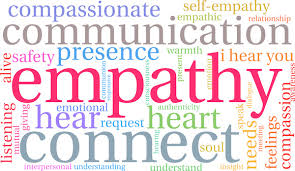
a) Defining Empathy and Its Role in Parenting.

Empathy is more than just a buzzword; it’s the superpower every parent needs in their arsenal. It’s about putting yourself in your teen’s shoes (or, you know, the latest trendy sneakers) and trying to understand their feelings and perspectives. This emotional bridge not only fosters connection but also creates a safe space for open communication. When your teen feels that you genuinely get where they’re coming from, they’re more likely to drop the walls and let you in, which is a win-win situation for everyone involved.

b) Tips for Practicing Empathy with Teens.

Ready to flex those empathy muscles? Start by actively listening when your teen spills their guts about the latest high school drama or their existential crisis over a math assignment. Acknowledge their feelings without jumping straight to problem-solving mode—sometimes they just want an ear, not a lecture. Use reflective statements like, “It sounds like you’re really frustrated,” and watch as they open up like a flower in the spring. Also, don’t forget to share your own experiences; it shows them they’re not alone in their teenage rants. Remember, empathy isn’t about agreeing with everything they do but showing you care about their feelings.

3. Strategies for Effective Communication.

a) Active Listening Techniques.

Active listening is like the secret sauce of communication—it makes everything taste better! When your teen is venting, put down the phone, make eye contact, and nod along like you’re the world’s most enthusiastic audience member. Paraphrase what they say to show you’re engaged: “So, you’re saying that you felt left out when…” This not only affirms their feelings but also helps clarify any misunderstandings. And whatever you do, resist the urge to interrupt with “back in my day…”—this isn’t a history lesson; it’s a moment to connect!

b) Choosing the Right Moments to Talk.

Timing is everything when it comes to communication, especially with teens. Catch them at the right moment—like when they’re in the mood to chat (you know, when they’re not glued to their screens or in the middle of a TikTok binge). Consider mealtimes or car rides as golden opportunities where conversations flow more naturally, sans the pressure. Voicing concerns during a casual setting rather than a confrontation can work wonders. And remember, if the mood strikes and it feels like the right time to chat, embrace it! Just don’t force a discussion when they’re clearly not feeling it; you’ll only end up with a door slam.

4. Setting Boundaries with Compassion.

a) The Balance between Freedom and Guidance.

Finding the sweet spot between giving your teen enough freedom and providing guidance is like trying to walk a tightrope while juggling—tricky, but totally achievable! Teens crave independence but still need a safety net. Start by involving them in discussions about rules and consequences so they feel heard, not just bossed around. This collaborative approach helps them understand that boundaries are there for their benefit, not as mere roadblocks to their freedom. And remember, a strong relationship built on trust will make it a whole lot easier to navigate those occasional bumps down the road.

b) Developing Clear and Consistent Rules.

Welcome to the rules section—the part of parenting no one warns you about! To maintain the peace and keep your sanity intact, clear and consistent rules are essential. Sit down with your teen and outline expectations together, ensuring they understand the rationale behind them (it’s not just about you wanting to be the bad guy!). When setting rules, be specific; saying “no late nights out” is less effective than “home by 10 PM on school nights.” Consistency is key as well; bending the rules every time they sweet talk you can lead to confusion. Remember, it’s not about being a tyrant; it’s about guiding them with love and, of course, a sprinkle of grace!

5. Encouraging Responsibility and Independence.

a) Fostering Decision-Making Skills.

Encouraging your adolescent to make decisions helps them build confidence and a sense of ownership over their choices. Start with small, everyday decisions—like what to wear or which snack to choose. Gradually move on to bigger decisions, such as choosing their extracurricular activities or managing their schedules. This way, when the big life decisions roll around, they’ll be more prepared than a chef at a five-star restaurant!

b) Rewarding Efforts and Accountability.

When your teen takes initiative or follows through on promises, celebrate it! Acknowledge their efforts with praise or a small reward—like a special outing or extra screen time. This reinforces that accountability leads to positive outcomes. Remember, you’re not just rewarding completion but also the hustle and grind behind it. It’s like giving a high-five for every small victory in the battle against defiance!

6. Navigating Conflict with Grace.

a) Different Approaches to Conflict Resolution.

There are various ways to resolve conflicts, from negotiation to compromise, and it’s vital to find a style that works for both you and your teen. Acknowledging the other person’s perspective can turn a heated debate into a productive discussion. Try practicing a “solution-focused” approach together, where both parties brainstorm ideas instead of assigning blame. Think of it as a family brainstorming session—minus the awkward icebreakers!

b) Maintaining Calm during Disagreements.

Let’s face it: parenting isn’t always a walk in the park, especially during disagreements. A key to navigating these stormy waters is maintaining your cool. Take deep breaths, count to ten, or imagine your happy place (preferably one without teenagers). By modeling calm behavior, you’re not only showing your teen how to handle conflicts gracefully but also preventing things from escalating into a full-on parent-teen showdown.

7. Seeking Professional Support When Needed.

a) Identifying Signs That Professional Help Is Required.

Sometimes, your teen may need more support than you can provide. Look for signs like persistent mood swings, withdrawal from family activities, or major changes in behavior. If their defiance escalates to the point where it seems like a new hobby, it might be time for a professional opinion. Trust your instincts—if something feels off, it’s better to check in with a specialist before it turns into a reality TV show.

b) Resources for Parents and Teens.

There’s no shortage of resources when it comes to seeking help! Books, online forums, and therapy apps can be great starting points for both parents and teens. Organizations like the American Psychological Association (APA) can provide guidance on finding qualified professionals. Remember, seeking help isn’t a sign of failure; it’s like calling a lifeguard when you’re in over your head at the pool. Swim safely!

8. Celebrating Successes: Building a Positive Parent-Child Relationship.

a) Recognizing Growth and Progress.

Take a moment to pause and celebrate your teen’s victories, big and small. Did they manage their homework without reminders? Nailed a presentation? Recognize their growth! Highlighting progress fosters a sense of achievement and reinforces that you’re in this together. It’s like throwing confetti for every milestone achieved—just try not to get it stuck in your hair!

b) Cultivating a Supportive Home Environment.

Creating a loving and supportive atmosphere can work wonders in strengthening your relationship with your teen. Encourage open communication, allow plenty of family bonding time, and sprinkle in doses of humor (because laughter truly is the best medicine). A supportive home is like a cozy blanket fort: it keeps everyone warm and nurtured, even through the chill of teenage defiance. Let’s build that fort! In conclusion, navigating adolescent defiance requires patience, empathy, and a willingness to adapt as children grow. By implementing effective communication strategies, setting compassionate boundaries, and recognizing the importance of both responsibility and independence, parents can turn challenges into opportunities for connection. Embracing this journey with grace not only helps in managing defiance but also fosters a more resilient and trusting relationship between parents and their teenagers. Remember, each step taken toward understanding and support paves the way for a brighter future together.

Frequently Asked Questions:

1. What are common signs of adolescent defiance?

Defiant behavior in adolescents may include frequent arguing, refusal to comply with rules, irritability, and challenges to authority. Understanding these signs can help parents address issues more effectively.

2. How can I improve communication with my teenager?

Improving communication involves active listening, choosing the right moments to talk, and validating their feelings. Create an environment where your teen feels safe expressing themselves without fear of judgment.

3. When should I seek professional help for my child?

If defiant behavior escalates into severe emotional distress, impacts daily functioning, or leads to risky behavior, it may be time to seek professional help. Consulting a therapist or counsellor can provide valuable support and guidance.

4. What role does empathy play in managing defiance?

Empathy fosters understanding and connection, allowing parents to better grasp their teenager’s perspective. By validating their feelings and experiences, parents can create a more supportive environment that reduces conflict.
Rating: 1 out of 5.

Inclusive Education: The Role of Private Schools in Supporting Special Needs Students.

Inclusive education has become a pivotal topic in the quest to create equitable learning environments for all students, including those with special needs. As educational institutions strive to accommodate diverse learners, private schools are increasingly recognized for their unique role in fostering inclusivity. With the flexibility to implement tailored programs and individualized support, private schools have the potential to break down barriers and provide meaningful educational experiences for special needs students. This article explores the multifaceted contributions of private schools to inclusive education, examining strategies, challenges, and success stories that highlight their commitment to supporting every learner.

1. Understanding Inclusive Education: An Overview.

a) Definition of Inclusive Education.

Inclusive education means that all students, regardless of their abilities or needs, learn together in the same environment. Think of it as a classroom party where everyone is invited, and different flavors of ice cream are celebrated—each addition makes the party sweeter! This approach aims to create a supportive learning atmosphere that embraces diversity and promotes equity. 

b) Historical Context and Evolution.

Once upon a time, students with special needs were often tucked away in separate classrooms or institutions, like that kid in gym class who always got picked last. Over the decades, societal attitudes shifted, influenced by advocacy and research highlighting the benefits of inclusion. The movement grew, leading to laws that encourage integration and support systems for special needs students across educational landscapes. Now, it’s all about teamwork, high-fives, and ensuring everyone has a seat at the table! 

2. The Importance of Supporting Special Needs Students.

a) Legal Framework and Rights of Special Needs Students.

In many countries, laws ensure that special needs students have the right to receive appropriate education in the least restrictive environment. The Individuals with Disabilities Education Act (IDEA) in the U.S. is one such law, emphasizing the importance of personalized educational plans. It’s like having a tailored suit that fits perfectly—because everyone deserves to look good and feel comfortable in their learning environment! 

b) Societal and Educational Benefits.

Supporting special needs students isn’t just the right thing to do; it’s also a smart move for society! Inclusive classrooms foster empathy, understanding, and collaboration, skills that serve everyone well in the real world. Students learn to celebrate differences and work together—making them better friends, workers, and citizens. Plus, it opens doors for creativity and innovation because when diverse minds come together, magic happens! 

3. The Role of Private Schools in Inclusive Education.

a) Private vs. Public School Approaches.

Private schools often have the flexibility to create tailored programs that fit the needs of diverse learners. They may include small class sizes, specialized resources, and the ability to innovate without getting bogged down by regulations. Meanwhile, public schools provide critical services to a broader range of students but may face bureaucratic red tape. So, while both types of schools aim for inclusion, private schools sometimes get to experiment with what works best—kind of like a chef trying a new recipe! 

b) Commitment to Diversity and Inclusion.

Many private schools pride themselves on their commitment to diversity and inclusion as a core value. They often go above and beyond to create welcoming environments for special needs students. By fostering a culture that values every individual’s contribution, these schools help build a community where differences are not just accepted but celebrated. It’s like having a potluck dinner where everyone brings their best dish—variety is the spice of life! 

4. Strategies for Private Schools to Support Special Needs Students.

a) Curriculum Adaptations and Differentiation.

Curriculum adaptation is all about tweaking the learning experience to meet diverse needs. This could mean offering different ways to demonstrate knowledge, like projects instead of tests, or using assistive technologies. Think of it as a buffet where everyone gets to choose what they want to eat—it ensures that learning is delicious for everyone! 

b) Professional Development and Training for Staff.

Just like superheroes need training to sharpen their powers, educators benefit from ongoing professional development to support special needs students effectively. Workshops, seminars, and collaborative learning opportunities can equip teachers with the tools and strategies they need to be champions of inclusion. After all, a well-prepared teacher is a powerful ally in any student’s educational journey! 

c) Collaboration with Parents and Specialists.

Open communication between parents, teachers, and specialists is vital in creating a successful support system for special needs students. Regular check-ins, collaborative problem-solving sessions, and sharing insights can bridge the gap between home and school. It’s like forming a dream team—everyone plays their part to ensure that student success is a shared victory!

5. Benefits of Inclusive Practices in Private Education.

a) Enhanced Learning Environment for All Students.

Inclusive practices in private schools create a vibrant learning atmosphere where diversity thrives. When students with special needs are integrated into general education settings, it cultivates a richer educational experience for everyone. Teachers adapt their teaching strategies and materials to meet varied learning styles, benefiting all students. Plus, who doesn’t want to learn in a classroom where creativity and collaboration are the norm? It’s like upgrading from a basic sandwich to a gourmet club with all the fixings – everyone leaves feeling satisfied!

b) Building Empathy and Social Skills in Peers.

When students interact with their peers with special needs, they’re not just learning about math or history; they’re gaining valuable life skills too. Inclusive education encourages empathy, compassion, and understanding – qualities that are as essential as knowing how to tie your shoes (or not trip over your own feet). Classmates learn to appreciate differences and develop strong social skills, paving the way for future friendships and teamwork. Essentially, the classroom becomes a microcosm of a kinder, more inclusive society.

6. Challenges Faced by Private Schools in Implementing Inclusive Education.

a) Resource Limitations.

While private schools often pride themselves on their small class sizes and personalized approaches, they can still face hurdles when it comes to resources. Implementing inclusive education often requires specialized training, additional staff, and tailored learning materials – all of which can stretch budgets thinner than a pancake on Shrove Tuesday. Without the necessary funding or resources, even the best intentions can fall flat, leaving students and teachers scrambling to make things work.

b) Resistance to Change and Misconceptions.

Change can be as welcome as a surprise pop quiz on a Friday afternoon. Some private schools may resist inclusive practices due to misconceptions about their effectiveness or the logistics involved in implementation. There’s often a fear that including students with special needs will disrupt the flow of lessons or reduce overall academic performance. Educators and administrators must confront these myths head-on and advocate for the benefits of inclusivity. After all, knowledge is power, and a little education can go a long way in breaking down those stubborn walls.

7. Case Studies: Successful Inclusive Programs in Private Schools.

a) Highlighting Innovative Practices.

Private schools around the globe have stepped up to the challenge of inclusion with innovative programs that are as unique as they are inspiring. From co-teaching models that pair general and special education teachers to utilizing technology that adapts to individual learning needs, these schools are proving that inclusive education is not just a pie-in-the-sky idea. Take, for instance, a school that incorporates a buddy system, pairing students with special needs with their classmates to foster mutual growth and friendship. These innovative practices can turn scepticism into success, one classroom at a time.

b) Measuring Outcomes and Success Stories.

What’s better than a success story? A whole collection of them! Private schools that have embraced inclusive education are not just documenting impressive academic outcomes; they’re also witnessing social and emotional growth in their students. Success can be measured in various ways, whether it’s improved grades, increased participation in activities, or the heart-warming friendships that develop in the hallways. Sharing these narratives not only shines a light on what’s working but also inspires other institutions to jump on the inclusive bandwagon.

8. The Future of Inclusive Education in Private Institutions.

a) Trends and Predictions.

As we peer into the crystal ball of education, the future looks bright for inclusive practices in private schools. Trends indicate an increasing emphasis on social-emotional learning and the development of inclusive curricula that embrace all learners. With growing awareness and advocacy for disability rights, private institutions will likely continue to expand their offerings. So, buckle up, because the inclusion train is picking up speed and isn’t slowing down anytime soon!

b) Recommendations for Improvement.

For private schools aiming to enhance their inclusive education efforts, the key lies in collaboration and adaptability. Investing in professional development for teachers to equip them with the skills necessary for effective inclusion is paramount. Engaging families in the process and fostering open communication can also create a supportive community atmosphere. And let’s not forget the importance of gathering feedback from students and parents alike – after all, they’re the true experts in their own educational journeys. With these recommendations, private schools can continue to pave the way for a future where inclusion is not just a policy but a vibrant reality.In conclusion, private schools play a vital role in promoting inclusive education for special needs students, demonstrating that with the right strategies and commitment, every child can thrive in a supportive learning environment. By embracing diversity and implementing effective practices, these institutions not only enhance the educational experiences of students with special needs but also enrich the entire school community. As we look to the future, continued collaboration and innovation will be essential in ensuring that all students receive the education they deserve.

Frequently Asked Questions:

1. What is inclusive education?

Inclusive education is an approach that aims to ensure all students, regardless of their abilities or disabilities, have access to quality education in a supportive environment that meets their individual needs.

2. How do private schools support special needs students?

Private schools support special needs students by implementing individualized education plans, adapting curricula, providing specialized training for staff, and fostering collaboration with families and specialists.

3. What are the benefits of inclusive education in private schools?

The benefits of inclusive education in private schools include a more enriched learning environment, enhanced social skills among peers, improved academic outcomes for all students, and increased empathy and understanding within the school community.

4. What challenges do private schools face in implementing inclusive education?

Private schools may face challenges such as limited resources, lack of trained staff, resistance to change, and misconceptions about inclusivity, which can hinder their ability to successfully implement inclusive practices.

Rating: 1 out of 5.

Unpacking Single Parenthood: Four Unique Types Revealed.

Single parenthood is an increasingly common family structure that encompasses a diverse range of experiences and challenges. As societal norms evolve, it is essential to recognize not only the unique journeys of single parents but also the different types of single-parent families that exist. This article aims to unpack single parenthood by exploring four distinct types—traditional single parents, co-parents, foster or adoptive parents, and those in blended family situations. By understanding these categories, we can appreciate the complexities, challenges, and strengths that come with single parenthood, ultimately fostering a greater sense of empathy and support for those navigating this journey.

1. Understanding Single Parenthood: An Overview.

a) Definition and Importance.

Single parenthood refers to a family structure in which one adult raises one or more children independently. This phenomenon is increasingly relevant in today’s society, representing a growing segment of the population. Whether due to divorce, choice, or unexpected circumstances, single parents often juggle the double duty of nurturing and providing. Understanding the nuances of single parenthood is crucial because it sheds light on the diverse experiences families face and the support they might need.

b) Statistics and Trends.

According to recent data, nearly 1 in 4 children in the U.S. live with a single parent, and the numbers continue to rise. With an increasing acceptance of various family structures, single parenthood has become mainstream. Trends show that single parenting can affect socio-economic status, educational outcomes, and mental health. While it can be challenging, it’s also a testament to resilience, adaptability, and the love that binds families together, regardless of their setup.

2. The Traditional Single Parent.

a) Characteristics and Roles.

The traditional single parent often emerges from separation, divorce, or the death of a partner. These parents are the ultimate multitaskers: they’re the breadwinners, caregivers, and sometimes, the unofficial life coaches. They wear many hats, and let’s be honest—they can wear them like a pro! Balancing work, parenting, and personal life can be a gargantuan task, but they often grow stronger and more resourceful through the journey.

b) Impact on Children.

Children raised by traditional single parents can thrive, but it’s essential to acknowledge the unique challenges they may face. Research suggests that kids in single-parent families might encounter emotional struggles and academic challenges. However, these children also often develop resilience, independence, and a strong sense of responsibility. With the right support and love, they can grow up to be well-adjusted adults—perhaps even better equipped to handle life’s curveballs!

3. The Co-Parenting Arrangement.

a) Defining Co-Parenting.

Co-parenting typically occurs after a separation or divorce, where two parents work collaboratively to raise their children while living apart. Think of it as a team sport, but with fewer snacks and more logistics. The key is mutual respect and communication, aiming to provide a stable environment where children can thrive, regardless of the parents’ relationship status.

b) Benefits and Challenges.

The benefits of co-parenting include shared responsibilities and diverse parenting styles, giving kids a balanced perspective on life. However, challenges such as conflicting parenting approaches and communication hiccups can arise. Navigating schedules, holidays, and boundary-setting can feel like trying to solve a Rubik’s cube blindfolded. Yet, when done right, co-parenting can lead to a supportive environment that benefits everyone involved—talk about a win-win!

4. The Foster or Adoptive Single Parent.

a) Understanding Foster Care and Adoption.

Foster and adoptive single parents step into a world where love knows no bounds. They provide homes for children in need of stability, often offering a sense of belonging that those kids may have never experienced before. These parents undergo extensive training and evaluations to ensure they can provide a nurturing environment, and they often do it with grace and tenacity.

b) Unique Challenges Faced.

While the rewards of fostering or adopting are immense, the challenges can be uniquely daunting. Single foster or adoptive parents may face more bureaucratic hurdles, emotional stress, and financial strain. The journey can be an emotional rollercoaster, with the potential for attachment, loss, and the complexities of dealing with behavioral issues stemming from past traumas. However, the resilience and love they provide can create miracles in the lives of the children they care for—proof that family comes in many forms.

5. The Blended Family Single Parent.

a) Defining Blended Families.

Blended families bring together children from previous relationships, creating a unique tapestry of dynamics—and let’s be honest, it can feel like trying to merge two distinct playlists into one. You might have your kids, their kids, and a few pets thrown into the mix. The goal? A harmonious family unit where everyone can belt out their favourite tunes (or at least tolerate the genre!).

b) Navigating Relationships and Dynamics.

Communication is key, and juggling relationships can feel like a high-stakes game of Twister. You’ve got step-siblings who may or may not want to share their toys, ex-partners who occasionally lurk in the background, and the perennial question of who gets the last slice of pizza. Establishing boundaries, fostering open dialogues, and ensuring everyone feels heard can turn this potential chaos into a nurturing environment—like a perfectly baked cake, if you will!

6. Challenges Faced by Single Parents.

a) Emotional and Psychological Impact.

Single parents often wear their emotions on their sleeves—because, honestly, who has the time for sleeves when you’re tackling bedtime routines? Stress, loneliness, and the occasional identity crisis can all come knocking at the door. Recognizing these feelings is vital; it’s not a sign of weakness, but rather a testament to the incredible juggling act you perform daily.

b) Financial Considerations.

When it comes to finances, single parents often pull double duty, which can feel like trying to squeeze toothpaste back into the tube—impossible! Budgeting becomes an essential skill, and prioritizing can feel like trying to plan a vacation during a hurricane. From childcare costs to groceries, every cent counts, but finding creative ways to save (like those meal-prep Sundays) can help keep the financial ship afloat.
7. Resources and Support for Single Parents.
a) Community Resources.

Local resources can be a lifesaver! Many communities offer support groups, childcare programs, and even family events that promote social interaction—because let’s face it, parenting can feel isolating at times. Check out your local community center for support networks that can help you connect with others navigating the single-parent waters.

b) Online Support Networks.

The Internet is brimming with online forums and social media groups tailored for single parents. Think of these as your digital village. Here, you can share experiences, seek advice, and even swap parenting hacks like sharing your secret cookie recipe. Just remember: not all advice is created equal, so take what resonates and leave the rest!

8. Celebrating the Strength of Single Parenthood.

a) Success Stories.

Every single parent has a story worth telling. From overcoming obstacles to achieving personal goals, these narratives are often laced with resilience, humor, and a dash of chaos. Celebrating these achievements—whether it’s a child’s graduation or simply getting through a tough day without losing your sanity (okay, maybe a little sanity)—is crucial.

b) Empowerment and Resilience.

Single parenthood demands a superhero-like resilience; it’s about turning challenges into triumphs. Each day is a new opportunity to embrace empowerment, teaching your kids valuable life lessons along the way. So, wear that “superparent” cape with pride—it suits you! Remember, you’re not just surviving; you’re thriving, one day at a time. In conclusion, single parenthood is a multifaceted experience that varies greatly among individuals and families. By recognizing the different types of single parents and the unique challenges they face, we can foster a more inclusive and supportive environment. Whether through community resources, support networks, or simply understanding, it is crucial to acknowledge and celebrate the resilience of single parents. Their strength and dedication play a vital role in shaping the future of their children and, by extension, society as a whole.

Frequently Asked Questions:

1. What are the main types of single parenthood?

Single parenthood can generally be categorized into four types: traditional single parents, co-parents, foster or adoptive single parents, and those in blended family situations. Each type has its own unique challenges and dynamics.

2. What challenges do single parents commonly face?

Single parents often experience emotional and psychological stress, financial burdens, and difficulties in balancing work and family responsibilities. The lack of support can also exacerbate these challenges.

3. How can single parents find support?

Single parents can seek support through community resources, online support groups, local organizations, and social services that provide assistance, counseling, and networking opportunities.

4. Are there any benefits to being a single parent?

Yes, single parenting can foster independence, resilience, and strong parent-child relationships. It can also provide opportunities for personal growth and development, as parents navigate challenges and create a nurturing environment for their children.

Rating: 1 out of 5.

Breaking Mental Health Stigmas: A Parent and Student Guide.

Promoting Positive Mental Health for Students and Parents is essential in creating a nurturing environment that fosters well-being and resilience. Understanding the complexities of mental health, building effective communication channels, and accessing support systems are crucial components in this comprehensive guide. By addressing stigma, encouraging self-care practices, and providing strategies for promoting resilience, this article aims to empower individuals to prioritize their mental wellness and seek the necessary help when needed.

Understanding Mental Health and Well-being.

Let’s start by unravelling the mysteries of mental health and well-being. It’s like understanding the ingredients in your favourite recipe – essential for a satisfying outcome. Mental health awareness is key. It’s the flashlight in the dark, helping us navigate the ups and downs of life, while shedding light on the importance of self-care and seeking help when needed.

The Importance of Mental Health Awareness.

Picture this: mental health awareness as your trusty sidekick in the journey of life. It’s like having a map in unfamiliar territory. By recognizing and acknowledging mental health challenges, we pave the way for understanding, empathy, and support. So, let’s raise our awareness flag high and de-stigmatize the conversations around mental health.

Common Challenges Faced by Students and Parents.

Ah, the battle scars of modern life – stress, anxiety, and the pressure to juggle it all like a circus performer. Students and parents alike face a myriad of challenges, from academic stress to societal expectations. It’s like a marathon with hurdles, but with the right support and strategies, these challenges can be tackled head-on.

Creating a Supportive Environment for Students and Parents.

Imagine a warm hug in the form of a supportive environment for both students and parents. Open communication and trust are the building blocks of this safe space. By fostering a culture of acceptance and understanding, we create a nurturing atmosphere where mental health can bloom like a well-tended garden.

Promoting Open Communication and Trust.

Communication is the magical potion that strengthens relationships and builds bridges. Encouraging open conversations and fostering trust create a safe haven where thoughts and emotions can be shared without fear of judgment. So, let’s break the communication barriers and start the conversation.

Fostering a Culture of Acceptance and Understanding.

In a world full of differences, acceptance and understanding are the glue that holds us together. By celebrating diversity and embracing uniqueness, we create a tapestry of support that uplifts and empowers. Let’s be the champions of a culture where everyone feels seen, heard, and valued.

Strategies for Promoting Resilience and Coping Skills.

Life throws curveballs, but we’ve got our resilience bat ready. Developing healthy coping mechanisms is like having a superhero toolkit at your disposal. Add a sprinkle of positive psychology techniques, and you’ve got the recipe for bouncing back stronger and wiser in the face of adversity.

Developing Healthy Coping Mechanisms.

When life gives you lemons, make lemonade – or maybe a lemon meringue pie. Healthy coping mechanisms are like recipes for resilience, helping us navigate challenges with grace and strength. From mindfulness practices to self-care rituals, these tools empower us to face obstacles head-on.

Building Resilience through Positive Psychology Techniques.

Picture resilience as a muscle that grows stronger with each challenge faced. Positive psychology techniques act as the personal trainer, guiding us towards a mindset of growth and optimism. By practicing gratitude, fostering optimism, and embracing change, we sculpt a resilient spirit that can weather any storm.

Building Strong Communication Channels.

Communication is the heartbeat of relationships – strong, steady, and essential for connection. Families thrive on effective communication strategies that foster understanding and unity. In a world buzzing with technology, utilizing digital tools can enhance communication and bridge gaps, bringing us closer despite the physical distance.

Effective Communication Strategies for Families.

Communication is an art form that requires practice, patience, and a sprinkle of empathy. By mastering active listening, setting boundaries, and expressing emotions constructively, families can cultivate strong communication channels that deepen relationships and foster understanding. Let’s paint a masterpiece of connection through words and gestures.

Utilizing Technology for Enhanced Communication.

In a digital age where virtual bridges connect hearts miles apart, technology becomes a powerful ally in fostering communication. From video calls that bridge physical gaps to messaging apps that keep conversations alive, technology offers a plethora of tools to enhance communication within families. Let’s embrace the digital realm as a gateway to stronger connections and closer bonds.

With a blend of awareness, support, resilience, and effective communication, students and parents can navigate the twists and turns of life’s rollercoaster with courage and grace. By promoting positive mental health practices, we pave the way for a brighter, more connected future where well-being reigns supreme.

Accessing Resources and Support Systems.

Identifying Available Mental Health Resources.

When it comes to mental health, knowing what resources are out there can make a world of difference. From school counsellors to online support groups, there are plenty of avenues to explore for guidance and assistance.

Engaging with Community Support Networks.

Sometimes, a listening ear or a supportive community can work wonders for mental well-being. Whether it’s joining a local support group or reaching out to neighbours and friends, connecting with others can provide much-needed comfort and understanding.

Encouraging Self-care Practices for Mental Wellness.

Promoting Physical Health for Mental Well-being.

Exercise, nutrition, and sleep play a crucial role in maintaining good mental health. Encouraging healthy habits like regular physical activity, balanced diets, and ample rest can significantly contribute to overall well-being.

Incorporating Mindfulness and Relaxation Techniques.

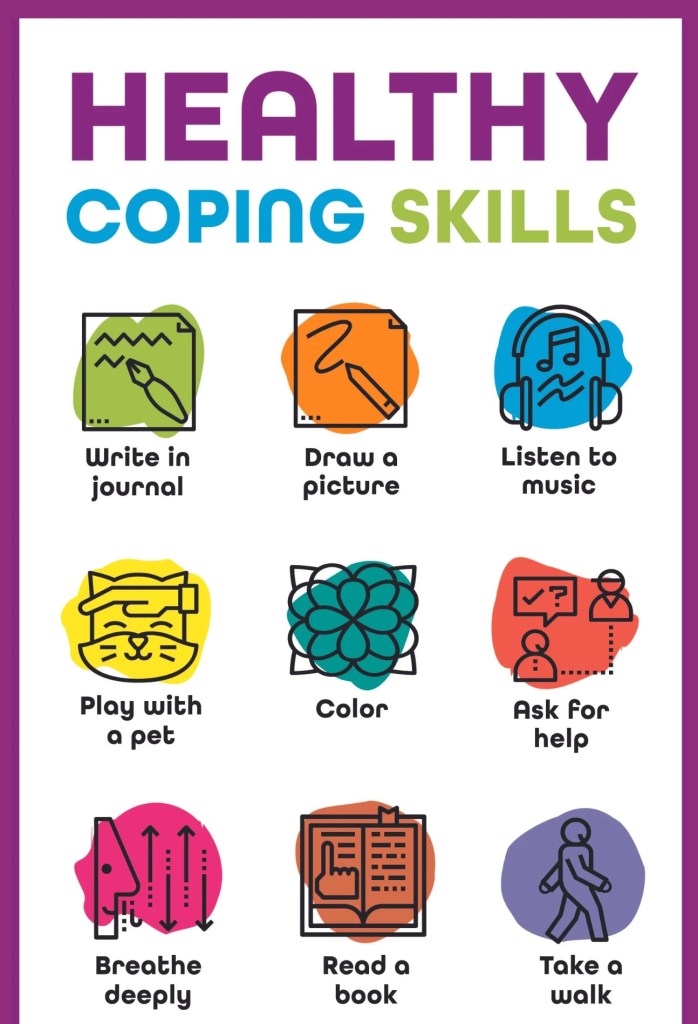
In a fast-paced world, finding moments of calm and mindfulness can be a game-changer. Introducing relaxation techniques like deep breathing, meditation, or yoga into daily routines can help manage stress and promote mental clarity.

Addressing Stigma and Seeking Professional Help.

Breaking down Mental Health Stigmas.

Let’s face it – mental health stigma is real. By engaging in open conversations, challenging misconceptions, and showing empathy, we can help break down barriers and create a more accepting environment for those struggling with mental health issues.

Recognizing When to Seek Professional Support.

Knowing when to seek professional help is a vital step in caring for mental health. Whether it’s talking to a therapist, psychologist, or psychiatrist, recognizing the signs that indicate the need for professional support is crucial for effective intervention and treatment. In conclusion, by implementing the strategies and approaches outlined in this comprehensive guide, students and parents can take proactive steps towards promoting positive mental health. Together, we can create a supportive and understanding community where mental wellness is prioritized, stigma is challenged, and help is readily available. Remember, your mental health matters, and by working together, we can make a positive difference in the lives of students and parents alike.

Promoting Mental Health and Wellness in Schools through Counsellors.

Promoting mental health and wellness in schools is a critical component of fostering a supportive and nurturing learning environment for students. School counsellors play a pivotal role in addressing the mental health needs of students, offering individualized support, guidance, and intervention when necessary. In this article, we will explore the various ways in which school counsellors contribute to the promotion of mental health within educational settings. From implementing comprehensive mental health programs to collaborating with teachers and administrators, school counsellors are instrumental in creating a culture of emotional well-being and resilience among students.

The Role of School Counsellors in Promoting Mental Health.

Understanding the Role of School Counsellors.

School counsellors are like the Gandalf’s of the education world, except instead of magic wands, they wield listening skills, empathy, and a treasure trove of strategies to support students’ mental well-being. These unsung heroes help create a safe space for students to express their thoughts and feelings, navigate challenges, and develop crucial coping mechanisms.

Delivering Individual and Group Counseling Sessions.

Think of school counsellors as the therapists of the school setting, without the intimidating couch and the silence that feels heavier than a stack of textbooks. They conduct one-on-one sessions to provide personalized support and also lead group sessions where students can bond over shared experiences and learn from one another.

Implementing Comprehensive Mental Health Programs in Schools.

Designing Mental Health Curriculum and Resources.

School counsellors are the brains behind crafting mental health programs that seamlessly fit into the school curriculum. From interactive workshops on stress management to resources on mindfulness exercises, they ensure that mental health education becomes as essential as acing that math test.

Establishing Mental Health Awareness Campaigns and Events.

Picture this: school hallways adorned with colourful posters promoting mental health awareness events and campaigns organized by school counsellors. These events not only break the stigma surrounding mental health but also create a buzz that encourages students to open up about their struggles.

Providing Emotional Support and Guidance to Students.

Building Trust and Rapport with Students.

School counsellors are masters at turning the school’s corridors into trust-building zones. By establishing genuine connections with students, they create a safe harbour where students feel comfortable sharing their worries, personal doubts and issues, fears, and dreams without the fear of judgment.

Offering Confidential Support and Encouragement.

Confidentiality is the bread and butter of school counsellors. Students can spill their deepest secrets, worries, and hopes knowing that it stays between them and the counsellor. Add a sprinkle of encouragement and a dash of empowerment, and you’ve got a recipe for positive change.

Collaborating with Teachers and Administrators for Holistic Support.

Creating a Multi-Disciplinary Support Team.

School counsellors are the maestros orchestrating a symphony of support by collaborating with teachers and administrators. Together, they form a multi-disciplinary team that tackles student well-being from all angles, ensuring no student is left to navigate their struggles alone.

Participating in Student Intervention and Support Meetings.

When the academic seas get stormy for students, school counsellors don their life jackets and join intervention and support meetings to chart a course for success. By providing insights into students’ mental health needs, they help tailor interventions that set students on the path to smoother sailing.

Addressing Mental Health Stigma and Increasing Awareness.

In the quest to boost mental health and wellness in schools, countering stigma and raising awareness are key players. By educating students, parents, and staff on mental health matters, we pave the way for de-stigmatization and understanding. Let’s keep the conversation going and promote a culture of acceptance and empathy within school walls.

Offering Crisis Intervention and Support Services.

In times of mental health emergencies and critical incidents, having supportive services at the ready is crucial. School counsellors play a frontline role in responding swiftly and efficiently to such situations. They not only provide immediate intervention but also offer referrals to external mental health professionals for ongoing support.

Incorporating Mindfulness and Wellness Activities in School Settings.

Integrating mindfulness practices into the daily school routine can work wonders for mental well-being. From mindful breathing exercises to guided meditation, these activities help students and staff manage stress and build resilience. Additionally, promoting physical activities and healthy lifestyle choices adds a holistic touch to fostering wellness in school environments. In conclusion, the dedication and expertise of school counsellors are essential in promoting mental health and wellness in schools. By providing emotional support, guidance, and resources, counsellors help students navigate challenges, build resilience, and thrive academically and emotionally. Through collaboration with school staff and the implementation of holistic mental health programs, school counsellors play a vital role in creating a safe and supportive environment where every student can flourish.

The Silent Health Crisis: Analyzing the Undeniable Connection between Junk Food and Children’s Well-being.

Introduction:

Junk food has become ubiquitous in the diets of children today, leading to a silent health crisis that demands attention. The consumption of unhealthy, processed foods high in sugar, salt, and unhealthy fats has become a norm, greatly impacting the well-being of children. This article aims to analyze the undeniable connection between junk food and children’s well-being, shedding light on the detrimental effects it has on their physical health, mental and emotional well-being, the role it plays in the rising rates of childhood obesity, and the influence of marketing and advertising. By understanding the severity of this issue, we can explore strategies to promote healthier eating habits, emphasize parental involvement and education, and ultimately prioritize the well-being of children in combating this silent health crisis.

1. The prevalence and impact of junk food consumption among children.

a) Understanding the current state of junk food consumption.

Let’s face it – junk food has become a staple in many children’s diets. From sugary snacks to greasy fast food, it seems like these unhealthy options are everywhere we turn. But just how prevalent is junk food consumption among children? Well, the numbers might shock you. According to recent studies, an alarming 60% of calories consumed by children and adolescents come from junk food and unhealthy beverages. That’s right; more than half of their energy intake is derived from these nutritionally empty choices. It’s safe to say that junk food has become a permanent resident in our children’s stomachs.

b) Exploring the consequences of excessive junk food intake.

While a treat here and there may not cause significant harm, excessive junk food consumption can have serious consequences for children’s well-being. We’re not just talking about a few extra pounds; we’re talking about a silent health crisis. The impact of too much junk food extends far beyond a number on the scale. It can wreak havoc on a child’s physical health, mental well-being, and overall quality of life. It’s time we take a closer look at these consequences and understand the true toll that junk food is taking on our little ones.

2. The detrimental effects of junk food on children’s physical health.

a) Obesity and its health implications.

One of the most obvious and immediate effects of excessive junk food intake is obesity. The high levels of sugar and unhealthy fats found in these foods can easily lead to weight gain, putting children at a higher risk of developing obesity. But obesity is not just about appearance; it has serious health implications. Children who are overweight or obese are at a greater risk of developing type 2 diabetes, heart disease, and other chronic conditions that used to be reserved for adults. It’s a dangerous path that no child should have to face.

b) Increased risk of chronic diseases.

As if obesity wasn’t enough, excessive junk food consumption also increases the risk of developing chronic diseases later in life. Conditions such as high blood pressure, high cholesterol, and metabolic syndrome are becoming increasingly common among children who regularly indulge in junk food. These diseases used to be associated with aging, but now they’re knocking on the doors of our youth. It’s time to slam that door shut and protect our children’s future health.

c) Nutritional deficiencies and imbalances.

It’s no secret that junk food lacks the essential nutrients our children need to thrive. Instead, it’s packed with empty calories, sugar, and unhealthy fats. A diet high in junk food can lead to nutritional deficiencies and imbalances, leaving children without the proper fuel their bodies need to grow and develop. The lack of vitamins, minerals, and fiber can hinder their immune system, stifle their cognitive function, and impair their overall growth. It’s time to ditch the junk and give our children the nourishment they deserve.

3. The link between junk food and children’s mental and emotional well-being.

a) Impact on mental health conditions.

When we think about the effects of junk food, we often focus on the physical consequences. But the truth is, junk food also takes a toll on children’s mental and emotional well-being. Studies have shown a strong link between junk food consumption and mental health conditions such as depression and anxiety. The high levels of sugar and unhealthy fats can negatively affect brain function and neurotransmitter production, leading to mood swings, irritability, and a general feeling of low energy. It’s not just their bodies that suffer; their minds do too.

b) Behavioral changes and mood disorders.

Ever notice how your child’s behavior seems to go haywire after a sugary snack? Well, it’s not just a coincidence. Junk food has been associated with behavioral changes and mood disorders in children. The sudden spike in blood sugar followed by a crash can leave them feeling irritable, restless, and even aggressive. It’s like a rollercoaster ride of emotions that no parent or child should have to endure. By cutting back on junk food, we can help stabilize their moods and bring some calm back into their lives.

c) The connection between junk food and cognitive function.

The impact of junk food doesn’t stop at mood swings and behavioral changes. It can also affect a child’s cognitive function. Research has shown that the high levels of sugar and unhealthy fats found in junk food can impair memory, attention span, and overall brain health. It’s like putting their little minds in a fog, making it harder for them to learn, concentrate, and succeed academically. If we want our children to thrive, we need to fuel their brains with the right nutrients, not the empty promises of junk food.

4. The role of junk food in the rising rates of childhood obesity and related health conditions.

a) Understanding the obesity epidemic among children.

Childhood obesity has reached alarming levels in recent years, and junk food is a major contributor to this epidemic. The rise of fast food chains, sugary drinks, and processed snacks has made it easy for children to consume excessive amounts of calories without even realizing it. Combine that with sedentary lifestyles and poor dietary habits, and we have a recipe for disaster. It’s time to understand the root causes of this obesity epidemic, and junk food is definitely one of the main ingredients.

b) Contributing factors to childhood obesity.

While junk food plays a significant role in childhood obesity, it’s important to recognize that it’s not the only culprit. Factors such as lack of physical activity, limited access to nutritious food options, and socioeconomic inequalities also contribute to the rising rates of obesity among children. However, junk food remains a key player in this unhealthy game. By acknowledging its impact and addressing it head-on, we can start making progress towards a healthier future for our children.

c) Health conditions associated with childhood obesity.

Childhood obesity is more than just a cosmetic concern. It comes with a range of health conditions that can have long-lasting effects on a child’s well-being. From type 2 diabetes to sleep apnea, obesity-related diseases are on the rise among children, and they’re not to be taken lightly. We need to recognize that the choices we make for our children now will shape their future health. By reducing junk food consumption and promoting a balanced, nutritious diet, we can break the cycle of obesity and give our children the chance to live their best, healthiest lives.

5. The influence of marketing and advertising on children’s food choices and behaviors.

a) Tactics used by junk food marketers targeting children.

We’ve all seen those flashy advertisements with colorful packaging, catchy jingles, and happy kids munching on burgers and fries. They’re designed to captivate young minds and make unhealthy food seem irresistible. Junk food marketers employ various tactics to target children, from using cartoon characters to promoting toys and prizes with their products. By creating a sense of fun and excitement around their brands, they make it harder for kids to resist the allure of unhealthy snacks.

b) The impact of advertising on children’s food preferences.

It’s no secret that children are highly impressionable. Studies have shown that exposure to junk food advertising significantly influences their food preferences. When bombarded with advertisements for sugary cereals or fast food, children develop a strong desire for these unhealthy options. This not only affects their immediate food choices but also shapes their long-term eating habits, increasing the likelihood of obesity and related health problems.

c) Regulatory efforts to curb unhealthy food marketing to children.

Recognizing the detrimental effects of junk food marketing on children’s well-being, many countries have implemented regulatory measures to reduce its impact. Some have restricted advertising during children’s television programming, while others have imposed stricter guidelines on the types of foods that can be advertised to children. These efforts aim to create a healthier media environment for children and empower parents to make informed food choices for their kids.

6. Strategies for promoting healthier eating habits and reducing junk food consumption among children.

a) Education and awareness campaigns.

One crucial step in combating the junk food crisis is educating children and their families about the importance of healthy eating. Public health campaigns can raise awareness about the negative effects of junk food and the benefits of a balanced diet. By providing information on nutrition and teaching kids how to make healthier food choices, we can empower them to take control of their own well-being.

b) The importance of nutritional education in schools.

Schools play a vital role in shaping children’s eating habits, and incorporating nutritional education into the curriculum can make a significant difference. Teaching kids about the importance of fruits, vegetables, whole grains, and lean proteins can help them develop a lifelong appreciation for nutritious food. By equipping children with the knowledge and skills to make healthy food choices, we can set them up for a lifetime of well-being.

c) Creating a supportive environment for healthy eating.

Promoting healthier eating habits goes beyond just educating children. We need to create an environment that supports these choices. This involves making nutritious options more accessible in schools, implementing healthy food policies, and ensuring that fresh produce is affordable and readily available in communities. When healthier options are readily available and encouraged, it becomes easier for children and their families to make positive food choices.

7. The importance of parental involvement and education in combating the junk food crisis.

a) Parental role in shaping children’s eating habits.

Parents play a crucial role in their children’s eating habits. By being role models and providing a healthy food environment at home, parents can influence their children’s choices and behaviors. When parents prioritize nutritious meals and snacks, it becomes easier for children to develop healthier preferences and habits. It’s essential for parents to take an active role in shaping their children’s relationship with food.

b) Providing guidance and setting a healthy example.

Guidance is key when it comes to helping children navigate the overwhelming world of food choices. Parents can teach their children about balanced meals, involve them in grocery shopping and meal preparation, and encourage family mealtimes. By setting a healthy example and providing guidance, parents can instill valuable habits that will benefit their children’s overall well-being.

c) Empowering parents with knowledge and resources.

To effectively combat the junk food crisis, parents need access to resources and information. Providing parents with educational materials, healthy recipes, and practical tips can empower them to make informed decisions about their children’s diets. Additionally, support networks and community programs can offer guidance and encouragement, creating a collective effort to prioritize children’s well-being.

8. Conclusion: Taking action to prioritize children’s well-being and combat the silent health crisis.

The undeniable connection between junk food and children’s well-being demands our attention and action. By understanding the influence of marketing on food choices, promoting healthier eating habits, and involving parents in the process, we can make strides towards combating this silent health crisis. It’s time to prioritize our children’s well-being by creating an environment that supports healthy choices and empowering them with the knowledge and resources to make a positive impact on their own lives. Let’s give junk food a run for its money and ensure a healthier future for our children. In conclusion, addressing the undeniable connection between junk food and children’s well-being is crucial for their overall health and development. By recognizing the detrimental effects of junk food on physical health, mental and emotional well-being, and the rising rates of childhood obesity, we can take necessary steps to combat this silent health crisis. It is imperative to implement strategies such as education, creating supportive environments, and empowering parents to make healthier choices for their children. By prioritizing the well-being of our children and taking action against the influence of junk food, we can pave the way for a healthier future generation.

FAQ:

1. How does junk food consumption impact children’s mental health?

Junk food consumption has been linked to an increased risk of behavioral changes, mood disorders, and even cognitive function impairments in children. The high sugar and unhealthy fat content in junk food can disrupt brain chemistry and negatively affect mental well-being.

2. How does advertising contribute to children’s consumption of junk food?

Advertising plays a significant role in shaping children’s food preferences and behaviors. Junk food marketers often use enticing and persuasive tactics to target children through various media channels, leading to increased consumption of unhealthy foods and making it challenging for children to make healthier choices.

3. What can parents do to combat the influence of junk food on children?

Parents play a crucial role in shaping their children’s eating habits. By being role models and providing a supportive environment, parents can promote healthier eating habits. Additionally, educating themselves about nutrition and equipping their children with knowledge about making healthier food choices can empower them to resist the allure of junk food.

4. How can schools and communities contribute to reducing junk food consumption among children?

Schools and communities can implement various strategies to promote healthier eating habits. This includes incorporating nutritional education into the curriculum, offering healthier food options in schools, and creating supportive environments that discourage the availability and consumption of junk food. Collaborative efforts involving parents, educators, and community stakeholders are crucial in combatting the influence of junk food on children’s well-being.

Children Caught in the Crossfire: Understanding the Effects of Emotionally Blackmailing Parents.

Introduction:

Emotionally blackmailing parents is a troubling and distressing phenomenon that affects countless children worldwide. This manipulative behavior, often exhibited by parents or caregivers, can have significant and long-lasting impacts on the emotional well-being and development of children. With the intention of gaining control or manipulating the other parent, emotionally blackmailing parents employ various tactics that exploit the vulnerability and love a child has for their parents. This article aims to shed light on the effects of emotionally blackmailing parents on children, providing a deeper understanding of the dynamics involved, and offering strategies for coping and healing in the face of such harmful behavior. By exploring the signs of emotional blackmail, the connection to parental alienation, and the legal and ethical considerations involved, we strive to raise awareness and promote healthy parent-child relationships that prioritize the well-being of children.

1. The Disturbing Phenomenon of Emotionally Blackmailing Parents.

Parenting is a challenging responsibility, and we all want what’s best for our children. However, in some unfortunate cases, parents resort to emotionally blackmailing tactics that can have a lasting impact on their children’s well-being. This disturbing phenomenon, known as emotionally blackmailing parents, is a serious issue that deserves our attention.

2. Understanding Emotional Blackmail: Definition and Dynamics

a) Definition of Emotional Blackmail.

Emotional blackmail occurs when a parent uses manipulative tactics to control their child’s emotions and behavior. It’s a form of psychological manipulation where parents employ guilt, fear, or obligation to get what they want from their children, often causing emotional harm in the process.

b) Dynamics of Emotional Blackmailing.

Emotional blackmailing parents tend to use a combination of emotional manipulation strategies. They might employ tactics such as inducing guilt, making threats, or using passive-aggressive behavior to manipulate their children into complying with their wishes. These dynamics create a toxic environment that can be detrimental to a child’s emotional well-being.

3. Impact on Children: Psychological and Emotional Consequences.

a) Emotional Trauma and Distress.

Children caught in the crossfire of emotionally blackmailing parents often suffer from significant emotional trauma and distress. The constant manipulation and pressure placed upon them can lead to feelings of anxiety, fear, and confusion. They may develop a deep-seated sense of insecurity and struggle with managing their emotions effectively.

b) Low Self-Esteem and Self-Worth.

Being subjected to emotional blackmail can take a toll on a child’s self-esteem and self-worth. Constant exposure to tactics that undermine their confidence and make them feel guilty can lead to a negative self-image. They may doubt their abilities, feel unworthy of love and respect, and struggle to develop a healthy sense of self-worth.

c) Relationship and Trust Issues.

Emotionally blackmailing parents often manipulate their children’s perception of reality, making it difficult for them to trust others. These children may have difficulties forming healthy relationships, as they may fear being manipulated or betrayed. They might struggle with authentic self-expression and have difficulties setting boundaries within their relationships.

4. Signs of Emotional Blackmailing: Recognizing Manipulative Behavior.

a) Manipulative Tactics and Strategies.

Recognizing emotional blackmail begins with understanding the manipulative tactics and strategies employed by parents. These can include guilt-tripping, withholding affection, using threats or ultimatums, or playing the victim to gain sympathy and control. Being aware of these tactics can help identify emotional blackmailing behavior.

b) Emotional Manipulation Warning Signs.

To spot emotional manipulation, it’s crucial to pay attention to warning signs. Signs of emotional manipulation can manifest as constant criticism, excessive control, constant demands for attention or affection, excessive guilt-tripping, or a pattern of using emotional outbursts to get their way. Trusting your instincts and recognizing these signs can help protect you and your child from further harm.

Remember, no child should be caught in the crossfire of emotionally blackmailing parents. By understanding the dynamics of emotional blackmail, recognizing its impact on children, and being aware of the warning signs, we can better support those who are affected by this distressing phenomenon.

5. Parental Alienation: The Connection to Emotional Blackmail.

a) Understanding Parental Alienation.

Parental alienation is a heartbreaking phenomenon that occurs when one parent manipulates a child’s emotions to turn them against the other parent. It often involves tactics such as badmouthing, spreading false information, and undermining the other parent’s authority. This toxic behavior can have long-lasting negative effects on the child’s mental and emotional well-being, as well as their relationship with both parents.

b) Emotional Blackmail as a Form of Parental Alienation.

Emotional blackmail, in the context of parental alienation, refers to the manipulative tactics used by one parent to control the child’s feelings and behavior towards the other parent. This can involve guilt-tripping, emotionally manipulating, or even threatening the child into taking sides or rejecting the other parent. It is a harmful form of psychological abuse that can leave lasting scars on the child’s psyche.

6. Breaking the Cycle: Strategies for Coping and Healing.

a) Enhancing Emotional Awareness and Resilience.

When facing emotional blackmail and parental alienation, it is crucial for both children and targeted parents to enhance their emotional awareness and resilience. This involves recognizing and understanding their own emotions, as well as developing healthy coping mechanisms to navigate through the challenging situations. Seeking therapy or counseling can be immensely helpful as a means to develop emotional awareness and build resilience.

b) Establishing Healthy Boundaries.

Establishing healthy boundaries is essential in breaking the cycle of emotional blackmail and parental alienation. This means setting clear expectations for behavior and communication, both for the parent engaging in emotional blackmail and the child caught in the middle. By defining and enforcing these boundaries, it becomes possible to create a more stable and healthy environment for the child to thrive in.

c) Seeking Professional Support and Counseling.

Seeking professional support and counseling is a vital step towards healing and overcoming the effects of emotional blackmail and parental alienation. Therapists, counselors, and support groups can provide a safe space for children and targeted parents to share their experiences, process their emotions, and gain guidance on navigating through the challenges they face. Professional support can empower individuals to regain control of their lives and rebuild healthy relationships.

7. Legal and Ethical Considerations: Protecting Children’s Rights.

a) Legal Implications of Emotional Blackmail.

Emotional blackmail may have legal implications, as it can be considered a form of psychological abuse. Laws surrounding emotional abuse vary from jurisdiction to jurisdiction, but it is important to be aware of the legal options available to protect children from such harmful behaviors. Legal professionals specializing in family law can provide guidance on how to address emotional blackmail within the legal system and ensure the child’s rights are protected.

b) Ethical Responsibility of Parents and Caregivers.

Parents and caregivers have an ethical responsibility to prioritize the best interests of the child and promote their well-being. This means refraining from engaging in emotional blackmail and actively working towards fostering healthy relationships between the child and both parents. By recognizing the negative impact of emotional blackmail and committing to ethical behavior, parents can create a supportive and loving environment for their children to grow and thrive.

8. Conclusion: Promoting Healthy Parent-Child Relationships in the Face of Emotional Blackmail.

While emotional blackmail and parental alienation can have devastating effects on children, it is essential to remember that healing and recovery are possible. By raising awareness, seeking professional support, and taking proactive steps to break the cycle, parents and children can rebuild healthy, loving relationships. Let us strive to create a world where children are shielded from emotional blackmail and can experience the joys of a nurturing and secure parent-child bond. It is crucial to address the distressing effects of emotionally blackmailing parents on children and take proactive steps to protect their well-being. By recognizing the signs of emotional blackmail, understanding its dynamics, and fostering emotional awareness and resilience, we can break the cycle of manipulation and promote healthier parent-child relationships. It is imperative for parents, caregivers, and society as a whole to prioritize the rights and needs of children, ensuring their emotional and psychological safety. Through education, support, and intervention, we can create an environment that nurtures healthy parent-child bonds and safeguards the emotional growth and development of children caught in the crossfire of emotionally blackmailing parents.

Navigating the Maze: The Intricate Link between Parental Desires and Children’s Choices.

Introduction:

Parents play a significant role in shaping their children’s lives, from the values they instill to the expectations they have for their future. It is natural for parents to have desires and aspirations for their children, hoping to guide them towards a path they believe will lead to success and happiness. However, the influence of parental desires on children’s choices is a complex and multi-faceted topic that requires careful examination. This article delves into the intricate link between parental desires and children’s choices, exploring the various factors at play and the potential impact on children’s development, autonomy, and overall well-being. By understanding this dynamic relationship, we can navigate the maze of parental desires and support children in making choices that align with their own unique identities and aspirations.

1. Understanding the Influence of Parental Desires on Children’s Choices.

Parents want the best for their children. It’s a universal truth that transcends time, culture, and species (yes, even mama birds want their little ones to spread their wings and fly). However, the complex relationship between parental desires and children’s choices can sometimes resemble a treacherous maze. As parents, we often find ourselves pondering how our hopes and expectations shape the decisions our children make. In this article, we will delve into this intricate link, uncovering the ways parental desires influence our kids’ choices, and perhaps find some guidance to navigate this maze with love and understanding.

2. The Role of Parental Expectations in Shaping Children’s Decision-Making.

  • The power of parental expectations in influencing children’s choices.
  • b) How parental expectations impact children’s self-perception and motivation.

Parents’ expectations have remarkable influence over their children’s decisions. From the moment we bring them into this world, we have dreams and aspirations for their future. We envision those becoming doctors, lawyers, or even the first intergalactic travel agents. These expectations can shape our children’s decision-making process, as they strive to live up to our hopes. However, it’s essential to recognize the impact of these expectations on their self-perception and motivation. As parents, we must strike a delicate balance between providing guidance and allowing our children to discover their own passions, talents, and dreams.

3. The Impact of Parental Values and Beliefs on Children’s Choices.

  • The transmission of parental values and beliefs to children.
  • The influence of parental values on children’s career choices.

As parents, we naturally want to pass on our values and beliefs to our children. Whether it’s the importance of hard work, kindness, or the undeniable superiority of chocolate chip cookies, we hope to instill these principles in their hearts and minds. Our values and beliefs play a significant role in shaping their choices, especially when it comes to long-term decisions like career paths. However, it’s important to recognize that our children are unique individuals with their own perspectives and desires. While our values may serve as a compass, we must allow them the freedom to explore and make choices aligned with their own authenticity.

4. Balancing Parental Guidance and Individual Autonomy: Nurturing Independence.

  • Fostering independence while considering parental guidance.
  • Empowering children to make autonomous choices.

Finding the perfect balance between parental guidance and individual autonomy can sometimes feel like walking a tightrope in a hurricane. Nevertheless, it is crucial for nurturing independence in our children. While our guidance is invaluable and comes from a place of love, it is essential to recognize that our children have their own unique paths to follow. Fostering independence means empowering them to make autonomous choices, even if they diverge from our desires. So, let’s take a deep breath, loosen our grip on the reins just a smidge, and embark on this journey of raising independent, confident, and self-directed individuals.

In this intricate maze of parental desires and children’s choices, let us navigate with empathy, understanding, and a willingness to let go when necessary. After all, our greatest gift as parents is not in shaping our children into replicas of ourselves, but in supporting them to become the best versions of themselves. So, hold their hands, explore the maze together, and enjoy the journey.

5. Cultural and Societal Influences on Parental Desires and Children’s Choices.

  • The impact of cultural norms on parental desires and children’s choices.

When it comes to our desires for our children, it’s hard to deny that culture plays a role. We’re bombarded with societal expectations of what our little ones should be like and what they should achieve. From the moment they’re born, we’re all too aware of these cultural norms, and they can seep into our own desires for our children. Whether it’s academic success, a particular career path, or even appearance, these cultural influences shape what we want for our kids.

  • Societal pressures and their influence on parental expectations.

Society can be a demanding beast, constantly whispering in our ears about what our kids should be doing and achieving. These pressures can infiltrate our own expectations for our children, creating a tangled web of desires that can be hard to unravel. We may feel the need to push our kids to meet these societal expectations, but it’s essential to remember that our desires should be based on our children’s unique personalities, passions, and potential.

6. The Long-Term Consequences of Parental Desires on Children’s Well-being and Success.

  • Examining the potential effects of parental desires on children’s well-being.

While we may have the best intentions at heart, our desires for our children can have lasting consequences on their well-being. When our desires overshadow their own dreams and ambitions, it can lead to feelings of pressure, anxiety, and even a loss of identity. It’s crucial to consider the impact of our desires on their overall happiness and mental health, and to create space for them to explore their own passions and make choices that align with their authentic selves.

  • The relationship between parental desires and long-term success in different domains.

There’s no denying that parental desires can have an impact on our children’s success, but it’s essential to define success in a broader sense. While we may have specific goals in mind, such as career achievements or financial stability, a truly successful life encompasses happiness, fulfillment, and personal growth. By allowing our children to follow their own dreams and passions, we open the door for them to find their own unique path to success in various domains of life.

7. Strategies for Effective Communication and Collaboration between Parents and Children.

  • Improving communication to understand children’s desires and choices.

Effective communication is the key to navigating the delicate balance between parental desires and children’s choices. It’s crucial to create an open and non-judgmental space where our children feel comfortable expressing their desires and concerns. By actively listening and engaging in meaningful conversations, we can gain a deeper understanding of their hopes, dreams, and the reasons behind their choices.

  • Building collaborative decision-making processes.

Collaboration is key when it comes to making decisions that align with both parental desires and children’s choices. By involving our children in the decision-making process, we show them that their opinions and aspirations matter. Through respectful discussion and compromise, we can find common ground and make decisions that honor both our desires and their autonomy.

8. Conclusion: Fostering a Healthy Relationship between Parental Desires and Children’s Choices.

  • Striving for a balance between parental desires and children’s autonomy.

Finding a balance between our desires as parents and our children’s autonomy is a delicate dance. It’s okay to have aspirations for them, but it’s equally important to allow them the freedom to explore their own passions and make choices that reflect their true selves. By embracing their individuality and supporting their journey, we can foster a healthy and harmonious relationship between our desires and their choices.

  • Nurturing a supportive environment for children to flourish.

Ultimately, our primary role as parents is to create a supportive environment where our children can thrive. By fostering a sense of love, acceptance, and trust, we empower them to pursue their dreams and build a life that brings them joy and fulfillment. Together, we can navigate the maze of parental desires and children’s choices, ensuring that our little ones have the freedom and support they need to become the best versions of themselves.

9. Conclusion: Fostering a Healthy Relationship between Parental Desires and Children’s Choices.

  • Striving for a balance between parental desires and children’s autonomy.
  • Nurturing a supportive environment for children to flourish.

In conclusion, the intricate link between parental desires and children’s choices is a crucial aspect of parenting and child development. While it is natural for parents to have aspirations for their children, finding a balance between parental desires and children’s autonomy is essential. By fostering open communication, understanding, and respect, parents can create a supportive environment where children can explore their own desires and make choices that align with their authentic selves. It is through this collaborative approach that we can foster a healthy relationship between parental desires and children’s choices, ultimately allowing children to flourish into confident, self-determined individuals.

FAQ:

1. How much influence do parental desires have on children’s choices?

Parental desires can have a significant influence on children’s choices. Parents often play a crucial role in shaping their children’s values, beliefs, and aspirations from an early age. However, it is important to strike a balance between parental guidance and allowing children the autonomy to explore their own desires and make choices that align with their individual strengths and passions.

2. What are the potential long-term consequences of parental desires on children’s well-being and success?

Excessive pressure from parental desires can have negative effects on children’s well-being, including increased stress, anxiety, and a diminished sense of self-worth. It may also lead to children pursuing paths that do not align with their true interests and passions, ultimately hindering their long-term success and fulfillment. It is crucial for parents to create a supportive environment that encourages open communication and allows children to explore their own aspirations.

3. How can parents strike a balance between their desires and fostering children’s autonomy?

Parents can strike a balance by fostering open and respectful communication with their children. It is important for parents to listen to their children’s perspectives, understand their desires and aspirations, and provide guidance without imposing their own wishes. By encouraging children to explore their interests, offering support, and nurturing their independence, parents can create an environment that respects both parental desires and children’s autonomy.

4. How can parents effectively communicate and collaborate with their children when it comes to making choices?

Effective communication and collaboration are key in navigating the link between parental desires and children’s choices. Parents can engage in active listening, validate their children’s feelings and desires, and create a space where open discussions can take place. Collaborative decision-making processes that involve both parents and children can also be beneficial, allowing for a shared understanding of goals and aspirations. Mutual respect and empathy are essential in fostering a healthy relationship and supporting children in making choices that align with their own values and aspirations.

From Playground to Mind Playground: Psychological Struggles Amid Pre Primary Education.

Introduction:

In the journey of a child’s education, the pre-primary stage serves as a crucial foundation for their future development. Pre-primary education, often the first formal educational experience for young children, goes beyond the simple notion of a playground. It becomes a mind playground, where psychological struggles and challenges emerge alongside academic growth. This article explores the psychological impact of pre-primary education, shedding light on the various struggles faced by children during this transitional phase. By understanding these challenges, educators, parents, and caregivers can better support children’s emotional well-being, socialization skills, cognitive growth, and overall psychological development.

1. Introduction to Pre-Primary Education and its Psychological Impact.

a) The Importance of Early Education.

Starting school can be both an exciting and nerve-wracking experience for young children. Pre-primary education, also known as preschool or kindergarten plays a crucial role in a child’s development. It sets the foundation for their academic journey and shapes their social and emotional growth. It’s like the warm-up before the real workout, preparing young minds for the challenges ahead.

b) Understanding the Psychological Impact.

While pre-primary education is undeniably important, it’s essential to recognize the psychological impact it can have on children. Transitioning from the carefree days of the playground to the structured environment of a classroom can be overwhelming. Separation from parents or caregivers also adds another layer of emotional challenges. Understanding and addressing these psychological struggles is key to ensuring a smooth and positive educational experience for young learners.

2. The Challenges of Transitioning from Playground to Mind Playground.

a) Adapting to a Structured Learning Environment.

For children used to the free-spirited nature of the playground, adjusting to a structured learning environment can be like trying to fit a square peg into a round hole. Suddenly, they are expected to follow rules, sit still, and focus on tasks. It can feel restrictive and confining, leading to frustration and resistance. Patience and gentle guidance from educators are essential in helping children adapt and find their place in this new world of academic structure.

b) Coping with Separation from Parents or Caregivers.

Leaving the comfort of familiar faces, such as parents or caregivers, can trigger emotional turmoil for young children. Separation anxiety can make the transition into pre-primary education challenging. Tears, clinginess, and pleas for just “one more hug” are common sights during drop-off. It’s essential for educators to create a nurturing and welcoming environment that helps children feel safe and secure. Over time, with consistency and reassurance, children learn to cope with the separation and build their own sense of independence.

3. Emotional Development and Socialization in Pre-Primary Education.

a) Fostering Emotional Intelligence.

Pre-primary education provides a fertile ground for children to develop emotional intelligence. Learning to identify and manage their own emotions, as well as understanding and empathizing with others, is vital for their future well-being. By creating an atmosphere that encourages emotional expression and providing guidance on emotional regulation, educators play a crucial role in fostering emotional intelligence in young learners.

b) Developing Social Skills and Peer Relationships.

The playground may be a child’s first taste of social interaction, but pre-primary education takes it to a whole new level. It is in this setting that children learn important social skills, such as sharing, taking turns, and cooperating with others. Building positive relationships with peers is also a significant aspect of pre-primary education. Through play and structured activities, children develop crucial social skills that form the foundation for future friendships and collaborations.

4. Cognitive Development and Learning Experiences in Pre- Primary Education.

a) Stimulating Cognitive Growth through Playful Learning.

Preprimary education offers a plethora of learning experiences that stimulate cognitive growth. Through play-based activities and hands-on exploration, children develop their problem-solving skills, creativity, and critical thinking abilities. Educators embrace the power of play to ignite curiosity and create a positive learning environment where children can discover, experiment, and make connections.

b) Encouraging Critical Thinking and Problem-Solving.

Pre-primary education challenges young minds to think critically and solve problems independently. Engaging children in age-appropriate tasks that require them to analyze, evaluate, and find solutions allows them to develop these essential cognitive skills. By nurturing a growth mindset and providing support when needed, educators empower children to become confident and resourceful learners.

In conclusion, preprimary education is not just a stepping stone to formal schooling. It is a pivotal phase in a child’s life where they face and overcome psychological struggles, develop emotional intelligence, build social skills, and enhance cognitive abilities. By understanding and addressing these challenges, educators can create a nurturing environment that sets children up for success both academically and personally. So, let’s dive into the magical world of preprimary education and help our little ones thrive in their mind playground!

5. Addressing Anxiety and Separation Issues in Pre Primary Education.

a) Recognizing and Managing Separation Anxiety.

It’s the first day of pre-primary school, and your little one clings onto your leg like a koala on a eucalyptus tree. Separation anxiety is a common struggle for both children and parents during the early years of education. Recognizing the signs and knowing how to manage it can make this transition smoother for everyone involved.

Separation anxiety often manifests as tears, tantrums, and pleas for you not to leave. But fear not! There are strategies you can employ to help your child cope better with this situation. Gradual separation, building trust with the teacher, and maintaining a consistent routine are some effective ways to ease separation anxiety. And don’t worry, it usually gets easier with time as your child adjusts to the new routine and realizes that you will always come back.

b) Strategies for Reducing Anxiety in the Classroom.

Anxiety doesn’t just vanish when your child steps into the classroom. Many young learners experience anxiety during pre-primary education, but as educators, we have tools to help them feel more at ease in their new environment.

Creating a calm and welcoming classroom atmosphere can work wonders. Incorporating fun activities, providing clear expectations, and offering opportunities for creative expression can all contribute to reducing anxiety levels. It’s also essential to encourage open communication, so children feel comfortable expressing their fears and concerns. Remember, empathy and understanding go a long way in creating a safe space for your little learners.

6. Promoting Positive Mental Health and Well-being in Pre- Primary Education.

a) Creating a Supportive and Inclusive Learning Environment.

A positive mental health foundation starts with a supportive and inclusive learning environment. Pre-primary education is not just about ABCs and 123s; it’s also about nurturing the emotional well-being of our young learners.

Teachers play a crucial role in creating an environment where children feel valued and respected. Encouraging kindness, empathy, and celebrating diversity can help foster a sense of belonging. By promoting positive relationships and teaching children how to be good friends, we lay the foundation for a harmonious and supportive classroom.

b) Teaching Self-care and Emotional Regulation.

Pre-primary education is an excellent time to introduce the concept of self-care and emotional regulation. We all have emotions, and learning how to manage and express them appropriately is a valuable life skill.

Incorporating mindfulness exercises, teaching deep breathing techniques, and providing opportunities for self-reflection can help children understand and regulate their emotions. Encouraging self-care activities such as drawing, reading, or playing outside can give children the tools to take care of themselves mentally and emotionally.

7. Enhancing Resilience and Coping Skills in Pre Primary Education.

a) Building Resilience through Challenges and Failures.

Life is full of ups and downs, and pre-primary education is no exception. Building resilience in children helps them bounce back when faced with challenges and failures.

Encouraging a growth mindset, where mistakes are seen as opportunities for growth, can foster resilience. Creating a classroom culture that celebrates effort, persistence, and problem-solving can empower children to view setbacks as stepping stones to success. Remember, it’s not about avoiding failure; it’s about learning from it.

b) Teaching Effective Coping Mechanisms.

Teaching children effective coping mechanisms equips them with the tools to navigate the inevitable challenges they’ll face throughout their lives. Pre-primary education is the perfect time to introduce and practice these skills.

Helping children identify and express their emotions is a crucial first step. Additionally, teaching problem-solving strategies, such as brainstorming solutions or seeking help from others, can empower children to tackle obstacles with confidence. And of course, a little humor goes a long way in lightening the load and promoting a positive outlook.

8. Parental Involvement and Support: Nurturing Psychological Growth in Pre Primary Education.

a) The Role of Parents in Supporting Psychological Development.

Parents, you’re not off the hook! Your involvement plays a vital role in supporting your child’s psychological development during their pre-primary education journey. You are their biggest cheerleader, after all.

Make time for open communication with your child, actively listen to their worries and triumphs, and provide reassurance when needed. Celebrate their achievements and encourage them to persevere through challenges. Remember, your support and belief in their abilities can go a long way in fostering their psychological growth.

b) Collaborating with Parents to Address Psychological Struggles.

Teachers and parents, unite! By working together, we can create a network of support for our little learners. Collaboration is key when it comes to addressing psychological struggles.

Establishing open lines of communication between teachers and parents allows for a holistic understanding of each child’s unique needs. Sharing observations, concerns, and strategies can ensure consistency and tailored support for the child. Remember, we’re all on the same team, working towards the growth and well-being of our young learners. In conclusion, recognizing and addressing the psychological struggles that arise during pre-primary education is essential for the holistic development of young children. By fostering emotional intelligence, facilitating socialization, promoting cognitive growth, and providing support systems, we can create a positive and nurturing environment for children to thrive. With the collaborative efforts of educators, parents, and caregivers, we can empower young minds to overcome challenges, build resilience, and embark on a successful educational journey. By prioritizing the psychological well-being of children in pre-primary education, we pave the way for a brighter future filled with confident, capable, and emotionally resilient individuals.

Frequently Asked Questions-

1. How can pre-primary education impact a child’s psychological development?

Pre-primary education plays a vital role in shaping a child’s psychological development. It introduces them to a structured learning environment, helps them adapt to separation from parents or caregivers, and fosters emotional, social, and cognitive growth. The experiences during this phase can significantly impact a child’s self-esteem, resilience, and overall well-being.

2. What are some common psychological struggles that children may face during pre-primary education?

Children may experience various psychological struggles during pre-primary education, such as separation anxiety, difficulty adapting to a more structured environment, socialization challenges, and increased academic expectations. These struggles can manifest through emotional distress, behavioral changes, or academic performance issues, necessitating support and intervention.

3. How can educators, parents, and caregivers support a child’s psychological well-being during pre-primary education?

Supporting a child’s psychological well-being during pre-primary education involves creating a nurturing and inclusive learning environment, teaching emotional intelligence and self-regulation skills, promoting socialization opportunities, and addressing anxiety or separation issues. Collaboration between educators, parents, and caregivers is key in providing the necessary support and guidance to help children navigate through these challenges successfully.

4. Why is it important to prioritize psychological development alongside academic growth?

Prioritizing psychological development alongside academic growth ensures that children receive a well-rounded education. By addressing their emotional, social, and cognitive needs, we foster resilience, promote healthy self-esteem, and equip them with the necessary skills to navigate future educational and life challenges effectively. Moreover, a focus on psychological well-being contributes to building a positive learning environment, where children can thrive and reach their full potential.

“Every Child You Encounter Is A Divine Appointment.”

Nipping It in the Bud: Practical Tips to Prevent Small Kids from Stealing Money.

Introduction:-

As parents, we strive to raise our children to be honest, trustworthy, and respectful individuals. However, it is not uncommon for small kids to engage in stealing behavior, especially when it comes to money. Understanding the underlying motivations behind this behavior and implementing effective preventive measures is crucial. Today we will explore practical tips and strategies to prevent small kids from stealing money. From setting a strong foundation of values and ethics to teaching the importance of money management, fostering open communication, and seeking professional help when needed, we will equip you with the tools to tackle this issue head-on and guide your child towards making responsible choices.

1. Understanding the Motivation behind Small Kids Stealing Money.

a) Curiosity and Exploration.

Kids are naturally curious beings, and sometimes their curiosity leads them to explore things that don’t belong to them, including money. They may be intrigued by the shiny coins or the crumpled bills and simply want to examine them, not fully understanding the consequences of taking someone else’s money.

b) Lack of Understanding of Ownership.

For young children, the concept of ownership can be a bit blurry. They may not comprehend that money belongs to someone and taking it is considered stealing. It’s important to teach them the importance of respecting others’ belongings and explaining that taking money without permission is not acceptable.

c) Desire for Attention or Validation.

Sometimes, children resort to taking money as a means to seek attention or validation. They may believe that stealing money will impress their friends or family members, not realizing the negative impact it has on trust and relationships. Addressing their need for attention and finding healthier ways to fulfill it can help prevent such behavior.

2. Setting a Strong Foundation of Values and Ethics.

a) Teaching Honesty and Integrity.

One of the most effective ways to prevent kids from stealing is by instilling a strong sense of honesty and integrity. Talk to your children about the importance of telling the truth, even when it’s difficult. Encourage open communication and foster an environment where they feel comfortable admitting their mistakes.

b) Fostering Empathy and Compassion.

Help your children develop empathy and compassion by teaching them to understand how their actions can affect others. Encourage them to consider how it would feel if someone took their money without permission. By fostering these qualities, they are more likely to respect others’ belongings and avoid stealing.

c) Instilling a Sense of Responsibility.

Teaching kids to take responsibility for their actions is crucial in preventing stealing behaviors. By holding them accountable for their mistakes and helping them understand the consequences, they will learn the importance of making ethical choices. Encourage them to make amends if they take money and guide them through the process of apologizing and returning what they took.

3. Creating a Safe and Supportive Environment at Home.

a) Setting Clear Boundaries and Rules.

Establishing clear boundaries and rules regarding personal property and money helps children understand what is acceptable behavior. Make it clear that taking money without permission is not allowed and explain the consequences if these boundaries are crossed.

b) Offering Positive Reinforcement and Rewards.

Positive reinforcement is a powerful tool in shaping behavior. Praise your children when they exhibit honesty and respect for others’ belongings. This positive reinforcement will strengthen their understanding of what is right and encourage them to continue making responsible choices.

c) Providing a Secure Space for Personal Belongings.

Create a designated place for your child’s personal belongings, including their own money. This not only helps them feel a sense of ownership and responsibility over their things but also reduces the temptation to take money from others. Reinforce the importance of respecting others’ personal spaces as well.

4. Teaching the Importance of Money Management from an Early Age.

a) Introducing the Concept of Money and Its Value.

Start teaching kids about money early on by explaining what it is and how it is used. Teach them the value of money and how it is earned through work. This understanding will help them see the significance of money and discourage them from taking it from others.

b) Teaching Basic Financial Literacy Skills.

As children grow older, introduce them to basic financial literacy concepts, such as saving, budgeting, and making informed spending decisions. By educating them on responsible money management, you equip them with the tools to handle their own finances in the future.

c) Encouraging Responsible Spending and Saving Habits.

Encourage your children to develop responsible spending and saving habits from a young age. Teach them the importance of saving for goals and prioritizing needs over wants. By instilling these habits, they are less likely to feel the need to take money from others.

Remember, prevention is key, but if your child does display stealing behaviors, address the issue with understanding and patience. With consistent guidance and support, you can help them learn from their mistakes and develop a strong moral compass.

5. Implementing effective strategies to prevent stealing behavior.

a) Supervision and monitoring.

When it comes to preventing small kids from swiping your hard-earned cash, keeping a watchful eye is key. Make sure to supervise your little sneaky ninjas closely, especially when money is in sight. Lock up your wallet, stash away loose change, and create a safe and secure environment for your little money magnet to roam freely.

b) Teaching problem-solving and decision-making skills.

Stealing money may be a sign that your child lacks problem-solving skills or is struggling with decision-making. Help them develop these vital life skills by providing age-appropriate challenges and letting them make choices within boundaries. Encourage them to think through their actions and consider the consequences, so they’ll understand that picking pockets is never the wisest path to take.

c) Engaging in open discussions about stealing.

Rather than pretending that stealing is a forbidden topic, it’s better to address it head-on and have open conversations with your little bandit-in-training. Talk about the moral implications of stealing and explain how it can hurt others. Use real-life examples or even fun stories to illustrate the importance of empathy and respecting others’ belongings. Remember, stealing is no laughing matter, but a sense of humor can be your secret weapon to keep the conversation light-hearted yet meaningful.

6. Open communication and building trust with your child.

a) Encouraging open dialogue about emotions and struggles.

Kids may resort to stealing when they feel overwhelmed, anxious, or powerless. Encourage your mini safe-cracker to express their emotions and struggles openly. Create a safe space where they feel comfortable sharing their feelings, whether it’s through talking, drawing, or writing. By helping them navigate their emotions, you can steer them away from risky behavior like pilfering your purse.

b) Listening actively and showing empathy.

When your child opens up about their emotions or their sticky fingers, remember to practice active listening. Hear them out without interrupting, and let them know you understand how they’re feeling. Show empathy and validate their emotions, even if you don’t condone their actions. This will help build a strong foundation of trust and encourage honesty in your future interactions.

c) Building a trusting and non-judgmental relationship.

Building trust with your little money pilferer is crucial. Avoid jumping to conclusions or harsh judgments, as this can damage the trust you’re trying to establish. Instead, focus on instilling a sense of personal responsibility and accountability. Let them know that you believe in their ability to make better choices and that you’re there to support them along the way.

7. Seeking professional help when necessary.

a) Recognizing signs of deeper emotional or behavioral issues.

If your child’s stealing behavior persists or escalates, it may indicate underlying emotional or behavioral issues. Look out for other red flags like social withdrawal, extreme mood swings, or a sudden change in their overall demeanor. These signs could indicate a need for professional intervention.

b) Consulting with a child psychologist or therapist.

When in doubt, don’t hesitate to seek help from a child psychologist or therapist. They’re trained to understand and address the complex emotions and behaviors that children experience. A professional can work hand-in-hand with you and your child to uncover the root causes of their stealing behavior and develop effective strategies for change.

c) Working collaboratively to address underlying causes of stealing.

To tackle the underlying causes of your child’s sticky-finger syndrome, you’ll need to work collaboratively with the professionals involved. They can offer guidance, suggest appropriate interventions, and help you better understand your child’s unique needs. With their expertise and your commitment, you can nip stealing behavior in the bud and guide your child towards more honest and ethical choices. By implementing these practical tips and strategies, you can help prevent small kids from stealing money and foster a sense of honesty and integrity in your child. Remember, it is essential to understand their motivations, create a safe and supportive environment, teach financial literacy, and maintain open communication. In cases where the stealing behavior persists or escalates, do not hesitate to seek professional help. With your guidance and support, your child can develop the necessary skills and values to make responsible choices and grow into trustworthy individuals. Together, let’s nip this behavior in the bud and pave the way for a brighter future.

FAQ.

1. Why do small kids steal money?

Small kids may steal money due to curiosity, lack of understanding of ownership, or a desire for attention or validation. It is important to identify the underlying motivations to effectively address the behavior.

2. How can I create a safe environment to prevent stealing behavior?

Creating a safe environment involves setting clear boundaries and rules, offering positive reinforcement, and providing a secure space for personal belongings. By establishing a supportive atmosphere at home, you can reduce the likelihood of stealing behavior.

3. At what age should I start teaching money management skills?

It is never too early to start teaching money management skills. Introduce the concept of money and its value from a young age and gradually teach basic financial literacy skills as your child develops. Tailor the lessons to match their understanding and capabilities.

4. When should I seek professional help for my child’s stealing behavior?

If the stealing behavior persists or escalates despite your efforts, it may be beneficial to seek professional help. If you notice signs of deeper emotional or behavioral issues, consult with a child psychologist or therapist who can provide guidance and support in addressing the underlying causes.

“Children are not things to be molded, but are people to be unfolded.”