Extra School Classes: Enhancing Learning beyond Private Tutoring.

In today’s competitive educational landscape, parents and educators are increasingly seeking innovative ways to enhance student learning beyond the traditional classroom setting. Extra school classes have emerged as a valuable solution, offering students opportunities to deepen their understanding of subjects, explore new interests, and develop essential life skills. Unlike private tutoring, which often focuses on individualized instruction, extra classes provide a collaborative environment where students can learn alongside their peers. This article delves into the myriad benefits of extra school classes, compares them to private tutoring, and explores how these programs can enrich the educational experience, foster social development, and prepare students for future academic challenges.

1. The Importance of Extra School Classes in Modern Education.

a) Addressing Diverse Learning Needs.

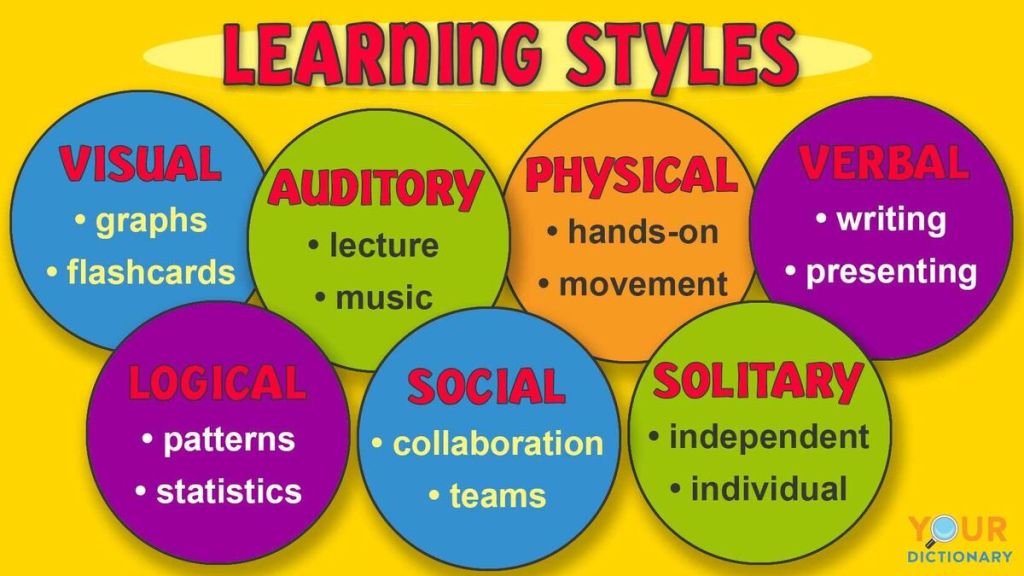
In today’s melting pot of educational approaches, extra school classes are like the Swiss Army knife of learning—versatile and essential. Not every student fits neatly into a one-size-fits-all curriculum. Extra classes cater to varying learning styles, paces, and interests, giving children the chance to thrive in areas where they might struggle. Whether through hands-on science experiments, reading clubs, or specialized language classes, schools are stepping up to meet the unique needs of every learner.

b) Supplementing Standard Curriculum.

Think of the standard curriculum as a delicious base pizza: great on its own, but you wouldn’t say no to some extra toppings! Extra classes enrich the educational experience by providing deeper dives into subjects, ensuring that students not only grasp the basics but also explore the subjects they love (or love to hate!). These classes cultivate curiosity and allow students to connect the dots between different subjects, making learning a more flavourful and engaging experience.

2. Comparing Extra Classes and Private Tutoring.
a) Cost-Effectiveness of Group Learning.

Private tutoring can feel like paying for a VIP concert ticket when you’re just trying to hear your favorite band. Extra classes, on the other hand, let students learn in a group setting for a fraction of the cost. Group learning not only cuts down on expenses but also spreads out the knowledge like butter on toast, making it easier for students to experience a variety of perspectives and ideas without breaking the bank.

b) Individual Attention vs. Collaborative Learning.

While private tutors offer tailored attention akin to a personal trainer for your brain, extra classes provide the chance for students to collaborate and learn alongside their peers. Individual attention can be fantastic for honing specific skills, but collaborative learning creates camaraderie and helps students develop social skills. Plus, let’s be honest—there’s nothing quite like learning from your friend’s confusion over fractions to boost your own understanding!

3. Benefits of Extra School Classes for Student Engagement.

a) Encouraging Lifelong Learning Habits.

Extra classes instil a love of learning that goes beyond textbooks and tests. By exposing students to various subjects and activities, they learn that education can be fun and not just a path to the next exam. This fosters a growth mindset, encouraging them to become curious about the world around them and to pursue knowledge even outside the classroom. With this early foundation, lifelong learning becomes second nature—like riding a bike (or a unicycle, if that’s your style).

b) Boosting Motivation and Confidence.

Imagine walking into school one day feeling like the rock star of math, thanks to a fun extra class that turned integers into interesting characters. Extra school classes can skyrocket motivation and confidence levels by allowing students to experience success in a low-pressure environment. With every new skill acquired and every creative project completed, students build a strong sense of self-worth that can set them up for future successes—because who doesn’t enjoy a little victory dance?

4. Types of Extra Classes: From Academic Support to Creative Arts.

a) STEM-focused Programs.

In a world increasingly driven by technology, STEM-focused extra classes (that’s science, technology, engineering, and math for those not in the know) are like a golden ticket to future success. They ignite curiosity about how things work and encourage problem-solving skills. Whether it’s coding camps or robotics clubs, these programs equip students with essential skills for the careers of tomorrow—like being a superhero… but for science!

b) Artistic and Creative Workshops.

Not all heroes wear capes; some wield paintbrushes and musical instruments! Artistic workshops help students explore their creative potential, whether through painting, drama, or music. These classes empower kids to express themselves and think outside the box, leading to innovations that can stun even the most jaded art critics. Creative pursuits can also provide a wonderful outlet for emotions—because sometimes, a masterpiece can say what words cannot.

c) Physical Education and Sports.

Extra physical education classes aren’t just about scoring goals; they’re about fostering teamwork, discipline, and a healthy lifestyle. Participation in sports and fitness activities can help students blow off steam, build camaraderie with their peers, and develop habits that will benefit their physical and mental well-being for years to come. Whether its soccer, dance, or yoga, these classes remind kids that staying active can be just as fun as sitting back and binge-watching their favorite show.

5. How Extra Classes Foster Social Skills and Teamwork.

a) Building Relationships with Peers.

Extra classes aren’t just about hitting the books; they provide a golden opportunity for kids to forge friendships. Imagine your child entering a room filled with other eager learners who share similar interests! Whether it’s art, science, or a wild passion for robotics, those shared experiences lead to connections that can last a lifetime. Plus, team-based activities help kids practice those essential social skills, like communication and empathy—because let’s be honest, learning how to share art supplies can be as important as mastering the colour wheel.

b) Collaboration in Group Projects.

Working on group projects in extra classes can feel like a miniature version of reality, where collaboration is key. Here, kids learn to navigate the delightful chaos of differing opinions and creative differences. They must negotiate roles, split tasks, and, dare we say it, deal with someone who “forgot” their homework? These experiences teach responsibility and compromise—skills that will serve them well not just in school, but in real-world situations like, oh, I don’t know, working with colleagues who insist on putting pineapple on pizza.

6. Strategies for Choosing the Right Extra Classes for Your Child.

a) Assessing Interests and Strengths.

Before you plunge into the world of extra classes, take a moment to assess your child’s interests and strengths. Is your little one a budding astrophysicist, a creative artist, or a future coding whiz? Tailoring extra classes to their unique skills not only keeps them engaged but also boosts their confidence. If your child loves science but can’t tell a beaker from a black hole, maybe a hands-on science club is in order. Find what resonates with them; that spark can ignite a lifelong passion!

b) Considering Teaching Quality and Class Size.

When it comes to extra classes, bigger isn’t always better. A small class size can make a world of difference in ensuring your child gets the individual attention they need to thrive. And don’t forget about the teaching quality! Look for instructors who are not just knowledgeable but also passionate about their subject. A great teacher can turn even the most mundane topics into a riveting adventure. Think of them as the cool guide on your child’s educational journey—like Yoda but with less green and more enthusiasm!

7. Measuring the Impact of Extra Classes on Academic Performance.

a) Tracking Progress and Improvement.

To figure out if those extra classes are doing their job, keep an eye on your child’s progress. Maybe they’ve gone from teetering on the edge of a C to confidently acing their math tests. Celebrate those wins! Regularly assess their grades and skills before and after the class. This not only highlights improvements but can also help identify areas where they might need a little more support (or, let’s face it, less time on Instagram).

b) Feedback from Teachers and Parents.

Don’t underestimate the power of communication! Regular feedback from teachers can provide invaluable insights into how your child is performing in extra classes. Are they participating actively, or do they prefer to sit in the back, plotting their next snack? Equally important is gathering parental feedback—after all, who knows your child better? Collaborating with both teachers and other parents can help paint a fuller picture of your child’s experience and progress.

8. Future Trends in Extra School Classes and Learning Enhancement.

a) Technology Integration in Extra Classes.

As we venture deeper into the digital age, technology is becoming a staple in extra classes. From online simulations to interactive learning apps, kids are gaining access to tools that were once the stuff of sci-fi dreams. Imagine your child exploring the universe through virtual reality or conducting chemistry experiments using augmented reality—those days are closer than you think! This integration not only makes learning more engaging but also helps to develop digital literacy, which is as essential as knowing how to tie shoelaces (so start practicing, kiddos!).

b) The Rise of Online Learning Platforms.

Say goodbye to the days of limited options confined to your local community center. The future of extra classes is increasingly leaning towards online learning platforms that cater to diverse interests and schedules. Need a guitar lesson at 3 AM? Done! Want to learn how to bake bread while wearing pajamas? You got it! This flexibility allows kids to explore various subjects, meeting them where they are—sometimes literally, in their living rooms, snacking on chips while the learning magic happens. In conclusion, extra school classes play a vital role in enhancing education by providing diverse learning opportunities that go beyond the standard curriculum. By fostering collaboration, creativity, and social skills, these classes not only support academic achievement but also help students develop a well-rounded character. As parents and educators continue to embrace the benefits of extra classes, the future of learning looks brighter, equipping students with the tools they need to succeed both in school and in life.

Frequently Asked Questions:

1. What are the main differences between extra school classes and private tutoring?

Extra school classes typically involve group learning environments, allowing students to interact and collaborate with peers, while private tutoring focuses on individualized instruction tailored to a student’s specific needs.

2. How can I determine if my child would benefit from extra school classes?

Assessing your child’s interests, academic performance, and social needs can help you decide. If they struggle in certain subjects or show a desire to explore new activities, extra classes may be a beneficial option.

3. Are extra school classes worth the investment?

Many parents find that extra school classes provide valuable benefits, including improved academic performance, enhanced social skills, and increased motivation. The long-term advantages often outweigh the costs.

4. What types of extra classes are commonly available?

Extra classes can range from academic subjects like math and science to creative pursuits such as art, music, and drama, as well as physical education and sports, catering to a wide array of student interests.

Rating: 1 out of 5.

From Student to Professional: Making the Right Career Choice after 12th.

Transitioning from high school to the professional world is a pivotal moment in a young person’s life, marked by significant choices that can shape their future. With numerous career paths available, students often find themselves at a crossroads, contemplating their interests, strengths, and aspirations. The decision-making process can be daunting, as it involves not only selecting a field of study or profession but also understanding the skills required and the current job market landscape. This article aims to guide students through the critical steps in making informed career choices after completing their 12th grade, empowering them to forge a path that aligns with their passions and goals while navigating the complexities of education and employment opportunities.

1. Understanding Your Interests and Strengths.

a) Identifying Personal Interests.

Finding your interests can be like trying to solve a mystery where the clues are scattered all over your life. Think about what you enjoy doing in your free time or what subjects always captivate your attention. Whether it’s painting, coding, or debating Shakespeare versus Batman, jot those down! Ask yourself: What makes you lose track of time? Start there, and you might just uncover a career you’d love.

b) Assessing Skills and Talents.

Now that you’ve identified your interests, it’s time to play detective with your skills and talents. What are you naturally good at? Are you the friend everyone turns to for math homework, or are you the one with the best cooking skills amongst your pals? Create a list of your skills, and don’t be shy—ask friends or family for their input too. You might find out you’re a whiz at something you never even noticed!

c) Utilizing Career Assessment Tools.

If you’re still feeling lost in the career woods, it’s time to call in some high-tech backup: career assessment tools. These handy quizzes and tests can help you connect the dots between your interests, skills, and potential job paths. Sites like 16Personalities or the Strong Interest Inventory can provide insights that you might not have thought of. Just remember, they’re tools, not crystal balls—use them as guides, not gospel!

2. Exploring Career Options after 12th Grade.

a) Traditional Academic Paths.

If you feel drawn to the classic route, traditional academic paths like college or university might be your jam. Here, you can dive deep into fields like science, literature, or business. Keep in mind, this is the route that often involves a lot of reading and a tad less partying (sorry!). The upside? A degree can open doors and promote a sense of achievement that feels pretty great when you finally toss that cap in the air.

b) Technical and Vocational Careers.

Not everyone is meant to be a scholar, and that’s perfectly okay! Technical and vocational careers are fantastic options for hands-on learners who want to jump straight into the workforce. Think chefs, electricians, or graphic designers. These paths often take less time to complete than a traditional degree, and they equip you with skills that are in high demand. Plus, you can sometimes start earning right away—who doesn’t want to pay for their own coffee?

c) Entrepreneurial Opportunities.

If the idea of a 9-to-5 makes you break into a sweat, entrepreneurship might be the answer. With a sprinkle of creativity and a dash of risk-taking, starting your own business could turn your passion into profit. Whether you’re creating an app to save the world or launching a sustainable fashion line, the entrepreneurial journey is thrilling and full of learning (and the occasional hiccup, but that’s part of the fun!). Just remember, in the land of entrepreneurship, resilience is your best friend.

3. The Importance of Education and Skill Development.

a) The Role of Higher Education.

Higher education can be a ladder to your dream career, providing both knowledge and networking opportunities. It’s not just about lectures and textbooks; it’s about connecting with peers, professors, and potential employers. Plus, a degree can be a powerful resume booster in many fields. Just make sure you’re investing in a field that you’re passionate about—otherwise, you might find yourself questioning your life choices over a late-night study session!

b) Continuous Learning and Professional Development.

In today’s fast-paced world, learning doesn’t stop after you earn your degree. Continuous learning and professional development are crucial to staying relevant and skilled. This could mean attending workshops, online courses, or even just keeping up with industry news. Consider it your lifelong training regimen—because let’s be honest, no one wants to be the one stuck in the past while everyone else moves ahead.

c) Soft Skills vs. Hard Skills.

When it comes to job readiness, it’s not just your technical skills that matter—soft skills are equally important. Hard skills are your technical abilities (like coding or data analysis), while soft skills include communication, teamwork, and problem-solving. Employers love a well-rounded candidate, so don’t neglect those people skills! Remember, even the best coder can’t get very far if they can’t work in a team or explain their genius ideas to a group without sounding like a robot.

4. Navigating Higher Education Paths: College vs. Vocational Training.

a) Understanding College Degrees.

College degrees come in various shapes and sizes: associate, bachelors, masters… the list goes on! Each degree level opens different doors and opportunities. Typically, a bachelor’s degree takes four years, while an associate’s takes about two. Research fields that interest you and the degree needed to thrive in them. Just think of it as collecting badges on your educational sash—each degree is a step toward your ultimate goal!

b) Benefits of Vocational Training.

Vocational training focuses on practical, job-specific skills, often with a shorter time commitment than traditional college. Think of it as the express lane to employment! You’ll receive hands-on experience in your field, sometimes even through apprenticeships. Great news for those ready to dive into the working world sooner rather than later. Plus, it often comes with lower tuition costs—hello, savings!

c) Making a Choice: Factors to Consider.

Choosing between college and vocational training can feel like deciding between chocolate and vanilla (or more accurately, between cake and ice cream). Consider your career goals, learning style, and financial situation. Are you looking for a specialized skill set or a broad academic experience? Don’t forget to weigh job market demands in your field of interest. Whatever you choose, remember that it’s your journey—you get to decide how to navigate it!

5. Making Informed Decisions: Research and Guidance.

a) Consulting Career Counsellors.

Navigating the vast sea of career options can feel like trying to find a needle in a haystack—if the haystack were on fire and had a penchant for metaphors. Career counsellors are your trusty lifeguards, guiding you through the murky waters of your interests and strengths. They can provide insights about various fields, help you craft your résumé, and even offer a sympathetic ear when you feel overwhelmed. Don’t underestimate the value of someone who’s “been there, done that” in the world of career decision-making.

b) Networking and Informational Interviews.

Networking sounds fancy, but it’s really just a way to chat with people who’ve already taken the plunge into the career pool. Informational interviews are your backstage passes to understanding the realities of different professions. Ask questions about their day-to-day grind, what they love, and—most importantly—what they don’t. This friendly banter can provide you with invaluable insights and perhaps even lead to your future mentor, or at least a good coffee recommendation.

c) Utilizing Online Resources and Tools.

The internet is like your wise, all-knowing friend who also happens to have a penchant for cat videos. Websites like LinkedIn, Glassdoor, and career-focused forums can provide a wealth of information on job descriptions, average salaries, and industry trends. Plus, you can find online quizzes that promise to tell you which career suits you best. Just remember, those quizzes are more for entertainment than enlightenment—unless you want to become a professional taco taster, in which case, you’re onto something.

6. Setting Career Goals and Creating a Plan.

a) Short-term vs. Long-term Goals.

Think of your career journey like a road trip. Short-term goals are your pit stops—quick wins that keep you fueled and motivated (like landing that internship or completing a relevant course). Long-term goals are your destination—where you see yourself in 5 or even 10 years. While you may not have a crystal ball, setting these goals helps you navigate the twists and turns of your career with purpose and passion.

b) Creating a Step-by-Step Plan.

Once you’ve established your goals, it’s time to map out your route. A step-by-step plan is like your GPS for career success—complete with rerouting options if you hit a dead end. Break your goals into actionable steps, whether that’s signing up for courses, attending networking events, or applying for internships. The clearer your plan, the easier it’ll be to stay on track—even if you occasionally find yourself in the wrong lane.

c) Adjusting Goals as Needed.

Life has a funny way of throwing curveballs; your career goals may need a plot twist or two. Perhaps your interests change, or an exciting opportunity pops up that you didn’t anticipate. Being adaptable is key. Regularly revisit and adjust your goals as necessary. Embrace the idea that it’s okay to pivot—you’re the captain of your career ship, and sometimes a little navigational flair is just what you need.

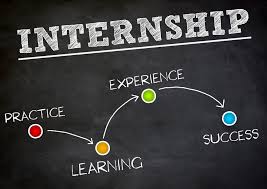
7. Gaining Practical Experience: Internships and Part-Time Work.

a) The Value of Internships.

Internships are like the taste test of the career world. They give you a snapshot of what working in a specific field is really like without the long-term commitment of a full-time job. Plus, they can beef up your résumé and give you a chance to network all while you’re figuring out if you actually like working in a cubicle or prefer the great outdoors. So, roll up your sleeves and dive into some hands-on experience—your future self will thank you!

b) Finding Part-Time Opportunities.

Don’t underestimate the power of part-time work. Whether it’s a weekend gig at your local coffee shop or freelance projects in your field of interest, these opportunities offer you a chance to earn some cash while gaining relevant experience. Plus, every work experience teaches you something valuable—like how to deal with difficult customers or the importance of showing up on time. Who knew your job at the café would prepare you for a boardroom meeting?

c) Leveraging Experience for Future Employment.

The experience you gain through internships and part-time jobs is your golden ticket to future employment. Make sure to highlight these experiences on your résumé and during interviews. Employers love candidates who can demonstrate real-world application of their skills. Plus, your unique stories about overcoming challenges or boasting about your role in a successful project can set you apart. Just remember, being relatable can skyrocket your interview game!

8. Adapting to Changes in the Job Market and Industry Trends.

a) Understanding Industry Demand.

Keeping an eye on industry demand is like checking the weather before going out: it keeps you from getting caught in a downpour when you were expecting sunshine. Research emerging industries and growing sectors to understand where the job opportunities lie. Some fields may be booming, while others might be facing decline. Being proactive will equip you to navigate the job market with confidence.

b) Staying Updated with Technological Advancements.

In today’s fast-paced world, technology is that hyperactive friend you can’t ignore. Staying updated with industry-related technological advancements is essential to remain relevant and competitive. Follow industry blogs, attend webinars, or join online courses that focus on new tech. Embracing change is your best bet for future-proofing your career—and who knows, you might just become the go-to tech guru among your peers!

c) Embracing Flexibility in Career Choices.

Flexibility is your secret weapon in the ever-changing job market. Be open to new roles that may not have been on your radar initially. The skills you develop can often be transferable, helping you move sideways or even leapfrog into different sectors. So, whether you’re considering a shift from a corporate gig to freelancing or just exploring a new industry, keep your options open. After all, your dream job may end up being something you never thought you’d aspire to! In conclusion, making the right career choice after 12th grade is a journey that requires self-reflection, research, and planning. By understanding one’s interests and strengths, exploring various options, and gaining practical experience, students can position themselves for success in their chosen fields. As the job market continues to evolve, remaining adaptable and open to new opportunities will be key. With the right guidance and determination, young individuals can confidently transition from students to professionals, ready to embark on fulfilling careers that align with their dreams and ambitions.

Frequently Asked Questions:

1. What factors should I consider when choosing a career path after 12th grade?

Consider your personal interests, strengths, market demand for specific careers, required education or training, and potential job satisfaction. Engaging in self-assessment and career counseling can also provide valuable insights.

2. How important is gaining practical experience before starting a career?

Gaining practical experience through internships or part-time work is crucial as it helps you develop relevant skills, build a professional network, and enhance your resume. It also provides a clearer understanding of the industry and workplace expectations.

3. Is vocational training a good option compared to traditional college education?

Vocational training can be a great option for those looking to enter the workforce quickly with practical skills in high-demand fields. It often requires less time than a traditional degree and can lead to immediate job opportunities.

4. How can I stay updated on industry trends and job market changes?

Regularly follow industry news, attend workshops and networking events, join professional organizations, and utilize online platforms and resources to stay informed about trends, emerging technologies, and career opportunities in your field of interest.

Rating: 1 out of 5.

Beyond the Books: How to Choose the Best Career Path after 12th for Success.

Choosing a career path after completing high school can be one of the most pivotal decisions in a young adult’s life. As students transition from the structured environment of education to the vast landscape of professional opportunities, they often find themselves at a crossroads. With numerous options available, ranging from traditional professions to innovative emerging fields, the choices can feel overwhelming. This article aims to guide you “Beyond the Books,” providing insights on how to assess your interests and strengths, explore various career options, and make informed decisions that will lead to a successful and fulfilling career. By understanding the landscape of today’s job market and the skills required to thrive, you can set yourself on a path toward a rewarding future.

1. Understanding Your Interests and Strengths.

a) Self-Assessment Tools and Techniques.

Before you leap into the vast ocean of career options, it’s crucial to take a moment and check your own compass. Self-assessment tools like personality tests (you’ve probably heard of the Myers-Briggs or the Enneagram) can be your trusty guide in uncovering what makes you tick. Websites like 16Personalities can offer insight into your strengths, weaknesses, and even your relationship with your favourite coffee (seriously, it’s a whole vibe). Additionally, skills assessments can highlight what you’re good at—whether that’s solving math problems faster than a calculator or having an uncanny ability to persuade your friends to binge-watch a series.

b) Identifying Personal Values and Passions.

Now that you have a better grasp on your interests and strengths, let’s talk values. What principles steer your ship? Is it creativity, service, adventure, or perhaps the thrill of a good pay check? Jotting down your top five values can provide clarity as you explore different career options. And let’s not forget about passions! What makes your heart race? Is it coding, designing, mentoring, or maybe even running a llama farm? Understanding these elements can help you align your career path with what you genuinely love, steering you toward a fulfilling future.

2. Exploring Career Options: Traditional vs. Emerging Fields.

a) Common Traditional Career Paths.

Ah, the tried-and-true career paths: medicine, engineering, law, and teaching—those trusty old hats that have been around for ages. While choosing a traditional career might feel like putting on your favourite sweater (comfy and reliable), remember it’s not the only option. If you’re drawn to one of these fields, great! However, it’s essential to consider the level of commitment, education, and the occasional sleepless night filled with textbooks that come with these paths. Researching what it takes to enter these professions can prevent any last-minute surprises (like realizing you’re terrified of blood, but you signed up for med school).

b) Emerging Industries and Their Opportunities.

On the flip side, we have the glitzy world of emerging industries. Think tech start-ups, renewable energy, e-sports, and even social media marketing (yes, being a professional influencer is a thing, and it’s not just for TikTok). These fields are buzzing with opportunities and often look for candidates with fresh skills rather than old-school degrees. Keep an eye on trends—people are getting paid to game, shop online, and even make memes! So, if your passion lies in the unconventional, a little research into these emerging industries could lead you to your dream gig.

3. The Role of Education: Degree vs. Skills-Based Learning.

a) Benefits of Higher Education.

Higher education can feel like a rite of passage—one filled with late-night study sessions, ramen noodles, and, let’s be honest, a lot of caffeine. But it can also provide a structured path to specialized knowledge and a degree that opens doors. Fields like medicine, law, and academia typically require that prestigious piece of paper. Higher education also provides networking opportunities, exposure to diverse ideas, and sometimes even a place to meet your future best friends. Plus, there’s nothing like walking across the stage in a cap and gown to feel like you’ve conquered the world (or at least your college).

b) Alternative Learning Paths: Certifications and Online Courses.

On the other hand, who says you need a traditional degree to be successful? In today’s fast-paced world, skills-based learning is gaining popularity. Online platforms like Coursera, Udacity, Udemy and LinkedIn Learning offer a buffet of courses taught by industry professionals. With certifications in everything from coding to digital marketing, you can level up your skillset without the years of commitment (or debt) that a degree often entails. This path is especially appealing if you’re eager to jump into the workforce quickly or pivot to a new field without the typical hurdles.

4. Researching Job Markets and Future Trends.

a) Analysing Current Job Market Statistics.

Before committing to a career path, it’s crucial to peek at the job market’s crystal ball. Websites like the Bureau of Labor Statistics (BLS) can provide invaluable insights into which fields are flourishing and which are, well, not so much. Understanding employment trends, job growth projections, and salary ranges can help you make an informed decision. Spoiler alert: some jobs out there are going the way of the dodo, so knowing the landscape can help you avoid being stuck in a career that’s stuck in the past.

b) Identifying Growing Industries and Roles.

Once you’ve gathered your stats, it’s time to dig deeper into growing industries. Tech continues to expand like a balloon at a party, and renewable energy is brightening our future faster than you can say “solar panel.” Identifying these trends can help you strategize a career path that not only excites you but also offers longevity. Keep an eye on emerging roles, such as data analysts or ethical hackers—careers that were mere whispers a decade ago but are now booming. With a little forward-thinking, you can set sail on a career that’s not just a flash in the pan but a sustainable voyage into the future.

5. Gaining Experience: Internships and Volunteering.

a) Finding Relevant Opportunities.

When it comes to landing that dream job post-12th grade, experience is your golden ticket. Internships and volunteering are not just fancy words thrown around at college fairs—they’re your chance to dip your toes in the waters of the professional world. And the best part? These experiences are often easier to find than a good Wi-Fi signal at a coffee shop! Look for opportunities in local businesses, non-profits, or even online platforms. Websites like LinkedIn, Indeed, or even social media groups can be treasure troves of short-term gigs that give you both experience and insight into your field of interest. Don’t underestimate the power of local community events—volunteering can sometimes lead to connections that are worth their weight in golden opportunities.

b) The Impact of Experience on Career Choices.

So, you’ve landed an internship or volunteered at a local charity. What’s next? Well, buckle up, because the time you spend in these roles can be eye-opening. You’ll discover whether you truly love (or loathe) a certain field. Nothing defines a career path like hands-on experience. It’s like trying on shoes before you buy them—sure, they look great on the shelf, but how do they really feel? This is your chance to test the waters, meet professionals in the industry, and understand the day-to-day realities of a job before you commit to a course or major. Plus, employers love a candidate who has some real-world experience under their belt.

6. The Importance of Networking and Mentorship.

a) Building a Professional Network.

Think of networking as socializing for your career—it’s all about who you know and who knows you. Start small. Attend workshops, join local clubs, or tap into your school’s alumni network. Trust us, the next time you’re at a family gathering, mentioning that you have a professional connection with someone in your desired field will make you the favourite child (or at least keep the awkward questions at bay). Building relationships in your industry can open doors you never knew existed, so don’t underestimate the power of a good handshake—or a well-timed LinkedIn request!

b) Finding and Maintaining Mentorship Relationships.

Mentorships can be the fairy godmother you didn’t know you needed. A mentor can provide invaluable insights, career advice, and sometimes even a few connections. Finding one may involve some shopping around—like finding the right pizza topping combination—so don’t hesitate to reach out to professionals who inspire you. Once you find a mentor, keep that relationship warm by checking in regularly. Share your successes, ask for advice, and don’t shy away from seeking feedback. Remember, mentorship is a two-way street; while you’re learning, make sure to also offer value to your mentor. After all, a little appreciation goes a long way!

7. Making Informed Decisions: Pros and Cons of Each Path.

a) Evaluating Career Options.

Choosing a career path can feel like a game show, where every option has a shiny prize, but you can’t see behind the curtain. Start by creating a list of potential careers that catch your fancy. Do a little research about job prospects, salary expectations, and daily responsibilities. Create a pros and cons list for each option. This isn’t just for fun—it’s your chance to play detective and find out what each path really entails. The key is to be honest with yourself. Are you seeking a high pay check, work-life balance, or something that feels meaningful? Knowing what you want helps narrow down your choices faster than a high school crush can turn into a huge misunderstanding.

b) Long-Term vs. Short-Term Considerations.

When making career decisions, it’s essential to consider both the short-term and long-term effects. Sure, a career may sound glamorous on paper, but what about job stability and growth opportunities down the road? Sometimes, you might have to take a less exciting route now in favor of smashing success later. Look ahead and ask yourself: where do I want to be in five or ten years? If your dream job requires further education or experience, it’s better to plan for the long haul than go for a quick win that fizzles out. Maturity in decision-making can set the foundation for a fulfilling career life while saving you from future headaches.

8. Setting Goals and Planning for Professional Development.

a) Creating a Career Roadmap.

If life is a journey, your career roadmap is your GPS. You wouldn’t start a road trip without a plan, right? Start by mapping out your short-term and long-term goals. This may include specific milestones like internships, skills you want to acquire, or even educational achievements. The clearer your goals, the easier it will be to navigate the twists and turns ahead. Make sure to keep your roadmap flexible, though—unexpected speed bumps and detours are all part of the adventure!

b) Ongoing Education and Skill Enhancement.

What’s great about the current job market is that learning doesn’t end when you toss your graduation cap in the air. In fact, it’s just the beginning! Continuous learning and skill enhancement are crucial in today’s fast-paced world. Online courses, workshops, and conferences are great ways to keep your skills sharp and relevant. Plus, who doesn’t love adding a shiny new certification to their resume? So, embrace lifelong learning! It’s not just about landing that first job—it’s about building a career that evolves with you and the ever-changing marketplace. When it comes to your professional journey, staying stagnant is not an option. Keep moving, keep learning, and don’t forget to enjoy the ride! In conclusion, choosing the right career path after 12th grade is a crucial step that requires careful consideration and self-reflection. By understanding your interests, exploring various options, and leveraging experiences and networks, you can make informed decisions that align with your goals and aspirations. Remember, the journey to success is not a straight line; it involves exploration, learning, and growth. Embrace the opportunities that come your way, and remain open to adjusting your path as you gain new insights. With the right mindset and preparation, you can carve out a fulfilling career that brings you both success and satisfaction.

Frequently Asked Questions.

1. How do I identify my strengths and interests when choosing a career?

Identifying your strengths and interests can be achieved through self-assessment tools like personality tests, career quizzes, and reflecting on activities that bring you joy. Additionally, seeking feedback from teachers, mentors, and peers can provide valuable insights into your skills and potential career paths.

2. What are some popular career options for students after 12th grade?

Popular career options vary widely and include traditional paths such as engineering, medicine, and business management, as well as emerging fields like digital marketing, data science, and environmental sustainability. It’s important to research various industries to find the best fit for your interests and skills.

3. Is a college degree necessary for a successful career?

While a college degree can open doors to many career opportunities, it’s not the only path to success. Skills-based learning, certifications, and hands-on experience through internships or apprenticeships can also lead to fulfilling careers. Assess the requirements of your desired field to determine the best course of action.

4. How can networking help in my career development?

Networking is crucial for career development as it allows you to connect with industry professionals, gain insights into potential job opportunities, and receive mentorship. Building relationships through networking can provide valuable support and guidance as you navigate your career journey.

Integrating Mindfulness into Education: A Game-Changer.

In recent years, the integration of mindfulness practices in education has gained traction as a transformative approach to enhancing student well-being and academic performance. Particularly in high school settings, such as 12th and 10th grade classrooms, the benefits of mindfulness techniques are increasingly recognized as a game-changer in supporting students’ mental health and learning outcomes. This article delves into the significance of mindfulness in education, exploring its origins, potential benefits for students, practical implementation strategies, and the role it plays in cultivating resilience and empathy. By shedding light on the power of mindfulness practices in transforming the educational experience, educators and stakeholders can glean insights into how this approach can positively impact the lives of high school students.

1. Introduction to Mindfulness in Education.

a) The Concept of Mindfulness.

Mindfulness is all about being present in the moment, paying attention to our thoughts and feelings without judgment. It involves being fully aware of what is happening within and around us, helping to cultivate a sense of calm and clarity in our daily lives.

b) Historical Context of Mindfulness in Education.

The practice of mindfulness has roots in ancient meditation traditions, but its application in modern education settings has gained popularity in recent years. Schools are increasingly recognizing the benefits of mindfulness for student well-being and academic performance.

2. Benefits of Mindfulness for 12th & 10th Grade Students.

a) Improved Focus and Attention.

Mindfulness practices can enhance students’ ability to concentrate on tasks, stay present in the classroom, and absorb information more effectively. This improved focus can lead to better academic performance and overall learning outcomes.

b) Reduced Stress and Anxiety Levels.

High school can be a stressful time for many students, with the pressure of exams, college applications, and social dynamics. Mindfulness techniques can help students manage their stress levels, reduce anxiety, and build resilience in the face of challenges.

3. Implementing Mindfulness Practices in School Settings.

a) Training Educators in Mindfulness Techniques.

To effectively introduce mindfulness in schools, educators can benefit from training in mindfulness techniques themselves. Teachers who practice mindfulness are better equipped to incorporate these practices into classroom routines and support students in developing their own mindfulness skills.

b) Incorporating Mindfulness into the Curriculum.

Integrating mindfulness into the curriculum can include dedicated mindfulness sessions, incorporating mindfulness activities into existing lessons, or creating a school-wide culture that promotes mindfulness practices. This can help students experience the benefits of mindfulness in a structured and consistent way.

4. Mindfulness Techniques for Stress and Anxiety Management.

a) Breathing Exercises for Relaxation.

Simple breathing exercises can be powerful tools for managing stress and anxiety. Encouraging students to focus on their breath, practice deep breathing techniques, and engage in mindful breathing exercises can help them calm their minds and bodies during stressful moments.

b) Body Scan Meditation Techniques.

Body scan meditation involves bringing awareness to different parts of the body, noticing sensations without judgment, and releasing tension. This practice can help students develop body awareness, alleviate physical discomfort, and relax both body and mind, making it a valuable tool for stress management.

5. Enhancing Academic Performance through Mindfulness.

a) Improving Memory and Retention.

Mindfulness isn’t just about being present; it also enhances memory and retention. By training the mind to focus on the task at hand, students can better absorb and recall information.

b) Promoting Cognitive Flexibility.

Mindfulness encourages students to approach challenges with an open mind. This flexibility in thinking can lead to more creative problem-solving and adaptability in academic settings.

6. Cultivating Emotional Resilience and Empathy.

a) Developing Self-Awareness and Emotional Regulation.

Through mindfulness practices, students can better understand their emotions and learn to regulate them effectively. This self-awareness can lead to improved emotional resilience.

b) Fostering Empathy and Compassion towards Others.

By being more in tune with their own emotions, students can also develop a deeper sense of empathy and compassion towards their peers. This can improve relationships and create a more supportive learning environment.

7. Overcoming Challenges in Integrating Mindfulness in Education.

a) Addressing Scepticism and Misconceptions.

One of the main challenges in integrating mindfulness in education is addressing scepticism and misconceptions about its effectiveness. Educating stakeholders about the proven benefits of mindfulness can help overcome this barrier.

b) Ensuring Sustainability of Mindfulness Programs.

Another challenge is ensuring the sustainability of mindfulness programs in schools. By providing ongoing training for educators and incorporating mindfulness into the broader school culture, these programs can thrive in the long term.

8. Future Directions and Recommendations.

a) Research Opportunities in Mindfulness and Education.

There is a wealth of research opportunities in exploring the impact of mindfulness on education. By conducting more studies and sharing findings, we can continue to refine and improve mindfulness practices in schools.

b) Policy Implications for Integrating Mindfulness in Schools.

To fully integrate mindfulness in education, policymakers need to recognize its value and provide support. Implementing guidelines, funding initiatives, and training programs can help schools effectively integrate mindfulness into their curriculum. In conclusion, mindfulness in education holds immense promise for nurturing holistic development and well-being among 12th and 10th grade students. By embracing mindfulness practices, schools can create supportive environments that empower students to manage stress, enhance focus, and foster emotional resilience. As we continue to explore the potential of mindfulness in education, it is evident that cultivating a mindful culture within schools can be a transformative force, shaping not only academic success but also the overall health and happiness of students as they navigate the challenges of high school and beyond.

Ace Your 12th Pre Boards with a One Day Study Plan.

In the journey towards excelling in academics, the 12th-grade pre-board examinations serve as a pivotal milestone for students preparing for their final board exams. These pre-board assessments not only provide a glimpse into the areas needing improvement but also offer a chance to boost confidence and test-taking skills. With the pressure mounting and time dwindling, crafting an effective one-day study plan can make all the difference in acing these crucial exams. This article delves into the significance of preparing for 12th pre-boards, guides on setting up a comprehensive one-day study plan, explores subject-wise study strategies, discusses effective time management techniques, and suggests valuable resources for last-minute preparation.

1. Importance of Preparing for 12th Pre Boards.

So, you’ve got your 12th-grade pre-boards coming up. Don’t dismiss them as just another hurdle to jump – acing these tests can set the tone for your final exams, so kicking some pre-board butt is a smart move.

2. Significance of Pre Boards in 12th Grade.

Pre-boards in 12th grade are like the dress rehearsal before the big show. They give you a taste of what to expect in the final exams and highlight areas where you need to buck up. Take them seriously – they’re your chance to fine-tune your strategy and shine when it counts.

3. Impact of Pre Board Performance on Final Exams.

Think of pre-boards as your trial run. Nailing them not only boosts your confidence but also indicates where you need to focus your efforts. Consider it a sneak peek into what might pop up in the final exams – so bring your A-game.

4. Setting up Your One-Day Study Plan.

Now, let’s talk about cracking the pre-boards with a one-day study plan. Yes, you heard it right – one day is all you need if you play your study cards right.

5. Creating a Study Schedule.

Map out your day wisely. Allocate time slots for each subject based on your comfort level and the importance of the topics. This isn’t a race – it’s a strategic game plan. Stay focused and tackle each subject with gusto.

6. Gathering Necessary Study Materials.

Make sure you have all your study essentials within arm’s reach. Textbooks, notes, highlighters – the whole shebang. You don’t want to waste precious time hunting for that elusive formula or critical quote.

7. Subject-wise Study Strategy.

Different subjects, different strokes. Gear up with targeted strategies for each genre of subjects to make the most of your one-day cram session.

8. Approach for Science Subjects.

Science subjects demand a blend of understanding and memorization. Conceptual clarity is key, so focus on grasping the fundamentals and reinforcing them with practice problems.

9. Techniques for Studying Humanities Subjects.

Humanities subjects thrive on comprehension and critical thinking. Dive deep into the themes, analyse perspectives, and connect the dots between concepts to ace those essay questions.

10. Effective Time Management Techniques.

Time is of the essence when you’re prepping in a day. Here are some ninja-level time management tricks to maximize your study efficiency.

11. Utilizing Short Study Sessions.

Short bursts of focused study are your secret weapon. Chunk your study material into digestible bits and conquer them one at a time. Quality over quantity, always.

12. Implementing Breaks for Productivity.

Don’t underestimate the power of breaks. A rejuvenating breather can do wonders for your productivity. Stretch, snack, dance – whatever floats your boat. Just make sure you recharge those study batteries.

And there you have it – a witty guide to owning your 12th pre-boards with a one-day study plan. Remember, it’s not about how much time you have, but how smartly you use it. Now, go forth and conquer those pre-boards like the study ninja you are!

13. Utilizing Resources for Last-Minute Preparation.

a) Online Study Tools and Websites.

When time is of the essence, online study tools and websites can be your best friends. Platforms like Khan Academy, Quizlet, and Crash Course offer a plethora of resources ranging from study guides to practice quizzes. Make the most of these tools to reinforce your understanding of key concepts and boost your confidence before the exam.

b) Consulting Teachers and Classmates for Clarifications.

Don’t hesitate to reach out to your teachers and classmates if you’re feeling stuck on a particular topic. A quick clarification from your teacher or a study session with your peers can provide valuable insights and help you grasp challenging concepts. Remember, a problem shared is a problem halved – so don’t be afraid to ask for help when you need it! As you gear up to tackle your 12th-grade pre-board examinations, remember that with the right approach and dedication, success is within reach. By prioritizing your study schedule, leveraging effective time management techniques, and utilizing available resources wisely, you can confidently navigate through these assessments and pave the way for a strong performance in your final board exams. Stay focused, stay motivated, and trust in your preparation as you strive to ace your 12th pre-boards and set the stage for academic success.

Empowering Adolescents: Navigating Career Development with Insight and Guidance

Embarking on the journey of adolescence is a pivotal time in a young person’s life, marked by self-discovery, exploration, and the formation of aspirations for the future. This article delves into the intricate process of guiding adolescents through the maze of career development, helping them map out their goals and dreams. By understanding the unique challenges and opportunities that adolescents face in shaping their career paths, we aim to provide insights, strategies, and practical advice to empower them in making informed decisions and pursuing their passions with confidence and purpose. Join us on this transformative exploration of adolescence and the pursuit of fulfilling career aspirations.

1. Understanding Adolescents and Their Career Development.

a) The Adolescent Brain and Decision-Making.

Adolescents, bless their hearts, are a whirlwind of emotions and impulses. Their brains are a work in progress, leading to some interesting decision-making skills – or lack thereof. Understanding this can help us support them as they navigate their career paths, even if they can’t decide on lunch.

b) Exploring Identity and Self-Discovery.

Ah, the adolescent quest for identity. Who are they? What do they want to be? It’s like a never-ending game of hide and seek with themselves. Encouraging self-discovery can lead to a clearer vision of their future career goals, even if they change their mind 100 times along the way.

2. Exploring Interests and Passions.

a) Self-Assessment and Reflection Activities.

Self-reflection for adolescents can be like pulling teeth – painful but necessary. Helping them assess their strengths, weaknesses, and interests can guide them towards career paths that align with their passions, even if they’re currently obsessed with the latest Instagram trend.

b) Researching Different Career Paths.

Ah, the joys of exploring different career paths. Will they be a doctor, a lawyer, or a professional cat video maker? Researching various options can open their eyes to a world of possibilities and help them find a path that lights a fire in their soul, even if they’re still figuring out how to do laundry.

3. Setting SMART Career Goals.

a) Defining Specific and Measurable Goals.

Setting career goals can feel like trying to hit a moving target while blindfolded. Encouraging adolescents to define specific and measurable goals can bring clarity to their aspirations, even if they can’t commit to a hairstyle for more than a week.

b) Creating Action Plans and Timelines.

Ah, the beauty of planning – creating action plans and timelines can help adolescents turn their dreams into reality. Breaking down goals into manageable steps can keep them on track, even if they occasionally get distracted by shiny objects.

4. Overcoming Challenges and Obstacles.

a) Dealing with Self-Doubt and Fear of Failure.

Self-doubt and fear of failure are like unwelcome guests at the career goal-setting party. Helping adolescents navigate these challenges can build resilience and confidence, even if they still haven’t mastered the art of tying their shoelaces.

b) Addressing External Pressures and Expectations.

Ah, external pressures and expectations – the not-so-silent career goal killers. Supporting adolescents in setting boundaries and staying true to themselves can empower them to pursue their dreams, even if they feel like they’re juggling flaming torches while riding a unicycle.

c) Seeking Mentorship and Guidance.

So, you’re at that age where you have to start thinking about what you want to do with your life. It can be overwhelming, but hey, you’re not alone in this journey. Building relationships with mentors is like having your personal Yoda – wise, experienced, and always ready to drop some knowledge bombs. Networking and seeking advice from professionals is like having your own personal cheerleading squad, cheering you on as you navigate the crazy world of career choices.

d) Building a Path towards Career Success.

Alright, let’s get down to business. Developing skills and experiences is like collecting Pokémon – got to catch them all! Utilizing internships and volunteer opportunities is like getting a sneak peek behind the scenes of your dream job. Who knows, you might discover a hidden talent for making coffee that could land you a job at Starbucks.

e) Balancing Academics, Extracurricular, and Career Planning.

Ah, the eternal struggle of trying to juggle academics, extracurricular, and all that career planning jazz. Time management strategies are like your secret weapon in the battle against procrastination. Prioritizing responsibilities and commitments is like playing a game of Tetris – fitting all the pieces together without everything crashing down on you.

f) Embracing Change and Flexibility in Career Goals.

Life is like a box of chocolates – you never know what you’re going to get. Adapting to new opportunities and challenges is like rolling with the punches, bobbing and weaving through the twists and turns of your career journey. Revisiting and adjusting career plans as needed is like updating your Instagram bio – always evolving and changing as you grow and learn. As adolescents navigate the complexities of career development and strive towards their aspirations, it is essential to remember that the journey is a dynamic and evolving process. By embracing self-discovery, setting meaningful goals, seeking guidance, and adapting to change, young individuals can chart a course towards a fulfilling and successful future. Let us support and encourage adolescents in mapping out their career dreams, knowing that with perseverance and determination, they can shape a bright and promising path ahead.

Confidence and Focus: The Key Ingredients for Academic Success.

About Confidence and Focus:

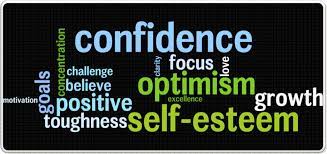
When it comes to achieving academic success, two crucial elements often play a significant role: confidence and focus. Confidence empowers students to believe in their abilities, take on challenges, and persevere through setbacks. Meanwhile, focus ensures that students can absorb information, engage in learning activities, and retain knowledge effectively. In this article, we will delve into the importance of confidence and focus in academic achievements and explore strategies to develop and enhance these essential skills. By understanding how confidence and focus contribute to academic success, students can unlock their full potential and thrive in their educational journey.

1. Understanding the Importance of Confidence in Academic Success.

a) The Relationship between Confidence and Academic Performance.

Confidence plays a crucial role in academic success, like that awkward friend who always takes you out of your comfort zone. When students believe in themselves and their abilities, they are more likely to tackle challenges head-on and persevere through difficult tasks. Confidence fuels motivation and helps students maintain a positive attitude, even when they encounter setbacks. Just like how a solid self-esteem is the foundation of a killer dance routine, confidence sets the stage for academic excellence.

b) The Psychological Impact of Low Confidence on Learning.

Low confidence is like a pesky goblin that hides in the shadows, whispering self-doubt into students’ ears. When students lack confidence, they are prone to negative self-talk and a fear of failure. This can lead to feelings of anxiety, which make it difficult to concentrate and retain information. It’s like trying to juggle flaming bowling balls while wearing a blindfold. Low confidence not only affects academic performance but also takes a toll on students’ overall well-being.

c) Recognizing the Signs of Low Confidence in Students.

Spotting low confidence in students is like finding Waldo in a crowd. Some common signs include excessive self-criticism, a reluctance to participate in class discussions, avoidance of challenging tasks, and a tendency to compare themselves unfavorably to others. Students with low confidence may also exhibit signs of stress, such as poor sleep or a lack of motivation. By keeping an eye out for these signs, teachers and parents can offer support and help boost students’ self-belief.

2. Developing a Growth Mindset: Nurturing Confidence and Self-Belief.

a) Embracing a Growth Mindset for Academic Success.

A growth mindset is like a superhero cape for confidence. It’s the belief that intelligence and abilities can be developed through effort and practice. When students adopt a growth mindset, they see challenges as opportunities for growth rather than barriers to success. They understand that even if they don’t know something now, they can learn it with time and effort. Embracing a growth mindset nurtures confidence and encourages students to persist and take risks in their academic pursuits.

b) Overcoming Self-Doubt and Negative Self-Talk.

Negative self-talk is like that annoying radio jingle you can’t get out of your head. To overcome self-doubt, students need to become aware of their inner critics and challenge those negative thoughts. They can replace statements like “I’m not good enough” with more positive and realistic ones like “I am capable of learning and improving.” Taking a mental broom to sweep away self-doubt helps students build a stronger foundation of confidence.

c) Setting Realistic Goals to Build Confidence.

Setting goals is like drawing a map to success. But it’s essential to set realistic goals that are specific, measurable, attainable, relevant, and time-bound (SMART). When students set achievable goals, they experience small wins along the way, which boosts their confidence and motivates them to keep going. It’s like collecting gold stars on a chart, except the gold stars are achievements that make you feel like a rockstar.

3. Strategies for Building Confidence and Overcoming Academic Challenges.

a) Building Confidence through Preparation and Knowledge.

Confidence is the result of preparedness meeting opportunity. To build confidence, students should prioritize preparation and acquire a solid foundation of knowledge in their subjects. This involves attending classes regularly, completing assignments on time, and actively engaging with the material. When students feel knowledgeable and well-prepared, their confidence soars, and they approach exams and assignments with a stronger sense of self-assurance.

b) Adopting Effective Study Techniques for Better Performance.

Studying effectively is like finding the right dance moves to nail a routine. Students can adopt techniques like active learning, breaking down information into manageable chunks, and practicing regular review sessions. Finding study methods that work best for them enhances their understanding of the material and boosts their confidence in their ability to retain and apply what they’ve learned. It’s like finding the perfect dance partner – the right study techniques can make the learning experience a delightful duet.

c) Seeking Support: Utilizing Resources and Asking for Help.

Asking for help is like having a secret weapon tucked up your sleeve. Students should never hesitate to seek support when they need it. Teachers, tutors, classmates, and online resources are all valuable sources of assistance. By reaching out and asking for help, students can clarify doubts, gain different perspectives, and develop a deeper understanding of the subject matter. This support boosts confidence and reminds students that they don’t have to face academic challenges alone.

4. The Role of Focus in Enhancing Learning and Retention.

a) Understanding the Importance of Concentration in Academic Success.

Concentration is like a spotlight that illuminates the path to learning. When students are focused, they absorb information more effectively and retain it for longer periods. By honing their ability to concentrate, students can engage deeply with the material, follow instructions more accurately, and produce higher quality work. It’s like having an attentive audience – focus sets the stage for a standout performance.

b) Exploring the Impact of Distractions on Focus.

Distractions are like mischievous gremlins that hijack our attention. They can be found in the form of social media notifications, noisy environments, or even our wandering thoughts. These distractions disrupt our concentration and hinder optimal learning. Students need to identify their personal distractors and create a conducive study environment free from temptations. Turning off phone notifications, finding a quiet space, and practicing mindfulness techniques can all help tame those gremlins and improve focus.

c) Techniques for Improving Concentration and Attention Span.

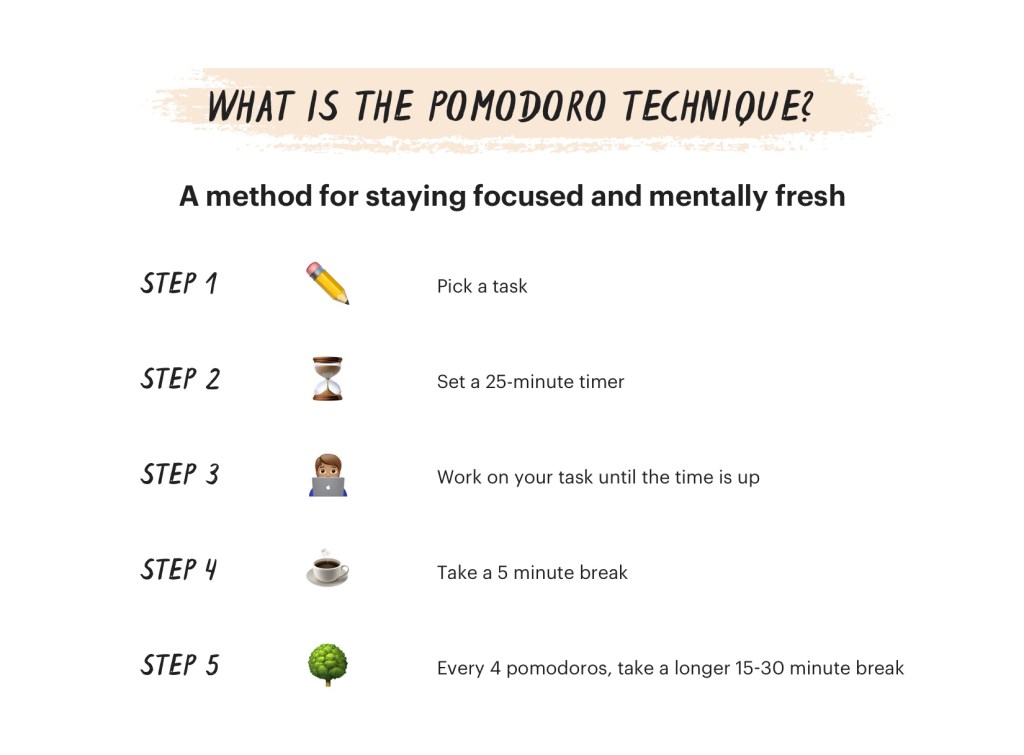
Improving concentration is like sharpening a pencil – it requires effort and the right tools. Students can employ techniques like the Pomodoro Technique (studying in focused bursts with short breaks), creating a to-do list to stay organized, and practicing mindfulness exercises to improve their attention span. These techniques train the brain to stay present and focused, leading to more efficient learning and better academic performance. It’s like upgrading your brain’s software – improved concentration is the ultimate productivity hack.

5. Cultivating a Productive Study Environment to Improve Focus.

a) Designing an Ideal Study Space for Optimal Concentration.

We all know that studying in bed might as well be code for napping. Create a dedicated study space that’s free from distractions – yes, that means no Netflix within reach!

b) Minimizing Distractions in the Study Environment.

Say goodbye to your smartphone addiction during study sessions. Hiding it in a drawer or asking a parent to keep it hidden will do wonders for your focus. Restrain yourself from checking Instagram every five minutes; your followers will survive without the update.

c) Creating a Study Schedule to Enhance Focus and Productivity.

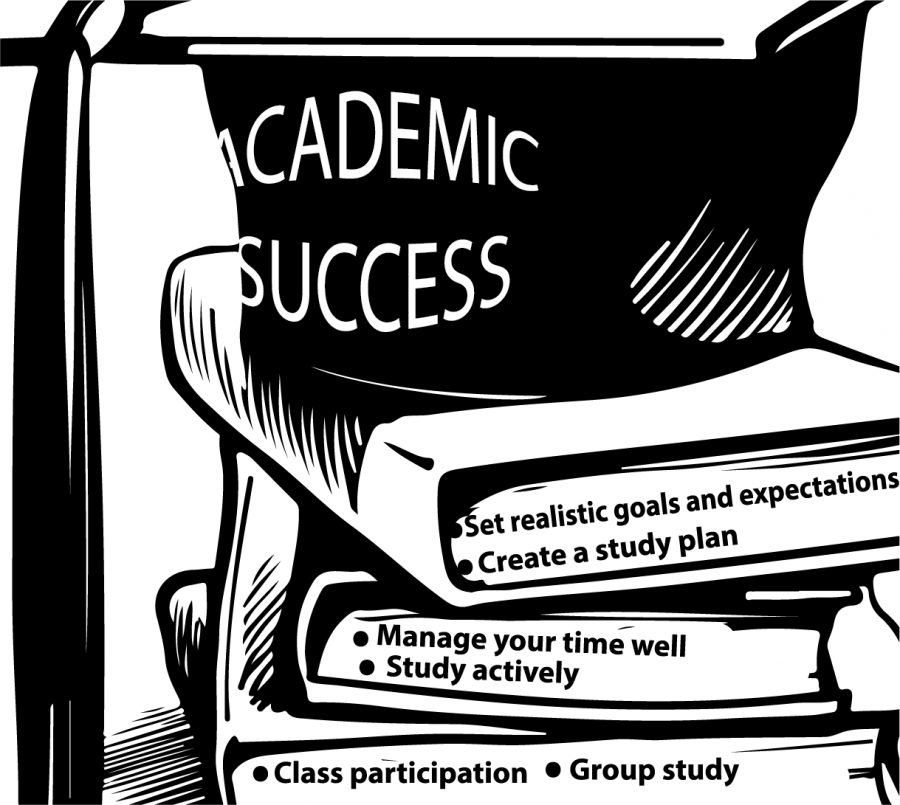
While it may seem tedious, a study schedule is like a superhero cape for your productivity. Map out your study sessions and stick to the plan. Sure, it may require some willpower, but remember, every hour spent studying is a step closer to that glorious A+.

6. Boosting Concentration Skills: Techniques for Staying Focused in Class and while Studying.

a) Active Listening Strategies to Stay Engaged in Class.

In a world filled with daydreams and doodles, active listening is the secret weapon to ace your classes. Resist the urge to zone out and actually absorb the knowledge your teachers are dropping. Plus, it’s a great way to keep that reputation as the “engaged student” alive and well.

b) Mindfulness Techniques for Improving Concentration during Study Sessions.

We get it, meditation might sound a bit “woo-woo” for some. But believe it or not, taking a few minutes to calm your mind and focus on your breath can do wonders for your concentration. Embrace your inner Zen master and let those distractions fade away.

c) Handling Multitasking and Prioritizing Tasks for Improved Focus.

Sure, we all think we’re expert multitaskers. But let’s be real – trying to write an essay while binge-watching your favorite show is nothing short of a disaster. Learn to prioritize your tasks and focus on one thing at a time. Trust me, your grades will thank you.

7. Balancing Confidence and Humility: Fostering Academic Success through Collaboration.

a) Recognizing the Power of Collaboration in Academic Success.

While going it alone may sound like a brave pursuit, success often comes from teamwork. Embrace the power of collaboration and reap the benefits of shared knowledge. Plus, it’s a great excuse to bond with your classmates over late-night study sessions and a never-ending supply of coffee.

b) Overcoming the Fear of Asking for Help.

I get it, asking for help can feel like admitting defeat. But let’s be real – even superheroes have sidekicks. Don’t let your ego get in the way of academic success. Seek help when needed and remember, learning is a continuous journey, not a solo mission.

c) Embracing Feedback and Constructive Criticism.

Nobody enjoys having their work critiqued, but constructive feedback is the secret sauce to improvement. Embrace it, learn from it, and grow. Remember, even the greatest minds in history needed a little tweaking along the way.

8. Taking Breaks and Self-Care: Maintaining Confidence and Focus.

a) The Importance of Taking Regular Breaks for Mental Refreshment.

Here’s a secret: breaks are not just for slacking off, they’re actually essential for maintaining focus. So, take a breather, stretch your legs, and recharge your brain. Just remember to set a timer, or those “short” breaks may turn into a Netflix marathon.

b) Incorporating Self-Care Activities to Reduce Stress and Enhance Focus.

Stress and burnout are the arch-enemies of academic success. So, make time for self-care activities that soothe your soul – whether it’s yoga, painting, or belting out your favorite tunes in the shower. Find what works for you, and let the stress melt away.

c) Prioritizing Sleep for Optimal Cognitive Functioning.

Late-night cram sessions may seem heroic, but let’s face it – your brain is not a fan. Give it the beauty sleep it deserves, and watch as your cognitive abilities skyrocket. Besides, who needs puffy eyes and a foggy mind when you can wake up refreshed and ready to conquer the academic world? In conclusion, confidence and focus are the key ingredients for academic success. By nurturing confidence, developing a growth mindset, and implementing effective strategies, students can overcome challenges and reach their full potential. Likewise, by cultivating a productive study environment, honing concentration skills, and fostering collaboration, students can enhance their focus and maximize their learning capabilities. Ultimately, with confidence and focus as guiding principles, students can excel academically, achieve their goals, and pave the way for a successful future.

 “Believe in your infinite potential. Your only limitations are those you set upon yourself.”

The Ultimate Handbook for Pre-Primary Teachers: Nurturing Tomorrows Brightest Minds.

The Importance of Pre-Primary Education.

In today’s rapidly evolving world, the significance of early childhood education cannot be overstated. Pre-primary education lays the foundation for a child’s future academic and personal success, shaping their attitudes, skills, and abilities. The Ultimate Handbook for Pre-Primary Teachers: Nurturing Tomorrow’s Brightest Minds is a comprehensive guide that equips educators with the essential knowledge and tools needed to create a nurturing learning environment for young learners. From understanding child development to implementing effective teaching strategies, this handbook delves into the critical aspects of pre-primary education, emphasizing the significance of fostering holistic growth and unleashing the potential of every child.

1. Introduction: The Importance of Pre-Primary Education.

a) The role of pre-primary education in early childhood development.

The pre-primary years – a magical time filled with tiny hands, curious minds, and an endless supply of energy. But as much as it may feel like organized chaos, these early years are crucial for a child’s development. Pre-primary education sets the foundation for future learning by focusing on key skills and concepts that will shape little mind.

b) Benefits of quality pre-primary education.

You might be wondering, “Why is pre-primary education so important?” Well, my friend, the benefits are aplenty. Quality pre-primary education not only prepares children for the academic challenges ahead but also nurtures their social and emotional development. It’s the perfect blend of learning and play, helping children build a strong foundation for future success.

2. Understanding Child Development: Key Principles for Pre-Primary Teachers.

a) Overview of cognitive, social, emotional, and physical development.

As a pre-primary teacher, it’s crucial to have a solid understanding of child development. From the cognitive wonders happening inside those little heads to the emotional rollercoaster that comes with growing up, knowing what makes children tick is a must. It’s like having your own secret decoder ring to unlock the mysteries of childhood.

b) The importance of individual differences and developmental milestones.

Every child is unique, like a tiny snowflake with their own set of quirks and qualities. Understanding and embracing these individual differences is essential for effective teaching. Oh, and let’s not forget about developmental milestones – those little markers that let us know how kids are progressing. Celebrate those milestones like a mini victory parade, because each one is a step forward in their growth.

3. Creating a Nurturing and Inclusive Classroom Environment.

b) Establishing a positive and welcoming classroom culture.

A positive classroom culture is like a warm, fuzzy blanket on a cold winter day. It creates an environment where children feel safe, supported, and ready to take on the world. So, sprinkle some kindness, add a dash of encouragement, and create a space where everyone feels like they belong. It’s like building a mini utopia for tiny humans.

c) Strategies for fostering inclusivity and diversity.

Inclusivity and diversity are not just buzzwords – they’re the building blocks of a better world. As a pre-primary teacher, you have the power to sow the seeds of acceptance and understanding. Embrace different cultures, celebrate various backgrounds, and teach children to appreciate the beauty in our differences. It’s like launching a tiny rocket of tolerance into the stratosphere.

4. Curriculum Design and Lesson Planning for Pre-Primary Education.

a) Aligning curriculum with developmental goals and standards.

Curriculum design – the art of weaving together educational goals and standards into a magical tapestry of learning. It’s like creating a roadmap for both you and your students. By aligning your curriculum with the developmental goals and standards, you ensure that the valuable time spent in the classroom is meaningful and targeted towards their growth.

b) Incorporating play-based learning and hands-on activities.

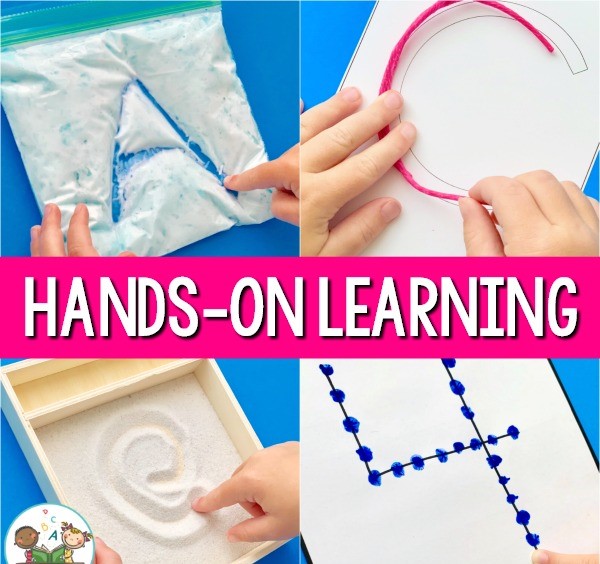
Who says learning can’t be fun? As a pre-primary teacher, you have the superpower to transform even the most mundane activities into exciting adventures. By incorporating play-based learning and hands-on activities, you engage children’s natural curiosity and foster a love for learning. It’s like adding a sprinkle of fairy dust to make each day in the classroom magical.

5. Implementing Effective Teaching Strategies for Young Learners.

a) Differentiated instruction techniques for diverse learning needs.

Teaching a room full of young learners is like orchestrating a symphony of individual needs. The key is to embrace the concept of differentiated instruction, where you tailor your teaching methods to meet the diverse learning needs of your students. Some may excel in visual learning, while others thrive through hands-on activities. By providing a variety of instructional strategies, you can ensure that all your little learners are engaged and reaching their full potential.

b) Engaging and interactive teaching methods for pre-primary children.

Ask any pre-primary teacher, and they will tell you: the attention span of a young child is as fleeting as a butterfly. To keep these adorable minds engaged, you need to bring out your inner entertainer. Incorporate interactive teaching methods like singing, dancing, and storytelling. Use props, puppets, and even the occasional magic trick to capture their attention. Remember, in the world of pre-primary education, enthusiasm is contagious!

6. Promoting Social and Emotional Development in Pre-Primary Children.

a) Creating a supportive and emotionally safe learning environment.

In the early years, social and emotional development is just as important as academic growth. As a pre-primary teacher, you have the power to create a safe and supportive learning environment where children feel comfortable expressing their emotions and building relationships with their peers. Foster a culture of kindness, respect, and empathy by modeling these behaviors yourself and providing opportunities for cooperative play and group discussions.

b) Teaching empathy, self-regulation, and conflict resolution skills.

Pre-primary children are like sponges, soaking up everything around them. Use this to your advantage by teaching them essential life skills like empathy, self-regulation, and conflict resolution. Teach them to recognize and understand their own emotions and those of others. Help them develop strategies to manage their feelings and resolve conflicts peacefully. Remember, the lessons you impart now will shape their social interactions for years to come.

7. Supporting Cognitive Development through Play and Exploration.

a) The role of play in cognitive development.

Who says learning can’t be fun? Play is the magic ingredient that fuels cognitive development in young children. When they engage in imaginative play, build with blocks, or experiment with puzzles, they are actually developing problem-solving skills, critical thinking abilities, and creativity. As a pre-primary teacher, you can create stimulating play-based activities that challenge their minds and foster a love for learning.

b) Designing stimulating learning centers and activities.

The classroom environment plays a crucial role in igniting young minds. Create different learning centers that cater to various aspects of cognitive development. From a reading nook for budding bookworms to a science corner for little explorers, design spaces that inspire curiosity and discovery. Rotate materials and activities regularly to keep the spark alive and ensure that every child finds something that piques their interest.

8. Building Strong Partnerships with Parents and Guardians.

a) Effective communication strategies with parents and guardians.

As a pre-primary teacher, you don’t just teach children; you also become a trusted guide for their parents or guardians. Establishing effective communication channels is essential for building strong partnerships. Regularly provide updates on your teaching methods, classroom activities, and their child’s progress. Be approachable and open to feedback, and always remember that parents are your allies in nurturing their little ones’ bright minds.

b) Collaborating with families to support children’s learning and development.

Parents and guardians play a significant role in a child’s education journey. Collaborate with families to create a seamless bridge between home and school. Involve them in decision-making processes, seek their input on educational goals, and provide resources and activities for them to engage with their child’s learning at home. When teachers and families work together, the impact on a child’s growth and development is truly remarkable. In conclusion, as pre-primary teachers, we hold the incredible responsibility of nurturing tomorrow’s brightest minds. By understanding the importance of early childhood education, embracing child development principles, creating inclusive classrooms, and implementing effective teaching strategies, we can empower young learners to thrive. The Ultimate Handbook for Pre-Primary Teachers serves as a valuable resource, providing guidance and insights to support the holistic growth of children. Let us continue to collaborate with parents, engage in continuous professional development, and be advocates for quality pre-primary education. Together, we can shape a brighter future for our children and enable them to reach their fullest potential.

 “If the child is not learning the way you are teaching, then you must teach in the way the child learns”

Easy Ways to Study for 10th Standard Students.

Preparing for the 10th standard exams can be a challenging and overwhelming task. However, with the right study techniques and strategies, it can also be a rewarding and productive experience. This article aims to provide 10th standard students in India with easy and effective ways to enhance their study habits and achieve academic success. From creating an organized study schedule to exploring different learning styles and utilizing digital resources, we will delve into practical tips and techniques that will help students make the most of their studying efforts. By implementing these strategies, students can study more efficiently, retain information better, and approach their exams with confidence.

1. Understanding the Importance of Effective Study Techniques.

a) The Benefits of Developing Effective Study Habits.

Let’s face it, studying is not always the most exciting thing in the world. But here’s the thing: developing effective study habits can make a world of difference in your academic performance. When you adopt good study techniques, you’ll not only improve your understanding of the subjects, but you’ll also retain information better and recall it during exams. Plus, with effective study habits, you’ll be able to manage your time more efficiently, leaving room for other activities that you actually enjoy. So, buckle up and get ready to discover the benefits of studying smart!

b) Identifying Common Study Challenges Faced by 10th Standard Students.

It’s a time when studying becomes a bit more intense. You’re faced with a range of subjects, complex concepts, and intimidating exams. But fear not, because you’re not alone. Many 10th standard students face similar challenges when it comes to studying. From procrastination to lack of motivation, it’s easy to fall into these traps. But by identifying these common challenges, you can tackle them head-on and find ways to overcome them. So, let’s explore the hurdles together and find ways to make studying a breeze!

2. Creating an Organized Study Schedule.

a) Designing a Personalized Study Plan.

Now that you understand the importance of effective study techniques, it’s time to create a study schedule that works for you. One size does not fit all when it comes to studying, so it’s crucial to design a personalized study plan. Consider your strengths, weaknesses, and commitments outside of academics. By tailoring your study plan to your specific needs, you’ll be able to maximize your productivity and make the most out of your study sessions. So, let’s dive into the world of study planning and make studying a well-organized adventure!

b) Allocating Time for Each Subject and Topic.

We’ve all been guilty of spending hours on a single subject while neglecting others. But fear not, there’s a way to avoid this and ensure you give equal attention to every subject. By allocating specific time slots for each subject and topic, you can prevent yourself from getting lost in the abyss of endless reading. This way, you’ll have a balanced approach to studying; giving all subjects their fair share of attention. So, let’s be strategic with our study time and conquer each subject like the superheroes we are!

3. Exploring Different Learning Styles.

a) Understanding the Different Types of Learning Styles.

Did you know that not everyone learns in the same way? It’s true! Understanding your learning style can revolutionize your study game. Whether you’re a visual learner who prefers pictures and diagrams, an auditory learner who thrives on discussions, or a kinesthetic learner who needs hands-on activities, knowing your learning style can help you tailor your study methods to suit your preferences. So, let’s dive into the world of learning styles and unleash your full potential!

b) Assessing Your Own Learning Style.

Now that you know there are different learning styles out there, it’s time to uncover your own. Take a moment to reflect on how you absorb information best. Do you find it easier to understand concepts when you see them in action or when you listen to someone explain them? Understanding your own learning style will not only make studying more enjoyable but also more effective. So, let’s take a self-discovery journey and unlock the key to successful studying!

4. Utilizing Effective Note-taking Methods.

a) Importance of Good Note-taking Skills.

It’s an art form that can often be overlooked but plays a vital role in retaining information. Good note-taking skills can help you capture the essence of what you’re studying, organize your thoughts, and create a valuable resource for revisiting concepts later on. So, don’t underestimate the power of a well-crafted set of notes. Let’s embrace the importance of good note-taking skills and elevate our study game to the next level!

b) Techniques for Efficient Note-taking.

Now that we’ve established the significance of note-taking, it’s time to learn some techniques for making it more efficient. From highlighting key points to using abbreviations, there are various methods you can employ to make your notes clear, concise, and easy to revise. So, grab your favorite pen and let’s dive into the world of note-taking techniques, where boring lectures become captivating adventures!

5. Making the Most of Digital Resources and Technology.

a) Discovering Online Learning Platforms and Tools.

In this digital age, studying no longer has to be limited to textbooks and traditional methods. Take advantage of the vast array of online learning platforms and tools available. Website like Khan Academy offer free courses and video lessons on a wide range of subjects. These platforms can provide additional explanations and examples to help you grasp difficult concepts.

b) Utilizing Educational Apps for Enhanced Studying.

Gone are the days of cramming information into your brain the night before exams. There are now numerous educational apps designed to make studying more engaging and effective. Apps like Quizlet and Duolingo offer interactive quizzes, flashcards, and language learning exercises. Make use of these apps to reinforce your knowledge and test yourself regularly.

6. Implementing Active Learning Strategies.

a) Engaging in Group Study Sessions and Discussions.

Studying doesn’t have to be a solitary activity. Organize study sessions with your classmates or friends to discuss and clarify concepts together. Explaining concepts to others helps reinforce your understanding and can uncover different perspectives on the subject matter. Plus, studying with others can bring some much-needed socialization to your study routine.

b) Incorporating Hands-on Activities and Practical Examples.

Sometimes, understanding complex topics requires a hands-on approach. Look for practical examples and real-life applications of the concepts you’re studying. If you’re studying science, conduct simple experiments at home. If you’re studying history, visit historical sites or museums. These hands-on activities will not only make studying more enjoyable but will also help you remember information better.

7. Engaging in Regular Revision and Practice.

a) The Importance of Regular Revision and Practice.

Regular revision is key to retaining information and keeping it fresh in your mind. Allocate specific time each week for revising what you’ve learned. Break down your subjects into smaller topics and review them systematically. Additionally, practice solving sample questions and past papers to familiarize yourself with the exam format and identify areas where you need improvement.

b) Effective Techniques for Reviewing and Testing Knowledge.

When revising, try different techniques to reinforce your understanding. Summarize the main points in your own words, create mind maps or diagrams to visualize connections between ideas, or teach the concepts to someone else. Testing your knowledge through quizzes or mock exams can also help gauge your progress and identify areas that need more attention.

8. Seeking Additional Support and Resources.

a) Utilizing Study Groups.

If you find certain subjects particularly challenging, don’t hesitate to seek extra support. Consider joining study groups or asking help from teachers who can provide you guidance after class. Sometimes, a fresh perspective or one-on-one attention can make a world of difference in your understanding and confidence in a subject.

b) Exploring Online Resources and Reference Materials.

The internet is a treasure trove of information, so make sure to explore online resources and reference materials. Websites like NCERT and CBSE provide textbooks and supplementary materials that can complement your studies. Online forums and communities can also be valuable sources of information and discussion.

Remember, studying doesn’t have to be a daunting task. By making use of digital resources, implementing active learning strategies, engaging in regular revision and practice, and seeking additional support, you can simplify the process and make it more enjoyable. So, grab your books, fire up those educational apps, and embark on your journey to academic success! Good luck! In conclusion, developing effective study habits is crucial for 10th standard students to excel academically. By understanding the importance of efficient study techniques, creating a well-organized study schedule, and exploring different learning styles, students can enhance their overall learning experience. Additionally, utilizing digital resources, implementing active learning strategies, engaging in regular revision and practice, and seeking additional support can further contribute to their success. With dedication and consistent effort, 10th standard students can overcome challenges, boost their confidence, and achieve remarkable results in their exams. So, let’s embrace these easy ways to study and unlock the doors to a bright academic future!

FAQ:

1. How can I create an effective study schedule?

Creating an effective study schedule involves prioritizing your subjects and topics, allocating specific time slots for studying, and ensuring a balanced distribution of study hours throughout the week. It’s essential to consider your personal preferences, energy levels, and any extracurricular commitments when crafting your schedule. Regularly reviewing and adjusting your study plan can also help you stay on track and make the most of your study time.

2. Are digital resources and technology really helpful in studying?

Absolutely! Digital resources and technology can be incredibly helpful in studying. Online learning platforms, educational apps, and interactive tools offer a wide range of resources, practice exercises, and study materials that can complement your traditional studying methods. These resources can facilitate better understanding of concepts, provide additional practice opportunities, and make studying more engaging and enjoyable.

3. How often should I engage in revision and practice?

Regular revision and practice are essential for effective learning and retention of information. It’s recommended to set aside dedicated time for revision on a regular basis, preferably daily or at least a few times a week. By reviewing previously learned material, testing your knowledge through quizzes or practice questions, and identifying areas of weaknesses, you can reinforce your understanding and improve your performance in exams.

4. What should I do if I need additional support or resources?

If you require additional support or resources, there are several options available. Consider seeking help from your teachers, classmates, or forming study groups to collaborate and discuss difficult topics. Additionally, explore online resources such as educational websites, video tutorials, and reference materials to supplement your learning and gain further insights into challenging subjects.

“There are no secrets to success. It is the result of preparation, hard work, and learning from failure.”

Sailing for a Job

A career is the accumulation of your professional experiences. Many people start a career because they believe it will help them achieve their goals, such as gaining more knowledge and experience, taking on more responsibility, or earning higher salaries.

A person’s progress within an occupation or series of occupations can also be defined as a career. A career, on the other hand, is more than just a job, or working, or your occupation. It also includes your advancement in life, as well as your growth and development in vocational and avocational areas.

It paves the way for financial security. The earning potential of an occupation is a major consideration for most people when choosing a suitable career. Choosing the right profession means you will be able to have economic security, which is an important factor in our overall well-being.

Learning new skills is one of the most effective ways to advance in your career. Always try to stay up to date on trends or developments in your field, and make sure that your current resume reflects those necessary skills.

Knowledge-based, skill-based, entrepreneur-based, and freelance are the four types of career paths. Every career path requires a specific set of qualifications to help you do your job.

Your career will have a significant impact on your future.

It will have an impact on your identity, personal fulfilment, lifestyle, income, family, and retirement. Don’t let other people’s opinions or expectations influence your decision-making. Finally, your career choice is entirely up to you.

Six major careers are primarily made up of six personality types:

Realistic.

Artistic.

Enterprising.

Social.

Conventional.

Investigative.

The main distinction between a career and a job is that a job is something you do for money, whereas a career is a long-term endeavour that you work on every day.

A career goal is a clear statement that defines the ultimate job you want to have throughout your career. A clear career goal, if realistic, allows you to set yourself an action plan, or personal development plan, to work towards in order to achieve your professional ambitions.

However, finding a career that is right for you takes time, and your career will most likely change throughout your working life. As your interests, motivations, and needs change, you may find yourself changing roles or industries. When combined with the rise of automation, gig work, and even underemployment, it appears that careers evolve over time.

To begin thinking about the best career options in order to structure your thought process and determine which careers may suit you best and help you achieve your goals.

Because the average person spends roughly one-third of their life at work, it’s no surprise that many people want to find a job that is a good fit for them. Choosing a career first requires you to learn as much as possible about yourself, your goals, and the larger context of work.

Look in the mirror.

What you like to do and what you value can be good indicators of how you want to spend your working time. We’re not talking about discovering and following your passion, which can be misleading and confusing. However, it is natural to want to feel energised and even excited about what you do. Consider your following interests, values, and characteristics:

Interest-based:

-What are you interested in learning about?

-How do you prefer to spend your free time?

-Do you prefer manual or mental labour?

-Do you prefer to work outside or inside?

Value-based:

-What is the most important thing in your life?

-What are your life priorities?

-Where do you look for meaning?

-What kind of change do you want to see?

Trait-based:

-How do you define success?

-What would you like to see more of?

-Which of your strengths do you find the most enjoyable?

-What are you most proud of in your abilities?

Consider Your Motivations.

After you’ve compiled a list about yourself, consider your reasons for working. Perhaps you want a job that offers a higher starting salary than comparable occupations, or one that allows you to work from anywhere. Because most jobs do not include everything you desire, it is critical to understand your priorities.

Consider what you’d include on your list and how you’d prioritise your tasks.

-Salary.

-Benefits.

-Autonomy.

-Achieving work-life balance.

-Flexibility.

-Promotion of one’s career.

Consider Your Long-Term Objectives.

What does your ideal life look like? Make a list of your long-term personal and professional goals to help you understand what it will take to achieve them. As an example: Do you want to advance past the managerial ranks and into a company’s C-suite? Do you want to be a homeowner? Do you want to be able to travel, and if so, how frequently?

Your list can also help you approach a job search more specifically. For example, if you want to work in the same industry in ten years, research which industries are expected to grow over the next decade and which to avoid due to increased automation or other factors.

Take a variety of self-assessment tests.

You can take a variety of tests to assess everything from your personality to your strengths and even what career might be a good fit for you. However, tests can be overly prescriptive, imposing categories on you. Rather than relying on them to provide a definitive answer, use them to learn more about yourself and your underlying motivations. If they provide useful answers, incorporate that information into the larger picture you’re assembling.

Investigate Sectors.

Learning more about each sector and its goals may assist you in determining where you’d be a good fit. Consider which goals appeal to you the most.

Private: You will be employed by a privately owned company or corporation, which typically seeks to increase revenue and growth.

-Benefit: Increased growth potential.

Public: You’ll be hired by a local, state, or federal government to keep public programmes and institutions running.

-Advantage: Greater potential stability.

Non-profit: You will work for an organization that is not affiliated with the private or public sectors and is dedicated to addressing or fulfilling a public need. While it does not seek revenue in the same way that private businesses do, it must earn enough to carry out its mission and cover overhead.

-Benefit: Increased meaning potential.

Investigate Industries.

Along with sectors, researching various industries may assist you in identifying a few that may be a good fit. Look for established industries to see if any seem worth further investigation. Make a list of any that sound interesting and do more research to learn about major roles, career paths, and projected growth.

Look for Professional Help.

In addition to thinking through the areas mentioned above on your own, you can seek more guided assistance from a variety of career resources.

If you are still in college, take advantage of the career resources that your college or university may provide. You may be able to meet with a counsellor or advisor who has been trained to assist you in transitioning from college to a career.

A career coach is someone who is trained to help clients learn more about what types of work would be best for them. Career coaches are an additional cost, so do your homework on their credentials, experience, and background to ensure they will be a good fit for your needs.

Investigating Career Options.

You’ve probably gathered a lot of information by this point. Once you have a better understanding of yourself, you can begin researching various career options. You can use your list of interests, values, and traits, along with your top motivations, to start looking for careers or industries that might be a good fit.

Do you, for example, enjoy drawing? Consider careers or industries that require that skill to some extent. Do you care about the issue of income inequality? Investigate organisations that work to address that issue and peruse their job postings. Is creative problem solving one of your strongest suits? Look for jobs and industries that require your skill set.

Write down each option that sounds appealing, and pay close attention to the outcomes that will help you achieve your top priorities. If you value flexibility, look for remote positions rather than those that require you to be in an office.

Investigate the Career Options on Your List.

The steps below are to help you explore each option once you’ve come up with some career ideas that sound interesting.

Make use of job-search websites. LinkedIn, Indeed, Naukri, and Monster are just a few job-posting websites. Read more about the responsibilities of each role as you look for them in your area. Highlight the job titles that appear to be a good match.

-Does the job meet many of my needs and preferences?

-Does this job fit with my values?

-Will it help me achieve one of my short-term or long-term objectives?

-How does it feel to consider these career options?

Compare and contrast company reviews. Use websites to learn more about a specific company you’re interested in, or to conduct more general research on the industry in which they operate. Take note of any current issues being debated in that industry.

Arrange for informational interviews. If you find a job at a company that interests you, see if you have any connections you can ask for an informational interview with. If you want to learn more about a specific role, look for connections you have or connections of connections who are currently doing that work. Inquiring about a career before pursuing one can provide you with useful information.

Have you already made a list of your “dream jobs”? Use your top choices to broaden your career options. Go ahead and decide which of the business areas, or ‘sectors,’ you believe your dream career would fall into, such as creative careers or science careers. You can learn more about that industry and the jobs available in it. Each industry has a variety of jobs that you could excel at. You’ll find out how much they pay, what qualifications you might need, how to get started after finishing college or education, and who can assist you.

You should have a long list of career options that sound interesting to you. Aim for at least ten jobs on your list. There will most likely be some career ideas you’ve already considered, as well as some possible careers you don’t know much about or haven’t given much thought to.

Make a list of 2-5 top career options.

Now is the time to narrow down your career options, but not too much! You should keep an open mind because there is more than one dream job out there for you. Choose careers that interest you. Choose careers that match your current qualifications (or choose them if you genuinely want to build up any required qualifications over time). Remember that you can always take additional courses or learn part-time if necessary).

Examine your top career options for similar qualifications and skills that may be useful in your future career path. Perhaps all of your top career options recommend that you have strong passing grades in the sciences, English, or geography. Make a note of that because it can help you decide on your future study options, whether it’s thinking about courses and studying after you’ve graduated from high school.

Consider your long-term and short-term objectives.

Now that you’ve done all of your research to find the right career for you, the next step is to set some achievable goals.

What are you going to work on in the coming months to make your top career choice a reality? And in the coming years?

Make a spreadsheet or a document. List all of the steps you can take to achieve your goals, along with a deadline for completion. Do you have a specific grade in mind for a college project or exam? A course you’d like to look into? Would you like to spend an hour looking for online interviews with people doing your dream job? Your objectives can be small or large. They can be accomplished this evening or next year, but they must be accomplished.

Create a list of attainable goals, assign due dates, and you’ve taken an important step toward not only choosing a career but also putting your dream into action.

There is More Than One Way to All of Your Dream Career Options. Never forget that if you have an interest, you can develop the necessary skills and qualifications.

Whatever career you choose, there is no one-size-fits-all path to success. We always include a variety of career options. You have the option of attending university. You can begin in a lower-level position and work your way up. You can also get an internship for almost any career you can think of. It all comes down to finding the right internship for you.

Find out what you enjoy doing the most and find someone to pay you to do it.