

In the complex landscape of marital relationships, the interplay between reality and desire often shapes the emotional and psychological well-being of partners. Couples enter marriage with a variety of expectations, influenced by personal experiences, cultural norms, and societal ideals. However, as daily life unfolds, the challenges of balancing responsibilities, managing stressors, and maintaining effective communication can create a significant gap between what partner’s desire and what they actually experience. This article aims to explore the factors contributing to this gap, offering insights into understanding marital expectations, addressing emotional disconnects, and providing strategies for aligning reality with relationship goals. By navigating these complexities, couples can foster a deeper connection and build a more fulfilling partnership.
1. Understanding Marital Expectations: The Foundation of Desire.

a) Defining Expectations in Marriage.
Expectations in marriage can be as tricky as balancing on a unicycle while juggling flaming torches. Each partner steps into the relationship with a unique set of beliefs and ideals shaped by their upbringing, friendships, and a healthy dose of romantic comedy tropes. From the grand expectations of emotional support to practical matters like sharing chores, these expectations set the stage for everything that unfolds. When partners fail to communicate what they truly desire, the stage can quickly become a battleground of misunderstanding and unmet needs.
b) How Personal Background Shapes Desires.
Our backgrounds are like the secret ingredients in a family recipe—sometimes they elevate the dish, and sometimes they leave a slightly bitter taste. Factors such as culture, family dynamics, and past relationships significantly influence what we seek in a partner and a marriage. For instance, someone raised in a household that emphasized open communication may crave a partner who matches that vibe, while another may come from a more reserved setting, leading to potential mismatches in how to express love or handle conflict. Understanding these influences can help couples appreciate each other’s desires through a lens of empathy, rather than judgment.
2. The Reality of Everyday Life: Challenges in Marriage.

a) Common Stressors in Marital Relationships.
Let’s face it: marriage can feel like an uphill battle… while carrying a small boulder. Common stressors such as financial worries, parenting challenges, and even pesky in-laws can sneak in like uninvited guests at a dinner party. These stresses often morph into tension between partners, as they find themselves navigating the cacophony of daily life rather than focusing on each other. Recognizing these stressors is essential for couples to work together rather than against each other.
b) Balancing Work, Family, and Personal Time.
Ah, the elusive work-life balance—a goal so sought after that it seems to have its own fan club. Juggling careers, family commitments, and the rare moments of personal time can turn even the most harmonious couples into frazzled messes. When work demands overshadow family time or self-care, resentment can brew like an overcooked pot of spaghetti. Couples must learn to prioritize and carve out space for each other and themselves—because let’s be honest, nobody wants the leftover spaghetti of their relationship.
3. Emotional Disconnect: Navigating the Gap between Partners.

a) Identifying Signs of Emotional Distance.
Emotional distance in a marriage is much like a slow leak in a tire; it starts small but can lead to a major blowout if ignored. Common signs include reduced affection, conflicts that feel more like cold wars, and conversations that drift into the land of “How was your day?” without any real connection. Recognizing these signs early can help couples steer back on track before the emotional distance turns into a grand canyon of silence.
b) Understanding the Impact of Incompatibility.
Incompatibility can be a tricky beast to tame. It may manifest in differing interests, lifestyles, or even basic communication styles. When partners discover that their dreams or values clash—like oil and water in a salad dressing—the resulting friction can lead to frustration and disappointment. Embracing differences is key, but it requires effort and a willingness to adapt. Couples who approach incompatibility as a puzzle to solve rather than a problem to fix often find new ways to connect and thrive.
4. Communication Breakdown: The Role of Dialogue in Bridging Differences.

a) Barriers to Effective Communication.
Ah, communication—the lifeblood of any healthy relationship, and yet sometimes it feels like trying to tune an old radio. Barriers such as misinterpretations, emotional baggage, and even the dreaded “I’m not in the mood” can swiftly derail conversations. Not to mention, sometimes our partners might as well be speaking in a foreign language! Identifying and working to remove these barriers can help foster an environment where both partners feel heard, understood, and valued.
b) Techniques for Improving Communication Skills.
Ready to turn your communication from a disaster movie into a heartfelt rom-com? Start with active listening—no, not just nodding along while planning dinner in your head. Really engage with what your partner is saying. Use “I” statements to share feelings without blaming: “I feel overwhelmed when…” instead of the ever-popular “You never…” Toss in some healthy humor, and don’t be afraid of vulnerability. The more authentic and open the dialogue, the closer you get to bridging that pesky gap between reality and desire.
5. The Influence of Societal Norms on Marital Desires.
a) Expectations Set by Culture and Media.
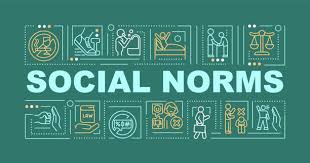
In a world dominated by rom-coms and fairy-tale endings, it’s no wonder many of us walk into marriage with a glittering set of expectations. From picture-perfect anniversaries to couples who finish each other’s sentences, media often paints a rosy picture of marital bliss that sets a pretty high bar. This “Happily Ever After” narrative can create disappointments when real life hits, because spoiler alert: marriage is not always a walk in the park. Instead, it can be more like a jog through the park while dodging puddles and avoiding overly friendly raccoons.
b) How Society Shapes Relationship Standards.
Societal norms subtly shape our understanding of what a “successful” marriage looks like, often dictating everything from how much time couples should spend together to the importance of shared hobbies (who doesn’t love synchronized Netflix binges?). These expectations are often unrealistic and can lead couples to believe they’re failing if they don’t fit the mold. By questioning these standards, we can find room for our unique realities, proving that there’s more than one way for love to flourish—because really, who needs to be a picture-perfect couple when you can be a quirky, slightly chaotic duo instead?
6. Strategies for Aligning Reality with Relationship Goals.

a) Setting Realistic Goals Together.
When it comes to marriage, communication is key—but not the kind where you simply recite your grocery list. Engaging in open discussions about your relationship goals can help align expectations and foster a stronger partnership. Start by identifying what you both want, whether it’s a travel adventure or just a few uninterrupted moments on the couch without kids barging in. Remember, it’s about teamwork. You’re not running a marathon; you’re navigating this wild and wonderful journey together, one day at a time.
b) Practicing Gratitude and Acceptance.
Nothing says “I love you” quite like accepting your partner’s quirks—as endearing as their sock collection might be. Practicing gratitude helps shift your focus from what’s lacking in your relationship to celebrating the unique traits that make your partner special (yes, even the ones that drive you slightly bonkers). Regularly acknowledging the positives can boost your relationship’s overall satisfaction and help you both feel valued, reminding you that marriage isn’t just about the grand gestures but the everyday moments of connection.
7. Case Studies: Real-Life Examples of Navigating Marital Gaps.

a) Success Stories of Couples Overcoming Challenges.
Meet Sarah and Tom, a couple who once believed their differing communication styles were a chasm too wide to cross. Through open dialogues and commitment to understanding each other’s perspectives, they not only navigated their challenges but also learned to use their differences to enrich their relationship. Now they celebrate their quirks, and Tom’s legendary dad jokes have become a source of laughter rather than frustration. Their story is a testament to the power of perseverance and love.
b) Lessons Learned from Failed Relationships.
Not every love story has a happy ending, and that’s okay. Let’s take a moment for Jack and Mia, who learned the hard way that neglecting emotional intimacy is like trying to bake a cake without flour—it just doesn’t work. After much heartache, they parted ways but took valuable lessons with them: communication is vital, and sometimes it’s better to prioritize individual growth over a partnership that isn’t fulfilling. Their experience serves as a reminder that not every relationship is meant to last, but everyone has something to teach us.
8. Conclusion: Building a Fulfilled and Realistic Partnership.

a) Revisiting Expectations as a Couple.
As you sail through the murky waters of marital bliss, don’t forget to periodically drop anchor and reassess your expectations. Couples don’t just grow together; they grow apart if they aren’t willing to adapt. Discuss the dreams you chased when you got together and how they may have changed. It’s like updating your relationship’s “operating system” to keep things running smoothly—think of it as a software upgrade without the bugs.
b) The Importance of Continuous Growth in Marriage.
Marriage isn’t a destination; it’s an ongoing journey that thrives on growth, learning, and a sprinkle of humor (preferably with a side of pizza). Continuous self-improvement and support for each other’s aspirations can help both partners feel fulfilled. Remember, a thriving partnership requires effort from both sides—so keep those communication channels open, embrace change, and continue to cheer each other on from the sidelines. Because at the end of the day, love is about evolving together, even if it sometimes feels like you’re just two kids with a giant box of Legos, building (and rebuilding) your very own masterpiece. In conclusion, recognizing and addressing the gap between reality and desire in marital relationships is essential for fostering a healthy and fulfilling partnership. By understanding individual and shared expectations, improving communication, and adapting to life’s challenges together, couples can strengthen their bond and create a more harmonious life. Ultimately, the journey toward alignment requires ongoing effort, empathy, and a willingness to grow together, ensuring that both partners feel valued and understood in their shared commitment.
Frequently Asked Questions:

1. What are common expectations couples have when entering marriage?
Many couples enter marriage with hopes of love, companionship, financial stability, and shared responsibilities. These expectations can vary widely based on personal experiences and cultural backgrounds.
2. How can couples effectively communicate their needs and desires?
Effective communication can be achieved through active listening, open dialogue, and expressing feelings without blame. Regular check-ins and setting aside dedicated time for discussions can also help.
3. What strategies can couples use to bridge the gap between reality and desire?
Couples can align their goals by setting realistic expectations, practicing gratitude, and focusing on problem-solving together. Seeking professional counseling can also provide tools for improvement.
4. How do societal norms impact marital relationships?
Societal norms can shape individual expectations and ideals about marriage, often leading to pressure to conform to certain standards. Understanding and challenging these norms can help couples define their unique relationship.




















































 Parth Sharma