Navigating Teen Substance Abuse: Effective Strategies for Parents.

Navigating the complex landscape of teen substance abuse can be one of the most challenging experiences for parents. As adolescents face various pressures—from peer influence to academic stress—substance use can become a troubling escape for some. Understanding the dynamics of substance abuse, recognizing the signs, and knowing how to communicate effectively with your teen are crucial steps in addressing this issue. This article aims to equip parents with effective strategies to prevent and respond to substance use, fostering a supportive environment that encourages healthy choices and open dialogue. By taking proactive measures, parents can play a pivotal role in guiding their teens toward a brighter and healthier future.

1. Understanding Teen Substance Abuse: Facts and Myths.

a) Statistics on Teen Substance Use.

The statistics can be as alarming as your teen’s favorite rock band turning out to be a one-hit wonder. According to the National Institute on Drug Abuse (NIDA), about 70% of high school seniors have tried alcohol, and nearly 50% have experimented with illicit drugs. What’s even more surprising? Nearly 35% of teens report using marijuana. The numbers indicate that substance use is not just a ‘bad apple’ issue; it’s a widespread concern many families face.

b) Common Misconceptions about Substance Abuse.

Let’s bust some myths faster than a teenage heartthrob’s rise to fame! One common misconception is the idea that “my teen would never use drugs; they’re too smart.” Spoiler alert: Intelligence doesn’t immunize against experimentation. Another myth is that casual alcohol use is harmless; in reality, it can be a slippery slope to more significant issues. Understanding these misconceptions is crucial for parents who want to stay ahead of the curve.

2. Recognizing the Signs of Substance Abuse in Teens.

a) Behavioral Changes to Watch For.

If your usually shiny star is suddenly dimming—hello, mood swings!—pay attention. Behavioral red flags include sudden secrecy, loss of interest in previously loved activities, or a drastic change in peer groups. If your teen who used to be a diligent student is now more likely to be found binge-watching shows instead of studying, it might be time for a heart-to-heart.

b) Physical Indicators of Substance Use.

Seeing your teen show up in pajamas at noon isn’t exactly a sign of substance use—believe me, I’ve been there. However, look out for bloodshot eyes, unusual smell (and we’re not talking about new cologne), and sudden weight changes. If they’re exhibiting signs of fatigue or poor hygiene, it could be time to address the elephant in the room.

c) Emotional and Social Signs.

If your teen’s emotional roller coaster is more thrilling than a theme park ride, it’s essential to take note. Increased anxiety, paranoia, or depression can signal underlying substance issues. Also, if they’re pulling away from family and old friends faster than a teenager speeds out of a parent-teacher conference, it’s worth investigating what’s really going on beneath the surface.

3. Creating Open Lines of Communication with Your Teen.

a) Effective Listening Techniques.

Communication is key, but let’s face it, listening is the secret sauce. Practice active listening by not just hearing the words but absorbing the feelings behind them. Nod, express empathy, and avoid interrupting. Sometimes, all your teen needs is a sounding board—not another lecture. Think of it as tuning into their favorite playlist instead of trying to change the station!

b) How to Approach Sensitive Topics.

Tackling touchy subjects can feel like walking on eggshells while juggling flaming torches—less than ideal! Start by choosing a non-confrontational time and setting. Use “I” statements to express your concerns gently. For example, “I’m worried about how you’ve been acting lately,” instead of “You need to stop hanging out with those kids!” Trust me, your teen will appreciate the softer approach.

c) Encouraging Honesty and Trust.

Creating a foundation of trust is like building a solid tree house: it takes time and care to get it just right. Encourage honesty by responding calmly to their confessions, even if it feels like your heart is doing the cha-cha. Reinforce that you’re a safe space for them to share their thoughts—no judgment, just love and support. This could be the difference between your teen opening up or shutting down.

4. Effective Prevention Strategies for Parents.

a) Setting Clear Expectations and Boundaries.

Think of rules as the GPS for your teen’s journey—necessary for navigating the road ahead. Set clear expectations about substance use and the associated consequences. Be consistent, so they know you’re serious. Remember, it’s not about being a tyrant; it’s about being a guide. A well-defined boundary can keep them on the right path while allowing them room to grow.

b) Promoting Healthy Activities and Interests.

Encourage extracurricular activities that give them a creative outlet—whether it’s sports, the arts, or even bizarre TikTok dances. These pursuits can boost self-esteem and steer them away from the lure of substances. Plus, you can bond over their interests, which could make family game night a little less painful for everyone involved!

c) Educating Yourself and Your Teen About Substance Risks.

Knowledge is power, and it’s time to flex those intellectual muscles! Familiarize yourself with the risks associated with substance use and share this wisdom with your teen. This isn’t just about horror stories; it’s about empowering them with the understanding they need to make informed choices. Your goal is to transform that information into a conversation starter rather than a lecture. Because let’s face it, no one enjoys being lectured…especially teenagers!

5. How to Respond if You Suspect Substance Use.
a) Initial Conversations: Finding the Right Approach.

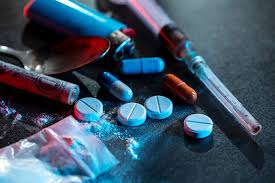
When you think your teen might be dabbling in substances, the first step isn’t to don your detective hat and interrogate them like a police officer. Instead, aim for a calm and non-confrontational atmosphere. Start the conversation with curiosity, not accusations. You might say something like, “I’ve noticed you seem a bit different lately. Everything okay?” Keep it light, but serious enough to show you care. Approach it like you’re discussing their latest TikTok obsession rather than a life-altering decision.

b) Seeking Professional Help: When and How.

If your initial chats leave you feeling more confused than a cat at a dog show, it might be time to bring in the pros. Consider enlisting a counsellor or therapist who specializes in adolescent substance use. Look for local resources like community health centres or private practices that offer family therapy. A good rule of thumb is if it feels like more than you can handle on your own, don’t hesitate to reach out for help. Think of professionals as your backup dancers in this challenging routine!

c) Understanding Your Teen’s Perspective.

Your teen’s world is a whirlwind of social pressures, expectations, and the desire to fit in—like trying to find a comfy position in a tiny car with a backseat full of clowns. Empathy goes a long way here. Try to see things from their viewpoint. Ask them open-ended questions about their feelings rather than making assumptions. This not only builds trust but also opens a two-way street of communication, where they may feel more comfortable sharing their struggles.

6. Supporting Your Teen through Recovery.

a) Creating a Supportive Home Environment.

Home should be a safe haven, not a battlefield. Set the stage for recovery by creating an atmosphere of understanding and support. This means being patient, listening more than talking, and showing unconditional love. Think of your home as a cozy café where your teen can hang out, share their concerns, and sip on some good ol’ hot cocoa without judgment. A little warmth goes a long way!

b) Encouraging Professional Treatment Options.

It’s important to recognize when your teen might benefit from professional treatment. This could range from outpatient counseling to inpatient rehabilitation programs, depending on the severity of the situation. Approach this topic gently, emphasizing that seeking help is a sign of strength, not weakness. You might say something like, “I think talking to someone could really help you through this. What do you think?” It’s all about providing options, not ultimatums—don’t forget, you’re a team!

c) Maintaining Open Communication during Recovery.

Communication shouldn’t take a backseat during recovery; in fact, it should have a front-row seat! Encourage your teen to share their progress, feelings, and concerns. Regular, honest check-ins can keep the lines open and help you both navigate the ups and downs of recovery together. Make sure they know they can talk to you about anything—like that time they tried kale chips and what a disaster that was, or their fear of giving a presentation. Just keep the conversation flowing!

7. Resources and Support Networks for Parents.
a) Local and National Support Groups.

Joining a support group can be like finding a secret club where everyone understands what you’re going through—except the membership fee is just your time! Look for local groups such as Al-Anon or Nar-Anon that offer resources and camaraderie for families facing substance abuse issues. Online options, like support forums or national hotlines, can also provide a lifeline when you feel isolated. Remember, you’re not alone in this!

b) Online Resources for Parental Guidance.

The internet is chock-full of resources to help you navigate this tricky terrain. Websites like the National Institute on Drug Abuse (NIDA) or the Substance Abuse and Mental Health Services Administration (SAMHSA) provide valuable information and guidelines for parents. Don’t overlook parenting blogs or forums either—sometimes reading about someone else’s experience can be a huge comfort and a source of practical advice.

c) Educational Workshops and Seminars.

Keep your knowledge game strong by participating in workshops and seminars focused on substance abuse prevention and parental support. Many community health organizations offer these sessions, often for free or at a low cost. You might even discover some helpful strategies to implement at home, or simply feel more equipped to handle challenges as they arise. Plus, you get to meet other parents who are in the same boat (full of mystery and maybe a few snacks).

8. Building a Healthy Environment: Encouraging Positive Choices.

a) Promoting Healthy Relationships and Friendships.

Encouraging your teen to cultivate healthy friendships is like gardening—remove the weeds and nurture the flowers! Help them find peer groups that uplift them and share positive values. Talk about the importance of surrounding themselves with supportive friends and what healthy relationships should look like. You could even host some fun group activities at home, so you can get to know their friends and add a few more blooms to the garden!

b) Fostering Self-Esteem and Resilience in Teens.

Building their self-esteem is crucial; think of it as laying down a solid foundation for a house. Encourage your teen to pursue hobbies and interests that make them feel good, whether that’s sports, art, or even meme creation. Celebrate their achievements, big or small, and remind them that setbacks are part of the journey. A little positive reinforcement can go a long way in helping them bounce back from challenges.

c) Involving Family in Healthy Activities.

Family time can be the glue that holds everyone together. Make it a point to engage in activities that promote health and wellness—whether it’s cooking healthy meals together, going for hikes, or starting a family game night. These shared experiences not only create lasting memories but also strengthen family bonds, making it easier for your teen to stay connected to their support system. Plus, you might just find out that your teen is better at Monopoly than you are! In conclusion, addressing teen substance abuse is a vital aspect of parenting that requires awareness, communication, and support. By understanding the signs, fostering open dialogue, and implementing effective prevention strategies, parents can create a nurturing environment that empowers their teens to make healthier choices. Remember, seeking help and utilizing available resources is a sign of strength, and by working together, families can overcome the challenges of substance use and pave the way for a brighter future.

Frequently Asked Questions:

1. What are the most common substances abused by teens?

Many teens experiment with alcohol, marijuana, and prescription medications, but other substances such as nicotine (via vaping) and illicit drugs may also be involved. 

2. How can I tell if my teen is using substances?

Signs may include changes in behavior, mood swings, withdrawal from family and friends, declining academic performance, and physical changes such as weight loss or neglect of personal hygiene. 

3. What should I do if I find out my teen is using substances?

Approach the situation calmly and without judgment. Open a dialogue with your teen, express your concerns, and consider seeking professional help or counseling to navigate the next steps. 

4. Are there effective programs for teen substance abuse recovery?

Yes, there are various evidence-based treatment programs for teens, including counseling, support groups, and rehabilitation centres designed specifically for adolescents. It’s important to find a program that fits your teen’s individual needs.


Rating: 1 out of 5.

Why Assault Remains Rampant in India: Causes and Solutions.

Assault remains a pervasive issue in India, affecting individuals across various demographics and regions. Despite numerous efforts to address this alarming trend, the incidence of violence, particularly against women and marginalized groups, continues to rise. This article seeks to explore the multifaceted causes behind the rampant occurrence of assault in India, examining societal, cultural, and legal factors that contribute to the problem. Additionally, it will highlight potential solutions and best practices that can be implemented to create a safer environment for all citizens. By understanding the underlying issues and pursuing effective strategies, society can work collaboratively towards reducing violence and fostering a culture of respect and safety.

1. Overview of Assault in India: Current Statistics and Trends.

Assault remains a pressing issue in India, with statistics revealing a stark reality. According to the latest National Crime Records Bureau (NCRB) report, over 400,000 cases of assault were reported in 2022 alone. This alarming figure not only highlights the prevalence of violence but also showcases an upward trend in reported cases, with a 10% increase from the previous year. The data also indicates that a significant portion of these assaults are gender-based, underscoring the critical need for targeted interventions.

a) Historical Context of Assault Rates.

Historically, the assault rates in India have fluctuated, often reflecting broader societal issues. In the early 2000s, the numbers were startlingly low, which some attributed to underreporting rather than a genuine decline in violence. However, the increasing willingness of victims to come forward and the growing awareness of rights have led to a surge in recorded cases since 2010. It’s essential to recognize that these rising statistics might not necessarily indicate a deteriorating society; they could also reflect a shift towards greater accountability and recognition of survivors.

b) Comparison with Global Trends.

When compared globally, India sits in a murky lake of assault statistics. Countries with similar economic challenges, such as South Africa and Brazil, show comparable trends in violence, while developed nations like Canada and Sweden enjoy much lower assault rates. However, it’s crucial to note that cultural and legal frameworks differ vastly across nations. While some countries successfully tackle assault through robust laws and community programs, India continues to grapple with systemic issues that hinder progress, suggesting a need for tailored solutions that resonate with local contexts.

2. Societal Factors Contributing to Rampant Assault.

The roots of assault in India run deep, intertwined with societal factors that create a fertile ground for violence. Among these, poverty, education levels, and substance abuse play notable roles.

a) Poverty and Economic Disparities.

Poverty is a key player in the assault saga, as desperation often breeds desperation. Economic disparities create a volatile environment where unrest and violence can flourish. Individuals facing financial hardship may resort to violence out of frustration, while those in privileged positions might commit acts of aggression to maintain their status. Bridging this economic gap could pave the way for a more peaceful society, but that’s easier said than done!

b) Education and Awareness Levels.

Education is another critical factor influencing assault rates. A lack of awareness about rights and resources perpetuates cycles of violence. Many individuals are not educated about the legal implications of assault or where to seek help. Promoting education—especially around consent and personal safety—can provide empowerment and lay the groundwork for change. Spoiler alert: knowledge is power!

c) Impact of Substance Abuse.

Substance abuse complicates the landscape of assault even further. The correlation between alcohol and drug abuse and violent behavior is well-documented, as substances can lower inhibitions and escalate conflicts. In many communities, binge drinking and drug use are prevalent, leading to a spike in aggressive behaviors. Addressing substance abuse through comprehensive rehabilitation programs could help reduce assault rates—a win-win situation for society and those battling addiction.

3. Legal Framework: Gaps and Inadequacies in Indian Law.

The legal framework surrounding assault in India presents a double-edged sword—while there are laws in place, gaps and inadequacies often leave victims vulnerable and seeking justice.

a) Overview of Current Laws Related to Assault.

India’s legal landscape includes several laws aimed at preventing and punishing assault, such as the Indian Penal Code (IPC) and the Protection of Women from Domestic Violence Act. However, these laws often lack stringent enforcement mechanisms and can be riddled with loopholes that perpetrators exploit. The complexity of legal jargon doesn’t help either—who really understands IPC without a law degree?

b) Barriers to Effective Legal Action.

Numerous barriers hinder effective legal action against assailants. Victims often face societal stigma, lengthy court processes, and insufficient police support. Many are discouraged from reporting incidents due to fear of retribution or the belief that their cases won’t be taken seriously. The perception that the legal system is ineffective breeds a culture of silence, allowing violence to continue unabated.

c) Victim Support Mechanisms.

Victim support mechanisms in India are still in their infancy. Although helplines and counseling services exist, they often lack the resources needed to provide comprehensive care. Many victims find themselves navigating a bureaucratic maze without adequate support, leaving them feeling abandoned at a time when they need help the most. Strengthening these mechanisms is essential to fostering a more supportive environment for survivors.

4. Cultural Norms and Gender Disparities.

Cultural norms in India play a significant role in perpetuating assault, particularly gender-based violence. The societal undercurrents often normalize aggression and reinforce harmful stereotypes.

a) Patriarchy and Gender-Based Violence.

India’s patriarchal society fosters an environment where gender-based violence is tragically common. Women often find themselves at the mercy of patriarchal structures that dictate their worth and place in society. This deeply ingrained mindset contributes to the normalization of violence against women, with many believing it’s a part of life. Challenging these norms is crucial to dismantling the power structures that allow such violence to thrive.

b) Normalization of Violence in Society.

Violence is often portrayed as a form of conflict resolution in Indian media and entertainment, leading to its acceptance in everyday life. When physical aggression is glamorized or trivialized, it becomes a dangerous norm. Shifting perspectives around violence—highlighting it as an undesirable outcome—can help reshape societal attitudes and pave the way for healthier conflict resolution.

c) Media Representation and Its Impact.

The media wields tremendous power in shaping public perception, and its portrayal of assault can either empower or endanger. Unfortunately, sensationalized reporting often emphasizes the spectacle of violence rather than the human tragedy behind it. Additionally, the objectification of women in media contributes to a culture of violence, where aggression seems permissible. Advocating for responsible media representation and diverse narratives can help foster a more respectful dialogue around assault and gender.

5. The Role of Law Enforcement and Judicial System.

a) Police Response to Assault Cases.

The response of law enforcement to assault cases in India often resembles a game of hide-and-seek, except the hiding is more prevalent. Many victims report reluctance from police to register FIRs (First Information Reports) or to investigate complaints adequately. This can stem from a lack of training in handling sensitive cases, overwhelming workloads, or simply a culture that prioritizes minimizing paperwork over justice. The end result? Victims are left feeling powerless and unheard, while perpetrators often walk free, giving rise to a culture of impunity.

b) Judicial Delays and Their Consequences.

Once a case manages to wade through the murky waters of police bureaucracy and actually enters the judicial system, it’s often a long and arduous journey. With backlogged courts and endless procedural tangles, many cases can take years, if not decades, to reach a resolution. This snail-paced justice not only discourages victims from pursuing their cases but also fosters a sense of hopelessness among the public, who may begin to believe that justice is simply a mirage on the horizon.

c) Barricades to Reporting and Prosecution.

Reporting an assault is not just about mustering the courage to speak out; it often involves navigating a maze of social stigmas, victim-blaming narratives, and fear of retaliation. Many victims hesitate to approach law enforcement due to past experiences of ridicule or lack of support from their communities. Additionally, cultural norms and gender biases can create significant barriers to prosecution, as victims may be pressured to remain silent or settle matters privately. It’s a tragic cycle that perpetuates assault and keeps victims trapped in the shadows.

6. Community Initiatives and Grassroots Movements.

a) Role of NGOs in Combatting Assault.

Non-Governmental Organizations (NGOs) have taken the bull by the horns in addressing the issue of assault in India. These organizations provide vital support services, including legal aid, counseling, and rehabilitation for survivors. By working tirelessly to raise awareness and educate communities, NGOs play a crucial role in dismantling the stigma surrounding assault and encouraging reporting. Their efforts are not just about immediate relief but also about empowering individuals to reclaim their narratives.

b) Community Awareness Programs.

Community awareness programs are like fireworks: they spread knowledge and ignite conversations. These initiatives often target schools, colleges, and local neighbourhoods, educating people about consent, respect, and the legal ramifications of assault. Workshops, seminars, and awareness campaigns foster an environment where open discussions can take place, helping to challenge entrenched patriarchal attitudes. As communities become more educated, the stigma surrounding assault diminishes, creating a safer space for all.

c) Success Stories and Case Studies.

Success stories serve as the shining beacons of hope in the battle against assault. From community-led policing initiatives that have dramatically increased trust between residents and law enforcement to survivor-led movements that have successfully lobbied for legal reforms, these case studies prove that change is not just possible; it’s happening. Highlighting these successes not only inspires further action but also showcases the resilience and strength of communities determined to fight for their rights.

7. Effective Solutions: Policy Recommendations and Best Practices.

a) Strengthening Legal Provisions.

To truly protect victims and deter potential offenders, it’s essential to strengthen legal provisions surrounding assault. This includes not just tougher penalties for perpetrators but also better protection for victims during the legal process. Creating fast-track courts dedicated to handling assault cases could significantly reduce delays, ensuring that justice isn’t just a distant dream but a tangible reality.

b) Enhancing Educational Programs.

Education is a formidable weapon in the fight against assault. By incorporating comprehensive programs on consent, gender equality, and respectful relationships into school curriculums, we can reshape attitudes from a young age. Empowering individuals with the knowledge of their rights and responsibilities fosters a culture of respect and accountability, which is crucial for long-term change.

c) Collaborative Efforts with Civil Society.

Collaboration is the name of the game when it comes to creating sustainable solutions. Engaging civil society in dialogues around assault can help bridge the gap between policymakers and communities. By building coalitions among NGOs, local leaders, law enforcement, and government entities, a holistic approach can be developed that addresses the root causes of assault while implementing effective preventive measures.

8. Conclusion: A Call to Action for a Safer India.

In sum, the rampant issue of assault in India is the result of a complex interplay of systemic failures within the law enforcement and judicial frameworks, a lack of community support, and deeply ingrained societal attitudes. But the tide can turn—if we choose to act. From strengthening laws and enhancing educational programs to fostering grassroots movements, there are numerous paths to a safer society.

9. Importance of Collective Responsibility.

Ultimately, creating a safe environment is a collective responsibility that transcends boundaries. It calls for concerted efforts from individuals, communities, and governments alike. Everyone has a role to play—be it advocating for change, educating others, or simply standing in solidarity with survivors. Together, we can dismantle the structures that allow assault to persist and work towards building an India where everyone feels safe and valued. In conclusion, addressing the rampant issue of assault in India requires a comprehensive approach that tackles the root causes and fosters a culture of safety and respect. By strengthening legal frameworks, raising awareness, and supporting community initiatives, it is possible to create a society where individuals can live free from the fear of violence. Collective action from all sectors—government, communities, and individuals—is essential to implement the necessary changes and ensure a safer future for everyone.

Frequently Asked Questions:

1. What are the primary causes of assault in India?

The primary causes of assault in India include socio-economic disparities, cultural norms that perpetuate violence, inadequate legal protections, and lack of awareness regarding individual rights.

2. How can communities help reduce incidents of assault?

Communities can reduce incidents of assault by promoting awareness programs, supporting local NGOs that work on violence prevention, and encouraging open dialogues about respect and consent.

3. What changes are needed in the legal framework to address assault effectively?

Key changes needed in the legal framework include strengthening existing laws, ensuring timely justice for victims, and enhancing support systems for survivors of assault.

4. How can individuals contribute to creating a safer environment?

Individuals can contribute by educating themselves and others about consent and respect, standing up against violence, and supporting initiatives aimed at combating assault in their communities.

Rating: 1 out of 5.

The Quiet Struggle: Why Teens Conceal Family Abuse.

In today’s society, Sexual abuse within the family—often referred to as interfamilial sexual abuse—is one of the most underreported and psychologically damaging forms of abuse. When the abuser is a trusted relative, such as a parent, sibling, uncle, cousin, or grandparent, the emotional turmoil for the teenager intensifies. Despite experiencing pain, fear, and confusion, many teenagers remain silent. Understanding why this silence persists is crucial to breaking the cycle of abuse and fostering safe environments for healing.

 Family abuse remains a pervasive and often unspoken issue, particularly among teenagers who may feel trapped in silence. While many young people suffer in isolation, the reasons behind their concealment of such distressing experiences are complex and multifaceted. This article delves into the quiet struggle faced by teens living with family abuse, exploring the psychological impact, the fear and shame that keep them from speaking out, and the vital signs that can indicate hidden suffering. By understanding these dynamics, we can create a more supportive environment that encourages open dialogue and empowers young people to seek help and healing.

1. Understanding Family Abuse: A Hidden Crisis.

a) Defining Family Abuse: Types and Dynamics.

Family abuse can take many forms: physical, emotional, and even financial, each leaving scars that may not be visible to the naked eye. Physical abuse is the most recognizable and often the most reported, but emotional abuse can be just as damaging, manifesting through manipulation, threats, or constant belittling. Financial abuse, which involves controlling a victim’s access to money and resources, is the sneaky villain of the piece. In many households, these dynamics create a toxic environment that can be challenging to navigate, especially for teenagers caught between wanting to protect their family and the need for their own safety.

b) The Prevalence of Abuse in Teenage Households.

Surprisingly, family abuse is not as uncommon as one might hope. Studies suggest that millions of teenagers live in environments rife with some form of abuse. According to various statistics, it’s estimated that nearly one in three adolescents experience abuse at home. While it’s easy to think that this is a far-off issue, it sits in the living rooms, bedrooms, and kitchens of countless homes, cloaked in secrecy and silence. Sadly, many teens feel they have to endure these situations alone, fearing that speaking out could make everything worse.

2. The Psychological Impact of Abuse on Teens.

a) Emotional Consequences: Anxiety and Depression.

The emotional fallout from living in an abusive household can be profound. Teens may find themselves wrestling with feelings of anxiety and depression, often feeling like they’re trapped in a dark tunnel with no light in sight. The unpredictability of abusive dynamics can lead to heightened stress levels, manifesting as constant worry and fear. Many may develop low self-esteem, feeling unworthy of love or respect due to their experiences. It’s kind of like being stuck on a merry-go-round of misery—an exhausting ride that never seems to stop.

b) Cognitive Effects: Struggles with Concentration and Decision-Making.

Beyond the emotional turmoil lies a cognitive impact that can disrupt a teen’s daily life. Concentration becomes as elusive as a sock in the dryer when you need it most, making schoolwork feel like an uphill battle. Decision-making can turn into a game of second-guessing oneself, leading to chronic indecisiveness. This fog can stifle creativity and hinder social interactions, isolating teens

even further. It’s a no-win situation where the mind feels clouded, leaving them longing for clarity that seems perpetually out of reach.

3. Reasons for Silence: Fear, Shame, and Loyalty.

a) Fear of Retaliation and Escalation.

One of the biggest hurdles to breaking the silence surrounding family abuse is fear—fear of retaliation from the abuser and fear that speaking out could escalate the situation. Teens often worry that confiding in someone could lead to punishment, further violence, or even being dragged into a web of chaos that feels impossible to escape. This fear can become a paralyzing force, keeping them locked in silence even when they’re crying out for help inside.

b) Feelings of Shame and Self-Blame.

Many teens internalize their experiences, leading to feelings of shame and self-blame. They might think, “If only I had done something differently, this wouldn’t be happening.” This toxic narrative can make them feel unworthy of help and perpetuate the cycle of silence. It’s as if they carry the weight of the world on their shoulders, convinced that they’re somehow responsible for the dysfunction in their homes. Spoiler alert: They’re not.

c) Loyalty to Family and the Desire for Normalcy.

Despite the chaos, many teens feel an intense loyalty to their families, hoping that if they keep quiet, things will get better. The desire for normalcy can be overpowering—the hope that tomorrow will be different, that they’ll have a family dinner without drama or a peaceful movie night without conflict. This loyalty can lead to a heart-wrenching tug-of-war between wanting to protect their family and the need to protect themselves. It’s a tough spot to be in, and one that can leave them feeling utterly alone.

d) Fear of Not Being Believed.

One of the strongest reasons teenagers stay silent is the fear that no one will believe them. The abuser is often a respected or powerful family member—someone others see as trustworthy or loving. Teenagers worry that if they speak up, they will be accused of lying or “making stories up.”

“Who will believe me over him/her?” becomes a constant internal battle.

This disbelief can be especially strong in families with rigid hierarchies, where authority figures are rarely questioned.

e) Shame, Guilt, and Self-Blame.

Victims of sexual abuse often internalize feelings of shame and guilt, mistakenly believing they are responsible for what happened. Teenagers may think they somehow “allowed it” or “did something wrong.”
Abusers frequently manipulate victims into silence by saying things like:

  • This emotional manipulation creates deep confusion, making the teenager feel complicit instead of victimized. “This is our secret.”
  • “You wanted it.”
  • “If anyone finds out, it’ll ruin the family.”

This emotional manipulation creates deep confusion, making the teenager feel complicit instead of victimized.

f) Absence of Safe Listeners.

Even when a teenager wants to share, they may not know whom to trust. Parents may be emotionally unavailable, teachers might be dismissive, and friends too immature to understand. Without safe, empathetic adults to confide in, the silence continues.

g) Cultural and Social Taboos.

In many cultures, especially traditional or conservative ones, sex is a forbidden topic. Talking about it — even in the context of abuse — is seen as shameful. Teenagers are taught to “stay quiet,” “respect elders,” “they are our relatives and we cannot cut off from them,” “they have apologizes,” or “not discuss such matters.”
This cultural conditioning silences victims before they even realize they have the right to speak.

In patriarchal settings, girls face additional stigma; they fear being labelled as “impure” or “damaged,” while boys fear being ridiculed or doubted for having been victimized.

4. The Role of Social Media and Peer Influence.

a) The Impact of Online Reputation and Privacy Concerns.

In today’s digital age, social media can complicate the already murky waters of family abuse. Many teens are keenly aware of their online reputation, worrying that sharing their struggles could lead to judgment or ostracism from peers. Privacy concerns loom large as they fret over who might see their posts or private messages. This self-censorship can create a façade of normalcy online, hiding their struggles behind carefully curated images of happiness that might be as real as unicorns.

b) Peer Pressure and the Fear of Judgment.

Peer pressure can also play a significant role in why teens choose silence. The fear of judgment from friends can feel overwhelming, particularly when those friends might not fully understand the gravity of the situation. They may hesitate to open up about family struggles, worried that others will dismiss their experiences or suggest they’re overreacting. This pressure to fit in and maintain an image can silence teens further, leaving them feeling trapped in a world where vulnerability is seen as weakness.

5. Signs of Concealed Abuse: What to Look For.

a) Behavioral Changes: Withdrawal and Aggression.

When a teen is enduring family abuse, their behaviors can shift dramatically. You might notice them becoming more withdrawn, isolating themselves from friends and family as if they’ve suddenly moved to a new planet where no one speaks their language. On the flip side, some may exhibit aggression, displaying anger out of nowhere. This isn’t just typical teenage angst; it can be a cry for help, signalling that something is brewing beneath the surface.

b) Academic Struggles: Declining Grades and Attendance Issues.

School can sometimes feel like the least of a teen’s worries when they’re grappling with family turmoil. If grades are plummeting or attendance becomes spotty, it’s more than just teenage laziness. These academic struggles can be a code that reads, “Help! I’m dealing with stuff I can’t talk about!” Teachers and parents should tune in to these changes—it’s important to look beyond the grades and see the person behind the report card.

6. Breaking the Cycle: Encouraging Open Conversations.

a) Creating Safe Spaces for Dialogue.

To foster open conversations, we need to roll out the metaphorical red carpet for dialogue. Creating a safe space where teens feel comfortable sharing their thoughts and experiences is crucial. This means putting down the judgmental eyebrow, turning off the “you’ve got to be kidding me” tone, and genuinely listening. Establishing trust can turn a heavy silence into a liberating discussion, transforming a teen’s world one honest conversation at a time.

b) Empowering Teens to Speak Up.

Empowerment isn’t just a buzzword; it’s a lifeline. Encourage teens to articulate their feelings and experiences, helping them find their voice in a sea of silence. Sometimes, it’s about equipping them with the vocabulary to express their emotions. Role-playing scenarios or discussing hypothetical situations can help them navigate the tricky waters of speaking up when they’re ready, so they know they’re not alone in this battle.

7. Resources and Support for Struggling Teens.

a) Hotlines and Counseling Services.

For teens who may feel trapped, hotlines and counseling services can be a beacon of hope. There are numerous resources available, offering anonymity and support at the other end of the line. Teens can reach out without fear of judgment or repercussion, opening a door to professional help that can guide them through their darkest moments. Remember, even superheroes need sidekicks, and these services can be just that!

b) Support Groups and Community Programs.

Support groups and community programs provide an additional layer of encouragement. These spaces bring together individuals who understand the struggle, creating a sense of belonging where no one feels like a lone wolf. Sharing stories, experiences, and strategies for coping can also help

demystify the challenges teens face and foster resilience among peers who’ve been through similar battles.

8. The Path to Healing: Empowering Teens to Speak Out.

a) Building Resilience through Therapy and Support.

Therapy isn’t a sign of weakness; it’s a powerful tool for building resilience. Engaging with a counsellor can give teens the skills they need to navigate their feelings and experiences, ultimately empowering them to confront their abusers and reclaim their narrative. With the right support, they can emerge stronger than ever, ready to take on whatever life throws their way.

b) Advocacy and Awareness: Changing the Narrative.

Finally, advocacy and awareness play pivotal roles in changing the narrative surrounding family abuse. It’s crucial to bring these conversations into public view, shedding light on what often remains overlooked. By creating dialogues around family abuse and encouraging teens to share their stories, we can help break the silence, foster understanding, and ultimately empower future generations to stand up and speak out against abuse in any form. In conclusion, it is crucial to recognize the silent battles that many teens face when dealing with family abuse. By fostering an environment of trust and understanding, we can encourage open conversations and support those in need. Awareness and education are key to breaking the cycle of abuse, enabling adolescents to seek help and ultimately find their path to healing. Together, we can work towards a future where no teen feels alone in their struggle, and every young person is empowered to voice their experiences and reclaim their narrative.

Conclusion

Teenagers don’t stay silent because they want to — they stay silent because they feel powerless, scared, and responsible for something that was never their fault.
Breaking this silence begins with education, empathy, and societal accountability. The responsibility lies not with the victims, but with the adults and systems around them — to notice, to listen, and to act.

Frequently Asked Questions:

1. What are the common signs of family abuse in teenagers?

Common signs include behavioral changes such as withdrawal from social activities, sudden aggression, declining academic performance, and unexplained injuries. Teens may also exhibit anxiety or depression and show signs of self-blame.

2. Why do teens often choose to stay silent about family abuse?

Teens may remain silent due to fear of retaliation, feelings of shame or guilt, and a deep-rooted loyalty to their family. They might also worry about the stigma associated with seeking help or fear that no one will believe them.

3. How can I support a teenager who may be experiencing family abuse? Create a safe and non-judgmental environment where they feel comfortable expressing their feelings. Listen actively, validate their experiences, and encourage them to seek professional help. Providing information about resources and support services can also be beneficial.

4. What resources are available for teens dealing with family abuse?

There are various resources available, including hotlines, counseling services, and support groups specifically for teens. Many organizations focus on abuse prevention and offer confidential assistance, making it easier for young people to access help.

Rating: 1 out of 5.

How to Address Teenage Substance Abuse Effectively.

Breaking the Cycle: Addressing the Underlying Causes of Teenage Substance Use is a critical exploration into the complex issues surrounding adolescent substance abuse. This article delves into the various factors that contribute to teenage substance use, shedding light on the impact it has on teenagers’ physical, mental, and emotional well-being. By understanding the root causes of this pervasive issue, we can implement preventive measures, interventions, and support systems to empower teens to make healthy choices and break free from the cycle of substance use.

1. Introduction to Teenage Substance Use.

Teenage substance use is like that one uninvited guest at a party who ends up causing chaos. It’s a serious issue that can have lasting effects on a young person’s life. Understanding the why behind teenage substance use is key to breaking the cycle and helping teens make healthier choices.

a. Understanding the Scope of Teenage Substance Use.

From experimenting with alcohol at a party to getting hooked on prescription drugs, teenage substance use comes in many shapes and sizes. It’s more common than you might think, with a significant number of teens dipping their toes into the dangerous waters of substance abuse.

b. Commonly Abused Substances among Teens.

Teens these days have a veritable buffet of substances to choose from, much to the dismay of parents and health professionals alike. From the classics like alcohol and marijuana to the more trendy options like vaping and prescription pills, there’s no shortage of ways for teens to get themselves into trouble.

2. Factors Contributing to Teenage Substance Use.

Teenagers aren’t just randomly deciding to dive into the world of substance use like it’s a pool party. There are underlying factors that play a significant role in pushing them down that path.

a. Influence of Peer Pressure.

Ah, good old peer pressure, the timeless classic of teenage influence. Teens are like sponges, absorbing the behaviors and attitudes of their friends like it’s their job. When those friends are pushing them to try substances, it can be hard for teens to resist the temptation.

b. Impact of Family Dynamics.

Family dynamics can be a wild rollercoaster ride, and not always the fun kind. Issues like parental substance abuse, neglect, or a lack of communication within the family can create an environment where teens turn to substances as a coping mechanism.

3. Psychological and Emotional Triggers.

Life as a teenager is already a rollercoaster of emotions without adding substance use into the mix. Factors like stress, anxiety, depression, or past trauma can drive teens to seek solace in substances, hoping to numb the pain or escape reality.

a. Impact of Substance Use on Teenagers.

Substance use isn’t just a temporary thrill for teens; it can have long-lasting consequences that reach far beyond the teenage years.

b. Physical Health Consequences.

When it comes to substance use, the body is like a fragile vase – it can handle a little bump here and there, but too much pressure, and it shatters. Substance abuse can wreak havoc on a teenager’s developing body, leading to issues like liver damage, respiratory problems, and a whole host of other health issues.

c. Mental and Emotional Effects.

The teenage brain is already a work in progress, and substance use throws a giant wrench into the machinery. It can mess with a teenager’s cognitive abilities, emotional regulation, and overall mental well-being, leading to issues like anxiety, depression, and even addiction.

4. Addressing Root Causes of Teenage Substance Use.

To break the cycle of teenage substance use, we need to roll up our sleeves and get to the root of the problem. It’s time to dig deep and address the underlying issues that are driving teens to turn to substances.

a. Identifying Underlying Issues and Triggers.

Like a detective solving a mystery, we need to uncover the hidden factors that are pushing teens towards substance use. Whether its unresolved trauma, a lack of coping skills, or a need for belonging, identifying these triggers is the first step towards helping teens find healthier ways to navigate life’s challenges.

b. Providing Education and Awareness.

Knowledge is power, and when it comes to teenage substance use, education is key. By arming teens with information about the risks and consequences of substance abuse, we can empower them to make informed decisions and resist the allure of dangerous substances. Let’s educate, support, and guide our teens towards a brighter, substance-free future.

5. Preventive Measures and Interventions.

a. School-Based Prevention Programs.

School-based programs are like that wise friend who whispers, “Hey, maybe don’t chug that mystery liquid.” They educate teens on the risks of substance use, building their armour of knowledge.

b. Early Intervention Strategies.

Think of early intervention as that superhero swooping in just in time to stop a disaster. It’s about spotting warning signs and stepping in before things spiral out of control.

6. Support Systems for Teens Struggling with Substance Use.

a. Access to Counseling and Treatment Services.

When life hands you lemons, counseling and treatment services help make lemonade. They provide teens with the tools to navigate their challenges and come out stronger on the other side.

b. Peer Support Groups and Mentorship Programs.

Peer support groups and mentorship programs offer teens a safe space to share their struggles and victories, kind of like a secret clubhouse where everyone has each other’s back.

7. Role of Parents and Guardians in Breaking the Cycle.

a. Communication and Setting Boundaries.

Parents and guardians are the OG influencers. By open communication and setting boundaries, they can guide their teens towards the light and away from the dark alleys of substance use.

b. Seeking Professional Help and Guidance.

When in doubt, call in the professionals. Seeking help isn’t a sign of weakness but a superhero move in itself. Professionals can provide insights and strategies to support both teens and their guardians.

**Conclusion: Empowering Teens to Make Healthy Choices**

In the grand finale, it’s all about empowering teens to be the captains of their own ships. By equipping them with knowledge, support, and guidance, we can help them steer towards a future filled with healthy choices and endless possibilities. In conclusion, it is evident that addressing the underlying causes of teenage substance use is essential in supporting the well-being of our youth. By recognizing the factors that lead to substance abuse, implementing preventive measures, providing necessary support, and involving parents and guardians in the process, we can work towards breaking the cycle and empowering teenagers to make informed and healthy choices for a brighter future.

Teenage Addictions: Impacts, Signs, Strategies, and Support

Teenage addictions have become a pressing concern in today’s society, with a growing number of adolescents falling prey to various forms of substance abuse and compulsive behaviors. Understanding the complexities and implications of these addictions is essential for addressing the root causes and providing effective support for teenagers in need. This article delves into the intricate landscape of teenage addictions, exploring the factors contributing to their prevalence, the common types of addictions observed among teens, and the profound impact these addictions can have on their overall well-being. By shedding light on the warning signs, prevention strategies, and available resources, we aim to empower individuals, families, and communities to tackle this epidemic head-on and help teenagers navigate the challenges of addiction with resilience and hope.

1. Introduction to Teenage Addictions.

Ah, teenagers. A time of rebellious hormones, questionable fashion choices, and, unfortunately, a growing trend of addictions. In this article, we delve into the world of teenage addictions and why it’s becoming a cause for concern.

a) Understanding the Scope of Teenage Addictions.

Teenage addictions aren’t just a phase or a rite of passage. They can have serious consequences on a young person’s physical and mental well-being. It’s crucial to recognize the prevalence and impact of these addictions to address them effectively.

b) Importance of Addressing Teenage Addictions.

Ignoring teenage addictions is like ignoring your mom’s friend request on Facebook – it’ll come back to haunt you. Addressing these issues early can prevent long-term struggles and help teens lead healthier, happier lives.

2. Factors Contributing to Teenage Addictions.

Teenagers don’t just wake up one day deciding to become addicted. Several factors play into the development of addictions, from social influences to biological predispositions.

a) Social Influences and Peer Pressure.

Peer pressure isn’t just about daring your friend to eat a bug anymore. It can also push teens into harmful addictive behaviors to fit in or cope with social situations.

b) Mental Health Issues and Trauma.

Just like how your crush ignoring your text can lead to a spiral of emotions, untreated mental health issues and trauma can drive teens towards addictive behaviors as a coping mechanism.

3. Genetic Predisposition and Biological Factors.

Blame it on your genes – seriously. Genetic predispositions and biological factors can make someone more susceptible to developing addictions, like blaming your mom for your sweet tooth.

a) Common Types of Addictions among Teens.

Teenagers have a knack for finding all sorts of things to get addicted to. From substances to screens, these are some of the common culprits.

b) Substance Abuse and Alcoholism.

Forget about the red solo cup – substance abuse and alcoholism among teens are serious issues that can lead to a host of health and behavioral problems.

c) Technology and Social Media Addiction.

Who needs drugs when you have Instagram? Technology and social media addiction are on the rise, affecting teens’ relationships, self-esteem, and sleep schedules.

d) Gaming and Gambling Addiction.

Levelling up in games or hitting the jackpot can be thrilling, but for some teens, it can spiral into a harmful addiction that affects their daily lives and mental well-being.

4. Impact of Addictions on Teenagers.

Addictions aren’t just about the immediate high – they can have lasting effects on teenagers that extend beyond the substance or behavior itself.

a) Physical Health Consequences.

From liver damage to obesity, addictions can wreak havoc on a teenager’s physical health, impacting their growth and overall well-being.

b) Mental Health Effects.

Addictions and mental health often go hand in hand, with substance abuse and behavioral addictions exacerbating underlying mental health issues or even leading to new ones.

c) Social and Academic Implications.

Forget about detention – teen addictions can disrupt social relationships, lead to academic struggles, and potentially derail a teen’s future prospects. It’s not just about getting grounded anymore.

5. Warning Signs and Symptoms of Teenage Addictions.

a) Behavioral Changes to Watch for.

If your once chipper teen is now spending more time locked in their room than a celebrity avoiding paparazzi, or their social butterfly tendencies have morphed into a solitary cocoon, it might be time to raise an eyebrow. Keep an eye out for sudden shifts in behavior like increased secrecy, unexplained mood swings, or a sudden lack of interest in hobbies and activities they once enjoyed.

b) Physical and Emotional Indicators.

Let’s get real – if your teen is suddenly channelling their inner vampire with a newfound aversion to sunlight or chugging water like they just crossed a desert, it could be more than just teenage eccentricity. Physical signs like bloodshot eyes, sudden weight loss or gain, and emotional rollercoasters could be red flags that something deeper is at play.

c) Red Flags in Academic Performance.

If your A-student is now bringing home report cards that look like hieroglyphics or suddenly has the attention span of a goldfish during homework time, it’s time to tune in. Slipping grades, frequent absences, or sudden disinterest in school could be indicators that something beyond the quadratic equation is occupying their mind.

6. Strategies for Prevention and Intervention.

a) Educational Programs and Awareness Campaigns.

Who said learning couldn’t be cool? Educational programs and awareness campaigns can arm teenagers with the knowledge and skills to resist peer pressure and make informed decisions about substance use. After all, knowledge is power – and we all know there’s nothing cooler than a powerful brain.

b) Family Support and Communication.

Forget the days of awkward family dinners and stilted conversations. Solid family support and open communication can create a safe space for teenagers to share their struggles and fears without feeling judged or alone. Remember, a family that talks together, rocks together.

c) Therapeutic Interventions and Treatment Options.

Therapeutic interventions and treatment options aren’t just for celebrities battling paparazzi – they can provide essential support for teenagers navigating the murky waters of addiction. From counseling sessions to specialized treatment programs, there’s a range of options available to help teens reclaim their lives and kick addiction to the curb.

7. Support and Resources for Teenagers Battling Addictions.

a) Counseling Services and Support Groups.

No, counseling isn’t just for adults trying to figure out why they still haven’t learned to Parallel Park. Counseling services and support groups offer teenagers a safe space to explore their emotions, develop coping strategies, and connect with others on a similar journey towards recovery.

b) Rehabilitation Facilities and Recovery Programs.

Rehabilitation facilities and recovery programs aren’t just for dramatic reality TV moments – they provide a structured environment for teenagers to detox, learn essential life skills, and build a foundation for long-term recovery. Sometimes a change of scenery is all it takes to hit the reset button.

c) Community-Based Initiatives and Helplines.

Who says superheroes only exist in comic books? Community-based initiatives and helplines are the unsung heroes in the battle against teenage addiction, offering round-the-clock support, resources, and a lifeline for teenagers in need. Remember, it takes a village to raise a teenager – especially one facing addiction. In conclusion, the issue of teenage addictions is a complex and multifaceted one that requires collective effort and understanding to address effectively. By recognizing the warning signs, implementing preventive measures, and offering support to those struggling with addiction, we can make a positive difference in the lives of teenagers and help them overcome these challenges. With continued education, empathy, and access to resources, we can work towards creating a healthier and more supportive environment for our youth, empowering them to lead fulfilling and addiction-free lives. Let us stand together in the fight against teenage addictions, ensuring a brighter future for the generations to come.

Adolescent Well-being: Strategies for Recognizing and Addressing Good and Bad Touch.

Recognizing the difference between good and bad touch is a critical aspect of safeguarding the well-being and development of adolescents. In a time of significant physical and emotional change, understanding what constitutes appropriate physical contact and being able to distinguish it from unwanted or harmful touch is paramount. This article delves into the importance of educating adolescents about good and bad touch, defining the characteristics of each, exploring their respective impacts, and offering strategies for empowering teenagers to assert their boundaries and seek support when needed. By equipping adolescents with the knowledge and skills to navigate these complex issues, we aim to foster a culture of respect, safety, and open communication in relationships during this crucial stage of development.

1. Understanding the Importance of Teaching Adolescents about Good and Bad Touch.

a) Why Teaching Adolescents about Good and Bad Touch is Crucial.

In a world where confusion can reign supreme, guiding adolescents about what constitutes acceptable physical contact is key. By educating them about good and bad touch, we empower them to set boundaries and protect themselves.

b) The Role of Parents, Educators, and Caregivers in Educating Adolescents.

Parents, educators, and caregivers play a vital role in shaping adolescents’ understanding of healthy boundaries. Open communication and providing a safe space for discussions can help adolescents feel supported and informed.

2. Recognizing the Definition and Characteristics of Good Touch.

a) Defining Good Touch and Its Positive Impact.

Good touch involves physical contact that is welcomed, respectful, and promotes a sense of comfort and security. Positive physical interactions in healthy relationships can strengthen bonds and foster emotional well-being.

b) Examples of Appropriate Physical Contact in Healthy Relationships.

From hugs between friends to high-fives in sports, appropriate physical contact in healthy relationships can convey support, camaraderie, and affection in a positive and respectful manner.

3. Identifying the Definition and Characteristics of Bad Touch.

a) Defining Bad Touch and Its Negative Impact.

Bad touch encompasses physical contact that is unwelcome, inappropriate, or causes discomfort or harm. Understanding the nature of bad touch is crucial in safeguarding adolescents from potential dangers and violations.

b) Signs and Red Flags of Inappropriate Touch.

Recognizing signs such as discomfort, fear, or secrecy surrounding certain physical interactions can serve as red flags for inappropriate touch. Being attuned to these signals is essential in protecting adolescents from harm.

4. Exploring the Impact of Good and Bad Touch on Adolescents.

a) Emotional and Psychological Effects of Positive Physical Contact.

Positive physical contact can nurture feelings of security, trust, and connection, contributing to adolescents’ emotional well-being and self-esteem. It can lay the foundation for healthy relationships in the future.

b) The Trauma and Consequences of Unwanted or Harmful Touch.

Conversely, unwanted or harmful touch can lead to trauma, feelings of violation, and lasting emotional scars. Addressing instances of bad touch promptly and providing support and resources are vital in helping adolescents heal and recover.

5. Strategies for Empowering Adolescents to Speak Up About Unwanted Touch.

a) Encouraging Open Communication and Establishing Trust.

Communication is key when it comes to empowering adolescents to speak up about unwanted touch. Encourage open dialogue in a safe and non-judgmental environment. Building trust with adolescents is crucial to ensure they feel comfortable coming forward with any concerns.

b) Teaching Assertiveness and Boundary-setting Skills.

Empower adolescents by teaching them how to assert their boundaries confidently. Role-playing scenarios can help them practice saying no and understanding that it’s okay to speak up if they feel uncomfortable. Equipping them with assertiveness skills is essential in navigating situations involving unwanted touch.

6. Building Healthy Relationships and Boundaries in Adolescence.

a) The Importance of Respecting Personal Boundaries.

Respecting personal boundaries is fundamental in building healthy relationships. Adolescents should understand that they have the right to set boundaries and that others should respect them. Encouraging mutual respect for each other’s boundaries fosters positive and healthy connections.

b) Promoting Consent and Mutual Respect in Relationships.

Promoting consent and mutual respect in relationships is vital in adolescence. Teaching adolescents about the importance of respecting each other’s autonomy and boundaries lays the foundation for healthy interactions. Emphasize the significance of gaining explicit consent before any physical contact to ensure respectful and consensual relationships.

7. Resources and Support for Adolescents Facing Issues of Good and Bad Touch.

a) Seeking Help and Guidance from Trusted Adults or Professionals.

Encourage adolescents to seek help and guidance from trusted adults or professionals if they experience issues related to good or bad touch. Assure them that it’s okay to ask for support and that there are people willing to listen and help them navigate such situations.

b) Accessing Counseling, Hotlines, and Support Groups for Victims of Abuse.

Highlight the availability of counseling services, hotlines, and support groups for adolescents who are victims of abuse. These resources provide a safe space for adolescents to share their experiences, receive guidance, and access the necessary support to cope with trauma and heal. Let them know that help is within reach and that they are not alone in their journey towards healing. In conclusion, by fostering a dialogue around good and bad touch, we can empower adolescents to recognize and respond to inappropriate behavior, build healthy boundaries, and cultivate positive relationships. It is through education, support, and open communication that we can create a safe and nurturing environment for teenagers to thrive and navigate the complexities of physical interactions. Let us continue to prioritize the well-being and empowerment of adolescents as they navigate the journey of adolescence.

Moving Forward from Adolescent Abuse: Resilience and Recovery.

Adolescence is a critical period of development marked by growth, exploration, and self-discovery. However, for some individuals, this stage can be marred by experiences of abuse, leading to lasting psychological and emotional scars. In this article, we delve into the complex issue of adolescent abuse, exploring its various forms and the profound impact it can have on individuals. By understanding the nature of abuse, its effects, and effective coping strategies, we aim to provide a resource for healing and moving forward from the traumas of the past.

1. Understanding Adolescent Abuse.

a) Defining Adolescent Abuse.

Let’s face it, adolescence can be a tough time already without adding abuse into the mix. Adolescent abuse refers to any mistreatment or harm experienced by individuals during their teenage years. This can come in various forms, and it’s crucial to recognize and address it for healing to begin.

b) Common Forms of Adolescent Abuse.

From hurtful words to physical harm, adolescent abuse can take on different shapes and sizes. Some common forms include physical abuse, emotional abuse, sexual abuse, and neglect. These experiences can leave lasting scars if not acknowledged and dealt with properly.

2. Types of Abuse in Adolescence.

a) Physical Abuse.

No one should ever have to endure physical violence, especially during their formative years. Physical abuse involves any intentional harm or injury inflicted on a person, often leaving visible marks. It’s a violation of trust and can have significant repercussions on one’s well-being.

b) Emotional Abuse.

Sticks and stones may break bones, but words can hurt just as much. Emotional abuse involves behaviors such as belittling, shaming, or manipulating someone’s feelings. This form of abuse can be equally damaging, leaving invisible wounds that can impact self-esteem and relationships.

3. Psychological Impact of Adolescent Abuse.

a) Trauma and PTSD.

The aftermath of adolescent abuse can lead to profound psychological consequences. Trauma and post-traumatic stress disorder (PTSD) are common outcomes, affecting how individuals process their experiences and navigate the world. Seeking professional help is crucial in addressing these effects.

b) Long-term Effects on Mental Health.

The effects of adolescent abuse don’t just disappear with time. Long-term mental health issues, such as anxiety, depression, and complex trauma, can persist into adulthood if left untreated. It’s essential to recognize these effects and work towards healing and recovery.

4. Coping Mechanisms for Healing.

a) Therapeutic Interventions.

One size doesn’t fit all when it comes to healing from adolescent abuse. Therapeutic interventions, such as counseling, therapy, or support groups, can provide a safe space to process trauma and develop coping strategies. Seeking professional help is a proactive step towards healing.

b) Journaling and Self-Reflection.

Sometimes, the best therapist is a blank page and a pen. Journaling and self-reflection can be powerful tools in coping with adolescent abuse. Writing down thoughts and feelings, exploring past experiences, and setting goals for the future can aid in the healing process. Remember, progress takes time and patience.

5. Seeking Help and Support.

a) Professional Counseling Services.

When life gives you lemons, sometimes you need more than just lemonade. Professional counseling services are like the superhero sidekick you didn’t know you needed – they provide a safe space to unpack your baggage and work through your experiences. Whether it’s one-on-one therapy or group sessions, these experts can help you navigate the tangled emotional webs left behind by past abuse.

b) Support Groups and Community Resources.

No one should have to battle their demons alone. Support groups and community resources offer a tribe of like-minded souls who get it. Sharing your story with others who have walked a similar path can be incredibly healing. Plus, you might just find your new BFF who shares your love for bad reality TV and late-night talks about life.

6. Self-Care Practices for Recovery.

a) Physical Wellbeing: Exercise and Nutrition.

It’s time to treat your body like the majestic temple it is. Exercise and nutrition are not just about fitting into those jeans from high school – they’re about giving your body the love and care it deserves. So, lace up those sneakers, hit the gym, and remember, pizza is not a food group (unfortunately).

b) Mental Wellbeing: Mindfulness and Meditation.

In a world that’s constantly go-go-go, finding moments of Zen is like stumbling upon a rare unicorn. Mindfulness and meditation can help quiet the chaos in your mind, allowing you to reconnect with your inner peace. Plus, who doesn’t love the idea of channelling their inner calm like a Zen master in a chaotic world?

7. Building Resilience and Moving Forward.

a) Developing Healthy Relationships.

They say you can’t choose your family, but you can choose your friends – and that’s where the magic happens. Surround yourself with people who lift you up, support you, and bring positive vibes into your life. Building healthy relationships is like finding a pot of gold at the end of a rainbow – rare, but oh so worth it.

b) Setting Boundaries and Assertiveness Training.

No is a complete sentence, and your boundaries are like the invisible force field protecting your sanity. Assertiveness training can give you the tools to speak your truth, set limits, and stand tall in your power. Remember, boundaries are not walls – they’re bridges that connect you to a healthier, happier you. In conclusion, healing from the wounds of adolescent abuse is a journey that requires courage, self-reflection, and support. By acknowledging the impact of past traumas, seeking help when needed, and practicing self-care and resilience-building techniques, individuals can gradually move towards healing and reclaiming their sense of well-being. Remember, healing is a process, and it is never too late to start on the path towards healing and a brighter future.