
Transitioning from high school to the professional world is a pivotal moment in a young person’s life, marked by significant choices that can shape their future. With numerous career paths available, students often find themselves at a crossroads, contemplating their interests, strengths, and aspirations. The decision-making process can be daunting, as it involves not only selecting a field of study or profession but also understanding the skills required and the current job market landscape. This article aims to guide students through the critical steps in making informed career choices after completing their 12th grade, empowering them to forge a path that aligns with their passions and goals while navigating the complexities of education and employment opportunities.
1. Understanding Your Interests and Strengths.

a) Identifying Personal Interests.
Finding your interests can be like trying to solve a mystery where the clues are scattered all over your life. Think about what you enjoy doing in your free time or what subjects always captivate your attention. Whether it’s painting, coding, or debating Shakespeare versus Batman, jot those down! Ask yourself: What makes you lose track of time? Start there, and you might just uncover a career you’d love.
b) Assessing Skills and Talents.
Now that you’ve identified your interests, it’s time to play detective with your skills and talents. What are you naturally good at? Are you the friend everyone turns to for math homework, or are you the one with the best cooking skills amongst your pals? Create a list of your skills, and don’t be shy—ask friends or family for their input too. You might find out you’re a whiz at something you never even noticed!
c) Utilizing Career Assessment Tools.
If you’re still feeling lost in the career woods, it’s time to call in some high-tech backup: career assessment tools. These handy quizzes and tests can help you connect the dots between your interests, skills, and potential job paths. Sites like 16Personalities or the Strong Interest Inventory can provide insights that you might not have thought of. Just remember, they’re tools, not crystal balls—use them as guides, not gospel!
2. Exploring Career Options after 12th Grade.

a) Traditional Academic Paths.
If you feel drawn to the classic route, traditional academic paths like college or university might be your jam. Here, you can dive deep into fields like science, literature, or business. Keep in mind, this is the route that often involves a lot of reading and a tad less partying (sorry!). The upside? A degree can open doors and promote a sense of achievement that feels pretty great when you finally toss that cap in the air.
b) Technical and Vocational Careers.
Not everyone is meant to be a scholar, and that’s perfectly okay! Technical and vocational careers are fantastic options for hands-on learners who want to jump straight into the workforce. Think chefs, electricians, or graphic designers. These paths often take less time to complete than a traditional degree, and they equip you with skills that are in high demand. Plus, you can sometimes start earning right away—who doesn’t want to pay for their own coffee?
c) Entrepreneurial Opportunities.
If the idea of a 9-to-5 makes you break into a sweat, entrepreneurship might be the answer. With a sprinkle of creativity and a dash of risk-taking, starting your own business could turn your passion into profit. Whether you’re creating an app to save the world or launching a sustainable fashion line, the entrepreneurial journey is thrilling and full of learning (and the occasional hiccup, but that’s part of the fun!). Just remember, in the land of entrepreneurship, resilience is your best friend.
3. The Importance of Education and Skill Development.

a) The Role of Higher Education.
Higher education can be a ladder to your dream career, providing both knowledge and networking opportunities. It’s not just about lectures and textbooks; it’s about connecting with peers, professors, and potential employers. Plus, a degree can be a powerful resume booster in many fields. Just make sure you’re investing in a field that you’re passionate about—otherwise, you might find yourself questioning your life choices over a late-night study session!
b) Continuous Learning and Professional Development.
In today’s fast-paced world, learning doesn’t stop after you earn your degree. Continuous learning and professional development are crucial to staying relevant and skilled. This could mean attending workshops, online courses, or even just keeping up with industry news. Consider it your lifelong training regimen—because let’s be honest, no one wants to be the one stuck in the past while everyone else moves ahead.
c) Soft Skills vs. Hard Skills.
When it comes to job readiness, it’s not just your technical skills that matter—soft skills are equally important. Hard skills are your technical abilities (like coding or data analysis), while soft skills include communication, teamwork, and problem-solving. Employers love a well-rounded candidate, so don’t neglect those people skills! Remember, even the best coder can’t get very far if they can’t work in a team or explain their genius ideas to a group without sounding like a robot.
4. Navigating Higher Education Paths: College vs. Vocational Training.

a) Understanding College Degrees.
College degrees come in various shapes and sizes: associate, bachelors, masters… the list goes on! Each degree level opens different doors and opportunities. Typically, a bachelor’s degree takes four years, while an associate’s takes about two. Research fields that interest you and the degree needed to thrive in them. Just think of it as collecting badges on your educational sash—each degree is a step toward your ultimate goal!
b) Benefits of Vocational Training.
Vocational training focuses on practical, job-specific skills, often with a shorter time commitment than traditional college. Think of it as the express lane to employment! You’ll receive hands-on experience in your field, sometimes even through apprenticeships. Great news for those ready to dive into the working world sooner rather than later. Plus, it often comes with lower tuition costs—hello, savings!
c) Making a Choice: Factors to Consider.
Choosing between college and vocational training can feel like deciding between chocolate and vanilla (or more accurately, between cake and ice cream). Consider your career goals, learning style, and financial situation. Are you looking for a specialized skill set or a broad academic experience? Don’t forget to weigh job market demands in your field of interest. Whatever you choose, remember that it’s your journey—you get to decide how to navigate it!
5. Making Informed Decisions: Research and Guidance.
a) Consulting Career Counsellors.
Navigating the vast sea of career options can feel like trying to find a needle in a haystack—if the haystack were on fire and had a penchant for metaphors. Career counsellors are your trusty lifeguards, guiding you through the murky waters of your interests and strengths. They can provide insights about various fields, help you craft your résumé, and even offer a sympathetic ear when you feel overwhelmed. Don’t underestimate the value of someone who’s “been there, done that” in the world of career decision-making.
b) Networking and Informational Interviews.
Networking sounds fancy, but it’s really just a way to chat with people who’ve already taken the plunge into the career pool. Informational interviews are your backstage passes to understanding the realities of different professions. Ask questions about their day-to-day grind, what they love, and—most importantly—what they don’t. This friendly banter can provide you with invaluable insights and perhaps even lead to your future mentor, or at least a good coffee recommendation.
c) Utilizing Online Resources and Tools.
The internet is like your wise, all-knowing friend who also happens to have a penchant for cat videos. Websites like LinkedIn, Glassdoor, and career-focused forums can provide a wealth of information on job descriptions, average salaries, and industry trends. Plus, you can find online quizzes that promise to tell you which career suits you best. Just remember, those quizzes are more for entertainment than enlightenment—unless you want to become a professional taco taster, in which case, you’re onto something.
6. Setting Career Goals and Creating a Plan.

a) Short-term vs. Long-term Goals.
Think of your career journey like a road trip. Short-term goals are your pit stops—quick wins that keep you fueled and motivated (like landing that internship or completing a relevant course). Long-term goals are your destination—where you see yourself in 5 or even 10 years. While you may not have a crystal ball, setting these goals helps you navigate the twists and turns of your career with purpose and passion.
b) Creating a Step-by-Step Plan.
Once you’ve established your goals, it’s time to map out your route. A step-by-step plan is like your GPS for career success—complete with rerouting options if you hit a dead end. Break your goals into actionable steps, whether that’s signing up for courses, attending networking events, or applying for internships. The clearer your plan, the easier it’ll be to stay on track—even if you occasionally find yourself in the wrong lane.
c) Adjusting Goals as Needed.
Life has a funny way of throwing curveballs; your career goals may need a plot twist or two. Perhaps your interests change, or an exciting opportunity pops up that you didn’t anticipate. Being adaptable is key. Regularly revisit and adjust your goals as necessary. Embrace the idea that it’s okay to pivot—you’re the captain of your career ship, and sometimes a little navigational flair is just what you need.
7. Gaining Practical Experience: Internships and Part-Time Work.
a) The Value of Internships.
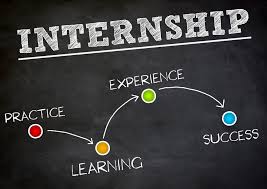
Internships are like the taste test of the career world. They give you a snapshot of what working in a specific field is really like without the long-term commitment of a full-time job. Plus, they can beef up your résumé and give you a chance to network all while you’re figuring out if you actually like working in a cubicle or prefer the great outdoors. So, roll up your sleeves and dive into some hands-on experience—your future self will thank you!
b) Finding Part-Time Opportunities.
Don’t underestimate the power of part-time work. Whether it’s a weekend gig at your local coffee shop or freelance projects in your field of interest, these opportunities offer you a chance to earn some cash while gaining relevant experience. Plus, every work experience teaches you something valuable—like how to deal with difficult customers or the importance of showing up on time. Who knew your job at the café would prepare you for a boardroom meeting?
c) Leveraging Experience for Future Employment.
The experience you gain through internships and part-time jobs is your golden ticket to future employment. Make sure to highlight these experiences on your résumé and during interviews. Employers love candidates who can demonstrate real-world application of their skills. Plus, your unique stories about overcoming challenges or boasting about your role in a successful project can set you apart. Just remember, being relatable can skyrocket your interview game!
8. Adapting to Changes in the Job Market and Industry Trends.

a) Understanding Industry Demand.
Keeping an eye on industry demand is like checking the weather before going out: it keeps you from getting caught in a downpour when you were expecting sunshine. Research emerging industries and growing sectors to understand where the job opportunities lie. Some fields may be booming, while others might be facing decline. Being proactive will equip you to navigate the job market with confidence.
b) Staying Updated with Technological Advancements.
In today’s fast-paced world, technology is that hyperactive friend you can’t ignore. Staying updated with industry-related technological advancements is essential to remain relevant and competitive. Follow industry blogs, attend webinars, or join online courses that focus on new tech. Embracing change is your best bet for future-proofing your career—and who knows, you might just become the go-to tech guru among your peers!
c) Embracing Flexibility in Career Choices.
Flexibility is your secret weapon in the ever-changing job market. Be open to new roles that may not have been on your radar initially. The skills you develop can often be transferable, helping you move sideways or even leapfrog into different sectors. So, whether you’re considering a shift from a corporate gig to freelancing or just exploring a new industry, keep your options open. After all, your dream job may end up being something you never thought you’d aspire to! In conclusion, making the right career choice after 12th grade is a journey that requires self-reflection, research, and planning. By understanding one’s interests and strengths, exploring various options, and gaining practical experience, students can position themselves for success in their chosen fields. As the job market continues to evolve, remaining adaptable and open to new opportunities will be key. With the right guidance and determination, young individuals can confidently transition from students to professionals, ready to embark on fulfilling careers that align with their dreams and ambitions.
Frequently Asked Questions:

1. What factors should I consider when choosing a career path after 12th grade?
Consider your personal interests, strengths, market demand for specific careers, required education or training, and potential job satisfaction. Engaging in self-assessment and career counseling can also provide valuable insights.
2. How important is gaining practical experience before starting a career?
Gaining practical experience through internships or part-time work is crucial as it helps you develop relevant skills, build a professional network, and enhance your resume. It also provides a clearer understanding of the industry and workplace expectations.
3. Is vocational training a good option compared to traditional college education?
Vocational training can be a great option for those looking to enter the workforce quickly with practical skills in high-demand fields. It often requires less time than a traditional degree and can lead to immediate job opportunities.
4. How can I stay updated on industry trends and job market changes?
Regularly follow industry news, attend workshops and networking events, join professional organizations, and utilize online platforms and resources to stay informed about trends, emerging technologies, and career opportunities in your field of interest.
Discover more from Parth Sharma
Subscribe to get the latest posts sent to your email.
 Parth Sharma