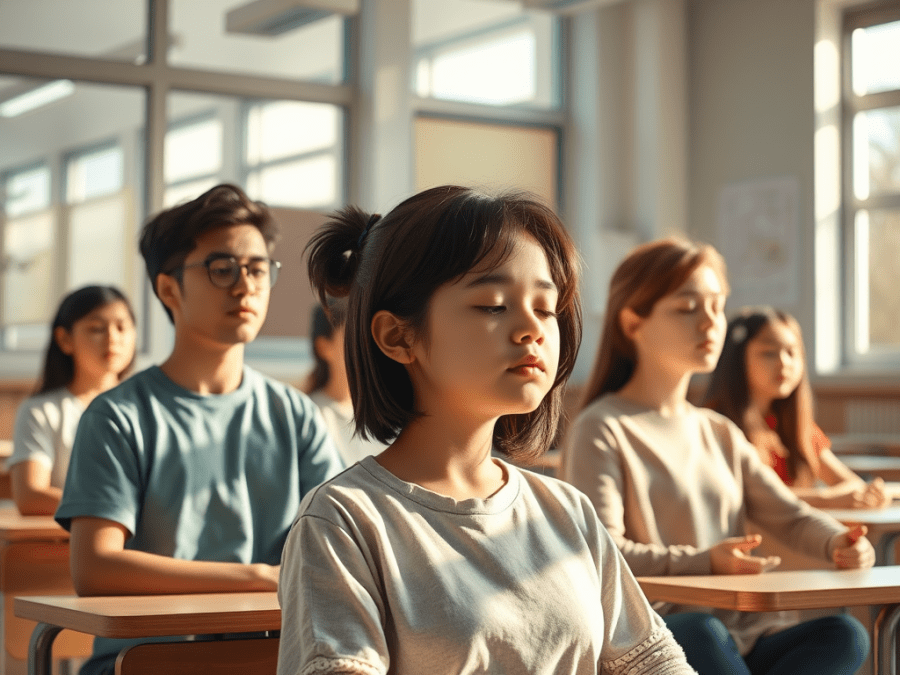
In recent years, the integration of mindfulness practices in education has gained traction as a transformative approach to enhancing student well-being and academic performance. Particularly in high school settings, such as 12th and 10th grade classrooms, the benefits of mindfulness techniques are increasingly recognized as a game-changer in supporting students’ mental health and learning outcomes. This article delves into the significance of mindfulness in education, exploring its origins, potential benefits for students, practical implementation strategies, and the role it plays in cultivating resilience and empathy. By shedding light on the power of mindfulness practices in transforming the educational experience, educators and stakeholders can glean insights into how this approach can positively impact the lives of high school students.
1. Introduction to Mindfulness in Education.
a) The Concept of Mindfulness.
Mindfulness is all about being present in the moment, paying attention to our thoughts and feelings without judgment. It involves being fully aware of what is happening within and around us, helping to cultivate a sense of calm and clarity in our daily lives.
b) Historical Context of Mindfulness in Education.
The practice of mindfulness has roots in ancient meditation traditions, but its application in modern education settings has gained popularity in recent years. Schools are increasingly recognizing the benefits of mindfulness for student well-being and academic performance.
2. Benefits of Mindfulness for 12th & 10th Grade Students.
a) Improved Focus and Attention.
Mindfulness practices can enhance students’ ability to concentrate on tasks, stay present in the classroom, and absorb information more effectively. This improved focus can lead to better academic performance and overall learning outcomes.
b) Reduced Stress and Anxiety Levels.
High school can be a stressful time for many students, with the pressure of exams, college applications, and social dynamics. Mindfulness techniques can help students manage their stress levels, reduce anxiety, and build resilience in the face of challenges.
3. Implementing Mindfulness Practices in School Settings.
a) Training Educators in Mindfulness Techniques.
To effectively introduce mindfulness in schools, educators can benefit from training in mindfulness techniques themselves. Teachers who practice mindfulness are better equipped to incorporate these practices into classroom routines and support students in developing their own mindfulness skills.
b) Incorporating Mindfulness into the Curriculum.
Integrating mindfulness into the curriculum can include dedicated mindfulness sessions, incorporating mindfulness activities into existing lessons, or creating a school-wide culture that promotes mindfulness practices. This can help students experience the benefits of mindfulness in a structured and consistent way.
4. Mindfulness Techniques for Stress and Anxiety Management.
a) Breathing Exercises for Relaxation.
Simple breathing exercises can be powerful tools for managing stress and anxiety. Encouraging students to focus on their breath, practice deep breathing techniques, and engage in mindful breathing exercises can help them calm their minds and bodies during stressful moments.
b) Body Scan Meditation Techniques.
Body scan meditation involves bringing awareness to different parts of the body, noticing sensations without judgment, and releasing tension. This practice can help students develop body awareness, alleviate physical discomfort, and relax both body and mind, making it a valuable tool for stress management.
5. Enhancing Academic Performance through Mindfulness.
a) Improving Memory and Retention.
Mindfulness isn’t just about being present; it also enhances memory and retention. By training the mind to focus on the task at hand, students can better absorb and recall information.
b) Promoting Cognitive Flexibility.
Mindfulness encourages students to approach challenges with an open mind. This flexibility in thinking can lead to more creative problem-solving and adaptability in academic settings.
6. Cultivating Emotional Resilience and Empathy.
a) Developing Self-Awareness and Emotional Regulation.
Through mindfulness practices, students can better understand their emotions and learn to regulate them effectively. This self-awareness can lead to improved emotional resilience.
b) Fostering Empathy and Compassion towards Others.
By being more in tune with their own emotions, students can also develop a deeper sense of empathy and compassion towards their peers. This can improve relationships and create a more supportive learning environment.
7. Overcoming Challenges in Integrating Mindfulness in Education.
a) Addressing Scepticism and Misconceptions.
One of the main challenges in integrating mindfulness in education is addressing scepticism and misconceptions about its effectiveness. Educating stakeholders about the proven benefits of mindfulness can help overcome this barrier.
b) Ensuring Sustainability of Mindfulness Programs.
Another challenge is ensuring the sustainability of mindfulness programs in schools. By providing ongoing training for educators and incorporating mindfulness into the broader school culture, these programs can thrive in the long term.
8. Future Directions and Recommendations.
a) Research Opportunities in Mindfulness and Education.
There is a wealth of research opportunities in exploring the impact of mindfulness on education. By conducting more studies and sharing findings, we can continue to refine and improve mindfulness practices in schools.
b) Policy Implications for Integrating Mindfulness in Schools.
To fully integrate mindfulness in education, policymakers need to recognize its value and provide support. Implementing guidelines, funding initiatives, and training programs can help schools effectively integrate mindfulness into their curriculum. In conclusion, mindfulness in education holds immense promise for nurturing holistic development and well-being among 12th and 10th grade students. By embracing mindfulness practices, schools can create supportive environments that empower students to manage stress, enhance focus, and foster emotional resilience. As we continue to explore the potential of mindfulness in education, it is evident that cultivating a mindful culture within schools can be a transformative force, shaping not only academic success but also the overall health and happiness of students as they navigate the challenges of high school and beyond.
Discover more from Parth Sharma
Subscribe to get the latest posts sent to your email.
 Parth Sharma