
Introduction.
Academic success is a goal that all educators strive to help their students achieve. However, it is essential to recognize that not all students come to the classroom with the same level of preparedness and ability. For weaker students who may face various challenges, unlocking their academic potential requires a tailored approach. In this article, we will explore effective approaches for enhancing the performance of weaker students. We will delve into understanding the challenges they face, identifying key factors that affect their academic performance, and providing targeted strategies and support to meet their individual needs. By creating a supportive learning environment, utilizing effective study techniques, and fostering active engagement, educators can empower weaker students to overcome obstacles and thrive academically.
1. Understanding the Challenges Faced by Weaker Students.

a) Identifying the underlying causes of weaker academic performance.
Let’s face it, not all students find academic success a walk in the park. Some students may struggle due to a variety of underlying causes. It’s important for educators to identify these causes in order to provide the necessary support and interventions. These causes can range from learning disabilities and language barriers to lack of prior knowledge and limited access to resources. By understanding the root causes, educators can better tailor their approach to help weaker students overcome their challenges.
b) Recognizing the impact of low self-confidence and motivation.
Low self-confidence and a lack of motivation can be major obstacles for weaker students. When students doubt their abilities or lose interest in learning, it can negatively affect their academic performance. Educators must recognize the crucial role that self-confidence and motivation play in a student’s success. By fostering a supportive and encouraging environment, providing positive feedback and helping students set achievable goals, educators can help boost confidence and reignite motivation in weaker students.
2. Identifying Key Factors Affecting Academic Performance.

a) Exploring the role of curriculum and instructional methods.
The curriculum and instructional methods employed in the classroom can greatly impact a student’s academic performance. Educators should take a critical look at the curriculum and consider whether it aligns with the needs and abilities of weaker students. Additionally, varying instructional methods can help cater to different learning styles and engage students who may struggle with traditional teaching approaches. By adapting the curriculum and instructional strategies, educators can create a more inclusive learning environment.
b) Examining the influence of learning styles and preferences.
Every student has their own unique learning style and preferences. Some students may thrive in a visual or kinesthetic learning environment, while others prefer auditory or hands-on approaches. Understanding and accommodating these differences is key to unlocking academic success for weaker students. Educators can incorporate a variety of teaching methods that cater to different learning styles, ensuring that all students have an equal opportunity to grasp and retain information.
3. Tailoring Instructional Strategies to Meet Individual Needs.

a) Implementing differentiated instruction techniques.
One size does not fit all when it comes to education. Differentiated instruction techniques can be highly effective in meeting the individual needs of weaker students. By providing customized learning experiences, educators can offer appropriate challenges and support to each student. This may involve modifying assignments, providing additional resources, or offering one-on-one instruction. With differentiated instruction, weaker students are empowered to learn at their own pace and in a way that suits their abilities and strengths.
b) Adapting content delivery methods for diverse learners.
Content delivery methods play a vital role in engaging weaker students and facilitating their understanding. Employing a variety of methods such as interactive multimedia, hands-on activities, or real-world examples can help make complex concepts more accessible. By tailoring content delivery to the diverse learners in the classroom, educators can foster a deeper understanding and make learning a more enjoyable experience for weaker students.
4. Creating a Supportive Learning Environment.
a) Fostering a positive classroom atmosphere.
A supportive and positive classroom atmosphere is essential for the academic success of weaker students. Creating an environment where all students feel safe to ask questions, make mistakes, and express their thoughts without fear of judgment is crucial. Encouraging collaboration, celebrating achievements, and promoting a growth mindset can contribute to a positive classroom atmosphere that motivates weaker students to strive for improvement.
b) Building meaningful relationships and trust with students.
Strong relationships and trust between educators and students can have a profound impact on their academic performance. Building a genuine connection with weaker students helps foster a sense of belonging and provides a support system for them. By showing empathy, actively listening, and demonstrating a genuine interest in their well-being, educators can create a trusting relationship that encourages weaker students to seek help, ask questions, and actively engage in their learning journey.
Remember, unlocking academic success for weaker students requires a combination of understanding their challenges, adapting instructional strategies, and creating a supportive environment. With the right approach, every student can unlock their potential and achieve academic success. So let’s empower our weaker students to reach new heights and make their academic journey an enjoyable and fulfilling one!
5. Utilizing Effective Study Techniques and Time Management Strategies.

a) Teaching effective note-taking and organization skills.
When it comes to academic success, taking good notes and staying organized can make all the difference. Students who struggle in certain subjects often find it challenging to keep track of important information. By teaching effective note-taking techniques, such as using abbreviations and summarizing key points, educators can help students capture and understand critical concepts. Additionally, promoting organization skills, like using color-coded folders or digital tools for file management, can assist in creating a structured study environment that enhances learning and retention.
b) Promoting efficient study habits and time allocation.
We’ve all been guilty of procrastination at some point, but effective time management is crucial for academic success. Encouraging students to develop efficient study habits, such as breaking down tasks into manageable chunks and creating a study schedule, can help them make the most of their time. Effective time allocation allows students to balance their workload, reducing stress and promoting better understanding of the material. So, let’s bid farewell to last-minute cramming sessions and embrace a more organized and productive approach to studying.
6. Encouraging Active Engagement and Participation.
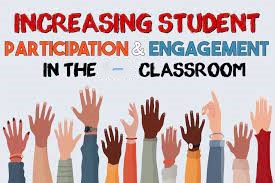
a) Incorporating interactive and hands-on learning activities.
Sitting passively in a classroom can be a recipe for disengagement, especially for weaker students. To unlock academic success, educators should spice up their teaching methods by incorporating interactive and hands-on learning activities. Whether it’s a group discussion, a science experiment, or a role-playing exercise, active engagement enhances understanding and retention. By making learning fun and involving students in the process, educators can create a more inclusive and dynamic environment that appeals to all learners.
b) Encouraging collaboration and group work opportunities.
They say two heads are better than one, and this holds true in the realm of education. Encouraging collaboration and group work opportunities not only cultivates a sense of community but also fosters academic growth. Weaker students can benefit from working alongside their peers, as it allows them to exchange ideas, gain new perspectives, and clarify concepts. By embracing the power of teamwork, educators can transform the learning experience into a collaborative adventure, ensuring that no student is left behind.
7. Providing Targeted Remedial Support and Resources.

a) Implementing intervention programs for specific academic areas.
No student should feel isolated or left behind if they struggle with particular subjects. To address this, implementing intervention programs specifically tailored to target areas of weakness can make a significant difference. These programs provide extra support and specialized instruction, helping students develop the necessary skills and knowledge. By recognizing that everyone learns at their own pace and providing targeted remedial assistance, educators can create a more inclusive environment where every student has an opportunity to succeed.
b) Offering additional tutoring and support services.
Sometimes, a little one-on-one assistance can go a long way. Offering additional tutoring and support services allows students to receive personalized attention and instruction tailored to their unique needs. Whether it’s through after-school tutoring sessions, peer mentoring programs, or online resources, students can benefit from the extra guidance and support. By making these resources readily available, educators demonstrate their commitment to helping weaker students unlock their academic potential.
8. Monitoring Progress and Adjusting Approaches as Needed.

a) Utilizing formative assessments to track student progress.
When it comes to enhancing weaker students’ performance, monitoring progress is key. Utilizing formative assessments, such as quizzes, projects, and class discussions, allows educators to gauge understanding and identify areas of improvement. By regularly assessing student performance, educators can pinpoint specific challenges and adjust their instructional approaches accordingly. This ongoing evaluation ensures that weaker students receive the necessary support and resources to thrive academically.
b) Using data-driven decision-making to modify instructional approaches.
Data is not just for number crunching; it can be a powerful tool for instructional improvement. By analyzing student performance data, educators can make informed decisions about modifying their teaching approaches. This data-driven decision-making enables educators to identify patterns, adapt their methods based on individual and collective needs, and ensure that weaker students receive the targeted support required for success. So, let’s embrace the power of data and use it to unlock academic potential for all students. By implementing the effective approaches discussed in this article, educators can make a significant impact on the academic success of weaker students. It is crucial to recognize that every student has the potential to grow and excel, given the right support and strategies. With a focus on understanding their challenges, tailoring instruction, and providing a supportive environment, educators can unlock the academic potential of weaker students and help them thrive. By investing in their success, we not only empower these students to achieve their goals but also foster a more inclusive and equitable educational system. Together, let us continue to work towards unlocking academic success for all students.
FAQ:

1. Can weaker students achieve academic success?
Yes, weaker students can absolutely achieve academic success. It is important to recognize that academic success looks different for every student and may require additional support and strategies. By implementing targeted approaches, providing a supportive learning environment, and addressing individual needs, educators can empower weaker students to reach their full potential.
2. How can educators identify the challenges faced by weaker students?
Identifying the challenges faced by weaker students requires a comprehensive understanding of their individual circumstances. Educators can gather information through assessments, observations, and conversations with students. Additionally, collaborating with colleagues, parents, and educational specialists can provide valuable insights into the challenges experienced by weaker students.
3. What are some effective study techniques for weaker students?
Effective study techniques for weaker students include teaching them how to take organized notes, break down complex tasks into smaller manageable parts, and practice active recall techniques such as summarizing information or teaching it to someone else. It is also important to teach time management skills and help them create a structured study schedule.
4. How can educators monitor the progress of weaker students?
Educators can monitor the progress of weaker students through ongoing formative assessments, which provide valuable feedback about their understanding and progress. Additionally, maintaining open lines of communication with students, regularly reviewing their work, and using data-driven decision-making can help identify areas where additional support or adjustment to instructional approaches may be needed.
Discover more from Parth Sharma
Subscribe to get the latest posts sent to your email.
 Parth Sharma