
Introduction:
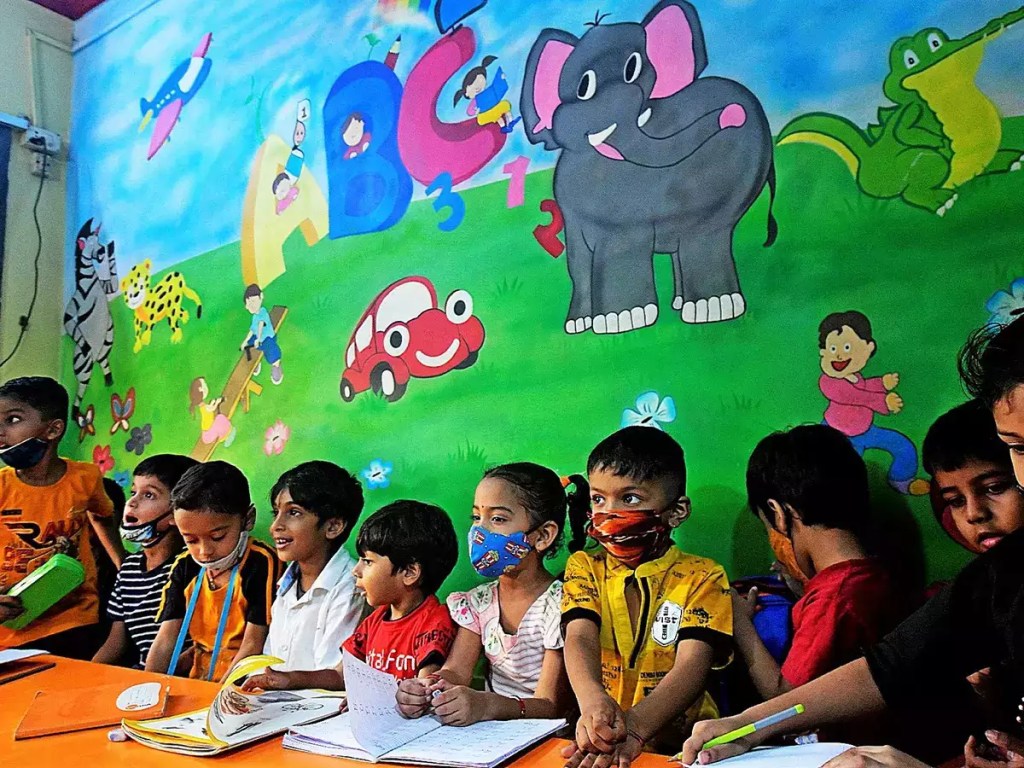
In the journey of a child’s education, the pre-primary stage serves as a crucial foundation for their future development. Pre-primary education, often the first formal educational experience for young children, goes beyond the simple notion of a playground. It becomes a mind playground, where psychological struggles and challenges emerge alongside academic growth. This article explores the psychological impact of pre-primary education, shedding light on the various struggles faced by children during this transitional phase. By understanding these challenges, educators, parents, and caregivers can better support children’s emotional well-being, socialization skills, cognitive growth, and overall psychological development.
1. Introduction to Pre-Primary Education and its Psychological Impact.

a) The Importance of Early Education.
Starting school can be both an exciting and nerve-wracking experience for young children. Pre-primary education, also known as preschool or kindergarten plays a crucial role in a child’s development. It sets the foundation for their academic journey and shapes their social and emotional growth. It’s like the warm-up before the real workout, preparing young minds for the challenges ahead.
b) Understanding the Psychological Impact.
While pre-primary education is undeniably important, it’s essential to recognize the psychological impact it can have on children. Transitioning from the carefree days of the playground to the structured environment of a classroom can be overwhelming. Separation from parents or caregivers also adds another layer of emotional challenges. Understanding and addressing these psychological struggles is key to ensuring a smooth and positive educational experience for young learners.
2. The Challenges of Transitioning from Playground to Mind Playground.

a) Adapting to a Structured Learning Environment.
For children used to the free-spirited nature of the playground, adjusting to a structured learning environment can be like trying to fit a square peg into a round hole. Suddenly, they are expected to follow rules, sit still, and focus on tasks. It can feel restrictive and confining, leading to frustration and resistance. Patience and gentle guidance from educators are essential in helping children adapt and find their place in this new world of academic structure.
b) Coping with Separation from Parents or Caregivers.
Leaving the comfort of familiar faces, such as parents or caregivers, can trigger emotional turmoil for young children. Separation anxiety can make the transition into pre-primary education challenging. Tears, clinginess, and pleas for just “one more hug” are common sights during drop-off. It’s essential for educators to create a nurturing and welcoming environment that helps children feel safe and secure. Over time, with consistency and reassurance, children learn to cope with the separation and build their own sense of independence.
3. Emotional Development and Socialization in Pre-Primary Education.

a) Fostering Emotional Intelligence.
Pre-primary education provides a fertile ground for children to develop emotional intelligence. Learning to identify and manage their own emotions, as well as understanding and empathizing with others, is vital for their future well-being. By creating an atmosphere that encourages emotional expression and providing guidance on emotional regulation, educators play a crucial role in fostering emotional intelligence in young learners.
b) Developing Social Skills and Peer Relationships.
The playground may be a child’s first taste of social interaction, but pre-primary education takes it to a whole new level. It is in this setting that children learn important social skills, such as sharing, taking turns, and cooperating with others. Building positive relationships with peers is also a significant aspect of pre-primary education. Through play and structured activities, children develop crucial social skills that form the foundation for future friendships and collaborations.
4. Cognitive Development and Learning Experiences in Pre- Primary Education.

a) Stimulating Cognitive Growth through Playful Learning.
Preprimary education offers a plethora of learning experiences that stimulate cognitive growth. Through play-based activities and hands-on exploration, children develop their problem-solving skills, creativity, and critical thinking abilities. Educators embrace the power of play to ignite curiosity and create a positive learning environment where children can discover, experiment, and make connections.
b) Encouraging Critical Thinking and Problem-Solving.
Pre-primary education challenges young minds to think critically and solve problems independently. Engaging children in age-appropriate tasks that require them to analyze, evaluate, and find solutions allows them to develop these essential cognitive skills. By nurturing a growth mindset and providing support when needed, educators empower children to become confident and resourceful learners.
In conclusion, preprimary education is not just a stepping stone to formal schooling. It is a pivotal phase in a child’s life where they face and overcome psychological struggles, develop emotional intelligence, build social skills, and enhance cognitive abilities. By understanding and addressing these challenges, educators can create a nurturing environment that sets children up for success both academically and personally. So, let’s dive into the magical world of preprimary education and help our little ones thrive in their mind playground!
5. Addressing Anxiety and Separation Issues in Pre Primary Education.

a) Recognizing and Managing Separation Anxiety.
It’s the first day of pre-primary school, and your little one clings onto your leg like a koala on a eucalyptus tree. Separation anxiety is a common struggle for both children and parents during the early years of education. Recognizing the signs and knowing how to manage it can make this transition smoother for everyone involved.
Separation anxiety often manifests as tears, tantrums, and pleas for you not to leave. But fear not! There are strategies you can employ to help your child cope better with this situation. Gradual separation, building trust with the teacher, and maintaining a consistent routine are some effective ways to ease separation anxiety. And don’t worry, it usually gets easier with time as your child adjusts to the new routine and realizes that you will always come back.
b) Strategies for Reducing Anxiety in the Classroom.
Anxiety doesn’t just vanish when your child steps into the classroom. Many young learners experience anxiety during pre-primary education, but as educators, we have tools to help them feel more at ease in their new environment.
Creating a calm and welcoming classroom atmosphere can work wonders. Incorporating fun activities, providing clear expectations, and offering opportunities for creative expression can all contribute to reducing anxiety levels. It’s also essential to encourage open communication, so children feel comfortable expressing their fears and concerns. Remember, empathy and understanding go a long way in creating a safe space for your little learners.
6. Promoting Positive Mental Health and Well-being in Pre- Primary Education.
a) Creating a Supportive and Inclusive Learning Environment.
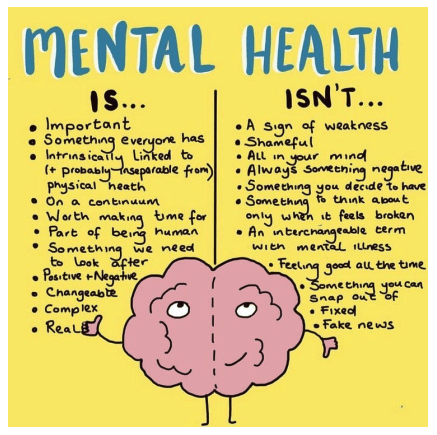
A positive mental health foundation starts with a supportive and inclusive learning environment. Pre-primary education is not just about ABCs and 123s; it’s also about nurturing the emotional well-being of our young learners.
Teachers play a crucial role in creating an environment where children feel valued and respected. Encouraging kindness, empathy, and celebrating diversity can help foster a sense of belonging. By promoting positive relationships and teaching children how to be good friends, we lay the foundation for a harmonious and supportive classroom.
b) Teaching Self-care and Emotional Regulation.
Pre-primary education is an excellent time to introduce the concept of self-care and emotional regulation. We all have emotions, and learning how to manage and express them appropriately is a valuable life skill.
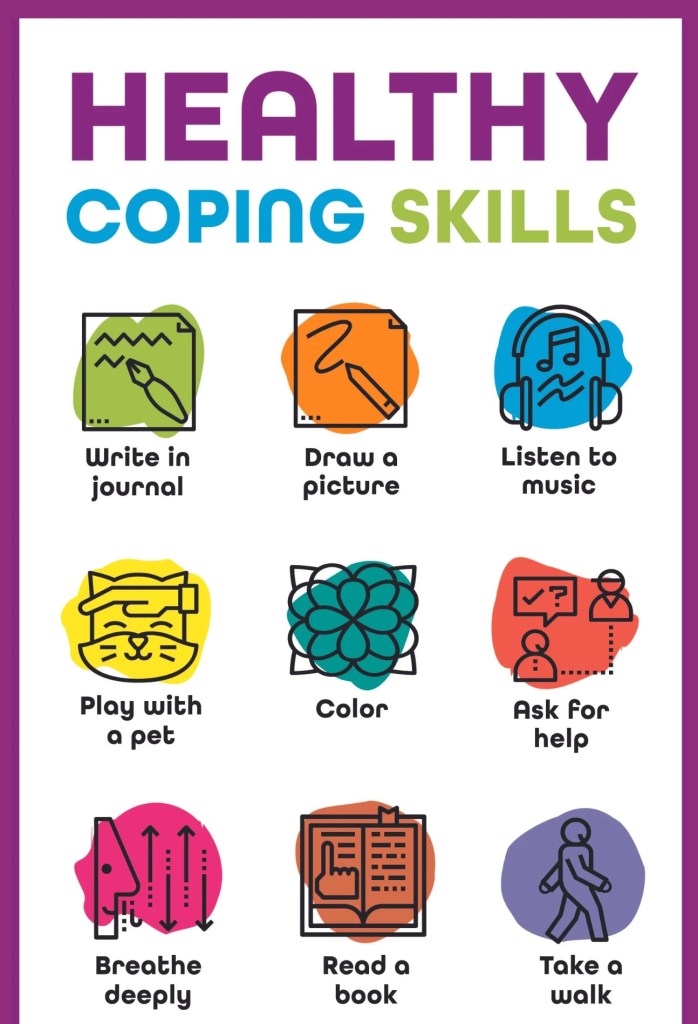
Incorporating mindfulness exercises, teaching deep breathing techniques, and providing opportunities for self-reflection can help children understand and regulate their emotions. Encouraging self-care activities such as drawing, reading, or playing outside can give children the tools to take care of themselves mentally and emotionally.
7. Enhancing Resilience and Coping Skills in Pre Primary Education.
a) Building Resilience through Challenges and Failures.
Life is full of ups and downs, and pre-primary education is no exception. Building resilience in children helps them bounce back when faced with challenges and failures.
Encouraging a growth mindset, where mistakes are seen as opportunities for growth, can foster resilience. Creating a classroom culture that celebrates effort, persistence, and problem-solving can empower children to view setbacks as stepping stones to success. Remember, it’s not about avoiding failure; it’s about learning from it.
b) Teaching Effective Coping Mechanisms.
Teaching children effective coping mechanisms equips them with the tools to navigate the inevitable challenges they’ll face throughout their lives. Pre-primary education is the perfect time to introduce and practice these skills.
Helping children identify and express their emotions is a crucial first step. Additionally, teaching problem-solving strategies, such as brainstorming solutions or seeking help from others, can empower children to tackle obstacles with confidence. And of course, a little humor goes a long way in lightening the load and promoting a positive outlook.
8. Parental Involvement and Support: Nurturing Psychological Growth in Pre Primary Education.
a) The Role of Parents in Supporting Psychological Development.
Parents, you’re not off the hook! Your involvement plays a vital role in supporting your child’s psychological development during their pre-primary education journey. You are their biggest cheerleader, after all.
Make time for open communication with your child, actively listen to their worries and triumphs, and provide reassurance when needed. Celebrate their achievements and encourage them to persevere through challenges. Remember, your support and belief in their abilities can go a long way in fostering their psychological growth.
b) Collaborating with Parents to Address Psychological Struggles.
Teachers and parents, unite! By working together, we can create a network of support for our little learners. Collaboration is key when it comes to addressing psychological struggles.
Establishing open lines of communication between teachers and parents allows for a holistic understanding of each child’s unique needs. Sharing observations, concerns, and strategies can ensure consistency and tailored support for the child. Remember, we’re all on the same team, working towards the growth and well-being of our young learners. In conclusion, recognizing and addressing the psychological struggles that arise during pre-primary education is essential for the holistic development of young children. By fostering emotional intelligence, facilitating socialization, promoting cognitive growth, and providing support systems, we can create a positive and nurturing environment for children to thrive. With the collaborative efforts of educators, parents, and caregivers, we can empower young minds to overcome challenges, build resilience, and embark on a successful educational journey. By prioritizing the psychological well-being of children in pre-primary education, we pave the way for a brighter future filled with confident, capable, and emotionally resilient individuals.
Frequently Asked Questions-

1. How can pre-primary education impact a child’s psychological development?
Pre-primary education plays a vital role in shaping a child’s psychological development. It introduces them to a structured learning environment, helps them adapt to separation from parents or caregivers, and fosters emotional, social, and cognitive growth. The experiences during this phase can significantly impact a child’s self-esteem, resilience, and overall well-being.
2. What are some common psychological struggles that children may face during pre-primary education?
Children may experience various psychological struggles during pre-primary education, such as separation anxiety, difficulty adapting to a more structured environment, socialization challenges, and increased academic expectations. These struggles can manifest through emotional distress, behavioral changes, or academic performance issues, necessitating support and intervention.
3. How can educators, parents, and caregivers support a child’s psychological well-being during pre-primary education?
Supporting a child’s psychological well-being during pre-primary education involves creating a nurturing and inclusive learning environment, teaching emotional intelligence and self-regulation skills, promoting socialization opportunities, and addressing anxiety or separation issues. Collaboration between educators, parents, and caregivers is key in providing the necessary support and guidance to help children navigate through these challenges successfully.
4. Why is it important to prioritize psychological development alongside academic growth?
Prioritizing psychological development alongside academic growth ensures that children receive a well-rounded education. By addressing their emotional, social, and cognitive needs, we foster resilience, promote healthy self-esteem, and equip them with the necessary skills to navigate future educational and life challenges effectively. Moreover, a focus on psychological well-being contributes to building a positive learning environment, where children can thrive and reach their full potential.
“Every Child You Encounter Is A Divine Appointment.”
Discover more from Parth Sharma
Subscribe to get the latest posts sent to your email.
 Parth Sharma