

Preparing for the 10th standard exams can be a challenging and overwhelming task. However, with the right study techniques and strategies, it can also be a rewarding and productive experience. This article aims to provide 10th standard students in India with easy and effective ways to enhance their study habits and achieve academic success. From creating an organized study schedule to exploring different learning styles and utilizing digital resources, we will delve into practical tips and techniques that will help students make the most of their studying efforts. By implementing these strategies, students can study more efficiently, retain information better, and approach their exams with confidence.
1. Understanding the Importance of Effective Study Techniques.
a) The Benefits of Developing Effective Study Habits.

Let’s face it, studying is not always the most exciting thing in the world. But here’s the thing: developing effective study habits can make a world of difference in your academic performance. When you adopt good study techniques, you’ll not only improve your understanding of the subjects, but you’ll also retain information better and recall it during exams. Plus, with effective study habits, you’ll be able to manage your time more efficiently, leaving room for other activities that you actually enjoy. So, buckle up and get ready to discover the benefits of studying smart!
b) Identifying Common Study Challenges Faced by 10th Standard Students.
It’s a time when studying becomes a bit more intense. You’re faced with a range of subjects, complex concepts, and intimidating exams. But fear not, because you’re not alone. Many 10th standard students face similar challenges when it comes to studying. From procrastination to lack of motivation, it’s easy to fall into these traps. But by identifying these common challenges, you can tackle them head-on and find ways to overcome them. So, let’s explore the hurdles together and find ways to make studying a breeze!
2. Creating an Organized Study Schedule.

a) Designing a Personalized Study Plan.

Now that you understand the importance of effective study techniques, it’s time to create a study schedule that works for you. One size does not fit all when it comes to studying, so it’s crucial to design a personalized study plan. Consider your strengths, weaknesses, and commitments outside of academics. By tailoring your study plan to your specific needs, you’ll be able to maximize your productivity and make the most out of your study sessions. So, let’s dive into the world of study planning and make studying a well-organized adventure!
b) Allocating Time for Each Subject and Topic.

We’ve all been guilty of spending hours on a single subject while neglecting others. But fear not, there’s a way to avoid this and ensure you give equal attention to every subject. By allocating specific time slots for each subject and topic, you can prevent yourself from getting lost in the abyss of endless reading. This way, you’ll have a balanced approach to studying; giving all subjects their fair share of attention. So, let’s be strategic with our study time and conquer each subject like the superheroes we are!
3. Exploring Different Learning Styles.
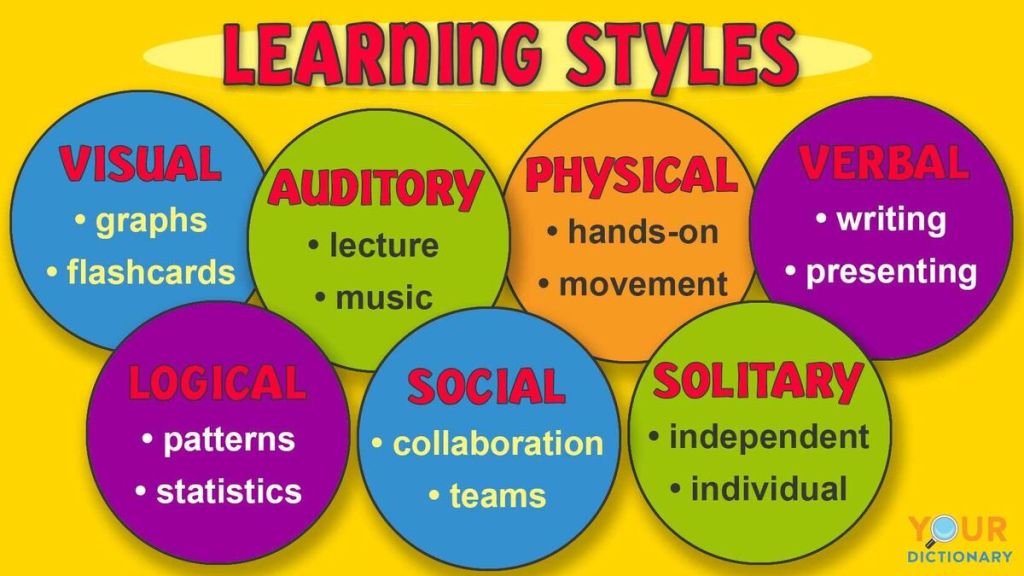
a) Understanding the Different Types of Learning Styles.
Did you know that not everyone learns in the same way? It’s true! Understanding your learning style can revolutionize your study game. Whether you’re a visual learner who prefers pictures and diagrams, an auditory learner who thrives on discussions, or a kinesthetic learner who needs hands-on activities, knowing your learning style can help you tailor your study methods to suit your preferences. So, let’s dive into the world of learning styles and unleash your full potential!
b) Assessing Your Own Learning Style.

Now that you know there are different learning styles out there, it’s time to uncover your own. Take a moment to reflect on how you absorb information best. Do you find it easier to understand concepts when you see them in action or when you listen to someone explain them? Understanding your own learning style will not only make studying more enjoyable but also more effective. So, let’s take a self-discovery journey and unlock the key to successful studying!
4. Utilizing Effective Note-taking Methods.

a) Importance of Good Note-taking Skills.
It’s an art form that can often be overlooked but plays a vital role in retaining information. Good note-taking skills can help you capture the essence of what you’re studying, organize your thoughts, and create a valuable resource for revisiting concepts later on. So, don’t underestimate the power of a well-crafted set of notes. Let’s embrace the importance of good note-taking skills and elevate our study game to the next level!
b) Techniques for Efficient Note-taking.
Now that we’ve established the significance of note-taking, it’s time to learn some techniques for making it more efficient. From highlighting key points to using abbreviations, there are various methods you can employ to make your notes clear, concise, and easy to revise. So, grab your favorite pen and let’s dive into the world of note-taking techniques, where boring lectures become captivating adventures!
5. Making the Most of Digital Resources and Technology.

a) Discovering Online Learning Platforms and Tools.
In this digital age, studying no longer has to be limited to textbooks and traditional methods. Take advantage of the vast array of online learning platforms and tools available. Website like Khan Academy offer free courses and video lessons on a wide range of subjects. These platforms can provide additional explanations and examples to help you grasp difficult concepts.
b) Utilizing Educational Apps for Enhanced Studying.

Gone are the days of cramming information into your brain the night before exams. There are now numerous educational apps designed to make studying more engaging and effective. Apps like Quizlet and Duolingo offer interactive quizzes, flashcards, and language learning exercises. Make use of these apps to reinforce your knowledge and test yourself regularly.
6. Implementing Active Learning Strategies.

a) Engaging in Group Study Sessions and Discussions.
Studying doesn’t have to be a solitary activity. Organize study sessions with your classmates or friends to discuss and clarify concepts together. Explaining concepts to others helps reinforce your understanding and can uncover different perspectives on the subject matter. Plus, studying with others can bring some much-needed socialization to your study routine.
b) Incorporating Hands-on Activities and Practical Examples.
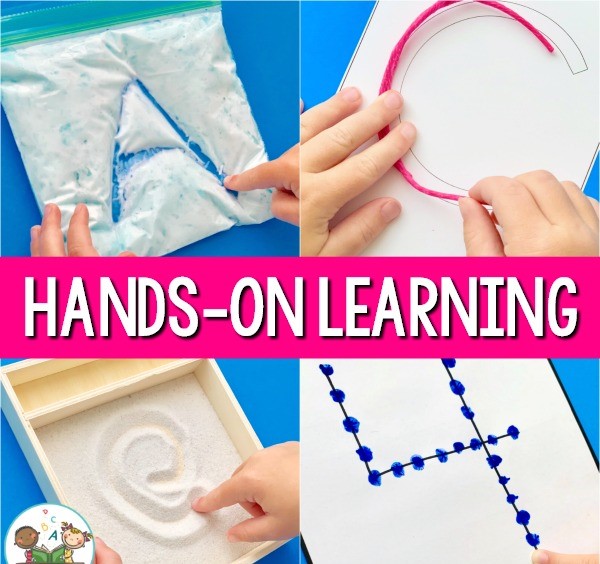
Sometimes, understanding complex topics requires a hands-on approach. Look for practical examples and real-life applications of the concepts you’re studying. If you’re studying science, conduct simple experiments at home. If you’re studying history, visit historical sites or museums. These hands-on activities will not only make studying more enjoyable but will also help you remember information better.
7. Engaging in Regular Revision and Practice.

a) The Importance of Regular Revision and Practice.
Regular revision is key to retaining information and keeping it fresh in your mind. Allocate specific time each week for revising what you’ve learned. Break down your subjects into smaller topics and review them systematically. Additionally, practice solving sample questions and past papers to familiarize yourself with the exam format and identify areas where you need improvement.
b) Effective Techniques for Reviewing and Testing Knowledge.
When revising, try different techniques to reinforce your understanding. Summarize the main points in your own words, create mind maps or diagrams to visualize connections between ideas, or teach the concepts to someone else. Testing your knowledge through quizzes or mock exams can also help gauge your progress and identify areas that need more attention.
8. Seeking Additional Support and Resources.

a) Utilizing Study Groups.
If you find certain subjects particularly challenging, don’t hesitate to seek extra support. Consider joining study groups or asking help from teachers who can provide you guidance after class. Sometimes, a fresh perspective or one-on-one attention can make a world of difference in your understanding and confidence in a subject.
b) Exploring Online Resources and Reference Materials.
The internet is a treasure trove of information, so make sure to explore online resources and reference materials. Websites like NCERT and CBSE provide textbooks and supplementary materials that can complement your studies. Online forums and communities can also be valuable sources of information and discussion.
Remember, studying doesn’t have to be a daunting task. By making use of digital resources, implementing active learning strategies, engaging in regular revision and practice, and seeking additional support, you can simplify the process and make it more enjoyable. So, grab your books, fire up those educational apps, and embark on your journey to academic success! Good luck! In conclusion, developing effective study habits is crucial for 10th standard students to excel academically. By understanding the importance of efficient study techniques, creating a well-organized study schedule, and exploring different learning styles, students can enhance their overall learning experience. Additionally, utilizing digital resources, implementing active learning strategies, engaging in regular revision and practice, and seeking additional support can further contribute to their success. With dedication and consistent effort, 10th standard students can overcome challenges, boost their confidence, and achieve remarkable results in their exams. So, let’s embrace these easy ways to study and unlock the doors to a bright academic future!
FAQ:

1. How can I create an effective study schedule?
Creating an effective study schedule involves prioritizing your subjects and topics, allocating specific time slots for studying, and ensuring a balanced distribution of study hours throughout the week. It’s essential to consider your personal preferences, energy levels, and any extracurricular commitments when crafting your schedule. Regularly reviewing and adjusting your study plan can also help you stay on track and make the most of your study time.
2. Are digital resources and technology really helpful in studying?
Absolutely! Digital resources and technology can be incredibly helpful in studying. Online learning platforms, educational apps, and interactive tools offer a wide range of resources, practice exercises, and study materials that can complement your traditional studying methods. These resources can facilitate better understanding of concepts, provide additional practice opportunities, and make studying more engaging and enjoyable.
3. How often should I engage in revision and practice?
Regular revision and practice are essential for effective learning and retention of information. It’s recommended to set aside dedicated time for revision on a regular basis, preferably daily or at least a few times a week. By reviewing previously learned material, testing your knowledge through quizzes or practice questions, and identifying areas of weaknesses, you can reinforce your understanding and improve your performance in exams.
4. What should I do if I need additional support or resources?
If you require additional support or resources, there are several options available. Consider seeking help from your teachers, classmates, or forming study groups to collaborate and discuss difficult topics. Additionally, explore online resources such as educational websites, video tutorials, and reference materials to supplement your learning and gain further insights into challenging subjects.
“There are no secrets to success. It is the result of preparation, hard work, and learning from failure.”
Discover more from Parth Sharma
Subscribe to get the latest posts sent to your email.
 Parth Sharma